Industrial Water Level Sensor Applications in Wastewater Treatment
TIME: 2026.04.14AUTHOR: OlinaNUMBER OF VIEWS 708
Industrial Water Level Sensor Applications in Wastewater Treatment | GAMICOS Technical Guide
Precision liquid level monitoring for process optimization, regulatory compliance, and smart automation — a complete B2B technical reference for engineering & procurement professionals.
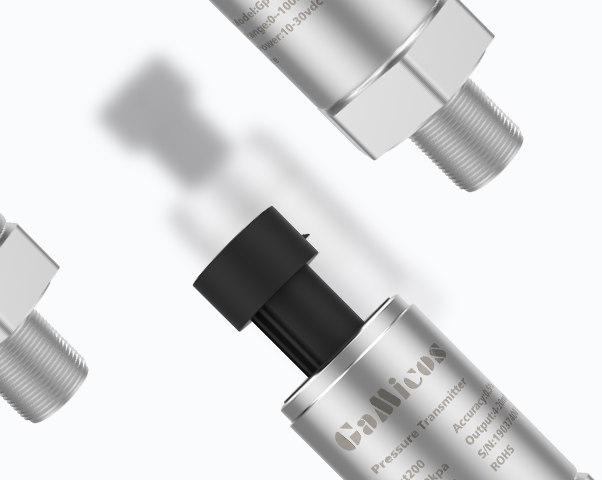
In modern wastewater treatment plants, industrial water level sensor technology is essential for precise process management and environmental compliance. By integrating advanced level sensing, facility operators can optimize chemical dosing, prevent costly overflows, and maintain exact control across treatment trains. For both municipal and industrial facilities, reliable level instrumentation directly impacts operational efficiency, cost control, and environmental preservation.
Why Industrial Water Level Sensors Matter in Wastewater
Wastewater operators face stricter discharge limits and rising energy costs. Automated monitoring systems depend on robust industrial water level sensors to deliver real-time data for aeration control, sludge return, and effluent compliance. Selecting the right level measurement technology is a strategic decision that influences long-term reliability and total cost of ownership.
Understanding Industrial Water Level Sensors for Wastewater
Operating Principles
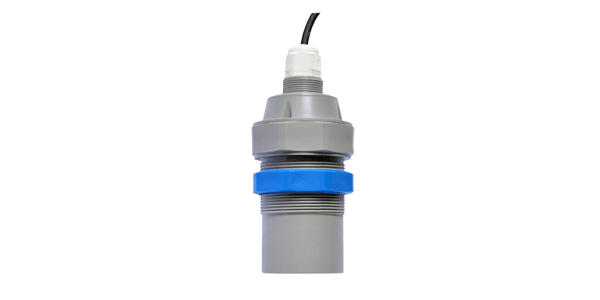
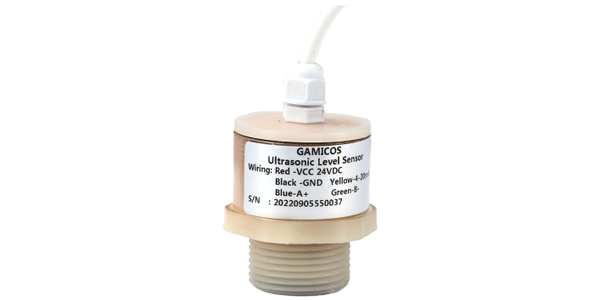
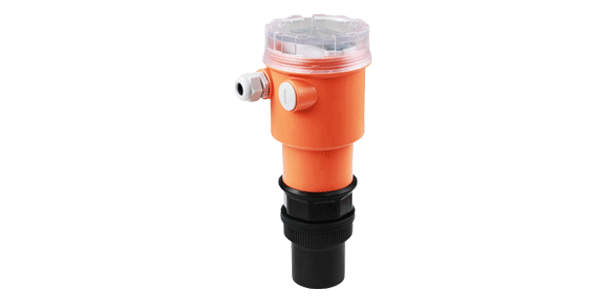
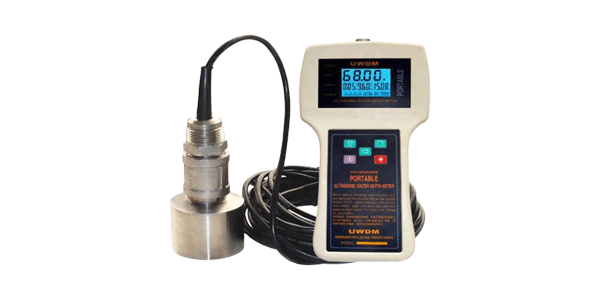
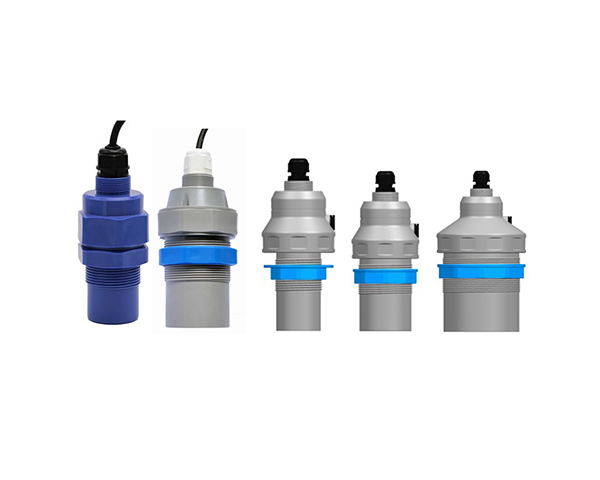
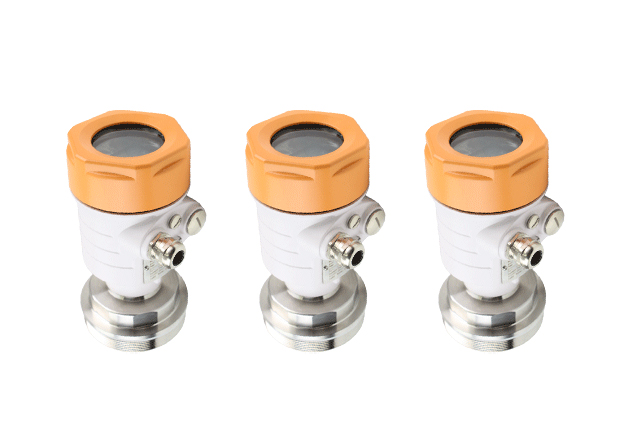
Industrial water level sensors rely on the direct relationship between liquid height and hydrostatic pressure. Converted via formula P = ρ × g × H + Po, pressure measurements yield accurate level readings. Modern wastewater facilities deploy multiple sensor technologies: silicon piezoresistive pressure sensors offer excellent accuracy and long-term stability; ultrasonic sensors provide non-contact operation, reducing maintenance in corrosive atmospheres; radar sensors deliver dependable performance even in the presence of foam, mist, or turbulent conditions.
Key Technologies & Comparative Use Cases
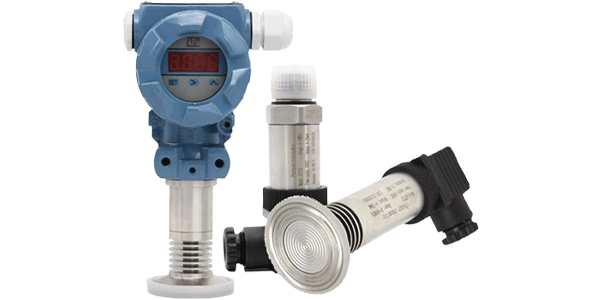
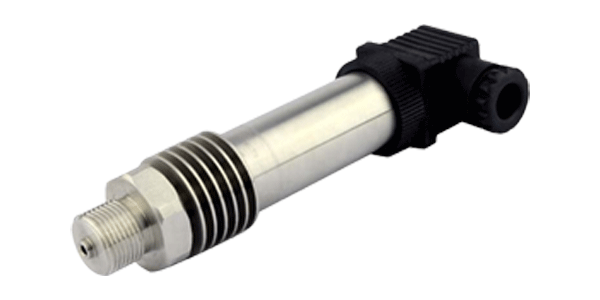
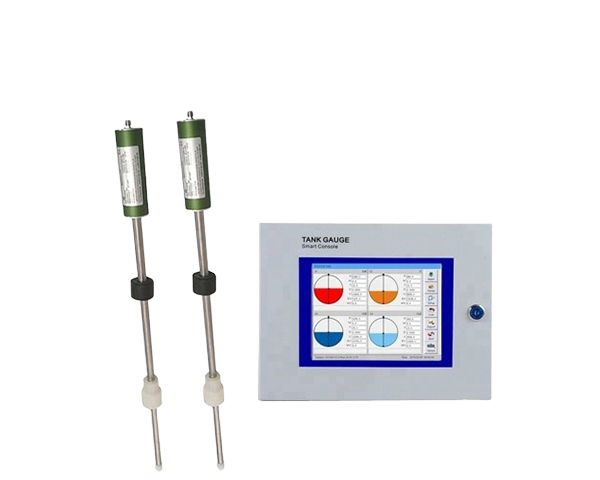
Environmental conditions and wastewater characteristics strongly influence technology selection. Submersible pressure transmitters excel at critical control points where direct contact is acceptable, featuring rugged housings that resist abrasive solids and corrosive chemicals. Typical applications include influent/effluent monitoring, sludge level management, and chemical dosing systems that require precise level data to maintain treatment ratios while avoiding chemical waste.
Sensor Type
Typical Accuracy
Best Suited For
Key Advantage
Submersible / Hydrostatic
±0.1% ~ ±0.25% FS
Equalization basins, sludge storage, wet wells
Direct contact, robust against foam, temperature compensation
Ultrasonic
±0.2% ~ ±0.5%
Lift stations, effluent flumes, non-contact needs
No sensor fouling, no chemical compatibility worries
Radar (FMCW)
±1mm ~ ±3mm
Heavy foam, vapor, harsh weather
Immune to dielectric changes, high penetration
Capacitive / RF
Switch or ±1%
High/low alarm, overfill protection
Cost-effective, suitable for sticky or corrosive media
Selection & Integration: Buyer’s Guide for Procurement Managers
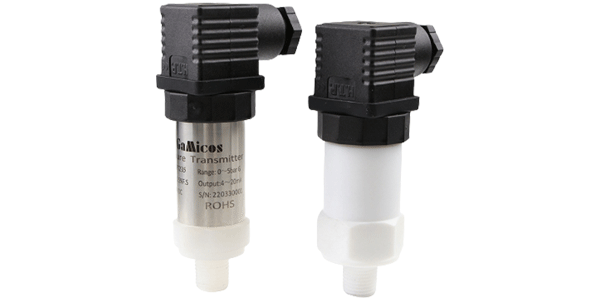
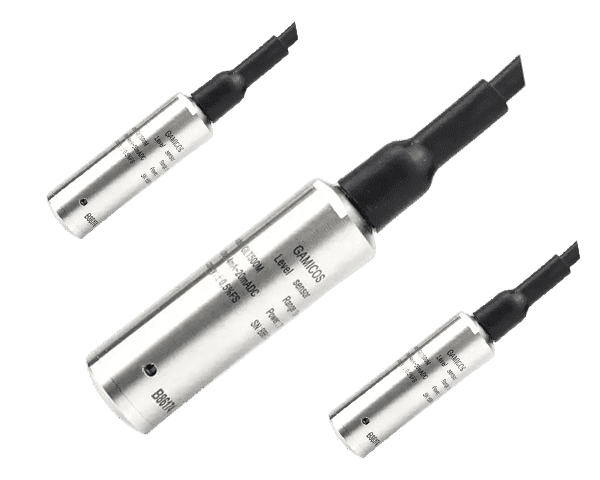
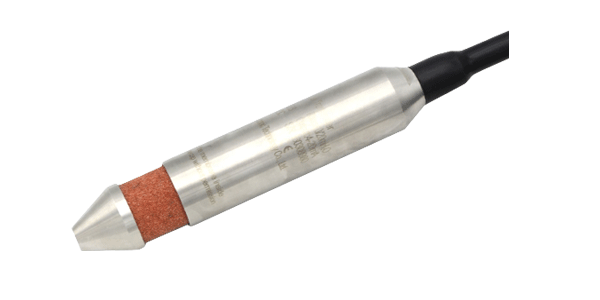
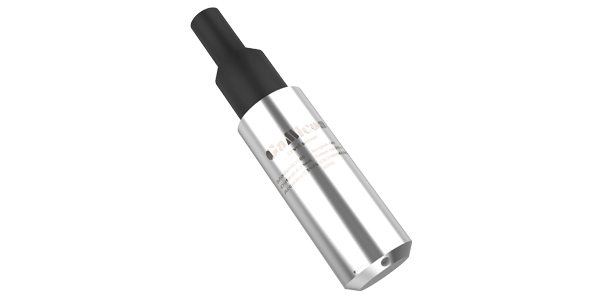
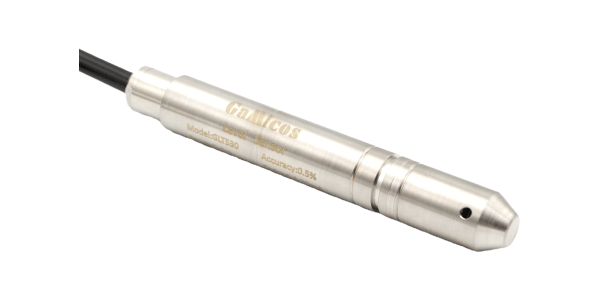
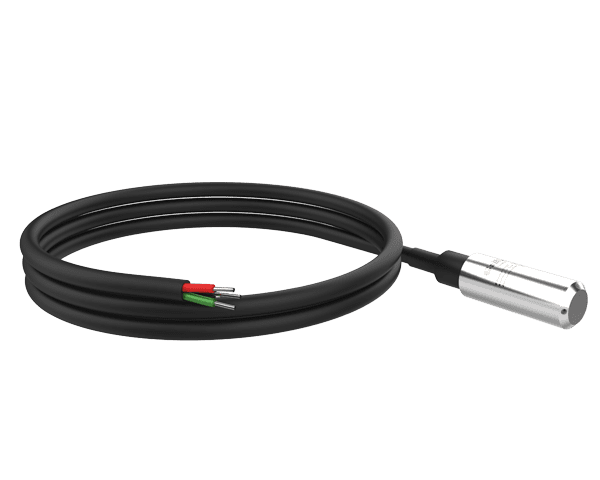
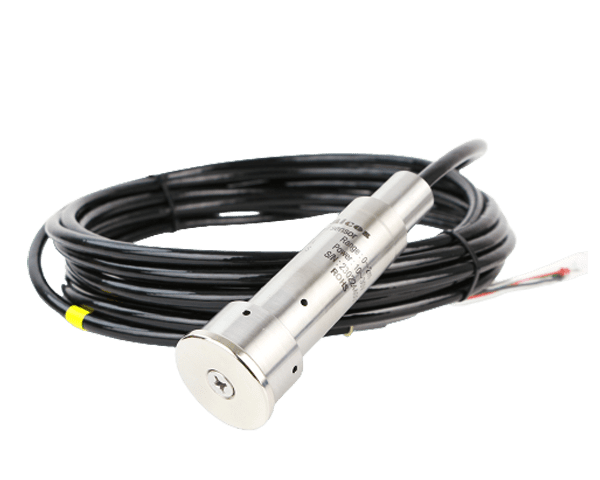
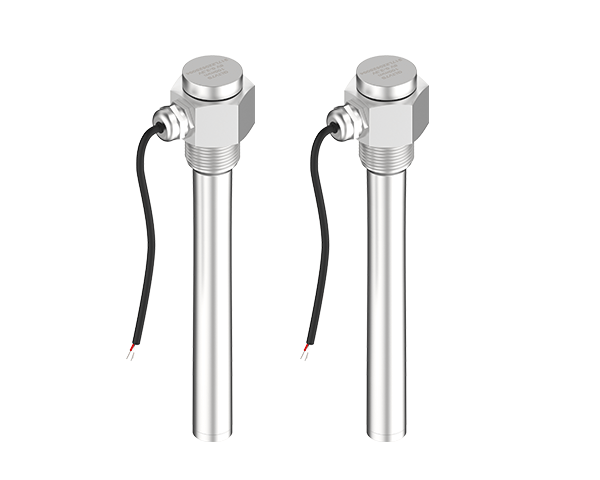
Choosing the right industrial water level sensor requires balancing technical parameters and commercial factors. Chemical compatibility, temperature range, pressure rating, and output compatibility (4–20mA, Modbus, HART) must align with existing control systems. Waterproof sensor designs rated IP68 ensure long-term reliability in wet, corrosive environments. GAMICOS offers the GLT500 submersible level sensor — built with all-stainless steel construction and fully automatic temperature compensation — engineered specifically for demanding wastewater conditions.
✨ Featured solution: GLT500 submersible industrial water level sensor
High-reliability silicon piezoresistive sensing core + programmable digital circuit correction + complete IP68 waterproof sealing. Available with wear-resistant, oil-resistant, acid-alkali resistant cable options, multiple pressure ranges and output signals (4-20mA, RS485 Modbus). Perfect for sewage treatment, river monitoring, and industrial effluent applications.
Proper installation begins with a thorough site assessment, avoiding turbulent zones or areas with persistent foam. For any industrial water level sensor, placement must reflect actual tank/basin conditions. Routine inspections include cable integrity, corrosion signs, and cleaning of sensing elements. For critical process points, quarterly calibration verification is recommended; drift detection techniques help schedule recalibration or replacement before performance degrades. Maintaining detailed calibration logs supports predictive maintenance strategies and extends sensor lifetime.
Future Trends: Smart Sensors & IoT Integration
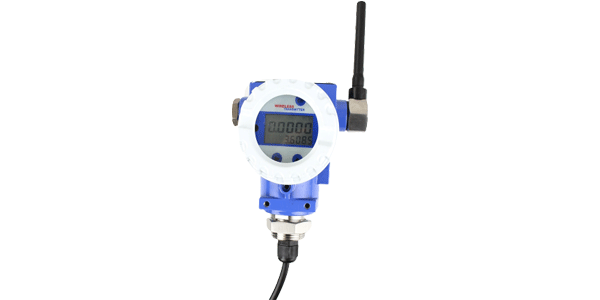
IoT-enabled smart sensors are revolutionizing wastewater monitoring. Continuous data streaming to cloud analytics platforms enables real-time performance optimization and predictive maintenance. Machine learning algorithms detect sensor drift or cable breakage, predicting failures before they cause unplanned downtime. Low-power designs and eco-friendly manufacturing reduce environmental footprint, aligning with sustainability goals. GAMICOS remains at the forefront of Industry 4.0 ready level sensing solutions.
You may also find valuable
📡 How a Submersible Diesel Level Sensor Works in Oil Tanksltrasonic vs. Radar: Selecting Non-Contact Level Sensors
Learn how a submersible diesel level sensor uses hydrostatic pressure for accurate fuel monitoring in oil tanks.
Q1: How often should industrial water level sensors be calibrated in wastewater applications?
A: Calibration frequency depends on application criticality and environmental aggressiveness. Critical process control points typically require quarterly verification, while less critical monitoring may extend to semi-annual intervals. Harsh chemical or high-temperature environments may demand more frequent checks.
Q2: What signs indicate that a water level sensor needs replacement?
A: Persistent calibration drift, physical damage to housing/cables, erratic signal output, or failure to respond to known level changes. Corrosion on sensor diaphragm or electrical connections normally requires immediate replacement to prevent measurement failure.
Q3: Can industrial water level sensors operate reliably in chemically aggressive wastewater environments?
A: Absolutely. Modern sensors designed for wastewater feature chemical-resistant materials (316L stainless steel, PVDF, PTFE coatings) and protective encapsulation. Proper material selection based on specific chemical exposure ensures long-term reliability.
Partner with GAMICOS for Superior Sensor Solutions
With experience spanning over 100 countries, GAMICOS is a trusted manufacturer of industrial water level sensors purpose-built for wastewater treatment. Our engineering team specializes in custom measurement solutions that address unique operational challenges while ensuring regulatory compliance and cost-effective operation. From the GLT500 submersible series to radar and ultrasonic sensors, we provide full lifecycle support including calibration, maintenance and technical consulting.
📧 Contact our technical experts: info@gamicos.com for personalized selection assistance.
1. Zhang, L., & Anderson, R. M. (2023). Advanced Level Measurement Technologies in Industrial Wastewater Treatment. Journal of Environmental Engineering Technology, 45(3), 234-251.
2. Thompson, K. J., et al. (2024). Hydrostatic Pressure Sensors for Critical Infrastructure Monitoring. Water Treatment Technology Review, 18(2), 89-107.
3. European Water Association. (2024). Technical Guidelines for Level Measurement Systems in Wastewater Treatment. EWA Technical Publication Series, Report 2024-03.
4. International Wastewater Technology Consortium. (2024). Sensor Reliability and Maintenance Protocols. IWTC Technical Manual, Version 3.2.
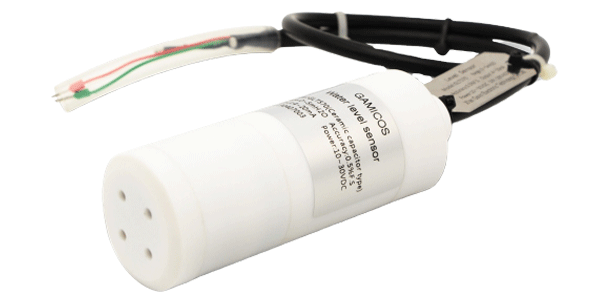
GAMICOS, a leading Chinese OEM, manufactures corrosion‑resistant submersible level transmitters (GLT570) for harsh industrial environments. Combining ceramic/PTFE technology, customizable venting cables, and full OEM support, the company serves automation, chemical, water, and energy sectors globally. Backed by ISO/CE certifications and responsive after‑sales, GAMICOS offers cost‑efficient alternatives to major Western brands