Best Mechanical Fuel Level Gauge Supplier in China for Brazilian Farms
TIME: 2026.08.18AUTHOR: OlinaNUMBER OF VIEWS 160
Mechanical Fuel Level Gauge Supplier in China for Brazilian Farms
Brazilian Agriculture · Mechanical Gauges
Reliable Fuel Level Monitoring for Brazilian Farms
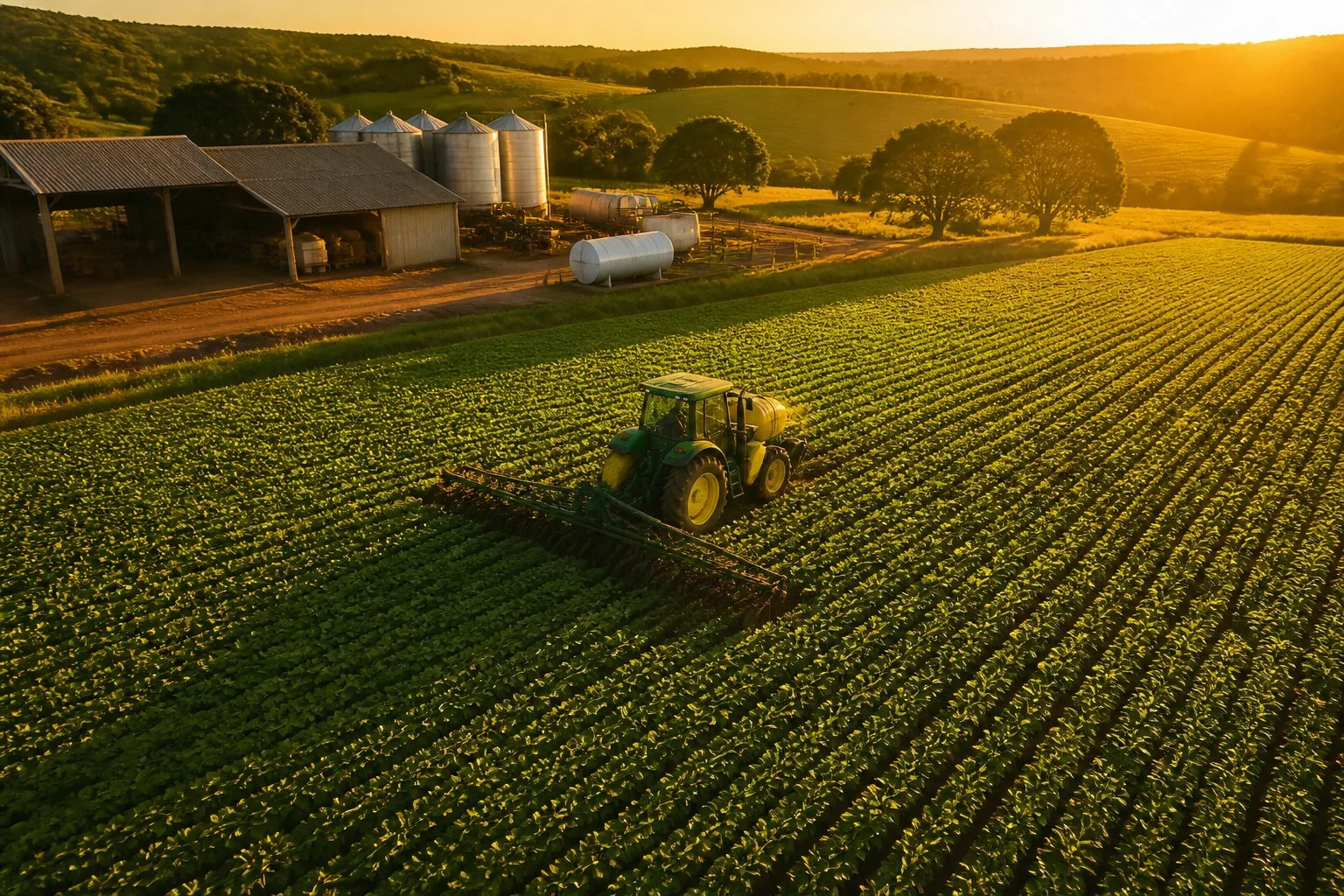
When sourcing the optimal Mechanical Fuel Level Gauge solutions for Brazilian agricultural operations, Chinese manufacturers have established themselves as leading suppliers offering exceptional value, reliability, and customization capabilities. Brazil's farms face unique problems, such as being in rural areas, having harsh weather, and having different fuel management needs for different types of farm equipment.
Market: BrazilIndustry: AgricultureProduct: GLTV4Read: ~9 min
Chinese suppliers are very appealing to Brazilian agricultural businesses that need reliable fuel tracking solutions because they offer a wide range of products at low prices and with advanced manufacturing capabilities. Among the well-known companies in this field, GAMICOS stands out as the best at providing liquid level and pressure measurement solutions, with products especially made for agricultural use and tested to work well in harsh conditions.
01Understanding Mechanical Fuel Level Gauges for Agricultural Use
Mechanical Fuel Level Gauge systems are the most reliable way to check the fuel level in farm equipment. They work by following basic physical rules that keep them working the same way no matter what power is available or if there is electronic interference. These gadgets use tried-and-true mechanical parts, like precise floats, calibrated indicator shafts, and visual display mechanisms, that all work together to give you exact fuel level readings in real time.
Working Principles and Core Components
Monitoring the fuel level in farms needs strong mechanical systems that can handle the rough conditions that are common on farms. The main idea behind how it works is based on buoyancy: as the fuel level changes, a float mechanism moves in a way that is proportional to the change. This movement is sent to an outside display through a mechanical linkage. With this simple design, you don't need to rely on electricity, which makes it especially useful for farming in remote areas where power may not always work.
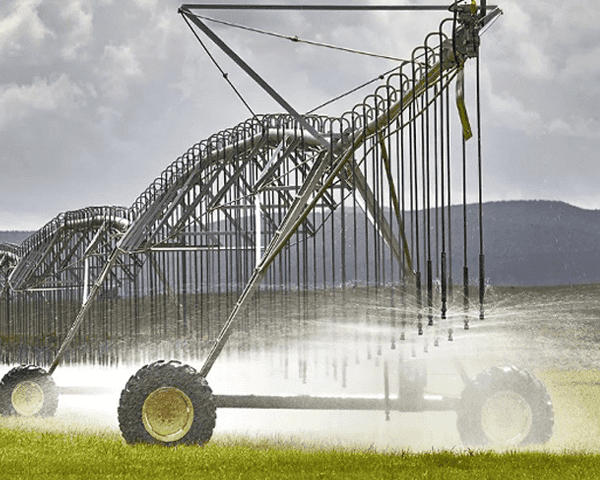
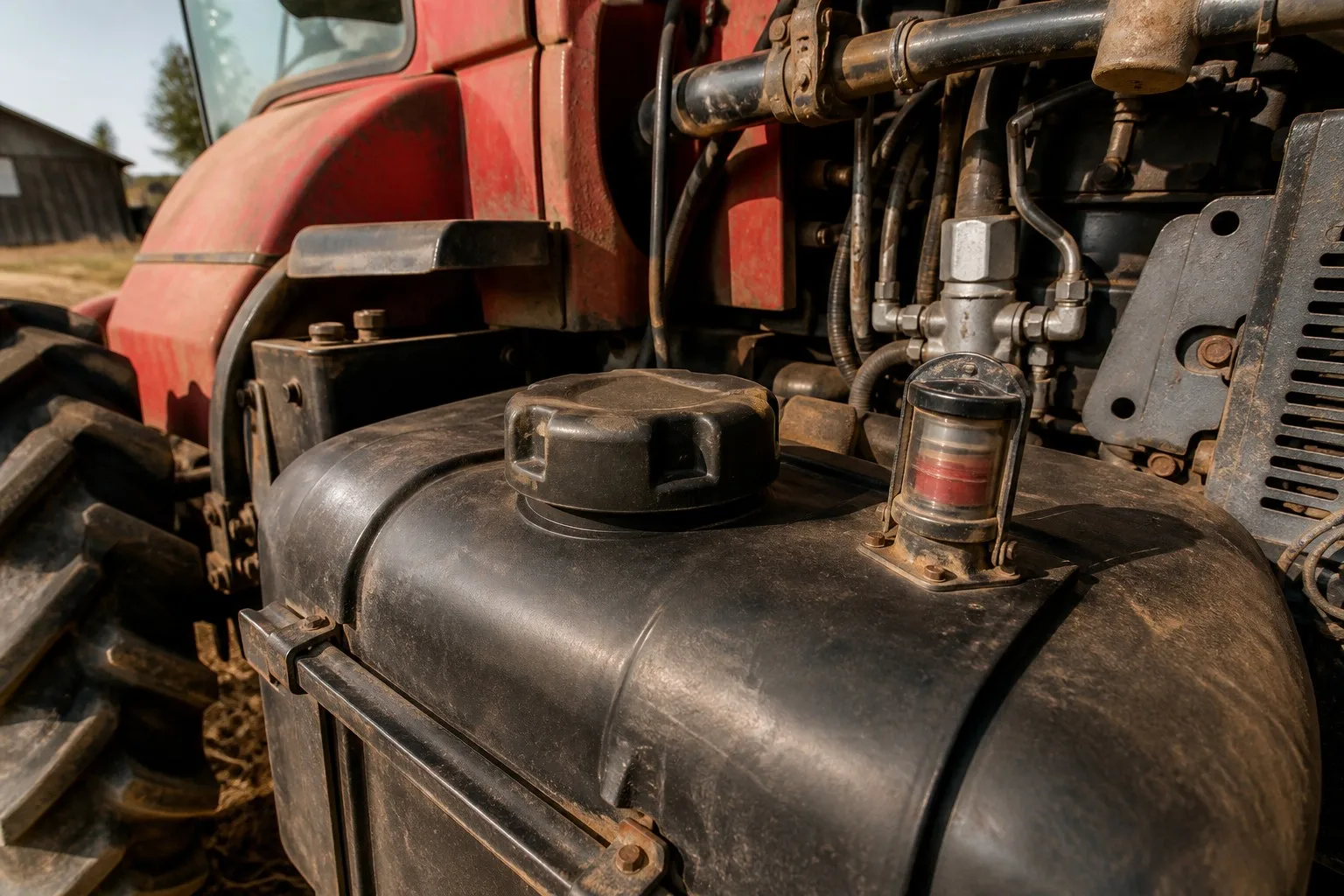
Brazilian farms demand fuel monitoring that survives harsh rural conditions
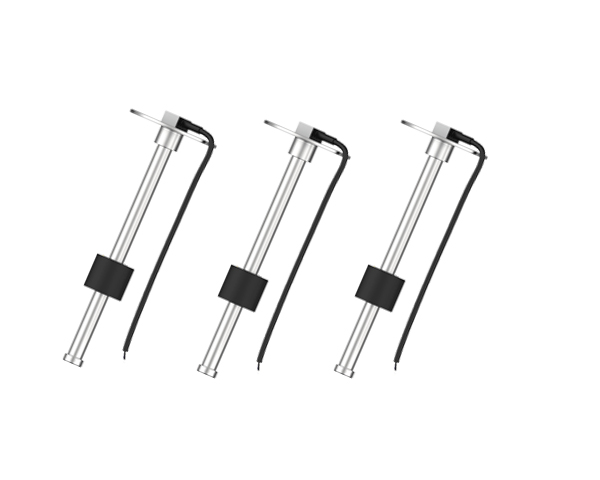
A sealed float chamber, a precision-engineered float assembly, a mechanical transfer shaft, and a calibrated display unit make up the main parts. To make sure long-term dependability in agricultural working conditions, each part must be made to exacting standards. The float assembly is usually made of corrosion-resistant materials that can handle diesel, gasoline, and biodiesel alternatives, all of which are popular fuels for farm equipment.
Component 1
Sealed Float Chamber
Protects the sensing mechanism from dust, moisture, and contamination in farm environments.
Component 2
Precision Float Assembly
Corrosion-resistant construction that handles diesel, gasoline, and biodiesel alternatives.
Component 3
Mechanical Transfer Shaft
Transmits float movement proportionally to the external display without any electronics.
Component 4
Calibrated Display Unit
Provides exact real-time fuel level readings through a clear visual mechanism.
Popular Models for Farm Vehicle Applications
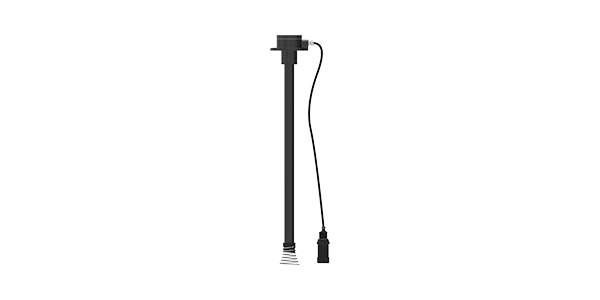
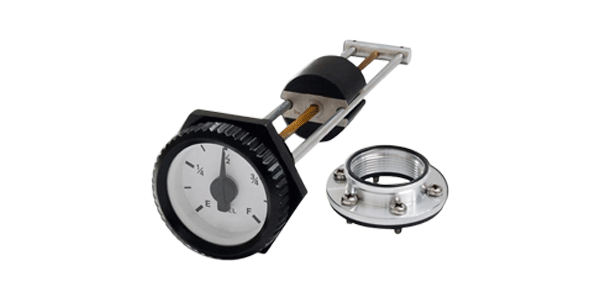
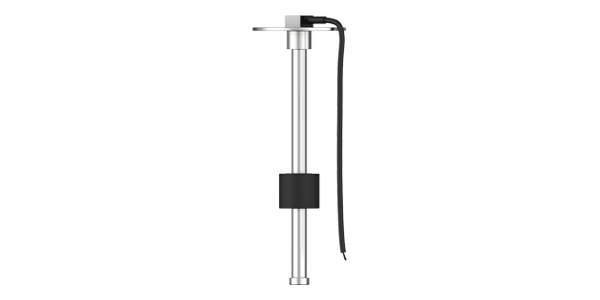
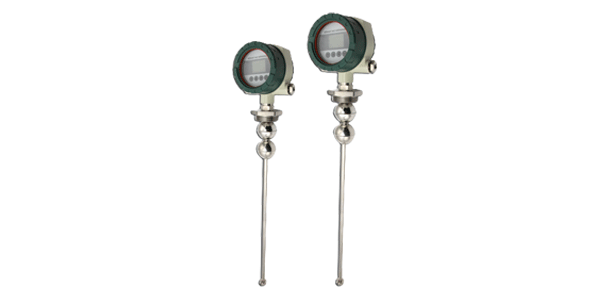
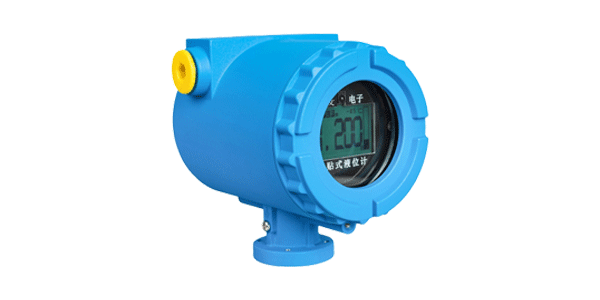
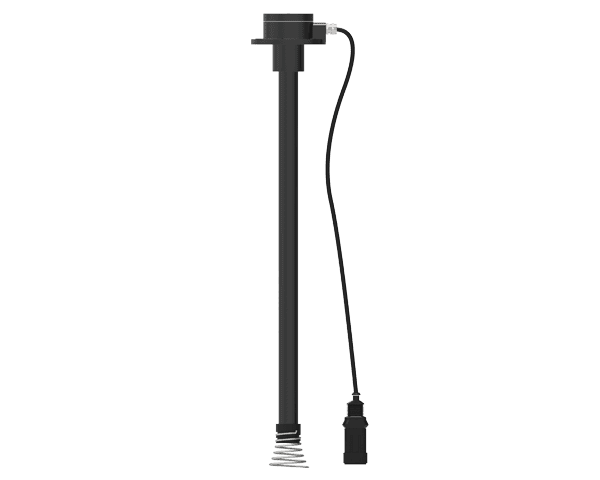
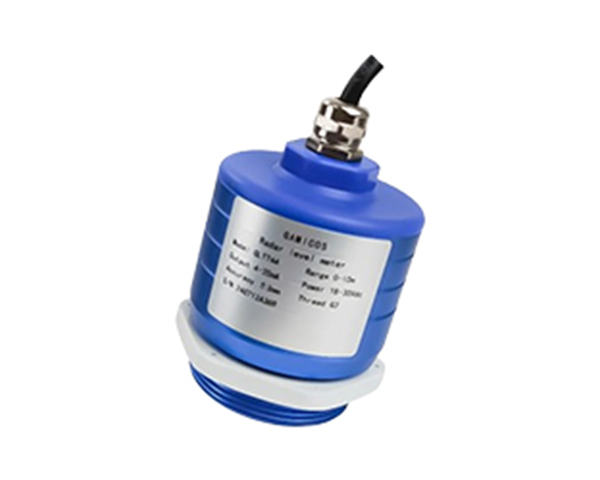
Brazilian farms use a wide range of farm equipment, from small tractors to big harvesting machines, and each type of equipment needs its own fuel tracking system. Heavy-duty models can fit the big fuel tanks on combines, sprayers, and irrigation systems, while compact gauge models are better for smaller farm cars and equipment. The GLTV4 mechanical level instrument is an example of advanced engineering in this field. It has a power-free design that is perfect for real-time liquid level tracking, with a detection and display structure built in that doesn't need any external power.
A modern agricultural application benefits from gauge designs that include flexible alarm expansion capabilities. This lets farm workers set up warning systems that are specific to their needs — especially helpful during important farming times, when broken tools can have big effects on operations and finances.
02Comparing Mechanical Fuel Level Gauges: Why Choose Mechanical Over Electronic for Farms?
In many situations, mechanical gauge options are better than electronic ones because of the unique environmental problems that come up in Brazilian agriculture. Mechanical Fuel Level Gauge systems excel in harsh agricultural environments due to their inherent resistance to electromagnetic interference.
Mechanical vs Electronic at a Glance
Aspect
Mechanical Gauge
Electronic System
Electromagnetic interference
Resistant by design
Susceptible in agricultural environments
Water / humidity ingress
High natural resistance
Needs careful sealing
Temperature & vibration
Stable across Brazil's climate zones
May drift under harsh conditions
Power requirement
None — power-free design
Requires stable power supply
Maintenance
Low — 8–10 years service life
Diagnostics and part replacement
Durability and Environmental Resilience
Because they are naturally resistant to electromagnetic interference, water getting in, and temperature changes that happen a lot in Brazilian farming areas, mechanical gauge systems work well in harsh agricultural settings. Electronic systems have a lot of advanced features, but they may not work well in agricultural areas because of the dust, humidity, vibration, and electrical disturbances that are common there.
Mechanical gauges thrive where dust, humidity, and vibration are the norm
Aluminum alloy and special plastics are used to make high-quality mechanical gauges. These materials are very resistant to common farming fluids like water, oil, and mild acids or bases. This chemical compatibility makes sure that the engine works the same way no matter what kind of fuel it is or how it is stored, which is important in agricultural activities.
Cost-Effectiveness and Maintenance Considerations
Agricultural businesses that want to be as efficient as possible like how little care mechanical fuel monitoring systems need. Not having any electronic parts or complicated circuits makes damage from old parts or electrical failures much less likely. Mechanical gauges of good quality usually last between 8 and 10 years with little to no upkeep, making them a great long-term investment for agricultural uses.
When it comes to mechanical systems, maintenance is mostly about checking them over and cleaning them every so often — not about doing complicated computer diagnostics or replacing parts. This easier way of maintaining things works well with most farms' maintenance skills and cuts down on the need for expert technical support services.
Performance Under Agricultural Operating Conditions
Brazil's farms work in a wide range of conditions, from the humid coastal areas to the dry interior areas. Because of this, they need fuel monitoring tools that can stay accurate in all of these areas. Mechanical gauge systems are more stable when the temperature, humidity, and physical vibrations that happen when farm machinery is used change.
Modern mechanical gauges are easy to install because they are small and can work with a wide range of storage tank configurations and types of farming equipment. This adaptability is especially helpful for farming businesses that have to manage a lot of different pieces of equipment with different fuel tank requirements and fitting needs.
03How to Select the Best Mechanical Fuel Level Gauge Supplier in China?
To buy Mechanical Fuel Level Gauge systems from Chinese suppliers successfully, you need to carefully look at the suppliers' skills, the products they offer, and their service support systems. Brazilian agricultural businesses need to think about more than just the original price to make sure that their purchases will be successful in the long term and that their operations will run smoothly.
Criterion 1
Certification & Quality Assurance
Professional suppliers keep full certification portfolios including CE, RoHS, and ISO compliance documents, covering material selection, precise manufacturing, performance testing, and final inspection. GAMICOS backs its strict inspection systems with certifications from well-known metrology organizations.
Criterion 2
Technical Support & Customization
Special configurations are often needed for different tank designs, mounting restrictions, or operating needs. Leading suppliers offer sensor type selection, interface changes, communication protocol adaptation, and size customization — with skilled technical teams supporting selection, installation, and commissioning.
Criterion 3
Supply Chain & Delivery
Agricultural activities need reliable delivery schedules that work with the needs of the season. Inventory management, production capacity, and logistics coordination capabilities make sure that products are always available and delivered on time — critical during busy farming seasons.
04Installation, Maintenance, and Troubleshooting: Ensuring Long-Term Performance
For Mechanical Fuel Level Gauge methods to work as long as possible and be as reliable as possible, they need to be installed correctly, maintained regularly, and have systematic ways of fixing problems. Brazilian farms can benefit from detailed instructions that cover the unique problems that come up when installing and maintaining farm equipment.
05Procurement and Logistics: Buying Mechanical Fuel Level Gauges for Brazilian Farms
Getting Mechanical Fuel Level Gauge tools from Chinese suppliers to Brazilian farms depends a lot on how well the logistics are managed and how well the procurement strategies are used. Learning about the different ways to buy things, how to negotiate, and how to make the best use of transportation can help you get what you need at the best price and on time.
Procurement Channel Selection
When buying in bulk for agriculture, working directly with factories often gives you the best price and customization options. Established companies like GAMICOS offer a wide range of products and direct customer service, which cuts out the need for middlemen and makes sure there are clear lines of communication. Authorized distributors and specialized farm equipment suppliers are other ways to buy things — they may offer better regional support and integrated logistics services.
Ocean freight and smooth customs clearance keep Brazilian deliveries on time
Logistics Optimization and Import Procedures
Choosing the right shipping method has a big effect on how long it takes to bring goods to Brazil and how much they cost overall. Ocean freight usually has lower prices for large orders, while air freight might be better for urgent needs or high-value, custom-made parts. Documents needed for imports include the right way to label the goods, proof of safety, and instructions on how to clear customs according to Brazilian rules.
Quality Assurance and Supplier Relationship Management
Setting clear quality standards and acceptance criteria helps make sure that the same product is delivered every time and meets the needs of farming applications. Quality documentation and pre-shipment inspection procedures give customers even more trust that the product will meet their needs and perform as expected.
Long-term supplier relationship development relies on ways to keep getting better, new technology, and more ways to work together. Regular contact and feedback exchange helps suppliers understand how agricultural needs change over time and come up with better solutions for future procurement cycles.
06Conclusion
To find the best Mechanical Fuel Level Gauge supplier for agricultural activities in Brazil, you need to look at their technical skills, quality control methods, and service support infrastructure. Chinese manufacturers have strong benefits because they use advanced engineering, offer reasonable prices, and can make a lot of changes that fit a wide range of agricultural needs. Mechanical gauge options are especially appealing for farms in Brazil that have to deal with tough working conditions because they are reliable, don't damage easily, and don't cost a lot of money. To be successful in procurement, you need to carefully choose your suppliers, make sure the equipment is installed correctly, and commit to regular maintenance that guarantees long-term operating reliability and performance optimization.
07FAQ
Why choose mechanical fuel level gauges over electronic systems for farms?
Mechanical gauges are naturally resistant to electromagnetic interference, water ingress, and temperature swings that are common in Brazilian farming areas. Their power-free design works even in remote regions where electricity may not always be available, and they need no electronic diagnostics — making them more dependable and easier to maintain in harsh agricultural conditions.
How long do mechanical fuel level gauges last in agricultural use?
Quality mechanical gauges typically last between 8 and 10 years with little to no upkeep. With no electronic parts or complicated circuits, the risk of component aging or electrical failure is greatly reduced. Maintenance is mainly periodic inspection and cleaning rather than complicated diagnostics or part replacement.
What should Brazilian buyers check when selecting a Chinese fuel gauge supplier?
Look for full certification portfolios (CE, RoHS, ISO), quality control processes covering material selection and final inspection, customization capabilities for different tank designs, skilled technical support, and a reliable track record of bulk delivery. Working directly with established factories like GAMICOS also ensures clear communication and import-friendly logistics for Brazilian customs.
GAMICOS, a leading Chinese OEM, manufactures corrosion‑resistant submersible level transmitters (GLT570) for harsh industrial environments. Combining ceramic/PTFE technology, customizable venting cables, and full OEM support, the company serves automation, chemical, water, and energy sectors globally. Backed by ISO/CE certifications and responsive after‑sales, GAMICOS offers cost‑efficient alternatives to major Western brands