Top 5 Ultrasonic Level Transmitters for USA Wastewater Plants
TIME: 2026.08.19AUTHOR: OlinaNUMBER OF VIEWS 208
USA Wastewater · Ultrasonic Measurement
Top 5 Ultrasonic Level Transmitters for USA Wastewater Plants
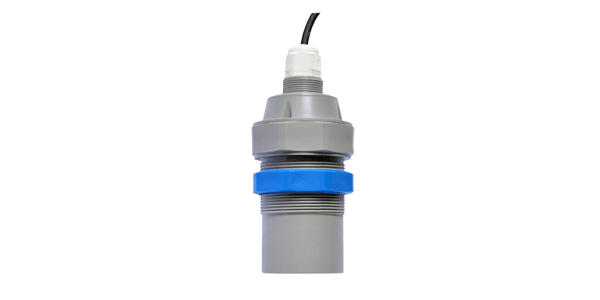
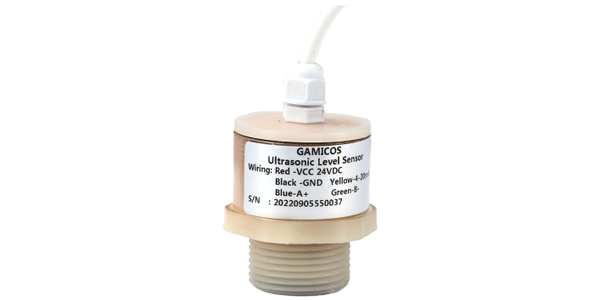
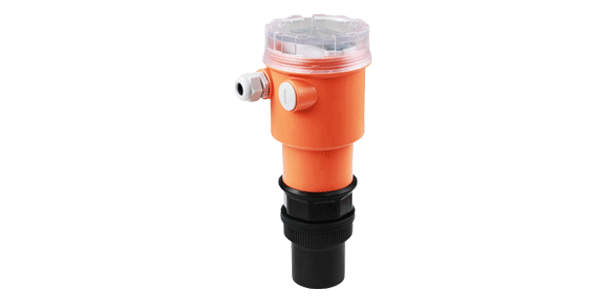
When evaluating the top 5 ultrasonic level transmitter models for USA wastewater plants, industry leaders consistently recommend solutions from Endress+Hauser (Prosonic M FMU30), ABB (LLT100), Siemens (SITRANS LU150), Honeywell (Ultra-High Performance Series), and emerging manufacturers like GAMICOS (GUT Series).
Market: United StatesIndustry: Wastewater TreatmentProducts: E+H / ABB / Siemens / Honeywell / GAMICOSRead: ~10 min
These devices excel in non-contact liquid level measurement, offering superior reliability in harsh wastewater environments while maintaining accuracy standards essential for regulatory compliance and operational efficiency.
01Comprehending Ultrasonic Level Transmitters in Wastewater Applications
Working Principle and Technology Foundation
Ultrasonic level measurement works by sending high-frequency sound pulses to the surface of the liquid and then receiving them back as echoes. This is called the time-of-flight concept. Advanced signal processing algorithms take into account changes in the surroundings, such as changes in temperature, changes in atmospheric pressure, and noise in the background.
Level = (Speed of Sound in Air ÷ Time to Travel from Sensor, Bounce Off Level, and Back Again) ÷ 2
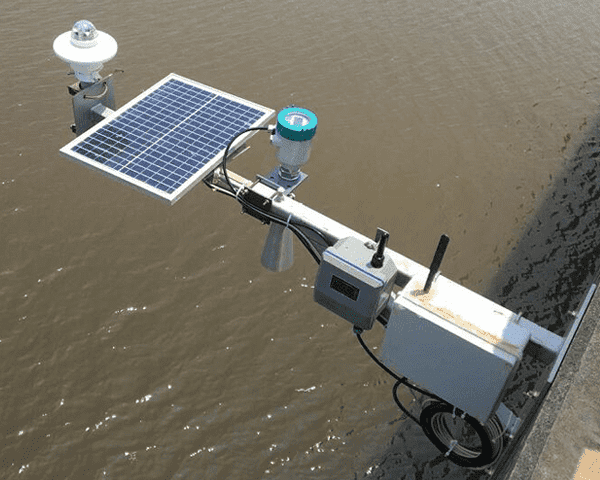
Ultrasonic transmitters deliver non-contact level data across the plant
The non-contact measurement method keeps sensors from coming into direct contact with harsh chemicals in wastewater, which greatly reduces the need for repairs and upkeep. Modern ultrasonic level transmitter devices use advanced echo processing technology, which lets them work reliably in tough situations where foam, vapor, or turbulence could make measurements less stable. Temperature compensation algorithms take into account changes in acoustic velocity automatically, making sure that the accuracy stays the same over the wide range of seasonal temperatures that are typical in US wastewater facilities.
02Top 5 Ultrasonic Level Transmitters for USA Wastewater Plants in 2026
Top 5 Ultrasonic Level Transmitters at a Glance
Model
Measuring Range
Accuracy
Outputs
Key Strength
E+H Prosonic M FMU30
Up to 5 m
±3 mm
4-20mA, HART, Modbus
Advanced echo processing, full diagnostics
ABB LLT100
Up to 6 m
±0.25%
Analog & digital
Cost-effective, compact, foam-tolerant
Siemens SITRANS LU150
Up to 8 m
High accuracy
Open protocols
Preventative diagnostics, remote access
Honeywell Ultra-High Performance
Up to 15 m
Highest accuracy
Analog, digital, diagnostic streams
Beam forming, high-EMI stability
GAMICOS GUT Series
Long range
High accuracy
RS485, relay, 4-20mA
Innovation and value integration
Rank 1
Endress+Hauser Prosonic M FMU30: Industry-Leading Performance
High-end ultrasonic technology was used to make the Prosonic M FMU30, which is designed for tough wastewater uses. It has advanced echo processing algorithms that can get rid of unwanted signals while still being very accurate in tough conditions. The strong housing can handle harsh chemicals, and built-in temperature adjustment ensures reliable operation across the wide temperature range common in the US.
It can measure up to 5 meters, be accurate to within ±3mm, and work in temperatures ranging from -40°C to +70°C. Multiple output protocols, such as 4-20mA, HART, and Modbus, connect easily to existing SCADA infrastructure. Full diagnostics allow real-time performance tracking and predictive maintenance for continuous wastewater treatment operations.
Rank 2
ABB LLT100: Reliable and Cost-Effective Solution
The LLT100 line from ABB offers reliable ultrasonic measurement technology that is perfect for wastewater treatment plants in cities. It uses tried-and-true acoustic signal processing and has easy-to-use setup options, making it perfect for retrofitting or budget purchases. Chemical corrosion can't happen to strong building materials, and they keep their balance over time.
The LLT100 can measure up to 6 meters away with an accuracy of ±0.25% and works with both analog and digital transmission protocols. Advanced filtering algorithms handle foam or surface turbulence typical in biological treatment processes. Its compact size makes installation easier in tight spaces, and it works reliably with a wide range of wastewater types.
Siemens SITRANS LU150 technology focuses on preventative maintenance through full diagnostic monitoring and features that allow entry from afar. It works well with Siemens' automation ecosystems and supports open communication methods so that systems from different vendors can be put together. Advanced echo curve analysis gives a lot of information about test conditions, enabling planned maintenance and performance improvement.
Technical features include measuring ranges of up to 8 meters, high levels of accuracy, and strong environmental ratings for outdoor wastewater use. Advanced temperature adjustment and automatic gain control keep it working the same even when the seasons change or the liquid's properties change, which is common in wastewater treatment processes.
Honeywell's Ultra-High Performance ultrasonic transmitters use cutting edge signal processing technology to make them perfect for tracking wastewater in very important ways. Improved acoustic beam forming technology focuses ultrasonic energy to make measurements more accurate even when conditions are bad. Strong electronics design ensures stable operation in high-EMI settings common in modern wastewater treatment plants.
The device can measure up to 15 meters away and has the highest accuracy standards in its field, making it ideal for large-scale municipal treatment uses. Standard analog signals, digital communication protocols, and advanced diagnostic data streams are just some of the output choices. Rugged construction handles rough environments and keeps the setting stable over long periods between service.
Rank 5
GAMICOS GUT Series: Innovation and Value Integration
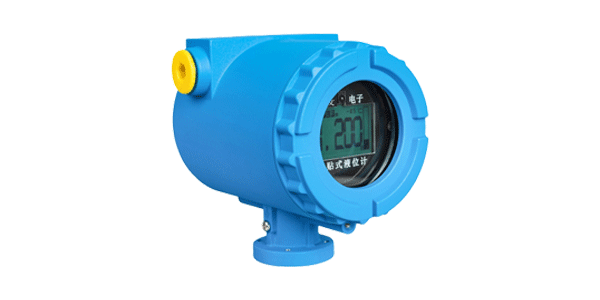
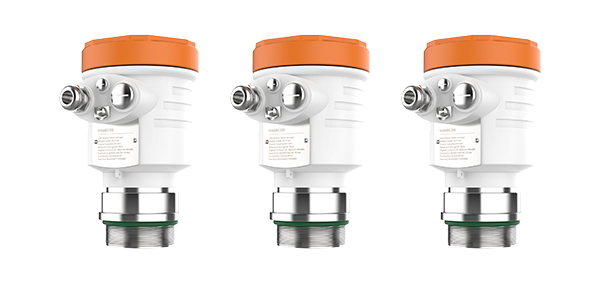
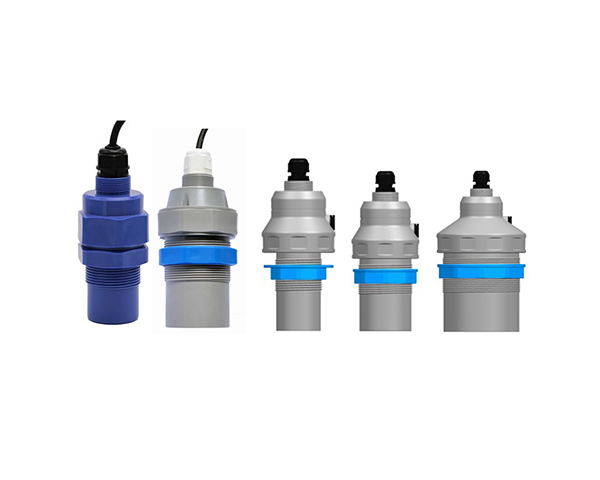
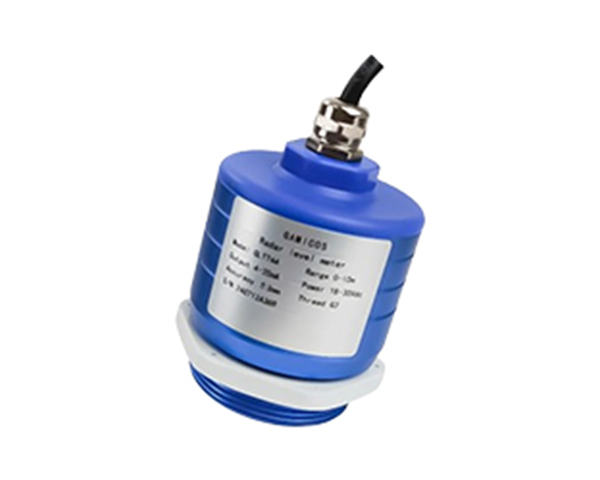
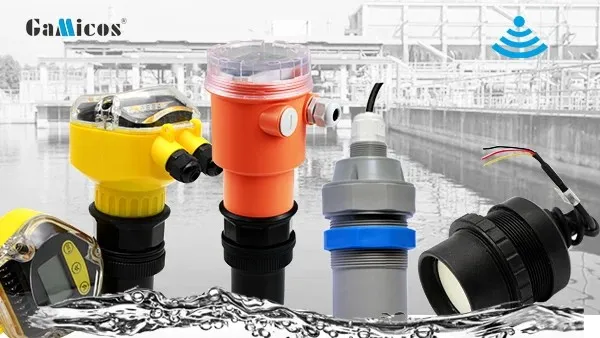
The GAMICOS GUT Series ultrasonic level transmitter represents a new kind of engineering made with wastewater treatment uses in mind. It combines advanced measurement technology with precise value positioning. This non-contact, very reliable device is made in a way that keeps costs low while still meeting the high standards of professional performance needed for tracking important processes.
Key benefits of the GUT Series:
Continuous non-contact measurement lowers upkeep needs and eliminates sensor contamination risk common in wastewater applications.
Automatic power adjustment and gain control improve signal quality across a wide range of environmental conditions.
Advanced sensing technology with rich software adapts to complicated settings like foam, turbulence, and chemical changes.
RS485 digital communication, programmable relay output, and high-precision 4-20mA output make integration easy.
Focused ultrasonic energy with good directivity and penetration suits large treatment tanks.
The optional die-cast metal housing with IP67 rating protects against the elements for harsh outdoor conditions, measuring liquids and slurries common in wastewater treatment.
Different types of wastewater treatment have very different requirements for measurement accuracy. For example, important process control points need higher precision than basic monitoring functions. Most high-end devices have accuracy levels of within ±3mm or 0.25% of the measured value, while common uses may be okay with ±10mm accuracy levels. Long-term measurement stability is greatly affected by environmental compensation features such as temperature adjustments and atmospheric pressure adjustment.
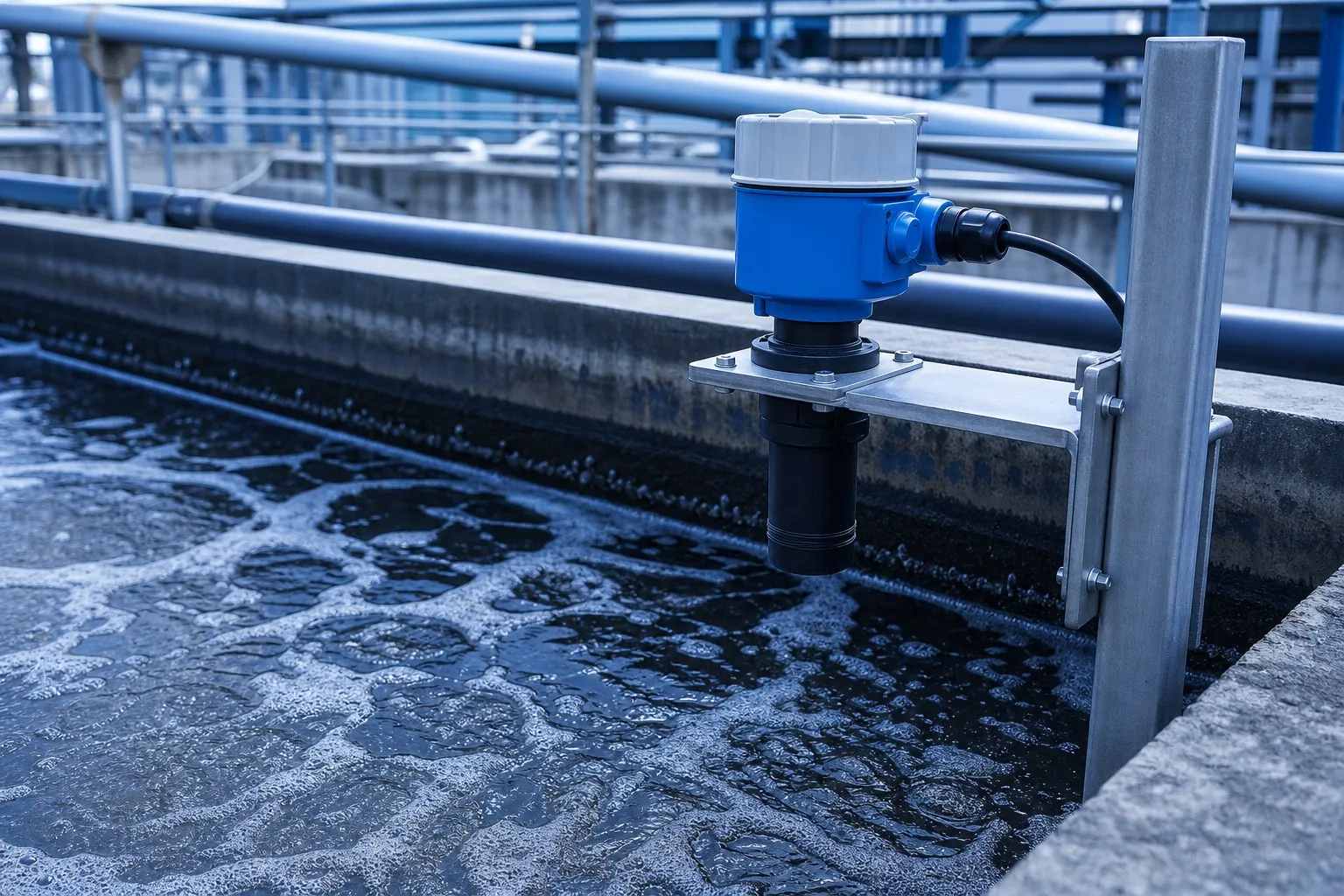
Non-contact mounting above the tank keeps sensors out of the process
When judging performance, it's important to look at both static accuracy in perfect conditions and dynamic performance in real wastewater settings. Things like foam, surface turbulence, and the production of chemical vapors can have a big effect on how reliable measurements are. Advanced signal processing techniques can tell the difference between real surface echoes and interference, which keeps measurements accurate even when conditions are tough.
Communication Protocols and System Integration
In modern wastewater treatment plants, measurement devices and centralized control systems need to work together without any problems. Standard analog outputs (4-20mA) make it compatible with all devices, and digital communication standards like HART, Modbus, and Profibus let you do advanced diagnostics and set up the device from afar. When choosing an ultrasonic level transmitter, it's important to make sure it works with the infrastructure that's already there and can also handle future system growth.
Predictive maintenance is easier with advanced communication features that collect diagnostic data and continuously watch performance. Remote access makes it easy to fix problems and change parameters without having to go to the place in person. This cuts down on operational costs and speeds up response times for important process changes.
Maintenance Requirements and Operational Reliability
Compared to submersible or contact-based measurement methods, non-contact ultrasonic technology requires less upkeep by nature. However, cleaning the sensor plates and making sure they are calibrated on a regular basis are still necessary for the best performance. When choosing a device, you should think about how to reach it, how to calibrate it, and whether or not there is local service support infrastructure available.
Long-term dependability relies on strong building materials, how well they seal against the environment, and the quality of the electronic parts. The more expensive devices usually come with longer warranties and full service support. On the other hand, the cheaper ones might need to be serviced more often but work fine for common tasks.
04Purchasing Ultrasonic Level Transmitters for Wastewater Plants: Procurement Insights
Cost Analysis and Budget Optimization
The price of an ultrasonic level transmitter changes a lot depending on its measurement range, accuracy requirements, communication options, and building materials. Beginner devices that can be used for simple tracking tasks usually cost between $800 and $1,500. More advanced units with longer measurement ranges and more features can cost more than $3,000. When you buy in bulk, you can often save a lot of money, especially on big building upgrades or deployments at multiple sites.
When you do a total cost of ownership study, you should look at things like installation costs, commissioning needs, maintenance costs, and the expected service life. Premium devices may be worth the extra money because they require less upkeep, can be calibrated more often, and give more accurate readings. Standardizing on tried-and-true platforms can save a lot of money on procurement while still delivering good performance for certain apps.
Supplier Evaluation and Partnership Considerations
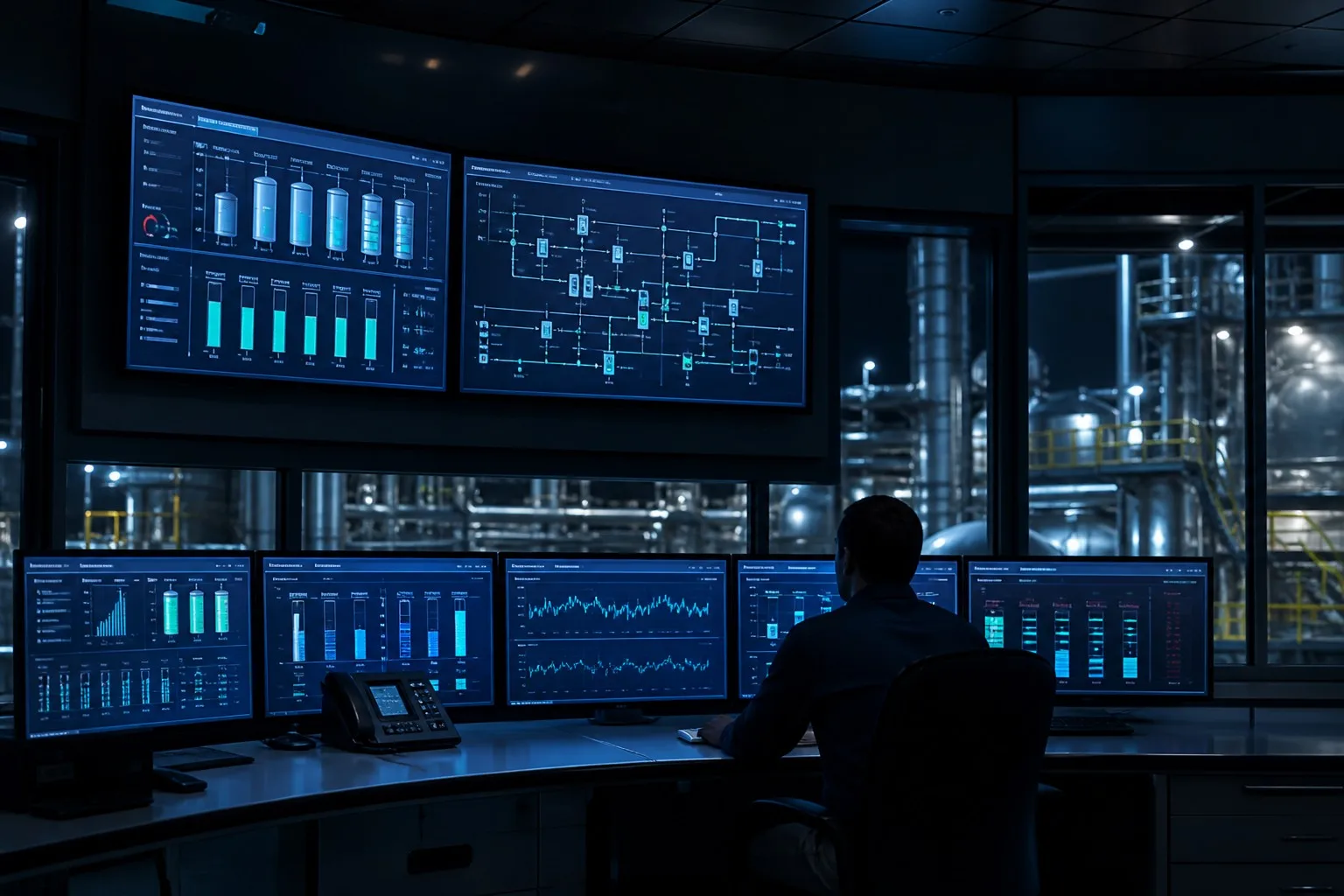
Integration with SCADA and control systems drives transmitter choice
A successful ultrasonic transmitter procurement goes beyond the specifications of the device itself and includes the capabilities of the supplier, the availability of technical support infrastructure, and the possibility of a long-term relationship. Local service availability, the quality of technical documentation, training programs, and reaction time promises for critical support situations should all be taken into account when judging.
Shipping costs and service response times are affected by how close a supplier is. For projects that need to be done quickly, local or regional suppliers are especially appealing. But foreign suppliers with well-established service networks in the US may be able to offer cheaper options, especially for standard products that have been shown to be reliable in the past. Service level agreements and warranties with full terms protect the value of large investments in tools even more.
Regulatory Compliance and Documentation Requirements
For regulatory compliance, environmental reporting, and operational auditing reasons, wastewater treatment plants must keep a lot of paperwork. Before buying an ultrasonic level transmitter, you should make sure that it meets all the necessary industry standards, such as the FCC's emissions rules, the IP rating for the environment, and any safety licenses that are needed for compliance with US environmental regulations.
Calibration certificates, technical specs, installation manuals, and service records are some of the documents that are usually needed. To make sure the device stays in compliance with regulations throughout its service life, suppliers should offer full technical support, such as help with configuration, advice for commissioning, and ongoing calibration services.
05Conclusion
Choosing the right ultrasound level measurement technology has a big effect on how well a wastewater treatment plant works, how much it costs to run, and how well it can follow the rules. The five solutions we looked at each have their own benefits that make them better for different types of applications, from those that need high performance to those that want to save money.
When choosing equipment, procurement managers should carefully look at the total cost of ownership, the ability of the supplier to provide help, and the equipment's long-term dependability. Modern ultrasonic level transmitter technology offers accurate and reliable measurement solutions that are needed for wastewater treatment operations to run smoothly. It also allows for future system growth and integration needs.
06FAQ
How do ultrasonic level transmitters enhance measurement precision in wastewater applications?
The accuracy of ultrasonic technology is improved by complex signal processing algorithms that block out interference from the surroundings while keeping the accuracy constant. Temperature adjustment features take into account changes in acoustic velocity automatically, and advanced echo analysis tells the difference between real surface reflections and fake signals from foam or debris. In ideal situations, modern devices are usually accurate to within ±3mm.
What are the key differences between ultrasonic and radar level transmitters?
Radar systems use electromagnetic waves to measure things, while ultrasonic transmitters use sound waves. Ultrasonic devices are usually less expensive and easier to set up, but they can be influenced by noise, temperature, or humidity. When working in tough situations like high temperatures, vacuums, or lots of vapor, radar technology usually does a better job, but it usually costs more to get started.
What maintenance practices optimize ultrasonic transmitter performance in wastewater environments?
Cleaning the sensor face on a regular basis gets rid of dirt and other things that could get in the way of sound transfer. Regular checks of the calibration make sure that the accuracy stays high, and eye checks of the mounting hardware keep alignment problems from happening. With advanced diagnostic features, predictive maintenance is possible through constant performance monitoring. This lets you take action before measurements start to lose accuracy.
How do environmental factors affect ultrasonic measurement reliability?
Changes in temperature affect the speed of sound, so automatic compensation is needed for exact measurement. Sound waves can be absorbed or scattered by foam, steam, or particles, which could make measurements less accurate. High-quality devices have advanced methods that can handle these problems and keep the accuracy of the measurements even in the harsh conditions that are common in wastewater treatment plants.
GAMICOS · Level Measurement · GUT Series Ultrasonic Level Transmitter
GAMICOS, a leading Chinese OEM, manufactures corrosion‑resistant submersible level transmitters (GLT570) for harsh industrial environments. Combining ceramic/PTFE technology, customizable venting cables, and full OEM support, the company serves automation, chemical, water, and energy sectors globally. Backed by ISO/CE certifications and responsive after‑sales, GAMICOS offers cost‑efficient alternatives to major Western brands