Best Non-Contact Ultrasonic Level Meters for Wastewater
TIME: 2026.08.19AUTHOR: Olina LiNUMBER OF VIEWS 156
Wastewater · Non-Contact Measurement
Best Non-Contact Ultrasonic Level Meters for Wastewater
When it comes to running wastewater treatment plants, accurate measurements of the liquid level are essential for success. The best Non-contact Ultrasonic Level Meter for wastewater uses is accurate, long-lasting, and easy to maintain — a solution that gets rid of the problems that come with working in harsh settings and with rough materials.
Industry: Wastewater TreatmentTechnology: Ultrasonic / Non-ContactProduct: GUT SeriesRead: ~9 min
Because they don't touch the material being measured, these sensors can give exact readings of its level. This makes them perfect for wastewater treatment plants, industrial treatment facilities, and large-scale water management infrastructure. Picking the best sonar level measurement technology has a direct effect on how well the system works, how much it costs to maintain, and how reliable it is in the long run.
01Comprehending Non-Contact Ultrasonic Level Meters for Wastewater Applications
How Do Ultrasonic Level Sensors Work?
Ultrasonic level measurement works on a simple but very effective idea: the sensor sends high-frequency sound waves (usually between 20kHz and 200kHz) toward the surface of the liquid. These pulses bounce back to the sensor when they hit the surface of the garbage. This time-of-flight measurement gives accurate level information without having to touch the liquid directly, which could be harmful or dirty.
Level = (Sound Speed × Time) / 2
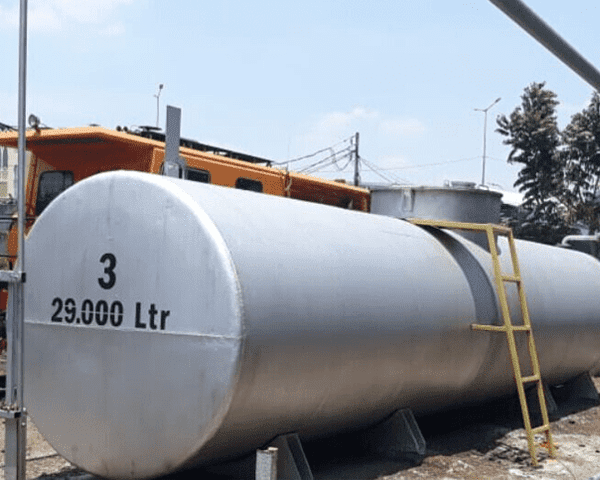
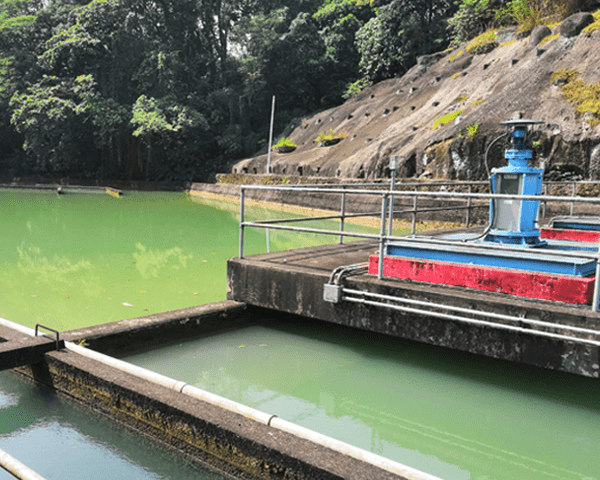
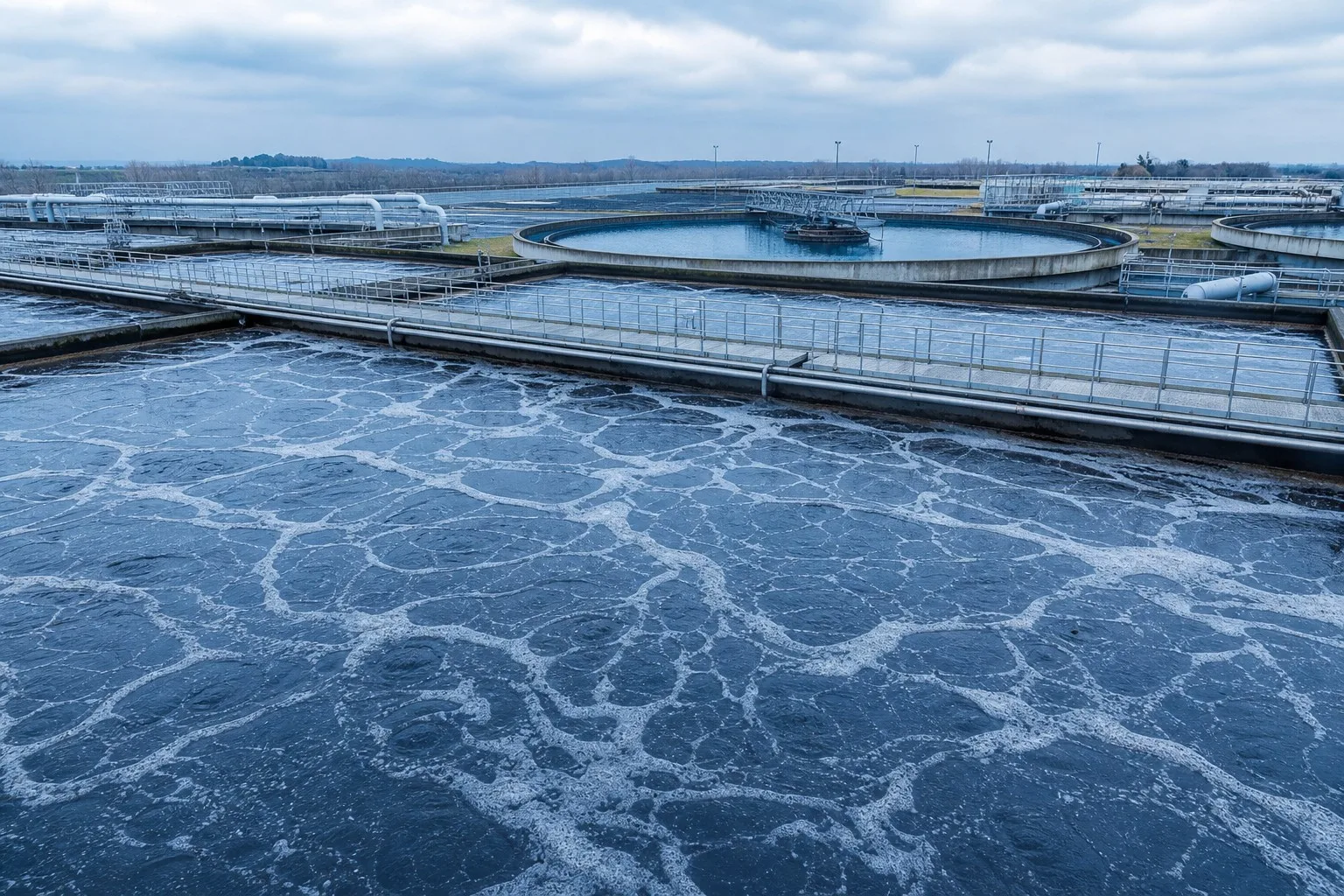
Non-contact ultrasonic meters survive the harsh conditions of treatment basins
Temperature compensation features change formulas instantly when the air temperature changes, which impacts the speed of sound. This makes sure that the accuracy of the measurements stays the same even when the surroundings changes, which is usual in wastewater treatment plants.
Key Advantages in Wastewater Environments
The unique problems that come up in the wastewater treatment business make ultrasound technology very useful. These tough jobs involve corrosive chemicals, solids that are suspended, foam formation, and changes in temperature. Ultrasonic sensors are great because the receiver never touches the liquid itself, so chemical exposure doesn't change the accuracy of the measurements. Compared to contact-based measurement technologies, this way of thinking about design directly leads to shorter maintenance plans and longer operating lifespans.
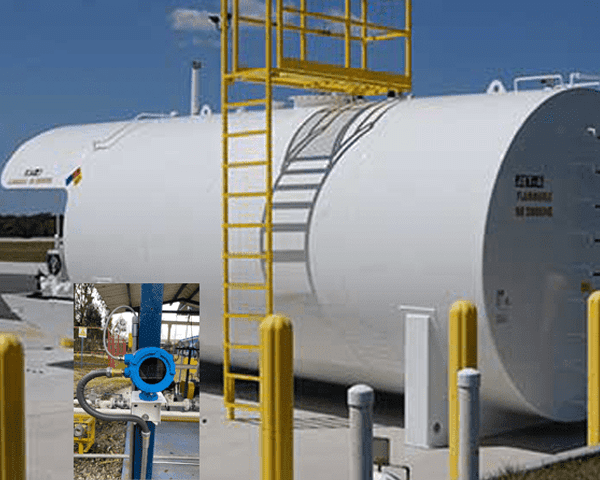
These sensors work well in a number of different sewer situations, such as raw sewage tanks, clarifier basins, aeration chambers, and sludge holding tanks. These tools are useful throughout the whole treatment process because they can measure through mist and mild foam. Installation freedom lets you mount on existing infrastructure without making a lot of changes. This lowers the cost of putting new projects and upgrades to current equipment into action.
Measurement Range and Accuracy Considerations
Normal Non-contact Ultrasonic Level Meter sensors can read levels from 0.1 meters to 10 meters away. For bigger jobs, high-power types can go up to 15 meters away. The measurement range is affected by the size of the sensor (bigger transducers send stronger readings over longer distances) and environmental factors like how stable the temperature and humidity are. If you choose the right range specs for wastewater uses, the sensor will work at its best, giving you an accurate reading of about 0.25% of the measured distance.
0.1–10 mStandard measuring range
Up to 15 mHigh-power extended range
±0.25%Typical measurement accuracy
02Comparing Non-Contact Ultrasonic Level Meters with Other Level Measurement Technologies
Ultrasonic vs Radar vs Contact-Based at a Glance
Technology
How It Works
Strength
Limitation
Ultrasonic
High-frequency sound waves — time-of-flight
Cheaper, easier to set up, fine for normal wastewater conditions
Heavy foam or thick vapor can interfere
Radar
Electromagnetic waves
Penetrates smoke, foam, and dust
Higher cost
Contact-based (capacitance, float, pressure)
Direct contact with the liquid
Consistent in clean water
Coating, mechanical wear, and upkeep issues in wastewater
Ultrasonic vs. Radar Level Sensors
Both technologies allow for measurement without touching, but the way they work makes their function different. Radar devices don't use sound waves, but electromagnetic waves instead. This makes it easier for them to get through smoke, foam, and dust. Non-contact Ultrasonic Level Meter devices, on the other hand, are cheaper and easier to set up, and they usually work fine for normal wastewater uses where extreme air conditions don't take over. Which of these technologies to use depends on the conditions of the place. Ultrasonic monitors are the best choice when heavy foam or thick vapor aren't long-term problems.
Ultrasonic vs. Contact-Based Technologies
Contact sensors, such as capacitance probes, float switches, and pressure emitters, touch the liquid they are measuring. When used in clean water, these technologies work consistently. But when used in wastewater, they have problems with coatings, mechanical wear, and upkeep that ultrasonic sensors don't have at all. Sludge or bacteria on the probe surface of a capacitance sensor makes it less accurate. Float switches break down mechanically in water that is full of garbage. These types of failure can't happen with ultrasonic measurement, which has practical benefits that outweigh the higher original investment.
Making the Technology Selection Decision
When engineering teams are looking at different choices for measuring levels, they should think about more than just the cost of the starting equipment. Technology choice is affected by the shape of the tank, the mounting options, the temperature ranges, the presence of movement, and the transmission methods that are needed. Ultrasonic monitors work best in open tanks with calm surfaces and temperatures that aren't too hot or too cold. Ultrasonic technology is often the best choice for wastewater applications when funding limits, the need for accuracy, and the cost of maintenance over five years are all taken into account.
03Top Non-Contact Ultrasonic Level Meters for Wastewater: Features and Supplier Insights
GAMICOS GUT Series: Purpose-Built for Wastewater Applications
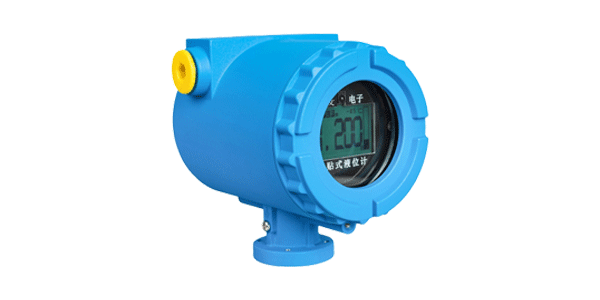
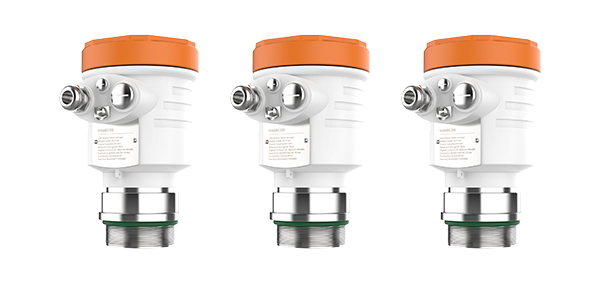
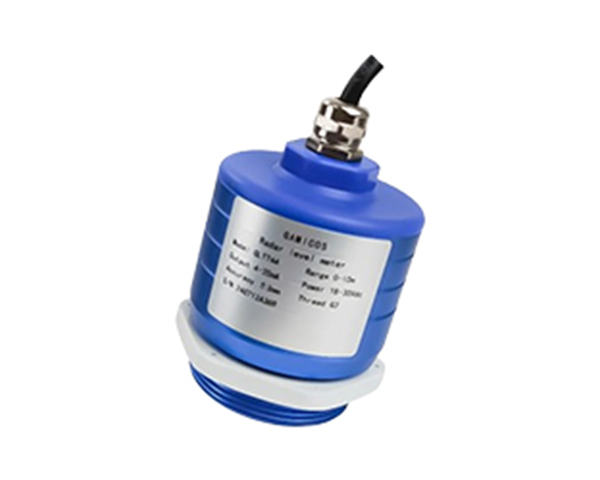
When it comes to ultrasonic level measurement, the GAMICOS GUT line is a well-thought-out solution made for tough industrial settings like wastewater treatment plants. This Non-contact Ultrasonic Level Meter gadget is reliable and has useful features that meet the needs of real-world operations. As field measurement instruments, the GUT series gives steady performance while keeping operations simple, which means that support staff don't need as much training.
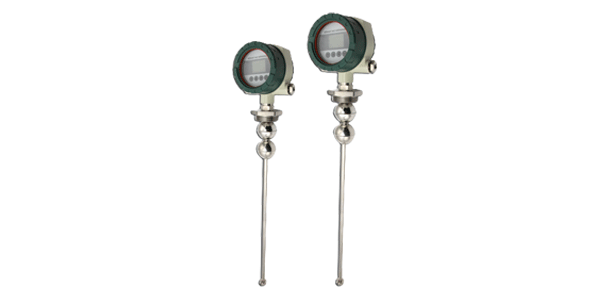
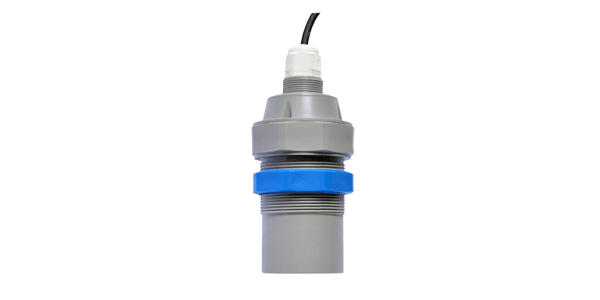
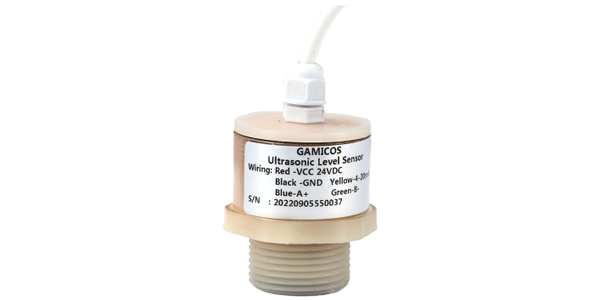
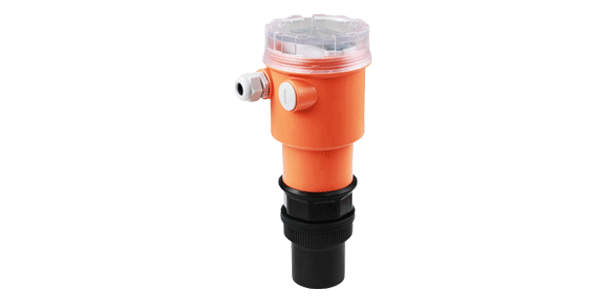
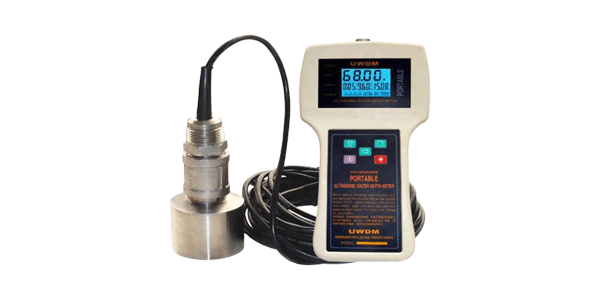
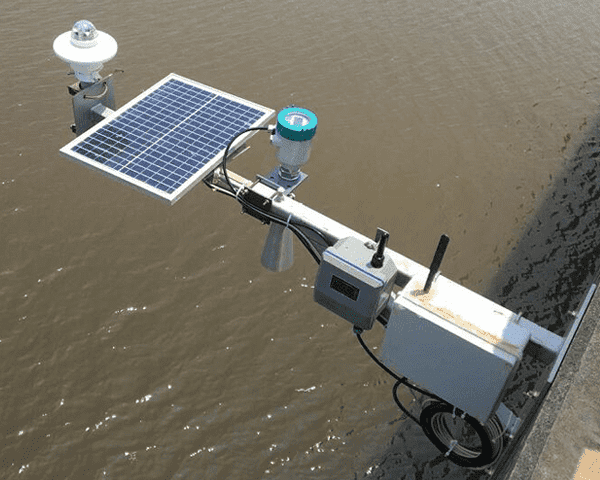
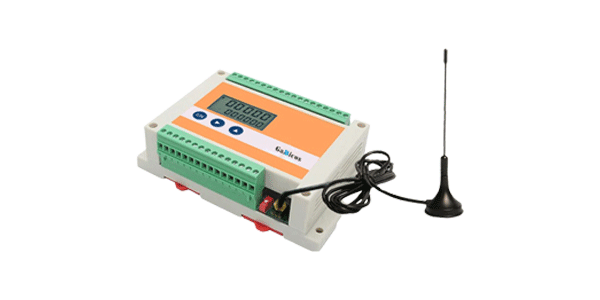
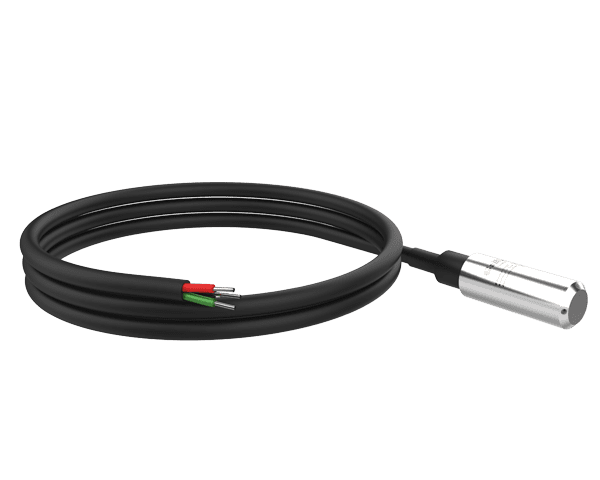
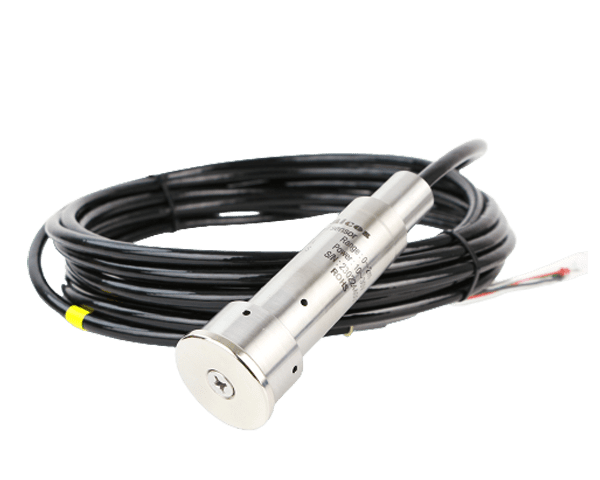
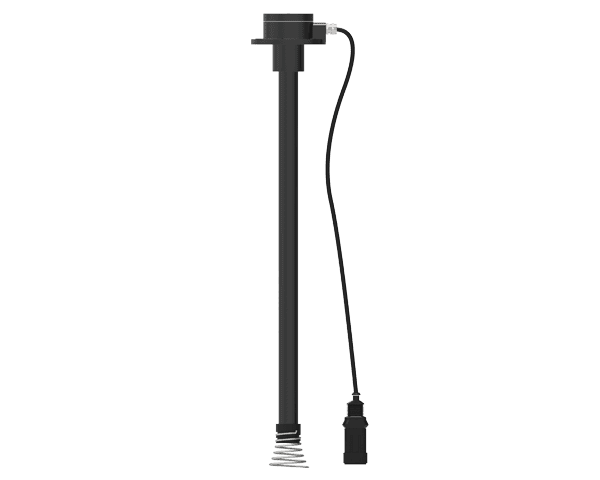
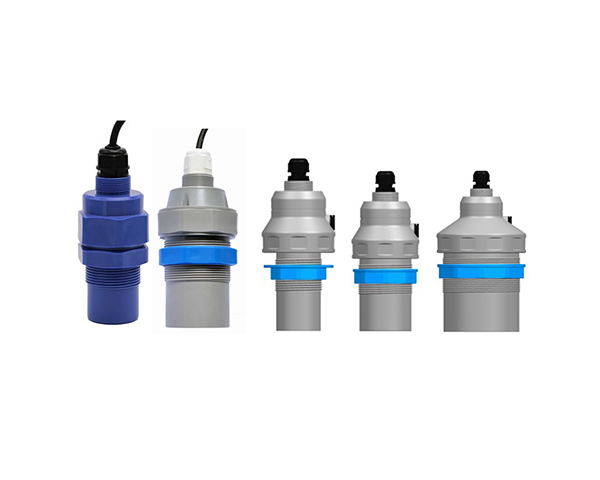
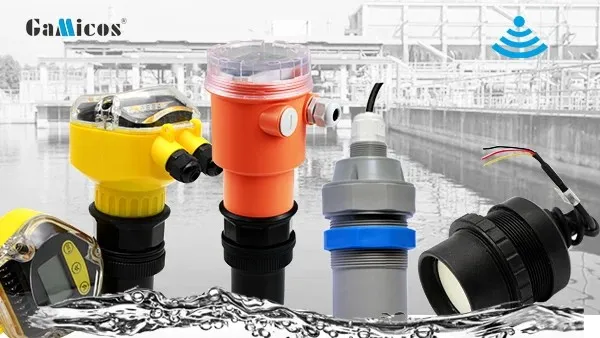
GAMICOS GUT Series ultrasonic level meters
There's more to this series than just its ability to measure that makes it perfect for garbage uses. The main benefits that engineering managers and buying workers always look for:
Robust Construction and Environmental Protection
The GUT series has an optional die-cast metal housing with an IP67 grade that protects against water and dust getting in. This quality of construction makes sure that the machine will work reliably in tough industrial settings and outdoor setups that have to be exposed to the elements.
Flexible Output Configuration
The device has many output choices, such as a customizable relay output, a high-precision 4-20mA current output, and RS485 digital communication. Because of this, it is easy to connect to current SCADA systems, PLCs, and data acquisition tools, no matter what kind of control architecture your building already has.
Intelligent Signal Processing
Power adjustment, gain control, and temperature adjustments all work in the background to keep measurements accurate even when conditions change. These smart features can adapt to changes in the surroundings without any help from a person, making the technical work easier for operations staff.
Advanced Detection Capabilities
The sensor uses advanced detection technology and has a lot of software features that let it work in a variety of situations, such as those with smoke, turbulent surfaces, and obstacles in the way of the measurement. This ability to change is very important in wastewater treatment, where conditions change during treatment rounds.
Superior Signal Characteristics
Focused ultrasound energy can be sent over long distances thanks to strong penetration and excellent directivity. This focused beam pattern keeps signal strength high for accurate identification while reducing interference from the tank walls and internal structures.
These benefits work together to make a measurement system that solves common problems in wastewater production, like getting accurate readings in liquids with different makeup, staying reliable over time in acidic environments, and being able to work with a wide range of control systems.
04Procurement Guide: Buying Non-Contact Ultrasonic Level Meters for Wastewater
Understanding Price Structures and Cost Factors
The price of a Non-contact Ultrasonic Level Meter changes a lot depending on its measurement range, accuracy class, housing material, and transmission features. Basic devices start at a few hundred dollars each, while more advanced models with longer ranges, more communication methods, and licenses for use in hazardous areas can cost over a thousand dollars each. The price difference is due to more than just the features. It also depends on the build quality, the cost of approval, and the supplier's ability to provide support. When you buy in bulk, you can usually get better prices. Depending on the amount you buy and your seller relationships, bulk orders often get 10–20% savings.
From hundreds USDEntry-level devices
> $1,000Advanced / hazardous-area models
10–20%Bulk order savings
2–8 wksStandard to custom lead times
Lead Times and Delivery Considerations
Standard setup devices from well-known sources usually ship in two to four weeks for sales of one unit. Lead times can go up to four to eight weeks for unique setups that require specific mounting arrangements, cable lengths, or communication protocols. Large projects that need dozens or hundreds of units can benefit from planning ahead with providers to make sure that production capacity and shipping schedules are aligned. International orders need more time for customs clearance and freight handling, which could add one to three weeks to arrival times based on the rules in the target country.
Evaluating Supplier Capabilities and Support
Long-term procurement success depends a lot on how reliable the provider is after the original transaction. Look at how quickly possible providers respond to technical support requests, the terms of their warranties, the availability of extra parts, and their ability to provide calibration services. Suppliers with established distribution networks in the area where you do business can save you money on shipping costs, make it easier to get guarantee service, and speed up emergency replacements. Companies that offer OEM customization services can meet the specific needs of your project, such as providing branded housings, custom mounting brackets, and changed output specs that make your finished goods stand out in the market.
Building Strategic Supply Chain Partnerships
Setting up smart partnerships with capable sensor makers is good for both parties when a business runs multiple locations or plans to keep investing in its infrastructure. When you sign a long-term deal, you usually get better prices, more production space, and specific technical support resources. Suppliers who want to work with you as a partner put in the time and effort to understand the problems you're having with your application and then suggest solutions that will help you reach your business goals. This way of working together is especially helpful for OEM clients and engineering companies who are in charge of a lot of different projects. Sticking to trusted component providers makes buying easier and lowers the cost of qualification.
05Conclusion
To choose the best Non-contact Ultrasonic Level Meter option, you need to balance the technical performance goals with practical factors like installation limitations, budget, and the need for long-term support. The technology is great for treating wastewater because it doesn't corrode, requires less upkeep, and is accurate most of the time. This makes it a great choice for modern treatment centers.
To be successful, you need to know about the conditions at the spot, work with reliable sources who offer full support, and follow the right installation procedures to get the most out of the sensors. As the need for treating wastewater grows around the world, investment in measurement technology that has been used before builds a solid base that delivers value over the long life of the equipment.
06FAQ
What measurement accuracy can I expect from ultrasonic level sensors in wastewater tanks?
Under normal situations, good ultrasonic devices should be able to measure distances with an accuracy of within ±0.25%. Surface turbulence, foam present, vapor density, and temperature consistency are some of the things that can change the accuracy. When installed and calibrated correctly, accuracy performance is at its best.
Can ultrasonic sensors measure sludge levels effectively?
Ultrasonic technology can measure sludge well when the top of the sludge has a shiny surface. Heavy foam on sludge surfaces could make measurements less accurate. It's possible that radar technology would work better in situations where big foam sticks around.
How does dust in the measurement environment affect sensor performance?
Ultrasonic sounds are spread out by dust particles, which weakens the signal that is returned and could make the measurement less accurate. In dusty places, this problem can be solved by putting sensors in places where they won't be exposed to as much dust, using safety covers, or choosing radar sensors, which are better at getting through dust.
Are wireless options available for remote wastewater monitoring locations?
Using LoRaWAN, NB-IoT, or Wi-Fi protocols, wireless ultrasonic sensors let you watch things from afar without having to set up a lot of cables. These solutions work great for distributed treatment systems and pumping stations that are far away, where standard wires would be hard to set up or would cost too much.
GAMICOS · Level Measurement · GUT Series Ultrasonic Level Meter
GAMICOS, a leading Chinese OEM, manufactures corrosion‑resistant submersible level transmitters (GLT570) for harsh industrial environments. Combining ceramic/PTFE technology, customizable venting cables, and full OEM support, the company serves automation, chemical, water, and energy sectors globally. Backed by ISO/CE certifications and responsive after‑sales, GAMICOS offers cost‑efficient alternatives to major Western brands