Oil & Chemical Tanks: Submersible Level Sensor vs. Magnetic Level Gauge
TIME: 2026.11.09AUTHOR: Olina LiNUMBER OF VIEWS 19
Quick answer: For open or vented oil and chemical tanks holding corrosive, dirty, or remote-monitored liquids, a submersible (hydrostatic) level sensor is the better choice because it gives a continuous 4-20 mA signal to your control system with no moving parts to jam. For sealed, high-pressure, or high-temperature vessels that need a reliable on-the-spot reading that survives a power loss, a magnetic level gauge wins. In most real tank farms, the two are used together — and a certified anti-corrosive submersible transmitter such as the GLT570 closes the gap where corrosive media once defeated conventional probes.
Why tank level measurement is harder than it looks
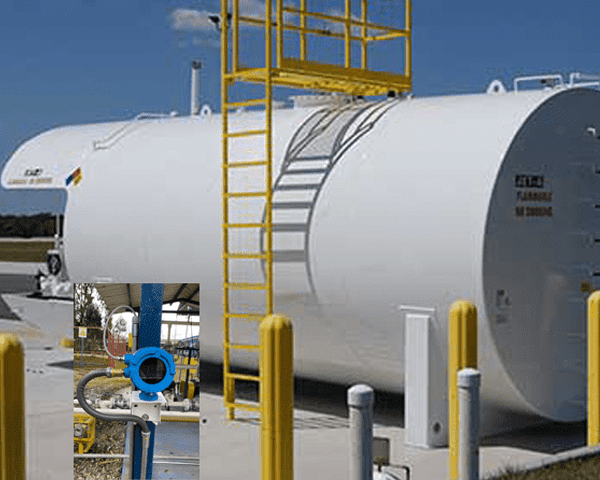
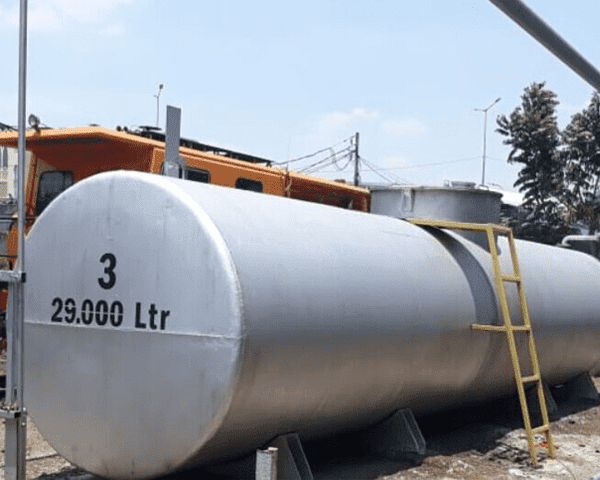
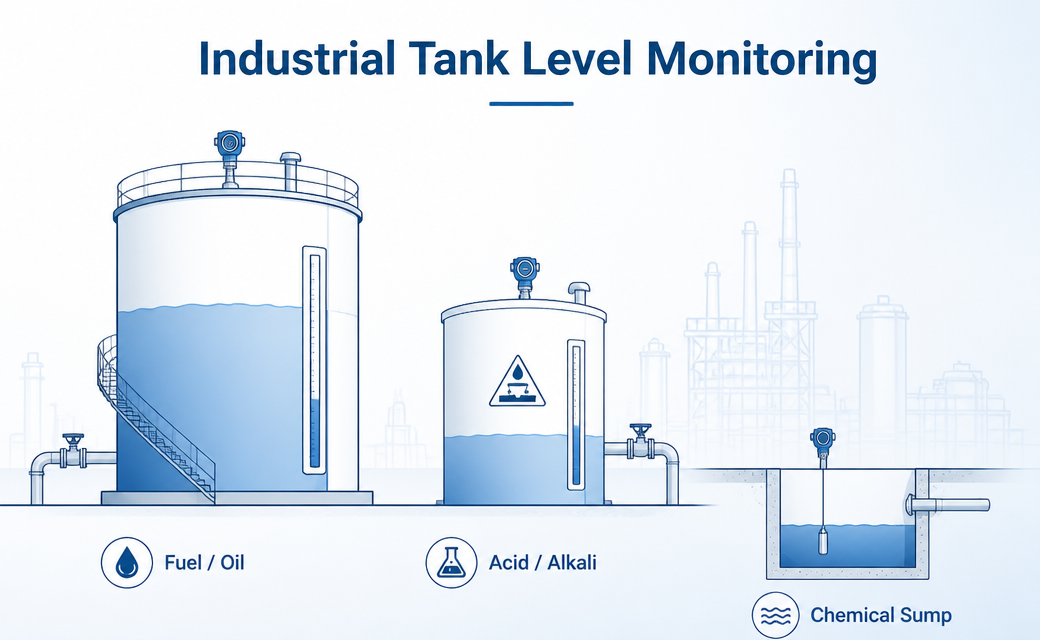
Storage tanks sit at the center of every refinery, petrochemical plant, terminal, and chemical warehouse. What they hold is rarely simple: gasoline and crude on one side, sulfuric acid and caustic soda on the other, plus solvents, viscous intermediates, and liquids that crystallize as they cool.
Add the environment — flammable atmospheres, hazardous-area classifications, and months between maintenance visits — and one thing becomes clear: a level reading has to earn your trust before you feed it into a flow computer, a batching sequence, or an overfill alarm.
That is why the choice between the two dominant technologies matters. Each owns a specific slice of oil and chemical service. The right call comes down to five things: the medium, the tank geometry, the signal you need, the area classification, and how you maintain the site.
What is a submersible level sensor and how does it work?
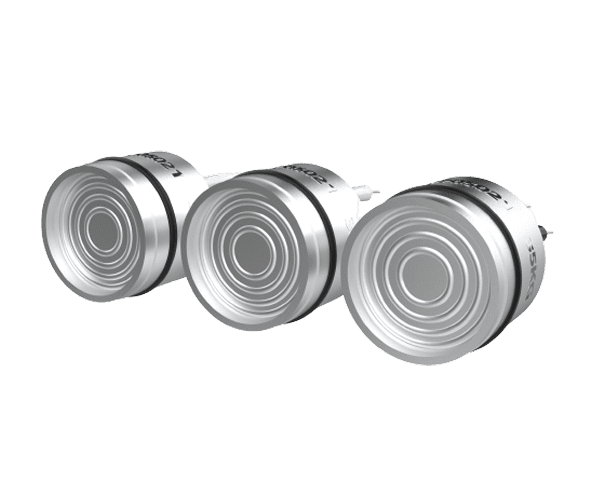
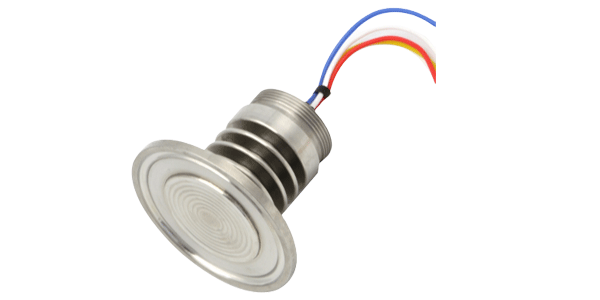
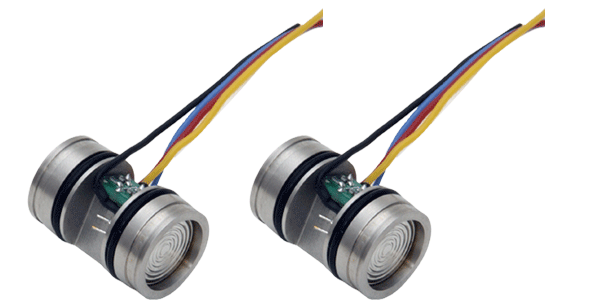
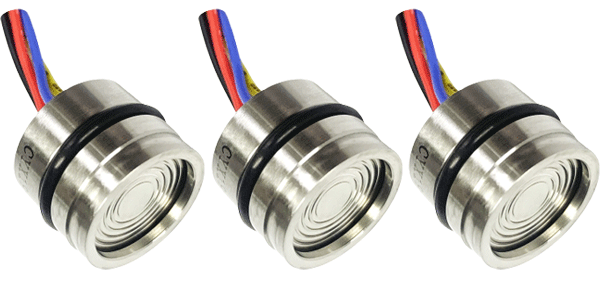
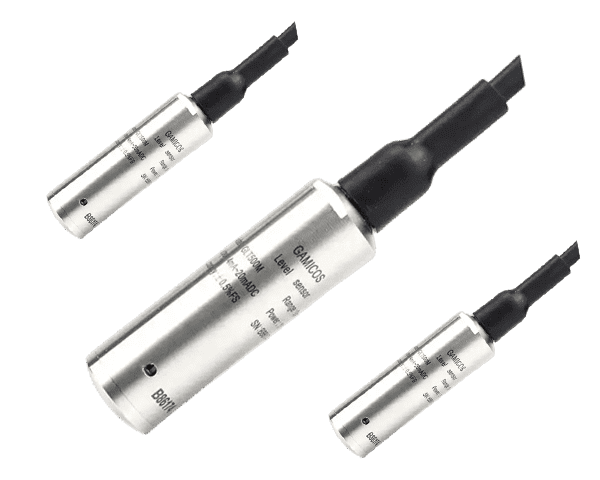
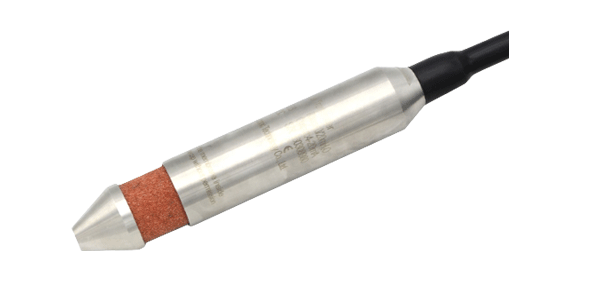
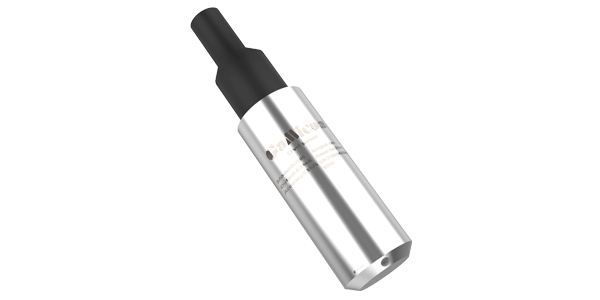
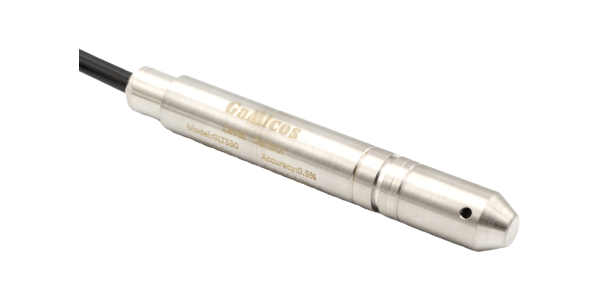
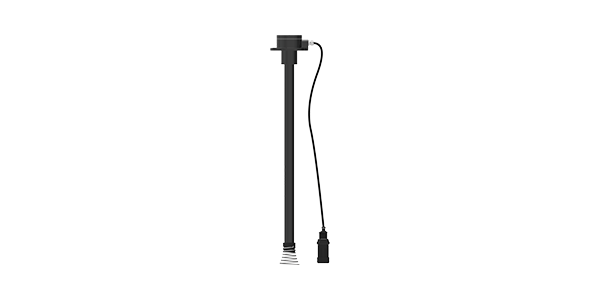
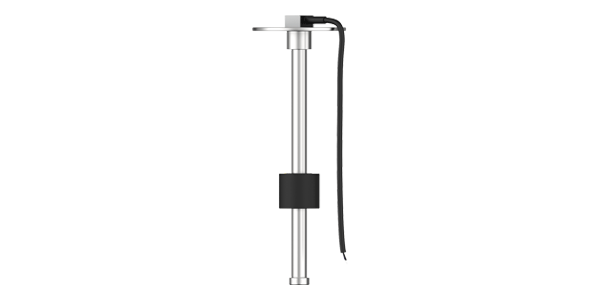
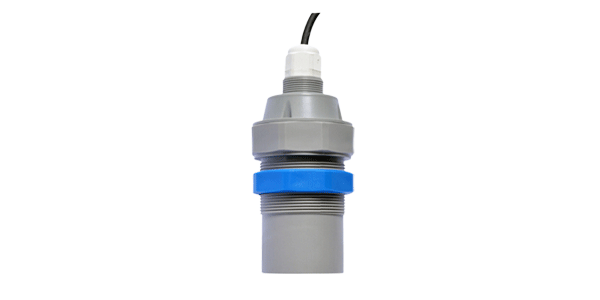
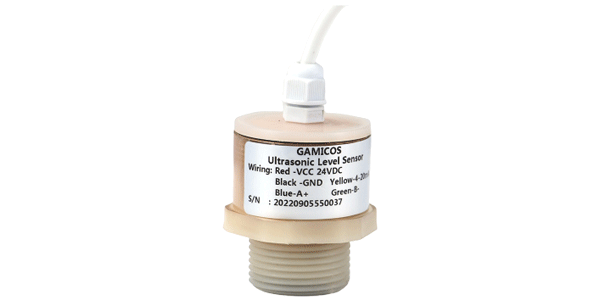
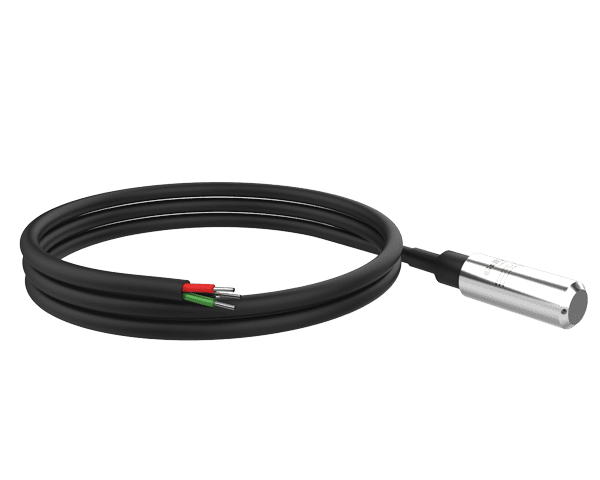
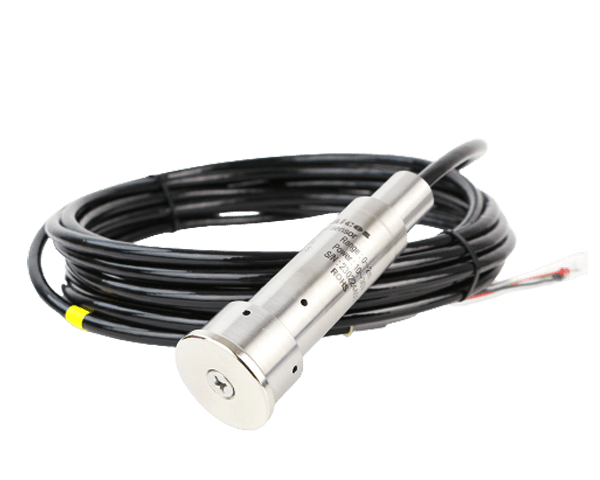
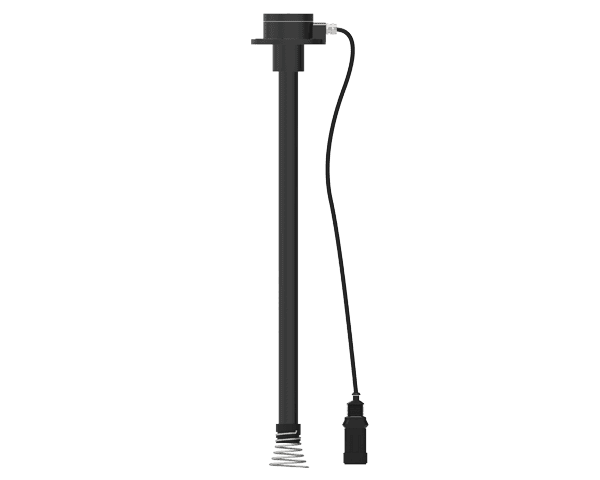
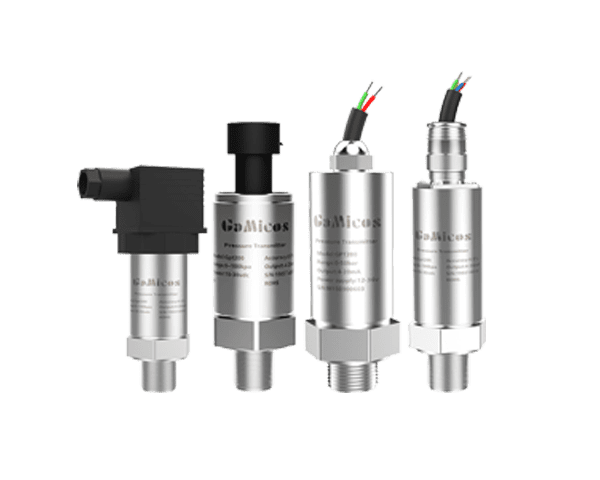
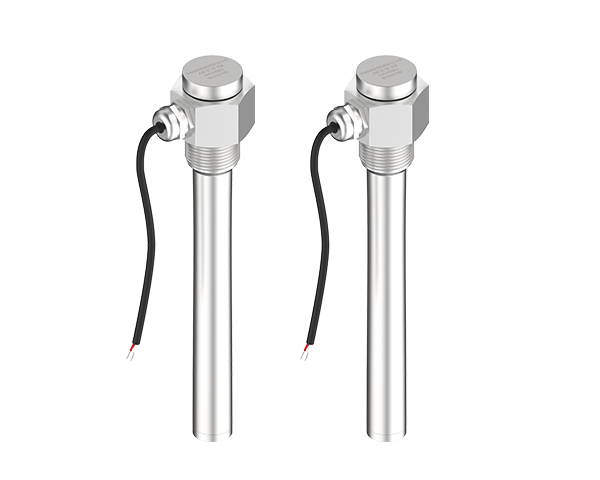
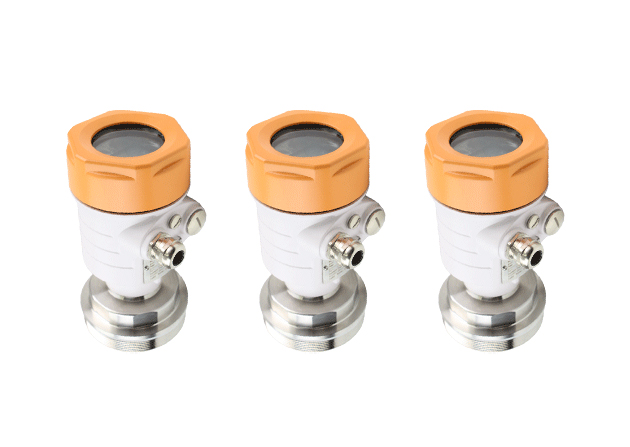
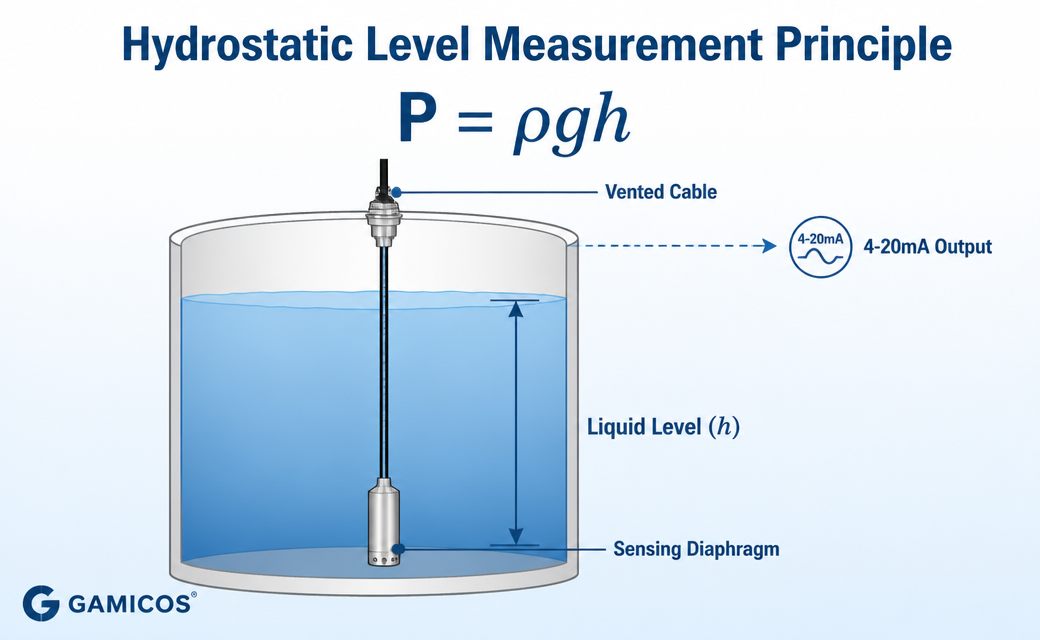
A submersible level sensor (also called a hydrostatic level transmitter) rests on the floor of the tank or hangs at a fixed depth. It measures hydrostatic pressure — the weight of the liquid column pressing on its sensing diaphragm.
Because that pressure equals liquid height times density, the transmitter converts it into a standard process signal, usually 4-20 mA or a voltage, that maps linearly to level.
The defining advantages:
No moving parts in the sensing element, so there is nothing to jam, stick, or wear out.
Fully submerged and sealed to an IP68-class standard, with potted electronics that shrug off moisture.
A continuous electrical signal that plugs straight into PLCs, RTUs, SCADA, and alarm logic.
±0.25% to ±0.5% full-scale accuracy on quality models, with ceramic sensing elements adding long-term stability.
The honest trade-offs: a vented or open tank is required for true gauge-pressure measurement, and the reading shifts if the liquid density changes — a denser fluid reads "higher" for the same true level.
What is a magnetic level gauge and how does it work?
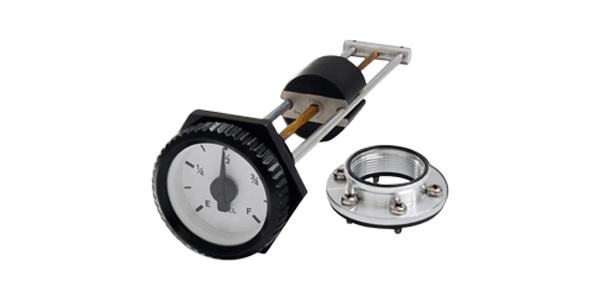
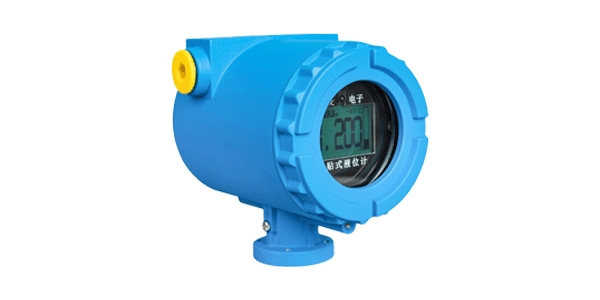
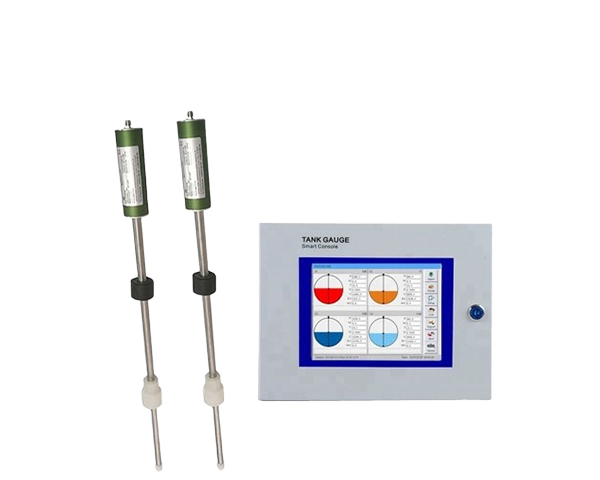
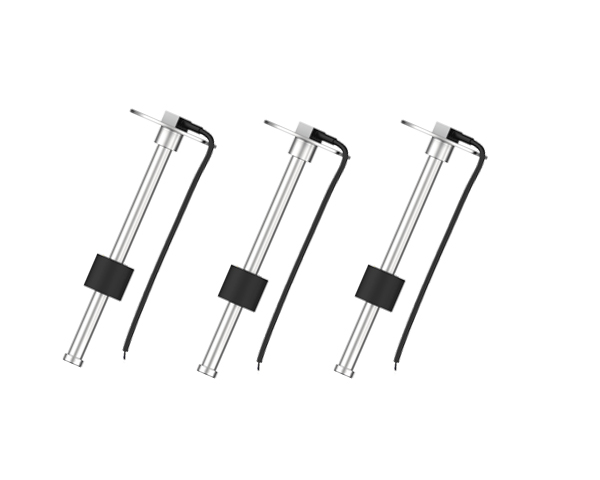
A magnetic level gauge — also called a magnetic flap or float level indicator — is a mechanical, visual device. A float holding a permanent magnet rides on the liquid surface inside a chamber that connects to the tank through a level-equalizing bypass.
As level changes, the float moves up or down, and its magnetic field couples through the non-magnetic chamber wall to a column of red-and-white flip vanes mounted on the outside. The vanes change color, leaving a crisp boundary that reads the level directly at the tank side.
Why engineers like them:
A direct local reading with no power — invaluable for visual checks and fail-safe indication.
The float and indicator never touch the process fluid, keeping the visible parts clean and isolated.
Strong in high temperature and pressure when built in stainless steel or PTFE-lined chambers, with pressure ratings reaching 32 MPa.
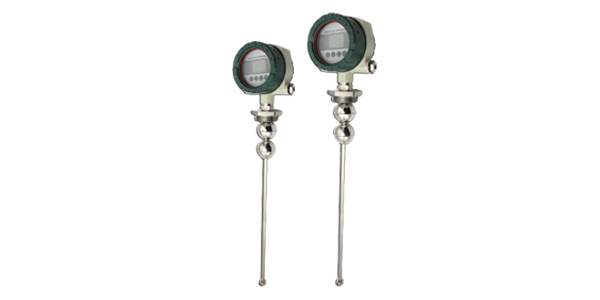
Optional remote output through a reed-switch or magnetostrictive transmitter for 4-20 mA monitoring.
The catch: it is line-of-sight and mechanically dependent. The float must move freely and the vanes must flip, so sticky or fouling service is a real risk.
Submersible sensor vs. magnetic level gauge: head-to-head
Criterion — submersible level sensor vs. magnetic level gauge.
Criterion
Submersible Level Sensor
Magnetic Level Gauge
Measurement principle
Hydrostatic pressure
Float + magnetic coupling
Signal output
Native 4-20 mA / voltage
Local visual; optional add-on transmitter
Moving parts
None
Float + flip vanes
Pressurized / sealed tanks
Not ideal (gauge-pressure based)
Strong
Vented / open tanks and sumps
Excellent
Good
Corrosive or dirty media
Excellent with PTFE/ceramic wetted parts
Good; chamber can foul
Viscous / crystallizing media
Tolerant — no chamber to clog
Risk of float sticking
Automation and calibration
Easy — linear signal
Visual only unless transmitter is added
Maintenance
Very low
Periodic chamber and vane cleaning
Power required
Yes
No, in the base visual model
Hazardous-area use
Intrinsically safe / explosion-proof models available
Inherently safe visual form
Where each technology actually wins
Reach for a magnetic level gauge when you have a high-pressure or high-temperature vessel — reactor jackets, steam drums, pressurized process tanks — and you want a trustworthy on-the-spot reading that survives a power outage or a DCS trip. It is also the safe pick wherever operators must verify level at a glance for a shift handover.
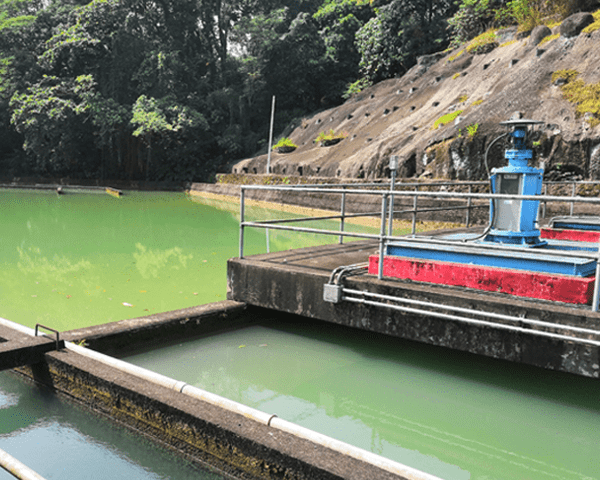
Reach for a submersible sensor when the tank is atmospheric or open and the real need is continuous, remote, automated level data from a corrosive, dirty, or hard-to-reach medium: acid and caustic storage tanks, chemical dosing sumps, solvent day-tanks, wastewater and oily-water pits, and tank farms feeding a flow computer or alarm logic. This is the sweet spot for a rugged, anti-corrosive hydrostatic transmitter.
How the GLT570 anti-corrosive transmitter changes the math
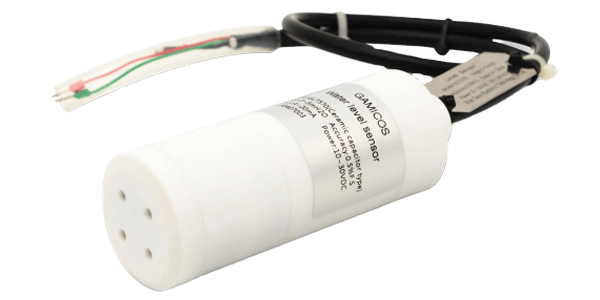
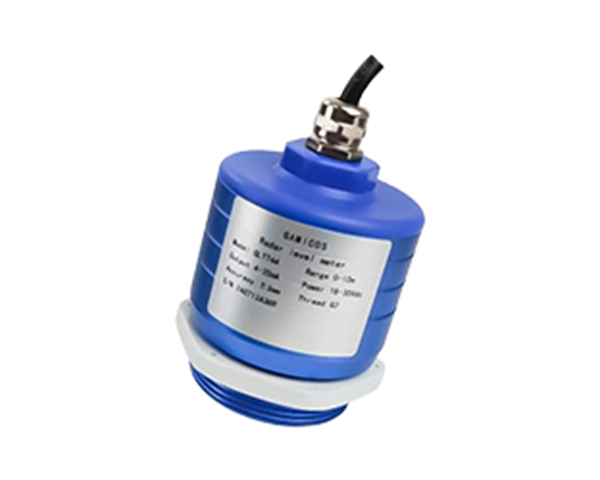
The classic weakness of any submersible sensor is wetted-material corrosion — the acid or alkali eats through the metal diaphragm. The GLT570 anti-corrosive level transmitter is engineered to remove that weakness while keeping every strength. Instead of a metal diaphragm, it pairs a ceramic sensing core with a PTFE housing and PTFE-coated cable — materials chosen precisely for the corrosive service that defeats ordinary probes.
Mapped to real oil and chemical duties, the GLT570 delivers:
Corrosion immunity for aggressive media. PTFE and ceramic wetted parts handle strong acids, alkalis, and chemical intermediates, matching the "strong corrosive liquid / chemical / precious liquid level" applications the device targets.
Hazardous-area compliance. Intrinsic-safety, explosion-proof, and CE certifications suit flammable solvent, fuel, and petrochemical tanks where a plain visual gauge is not enough and a digital signal is required.
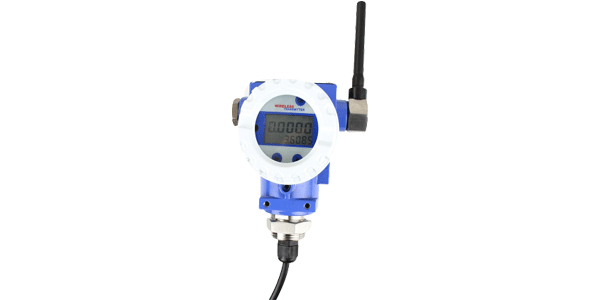
A control-room-ready signal. 4-20 mA (plus selectable voltage outputs) on a simple 2-wire loop carries a reading from a buried sump or elevated tank straight to the PLC — no technician walking the tank farm.
Accuracy automation trusts. ±0.25%FS / ±0.5%FS accuracy, long-term drift of ≤0.3%FS/year, and temperature coefficients around ±0.02%FS/°C are the numbers you need before a level reading drives custody, batching, or overfill protection.
Wide range and temperature coverage. Measuring ranges from 0.5 to 50 mH₂O with compensated operation from -10 to +70 °C (storage -40 to +85 °C) span shallow chemical sumps to tall storage columns.
Fast, noise-proof response. ≤10 ms response and anti-EMI design hold up in plants crowded with motor, pump, and VFD noise.
Installation flexibility. A submersible probe with threaded mounting, customizable cable length (5 m / 10 m and beyond), and selectable PE / PU / PTFE jackets drops into existing tank nozzles or sumps without interrupting the process.
The practical result is a hybrid strategy: keep magnetic gauges on the few high-pressure vessels that truly need them, and deploy corrosion-proof submersible transmitters across the wider field of corrosive, open, and remote-monitored tanks — gaining a digital, automated, low-maintenance signal exactly where a magnetic gauge would otherwise leave a blind spot.
A practical selection checklist
Is the tank vented or sealed-pressurized? Pressurized points to magnetic or differential-pressure; vented fits a submersible well.
How corrosive is the medium? Strong acid or alkali demands PTFE/ceramic wetted parts (GLT570-class) or a lined magnetic chamber.
Do you need a live signal in the control room? Yes points to a submersible, or an added transmitter on the gauge; local-only makes magnetic cheaper and failsafe.
Is the medium viscous or crystallizing? Magnetic gauges risk sticking, so a submersible wins.
Is it a classified hazardous area? Specify intrinsically safe or explosion-proof certification.
What accuracy and drift can your alarm logic tolerate? Use ±0.25%FS and ≤0.3%/year as your benchmark.
What is your maintenance model? Want "install and forget"? Favor a no-moving-parts submersible.
Frequently asked questions
Can a submersible level sensor measure a sealed, pressurized tank?
Not directly. A standard submersible sensor measures gauge pressure and assumes the vapor space sits at atmospheric pressure. For sealed or pressurized vessels, use a differential-pressure design or a magnetic level gauge.
Does liquid density affect a submersible level reading?
Yes. Hydrostatic pressure depends on both height and density, so a denser fluid reads higher for the same true level. Match the transmitter's calibration range to the operating density, or compensate in the control system.
Can a magnetic level gauge send a remote signal?
It can. A base model is visual only, but a reed-switch chain or a magnetostrictive transmitter adds a 4-20 mA output for remote monitoring while keeping the local readout.
Which technology is safer in a hazardous area?
A magnetic gauge's basic visual form is inherently safe. Submersible transmitters must carry intrinsic-safety or explosion-proof certification — look for a certified model such as the GLT570 for flammable service.
What accuracy matters for tank custody and overfill alarms?
Use the transmitter's full-scale accuracy (±0.25%FS to ±0.5%FS) plus its long-term drift (≤0.3%FS/year) to size your alarm margins. A device that drifts forces wider, less useful alarms.
Conclusion
In oil and chemical tank service, submersible level sensors and magnetic level gauges are partners, not rivals. The magnetic gauge stays the dependable, power-free standard for high-pressure visual reading. The submersible sensor is the automation-friendly, low-maintenance choice for corrosive and remote duty. The deciding factor is what your tanks actually hold and what you intend to do with the reading. Where the medium bites and the signal must reach a control system safely, a certified anti-corrosive submersible transmitter such as the GLT570 turns hydrostatic level measurement into a reliable, set-and-forget function — combining the corrosion resistance once reserved for magnetic gauges with the continuous digital signal that modern tank management demands.
Not sure which one your tank needs?
Send us the medium, the tank type, the pressure rating and the signal you need. We will tell you whether a submersible transmitter, a magnetic level gauge, or a combination of both is the right fit.