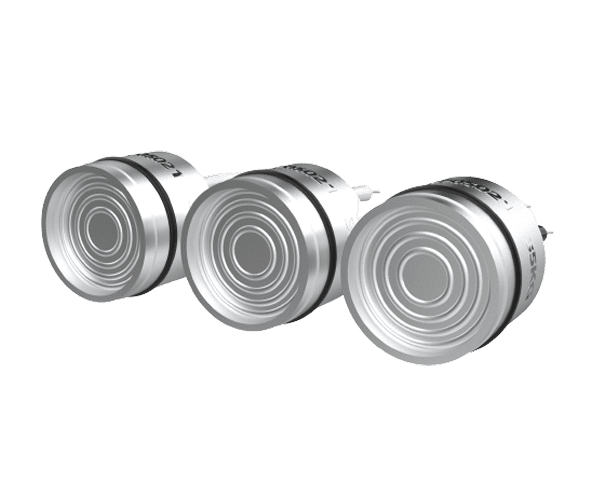
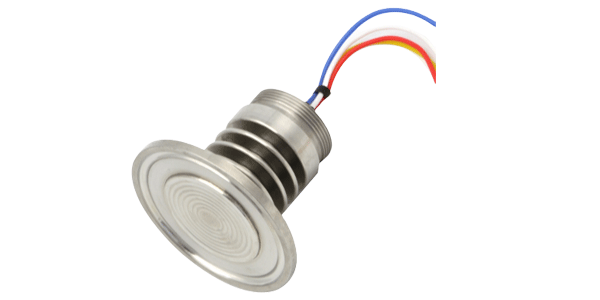
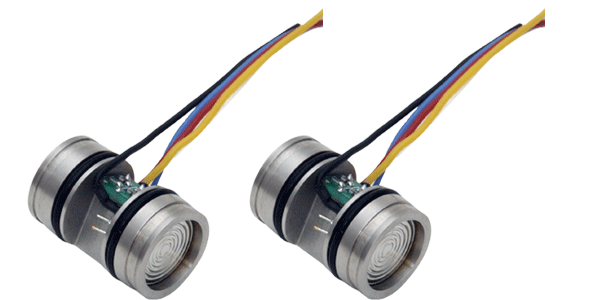
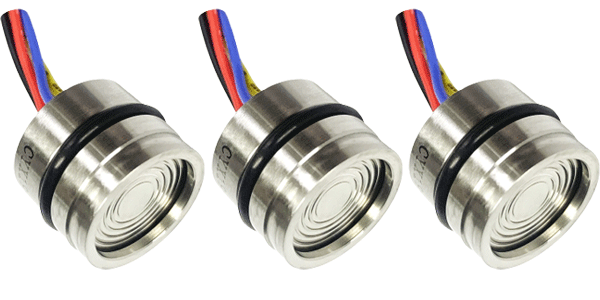
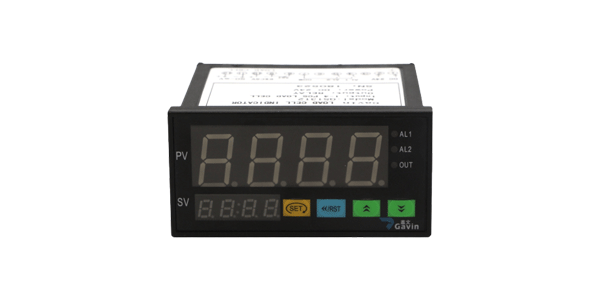
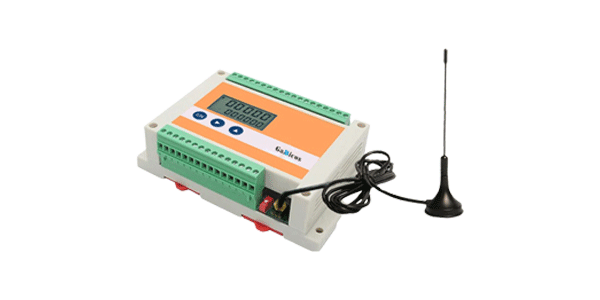
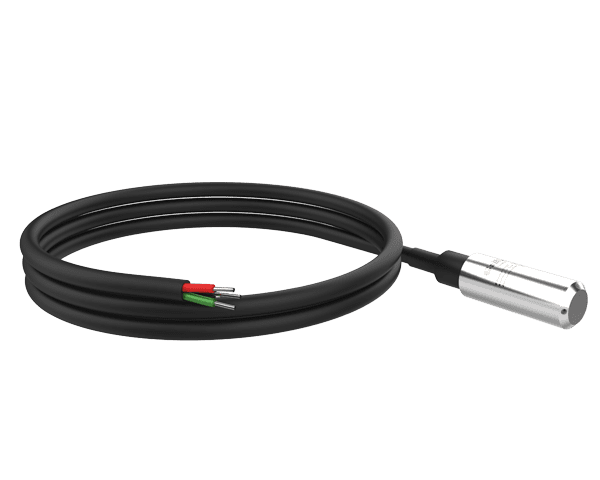
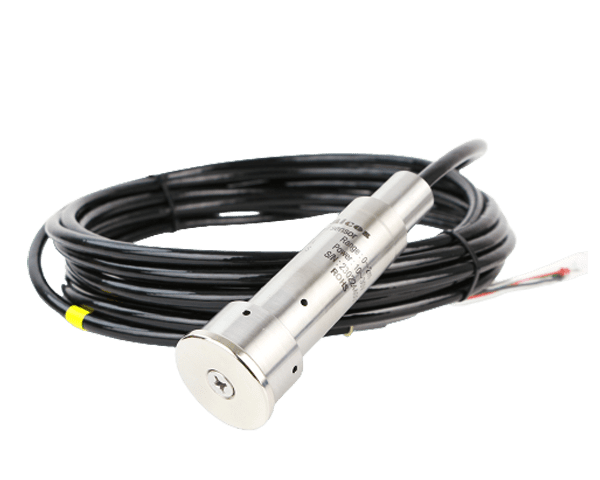
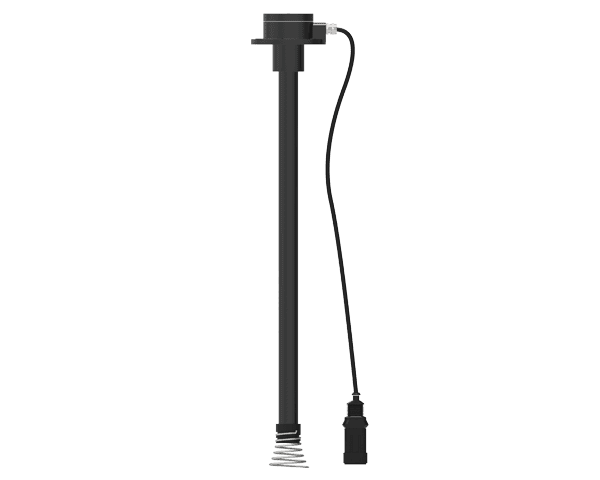
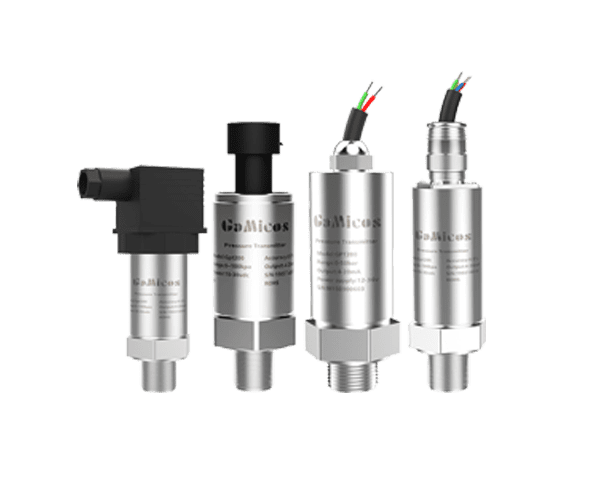
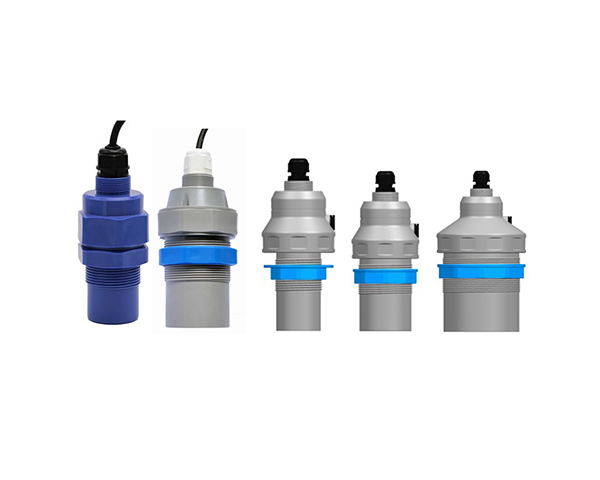
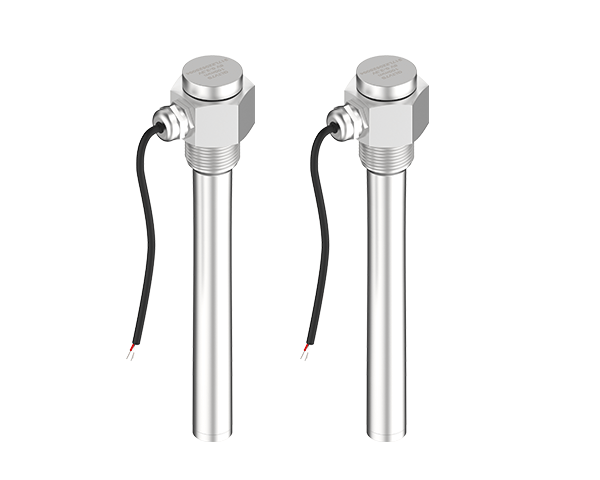
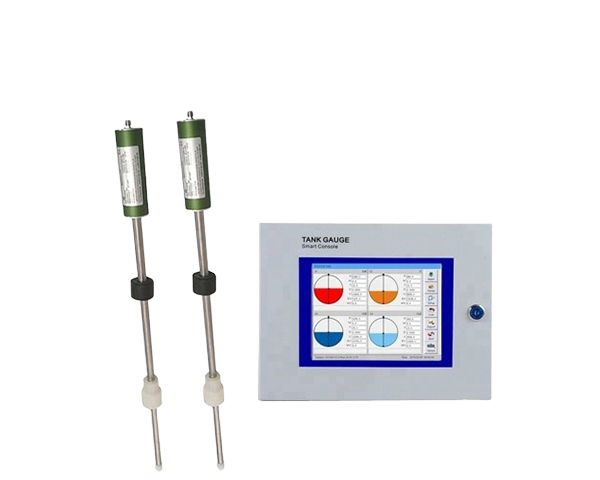
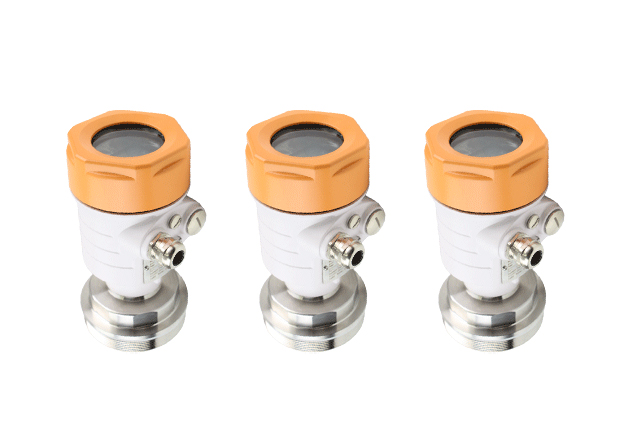
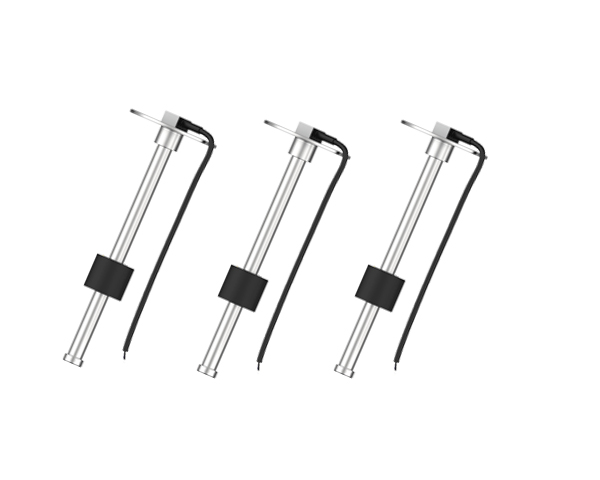
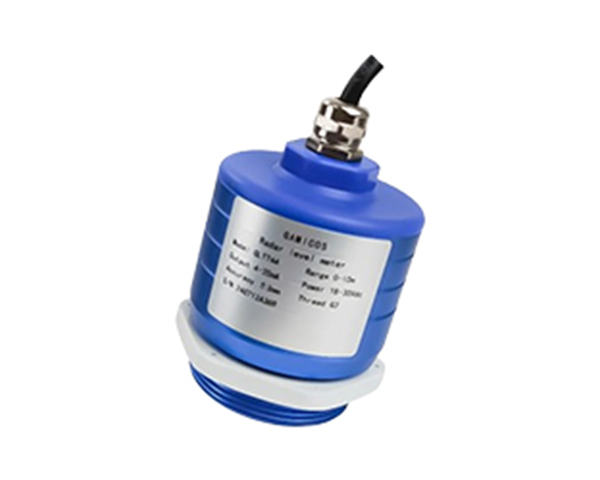
In industrial automation, automotive manufacturing, or environmental monitoring, accurate pressure measurement is fundamental to system safety and efficiency. Whether you need to monitor pipeline pressure, control hydraulic systems, or measure liquid levels, selecting the right pressure measurement device is critical. This guide will systematically explain the core concepts of pressure sensors, pressure transmitters, andpressure transducers, helping you understand their working principles, differences, and how to make the correct selection based on application scenarios.
What is a pressure transducer?
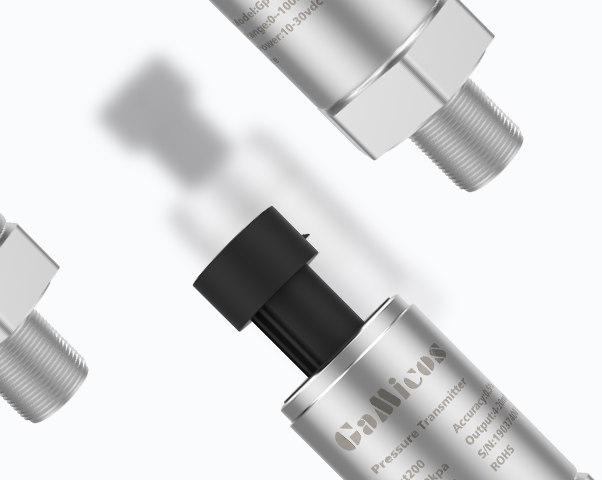
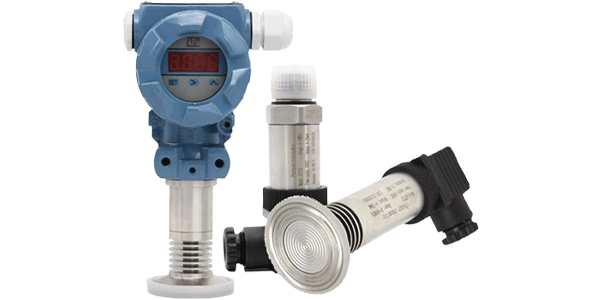
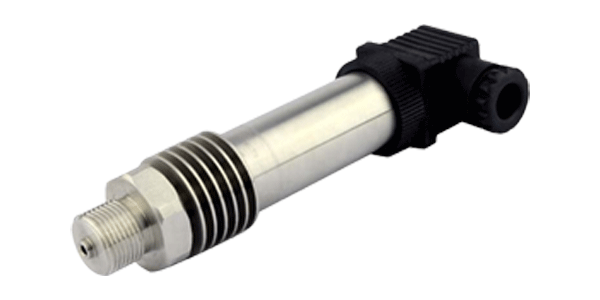
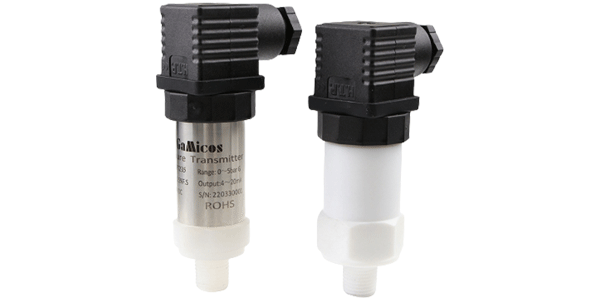
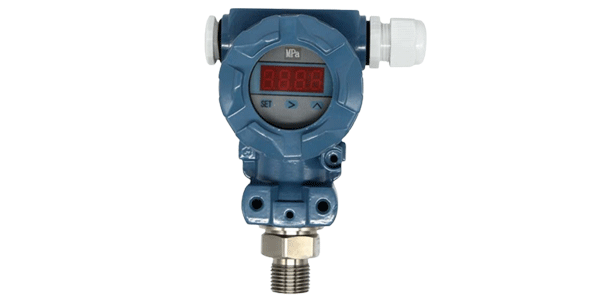
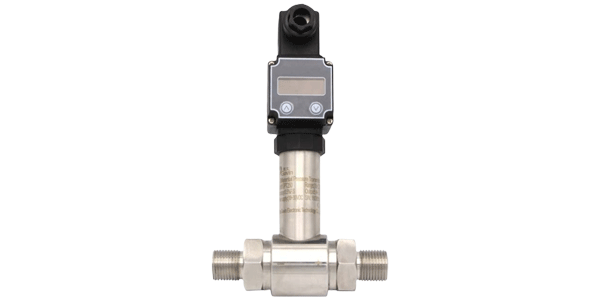
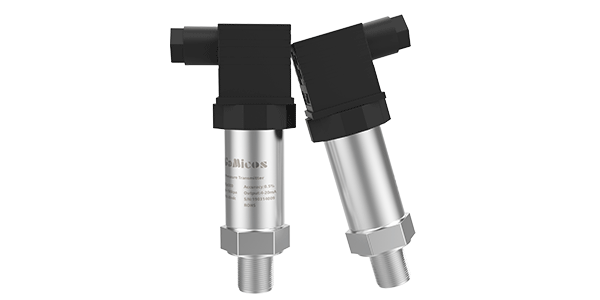
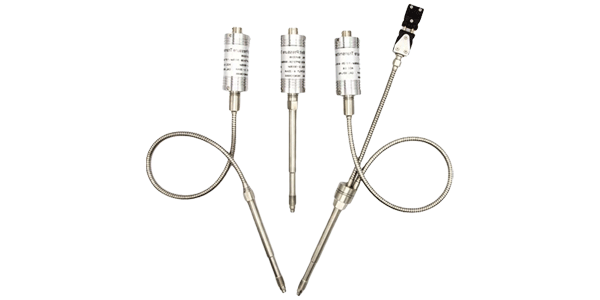
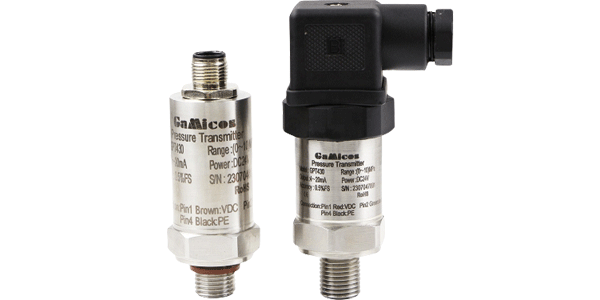
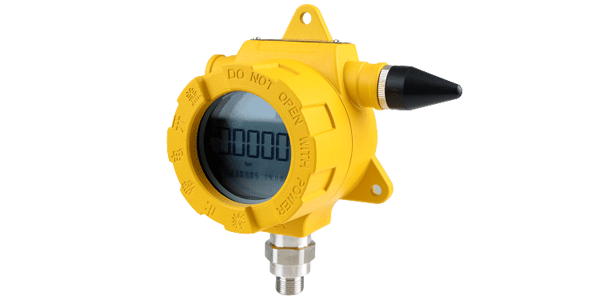
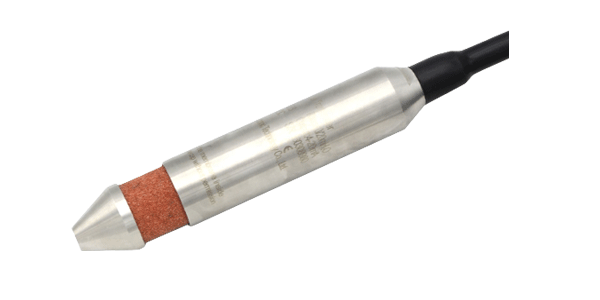
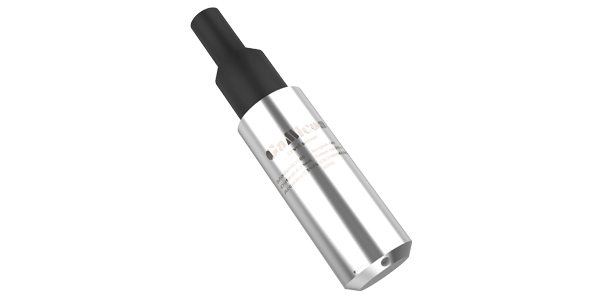
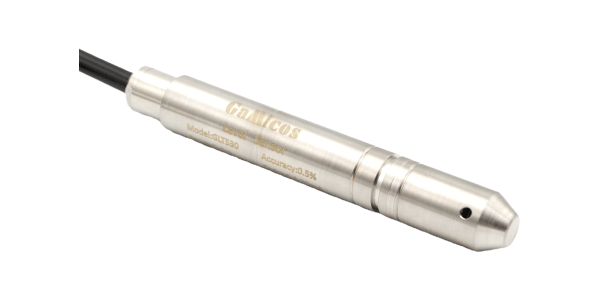
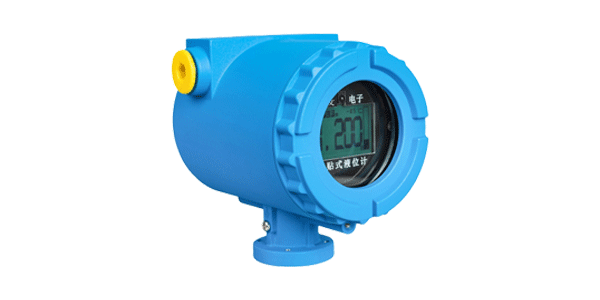
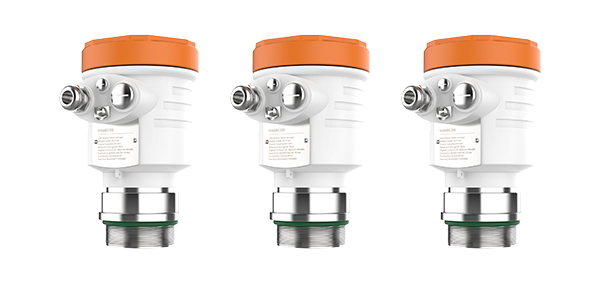
A pressure transducer, also known as a pressure transmitter, is a device that coverts pressure signal into an electrical signal. It generally consists of a sensing element. When subjected to pressure changes, the sensing element deforms, causing the corresponding electrical signal output to change. The pressure transducer is widely used to monitor and control the pressure in industrial processes, measure liquid level of storage tanks and ensure the normal operation of hydraulic and pneumatic systems. It plays a vital role in ensuring the safety, efficiency and accuracy of various systems and processes.
Device Type
|
Core Function
|
Output Signal
|
Typical Role
|
|
Pressure Sensor
|
Senses pressure, produces raw electrical change
|
Raw analog signal (mV/V)
|
Measurement Unit
|
|
Pressure Transmitter
|
Senses pressure and outputs standard industrial signal
|
Standard signal (4-20mA, 0-10V)
|
Transmission & Control Unit
|
|
Pressure Transducer
|
(Broadly) Converts pressure into another form of energy
|
Various possibilities (analog, digital, frequency)
|
General Conversion Unit
|
How does pressure transducer work?
Pressure transducer is a device that transmits pressure signals into standard electrical signals. It is usually used in industrial control systems. The principles mainly consist the following,
Piezoresistive pressure transmitter
The working principle of the piezoresitive pressure transducer is similar to pressure sensor. It converts pressure signal into resistance signal through piezoresistive effect. When external pressure is applied, the piezoresistive elements inside the sensor changes, causing the resistance value to change, and then outputs a corresponding voltage or current signal.
Capacitive pressure transmitter
Capacitive pressure transmitters use the capacitance effect to convert pressure signals. When external pressure is applied, the capacitance element inside the sensor changes, resulting in a change in capacitance value. By measuring the change in capacitance value, an electrical signal output proportional to the pressure can be obtained.
Flexible element pressure transmitter
Flexible element pressure transmitter uses the deformation of flexible elements (such as springs, diaphragms, etc.) to sense pressure signals. When external pressure is applied, the flexible element will deform, which will cause changes in parameters such as resistance, capacitance or inductance inside the sensor, and finally output the corresponding electrical signal.
Pressure Sensor, Pressure Transmitter and Pressure Transducer
Pressure sensor, pressure transmitter and pressure transducer are three common pressure measurement devices, their differences are as follows.
Pressure sensor
Pressure sensor is a sensor to measure pressure, it transmits pressure signals to electrical signals. Pressure sensor usually provides an electrical electrical signal output, usually a voltage signal or a current signal, which is used to indicate the magnitude of the measured pressure. Pressure sensors are commonly used in industrial control, automotive, medical and other fields.
Pressure transmitter
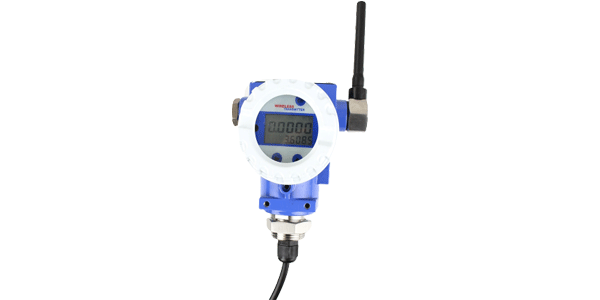
A pressure transmitter is a device that integrates a sensor and a signal processing circuit. It can convert the measured pressure signal into a standard electrical signal output, such as a 4-20mA signal or a 0-10V signal. Pressure transmitters usually have higher accuracy and stability and are suitable for industrial applications that require precise measurement.
Pressure transducer
A pressure transducer is a device that converts a pressure signal into another form of signal output, such as a voltage signal or a current signal. Pressure transducers are often used to convert pressure signals into other types of signals for communication or control with other devices or systems.
In general, pressure sensors are the most basic pressure measurement devices, pressure transmitters have higher accuracy and stability, and pressure transducers can convert pressure signals into other types of signal outputs. When choosing which device to use, you need to consider the specific application requirements and measurement accuracy requirements.
Applications
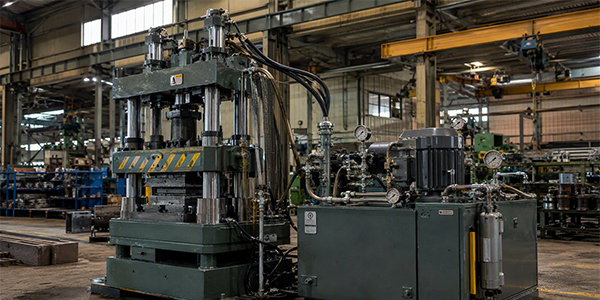
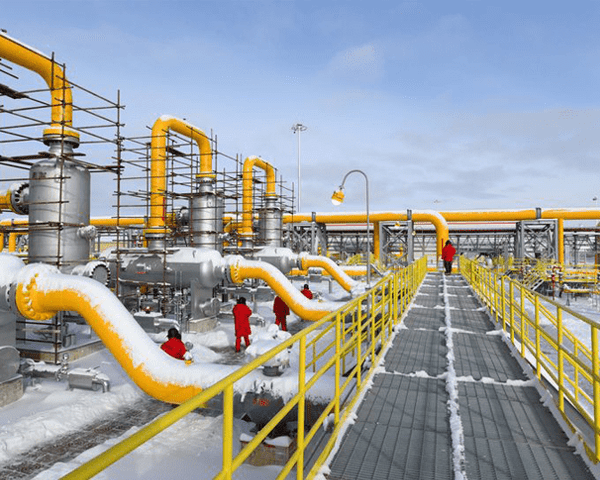
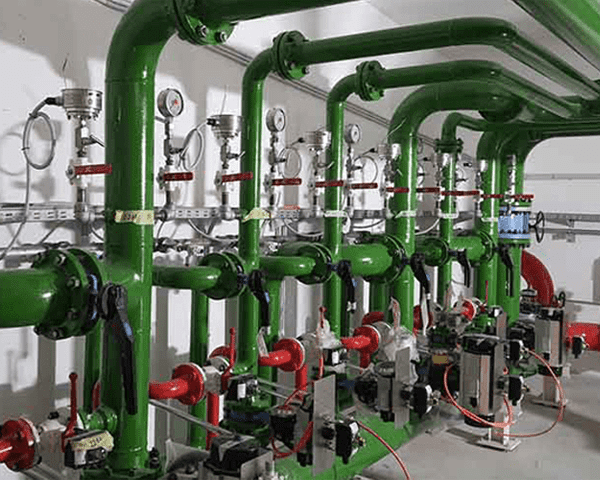
Industrial automatic control system: Pressure transmitters are commonly used to monitor and control the pressure of liquids or gases in industrial processes, such as pressure monitoring and control in chemical plants, petrochemicals, pharmaceuticals and other industries.
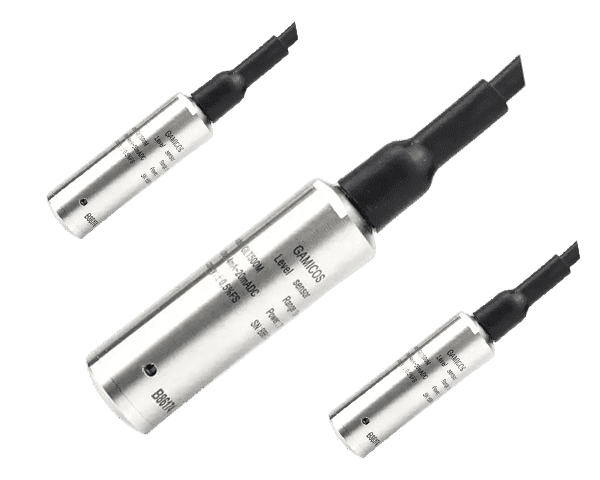
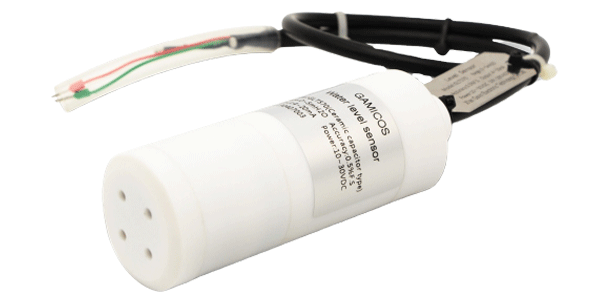
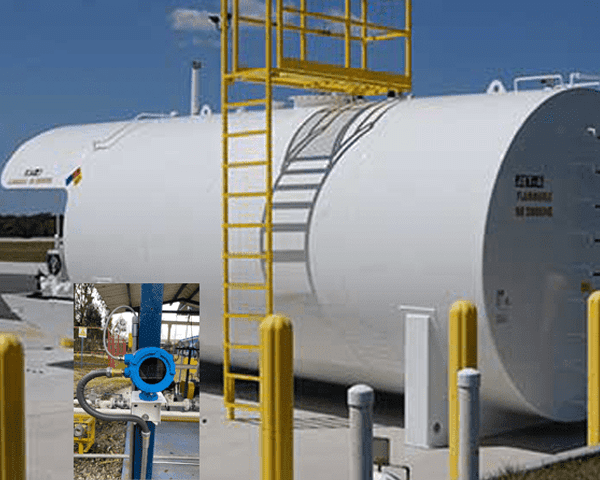
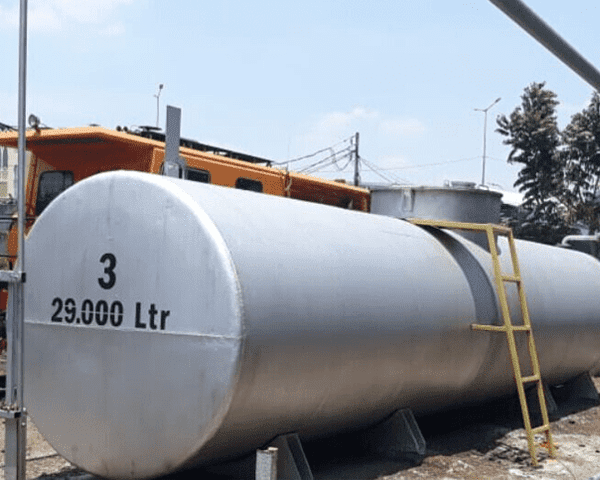
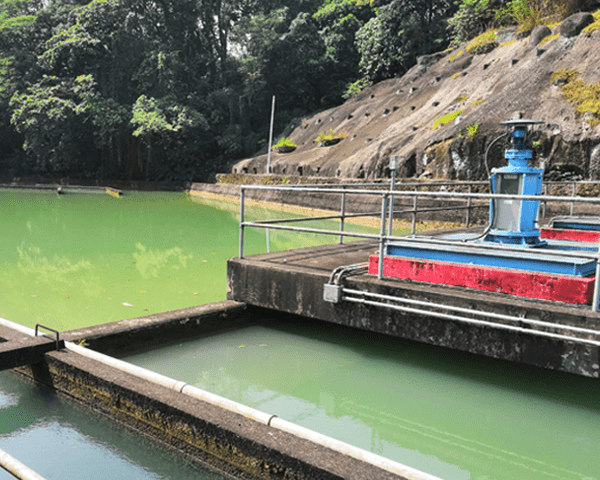
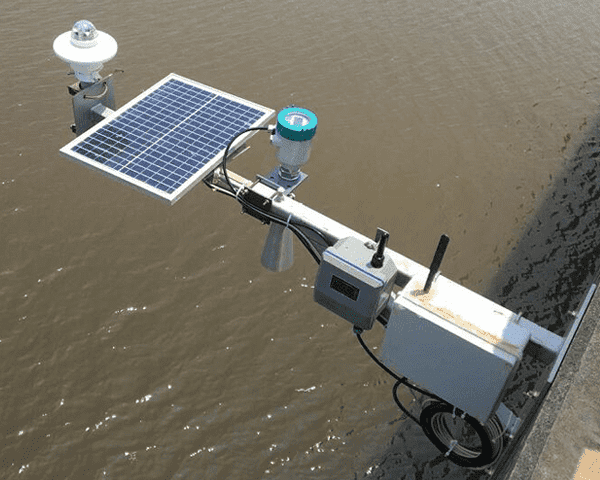
Liquid level measurement: Pressure transducers are commonly used to monitor and control liquid or gas pressure in industrial processes. For example, pressure monitoring and controlling in chemical plants, petrochemical industries and pharmaceutical industries.
Pressure monitoring and alarm: Pressure transmitters can be used to monitor pressure changes in pipelines, containers or equipment. Once the pressure exceeds the set range, an alarm will be triggered to ensure safe operation of the equipment.
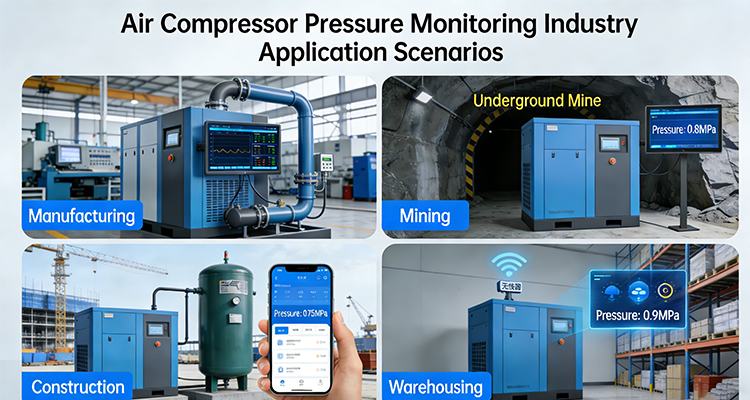
Air compressor control: The pressure transmitter can be used to control the operation of the air compressor, adjust the working state of the compressor according to the pressure signal, and maintain the stable operation of the system.
Automobile manufacturing: Pressure transmitters are often used in automobile manufacturing, such as engine oil pressure monitoring, brake system pressure monitoring, etc.
HVAC system:Pressure transmitters can be used to monitor and control gas or liquid pressure in HVAC systems to ensure proper system operation.
In general, pressure transmitters are widely used in the industrial field and can be used for pressure monitoring, control and alarm of various liquids or gases to ensure the safe operation of equipment and systems.
Key Selection Factors Checklist
Before purchasing, be sure to clarify the following parameters:
Measurement Type: Gauge pressure, absolute pressure, or sealed reference pressure/differential pressure?
Pressure Range: The normal operating value should ideally be 60%-80% of the selected range.
Output Signal: Analog signal (4-20mA/0-10V) or digital signal (RS485, HART)?
Accuracy Requirement: Usually expressed as a percentage of full scale (e.g., ±0.5% FS).
Media Compatibility: The diaphragm material in contact with the medium (e.g., 316L stainless steel, ceramic) is crucial.
Environment & Installation: Ambient temperature, need for explosion-proof rating, process connection size (e.g., G1/2, M20*1.5).
Certifications & Standards: Does it need to meet specific industry certifications (e.g., FDA for medical, DNV for marine)?
Further Reading & Resources
To help you build a more comprehensive measurement and control system, we recommend reading the following related topics:
What is a Water Level Sensor? Types, Working Principle & Applications
Where to Buy Industrial Level Sensors in Mexico?
Need Selection Advice for Your Specific Project?
Our engineering team is ready to provide technical support. Please use the website contact form to tell us your application requirements and technical parameters, and we will recommend the most suitable solution.