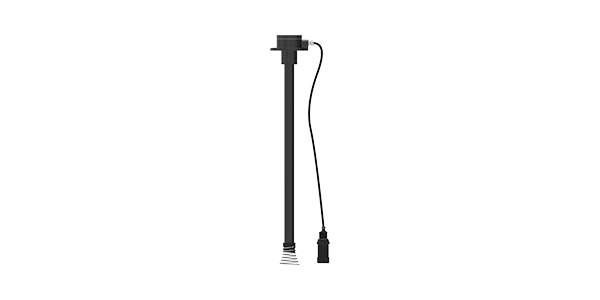
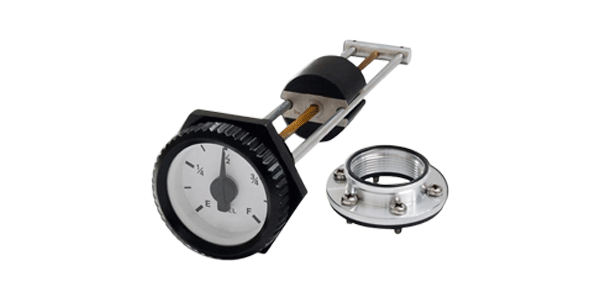
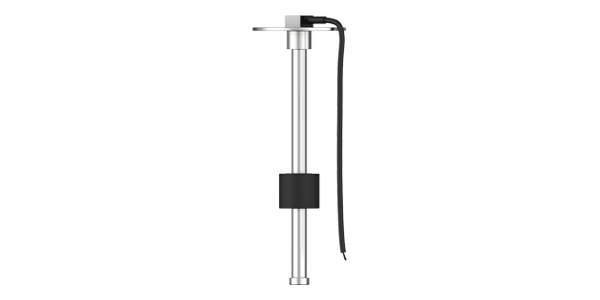
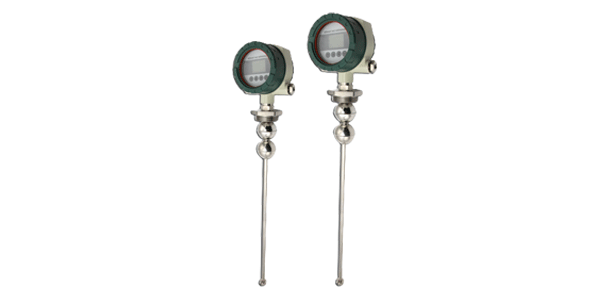
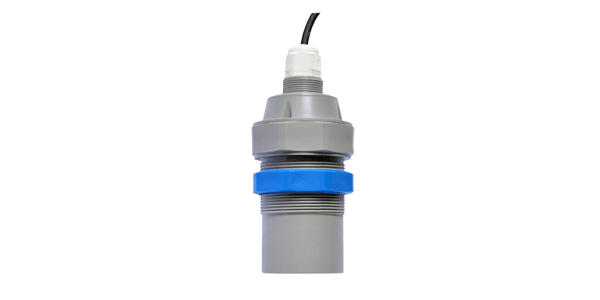
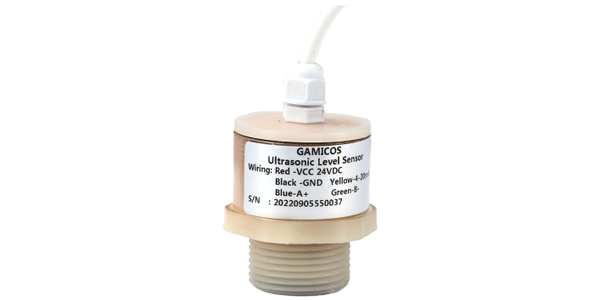
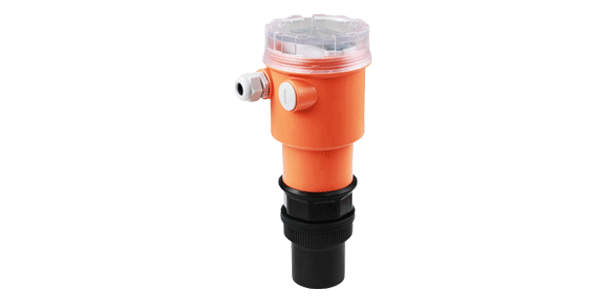
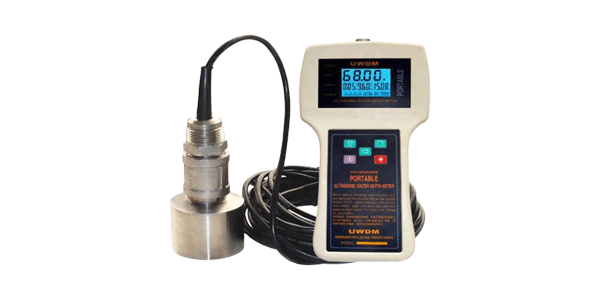
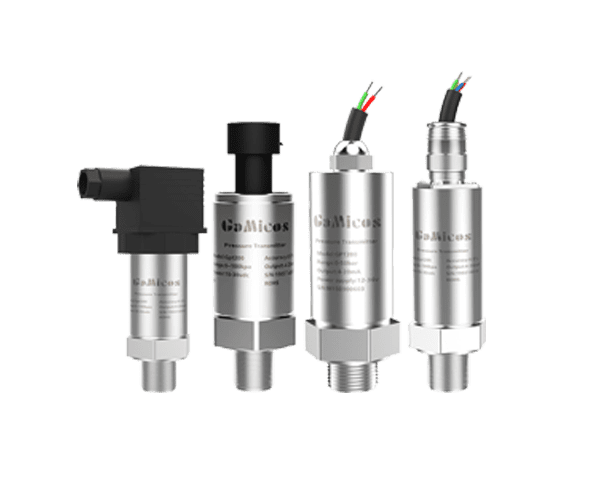
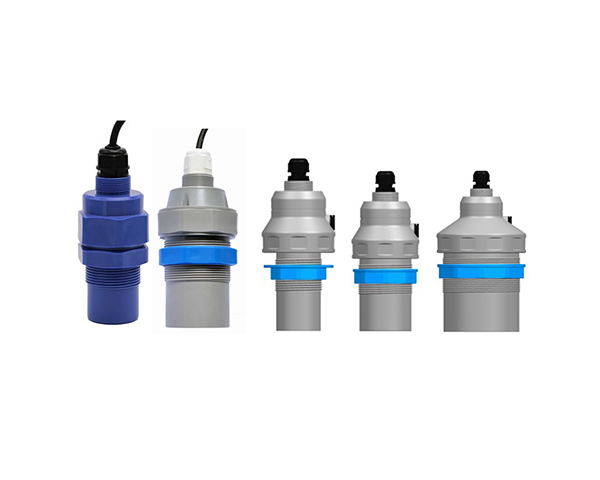
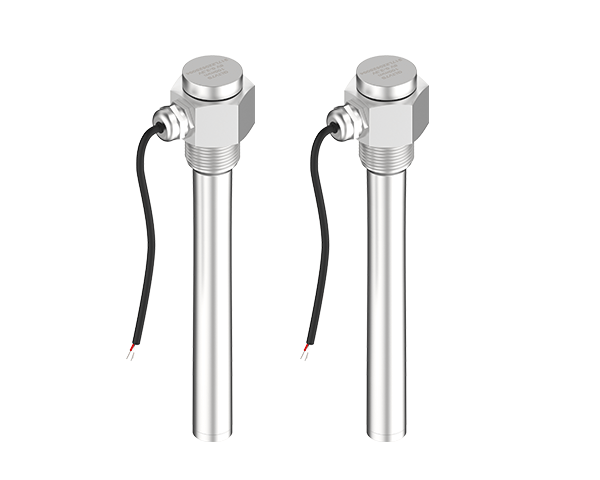
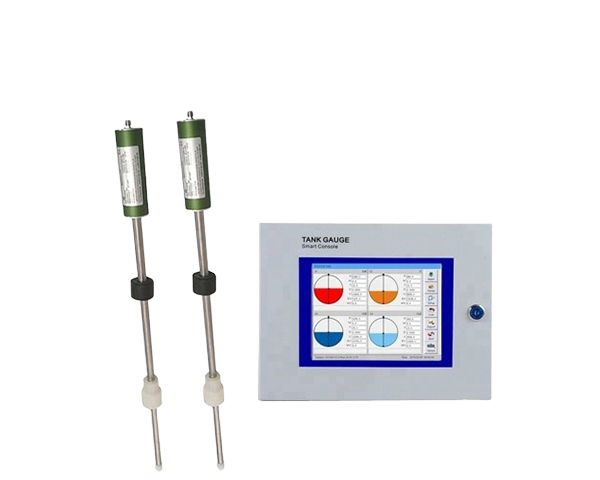
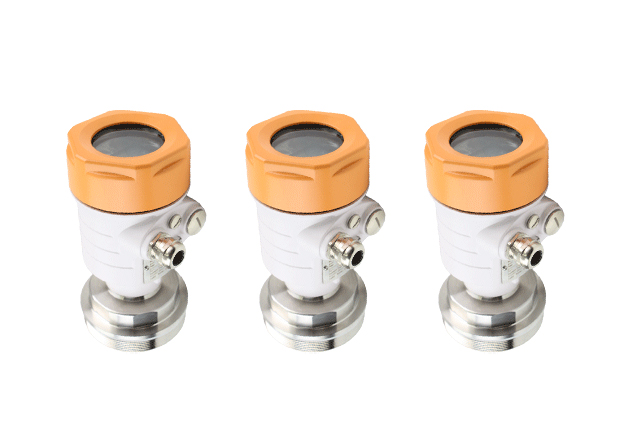
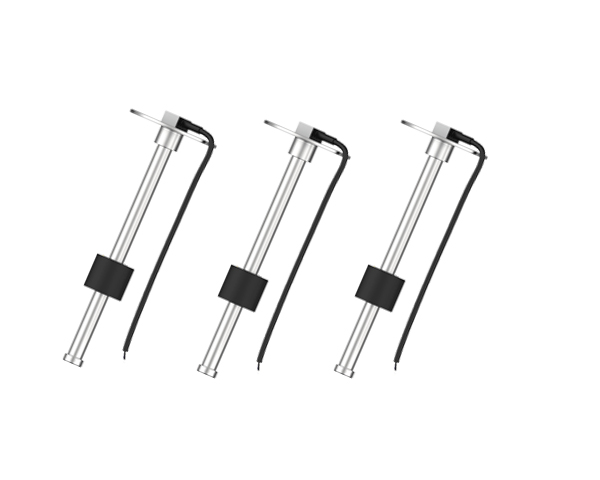
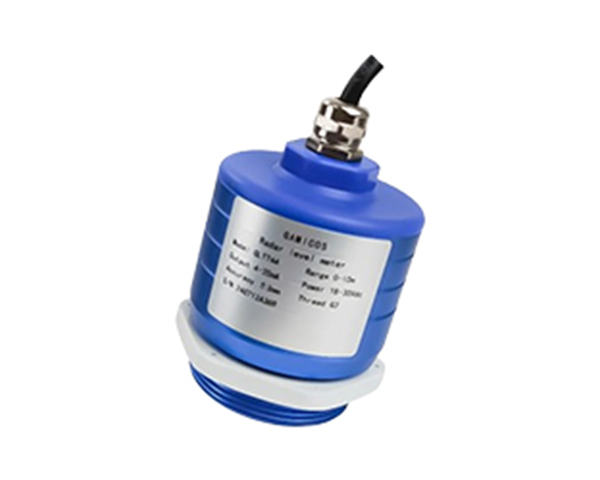
London's sewage pump stations demand the most reliable and precise level measurement technology to ensure optimal wastewater management operations. The best radar level sensors for sewage pump stations in London combine advanced FMCW technology with robust construction, delivering millimeter-level accuracy in challenging environments filled with sludge, foam, and corrosive gases. These non-contact measurement devices have revolutionized sewage management by providing continuous monitoring capabilities that prevent costly overflows and equipment damage.
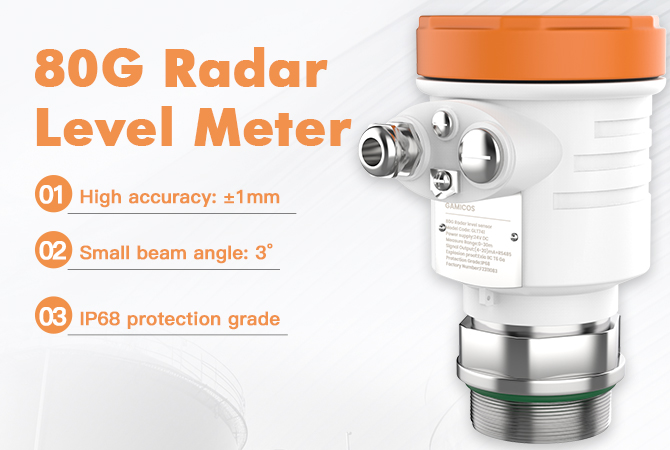
Radar level sensors play a vital role in optimizing operations within sewage pump stations by providing precise liquid and sludge level measurements. Accurate level sensing is essential for efficient sewage management, preventing overflow, ensuring equipment protection, and maintaining regulatory compliance. This guide is crafted for procurement managers, engineers, distributors, and OEM in London's wastewater sector, helping them understand radar sensor technology, evaluate options, and make informed purchasing decisions tailored to the unique demands of the sewage environment.
Understanding Radar Level Sensors and Their Role in Sewage Pump Stations
Modern radar level measurement technology operates on sophisticated electromagnetic wave principles, with Frequency Modulated Continuous Wave (FMCW) systems leading the industry in sewage applications. During operation, the antenna emits high-frequency radar signals whose frequency increases linearly over time. When these signals reflect off the measured medium—whether liquid sewage or solid sludge surfaces—they return to the same antenna with a frequency difference proportional to the distance traveled.
Advanced FMCW Technology in Sewage Applications
The FMCW radar technology excels in sewage environments due to its ability to process complex signal reflections through Fast Fourier Transform (FFT) analysis. This mathematical processing converts the frequency difference signals into precise distance calculations, enabling accurate level detection even in turbulent conditions with foam layers and suspended solids. The 80GHz frequency band operation provides exceptional measurement capabilities with minimal interference from common electromagnetic sources found in industrial sewage facilities.
Key Performance Advantages
Radar level sensors deliver unmatched performance benefits that address the specific challenges of sewage pump station operations. Here are the core advantages of this technology:
-
Ultra-high measurement accuracy: Achieving precision up to ±1mm ensures optimal pump control and prevents overflow incidents that could result in environmental violations and costly cleanup operations.
-
Ultra-small blind zone: With blind zones as small as 0.05m from the antenna and measurement ranges extending to 120m, these sensors accommodate various tank configurations and installation constraints commonly found in London's diverse sewage infrastructure.
-
Strong anti-interference capability: Operating in the clean 80GHz frequency band minimizes interference from mobile communications, industrial equipment, and other electromagnetic sources prevalent in urban environments.
-
Excellent beam characteristics: Narrow beam angles of approximately ±3° in both horizontal and vertical directions provide focused measurement that ignores tank walls and internal structures.
These advantages directly address the operational challenges faced by London's sewage management facilities, where accurate level control is critical for maintaining service continuity and environmental compliance.
Comparing Radar Level Sensors with Other Level Measurement Technologies
The superiority of radar technology becomes evident when compared to alternative measurement methods commonly used in sewage applications. Traditional ultrasonic sensors struggle with foam interference and vapor clouds, while capacitive and resistive sensors suffer from coating buildup and corrosion in harsh sewage environments.
Non-Contact vs Contact Measurement Methods
Non-contact radar sensors offer significant advantages over contact-based technologies by eliminating mechanical wear and corrosion concerns. Unlike traditional float switches or pressure-based systems that require direct contact with corrosive sewage, radar sensors maintain their accuracy and reliability without physical degradation. This characteristic proves particularly valuable in London's aging sewage infrastructure, where chemical exposure and abrasive materials can quickly damage conventional sensors.
Frequency Selection and Environmental Resilience
The choice between different radar frequencies impacts performance in specific sewage conditions. Higher frequency systems like 80GHz provide superior resolution and smaller beam angles, making them ideal for applications requiring precise level control in confined spaces. The IP68 protection rating ensures reliable operation in harsh weather conditions common to London's climate, while Bluetooth debugging capabilities enable convenient on-site configuration and maintenance through mobile devices.
Top Radar Level Sensor Models Recommended for Sewage Pump Stations in London
Selecting the optimal radar level measurement solution requires careful evaluation of technical specifications, environmental compatibility, and long-term reliability factors. The GLT74 series represents state-of-the-art technology specifically engineered for demanding sewage applications.
GLT744 Radar Level Sensor Specifications
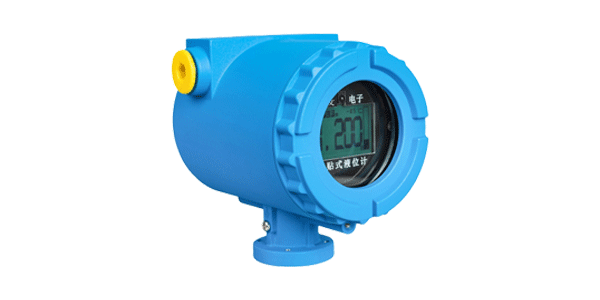
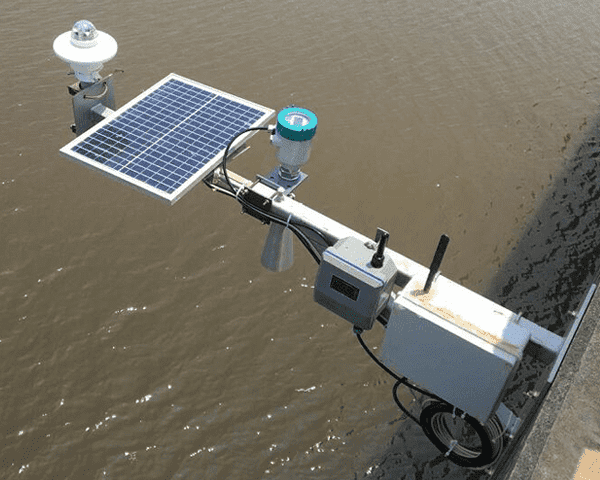
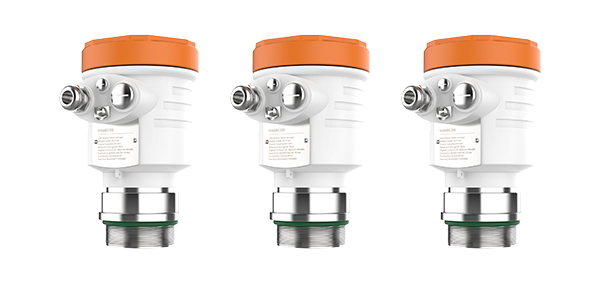
The GLT744 radar level sensor incorporates advanced 80GHz FMCW technology designed specifically for sewage pump station applications. This high-frequency system delivers millimeter-level measurement accuracy while maintaining exceptional reliability in challenging environmental conditions. The non-contact measurement principle eliminates the corrosion and wear problems that traditional water level gauges encounter in aggressive sewage environments.
Range
|
0.1 m ~65m
|
Transmission frequency
|
76GHz~81GHz
|
Accuracy
|
±3mm
|
Beam angle
|
6°
|
Power supply
|
14~28 VDC
|
Communication method
|
4-20mA/HART/Bluetooth/RS485
|
Working temperature
|
-30~75℃
|
Shell material
|
Stainless steel/Cast Aluminum
|
Antenna type
|
Lens antenna
|
Recommended
|
0.5mm²
|
Protection grade
|
IP68
|
Installation method
|
Frame/thread
|
Cable entry
|
PG9 Cable Connection
|
Key technical features include Bluetooth debugging functionality that enables mobile device connectivity for on-site configuration and data collection. The IP68 protection rating ensures continuous operation in harsh weather conditions, while the narrow beam characteristics minimize interference from tank internals and provide accurate readings regardless of foam or vapor presence.
Performance Benefits for London's Sewage Infrastructure
London's diverse sewage pump stations benefit significantly from the advanced capabilities offered by modern radar level sensors. The combination of high precision measurement and robust environmental resistance addresses the specific challenges posed by the city's complex wastewater management requirements. Remote monitoring capabilities integrate seamlessly with existing SCADA systems, enabling centralized control and reducing the need for manual inspections in hazardous environments.
Installation, Calibration, and Maintenance Best Practices for Sewage Pump Stations
Proper installation procedures are critical for maximizing sensor accuracy and longevity in sewage applications. Strategic positioning away from pump vibrations and careful consideration of tank geometry significantly improves signal clarity and measurement reliability.
Optimal Mounting and Configuration
Successful radar sensor installation requires attention to mounting height, beam path clearance, and potential interference sources. The sensor should be positioned to avoid direct exposure to turbulent inflow while maintaining clear line-of-sight to the measurement surface. Tank geometry considerations include avoiding mounting directly above agitators or pump intakes where foam generation might interfere with signal transmission.
Calibration Procedures and Maintenance Schedules
Calibration procedures must account for the unique characteristics of sewage environments, including varying density layers and foam formation patterns. Regular maintenance focuses on keeping the antenna face clean and verifying proper operation through remote diagnostics. Preventive maintenance scheduling during off-peak hours minimizes operational disruption while ensuring continuous reliable performance throughout the sensor's operational lifespan.
GAMICOS: Your Trusted Partner for Sewage Level Measurement Solutions
GAMICOS specializes in advanced liquid level and pressure measurement solutions, combining research, development, production, and sales expertise to serve global markets. Our comprehensive product portfolio includes state-of-the-art radar level sensors specifically engineered for sewage pump station applications, supported by professional consultation, custom configuration services, and responsive technical support.
Advanced Technology and Global Experience
Our company has successfully deployed measurement solutions across more than 100 countries, serving thousands of customers annually with products that meet the demanding requirements of wastewater management applications. The GLT74 series radar level sensors represent our commitment to technological innovation, incorporating 80GHz FMCW technology with advanced signal processing capabilities optimized for challenging sewage environments.
GAMICOS provides comprehensive OEM and ODM services with full customization of models, parameters, packaging, and documentation to meet specific application requirements. Our dedicated research and development department, supported by highly skilled engineers and multiple patents, ensures continuous innovation and product improvement based on real-world customer feedback and evolving industry needs.
Conclusion
Radar level sensors represent the optimal technology choice for London's sewage pump stations, delivering unmatched accuracy, reliability, and longevity in challenging wastewater environments. The advanced FMCW technology, particularly 80GHz systems, provides millimeter-level precision while resisting interference from foam, vapor, and suspended solids common in sewage applications. Proper selection, installation, and maintenance of these systems ensure optimal performance and regulatory compliance while minimizing operational costs and environmental risks.
Frequently Asked Questions
Q1: Can radar level sensors accurately measure sludge levels in sewage pump stations?
A: Yes, advanced 80GHz radar sensors with FMCW technology are specifically designed to handle complex sewage environments. They use sophisticated signal processing and FFT analysis to accurately measure sludge, foam, and turbulent surfaces, providing reliable level data even in the most challenging conditions found in sewage pump stations.
Q2: How often should radar level sensors be calibrated in sewage applications?
A: Annual calibration is generally recommended for most sewage applications, though environments with particularly harsh conditions or critical process requirements may benefit from more frequent calibration intervals. The GLT744's Bluetooth debugging capability enables convenient field calibration and verification procedures.
Q3: Are radar level sensors safe to install in hazardous sewage pump stations with explosive gases?
A: Modern radar level sensors are available with appropriate hazardous area certifications including ATEX and IECEx ratings. The non-contact measurement principle and robust enclosure design ensure safe operation in explosive atmospheres commonly found in sewage pump stations with methane and hydrogen sulfide gas presence.
Partner with GAMICOS for Superior Radar Level Sensor Solutions
Upgrade your sewage pump station operations with GAMICOS's advanced radar level measurement technology. Our GLT74 series offers industry-leading accuracy, reliability, and durability specifically engineered for challenging wastewater environments. As a trusted radar level sensor manufacturer, we provide comprehensive technical support, competitive pricing, and prompt global delivery. Transform your facility's measurement capabilities and reduce maintenance costs with our proven solutions. Contact us at info@gamicos.com to discuss your specific requirements and receive a customized proposal tailored to your London sewage pump station needs.
References
1.Smith, J. (2023). "Advanced Radar Technology in Municipal Wastewater Management." Journal of Water and Environmental Engineering, 45(3), 78-92.
2.British Water Association. (2022). "Level Measurement Best Practices for UK Sewage Treatment Facilities." Technical Bulletin 2022-15.
3.Thompson, R., & Williams, M. (2023). "FMCW Radar Applications in Industrial Process Control." Instrumentation and Control Systems Quarterly, 18(2), 134-148.
4.Environment Agency UK. (2022). "Monitoring and Control Systems for Sewage Pumping Stations: Technical Guidelines." Publication EA-2022-WWT-07.
5.International Water Association. (2023). "Non-Contact Level Measurement Technologies: Performance Comparison Study." Water Technology Research Report, 67, 23-41.
6.Davies, P., et al. (2022). "Reliability Assessment of Radar Level Sensors in Harsh Industrial Environments." Process Safety and Environmental Protection, 156, 445-458.