
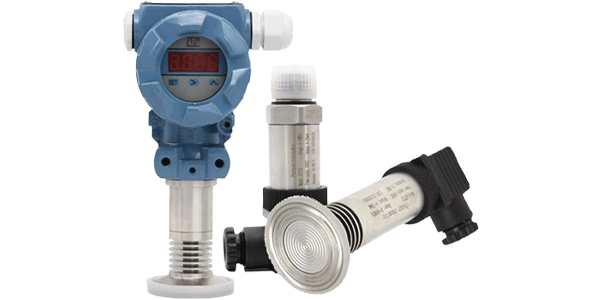
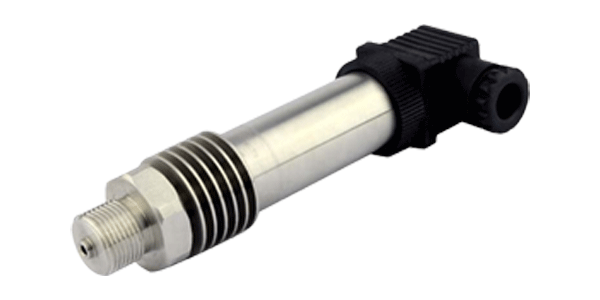
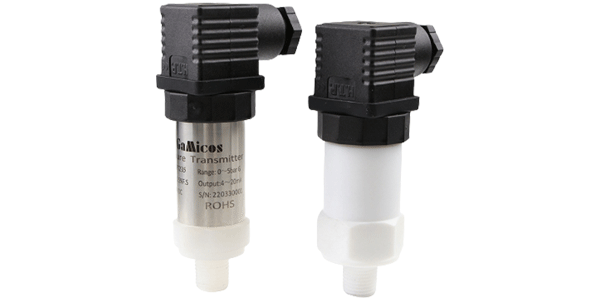
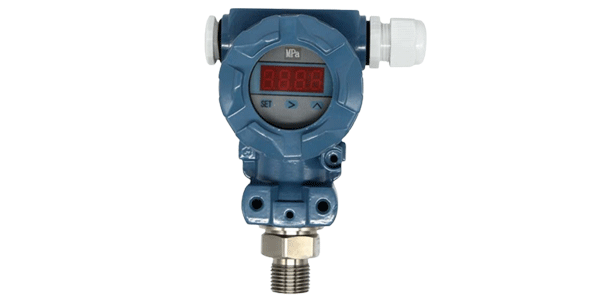
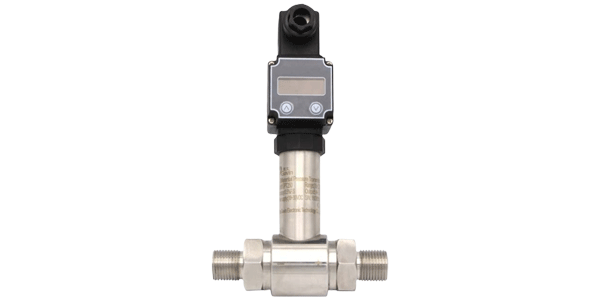
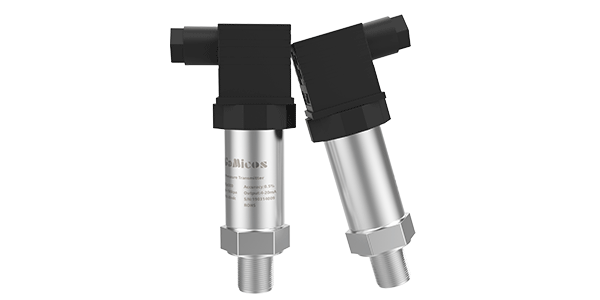
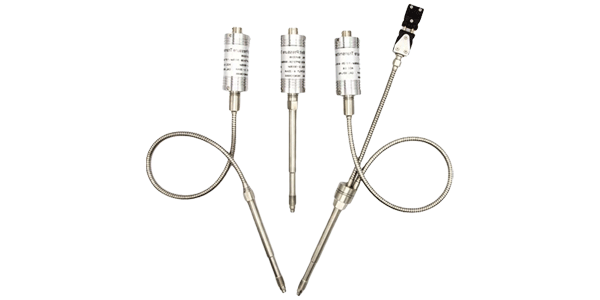
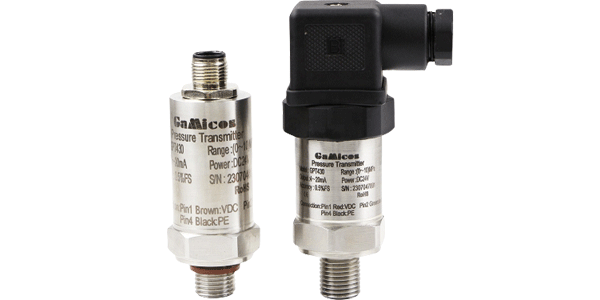
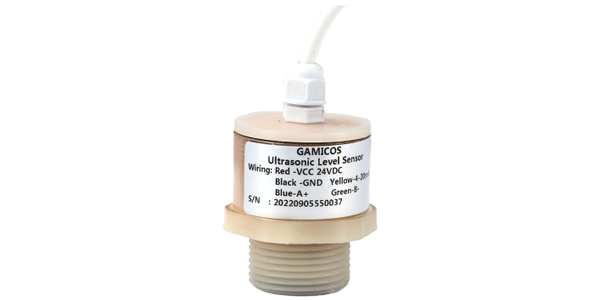
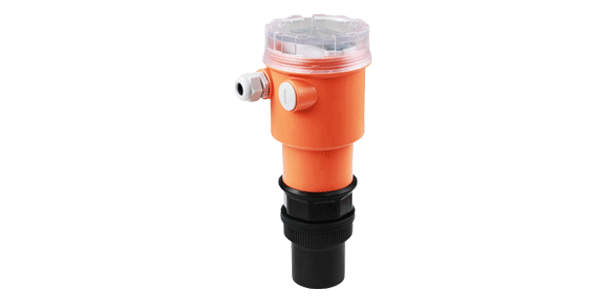
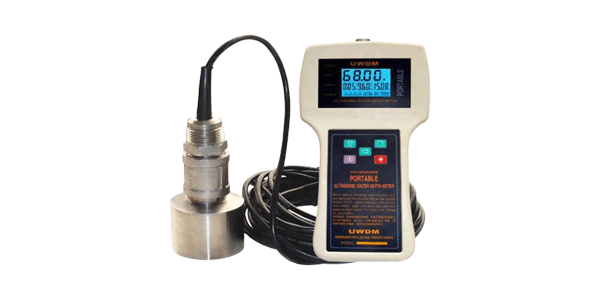
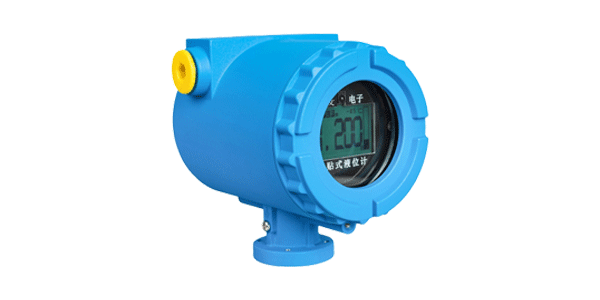
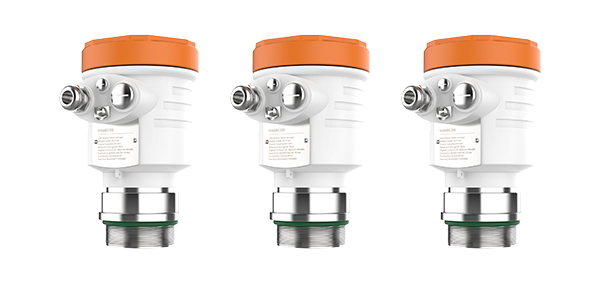
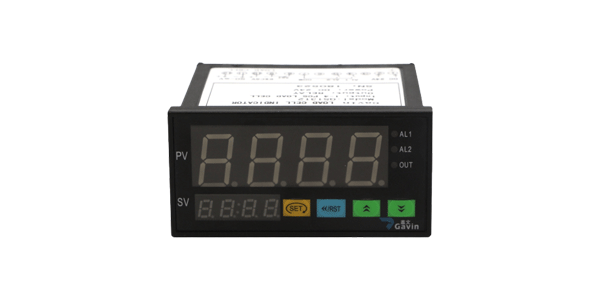
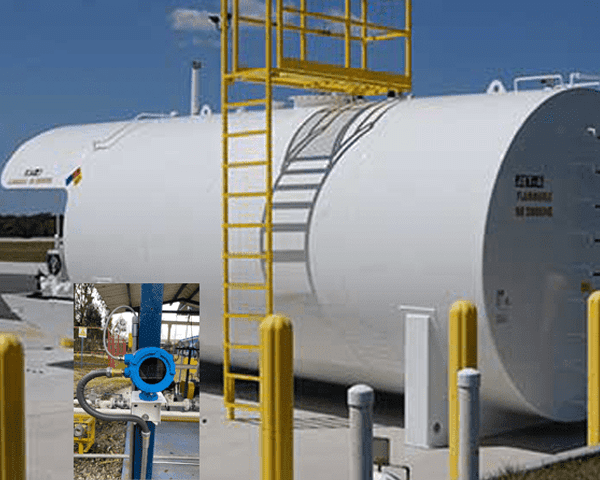







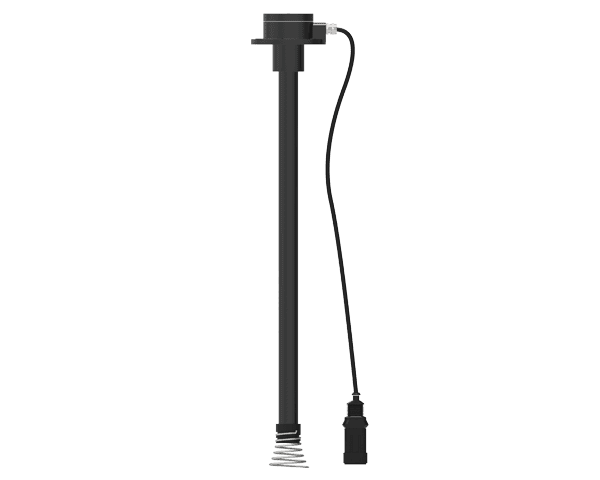
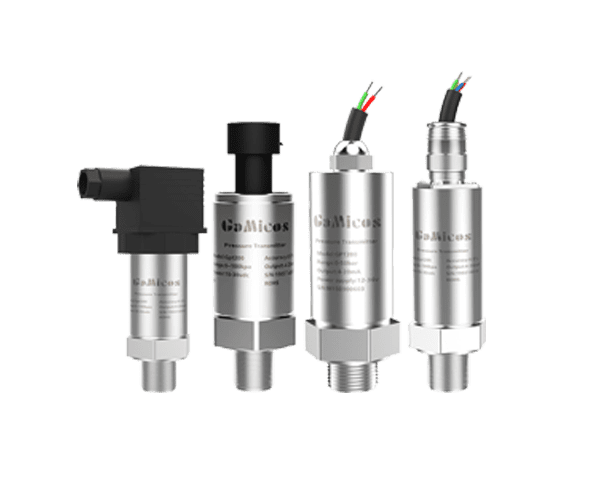
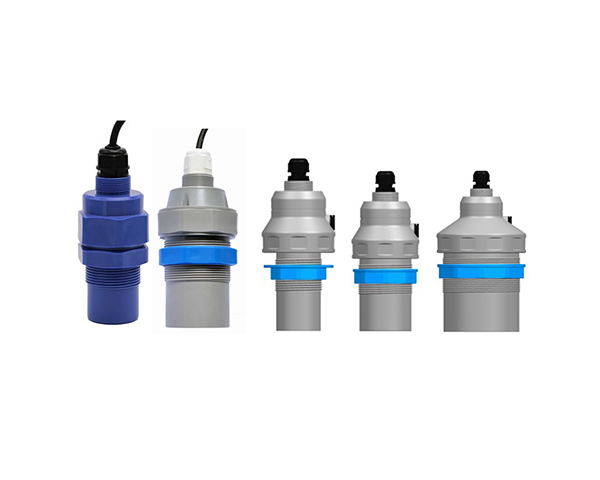
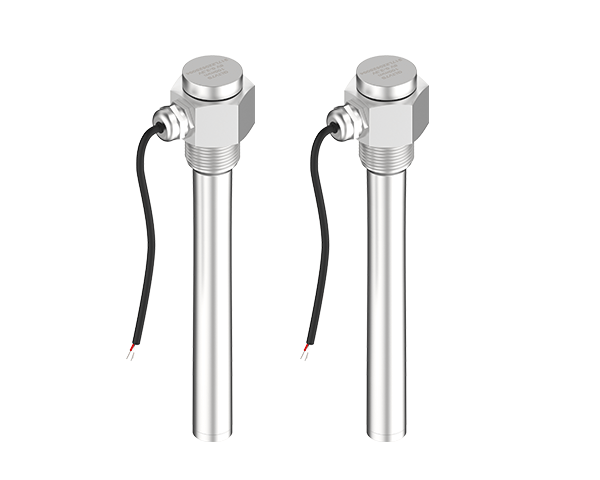
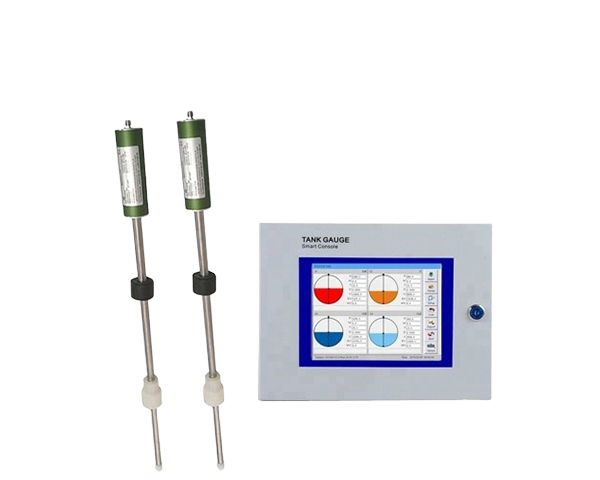
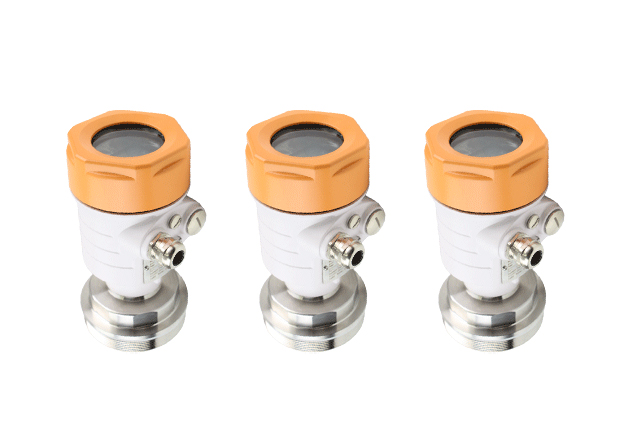
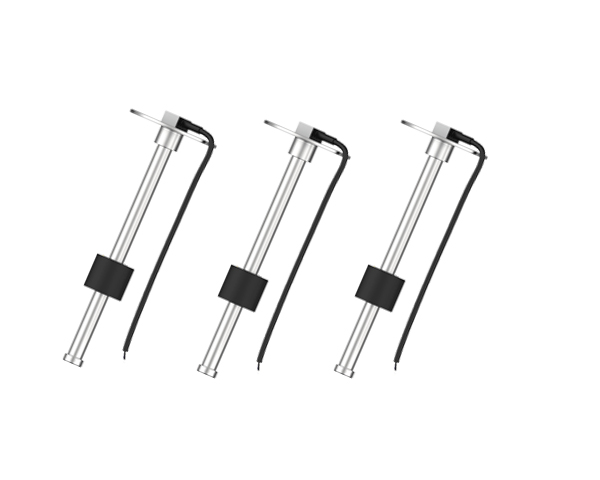
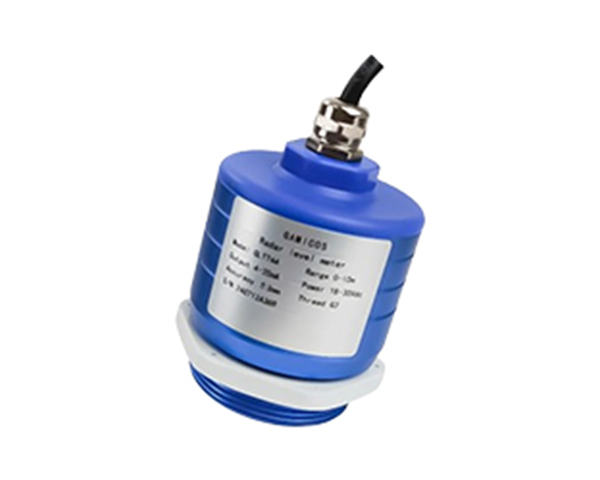
For international projects, OEM fuel tank sensor systems provide a sophisticated method of monitoring liquid levels in a variety of industrial applications. Our fuel tank sensor technology includes precise measuring devices made for the global energy, chemical, pharmaceutical, and petroleum industries. With their adaptable interfaces, several communication protocols, and global certification requirements, these cutting-edge sensor technologies combine easily with industrial automation machinery. Our OEM sensor portfolio ensures precise fuel management and operational efficiency for engineering contractors and automation specialists worldwide, meeting critical measurement needs from mobile tank monitoring to fixed installation systems with proven reliability across demanding operational environments.
Understanding Fuel Tank Sensors: Technology and Types
The foundation of effective liquid level monitoring systems in a variety of industrial applications is modern fuel tank sensor technology. These advanced instruments function according to several measuring principles, each of which has unique benefits for certain operating needs. The basic idea is to transform physical changes in gasoline level into electrical signals that integrated control systems can analyze, send, and display.
Core Technologies and Measurement Principles
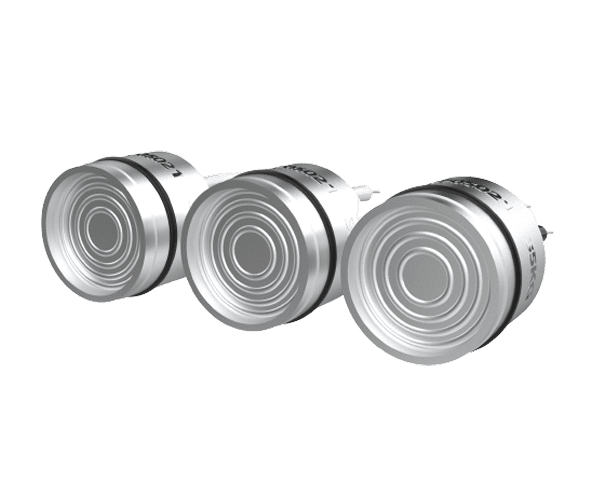
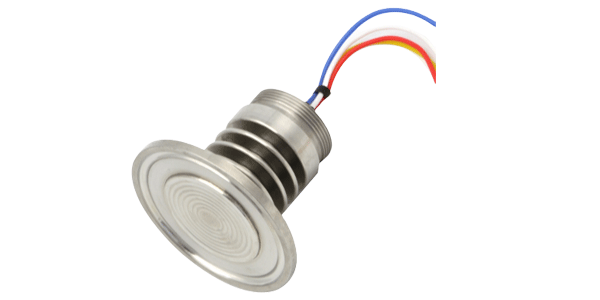
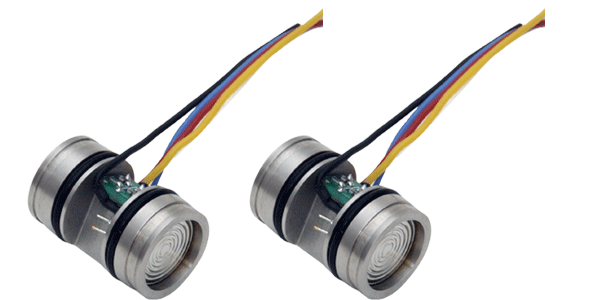
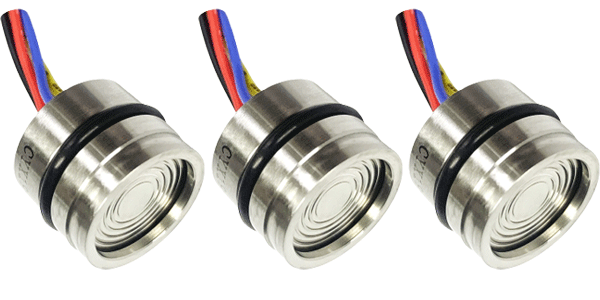
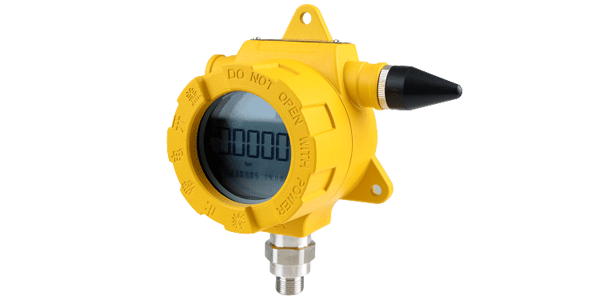
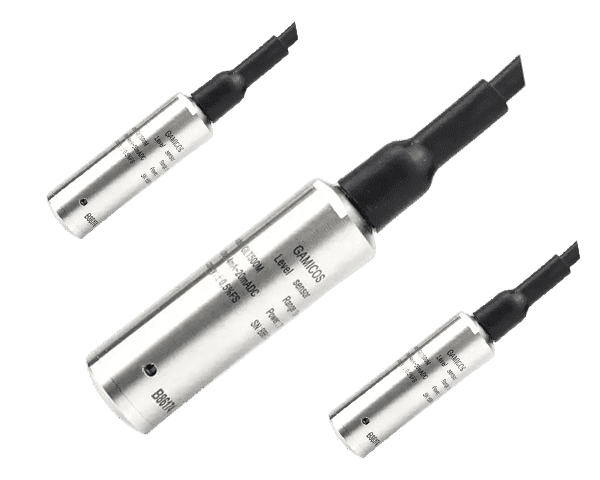
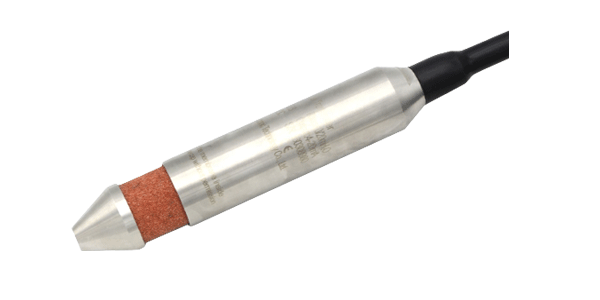
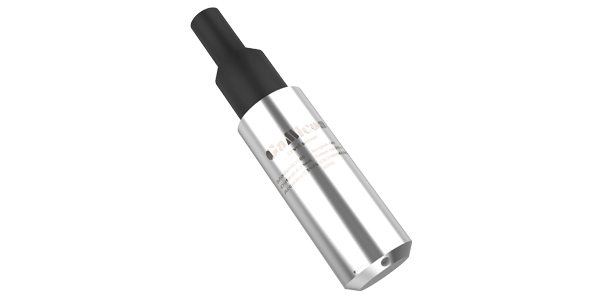
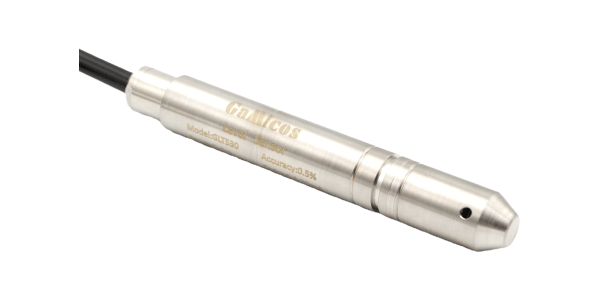
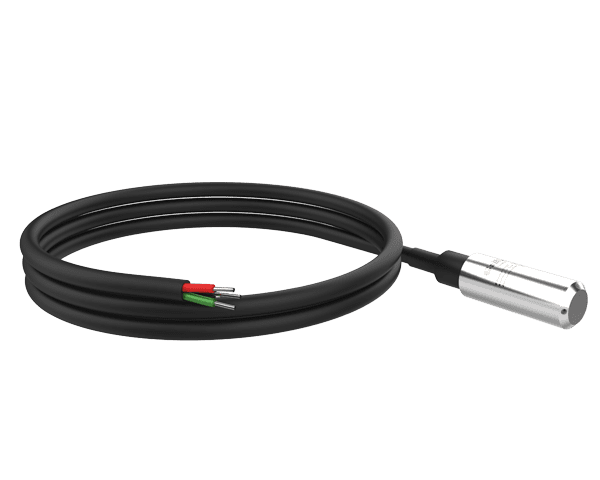
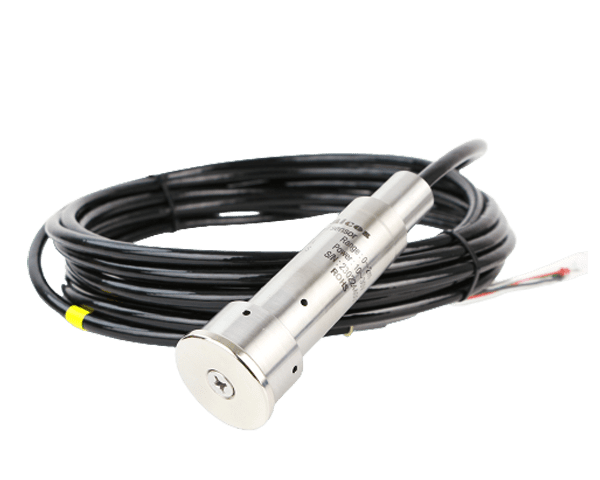
Fuel levels may be accurately determined using pressure-based sensor systems using hydrostatic pressure measurement. This strategy is shown by our GLT5001 liquid diesel level sensor, which uses a silicon piezoresistive pressure sensor as its main component and is very dependable. By using programmable digital circuit rectification and signal conditioning, this technology automatically adjusts for temperature changes, guaranteeing constant measurement accuracy under a range of environmental circumstances.
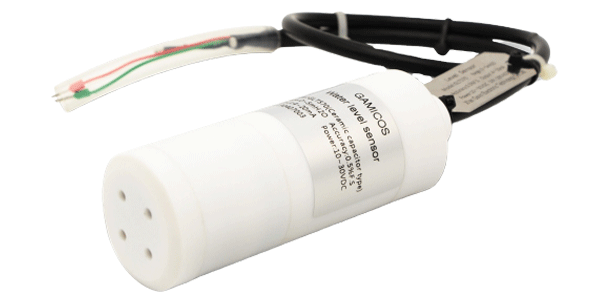
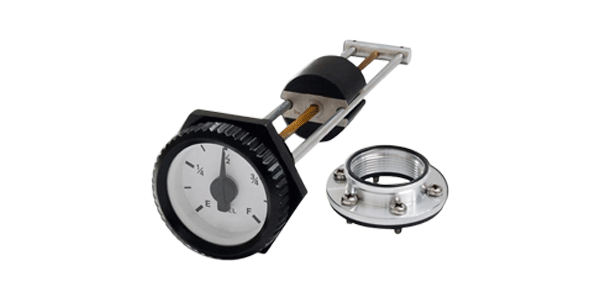
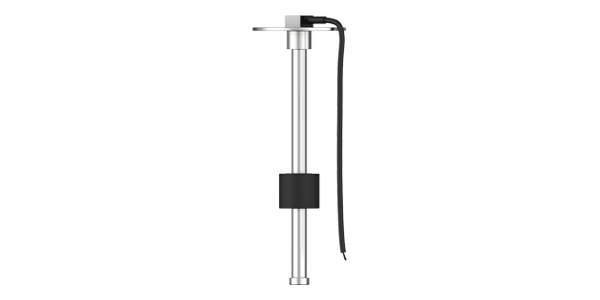
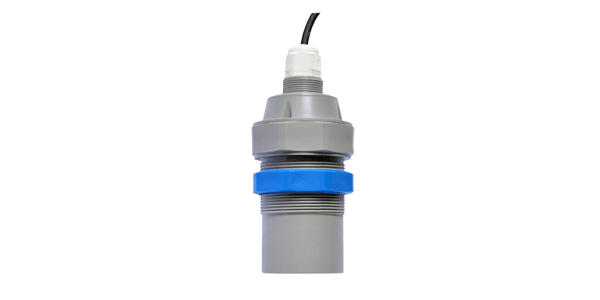
To meet the demands of a variety of applications, the sensor design integrates many measuring techniques. For traditional applications, float-based devices are still widely used, however capacitive sensors perform well in settings where non-contact measurement is necessary. Large tank installations benefit greatly from ultrasonic technology, which allows for distant measurement without coming into physical touch with the liquid being monitored.
Advanced Connectivity and IoT Integration
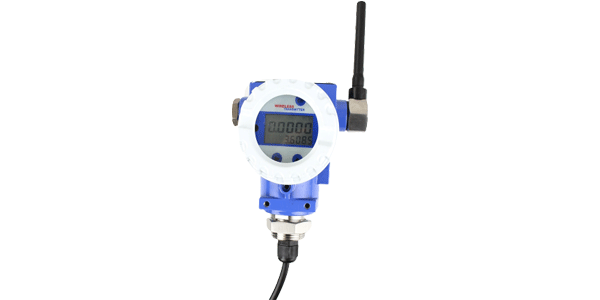
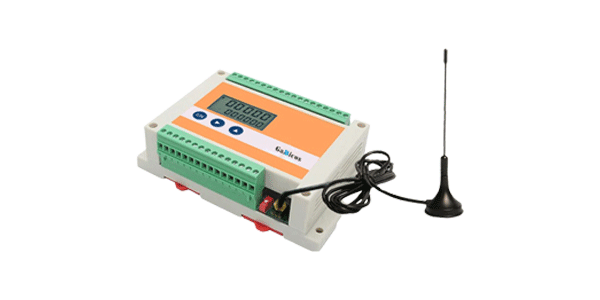
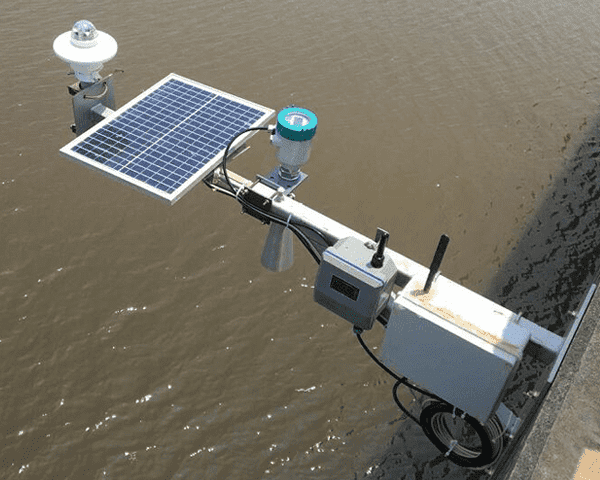
Wireless connection alternatives such as LoRa, GPRS, NB-IoT, and 4G communication protocols are becoming more and more common in modern gasoline monitoring systems. Predictive maintenance and operational optimization are made possible by these connection capabilities, which allow real-time data transfer to centralized monitoring systems. Traditional fuel monitoring is transformed into full fleet management solutions with IoT integration, which also offers useful insights into maintenance schedule needs, efficiency measurements, and consumption trends.
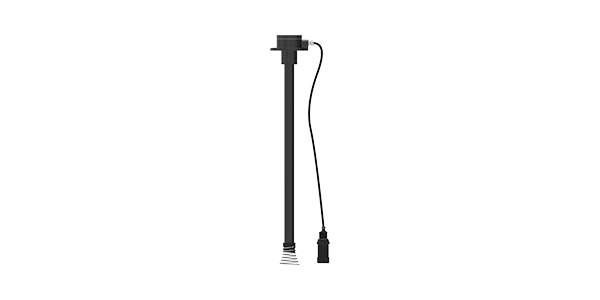
In mobile applications where standard cable connections are unfeasible, the use of wireless technologies is very advantageous. These issues are resolved by our magnetic suction base variant, which provides safe mounting options with anti-vibration design features crucial for mobile tank monitoring applications.
Sensor Types and Application Suitability
In OEM applications, different sensor layouts meet different operating requirements. While digital versions provide improved communication capabilities and sophisticated diagnostic functions, analog output sensors allow simple interaction with current control systems. The particular project requirements, such as system design, communication requirements, and operational complexity, will determine which of these solutions is best.
Explosion-proof models that adhere to ATEX certification requirements provide safe operation in dangerous settings typical of the chemical and petroleum industries. To ensure dependable operation in harsh environments, these specialized sensors go through stringent testing procedures including pressure cycling, aging, and environmental simulation tests.
Addressing Common Fuel Tank Sensor Challenges and Maintenance
A thorough awareness of probable failure mechanisms and suitable maintenance techniques are necessary for the efficient functioning of fuel tank sensors. Proactive maintenance is crucial for maintaining operational excellence in industrial settings because of the many obstacles that might compromise sensor accuracy and dependability.
Identifying Common Failure Patterns
Inconsistent readings, unpredictable gauge behavior, or total signal loss are common signs of sensor problems. These symptoms are often caused by mechanical damage, electrical interference, or environmental pollution that affects sensor components. Temperature variations, vibration, and chemical exposure are examples of environmental conditions that may progressively deteriorate sensor function, requiring regular monitoring and preventative maintenance procedures.
In industrial environments, where sensor signals might be disrupted by electromagnetic fields from adjacent equipment, electrical interference poses unique issues. Through improved interference resistance and reliable signal conditioning circuits that preserve measurement accuracy in difficult electromagnetic settings, our integrated design approach allays these worries.
Troubleshooting Procedures and Testing Methods
Sensor problems may be quickly identified and fixed using systematic diagnostic techniques. Electrical continuity tests, calibration verification, and environmental condition evaluation should all be included in testing protocols. Measurements from digital multimeters provide important information about the electrical properties of sensors, and measurement accuracy is confirmed by comparison with reference standards.
To find patterns that can point to imminent failures, diagnostic procedures should capture operational conditions, maintenance records, and performance trends. Predictive maintenance techniques that reduce unscheduled downtime and maximize operational effectiveness are made possible by this data-driven approach.
Installation Best Practices and Maintenance Protocols
Long-term sensor dependability and measurement accuracy are greatly impacted by proper installation methods. Mounting orientation, cable routing, and environmental protection measures are all important installation concerns. Our sensor systems' IP68 protection grade guarantees dependable performance in challenging industrial settings, and its completely welded design removes any possibility of leaks that would jeopardize measurement integrity.
Throughout the sensor's existence, measurement accuracy is maintained via routine calibration operations. Depending on particular operating needs, calibration intervals typically range from quarterly to yearly. The frequency of calibration is determined by the ambient conditions and the criticality of the application. For multinational projects, thorough maintenance documentation is necessary to support quality assurance procedures and regulatory compliance needs.
How to Choose the Right OEM Fuel Tank Sensor for Your Projects?
A methodical assessment of technical specifications, operational needs, and integration concerns is necessary when choosing suitable OEM fuel tank sensor solutions. System performance and long-term operational success are determined by a number of elements that are included in the decision-making process.
Technical Specification Evaluation
The main selection criteria are measurement accuracy requirements; depending on the criticality of the application, typical industrial applications need accuracy levels ranging from 0.25% to 1% of full scale. While pressure ratings must provide for maximum system pressures, including safety margins for pressure transients, operating temperature range considerations guarantee dependable operation under anticipated environmental circumstances.
Another crucial factor is output signal compatibility with current control systems. Our GLT5001 sensor can be integrated with a variety of control schemes since it has both analog and digital output choices. Easy connection with current automation infrastructure is made possible by communication protocol support, which includes Modbus, HART, and custom protocols.
Environmental and Application-Specific Requirements
The required safety certifications are determined by the classifications of hazardous areas, and regulatory compliance in foreign markets is ensured by ATEX, CE, and RoHS compliance. Chemical compatibility tests confirm that sensor materials won't deteriorate or get contaminated when exposed to certain gasoline types and additives.
Sensor selection and installation plans are influenced by mechanical factors such as cable lengths, mounting requirements, and maintenance accessibility. While standard threaded connections meet fixed installation requirements, our magnetic suction base design caters to mobility applications where permanent mounting proves difficult.
Vendor Evaluation and Supply Chain Considerations
Technical proficiency, quality control procedures, and supply chain dependability are all included in supplier evaluation. A higher level of confidence about product quality and regulatory compliance is offered by well-established manufacturers with extensive testing facilities and international certification requirements. For international projects that need reliable product availability and technical assistance across many time zones, supply chain stability becomes especially crucial.
Capabilities for customization allow for customized solutions that meet certain project needs. Comprehensive customization, including sensor settings, interface standards, and documentation packages in line with client branding needs, is offered via our OEM and ODM services. While maintaining the quality standards and delivery timelines necessary for project success, this flexibility accommodates specific application demands.
Company Introduction and OEM Fuel Tank Sensor Solutions
GAMICOS represents a leading high-tech Internet brand specializing in liquid level and pressure measurement solutions with comprehensive capabilities spanning research, development, production, and sales operations. Our expertise encompasses pressure sensors, liquid level sensors, fuel tank sensor, fuel and water level meters, ultrasonic and radar level meters, plus advanced LoRa/GPRS/NB-IoT/4G wireless measuring instruments serving global markets.
Global Reach and Market Presence
Our products reach over 100 countries and regions including the United States, India, Germany, Australia, Brazil, and South Africa, serving thousands of customers annually across diverse industrial sectors. This extensive market presence demonstrates our capability to support international projects while understanding regional requirements and regulatory standards essential for successful project implementation.
The diversity of our customer base spans petroleum companies, chemical manufacturers, pharmaceutical facilities, food and beverage processors, and energy sector organizations. This broad industry exposure provides valuable insights into application-specific requirements and enables continuous product improvement based on real-world operational feedback.
Comprehensive Product Portfolio and Customization Capabilities
Our product range encompasses multiple sensor technologies addressing varied measurement requirements across industrial applications. The GLT5001 liquid diesel level sensor exemplifies our engineering capabilities, featuring silicon piezoresistive pressure sensor technology with automatic temperature compensation and programmable digital circuit correction. This advanced sensor design offers both general models for conventional liquid level measurement and magnetic suction base variants optimized for mobile tank monitoring applications.
Customization services represent a core competitive advantage, with comprehensive OEM and ODM capabilities including model specifications, parameter adjustments, packaging customization, and documentation tailoring. This flexibility enables precise alignment with customer requirements while maintaining strict quality control standards and delivery commitments essential for project success.
Innovation and Technical Excellence
Continuous technological innovation drives our product development efforts, supported by a dedicated research and development department staffed with highly skilled engineers. Multiple patents and strong cooperation with research institutes enable transformation of scientific achievements into practical productivity gains for our customers. This innovation focus ensures our products incorporate the latest technological advances while maintaining proven reliability standards.
Our comprehensive testing protocols including pressure cycling, aging, and environmental simulation tests ensure product stability and reliability across challenging operational environments. These rigorous quality assurance measures support our commitment to delivering exceptional performance and long-term reliability for critical industrial applications.
Conclusion
OEM fuel tank sensor solutions for global projects demand sophisticated technology integration, comprehensive quality assurance, and reliable supplier partnerships. Our GLT5001 sensor technology exemplifies advanced measurement capabilities with silicon piezoresistive pressure sensing, automatic temperature compensation, and multiple output options serving diverse industrial applications. Successful sensor selection requires systematic evaluation of technical specifications, environmental requirements, and integration considerations aligned with specific project objectives.
Efficient procurement strategies leveraging digital platforms and established supplier relationships optimize cost, quality, and delivery performance across international markets. GAMICOS provides comprehensive sensor solutions with global reach, extensive customization capabilities, and proven reliability supporting successful project implementation worldwide.
FAQ
Q1: How can I test fuel tank sensor functionality in the field?
A: Field testing involves systematic verification of electrical continuity, signal output characteristics, and measurement accuracy using calibrated reference standards. Digital multimeter measurements verify electrical connections and signal integrity, while comparison with known fuel levels validates measurement accuracy. Our GLT5001 sensor includes built-in diagnostic capabilities that facilitate troubleshooting and performance verification during routine maintenance procedures.
Q2: What factors most significantly influence fuel tank sensor accuracy?
A: Environmental conditions including temperature variations, vibration levels, and electromagnetic interference represent primary accuracy influences. Fuel composition changes and contamination can affect sensor performance, particularly with capacitive and float-based technologies. Our pressure-based sensors minimize these influences through robust design and automatic temperature compensation features that maintain accuracy across varying operational conditions.
Q3: Can OEM sensors integrate with existing fleet management systems?
A: Modern OEM fuel tank sensors support multiple communication protocols including analog outputs, digital interfaces, and wireless connectivity options enabling integration with diverse fleet management platforms. Our sensor portfolio includes LoRa, GPRS, NB-IoT, and 4G communication capabilities that facilitate seamless integration with existing monitoring infrastructure while providing real-time data transmission and remote diagnostic capabilities.
Partner with GAMICOS for Advanced Fuel Tank Sensor Solutions
GAMICOS delivers cutting-edge fuel tank sensor technology engineered for demanding industrial applications across global markets. Our GLT5001 liquid diesel level sensor combines advanced silicon piezoresistive technology with comprehensive customization capabilities, ensuring precise measurement solutions tailored to your specific requirements. As a trusted fuel tank sensor supplier, we provide complete OEM and ODM services including technical consultation, product customization, and comprehensive after-sales support. Contact our engineering team at info@gamicos.com to discuss your project requirements and discover how our innovative sensor solutions can optimize your fuel monitoring operations while ensuring regulatory compliance and operational excellence.
References
- Industrial Automation Sensor Technologies: Principles and Applications in Modern Manufacturing Systems, Journal of Industrial Engineering, 2023.
- Fuel Management Systems for Global Fleet Operations: Technology Integration and Performance Optimization, International Transportation Management Review, 2024.
- Pressure Sensor Design and Implementation in Harsh Industrial Environments: Best Practices and Performance Standards, Sensors and Instrumentation Technology Quarterly, 2023.
- OEM Component Procurement Strategies for International Industrial Projects: Supply Chain Optimization and Quality Assurance, Global Manufacturing and Logistics Journal, 2024.
- Wireless Sensor Networks in Industrial Applications: Connectivity Protocols and IoT Integration for Remote Monitoring Systems, Industrial Communications Technology Review, 2023.
- Regulatory Compliance and Certification Requirements for Industrial Sensors in International Markets: ATEX, CE, and Safety Standards, Industrial Safety and Standards Bulletin, 2024.