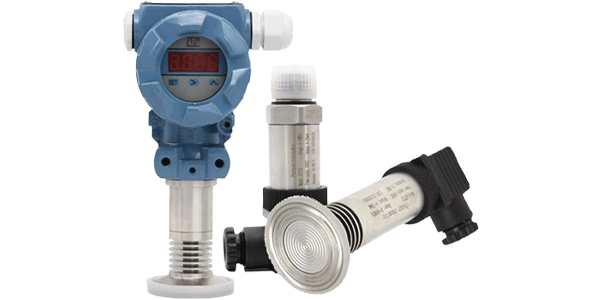
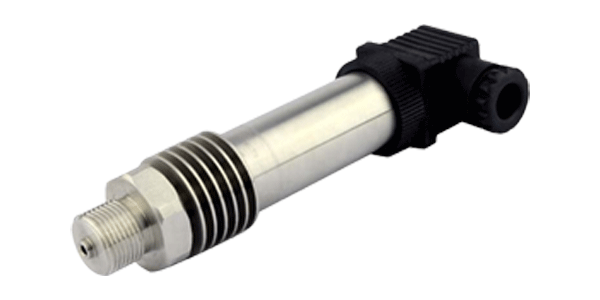
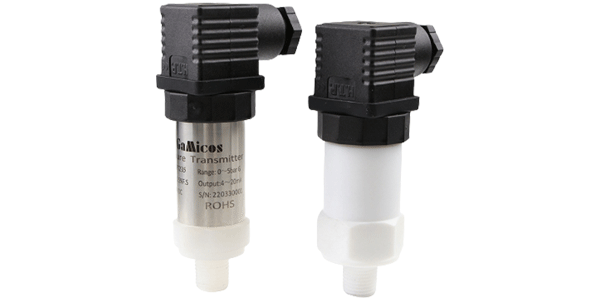
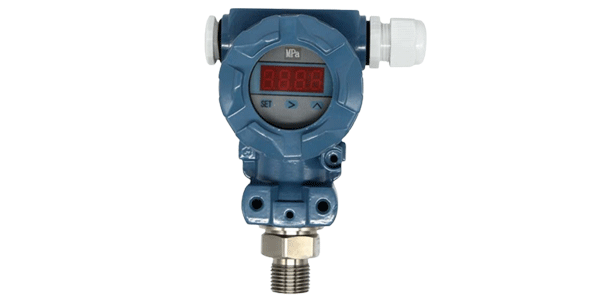
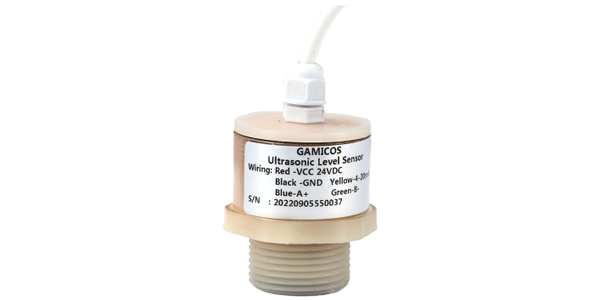
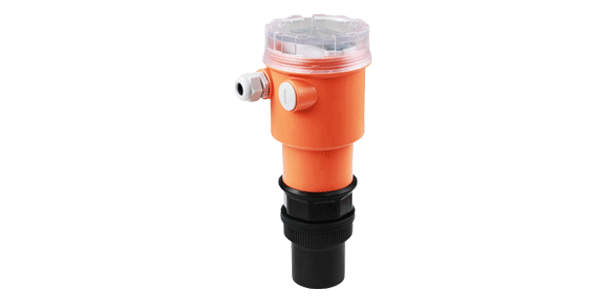
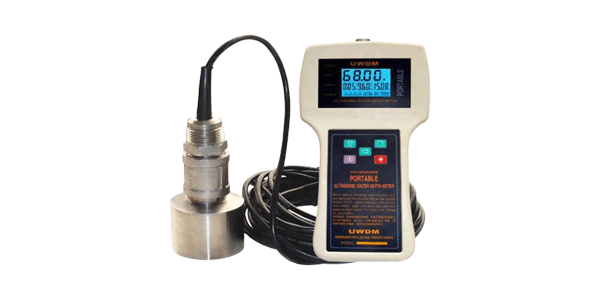
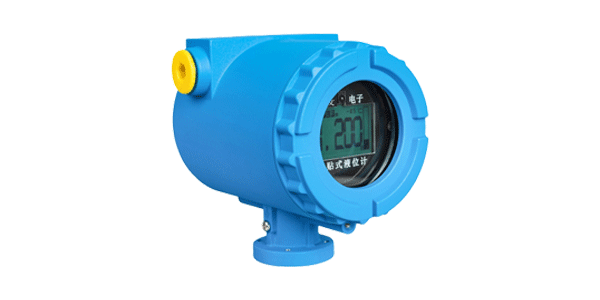
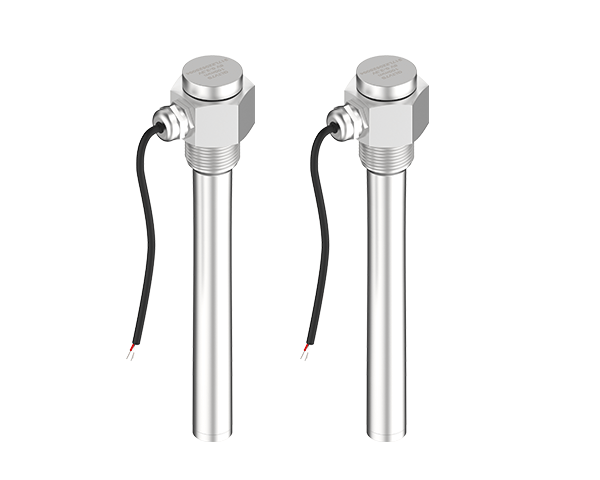
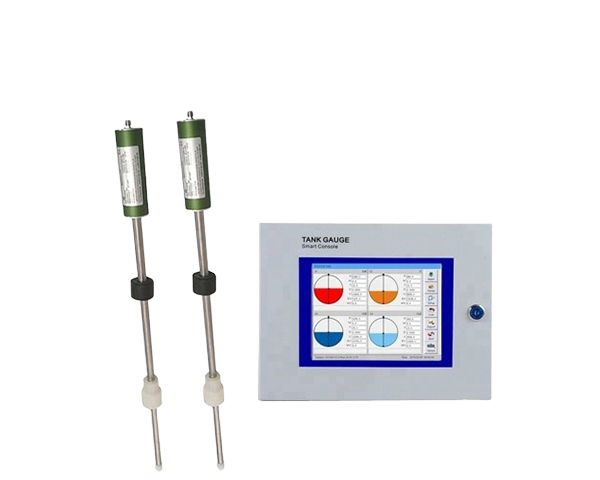
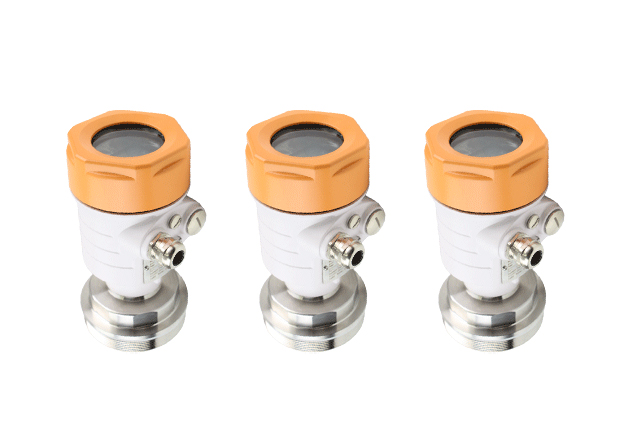
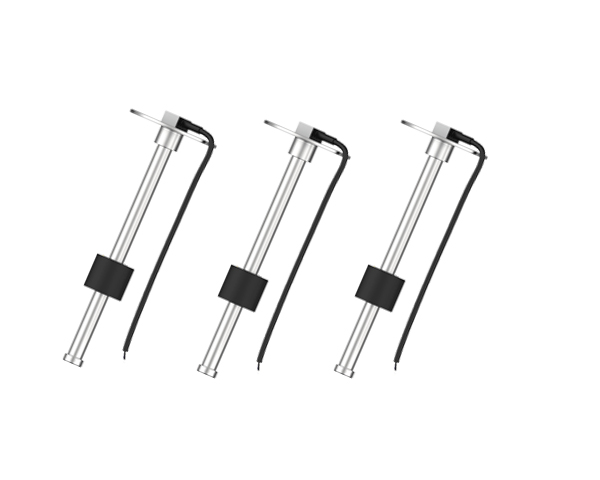
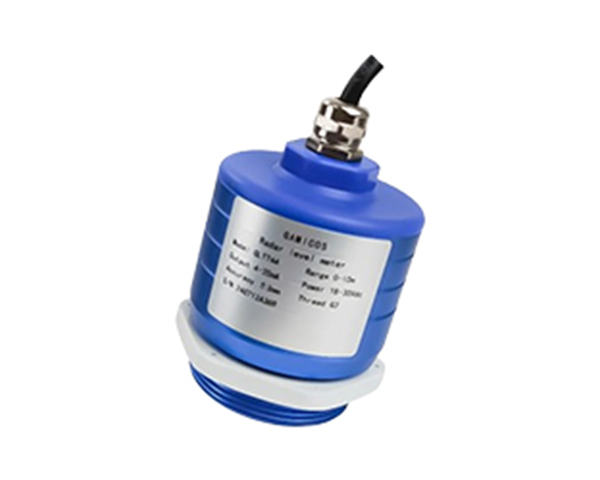
For fleet managers across all sectors, controlling fuel economy and avoiding theft are top priorities. With its real-time monitoring capabilities that revolutionize operational control, the diesel tank sensor is a key piece of technology in contemporary fleet management.
By providing precise fuel level readings, these precision sensors help businesses identify illegal use, optimize consumption patterns, and ensure regulatory compliance for all of their fleets of vehicles.
01Understanding Diesel Tank Sensors and Their Role in Fleet Management
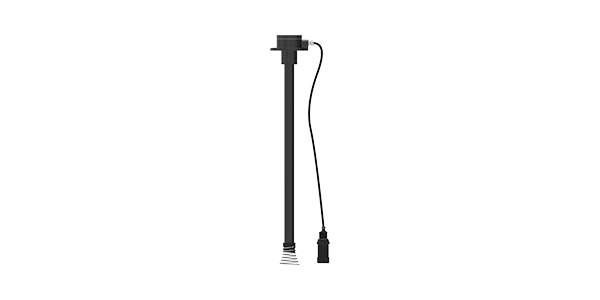
To preserve operational integrity and competitive advantage, fleet operations need accurate fuel monitoring. Diesel fuel level sensors, which provide continuous monitoring capabilities beyond basic measurement operations, are the technical foundation of complete fleet management systems.
Basic Operating Principles and Sensor Categories
Category 01
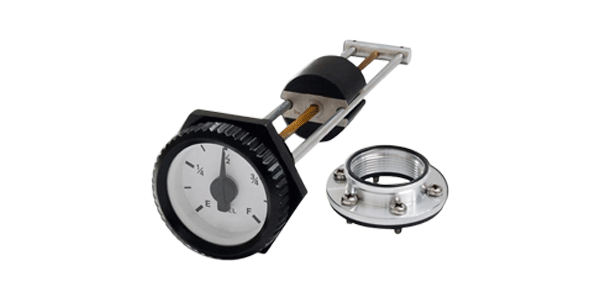
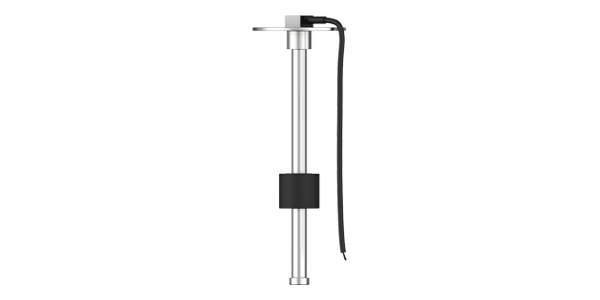
Analog Sensors
Continuously produce voltage or current signals proportional to fuel levels — appropriate for conventional monitoring systems.
Category 02
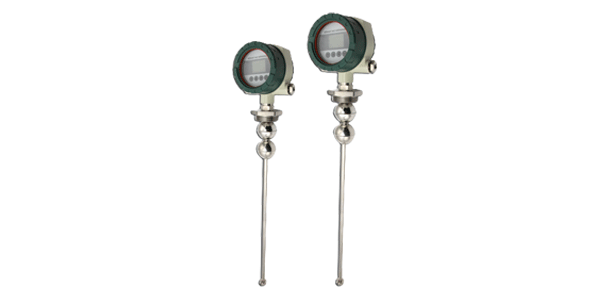
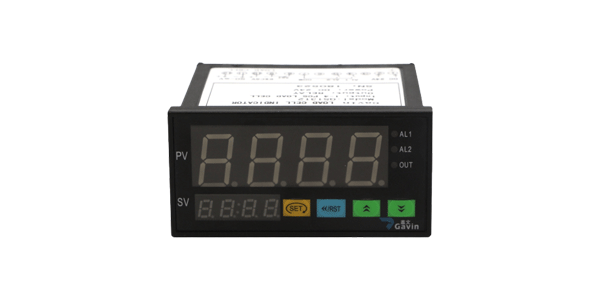
Digital Sensors
Produce discrete data packets with improved accuracy and diagnostic capabilities that easily connect with computerized fleet management systems.
Category 03
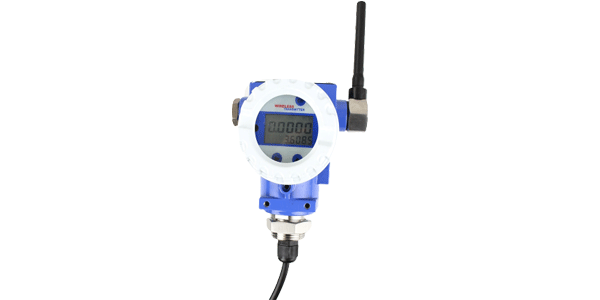
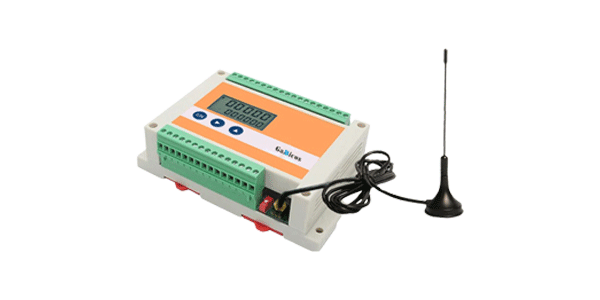
Wireless Sensors
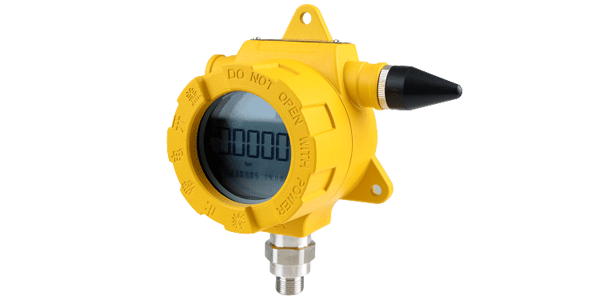
Transmit data in real time to centralized monitoring stations and do away with complicated wire needs — ideal for distant vehicles and mobile equipment.
Category 04
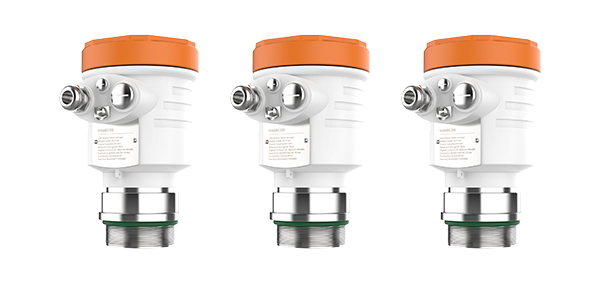
Alarm-Integrated Sensors
Combine measuring capabilities with instantaneous notification, alerting fleet managers to critical fuel conditions or possible security breaches.
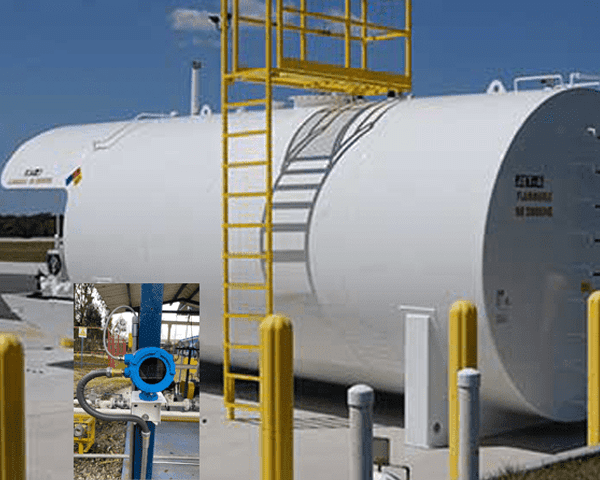
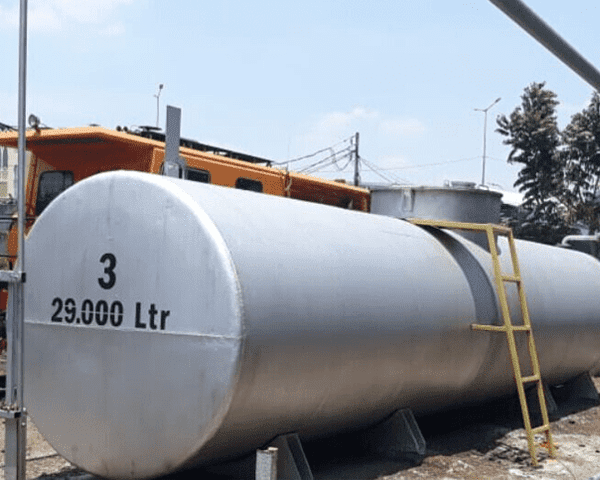
Real-time fuel monitoring across an entire diesel fleet
Critical Benefits for Fleet Operations
Putting in place thorough fuel monitoring systems solves many operational issues at once. These four benefits compound across the fleet as data quality improves:
Benefit 1
Theft Prevention
Continuous monitoring identifies patterns of illegal usage or sharp drops in fuel levels during non-operational times, making it possible to prevent fuel theft.
Benefit 2
Inventory Optimization
Accurate inventory management streamlines refueling schedules, cuts down on pointless visits to gas stations, and improves bulk buying arrangements with suppliers.
Benefit 3
Maintenance & Safety
Maintenance alarms spot possible fuel system issues before they become dangerous or require expensive repairs, increasing operating safety.
Benefit 4
Operational Continuity
Early warning systems allow preventive maintenance during optimal downtime, minimizing unplanned vehicle unavailability and related disruptions.
02Comparing Sensor Technologies
Fleet managers may choose the best solutions for their unique operating settings by being aware of the advantages and disadvantages of various sensor systems.
Diesel Tank Sensor Technologies at a Glance
Technology
How It Works
Strength
Limitation
Capacitive
Measures capacitance change with fuel level
Superior precision and long-term stability for clean fuel applications
Water pollution or fuel additives changing dielectric properties can interfere
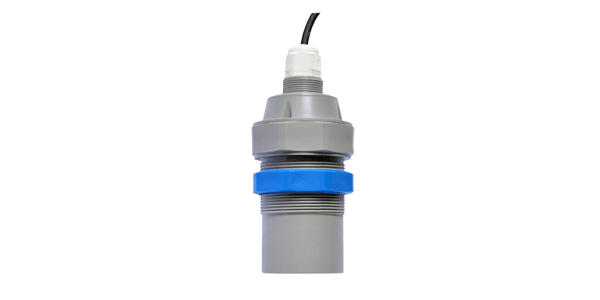
Ultrasonic
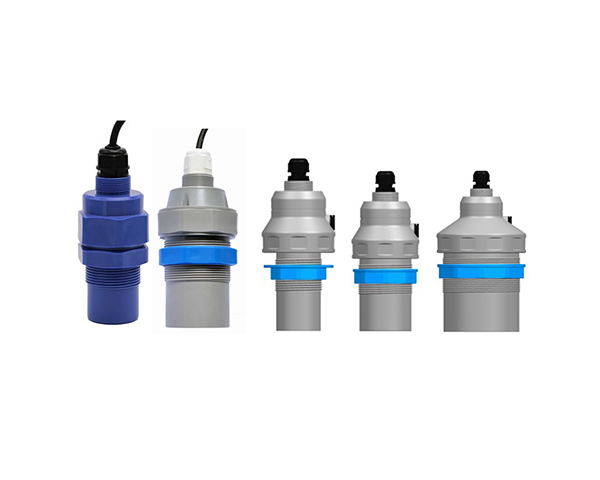
Non-contact sound-wave measurement
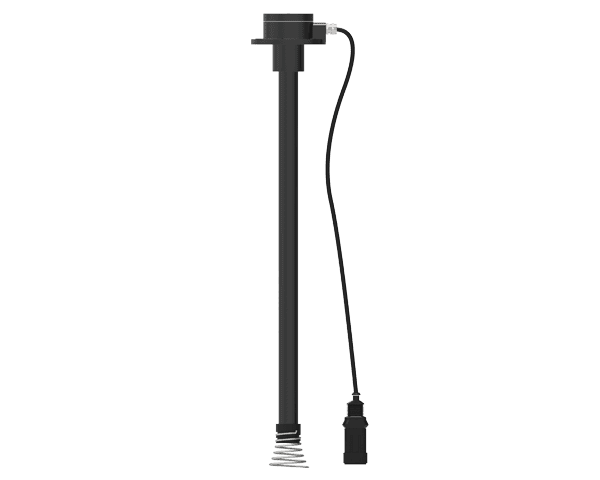
No mechanical wear or fuel contamination; works with various fuel types and tank layouts
Needs careful calibration for tank geometry and fuel density changes
Resistive
Mechanical contact with the fuel
Affordable option for simple level monitoring
May need more regular maintenance due to fuel contact
03Criteria for Selecting the Best Diesel Tank Sensor for Fleet Management
A thorough assessment of operational characteristics and long-term strategic goals is necessary for a successful sensor selection.
Defining Decision Parameters
Parameter 1
Fleet Size
Bigger operations benefit from centralized monitoring systems with wireless connection; smaller fleets may prefer more affordable analog solutions.
Parameter 2
Vehicle Compatibility
Heavy-duty commercial vehicles support bigger, more robust sensors with improved vibration resistance; light commercial vehicles may need compact solutions for easy installation.
Parameter 3
Software Integration
Compatibility with existing telemetry and fleet management software determines whether sensors leverage current investments or require whole system upgrades.
Digital telematics display — real-time fuel data at the driver's fingertips
Core Performance Metrics
Metric 1
Accuracy
Small fuel losses that may signal emerging issues or unlawful use can be detected by high-precision sensors. Accuracy demands should align with operational needs to avoid unnecessary cost.
Metric 2
Reliability & Lifetime
Industrial-grade sensors designed for tough environments provide superior long-term value despite their higher initial prices, reducing failures and maintenance costs.
Metric 3
Installation Ease
User-friendly designs influence both initial deployment costs and ongoing maintenance needs — especially important for fleets with limited technical personnel.
04Comparative Analysis and Supplier Considerations
Consideration 1
Analog vs Digital / Wired vs Wireless
While analog sensors may be more compatible with older monitoring equipment, digital sensors often provide greater integration possibilities with contemporary fleet management systems. Wireless features simplify installation, but signal range, battery life, and data security needs must be taken into account.
Consideration 2
Supplier Dependability
Long-term parts availability, warranty periods, and technical support availability are all components of supplier reliability. Established manufacturers with a track record of success in industrial applications offer better guarantees of ongoing support and product development.
05Procurement Insights: Where and How to Buy Diesel Tank Sensors for Fleets?
Procurement methods that work strike a compromise between short-term cost concerns, long-term operational needs, and supplier relationship management.
Bulk Procurement and Vendor Negotiations
Customized support agreements and bulk pricing are made possible by large-scale sensor installations. Fleet managers should use their buying power to bargain for advantageous conditions, such as longer warranties, first-class technical assistance, and lower replacement part prices. Finding the best value propositions for certain applications is made easier by comparing sensor price ranges to features — premium sensors with advanced features may provide higher long-term value via lower maintenance needs.
Supplier Credibility and Support Services
Check 1
Supplier Verification
Confirm reliability via industry references, certification compliance, and track record review. Official dealer networks with local support speed up response times and streamline warranty service coordination.
Check 2
After-Sales & Parts
Aftermarket service and replacement part availability directly impact equipment dependability and long-term operating costs, guarding against operational interruptions from maintenance or failures.
Check 3
Compliance Certifications
Certifications like ATEX explosion-proof ratings, CE conformity, and RoHS environmental requirements demonstrate a manufacturer's commitment to quality and legal compliance.
06Conclusion
A thorough assessment of operational needs, supplier support systems, and technical capabilities is necessary when choosing the best diesel tank sensors for fleet management. Fuel management is now proactive operational optimization rather than reactive maintenance because of the advanced monitoring capabilities of modern sensor technology.
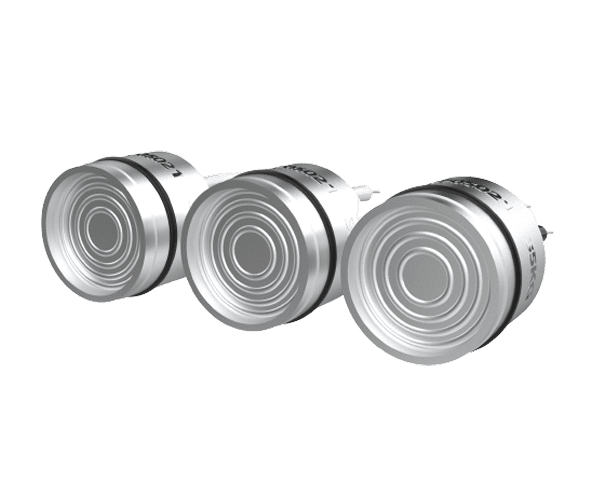
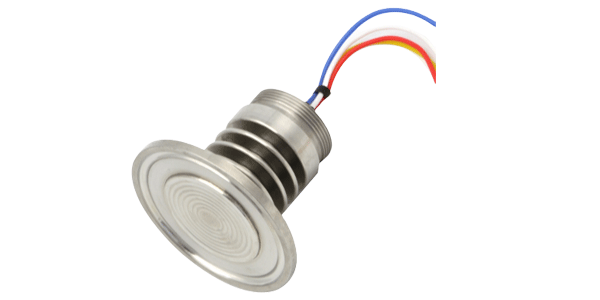
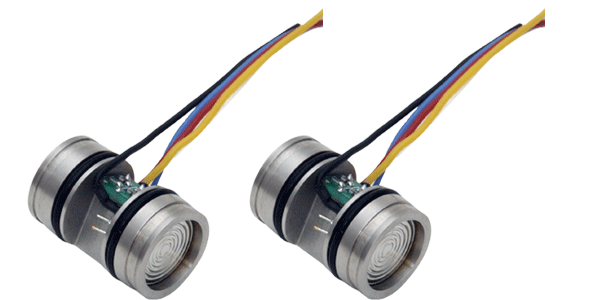
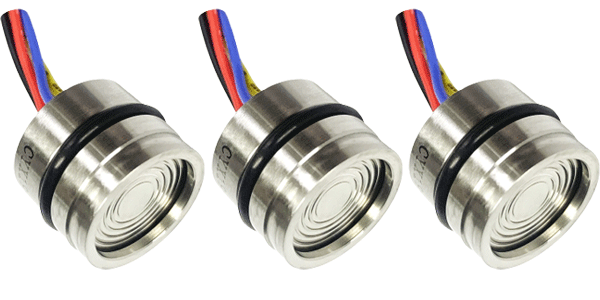
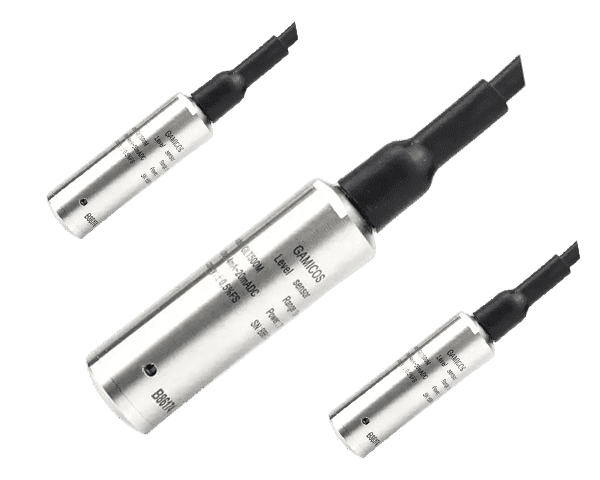
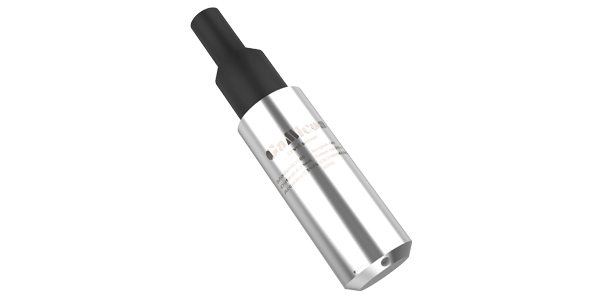
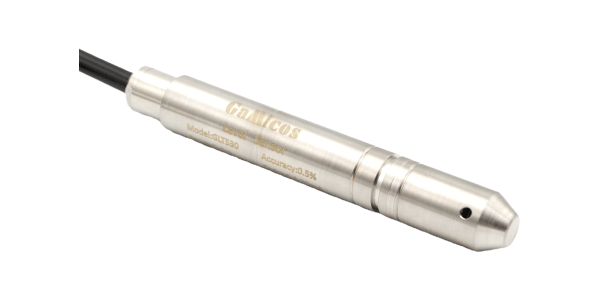
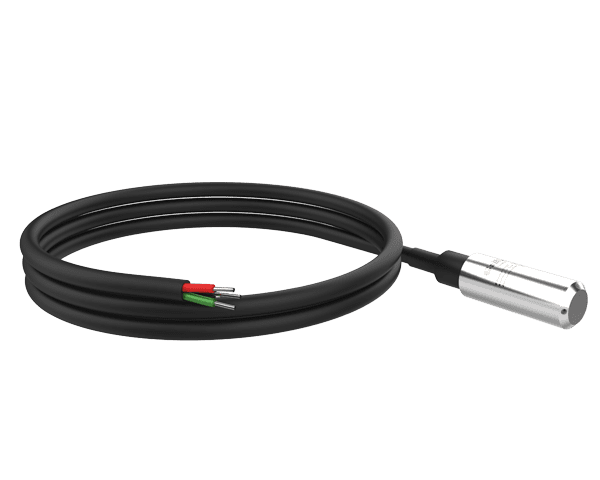
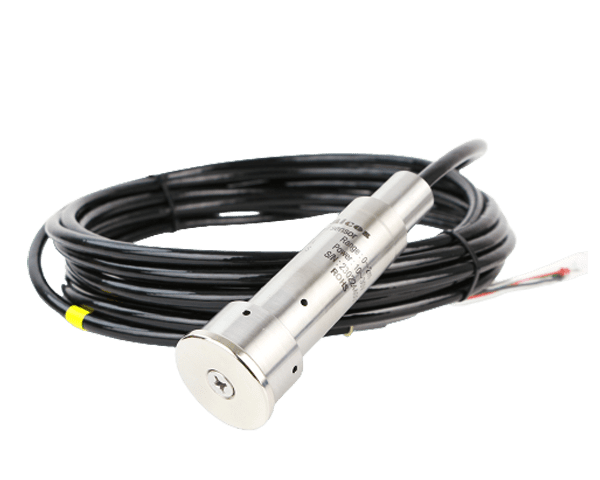
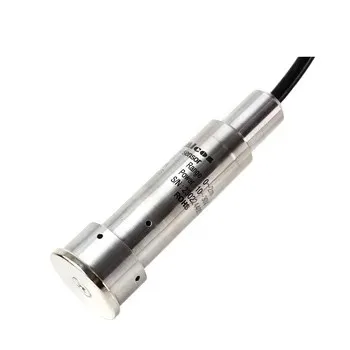
GLT5001 submersible diesel level sensor
The GLT5001 liquid diesel level sensor is a prime example of sophisticated sensor design that meets crucial fleet management needs with its accurate measurement, sturdy build, and adaptable integration features. Proper installation, consistent maintenance, and solid supplier relationships that support long-term operating goals are essential for a successful sensor deployment. Fleet managers may position their operations for increased competitive advantage, lower costs, and higher efficiency by investing in complete sensor systems with proven dependability and continuous support capabilities.
07FAQ
What types of diesel tank sensors work best for different fleet vehicles?
Submersible pressure sensors like the GLT5001 provide excellent accuracy for large commercial vehicles with deep fuel tanks, while ultrasonic sensors work well for shallow tanks or irregular shapes. Heavy-duty vehicles benefit from sensors with robust vibration resistance and wide temperature ranges, whereas light commercial vehicles may use simpler analog sensors for basic monitoring needs.
How do I know when a diesel fuel level sensor needs replacement or maintenance?
Warning signs include inconsistent readings, error codes from digital sensors, physical damage to sensor components, or gradual drift in measurement accuracy. Most industrial sensors provide diagnostic information that indicates when maintenance or replacement becomes necessary, typically every 3-5 years depending on operating conditions.
Can diesel tank sensors integrate with existing fleet management software platforms?
Modern sensors offer multiple communication protocols including analog outputs, digital protocols, and wireless connectivity that accommodate most fleet management systems. The GLT5001 provides both analog and digital outputs, ensuring compatibility with legacy systems while supporting advanced integration requirements for comprehensive fleet monitoring platforms.
For fleet managers across all sectors, controlling fuel economy and avoiding theft are top priorities. With its real-time monitoring capabilities that revolutionize operational control, the diesel tank sensor is a key piece of technology in contemporary fleet management.
By providing precise fuel level readings, these precision sensors help businesses identify illegal use, optimize consumption patterns, and ensure regulatory compliance for all of their fleets of vehicles.
01Understanding Diesel Tank Sensors and Their Role in Fleet Management
To preserve operational integrity and competitive advantage, fleet operations need accurate fuel monitoring. Diesel fuel level sensors, which provide continuous monitoring capabilities beyond basic measurement operations, are the technical foundation of complete fleet management systems.
Basic Operating Principles and Sensor Categories
Category 01
Analog Sensors
Continuously produce voltage or current signals proportional to fuel levels — appropriate for conventional monitoring systems.
Category 02
Digital Sensors
Produce discrete data packets with improved accuracy and diagnostic capabilities that easily connect with computerized fleet management systems.
Category 03
Wireless Sensors
Transmit data in real time to centralized monitoring stations and do away with complicated wire needs — ideal for distant vehicles and mobile equipment.
Category 04
Alarm-Integrated Sensors
Combine measuring capabilities with instantaneous notification, alerting fleet managers to critical fuel conditions or possible security breaches.
Real-time fuel monitoring across an entire diesel fleet
Critical Benefits for Fleet Operations
Putting in place thorough fuel monitoring systems solves many operational issues at once. These four benefits compound across the fleet as data quality improves:
Benefit 1
Theft Prevention
Continuous monitoring identifies patterns of illegal usage or sharp drops in fuel levels during non-operational times, making it possible to prevent fuel theft.
Benefit 2
Inventory Optimization
Accurate inventory management streamlines refueling schedules, cuts down on pointless visits to gas stations, and improves bulk buying arrangements with suppliers.
Benefit 3
Maintenance & Safety
Maintenance alarms spot possible fuel system issues before they become dangerous or require expensive repairs, increasing operating safety.
Benefit 4
Operational Continuity
Early warning systems allow preventive maintenance during optimal downtime, minimizing unplanned vehicle unavailability and related disruptions.
02Comparing Sensor Technologies
Fleet managers may choose the best solutions for their unique operating settings by being aware of the advantages and disadvantages of various sensor systems.
Diesel Tank Sensor Technologies at a Glance
Technology
How It Works
Strength
Limitation
Capacitive
Measures capacitance change with fuel level
Superior precision and long-term stability for clean fuel applications
Water pollution or fuel additives changing dielectric properties can interfere
Ultrasonic
Non-contact sound-wave measurement
No mechanical wear or fuel contamination; works with various fuel types and tank layouts
Needs careful calibration for tank geometry and fuel density changes
Resistive
Mechanical contact with the fuel
Affordable option for simple level monitoring
May need more regular maintenance due to fuel contact
03Criteria for Selecting the Best Diesel Tank Sensor for Fleet Management
A thorough assessment of operational characteristics and long-term strategic goals is necessary for a successful sensor selection.
Defining Decision Parameters
Parameter 1
Fleet Size
Bigger operations benefit from centralized monitoring systems with wireless connection; smaller fleets may prefer more affordable analog solutions.
Parameter 2
Vehicle Compatibility
Heavy-duty commercial vehicles support bigger, more robust sensors with improved vibration resistance; light commercial vehicles may need compact solutions for easy installation.
Parameter 3
Software Integration
Compatibility with existing telemetry and fleet management software determines whether sensors leverage current investments or require whole system upgrades.
Digital telematics display — real-time fuel data at the driver's fingertips
Core Performance Metrics
Metric 1
Accuracy
Small fuel losses that may signal emerging issues or unlawful use can be detected by high-precision sensors. Accuracy demands should align with operational needs to avoid unnecessary cost.
Metric 2
Reliability & Lifetime
Industrial-grade sensors designed for tough environments provide superior long-term value despite their higher initial prices, reducing failures and maintenance costs.
Metric 3
Installation Ease
User-friendly designs influence both initial deployment costs and ongoing maintenance needs — especially important for fleets with limited technical personnel.
04Comparative Analysis and Supplier Considerations
Consideration 1
Analog vs Digital / Wired vs Wireless
While analog sensors may be more compatible with older monitoring equipment, digital sensors often provide greater integration possibilities with contemporary fleet management systems. Wireless features simplify installation, but signal range, battery life, and data security needs must be taken into account.
Consideration 2
Supplier Dependability
Long-term parts availability, warranty periods, and technical support availability are all components of supplier reliability. Established manufacturers with a track record of success in industrial applications offer better guarantees of ongoing support and product development.
05Procurement Insights: Where and How to Buy Diesel Tank Sensors for Fleets?
Procurement methods that work strike a compromise between short-term cost concerns, long-term operational needs, and supplier relationship management.
Bulk Procurement and Vendor Negotiations
Customized support agreements and bulk pricing are made possible by large-scale sensor installations. Fleet managers should use their buying power to bargain for advantageous conditions, such as longer warranties, first-class technical assistance, and lower replacement part prices. Finding the best value propositions for certain applications is made easier by comparing sensor price ranges to features — premium sensors with advanced features may provide higher long-term value via lower maintenance needs.
Supplier Credibility and Support Services
Check 1
Supplier Verification
Confirm reliability via industry references, certification compliance, and track record review. Official dealer networks with local support speed up response times and streamline warranty service coordination.
Check 2
After-Sales & Parts
Aftermarket service and replacement part availability directly impact equipment dependability and long-term operating costs, guarding against operational interruptions from maintenance or failures.
Check 3
Compliance Certifications
Certifications like ATEX explosion-proof ratings, CE conformity, and RoHS environmental requirements demonstrate a manufacturer's commitment to quality and legal compliance.
06Conclusion
A thorough assessment of operational needs, supplier support systems, and technical capabilities is necessary when choosing the best diesel tank sensors for fleet management. Fuel management is now proactive operational optimization rather than reactive maintenance because of the advanced monitoring capabilities of modern sensor technology.
GLT5001 submersible diesel level sensor
The GLT5001 liquid diesel level sensor is a prime example of sophisticated sensor design that meets crucial fleet management needs with its accurate measurement, sturdy build, and adaptable integration features. Proper installation, consistent maintenance, and solid supplier relationships that support long-term operating goals are essential for a successful sensor deployment. Fleet managers may position their operations for increased competitive advantage, lower costs, and higher efficiency by investing in complete sensor systems with proven dependability and continuous support capabilities.
07FAQ
What types of diesel tank sensors work best for different fleet vehicles?
Submersible pressure sensors like the GLT5001 provide excellent accuracy for large commercial vehicles with deep fuel tanks, while ultrasonic sensors work well for shallow tanks or irregular shapes. Heavy-duty vehicles benefit from sensors with robust vibration resistance and wide temperature ranges, whereas light commercial vehicles may use simpler analog sensors for basic monitoring needs.
How do I know when a diesel fuel level sensor needs replacement or maintenance?
Warning signs include inconsistent readings, error codes from digital sensors, physical damage to sensor components, or gradual drift in measurement accuracy. Most industrial sensors provide diagnostic information that indicates when maintenance or replacement becomes necessary, typically every 3-5 years depending on operating conditions.
Can diesel tank sensors integrate with existing fleet management software platforms?
Modern sensors offer multiple communication protocols including analog outputs, digital protocols, and wireless connectivity that accommodate most fleet management systems. The GLT5001 provides both analog and digital outputs, ensuring compatibility with legacy systems while supporting advanced integration requirements for comprehensive fleet monitoring platforms.
GAMICOS, a leading Chinese OEM, manufactures corrosion‑resistant submersible level transmitters (GLT570) for harsh industrial environments. Combining ceramic/PTFE technology, customizable venting cables, and full OEM support, the company serves automation, chemical, water, and energy sectors globally. Backed by ISO/CE certifications and responsive after‑sales, GAMICOS offers cost‑efficient alternatives to major Western brands