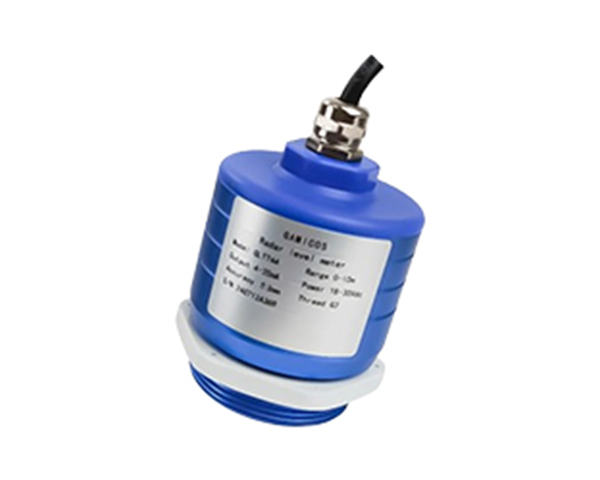
Underground Storage Guide · Fuel Monitoring
The Right Sensor for Underground Diesel Storage
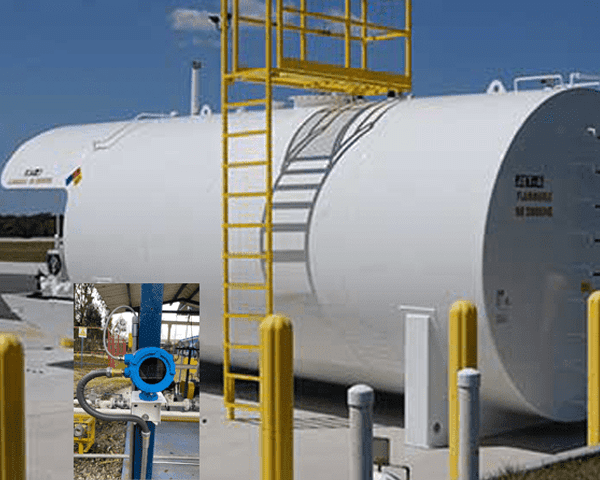
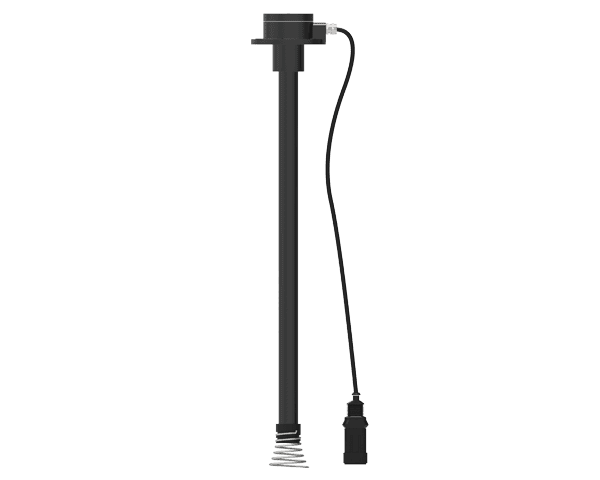
Choosing the right diesel tank sensor is very important when handling underground diesel storage systems. It determines whether your business runs smoothly or has to deal with costly problems. Modern fuel level sensors made for underground use allow for real-time tracking, keep inventory from going missing, and make sure that environmental rules are followed.
Application: Underground Tanks Audience: Procurement & Engineering Tech: Pressure / Ultrasonic / Radar Read: ~7 min
The best sensors are made with high-tech materials and measurements, so they can give exact readings even in harsh conditions underground, where rust, temperature changes, and electromagnetic interference can make them less useful.
01How to Choose the Best Diesel Tank Sensor for Underground Storage Tanks
Critical Selection Parameters for Underground Applications
To choose the best level sensor, you must first understand how you will be using it. The measurement range depends on the size of the tank — a sensor with a five-meter range won't work in a ten-meter-deep tank. Diesel properties like mass, temperature range, and possible contamination affect how well two technologies work together. The environment around the tank affects the requirements for the sensor housing. For example, sites that are buried need strong security against moisture and chemicals in the dirt.
Communication protocol compatibility makes sure that sensors work well with current systems for data collection and central control. 4-20mA electrical output, Modbus RTU/TCP, HART, and Profibus are all well-known industrial standards. The diesel tank sensor should be able to work with the standard communication architecture in your building without the need for expensive protocol adapters or system redesigns. Accessibility for maintenance is very important for underground sensors — devices that need to be calibrated or have parts replaced often cause practical burdens that cancel out any initial cost savings.
Technology Comparison for Industrial Diesel Storage
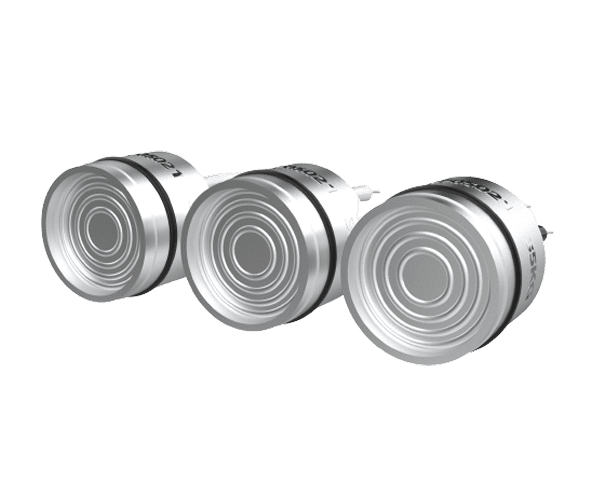
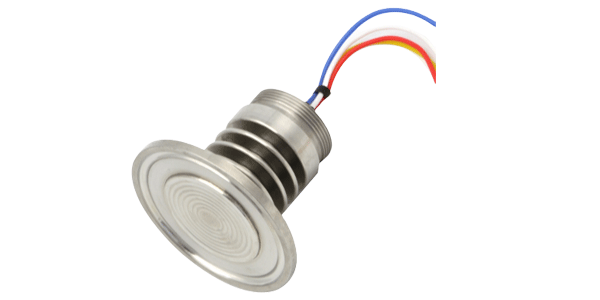
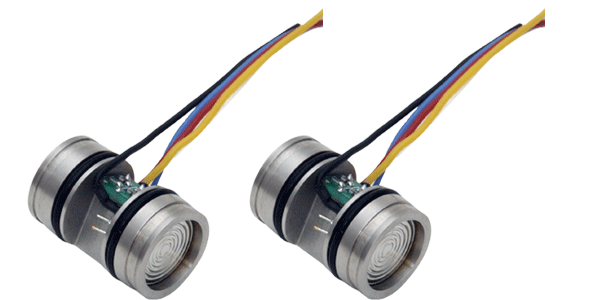
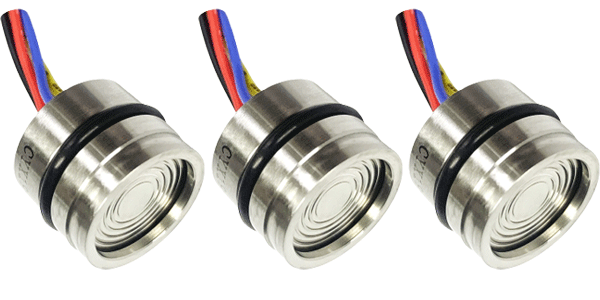
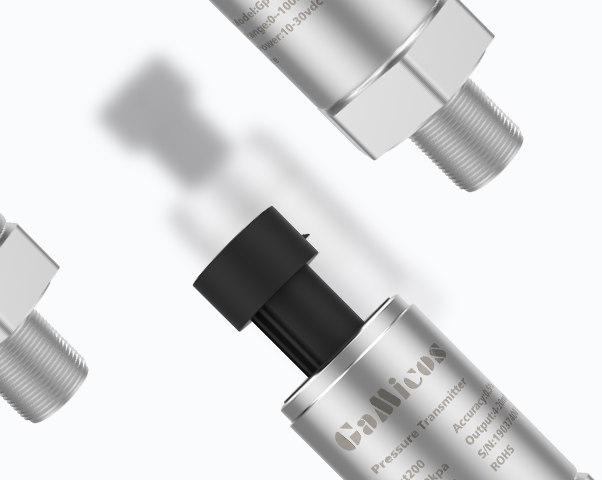
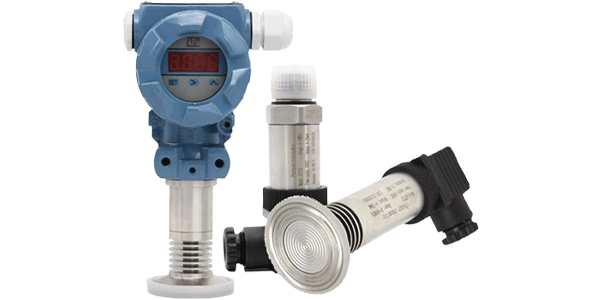
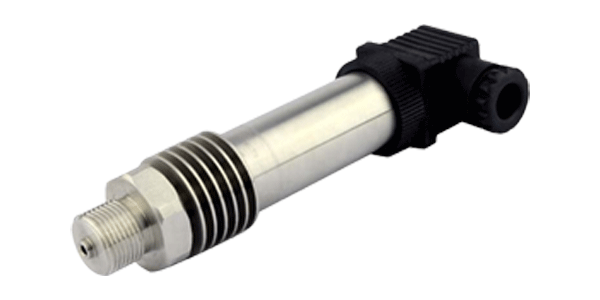
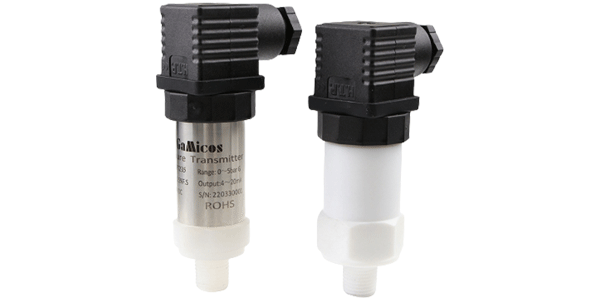
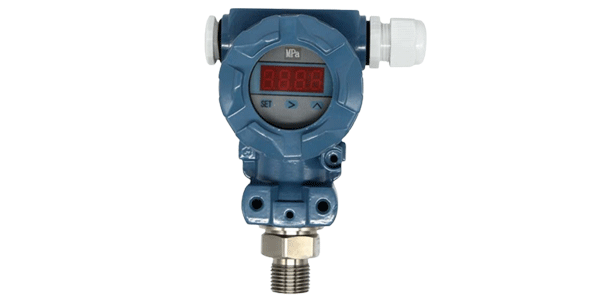
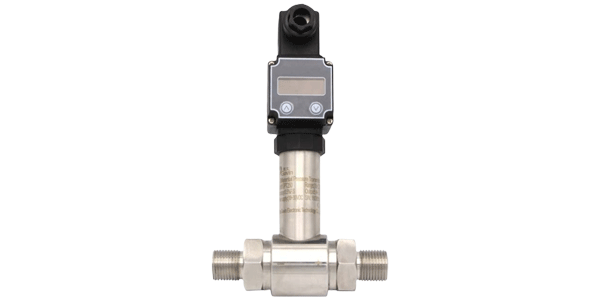
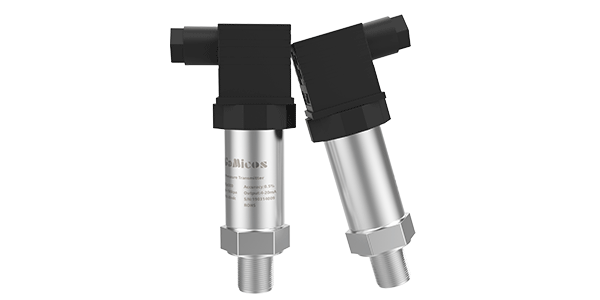
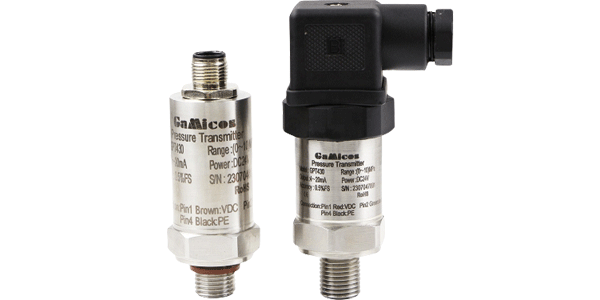
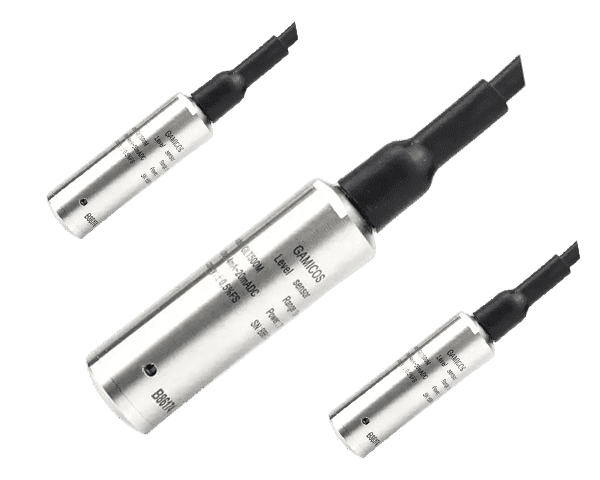
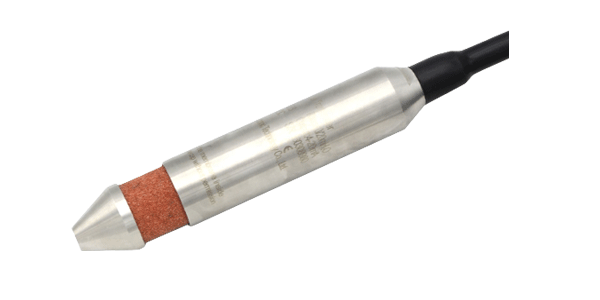
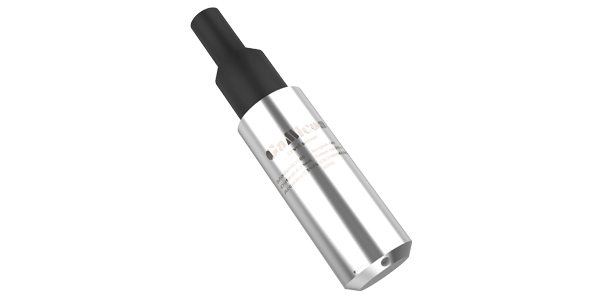
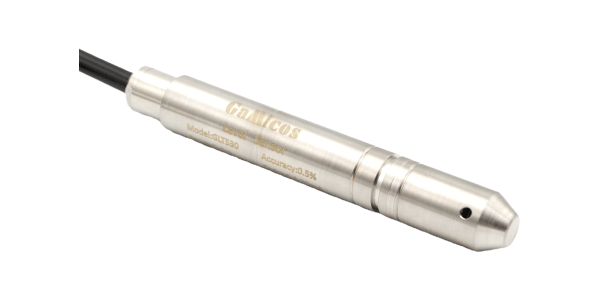
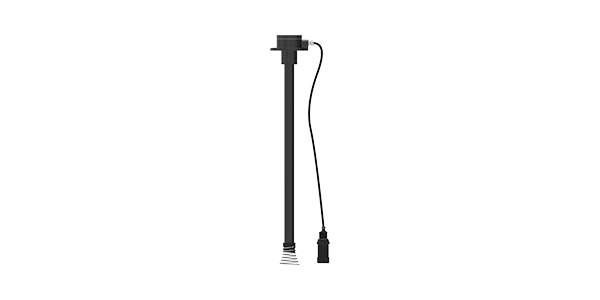
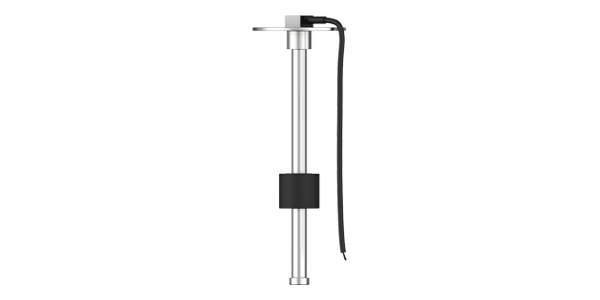
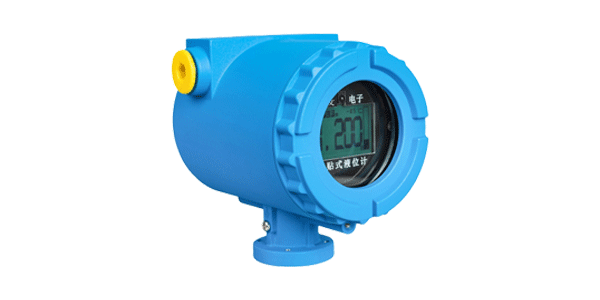
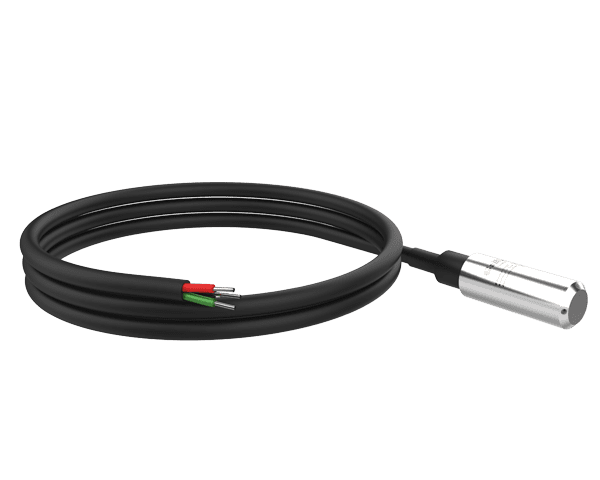
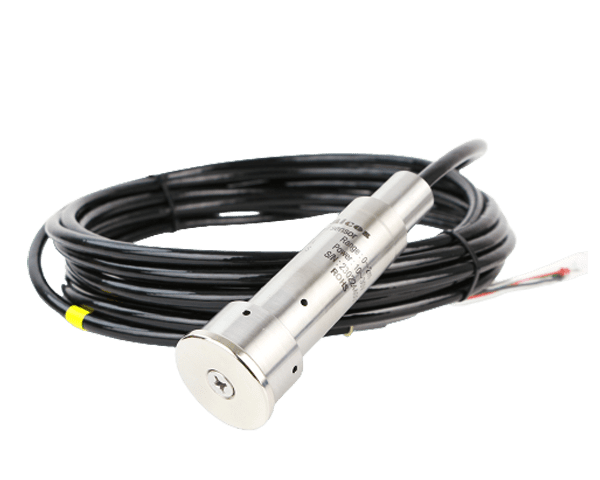
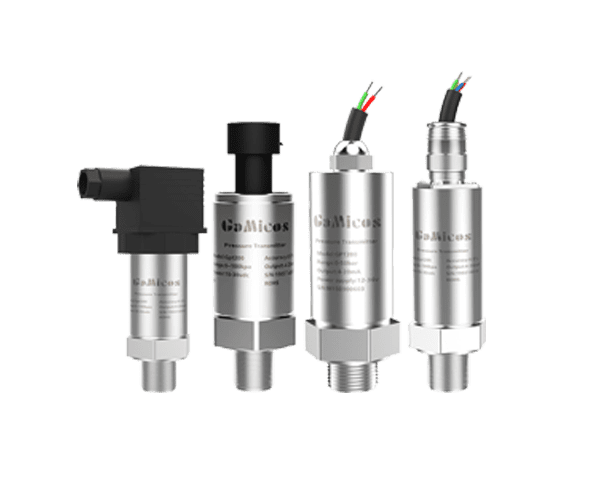
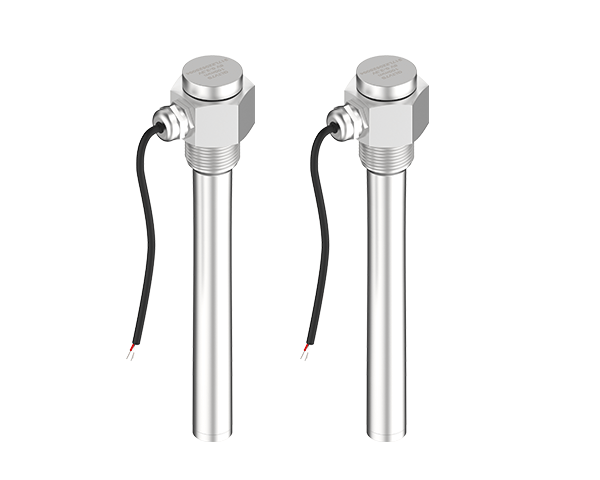
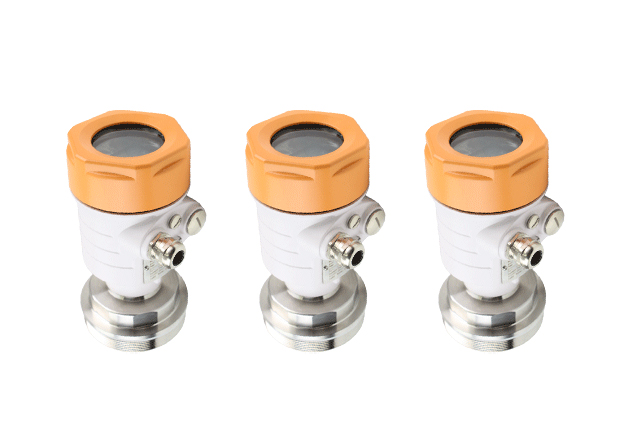
Pressure-based sensors, like the GLT5001 diesel level sensor, work great for diesel uses underground because they are easy to use, durable, and can measure continuously. These gadgets use silicon piezoresistive pressure elements to find out how heavy the fuel column is. They use mathematical association to turn pressure readings into level data. Automatic adjustment methods handle changes in temperature, so the technology stays accurate even when the seasons change.
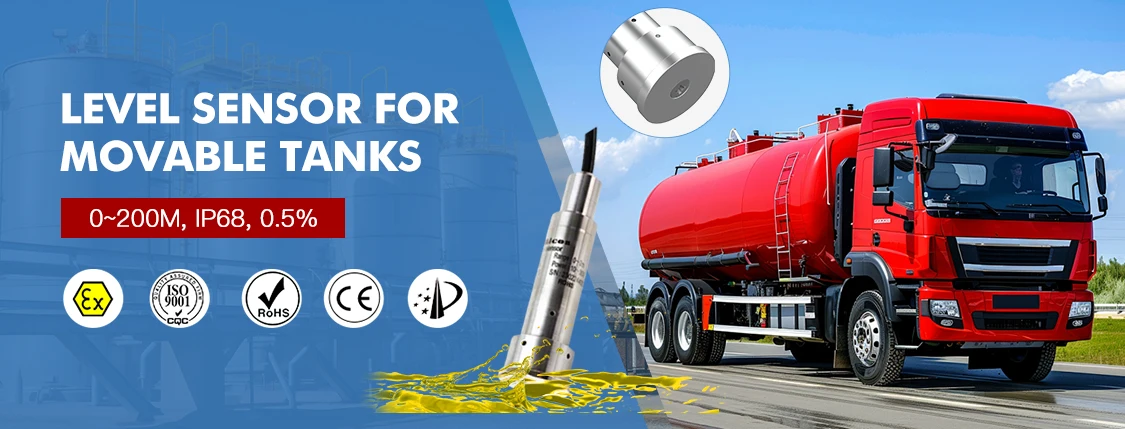
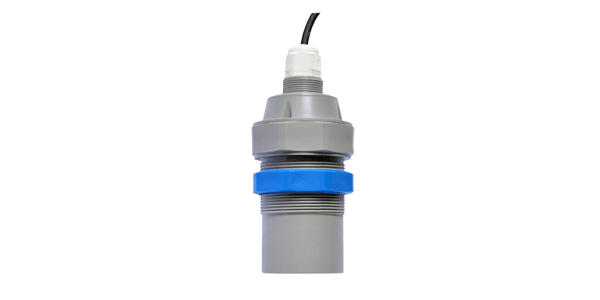
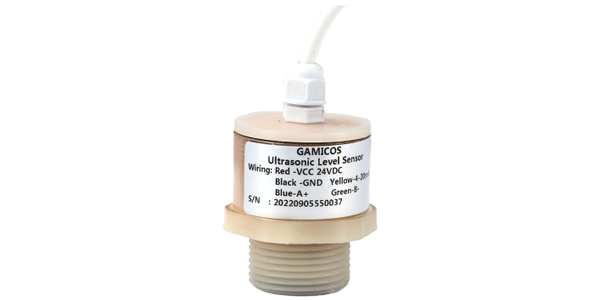
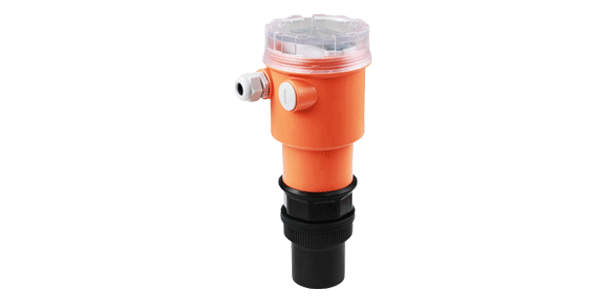
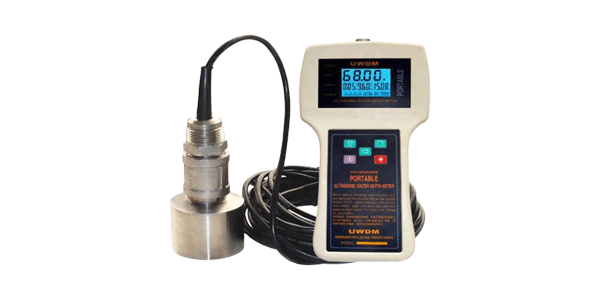
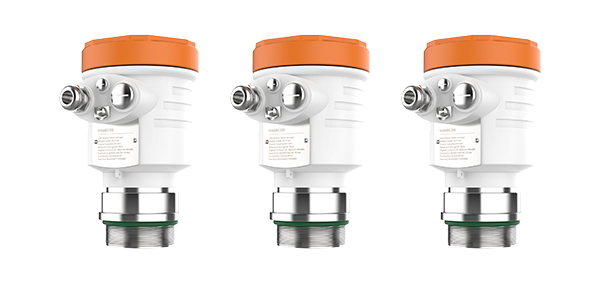
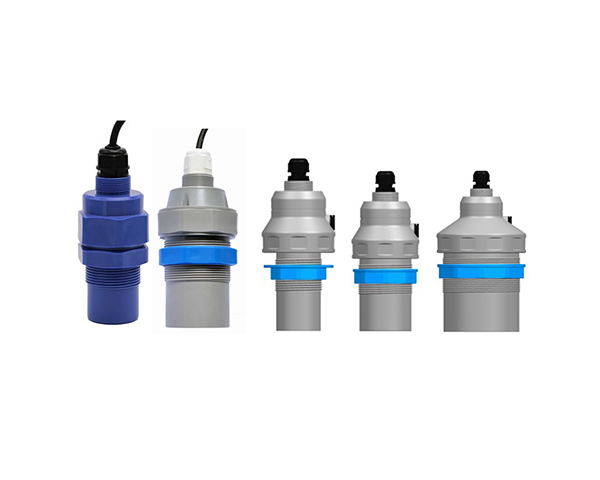
Ultrasonic level receivers let you measure without touching anything, so you don't have to worry about diesel damaging the sensor elements. However, foam, air layers, and the structure inside the tank can make it hard for sound waves to travel. Radar sensors get around these problems by using electromagnetic waves, but they cost more. Capacitance probes are very sensitive, but they need to be calibrated for changes in fuel density, and they can be affected by how close the tank wall is to the probe when it is installed underground. The perfect technology choice strikes a mix between performance needs, installation ease, and cost.
Sensor Technologies for Underground Diesel Storage
|
Technology
|
How It Works
|
Strength
|
Limitation
|
|
Pressure-based (GLT5001)
|
Silicon piezoresistive element measures the weight of the fuel column
|
Continuous, durable, easy to use, temperature-adjusted
|
Requires direct contact with the liquid
|
|
Ultrasonic
|
Non-contact sound-wave measurement
|
No contact with diesel, no element damage
|
Foam, air layers and tank internals disturb sound waves
|
|
Radar
|
Electromagnetic waves for level detection
|
Avoids foam/vapor issues, mm-level resolution
|
Higher cost
|
|
Capacitance
|
Measures capacitance change with fuel level
|
Very sensitive
|
Needs calibration for fuel density; affected by tank-wall proximity
|
Evaluating Manufacturers and Quality Standards
Global leaders like Siemens, Honeywell, and VEGA make high-quality level sensors that are backed by a lot of technical resources and support networks around the world. Although the prices are higher because they are brand names, these companies make a wide range of products that can be used in many situations. When you combine tried-and-true technologies with reasonable prices and quick expert help, regional manufacturers often offer great value.
Compliance with certification is a must for choosing an underground fuel store site. The ATEX explosion-proof approval makes sure that sensors meet strict safety standards for placements in dangerous areas. The CE mark means that the product meets European standards, and the RoHS mark means that it follows rules about dangerous chemicals. ISO quality management standards give you peace of mind about the regularity and dependability of your manufacturing. In addition to certifications, guarantee terms, calibration certificates from recognized metrology institutions, and written performance standards can help you tell the difference between good products and bad ones.
02Advanced Technologies and Future Trends in Diesel Tank Level Measurement
IoT Integration Transforming Fuel Management
Connectivity to the Internet of Things changes how companies watch and handle underground fuel stores. Smart sensors send continuous streams of data to cloud platforms, where advanced analytics can be used to get insights that would not be possible with older tracking methods. Predictive maintenance programs look at trends in measurements to see what problems might happen and fix them before they do. This stops expensive downtime from happening.
Dashboards in the cloud let people who have a stake in fuel supplies see it right away from any internet-connected device across multiple places. Automated reporting gets rid of the need to collect data by hand, which saves money on labor costs and improves accuracy. Integration with corporate resource planning tools lets automatic purchases happen when stock levels hit certain levels. Real-time alerts through email, SMS, or mobile apps make sure that the right people act right away when something goes wrong, like an unexpected drop in level that could mean there are leaks.
Radar Technology Advancements Raising Performance Standards
New developments in radar sensors have made them more accurate than ever, even in tough situations that made older technologies useless. The frequency-modulated continuous wave radar can resolve levels down to the millimeter level, picking up on small changes in level that are necessary to find leaks and make the best use of supplies. Advanced signal processing techniques get rid of noise from the inside of the tank, the vapor layers, and the foam, so readings are always accurate no matter what the conditions are.
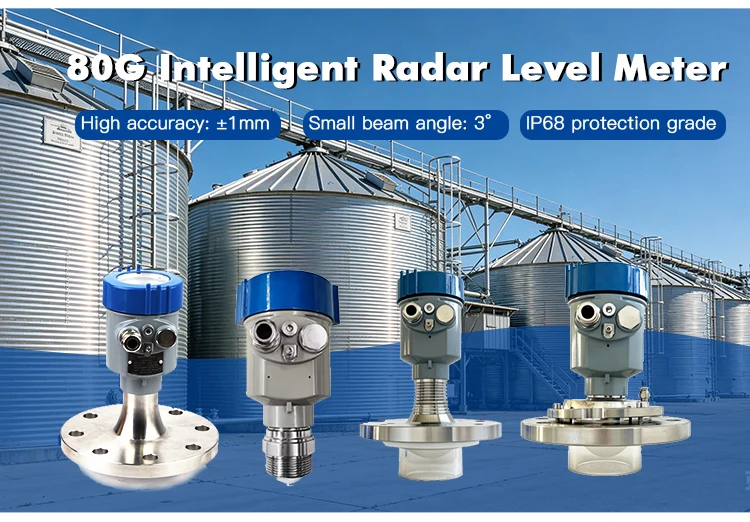
Costs are going down because manufacturing is getting better and more people are using radar technology. This means a radar-based diesel tank sensor can be used in places where pressure sensors used to be the only choice. Compact form factors make installation easier in underground areas with limited room. With non-contact operation, you don't have to worry about mechanical wear, chemical compatibility, or contamination, which were problems that used to shorten the life of sensors in diesel storage uses.
Regulatory Evolution Driving Technology Adoption
To keep groundwater from getting contaminated, environmental protection agencies around the world are continuing to tighten rules on storing fuel underground. Periodic manual checks are being replaced more and more by continuous automatic tracking, which is creating strong market drivers for the adoption of advanced sensors. To find leaks, measurements must be very accurate and able to pick up drops as small as 0.2 gallons per hour, which can only be done with high-performance equipment.
Compliance paperwork needs sensors that can communicate digitally and keep time-stamped measurement records that can be used for regulatory reports. Wireless sensor networks make compliance easier by automatically collecting data from many tanks and putting it in one place where inspectors can view it. When businesses invest in modern measurement systems, they gain a competitive edge by lowering their compliance costs and lowering their environmental damage risks.
03Procurement and Supplier Insights: Where and How to Buy Diesel Tank Sensors
Navigating the Global Supplier Landscape
To get underground fuel sensors, you need to do more than just compare prices. You need to carefully evaluate each seller. Established makers with decades of experience bring useful application knowledge that helps define the best solutions for specific needs. Regional wholesalers offer benefits like faster shipping, expert help in the original language, and easier insurance claims because they are close to the customer.
Chinese companies have become big players in the market for industrial sensors because they offer low prices without lowering the quality. Companies like GAMICOS use cutting-edge manufacturing techniques and strict quality control to make sensors that meet international certification standards at prices that make them appealing for large-scale use. Because they can do OEM and ODM, they can make changes to things like pressure ranges, output signs, housing materials, and private labels for each diesel tank sensor.
OEM and Bulk Procurement Strategies
Organizations that are in charge of many sites or big installations can benefit from OEM relationships because they allow them to get customized solutions that meet their unique business needs. When you buy in bulk, you get better prices and make sure that all of your teams have the same specs. Value-added services like longer warranties, specialized technical support, consignment inventory programs, and collaborative product creation are often unlocked when you make a volume promise.
Total cost of ownership is a better way to make a decision when looking at chances to buy in bulk than unit price alone. In the end, cheaper sensors that need to be calibrated more often, have higher failure rates, or need specialized upkeep end up costing more than more expensive ones that are more reliable. Along with price, when evaluating a supplier, you should look at their manufacturing quality systems, testing procedures, supply chain stability, and ability to provide help after the sale.
Technical Support and Value-Added Services
Sensor technology is always changing, which makes the specialized knowledge of suppliers more important. Application tech support helps figure out the best way to set up sensors for specific tank shapes or unusual working situations. Help with installation makes sure that everything is set up correctly, especially for groups that don't have specialized monitoring knowledge. When commissioning services check the accuracy of sensors and the integration of systems, they give users faith that tracking systems work as they should.
Comprehensive help after the sale is what sets exceptional providers apart from average ones. Technical support that is quick to respond helps solve problems quickly, reducing downtime. Accredited labs offer calibration services that keep measurements accurate over the lifecycles of sensors. Maintenance staff learn about proper care, calibration methods, and troubleshooting techniques through training programs. This helps the company become self-sufficient.
04Conclusion
Choosing the right diesel tank sensor for underground storage has a direct effect on how well the business runs, how well it follows the rules, and how well it protects the environment. The best options strike a balance between precise measurements and tough construction that can last for years in harsh underground circumstances.
Whether you choose pressure-based, ultrasound, or radar sensing as a technology, it should be compatible with the tank's features, the fuel's properties, and your tracking needs. The GLT5001 liquid level sensor is a great example of modern design philosophy. It combines tried-and-true piezoresistive pressure technology with modern features such as automatic temperature compensation, multiple output choices, and certifications that make it safe for use in dangerous underground settings.
05FAQ
What accuracy levels should I expect from underground diesel tank sensors?
When placed and kept correctly, quality pressure-based sensors should be accurate within ±0.25% to ±0.5% of full scale. In a 10,000-liter tank, this is equal to about 25 to 50 liters. Radar sensors can get even better accuracy, up to ±1-2mm in ideal circumstances. But in the real world, accuracy relies on things like correct calibration, how well temperature adjustment works, and how well the device was installed.
How do ultrasonic and radar sensors differ for diesel storage monitoring?
Ultrasonic sensors send out sound waves that can be changed by temperature, the type of vapor, and foam. This can lead to measurement mistakes in tough situations. Radar sensors use electromagnetic waves that are not affected by these things, so they are more accurate and reliable. Ultrasonic technology isn't as good at dealing with the inside of tanks, noise, and humidity as radar is. But radar sensors cost a lot more than other sensors.
Are wireless diesel tank sensors reliable for underground installations?
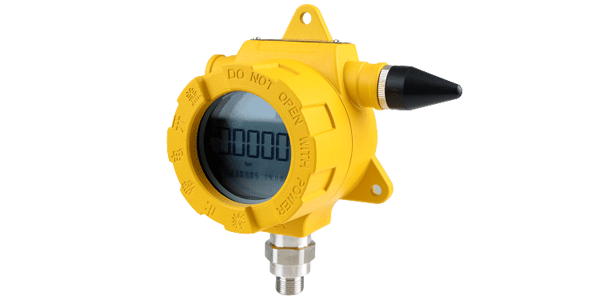
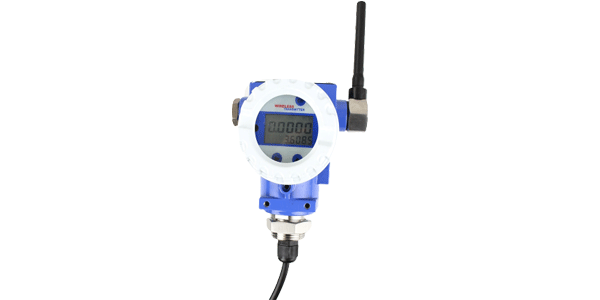
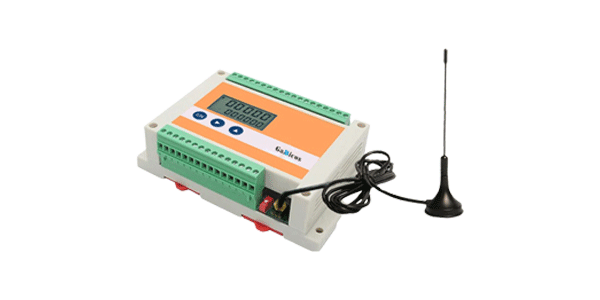
Modern wireless diesel tank sensor solutions using LoRa, NB-IoT, or 4G networks are very reliable as long as they are set up correctly for the spot. It is important to carefully check how well a signal can pass through dirt and concrete. For example, thick reinforced concrete may need extra antennas or signal repeaters. Depending on the regularity of transmission and the conditions of the surroundings, batteries usually last between two and five years.