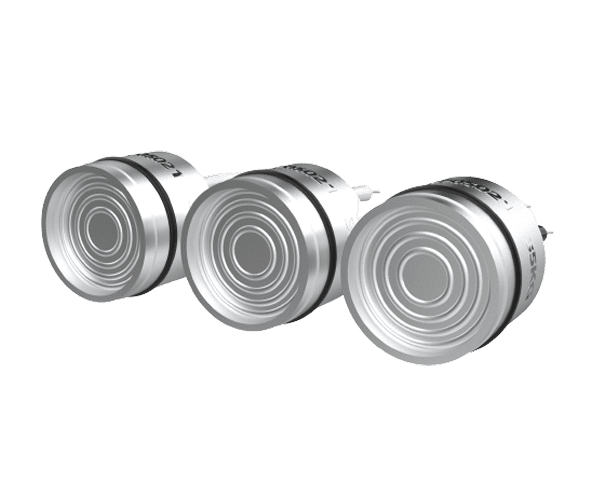
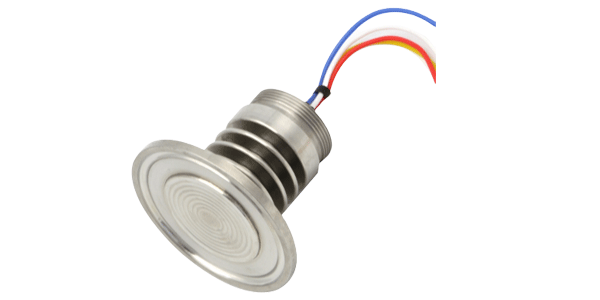
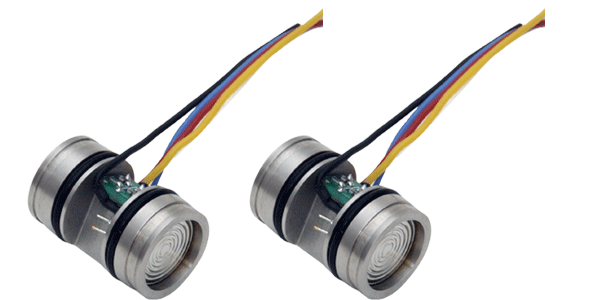
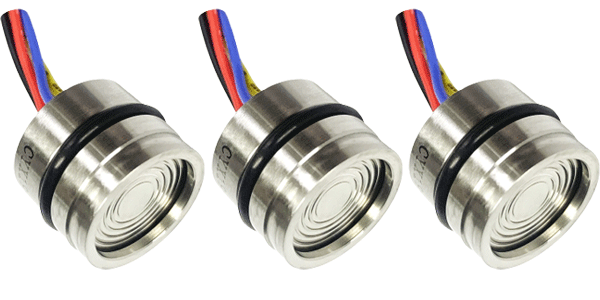
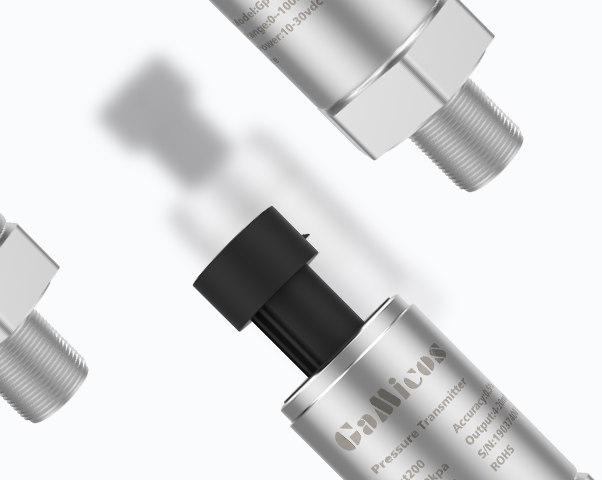
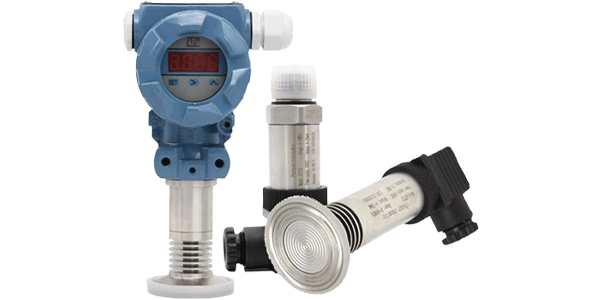
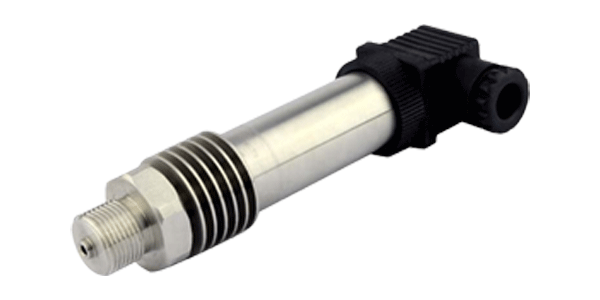
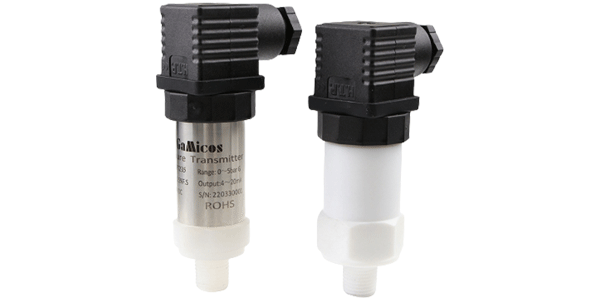
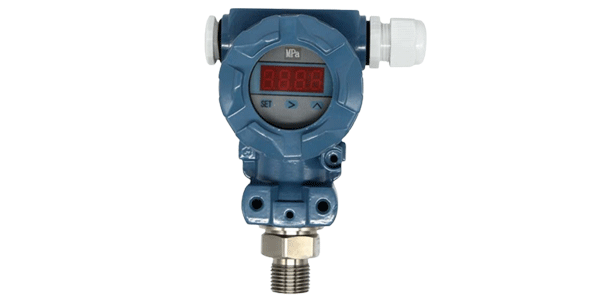
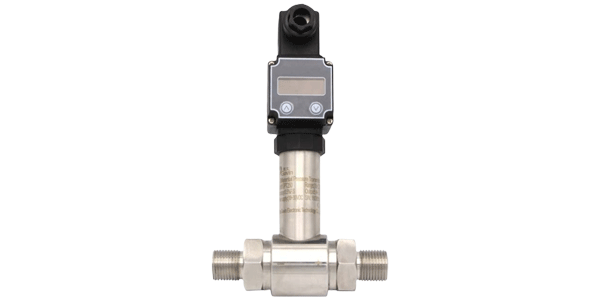
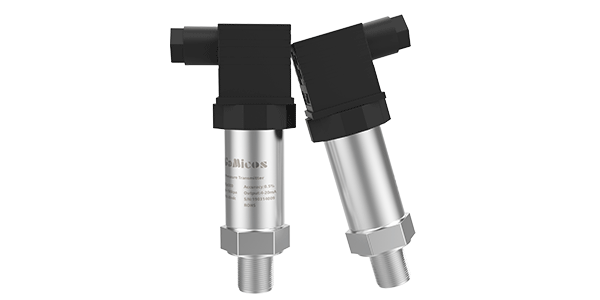
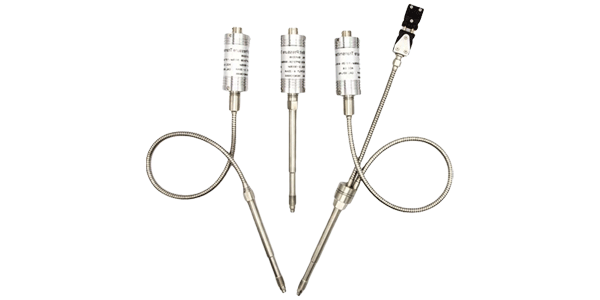
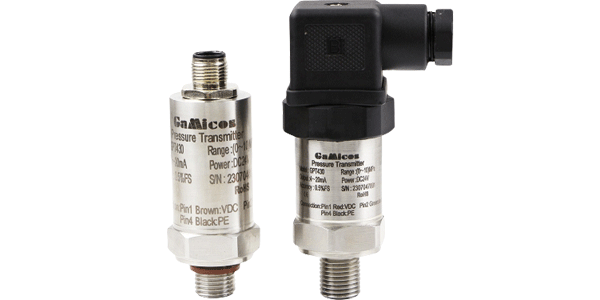
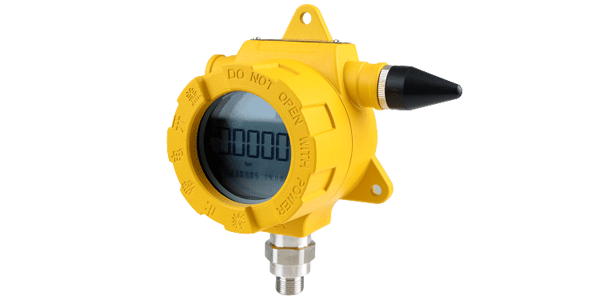
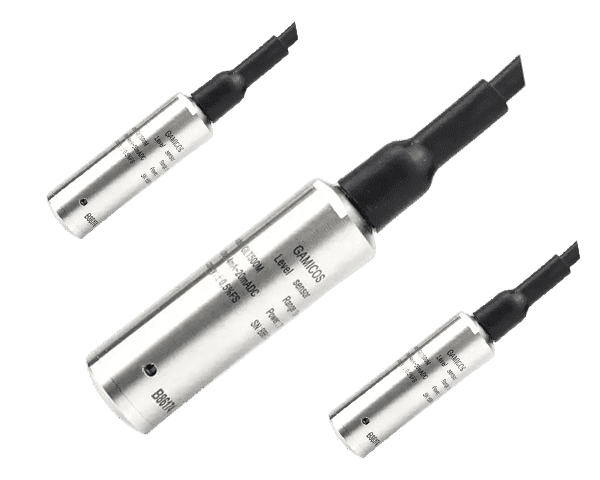
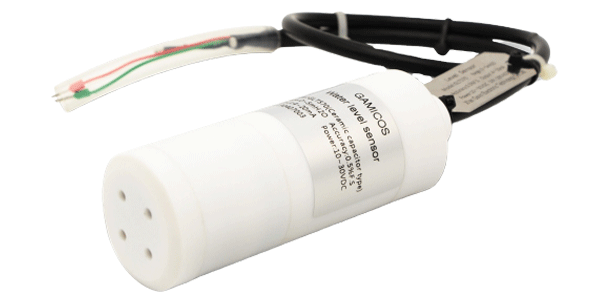
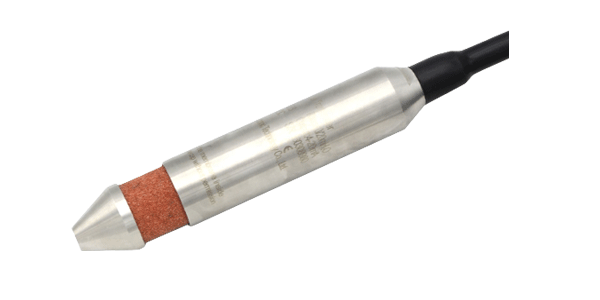
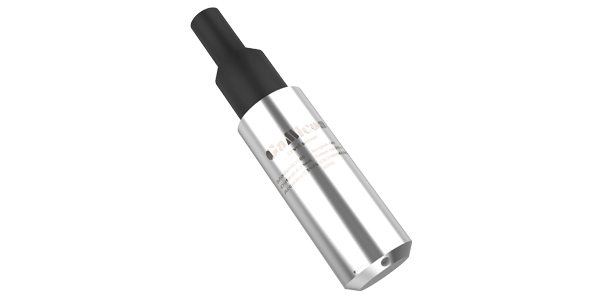
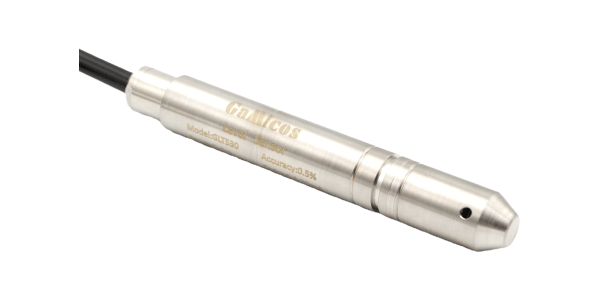
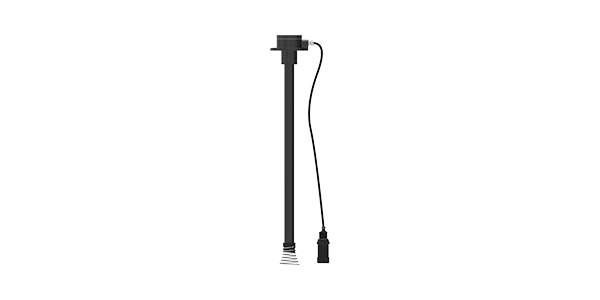
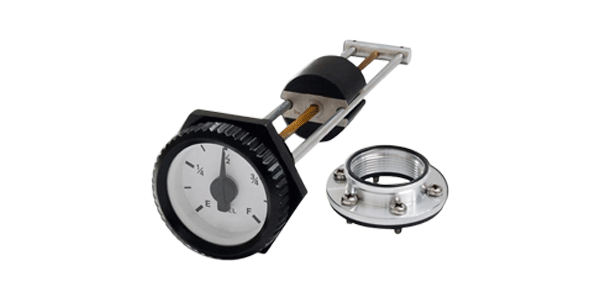
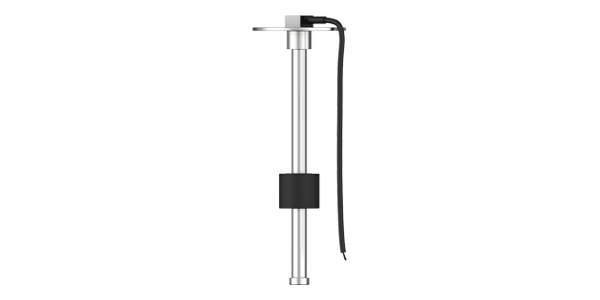
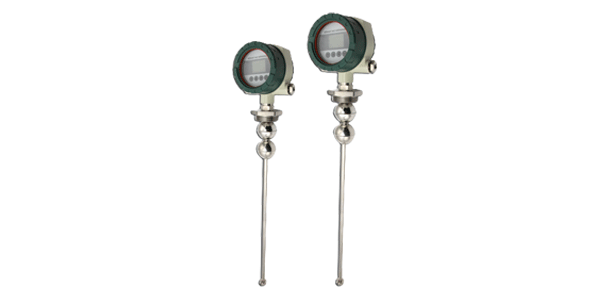
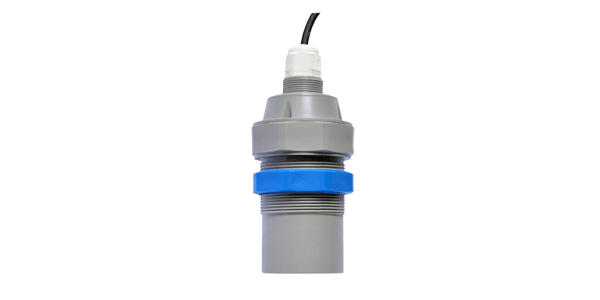
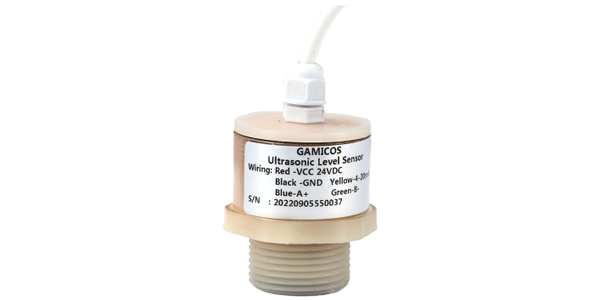
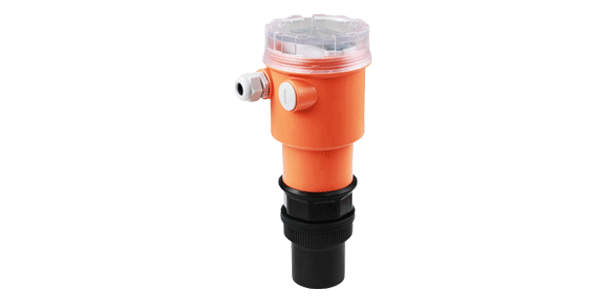
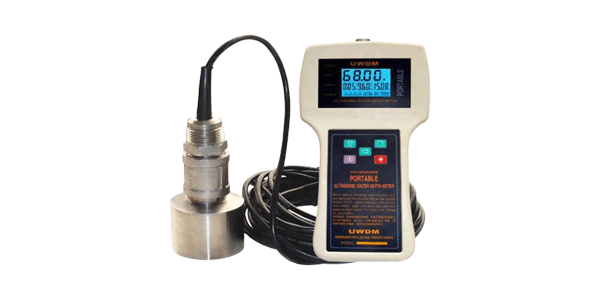
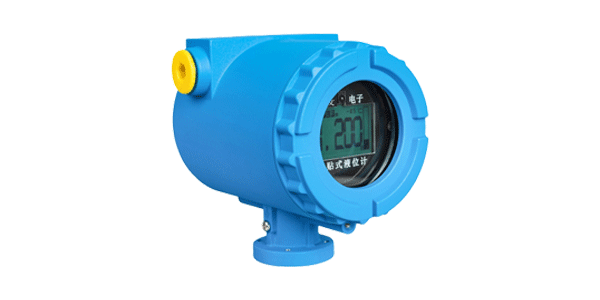
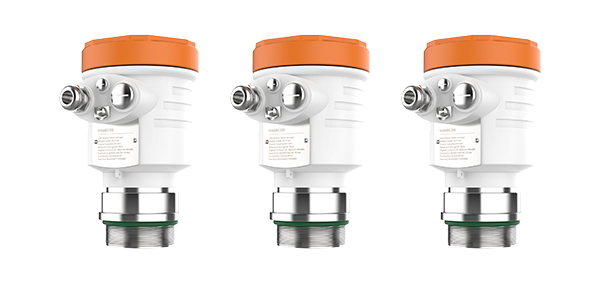
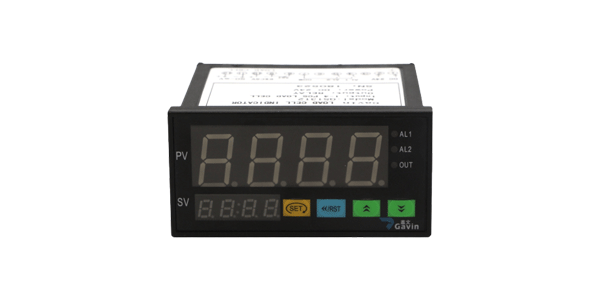
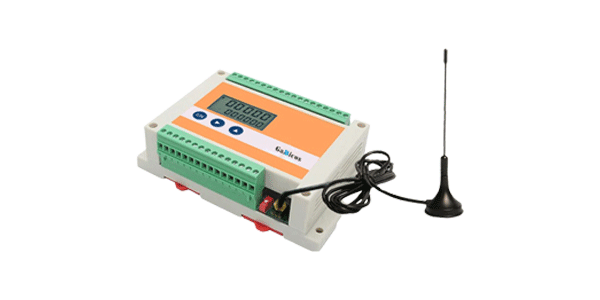
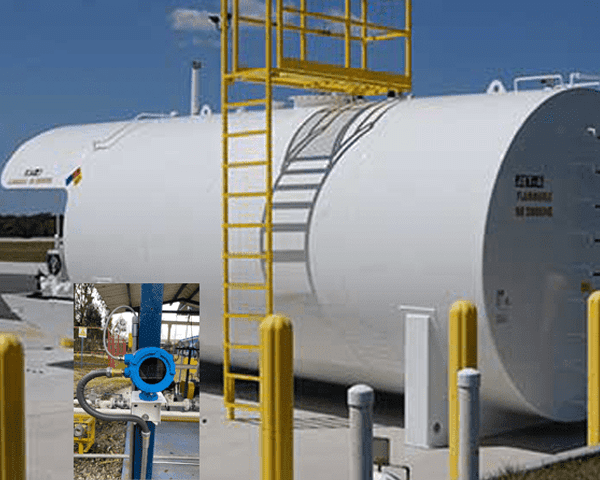




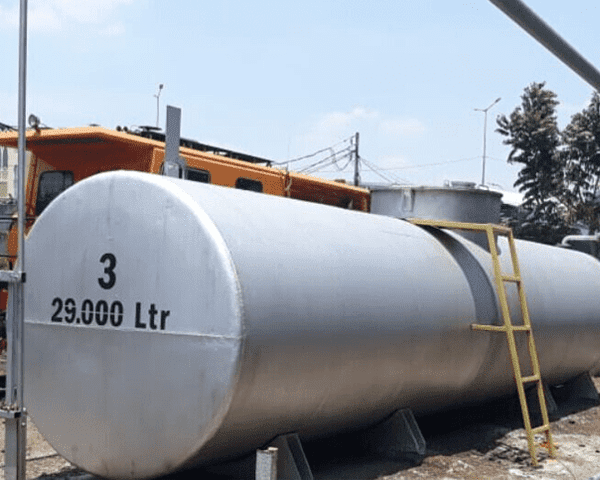

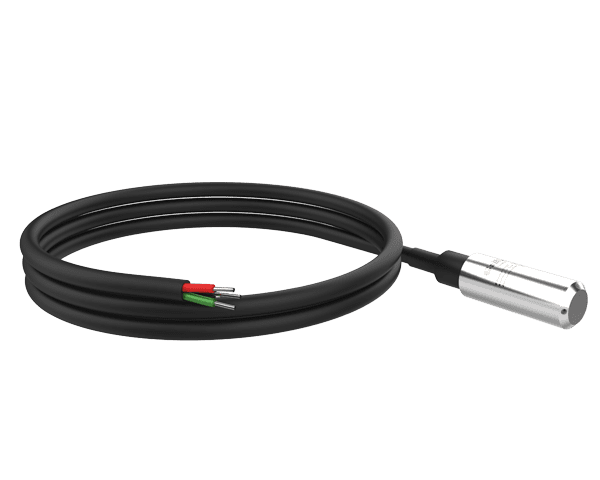
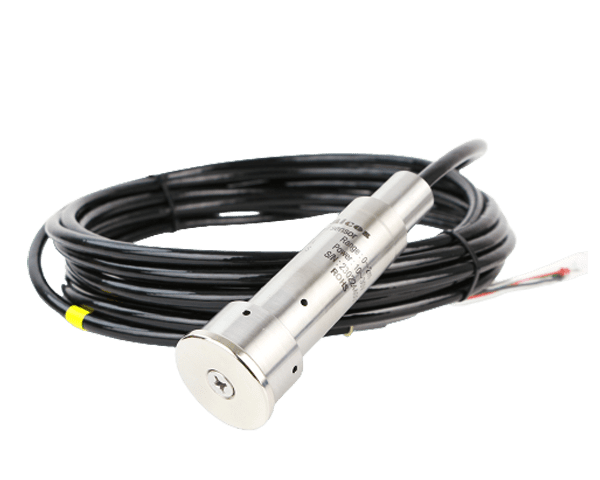
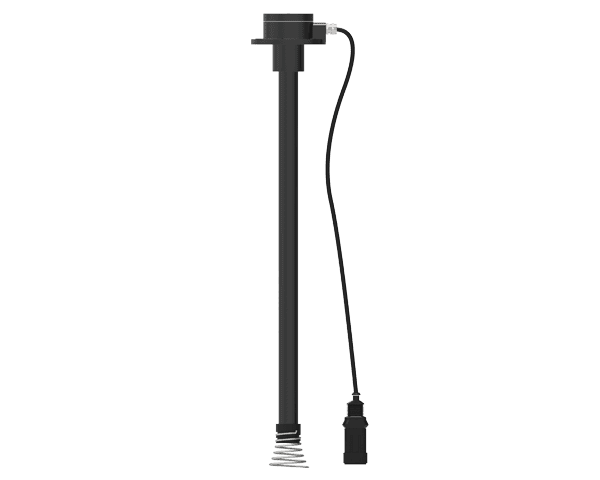
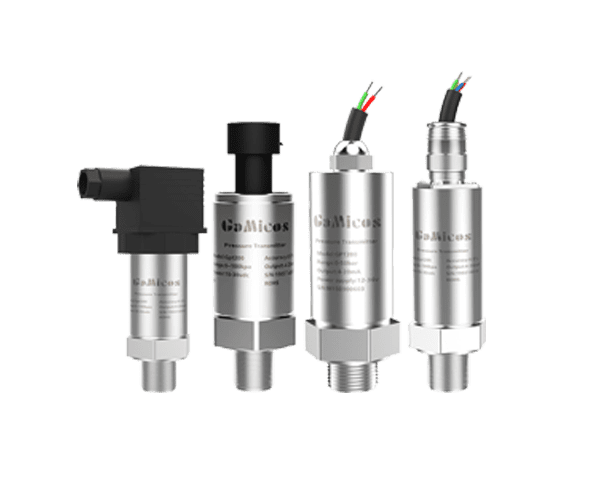
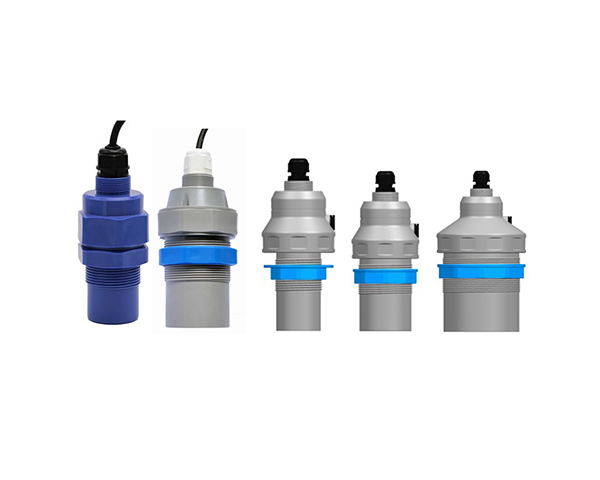
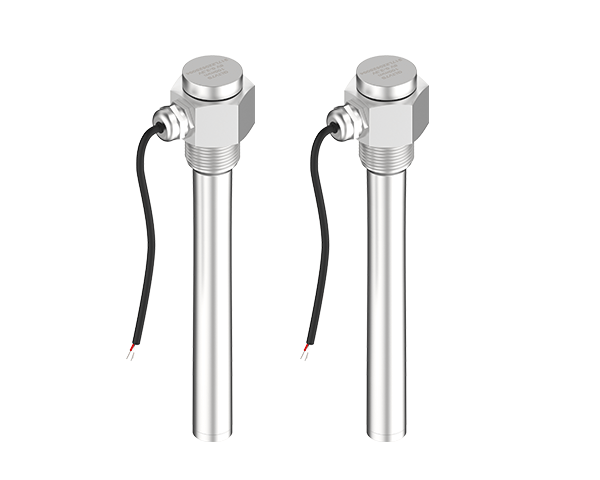
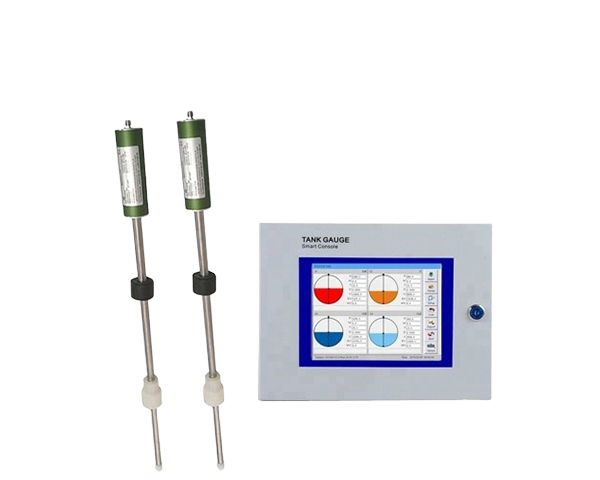
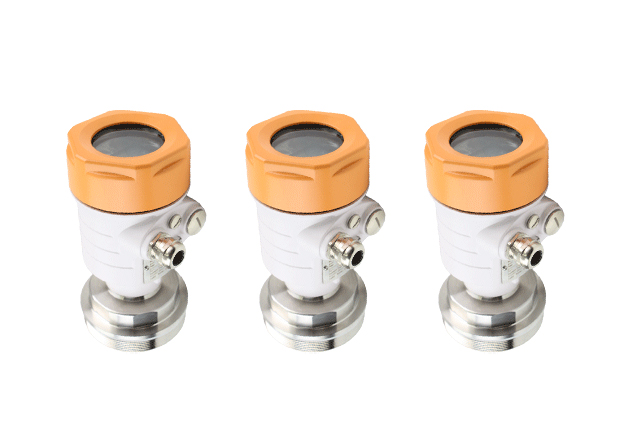
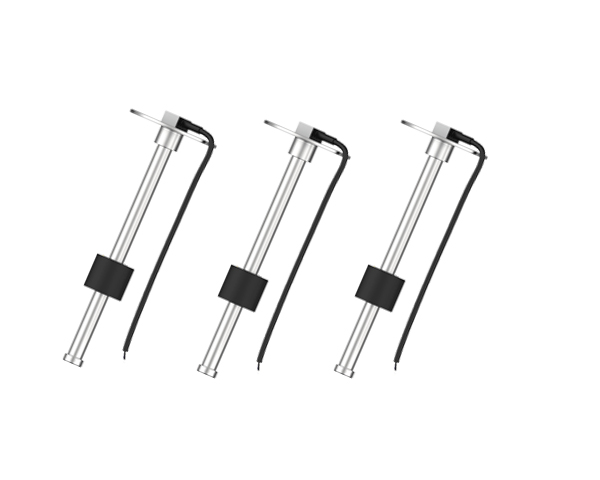
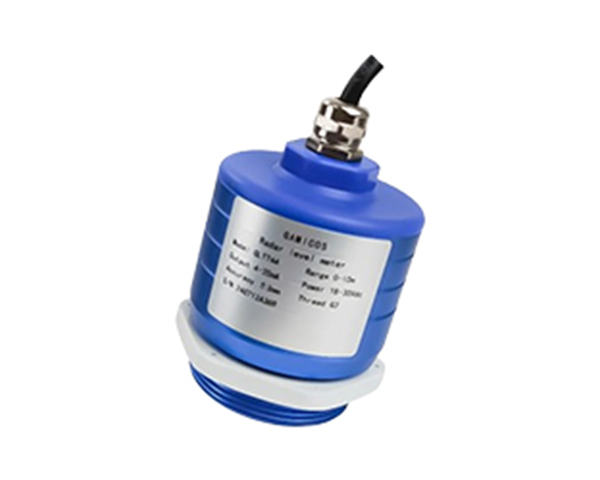
In order to establish the exact fuel level above an oil tank, a submersible diesel level sensor measures the hydrostatic pressure at the bottom of the tank. These sensors provide constant and precise level readings by using piezoresistive technology to transform the pressure applied by the diesel column into electrical signals. Submersible sensors provide better precision and dependability while surviving tough chemical conditions since they are completely submerged in the fuel, unlike exterior sensors. Submersible diesel level sensor systems are the recommended option for crucial fuel monitoring applications because of the direct measurement method's ability to remove frequent problems like foam interference or vapor gaps that may impair other sensing technologies.
🔍 Understanding Submersible Diesel Level Sensors
Working Principles and Core Technology
A major development in gasoline monitoring technology, submersible level sensors provide accurate readings by using the principles of hydrostatic pressure measurement. At the heart of these devices is a silicon piezoresistive pressure sensor that reacts to pressure variations brought on by fluctuating fuel levels above the detecting element. While programmable digital circuits provide error correction and signal conditioning, the technology also uses automated temperature adjustment to guarantee accuracy under various operating situations.
Pascal's principle, which states that the pressure in a static fluid is proportional to the height of the fluid column above a certain location, is the foundation of the basic operation. Control systems can handle the proportional electrical output signals that are produced when the pressure pressing on the sensor membrane fluctuates in response to changes in fuel levels.
Distinctive Features Compared to Alternative Technologies
Compared to conventional measuring techniques, modern submersible sensors provide a number of benefits. Despite their simplicity, float-based systems are prone to mechanical wear and may get stuck as a result of fuel contamination or debris. Despite being non-contact, ultrasonic sensors have problems with temperature fluctuations, vapor, and foam, which may compromise signal accuracy. Capacitive sensors may be affected by moisture content and need to be calibrated for various fuel types.
By removing air gaps and environmental interference via direct immersion measurement, submersible technology overcomes these constraints. Long-term stability is maintained while interior components are shielded from corrosive fuel additives by the sealed architecture. Reliable functioning in tough industrial conditions is ensured by advanced models such as the GLT5001, which have completely welded constructions with IP68 protection certifications.
Integration with Fuel Management Systems
These sensors handle both analog and digital communication protocols, allowing for smooth integration with contemporary fuel management systems. For complete fuel monitoring solutions, the adaptability enables interoperability with current SCADA systems, PLCs, and IoT platforms. Digital protocols like Modbus and a variety of output possibilities, such as 4-20mA and 0-5V, allow for flexible system integration without requiring significant changes to the infrastructure.
⚙️ How Submersible Diesel Level Sensors Work – A Systematic Breakdown
Addressing Measurement Challenges in Diesel Applications
Diesel fuel presents unique measurement challenges due to its chemical properties and operating environments. Temperature fluctuations can affect fuel density and viscosity, potentially impacting measurement accuracy with conventional technologies. A diesel level sensor must be carefully selected to handle these factors. Diesel additives and contamination can interfere with sensor performance, while vibrations from nearby machinery or vehicles can introduce measurement errors.
These issues are resolved by submersible pressure-based sensors' sophisticated correction algorithms and sturdy construction. The device's built-in temperature sensors automatically modify values to take thermal expansion effects into account. Because of the solid-state design, there are no moving elements that may be impacted by mechanical stress or vibrations.
Hydrostatic Pressure Measurement Methodology
When the sensor element detects pressure changes that correspond to variations in diesel level, the measuring procedure starts. Internal circuitry amplifies and processes the electrical resistance variations that the piezoresistive sensor element transforms from mechanical pressure. Throughout the whole measurement range, this direct measuring method offers linear response characteristics.
By taking into consideration the differences in specific gravity between various diesel formulations, calibration techniques establish the link between pressure measurements and actual fuel levels. Multi-point calibration features in advanced sensors provide accuracy across the whole operating range while correcting for small installation differences or tank geometry impacts.
Real-World Performance in Industrial Applications
The usefulness of submersible fuel monitoring devices is shown by case studies from transportation fleets. Installing underwater sensors across their tank farm operations resulted in a 15% increase in fuel management efficiency, according to a large logistics business. Real-time inventory data from the sensors allowed for better delivery scheduling and fewer last-minute gasoline purchases.
Continuous fuel monitoring has also been shown to improve operational dependability in power producing plants. Submersible sensors' early warning features optimize tank management techniques while averting unforeseen fuel shortages during crucial operations. These uses demonstrate how the technology can function reliably under a range of load scenarios and environmental stressors.
📊 Comparing Diesel Level Sensor Technologies for Informed Procurement
Material and Specification Considerations
Because diesel and gasoline sensors have different chemical characteristics and environmental requirements, they need various material specifications. Higher viscosity fluids and perhaps more corrosive chemicals are common in diesel applications, which calls for improved chemical resistance in the materials used to build sensors. Long-term diesel exposure must not compromise the dimensional stability and signal integrity of the sensor housing materials.
Materials used for submersible sensors made especially for diesel applications are compatible with fuel additives and cleaning solutions often found in industrial environments. This strategy is shown by the GLT5001 series, which uses specific sealing compounds and corrosion-resistant materials to sustain performance over long service intervals.
Accuracy and Environmental Suitability Analysis
Accuracy standards become crucial for purchase choices when comparing measuring systems. The accuracy of submersible pressure sensors is usually between ±0.25% and ±0.5% of full scale, which is far better than that of float-based systems, which may vary by 2-5% because to wear and mechanical limitations. Under ideal circumstances, ultrasonic sensors may achieve high accuracy; nevertheless, in the presence of foam, moisture, or temperature gradients, they may degrade.
When choosing a technology, environmental aspects including humidity, temperature range, and electromagnetic interference must be taken into account. Because of its sealed design and direct measuring method, which removes numerous external interference sources that influence other technologies, submersible sensors perform very well in challenging settings.
Wireless Versus Wired Communication Options
The decision between wired and wireless sensor topologies is based on infrastructure limitations and particular application needs. Wired systems are appropriate for long-term deployments with current cable infrastructure because they provide dependable communication and a steady power source. Generally speaking, these systems provide reliable data transfer and quicker reaction times without worrying about signal interference or battery life.
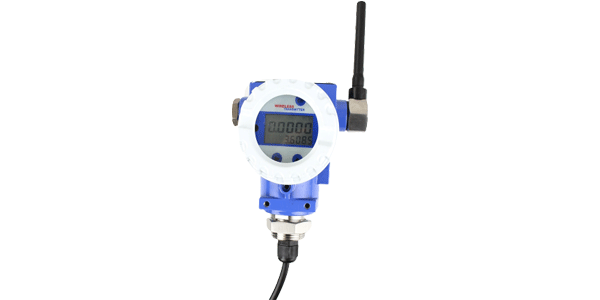
For distant or mobile applications where cable installation would be prohibitive, wireless solutions—such as LoRa, GPRS, and 4G options—offer flexibility. The magnetic suction base types are especially useful for construction equipment or fleets of rental tanks since they allow for simple movement and short-term monitoring applications. Wireless systems, however, may have communication lags during times of network congestion and need to have their batteries maintained on a regular basis.
🛠️ Installation, Calibration, and Maintenance Guide
Step-by-Step Installation Procedures
Proper installation begins with tank preparation and safety considerations. The installation area must be clean and free from debris that could interfere with sensor operation. Tank entry procedures should follow safety protocols for confined space work, including atmospheric testing and proper ventilation. The diesel level sensor mounting location should be selected to avoid turbulence zones near fill lines or pump suctions while ensuring adequate cable management.
The physical installation process involves lowering the sensor to the desired depth while ensuring the cable remains protected from sharp edges or mechanical damage. Magnetic suction base models simplify installation by allowing repositioning without tank entry, particularly beneficial for mobile applications or temporary monitoring requirements. Cable routing should include service loops to accommodate tank thermal expansion and maintenance access.
Calibration Protocols for Long-Term Accuracy
Initial calibration establishes the relationship between sensor output and actual fuel levels for the specific tank geometry and fuel type. This process typically involves taking readings at multiple known levels, including empty and full positions, to create an accurate calibration curve. The calibration data is then programmed into the associated control system or display unit.
Periodic recalibration maintains measurement accuracy over time, accounting for minor drift in sensor characteristics or changes in fuel properties. The frequency of recalibration depends on application criticality and accuracy requirements, typically ranging from annual to every three years for most industrial applications. Advanced sensors with self-diagnostic capabilities can indicate when recalibration may be beneficial.
Troubleshooting Common Operational Issues
Common sensor issues often relate to installation problems, contamination, or electrical interference. Erratic readings may indicate air bubbles trapped around the sensor element, requiring bleeding procedures or repositioning. Gradual reading drift could suggest contamination buildup on the sensor surface, necessitating cleaning procedures using appropriate solvents compatible with the sensor materials.
Electrical problems typically manifest as complete signal loss or obvious reading errors. These issues often stem from cable damage, connection corrosion, or power supply problems. Systematic troubleshooting procedures help identify the root cause and guide appropriate corrective actions.
🤝 GAMICOS: Your Trusted Partner for Advanced Diesel Level Sensing Solutions
Comprehensive Product Portfolio and Technical Expertise
GAMICOS specializes in developing high-precision liquid level and pressure measurement solutions, with extensive experience serving diverse industrial applications across more than 100 countries. Our engineering team combines advanced sensor technology with practical application knowledge to deliver reliable diesel level sensor solutions for challenging diesel monitoring applications. The company's R&D capabilities ensure continuous product innovation while maintaining compatibility with existing infrastructure and industry standards.
The GLT5001 represents our commitment to addressing real-world diesel monitoring challenges through comprehensive design and testing procedures. This submersible sensor incorporates silicon piezoresistive technology with automatic temperature compensation and programmable digital correction circuits. The product line includes both standard models for conventional installations and magnetic suction base variants for mobile applications.
Customization and Quality Assurance Capabilities
Our manufacturing approach emphasizes customization flexibility to meet specific customer requirements. The OEM and ODM services include parameter adjustment, communication protocol modification, and mechanical design changes to integrate seamlessly with customer systems. This customization capability extends to packaging and documentation, supporting customer branding requirements and technical specifications.
Quality control procedures include comprehensive testing protocols covering pressure cycling, environmental simulation, and aging tests to ensure long-term stability. The production facility maintains certification compliance with international standards including ATEX explosion-proof ratings, CE marking, and RoHS environmental compliance.
Global Support and Service Infrastructure
GAMICOS maintains a comprehensive support infrastructure designed to assist customers throughout the product lifecycle. Our technical support team provides application guidance, installation assistance, and troubleshooting support to ensure optimal sensor performance. The global distribution network ensures timely product delivery and local support availability for international customers.
🎯 Conclusion
Submersible diesel level sensors represent the most reliable and accurate solution for fuel monitoring in demanding industrial applications. The hydrostatic pressure measurement principle provides superior performance compared to alternative technologies, while advanced features like temperature compensation and digital signal processing ensure long-term accuracy and stability. The GLT5001 series demonstrates how proper engineering design, quality manufacturing, and comprehensive testing can deliver sensors that meet the demanding requirements of modern fuel management systems.
Procurement professional benefit from understanding the technical advantages of submersible technology and selecting suppliers with proven capabilities in sensor design, manufacturing quality, and customer support.
Partner with GAMICOS for Your Diesel Level Sensing Requirements
Transform your fuel monitoring operations with GAMICOS's advanced submersible diesel level sensor technology. Our engineering team specializes in providing customized measurement solutions that address the unique challenges of industrial diesel applications. The GLT5001 series offers proven reliability, exceptional accuracy, and comprehensive certification compliance to meet demanding operational requirements. As a trusted diesel level sensor manufacturer, we provide complete support from initial consultation through installation and ongoing technical assistance. Contact our team at info@gamicos.com to discuss your specific application requirements.
References:
1. Industrial Automation and Control Systems - Pressure and Level Measurement Technologies. Society of Manufacturing Engineers, 2023.
2. Fuel Management Systems in Transportation and Industrial Applications. American Society of Mechanical Engineers, 2022.
3. Piezoresistive Sensor Technology for Liquid Level Measurement Applications. IEEE Transactions on Industrial Electronics, 2023.
4. Diesel Fuel Handling and Storage System Design Guidelines. National Fire Protection Association, 2022.
5. Submersible Sensor Performance in Harsh Industrial Environments. Journal of Process Control Engineering, 2023.
6. Hydrostatic Pressure Measurement Principles in Tank Level Monitoring Systems. Measurement Science and Technology Review, 2022.