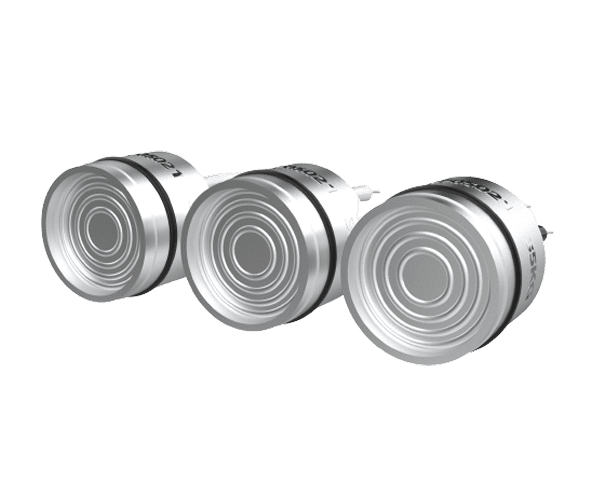
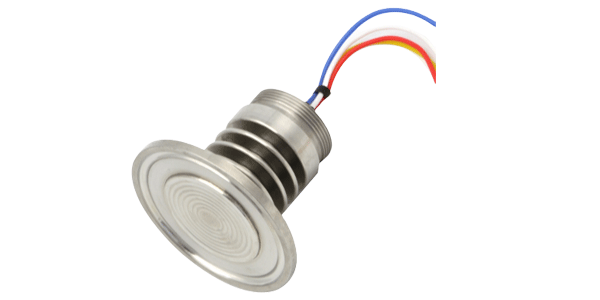
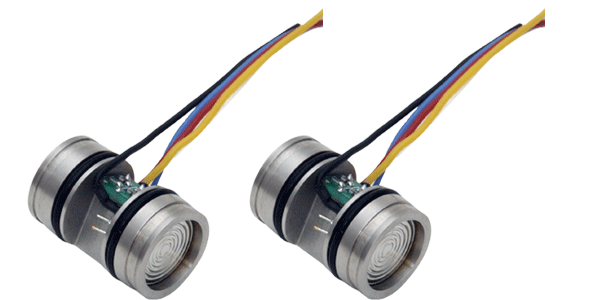
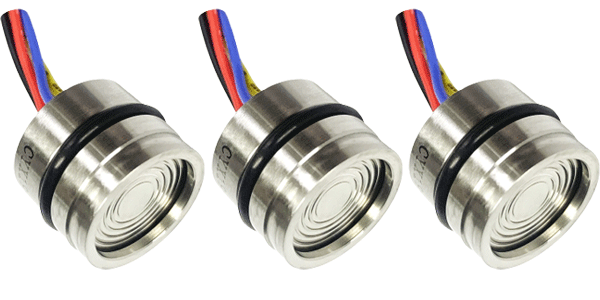

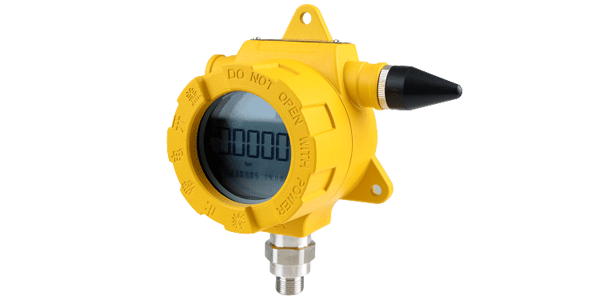
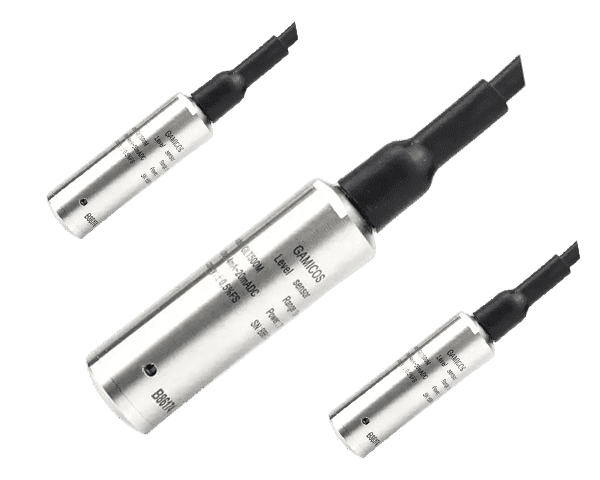
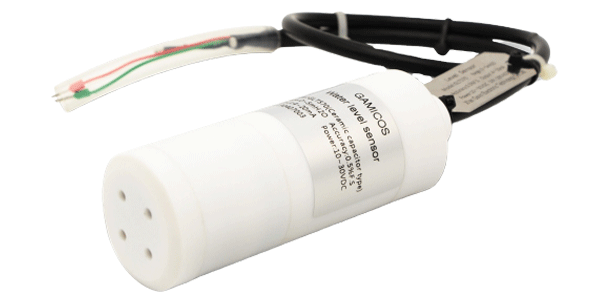
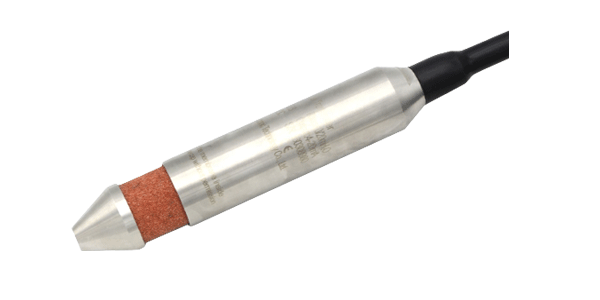
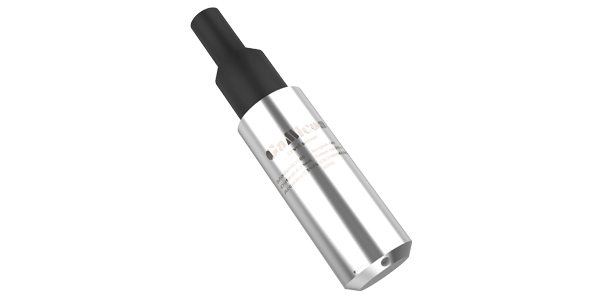
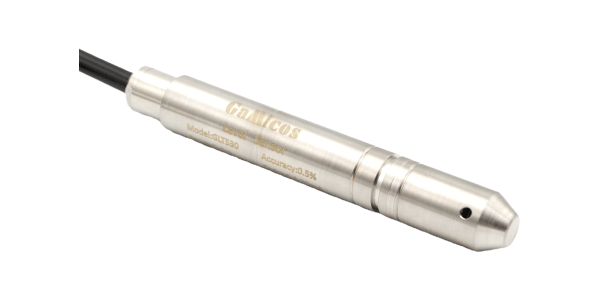
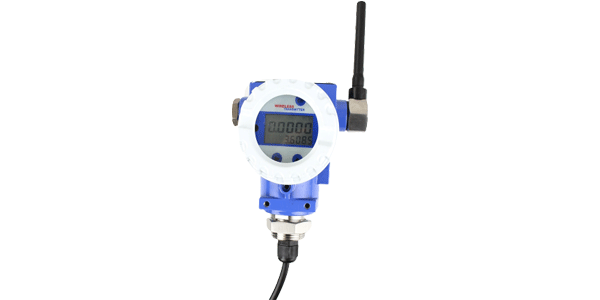
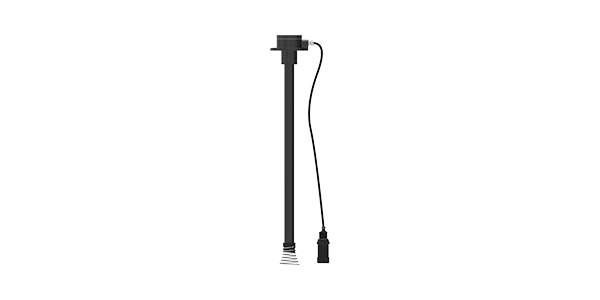
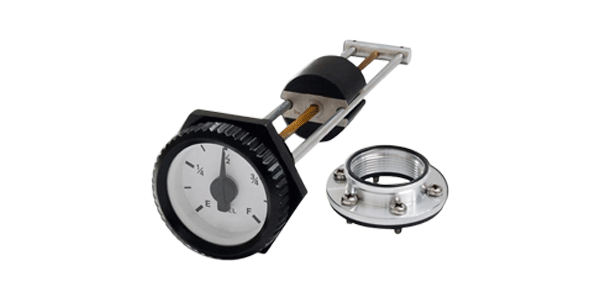
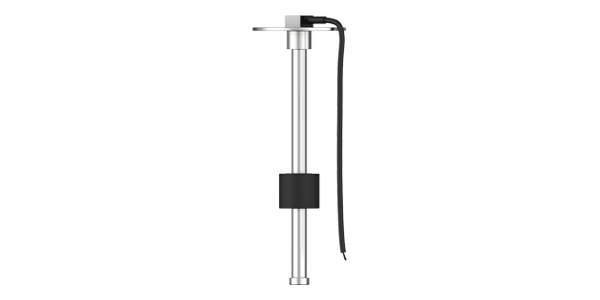
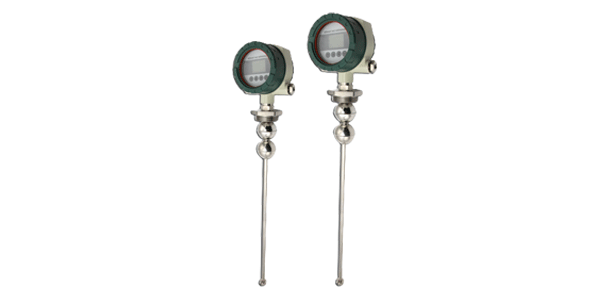
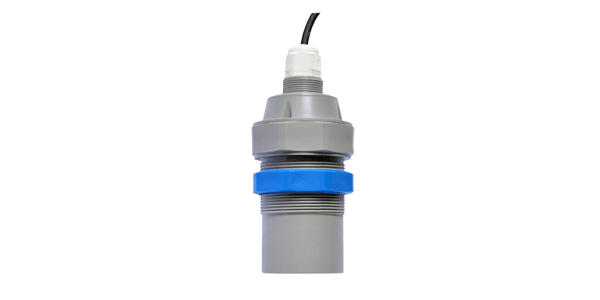
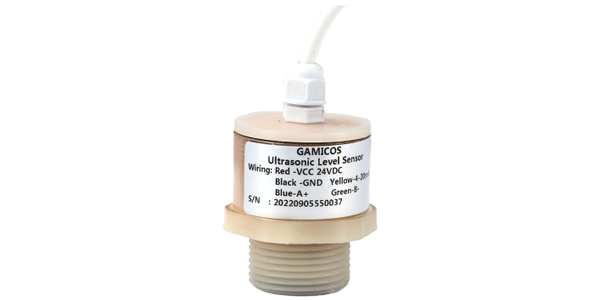
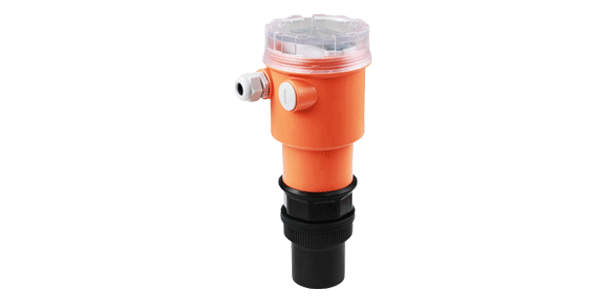
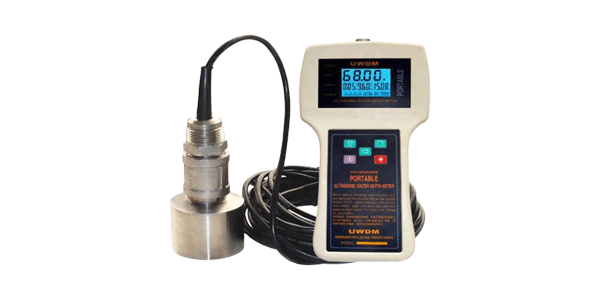
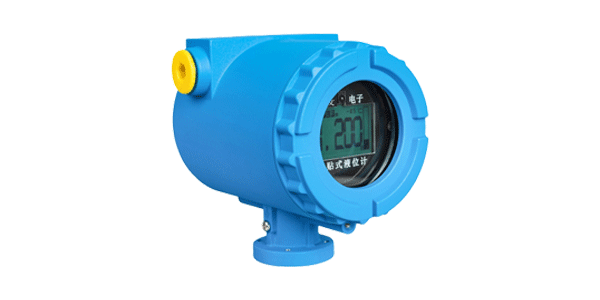
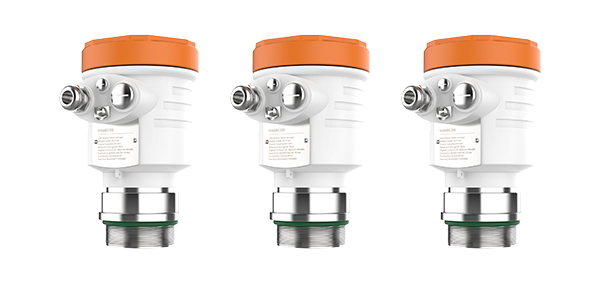

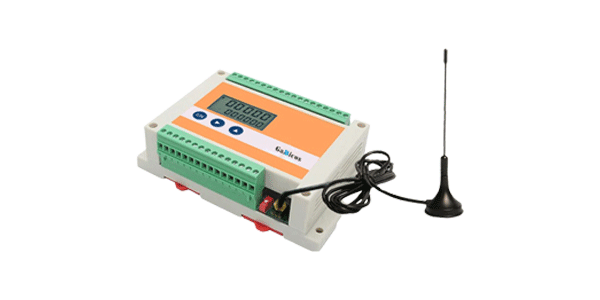
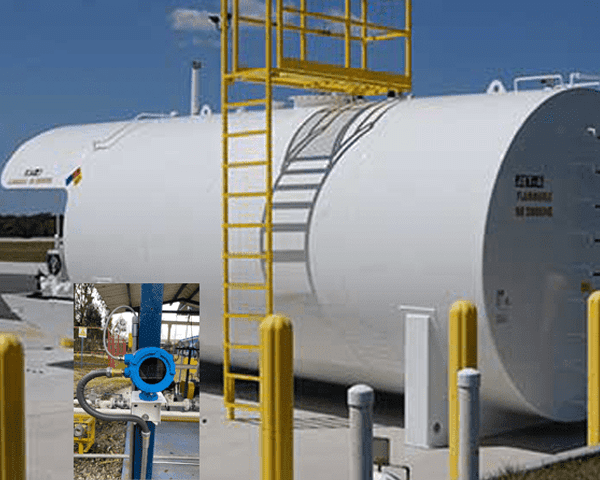






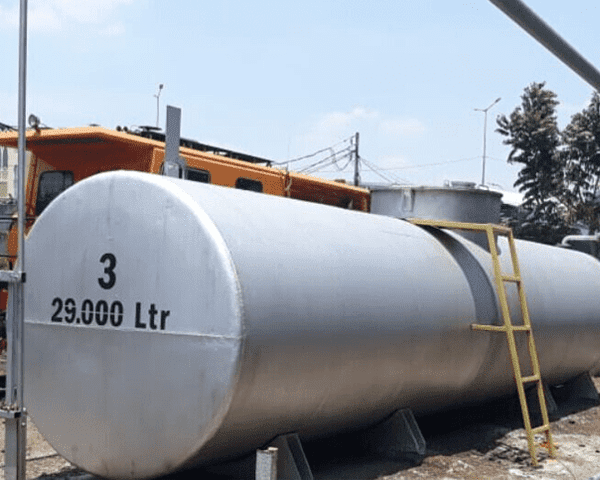




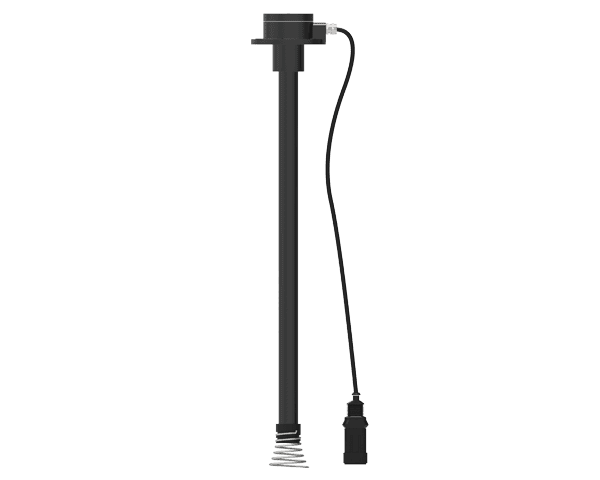
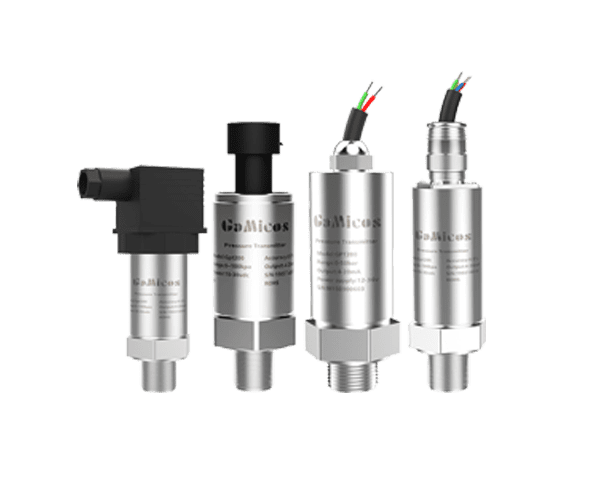
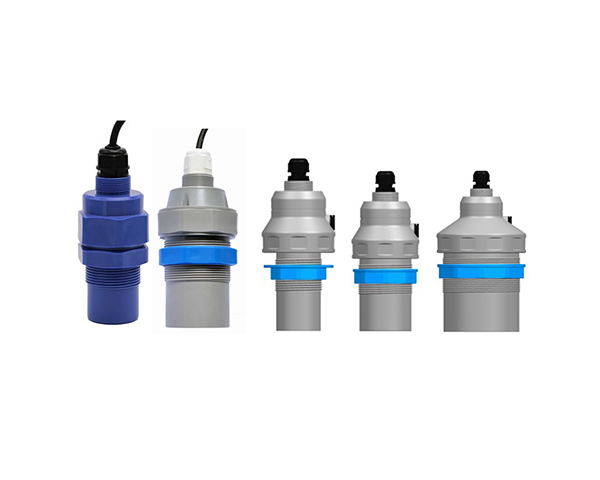
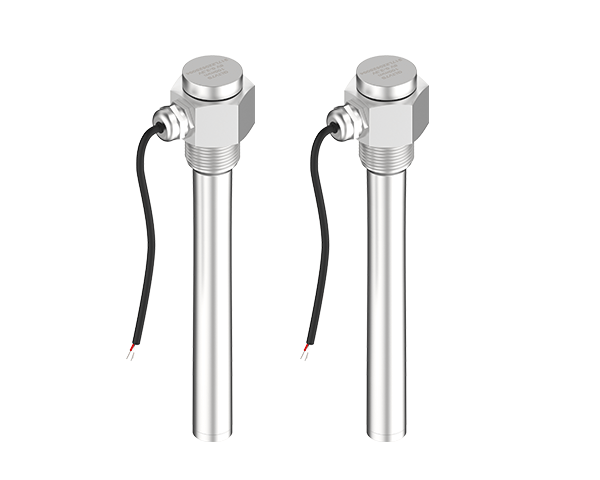
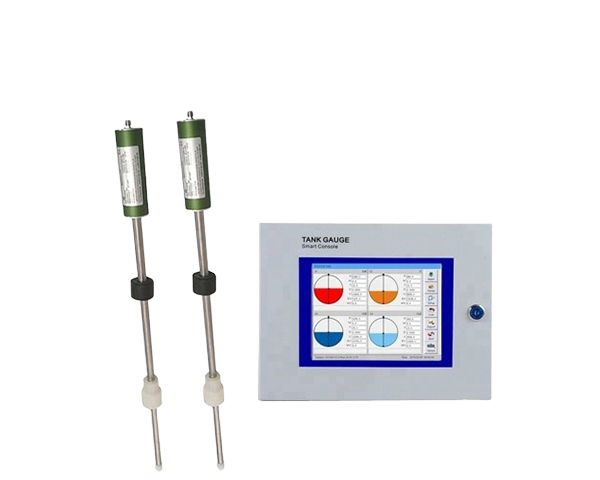
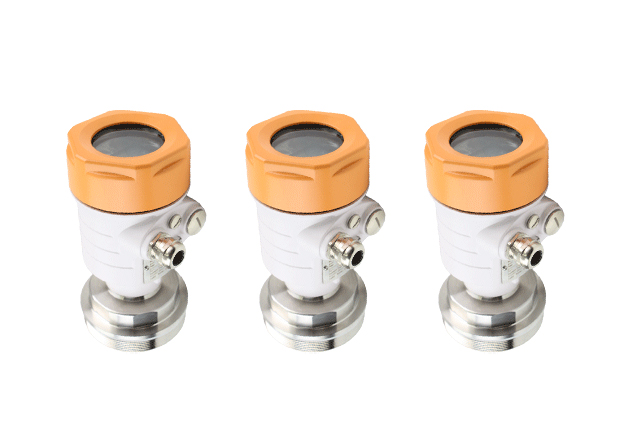
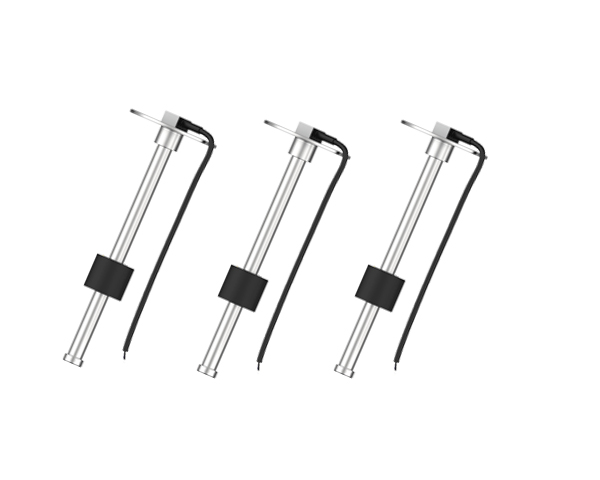
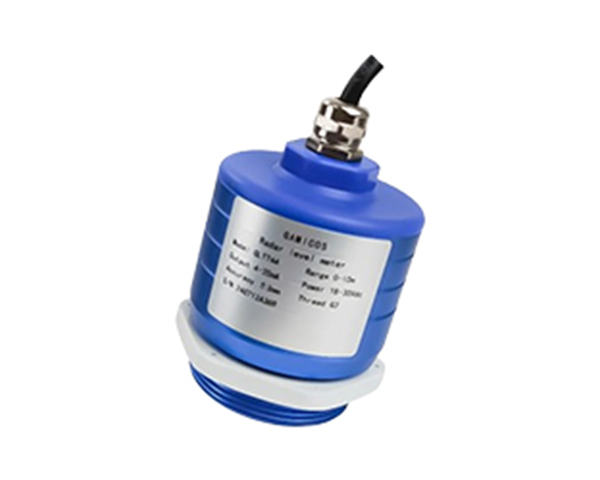
Fuel tank monitoring technology has advanced with magnetostrictive level sensors, which provide unparalleled accuracy for industrial applications. These sensors use magnetostrictive principles to deliver continuous, wear-free measurement with resolution up to 0.15mm — a dramatic improvement over traditional float switches or ultrasonic devices. The Magnetostrictive Level Sensor determines liquid location with remarkable precision by directing current pulses via a waveguide and identifying torsional waves produced when magnetic fields collide. For petroleum storage facilities, chemical plants, and fuel distribution networks, real-time inventory data directly affects operational effectiveness and safety compliance. This technology is essential.
Introducing Magnetostrictive Technology in Fuel Tank Monitoring
Procurement managers constantly struggle to balance environmental durability with high accuracy while managing gasoline supplies across industrial processes. Magnetostrictive measuring technology operates on a robust yet dependable concept. A stiff magnetostrictive wire within the probe tube generates circular magnetic fields in response to current pulses. As fuel levels fluctuate, a permanent-magnet float moves along this wire, creating axial magnetization where the two fields meet.
A torsional wave is created by this contact, traveling down the wire in both directions. One wave travels straight to the sensor head, while the other reflects off the bottom of the probe. The technology calculates the absolute location of the float by monitoring the exact transit time between pulse emission and wave arrival. This non-contact measuring method eliminates mechanical wear — a key advantage over conventional float sensors that degrade over time.
Advantages Over Conventional Level Measurement Technologies
When comparing magnetostrictive level sensors to other technologies, unique performance characteristics emerge. Ultrasonic sensors struggle with vapor interference and temperature shifts common in fuel tanks. Capacitive sensors require frequent recalibration due to dielectric variations across fuel grades. Conventional mechanical floats suffer from poor resolution and sticking issues.
Magnetostrictive technology solves these restrictions: foam, turbulence, and shifting fuel blends do not affect measurement. Temperature stability enables drift-free operation between -40°C and 70°C, eliminating recurring calibrations. Absolute position output ensures accurate readings immediately upon startup — unlike incremental encoders that need homing sequences. Seamless integration with SCADA/DCS systems is possible via 4-20mA, HART, Modbus, and fieldbus options.
Technical Specifications: GLT621/622 Series
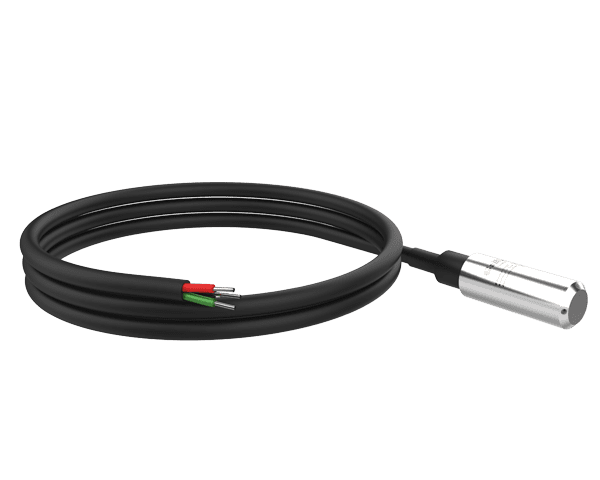
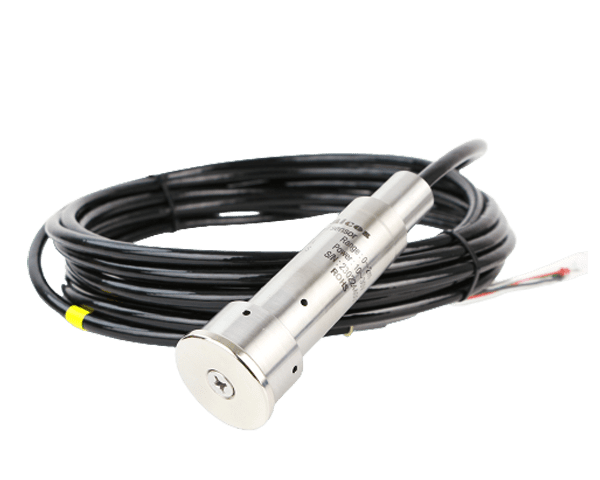
For challenging industrial environments, the GLT621/622 magnetostrictive linear level sensor represents sophisticated fuel monitoring capability. These sensors deliver continuous, reliable level indications even in harsh conditions, allowing real-time liquid level or interface monitoring with one or multiple floats. Probe fabrication options include rigid probes (up to 3m) and flexible cable designs for deeper tanks exceeding 3 meters. Corrosion-resistant rod materials meet demanding needs of petroleum refineries and chemical plants.
Practical Considerations for Selecting Magnetostrictive Sensors
Selecting the right level measurement solution demands careful evaluation of technical specifications against operational requirements. Accuracy criteria should be prioritized: resolution may vary from 0.5mm to 0.15mm depending on the model. Fuel compatibility becomes crucial because gasoline, diesel, jet fuel, biodiesel blends, and aviation kerosene present different density and dielectric characteristics.
Critical Selection Parameters for Industrial Applications
Installation environment heavily influences sensor decisions. Tank dimensions determine probe length — rod-type sensors for shallower tanks, cable-type for depths beyond 3 meters. Pressure ratings must align with tank design, especially for underground or pressurized systems. Communication protocol compatibility (Modbus RTU, HART, 4-20mA) ensures seamless integration with existing automation infrastructure. For hazardous areas, explosion-proof certifications such as ATEX, IECEx, or FM clearances are mandatory.
Evaluating Suppliers & Customization Capabilities
Leading manufacturers like Honeywell, Magnetrol, Siemens, and Emerson offer proven reliability. Specialist providers like GAMICOS offer competitive advantages with flexible customization and rapid technical assistance. Beyond dimensional needs, customization includes custom flanges, communication protocol adjustments for legacy systems, and specialized float designs for specific gravity ranges. Standard configurations typically ship in 2–4 weeks; custom-engineered solutions may require 6–8 weeks. Price ranges for magnetostrictive sensors vary: standard industrial-grade units ($400–$800), while extended-range with digital communication may exceed $2,000. Volume procurement often yields 15–25% cost reductions.
Implementing Magnetostrictive Level Sensors in Fuel Tank Systems
Successful deployment depends on meticulous installation and calibration. Vertical alignment is the most critical requirement — angular deviation introduces measurement errors as the float fails to travel parallel to the waveguide. Top-mounted installations typically offer optimal performance, simplifying maintenance.
Installation Best Practices & Common Challenges
Electromagnetic environment assessment is essential; maintain at least 500mm separation from motors, VFDs, or high-voltage equipment. Dedicated grounding prevents signal drift. Clearance distances of at least 150mm from tank walls and 200mm from internal structures prevent magnetic distortion. PTFE and Viton gaskets ensure chemical compatibility.
Common challenges include float binding, condensation in housing, and cable strain — mitigated via proper surface finishing, breather vents, and flexible cable loops. Document all installation parameters to establish baseline performance data.
Calibration Procedures & Maintenance Strategies
Initial calibration sets zero and span points. The GLT621/622 series allows user-adjustable calibration without factory returns — a valuable feature during tank modifications. Unlike capacitive or ultrasonic sensors that need quarterly recalibration, magnetostrictive sensors maintain stability without periodic adjustment. Recommended maintenance intervals extend to annual inspections, requiring about 30–45 minutes per sensor. Predictive maintenance monitors output signal stability and response times, identifying degradation before failures occur.
Integration with Fuel Management Systems
Modern fuel operations aggregate data from multiple tank locations via SCADA integration using Modbus RTU over RS-485, HART overlay, or analog loops. The GLT621/622 supports simultaneous analog and digital outputs. Configurable high/low alarms prevent overfills, rate-of-change monitoring detects abnormal consumption or leaks. Case studies from petroleum terminals show integrated magnetostrictive networks reduce fuel inventory variances from 2–3% to below 0.5%, directly improving financial reconciliation and loss prevention.
Value of Magnetostrictive Level Sensors for B2B Clients
Industrial fuel management demands precise inventory control to balance operational continuity, safety compliance, and financial accountability. A Magnetostrictive Level Sensor delivers measurable value across these dimensions. Petroleum terminals in desert climates with 50°C swings and coastal facilities exposed to salt spray both benefit from robust construction and stable measurement.
Operational Risk Reduction & Compliance Assurance
Undetected fuel leaks pose catastrophic risks — environmental liability, regulatory penalties, and remediation costs potentially exceeding millions. Continuous high-resolution monitoring enables early leak detection. The 0.15mm resolution detects volume changes as small as 0.5 liters in typical tanks, identifying slow leaks within hours. Magnetostrictive sensors satisfy EPA, NFPA, and international codes with documented accuracy. Reliability exceeds 99.9% with MTBF surpassing 10 years, reducing emergency maintenance and production losses.
Partner with GAMICOS for Superior Fuel Tank Monitoring
GAMICOS delivers magnetostrictive sensors engineered specifically for demanding fuel storage applications. The GLT621/622 series offers the precision, reliability, and customization flexibility your operations require. Comprehensive technical support from specification to commissioning.
Contact Our Engineering TeamGlobal distribution — North America, Europe, Asia & beyond
Long-Term Partnership Value & Technical Support
GAMICOS views sensor procurement as the beginning of a partnership. Engineering teams collaborate during specification, analyzing fuel characteristics, tank geometry, and environmental conditions to recommend tailored configurations. Responsive technical support includes remote diagnostics and system optimization guidance. As industrial digitalization evolves with IIoT and cloud analytics, GAMICOS develops future-ready platforms, protecting your technology investment while enabling Industry 4.0 migration.
Conclusion
Magnetostrictive level sensors have transformed fuel tank monitoring through precision measurement that conventional technologies cannot match. The combination of wear-free operation, exceptional accuracy, and harsh-environment resilience addresses critical needs across petroleum, chemical, energy, and industrial sectors. The GAMICOS GLT621/622 series exemplifies these advantages with customization flexibility and comprehensive support that facilitates successful implementation. As industrial operations increasingly demand reliable inventory data for safety compliance, efficiency, and financial accountability, magnetostrictive technology represents a proven, long-term solution.
References & Further Reading
- Johnson, M.R. and Thompson, K.L. (2021). "Advanced Level Measurement Technologies for Petroleum Storage Facilities." Journal of Industrial Instrumentation and Control, 48(3), pp.127-145.
- Anderson, P.W. (2020). "Magnetostrictive Sensor Technology: Principles and Industrial Applications." International Society of Automation Technical Press.
- Chen, H. and Rodriguez, S. (2022). "Comparative Analysis of Level Measurement Technologies in Hazardous Environments." Process Safety and Environmental Protection, 156, pp.88-102.
- Williams, D.A. (2019). "Fuel Inventory Management Systems: Technology Selection and Implementation Strategies." Energy Storage and Distribution Management Quarterly, 12(2), pp.34-51.
- Martinez, J.L. and O'Brien, T.P. (2023). "Non-Contact Measurement Systems for Liquid Level Detection in Chemical Processing." Chemical Engineering Technology Journal, 45(1), pp.215-229.
- Schmidt, R.J. (2021). "Precision Instrumentation for Fuel Terminal Operations: Best Practices and Technology Trends." Petroleum Equipment and Technology Conference Proceedings, Houston, TX, pp.412-428.