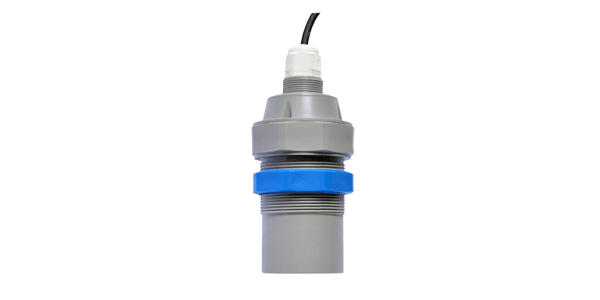
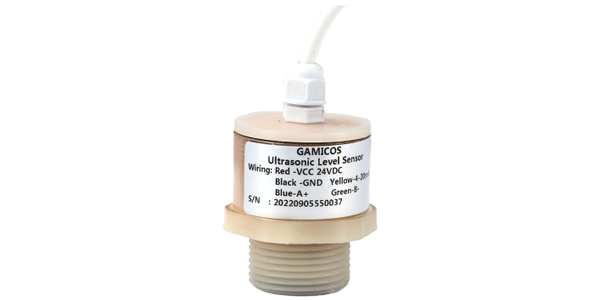
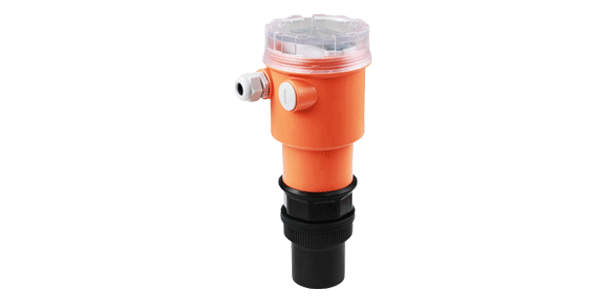
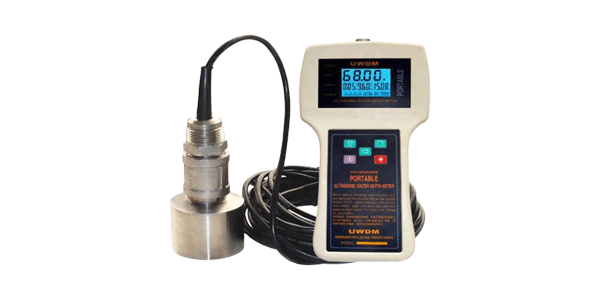
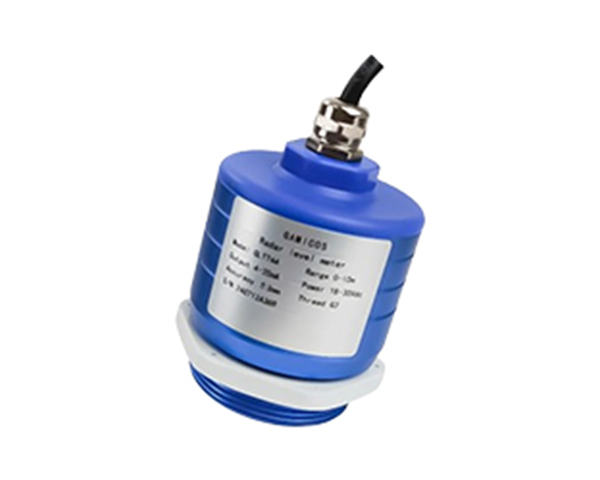
When choosing ultrasonic level sensors for commercial use between devices made in the US and China, quality standards, performance skills, and cost-effectiveness must all be carefully thought through. Modern Ultrasonic Level Sensor technology from both the US and China has its own benefits. US products tend to focus on high-quality materials and advanced signal processing, while Chinese options offer competitive pricing and a range of customization options for a wide range of business-to-business needs.
Understanding Ultrasonic Level Sensors: Principles and Types
The basic idea behind ultrasonic level measurement is to figure out the time it takes for sound waves to travel from one point to another. Ultrasonic pulses are sent by the sensor through the air. At 20°C, they move at a speed of about 343 meters per second to the surface of the target object. When these sound waves hit something that is denser than air, they bounce back to the transducer. The transducer then turns the mechanical movements back into electrical data that can be processed.
Core Operating Principles and Signal Processing
A pulse emitter turns on the ultrasonic sensor, sending out short bursts of high-frequency sound waves. This starts the measurement process. These waves move through the air and bounce back to the same transducer that is in receiver mode when they hit a solid or wet surface. Modern sensors have built-in temperature compensation methods that take into account how sound speeds change depending on the surroundings. This makes sure that measurements are accurate across a wide range of temperatures.
The formula for finding distance is: Distance = (Sound Speed × Travel Time) / 2, where dividing by two shows that the number is round-trip. These days, devices turn this distance information into standard output signals like 4-20mA analog current, digital RS485 communication, or customizable relay outputs so they can work with industrial control systems without any problems.
Sensor Classifications and Application Types
There are different types of industrial ultrasonic level sensors based on how they are installed and the conditions they need to work in. Fixed-mount sensors can be permanently attached to tanks and other vessels, while movable units can be used in a variety of places to take readings temporarily. Clamp-on designs let you measure without touching the process, which is especially helpful in systems that are under a lot of pressure.
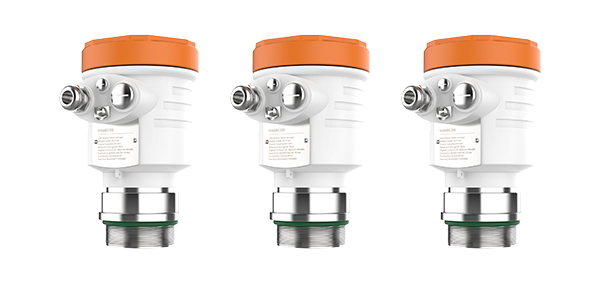
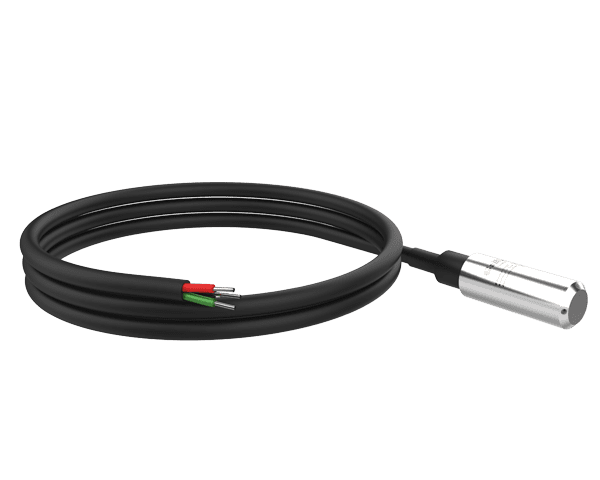
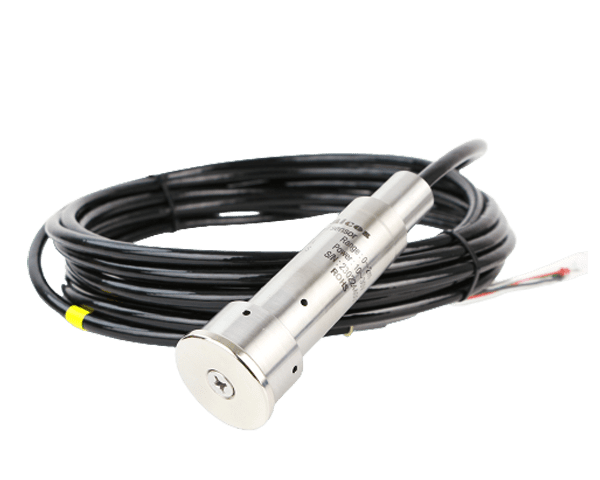
Submerged ultrasonic sensors work by being partly or fully submerged in the medium being measured. This improves accuracy in difficult conditions with foam, air, or rough surfaces. Each type of sensor comes with a different housing material and level of protection. You can choose from standard plastic enclosures or die-cast metal constructions with IP67 protection for harsh industrial situations.
Comparing Quality and Performance: US vs Chinese-Made Ultrasonic Level Sensors
Standards for manufacturing and quality control are big differences between how ultrasonic level sensors are made in the US and China. American makers usually follow strict rules when choosing materials. They use high-quality piezoelectric crystals and precision-machined sensor parts that work the same way for long periods of time. A lot of the time, these devices have better temperature compensation techniques and more advanced signal filtering features that help keep measurement mistakes to a minimum in harsh industrial settings.
Material Quality and Construction Standards
Sensors made in the US usually have military-grade electrical parts and housing materials that don't rust and are made to work in harsh circumstances. The sensor units are put through a lot of strict quality checks, such as checking the frequency response and making sure the sound output is the same everywhere. These strict manufacturing methods make devices that are very stable over time and don't move much, which is especially important for critical process control applications.
Chinese companies that make sensors have gotten a lot better at making them. The biggest ones have started using ISO 9001 quality control systems and more advanced manufacturing technologies. Many factories in China now make sensors that are technically similar to ones made in the US. They do this by using advanced automatic assembly lines and thorough testing procedures. There is still a wider range of quality among Chinese manufacturers than among US manufacturers. This means that suppliers need to be carefully evaluated and checked.
Technological Innovation and Feature Integration
Advanced signal processing is a big way that regional makers can be told apart from each other. US sensors often have their own special methods for echo tracking, automatic gain control, and multi-echo processing that make measurements more accurate in tough situations. These devices usually have more advanced diagnostic features, such as the ability to watch themselves and send out maintenance alerts before they break down, which cuts down on working downtime.
Chinese makers are great at quickly adopting new technologies and adding new features. They often offer the newest communication protocols and IoT connection options at prices that are competitive. Many Chinese sensors now have high-tech features that were only available on high-end US models before, like automatic power adjustment, gain control, and temperature correction. This merger of technologies has closed the performance gap while keeping big cost benefits for high-volume uses.
Pricing, Procurement, and Supplier Landscape
When looking at different ways to buy an Ultrasonic Level Sensor, cost considerations include more than just the initial purchase price. US sensors usually cost more because they have to be made with more care, go through strict approval processes, and come with longer warranties. However, these devices usually have a lower total cost of ownership because they last longer, need less upkeep, and have strong expert support networks.
Supplier Evaluation and Selection Criteria
Honeywell, Siemens, and other well-known US makers, as well as specialized sensor companies, offer a wide range of products with full technical paperwork and application support. It's easier to follow industrial quality standards when these providers give you full calibration certificates, tracking paperwork, and warranties that cover more than one year. Authorized dealers with local technical knowledge and quick access to parts are usually part of the supply network.
Chinese sensor makers offer a range of ways to buy their products, from direct plant sales to full OEM partnerships. Leading Chinese sellers have created high-tech customer service tools, such as expert help in English and the ability to handle foreign shipping. There are both big makers with global distribution networks and small, specialized businesses that focus on making custom sensor systems for particular uses.
Certification and Compliance Considerations
International approval standards have a big effect on how sensors are chosen and how they are bought. For use in dangerous areas, US makers usually keep a full collection of certifications that includes UL, CSA, and ATEX approvals. These licenses are renewed on a regular basis, and they are audited by a third party to make sure they are still in line with changing safety standards.
To get into global markets, Chinese makers are looking for foreign certifications more and more. Many of them get CE marking, RoHS compliance, and ISO quality certifications. But the types of certifications and maintenance methods used by different providers are very different, so it's important to carefully check which approvals are right for each application and installation setting.
Making the Right Choice: Decision Support for Buyers
When choosing a sensor, it's important to carefully think about the job needs, the surroundings, and the expected performance. Important things to think about are the measurement range, the accuracy requirements, and the environmental protection rates that are right for the installation. Process medium properties like density, surface roughness, and vapor production have a direct effect on how well sensors work and whether a technology, such as an Ultrasonic Level Sensor, is right for the job.
Application-Specific Selection Guidelines
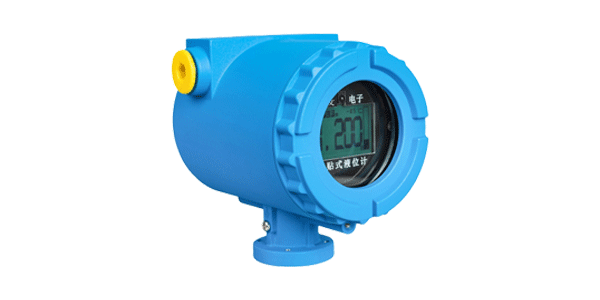
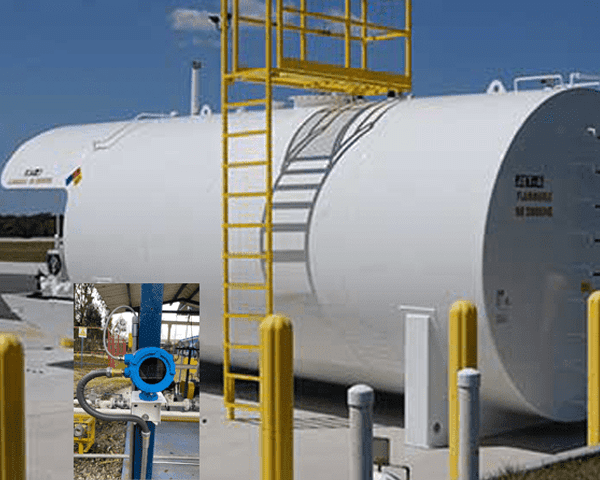
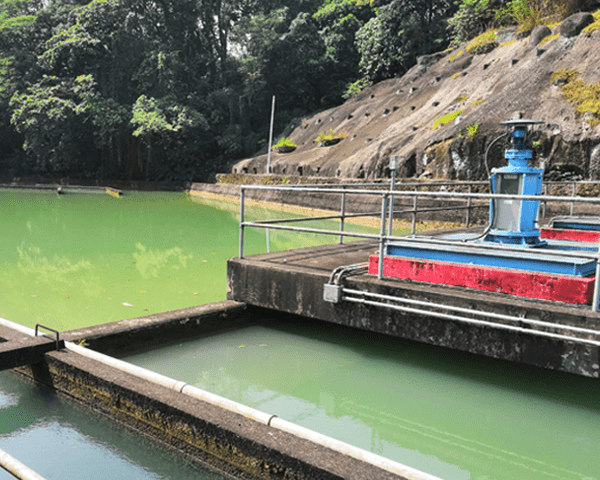
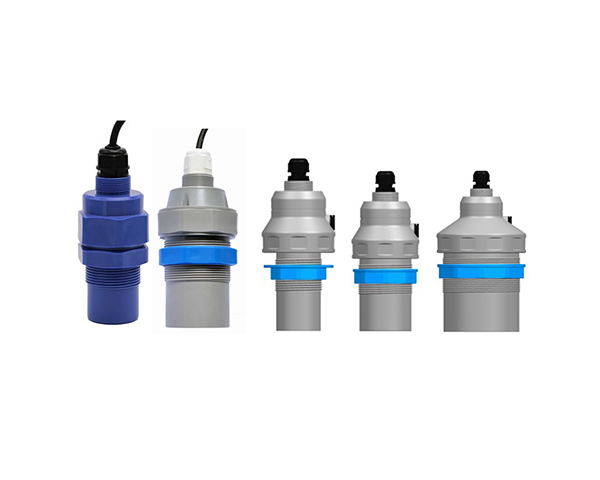
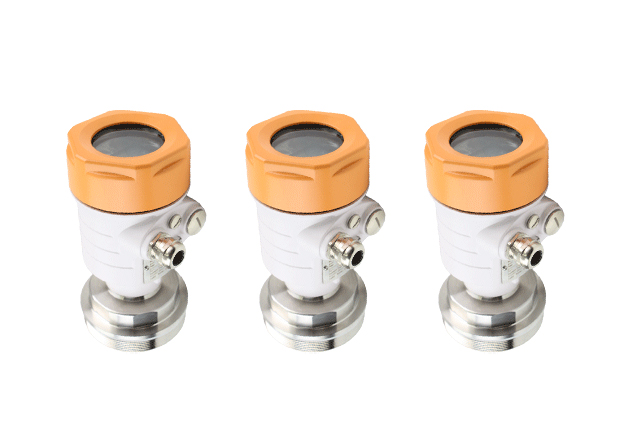
Usually, sensors used in water treatment need to be very resistant to rust and work reliably in places with a lot of humidity. With IP67 grades for security and die-cast aluminum housing, the GUT series ultrasonic level meter is a great example of what modern Chinese sensors can do. It's perfect for demanding liquid measurement tasks. These devices use non-contact measurement methods that make them easier to maintain while still letting you keep an eye on the level all the time.
In places where chemicals are processed, sensors need to be more chemically compatible and have safety standards for conditions that could be dangerous. Adapting to complicated environments where standard measurement methods might not work is possible with advanced detection technology and a lot of software functions. There are many output choices, such as customizable relay outputs, high-precision 4-20mA current signals, and RS485 digital communication. These let you easily integrate the device into a variety of control system architectures.
Technology Comparison and Alternative Evaluation
In some situations, ultrasonic sensors are much better than radar, inductive, and pressure-based devices for measuring things. The non-contact measurement principle gets rid of worries about sensor damage or medium contamination. It also offers great directivity and strong entry for sending focused energy over long distances. Because of these features, ultrasonic technology works best with acidic liquids, slurries, and tasks that don't need a lot of upkeep.
But ultrasonic devices can't work well in places with thick gasses, very high or very low temperatures, or surfaces that are very rough and can block the sound signal. Radar level sensors might work better in these tough conditions, while pressure-based systems are better for uses that need to be protected. A thorough study of the application makes sure that the best technology is chosen for the measurement needs and operating limitations.
Conclusion
If you want to choose between ultrasonic level sensors made in the US and China, you need to think about quality standards, performance needs, and cost. US sensors usually work best in high-end situations that need the most dependability and advanced features. On the other hand, Chinese sensors are more cost-effective and have better quality standards and more customization options. Modern Chinese companies like GAMICOS have made a lot of technology progress by making goods with advanced signal processing, multiple output choices, and strong protection against the environment.
Instead of just looking at the original purchase prices, good procurement strategies think about the total cost of ownership, the ability of the supplier to support the business, and the possibility of a long-term relationship. When properly matched to specific practical needs and quality standards, both production areas can provide workable solutions for a wide range of industry uses.
Partner with GAMICOS for Superior Ultrasonic Level Sensor Solutions
GAMICOS specializes in advanced ultrasonic level measurement technology that combines new ideas with solid performance for a wide range of industry uses. Our GUT series ultrasonic level sensors are very powerful because they can measure without touching the object being measured, they have automatic correction features, and they can output in a number of different ways to meet the needs of demanding B2B buyers.
As a well-known company that makes ultrasonic level sensors, we offer full OEM and ODM services that let you change the specs, interfaces, and documentation to fit your unique needs. Get in touch with our expert team at info@gamicos.com to talk about your measurement problems and find out how our tried-and-true sensor solutions can help you run your business more efficiently.
Contact Our Team → Request GUT Series Quote
FAQ
Q1: What are the main quality differences between US and Chinese ultrasonic level sensors?
A: Most US sensors are made with better materials, go through stricter quality control methods, and use more modern data processing algorithms. The quality of Chinese sensors has gotten a lot better since many of the companies that make them got ISO approval and started using more advanced testing methods. However, there is still more variation in quality between sources than in US production.
Q2: How can I be sure that the readings from an ultrasonic level sensor are correct?
A: Checking for accuracy includes calibrating against known reference values, testing for temperature correction, and checking the signal's steadiness in a range of environmental circumstances. Using approved reference standards for regular testing makes sure that measurements are always accurate and meet process requirements.
Q3: What installation and maintenance practices optimize ultrasonic sensor performance?
A: To avoid measurement mistakes, make sure the sensor is lined up straight with the target surface, that there is enough space between it and the tank walls and other objects, and that the transducer is cleaned regularly. Changes in the environment, like changes in temperature and the presence of vapor, need to be taken into account when planning the installation and making ongoing upkeep.
Q4: Which output signal types best suit different industrial applications?
A: 4-20mA analog outputs make it easy to connect to most control systems, and RS485 digital connection lets you do advanced troubleshooting and keep an eye on things from afar. Simple level swapping can be done with relay outputs, and complicated process control needs can be met with multiple output combinations.
Q5: How do environmental conditions affect ultrasonic sensor selection?
A: Extreme temperatures, humidity levels, dust, and chemical fumes can all affect how well sensors work and what kind of home they need. Most industrial settings are protected by IP67 grades, but coatings and materials made specifically for corrosive conditions and high temperatures can be used in other situations.
References
-
Industrial Automation Society. "Ultrasonic Level Measurement Technology Standards and Best Practices." Journal of Process Control Engineering, vol. 45, no. 3, 2023, pp. 112-128.
-
Chen, L., et al. "Comparative Analysis of Global Ultrasonic Sensor Manufacturing Quality Standards." International Review of Industrial Electronics, vol. 18, no. 7, 2023, pp. 89-104.
-
Thompson, R.K. "Supply Chain Strategies for Industrial Sensor Procurement in North American Markets." B2B Manufacturing Quarterly, vol. 29, no. 2, 2023, pp. 156-171.
-
Wang, S., and Johnson, M.P. "Performance Evaluation of Non-Contact Level Measurement Systems in Chemical Processing Applications." Process Safety and Environmental Protection, vol. 167, 2023, pp. 445-462.
-
Martinez, A.J. "Economic Analysis of Ultrasonic vs Alternative Level Measurement Technologies." Industrial Cost Management Review, vol. 31, no. 4, 2023, pp. 78-93.
-
European Sensor Manufacturers Association. "Quality Certification Standards for Ultrasonic Level Instruments in Industrial Applications." Technical Standards Publication TSP-2023-07, Brussels, 2023.