

Level Measurement · Selection Guide
Selecting the right submersible level sensor is a critical decision for any fluid management system. Whether you are managing a municipal water supply, monitoring a chemical processing tank, or overseeing a deep-well irrigation project, an inaccurate or incompatible sensor can lead to costly downtime, environmental hazards, or equipment failure. For engineers and procurement professionals, the challenge lies in balancing technical specifications with long-term reliability and budget constraints.
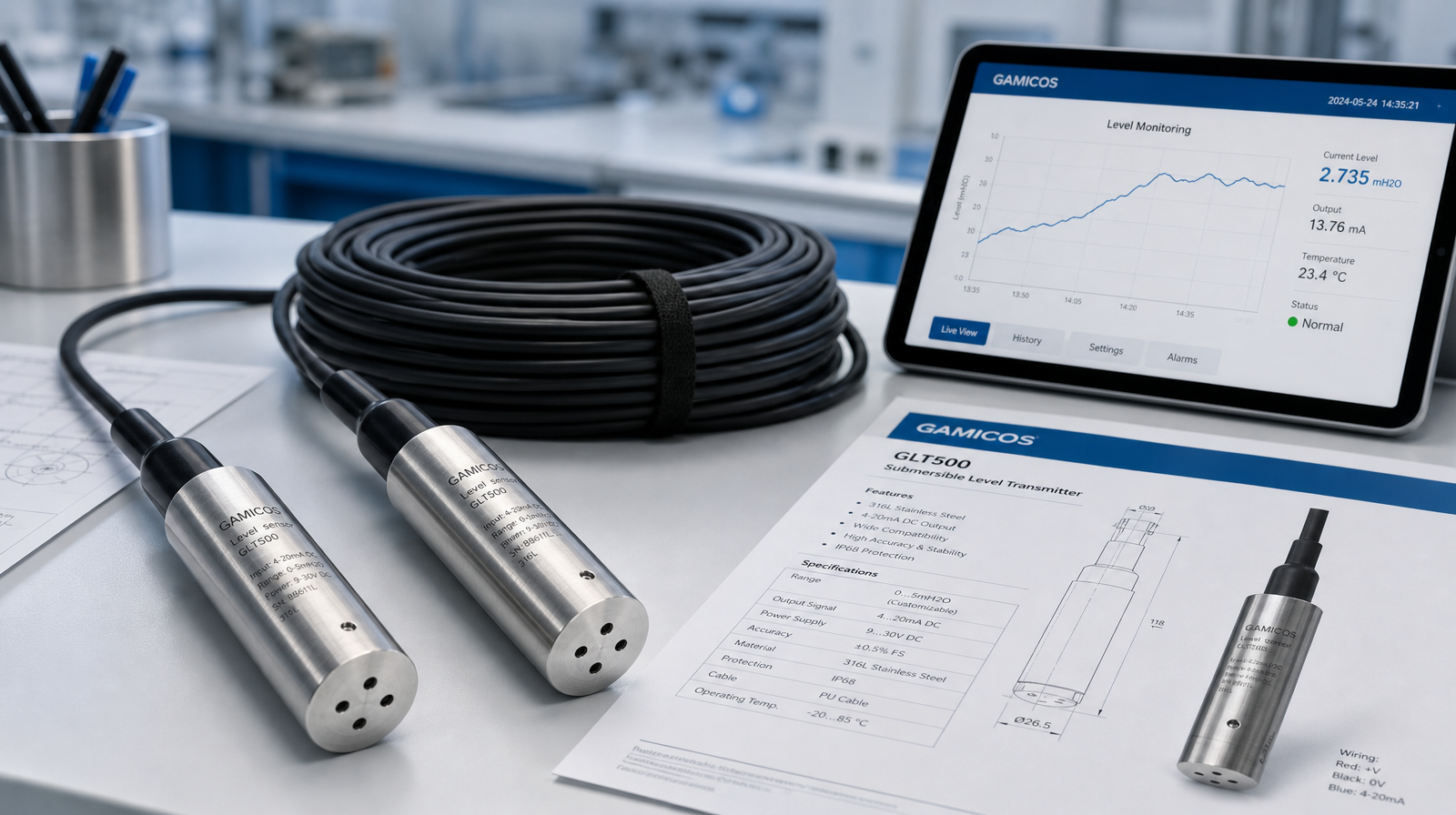
To simplify this process, we have distilled the selection criteria into five actionable steps. By systematically evaluating your application’s specific needs, you can ensure a precise match between your operational requirements and the sensor’s capabilities. Throughout this guide, we will highlight how versatile solutions, such as the GLT500 series from GAMICOS, address these common industrial challenges.
Step 1: Identify the Liquid Medium
The chemical and physical properties of the liquid you are measuring dictate the materials and design of the sensor. Using an incompatible sensor can result in rapid corrosion, membrane degradation, or sensor failure.
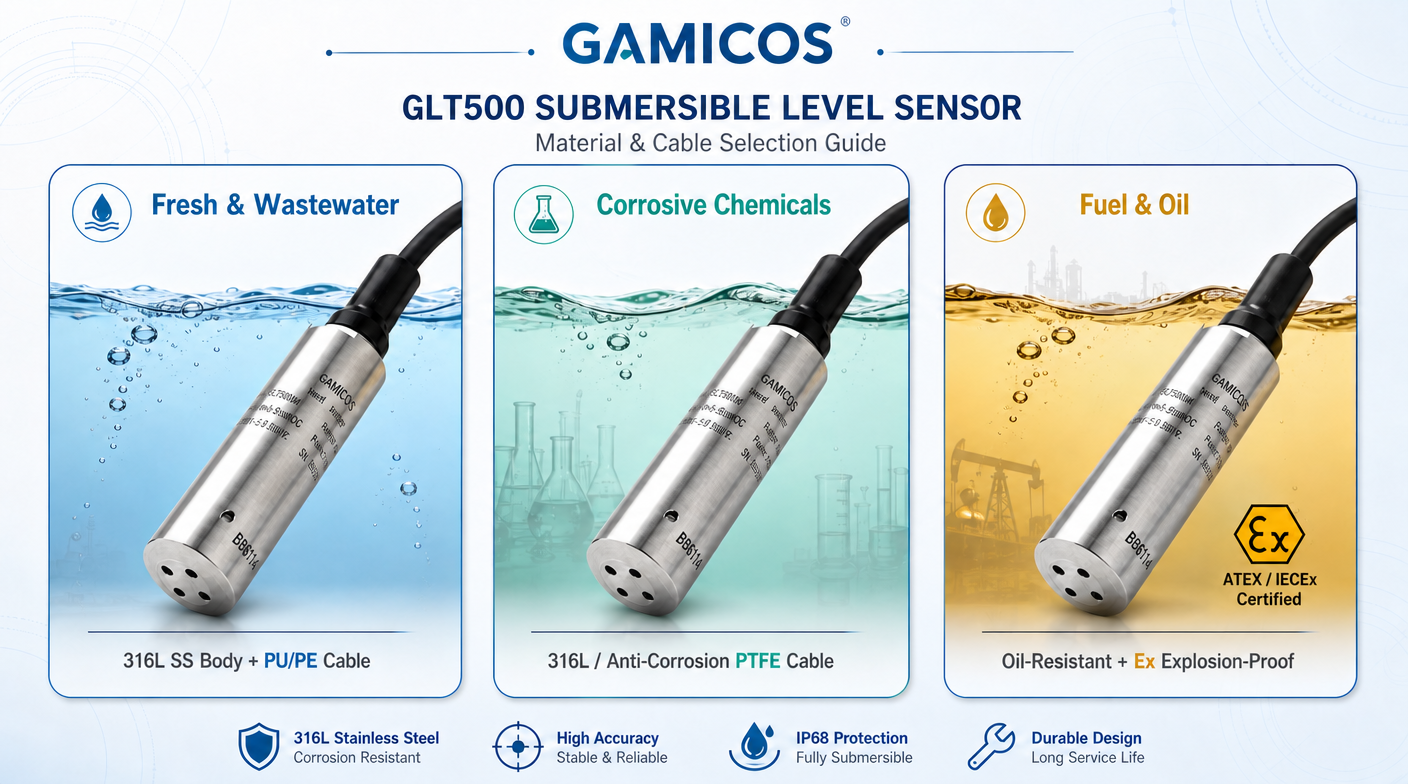
Fresh Water and Wastewater
For standard water applications, including drinking water, groundwater, and general wastewater, standard stainless steel housings are typically sufficient. However, wastewater often contains abrasive particulates or mild corrosives. In these cases, ensuring the sensor has a robust housing and a protected pressure diaphragm is essential to prevent mechanical wear and chemical attack.
Chemicals and Aggressive Liquids
When measuring aggressive chemicals, acids, or caustic solutions, material compatibility is paramount. Standard 304 stainless steel may corrode quickly. You must specify sensors with wetted parts made from high-grade alloys like 316L stainless steel, Hastelloy, or titanium. Additionally, the cable jacket material must be chemically resistant; options like PTFE or specialized polyurethanes are often required to prevent cable degradation over time.
Fuel and Oil Applications
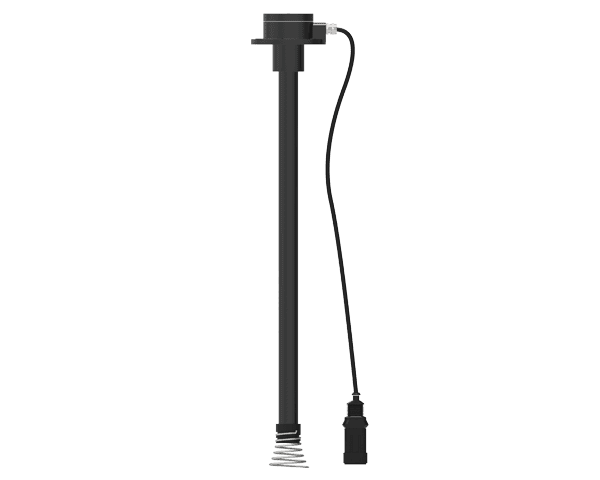
Hydrocarbon-based liquids require sensors specifically designed to prevent spark ignition and resist oil-based degradation. Fuel level sensors must meet strict safety standards and often feature specialized seals and coatings to prevent swelling or dissolution of internal components when exposed to diesel, gasoline, or lubricating oils.
Step 2: Determine the Required Pressure Range
Submersible level sensors operate by measuring hydrostatic pressure. Therefore, accurately calculating the required pressure range is fundamental to achieving optimal resolution and accuracy.
The pressure exerted by a liquid column is directly proportional to its height and density. For water, 1 meter of head equals approximately 0.1 bar (or 100 mbar). When selecting a range, it is best practice to choose a sensor whose maximum range slightly exceeds your maximum expected liquid level. This provides a safety buffer against unexpected surges or overfilling.
For example, if your tank is 15 meters deep, a sensor with a 0~20mH2O range is appropriate. Over-ranging can reduce resolution, while under-ranging risks permanent damage. Modern sensors, like the GLT500, offer wide range coverage (from 0~1mH2O up to 200mH2O) and built-in overload protection (up to 150% FS), providing a safety margin that accommodates pressure spikes without compromising measurement integrity.
Step 3: Match the Output Signal to Your System
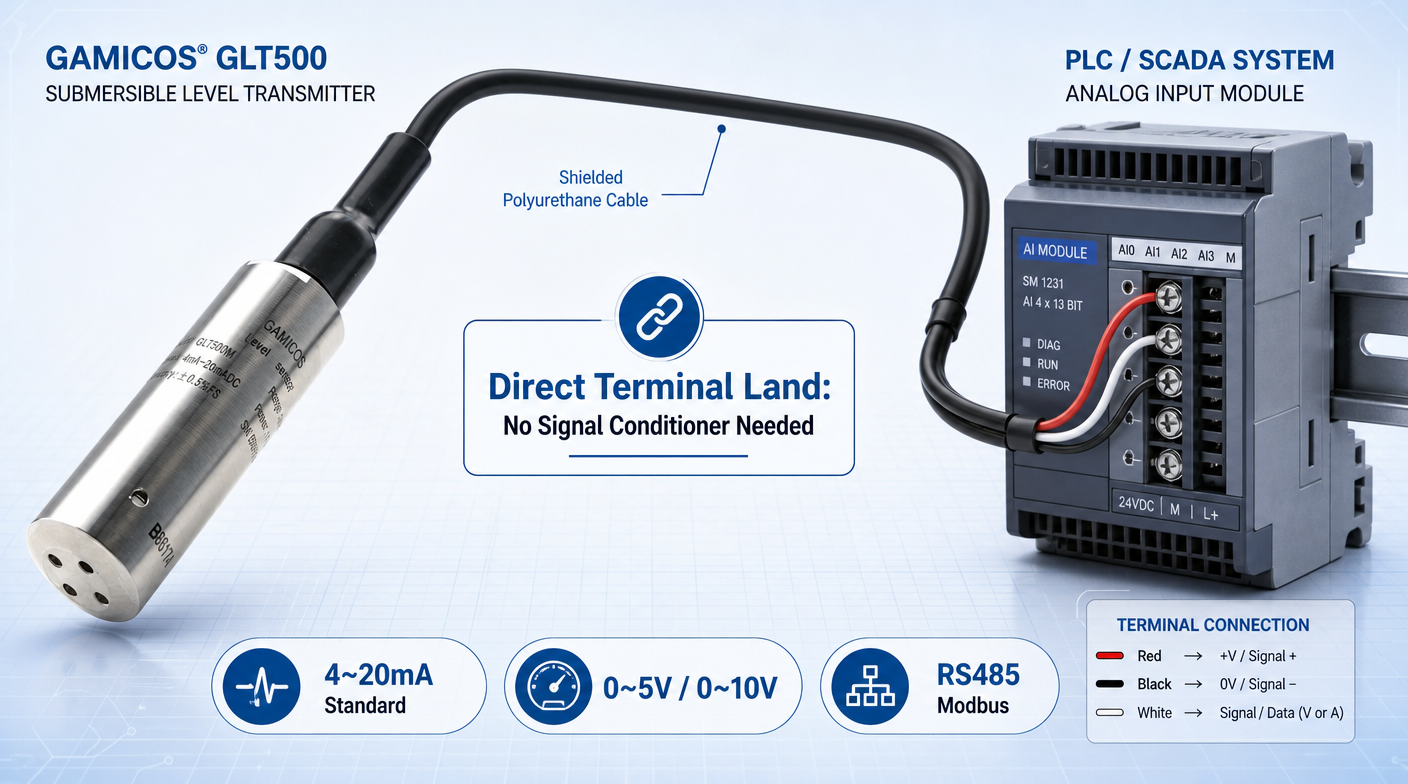
The sensor’s output signal must seamlessly integrate with your existing data acquisition system, PLC, or SCADA. Mismatched signals require additional signal conditioners, which introduce potential points of failure and increase costs.
Common output signals include:
- 4~20mA: The industry standard for long-distance transmission due to its immunity to electrical noise and voltage drop.
- 0~5V / 1~5V / 0.5~4.5V: Ideal for short-distance connections to microcontrollers or specific PLC analog inputs.
- 0~10V: Often used in older industrial systems or specific motion control applications.
- RS485: A digital communication protocol that allows multiple sensors to be daisy-chained on a single bus, reducing wiring complexity in large-scale monitoring networks.
When evaluating options, look for sensors that offer multi-output flexibility. The GLT500 series, for instance, supports all the above signals from a single platform, allowing engineers to standardize on one sensor model across diverse projects while accommodating varying control system architectures.
Step 4: Evaluate Environmental and Certification Requirements
The operating environment extends beyond the liquid itself. Ambient conditions, safety regulations, and installation constraints heavily influence sensor selection.
IP Rating and Housing Material
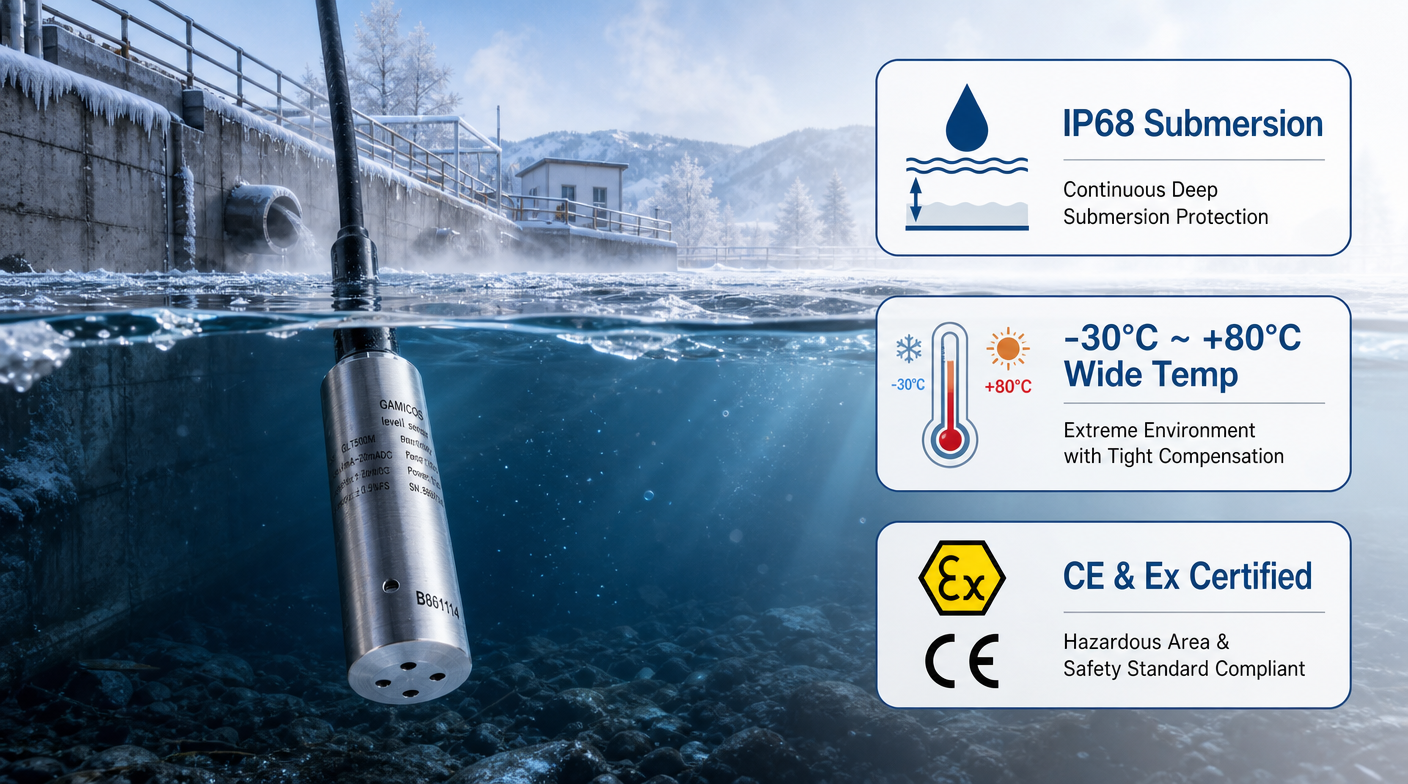
Submersible sensors must be fully waterproof. An IP68 rating is the baseline requirement, ensuring complete protection against dust and continuous submersion. The housing material should match the environmental corrosion potential. For harsh environments, 316L stainless steel is the industry standard for all wetted parts, offering superior resistance to saltwater, chlorides, and industrial effluents.
Temperature Considerations
Extreme temperatures can affect both the sensor’s electronics and its mechanical integrity. Verify both the operating temperature range and the compensated temperature range. High-quality sensors maintain accuracy across wide thermal swings. For example, a sensor rated for -30~80°C operation with temperature compensation from -10~70°C ensures reliable readings in both freezing winters and hot industrial summers, with minimal thermal drift (e.g., ±0.03%FS/°C).
Explosion-Proof and Safety Certifications
In environments where flammable gases, vapors, or combustible dust may be present, explosion-proof certification is non-negotiable. Look for internationally recognized certifications such as CE, ATEX, or IECEx. These certifications validate that the sensor has been rigorously tested to prevent ignition in hazardous areas, protecting both personnel and facilities.
Step 5: Assess Long-term Stability and Vendor Support
A sensor’s initial accuracy is only part of the equation. Long-term stability determines the total cost of ownership by dictating maintenance and recalibration intervals.
High-quality submersible sensors exhibit minimal drift over time. A long-term stability specification of ±0.2%FS/year means the sensor will maintain its accuracy for years without intervention, significantly reducing lifecycle costs. Equally important is vendor support. Choose manufacturers that offer comprehensive technical documentation, responsive engineering support, and OEM customization capabilities. Companies like GAMICOS, which integrate R&D, manufacturing, and sales, can provide tailored solutions (such as custom cable lengths or specialized materials) that off-the-shelf competitors cannot match.
Why the GAMICOS GLT500 Fits All Five Steps
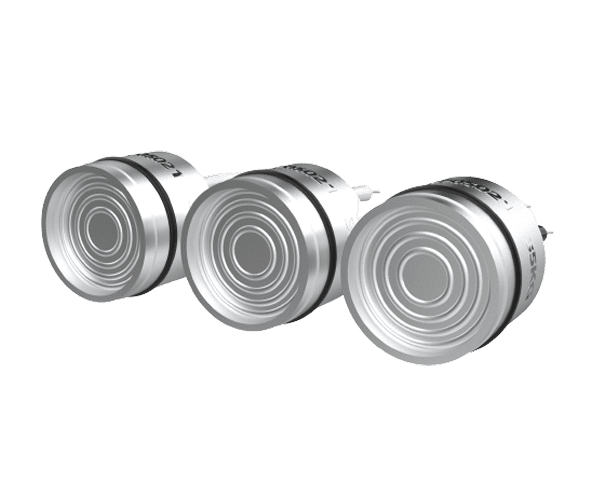
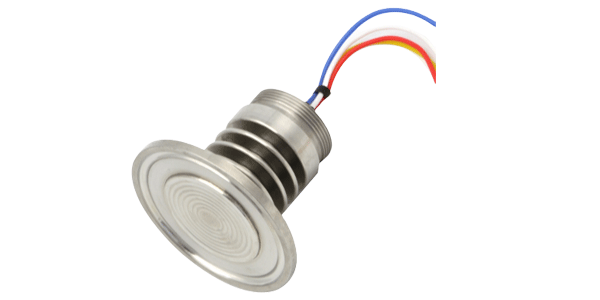
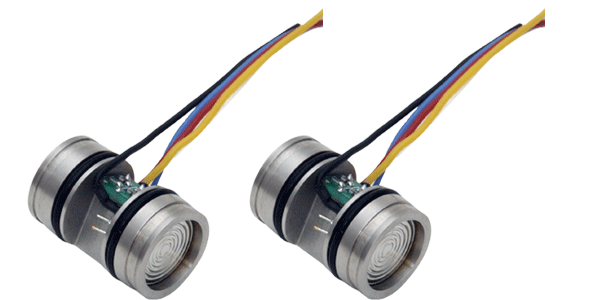
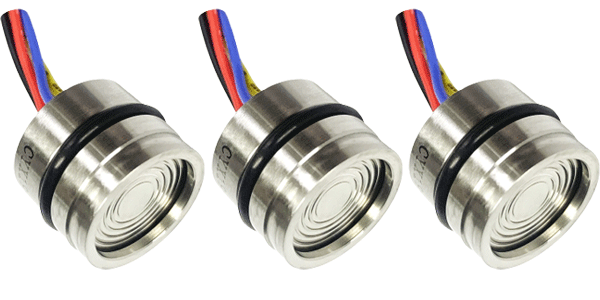
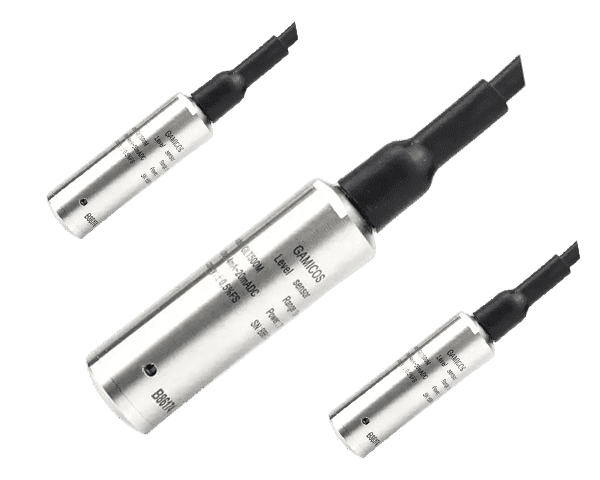
The GLT500 submersible level transmitter was engineered to address the exact challenges outlined in this selection guide, making it a versatile choice for demanding applications.
Medium Compatibility
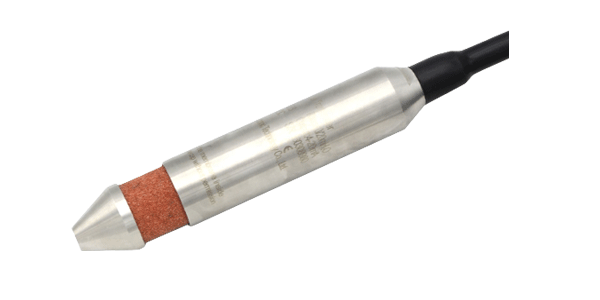
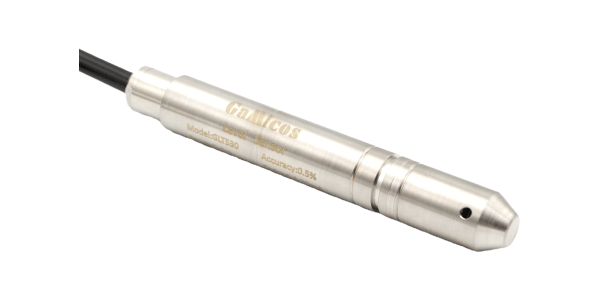
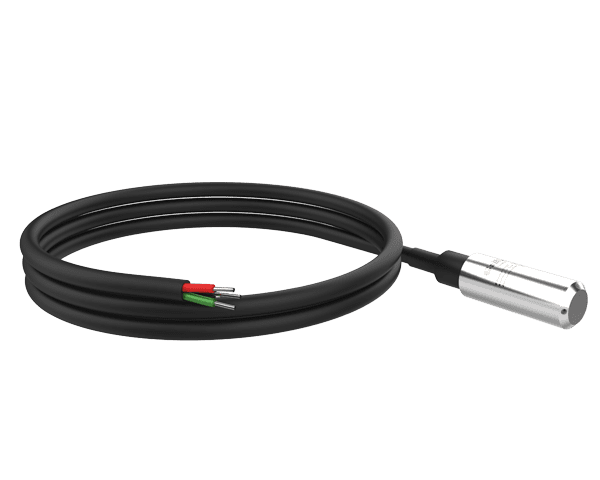
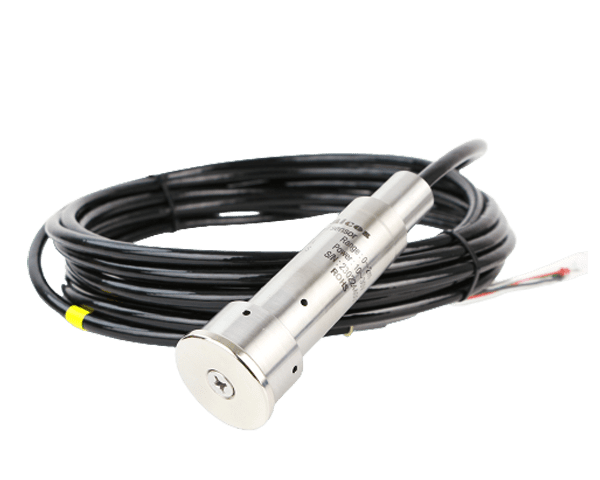
With all wetted parts constructed from 316L stainless steel and optional PE/PU/PTFE cable jackets, the GLT500 handles fresh water, sewage, seawater, and many industrial liquids with confidence.
Pressure Range Coverage
Covering ranges from 0~1mH2O to 200mH2O with 150% overload protection, it accommodates everything from shallow sumps to deep wells while safeguarding against pressure surges.
Signal Flexibility
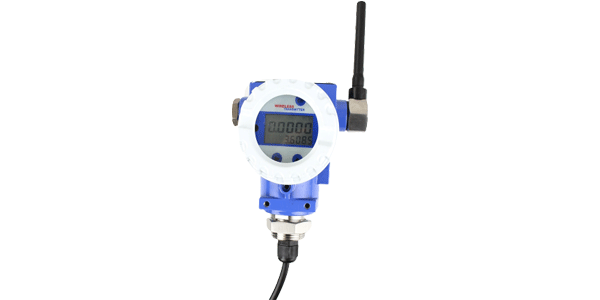
Available in 4~20mA, 0~5V, 1~5V, 0.5~4.5V, 0~10V, and RS485 outputs, it integrates with virtually any control architecture without external signal conditioning.
Environmental Robustness
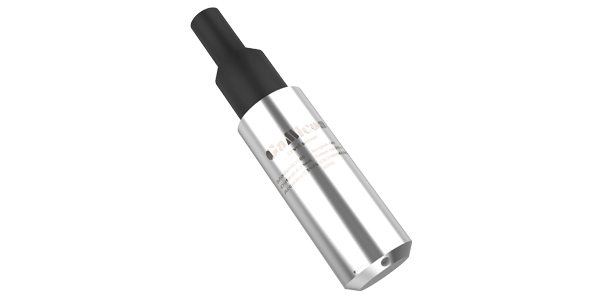
Rated IP68 with a compact Φ27mm diameter, it operates reliably from -30~80°C. Its tight temperature compensation (-10~70°C) and low thermal drift ensure precision in extreme climates.
Certification and OEM Support
CE certified and available with explosion-proof options, the GLT500 meets stringent safety standards. Backed by GAMICOS’s in-house R&D and manufacturing, it supports OEM customization for unique application requirements.
Quick Selection Comparison Table
The five criteria above map directly onto the GLT500 specification sheet:
| Selection Criteria | Key Considerations | GLT500 Capability |
|---|---|---|
| Liquid Medium | Chemical compatibility, abrasion resistance | 316L SS wetted parts; PE/PU/PTFE cables |
| Pressure Range | Max head, density, overload safety | 0~1 to 200mH2O; 150% FS overload |
| Output Signal | PLC/SCADA compatibility, wiring distance | 4-20mA, 0-5V, 1-5V, 0.5-4.5V, 0-10V, RS485 |
| Environment | IP rating, temperature, hazardous areas | IP68; -30~80°C; CE/Ex certifications |
| Long-term Value | Drift, recalibration, vendor support | ±0.2%FS/year stability; OEM customization |
Conclusion
Selecting a submersible level sensor does not have to be a guessing game. By methodically evaluating the liquid medium, pressure range, output signal, environmental requirements, and long-term stability, you can make a confident, data-driven decision that ensures reliable operation for years to come.
The GLT500 series from GAMICOS exemplifies how a well-engineered sensor can meet all five selection criteria without compromise. With its robust 316L construction, versatile signal options, and exceptional long-term stability, it is a proven solution for water, wastewater, industrial, and environmental monitoring applications.
Frequently Asked Questions
What is the first factor to evaluate when selecting a submersible level sensor?
Start with the liquid medium. Its chemical and physical properties dictate the materials and design of the sensor, and an incompatible sensor can result in rapid corrosion, membrane degradation, or sensor failure.
How do I calculate the pressure range I need for a submersible level sensor?
Submersible level sensors measure hydrostatic pressure, which is directly proportional to liquid height and density. For water, 1 meter of head equals approximately 0.1 bar (100 mbar). Choose a maximum range slightly above your highest expected liquid level to buffer against surges and overfilling.
Which output signal should I choose for a submersible level sensor?
Match the signal to your data acquisition system, PLC, or SCADA. 4~20mA is the industry standard for long-distance transmission, 0~5V / 1~5V / 0.5~4.5V suit short-distance connections to microcontrollers, 0~10V is common in older industrial systems, and RS485 allows multiple sensors to be daisy-chained on a single bus.
What IP rating and certifications do submersible level sensors need?
IP68 is the baseline requirement, and 316L stainless steel is the industry standard for all wetted parts in harsh environments. Where flammable gases, vapors, or combustible dust may be present, explosion-proof certification such as CE, ATEX, or IECEx is non-negotiable.
How long should a submersible level sensor stay accurate?
A long-term stability specification of ±0.2%FS/year means the sensor maintains its accuracy for years without intervention, significantly reducing lifecycle costs. Vendor support, technical documentation, and OEM customization capability matter just as much.
Ready to optimize your level measurement system?
Visit gamicos.com to explore the full GLT500 product line, download detailed datasheets, or connect with our engineering team for custom OEM solutions.
info@gamicos.com · +86 029-81292510