

Level Measurement · Application Note
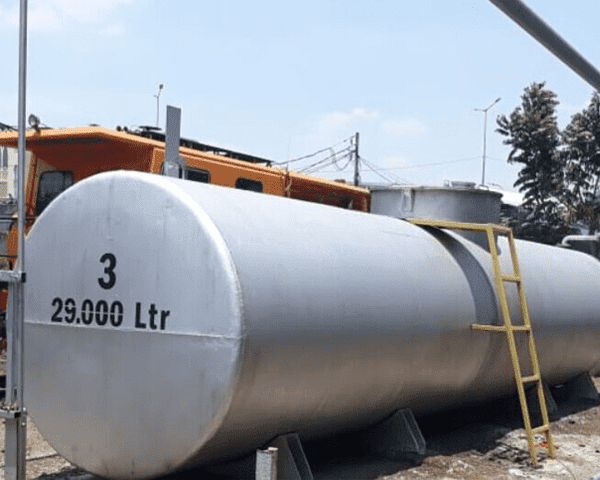
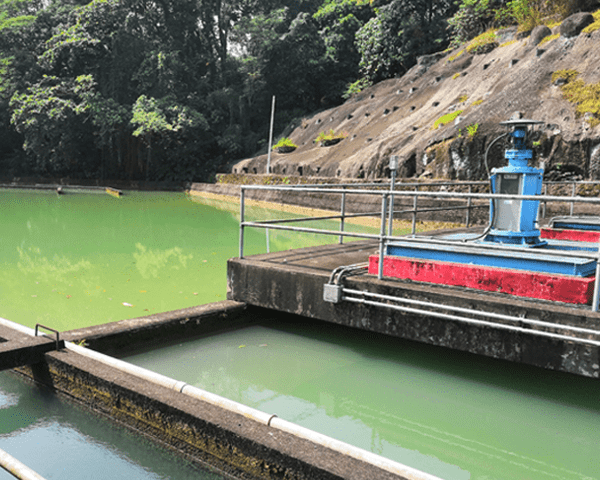
Imagine this: you run a water treatment facility with five separate storage tanks. Each tank needs real-time level monitoring, but your budget only allows for one high-quality sensor to start with. Or perhaps you’re managing a fleet of fuel trucks and need to rotate a single sensor across different vehicles throughout the week. The question on every engineer’s mind is simple: Can you move a submersible level sensor from one tank to another?
The short answer is yes – and in many cases, it’s not just possible, it’s smart engineering. In this post, we’ll explore what makes submersible sensors portable, the practical considerations you need to know, and how the right sensor design can save you significant cost and installation time
What Is a Submersible Level Sensor?
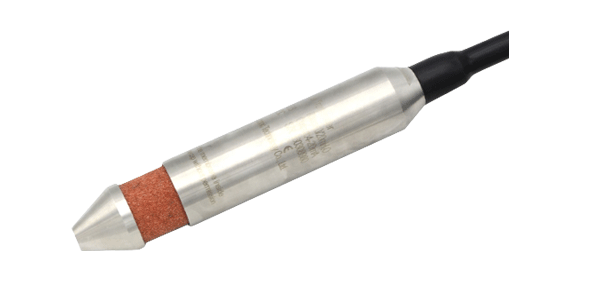
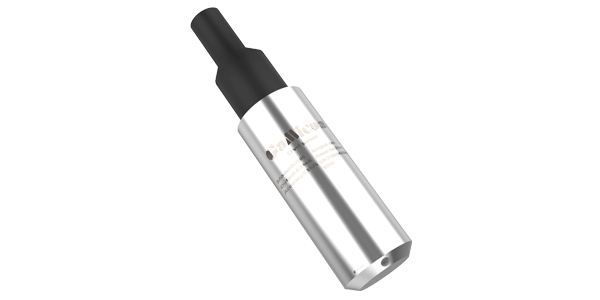
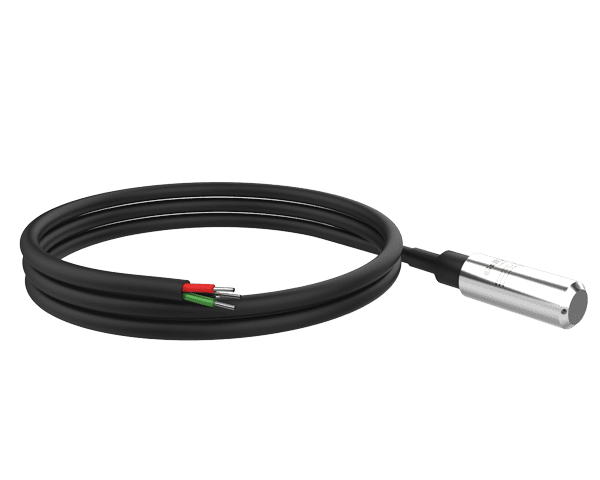
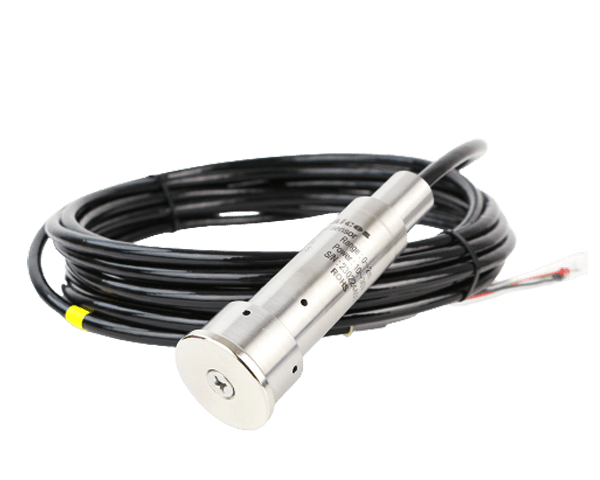
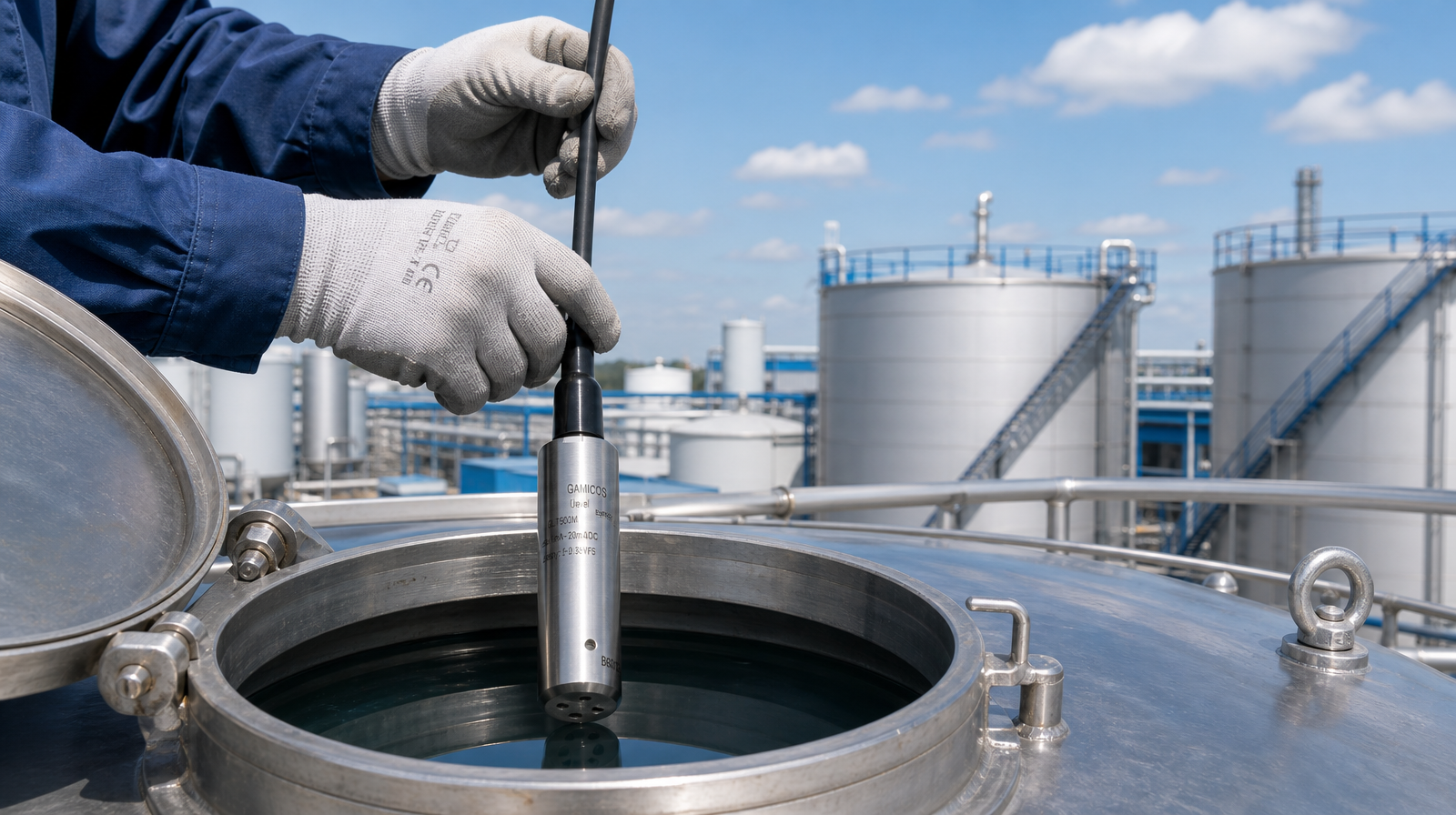
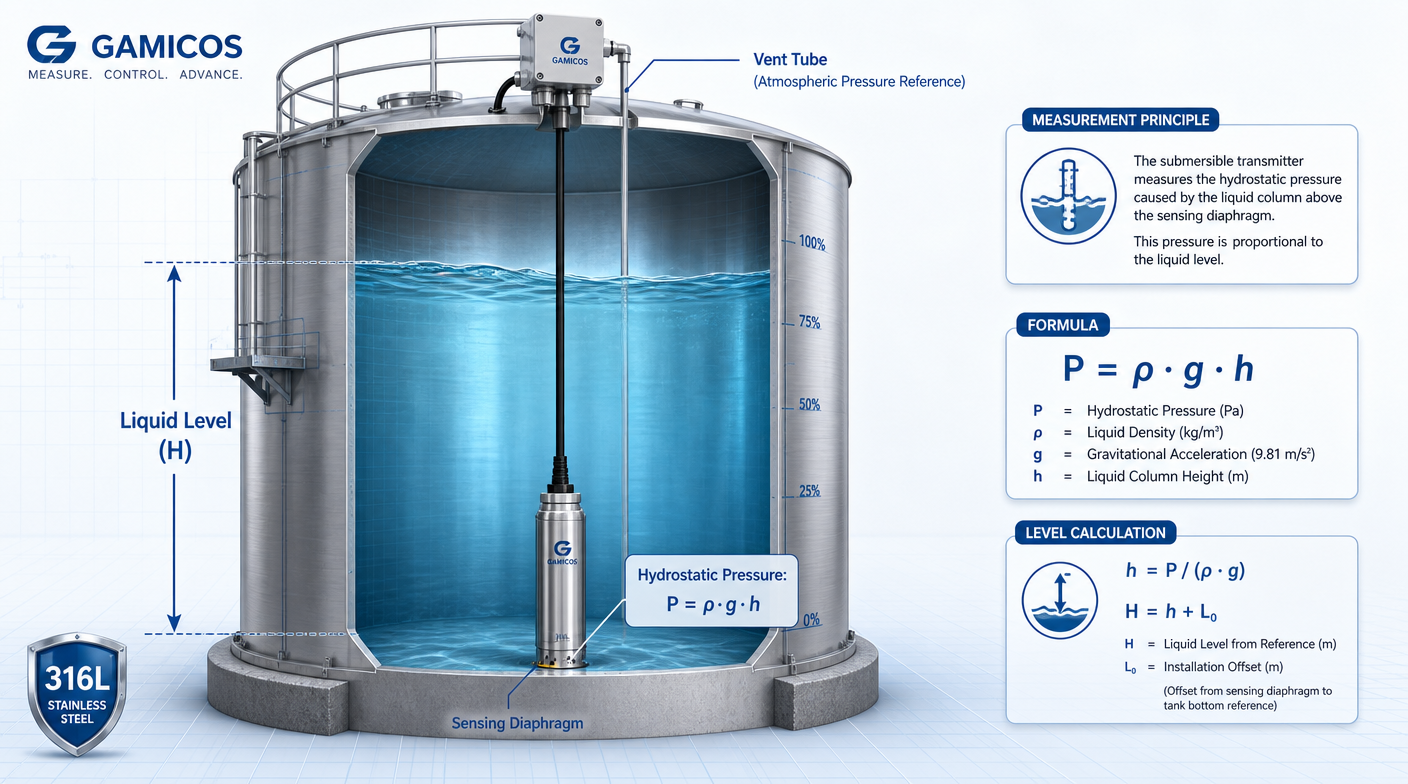
A submersible level sensor (also called a submersible level transmitter) is a device designed to be fully immersed in liquid to measure the level or height of the fluid. Unlike ultrasonic or radar sensors that sit above the liquid surface, submersible sensors work from within the tank – measuring pressure at the bottom and converting it to an accurate level reading.
The most common type uses piezoresistive technology: a diaphragm deflects under hydrostatic pressure, and the resulting resistance change is converted into a standard output signal (4-20mA, 0-10V, RS485, etc.). This simple, robust design is what makes these sensors ideal for repeated repositioning.
Why Would You Want to Move a Sensor Between Tanks?
Before diving into the “how,” let’s look at real-world scenarios where sensor portability matters:
- Budget-constrained projects: Install one premium sensor on your most critical tank first, then redeploy it to other tanks as funding becomes available.
- Seasonal or temporary applications: Agricultural irrigation reservoirs, construction dewatering pits, or emergency fuel storage may only need monitoring part of the year.
- Calibration and maintenance: Rotate sensors to a known reference tank for verification without taking your primary measurement offline.
- Multi-site deployment: A service company maintaining water systems across several locations can carry one versatile sensor from site to site.
- Testing and evaluation: Try the sensor in your specific medium before committing to a full fleet purchase.
Key Factors That Determine Sensor Portability
Not all submersible sensors are created equal when it comes to mobility. Here are the critical design features to look for:
1. Cable Quality and Length
The cable is the most vulnerable component during removal and reinstallation. A high-quality, abrasion-resistant cable with a secure connector makes repeated handling painless. Look for sensors with long-standard cable lengths (5m, 10m, or more) and replaceable cable options – because even the best cable can get damaged during frequent moves.
Sensors with a polyurethane (PU) or PTFE cable jacket offer superior resistance to oils, chemicals, and UV degradation – essential if you’re moving between different liquid environments.
2. Connector Type
A robust, waterproof connector is non-negotiable. Quick-connect or threaded waterproof connectors allow you to unplug and replug the sensor without worrying about resealing junction boxes each time. Avoid sensors that require permanent wiring or soldered connections if portability is a priority.
3. Housing Material
Your sensor’s housing must resist corrosion from whatever liquid it’s submerged in. 316L stainless steel is the gold standard for general-purpose use – it handles water, sewage, and many chemicals with ease. For aggressive media, some sensors offer specialized coatings or exotic alloys.
4. Calibration Stability
Every time you move a sensor, there’s a tiny risk of introducing measurement drift. Look for sensors with excellent long-term stability (±0.2%FS/year or better) and low temperature effects (±0.03%FS/°C) to ensure your readings stay accurate no matter where you install it.
5. IP Rating
An IP68 rating means the sensor is dust-tight and can be continuously submerged in water under specified conditions. This is essential for any submersible sensor – but especially one that will be handled frequently, as repeated insertion and removal can stress seals over time.
The GAMICOS GLT500: Built for Flexibility
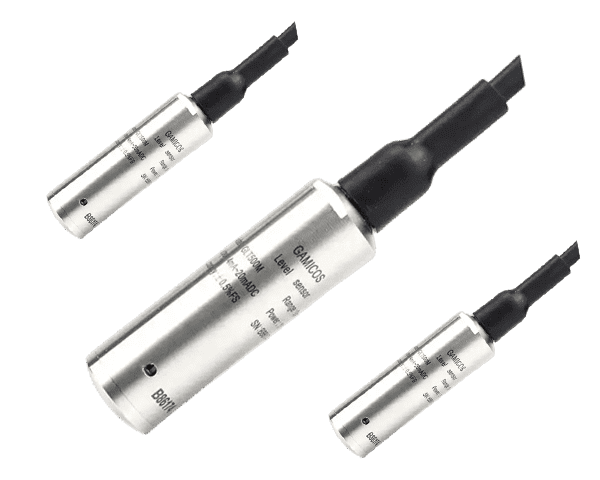
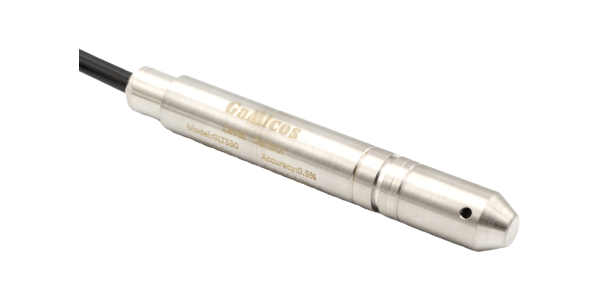
When it comes to portable submersible level sensing, the GAMICOS GLT500 stands out as an excellent choice. Here’s why it’s particularly well-suited for multi-tank, multi-application deployments:
Why the GLT500 Works Great for Moving Between Tanks
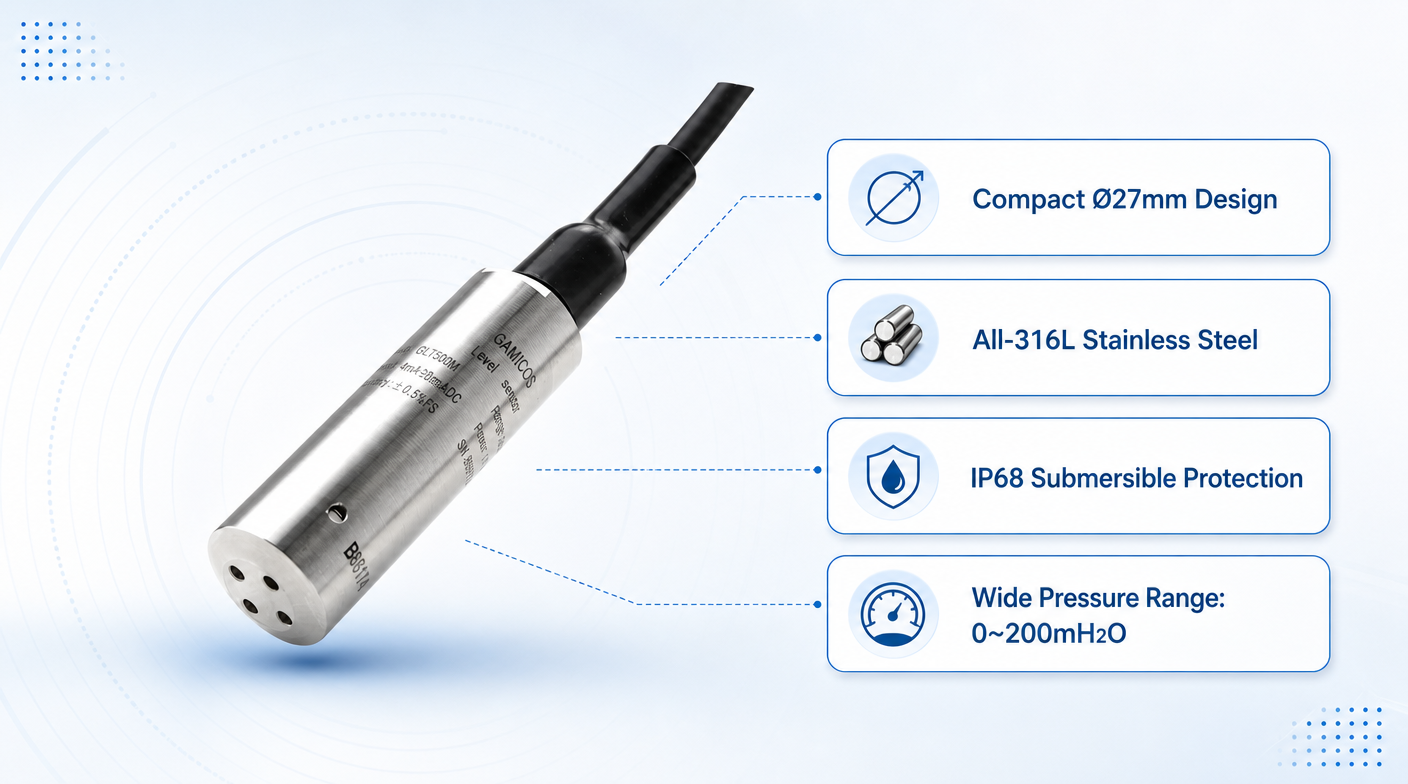
- Wide pressure range coverage With options from 0~1mH2O to 200mH2O, you can select one model that covers all your tanks – whether they’re shallow settling ponds or deep storage vessels. No need to buy different sensors for different depths.
- Flexible output signals The GLT500 supports 4-20mA, 0-5V, 1-5V, 0.5-4.5V, 0-10V, and RS485 outputs. Whatever your PLC or data acquisition system uses, one sensor fits all your control infrastructure.
- Dual power supply options Works with both 5VDC and 12-30VDC, making it compatible with virtually any power source you might have at different tank locations.
- IP68 protection Fully submersible with confidence. Move it from tank to tank without worrying about moisture ingress.
- Explosion-proof certification In hazardous environments (fuel tanks, chemical storage), the GLT500 carries intrinsic safety and explosion-proof certifications – one sensor safe for multiple dangerous locations.
- CE certified Meets European safety and environmental standards, giving you peace of mind wherever you deploy it.
- 316L stainless steel compatibility Compatible with a wide range of media including water, sewage, and many industrial liquids. The all-316L SS wetted parts resist corrosion and ensure long-term accuracy.
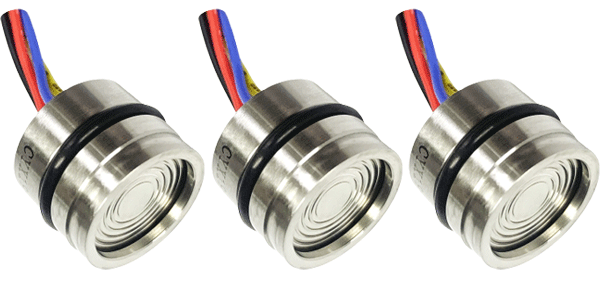
- Compact design With a diameter of just 27mm, the GLT500 fits into narrow tank openings and tight spaces where bulkier sensors won’t go.
- OEM customization available Need a specific cable length, connector type, or housing material? GAMICOS offers OEM services to tailor the sensor to your exact portability requirements.
Check out the full GLT500 product page for detailed specifications and ordering codes.
Installation Best Practices for Portable Sensors
Moving a sensor doesn’t mean you can skip proper installation. Follow these guidelines every time you relocate:
For Static Water (Tanks, Pools, Reservoirs)
- Insert the sensor vertically to the bottom of the container.
- Fix the sensor body and junction box at the desired measurement point.
- Ensure the cable is secured and routed to avoid snagging during future removals.
For Flowing Water (Rivers, Channels)
- Install a protective steel tube (approximately 50cm diameter) in the flow path.
- Drill several holes at different heights on the side facing upstream to allow water into the tube.
- Secure the cable at the tube outlet to prevent washing away.
General Tips
- Label your cables: When moving between tanks, color-coded or labeled cables prevent confusion.
- Keep a deployment log: Track which sensor was in which tank and when – this helps with maintenance scheduling and calibration records.
- Inspect seals regularly: Before each move, check O-rings and connectors for wear. A $5 seal replacement is cheaper than a ruined measurement.
- Store properly: When not in use, store the sensor in a dry, clean container with the connector capped.
Cost Comparison: One Portable Sensor vs. Multiple Fixed Sensors
Let’s do a quick thought experiment. Say you have 5 tanks to monitor:
| Approach | Initial Cost | Installation Cost | Flexibility | Long-term Value |
|---|---|---|---|---|
| 5 dedicated sensors | High (5x unit cost) | High (5x installation) | None – each sensor locked to one tank | Good coverage, but no spare |
| 1 portable sensor | Low (1x unit cost) | Low (1x installation) | Maximum – deploy where needed most | Lower upfront, but you only monitor one tank at a time |
The portable approach makes sense when:
- You don’t need simultaneous readings from all tanks
- Budget is a constraint
- Your tanks don’t all require continuous monitoring
- You want a spare sensor available for emergencies
For many small-to-medium operations, starting with one high-quality portable sensor like the GLT500 and expanding later is the most pragmatic strategy.
When Moving a Sensor Is NOT a Good Idea
Portability has its limits. Consider fixed installation when:
- Real-time continuous monitoring is critical: If a tank overflow could cause environmental damage or safety hazards, you need a permanent sensor with an alarm system.
- Frequent access is impractical: Deep wells or tanks in hazardous areas may not be safe or feasible to access regularly.
- Extreme conditions: Very high temperatures, aggressive chemicals, or abrasive slurries may degrade a frequently handled sensor faster than a permanently installed one designed for that specific environment.
- Regulatory requirements: Some industries require permanently installed, calibrated sensors with audit trails.
Conclusion: Smart Engineering Means Using the Right Tool in the Right Place
So, can you move a submersible level sensor from one tank to another? Absolutely. In fact, for many applications, it’s the smarter, more economical approach. The key is choosing a sensor built for the job – one with a rugged cable, reliable connector, stable calibration, and broad media compatibility.
The GAMICOS GLT500 submersible level transmitter checks all these boxes and more. Whether you’re monitoring sewage treatment ponds, river water levels, fuel storage tanks, or irrigation reservoirs, one GLT500 can do the job across multiple locations – saving you money without sacrificing accuracy or reliability.
Frequently Asked Questions
Can you move a submersible level sensor from one tank to another?
Absolutely. In fact, for many applications, it’s the smarter, more economical approach. The key is choosing a sensor built for the job – one with a rugged cable, reliable connector, stable calibration, and broad media compatibility.
What design features make a submersible level sensor portable?
Five factors decide it: cable quality and length, connector type, housing material, calibration stability, and IP rating.
Which housing material should a submersible level sensor use?
316L stainless steel is the gold standard for general-purpose use – it handles water, sewage, and many chemicals with ease. For aggressive media, some sensors offer specialized coatings or exotic alloys.
When is moving a sensor between tanks not a good idea?
Consider fixed installation when real-time continuous monitoring is critical, when frequent access is impractical, in extreme conditions such as very high temperatures or abrasive slurries, or when regulatory requirements demand permanently installed, calibrated sensors with audit trails.
What makes the GAMICOS GLT500 suitable for multi-tank deployments?
The GLT500 covers pressure ranges from 0~1mH2O to 200mH2O, supports 4-20mA, 0-5V, 1-5V, 0.5-4.5V, 0-10V and RS485 outputs, runs on 5VDC or 12-30VDC, is IP68 rated and explosion-proof certified, uses all-316L stainless steel wetted parts, measures just 27mm in diameter, and is available with OEM customization.