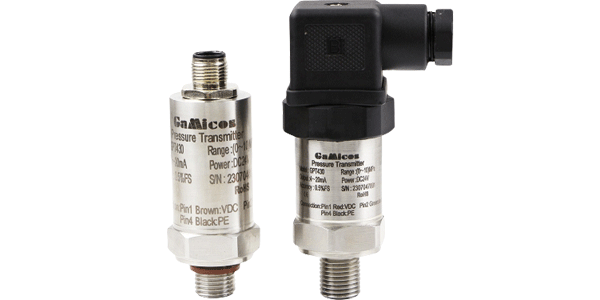
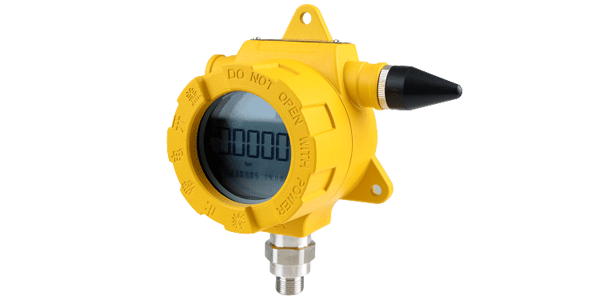
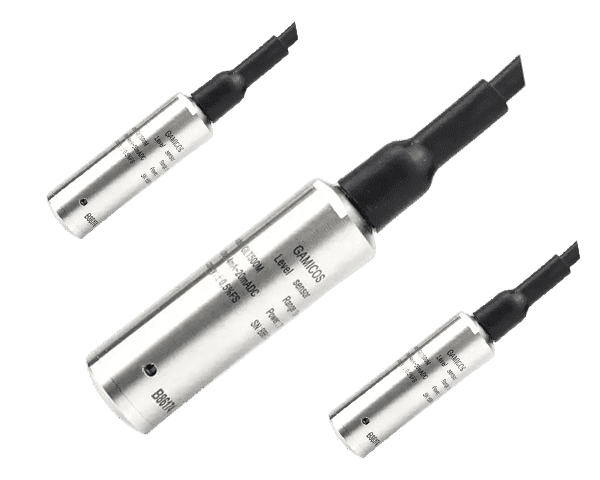
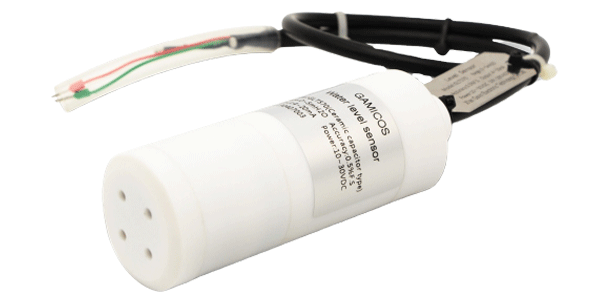





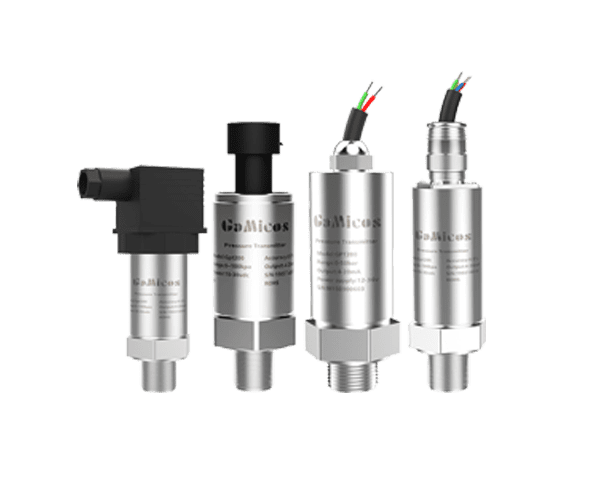
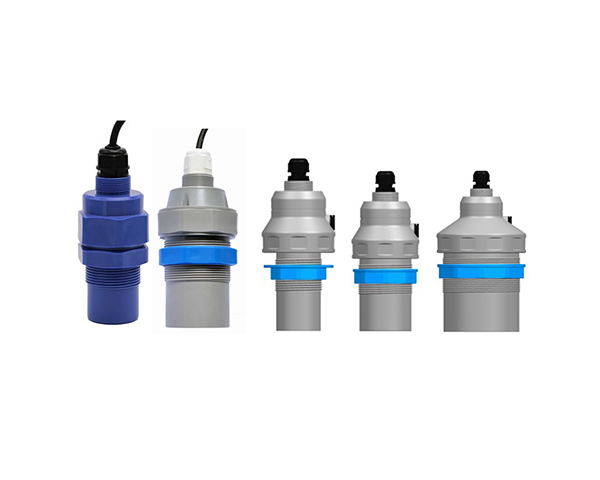
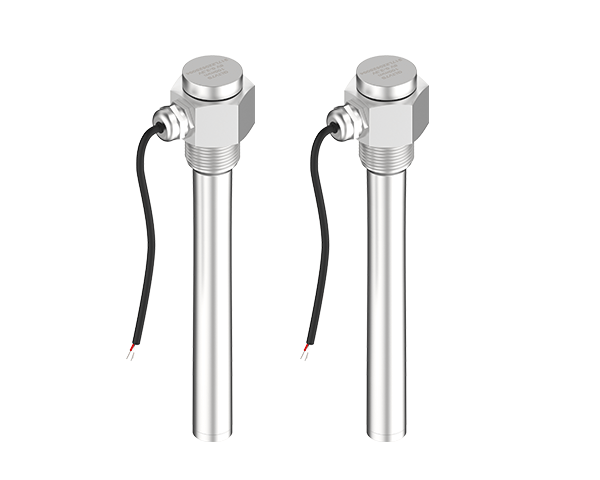
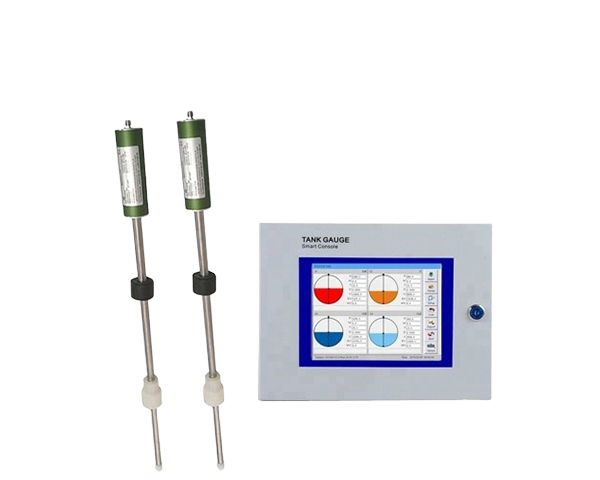
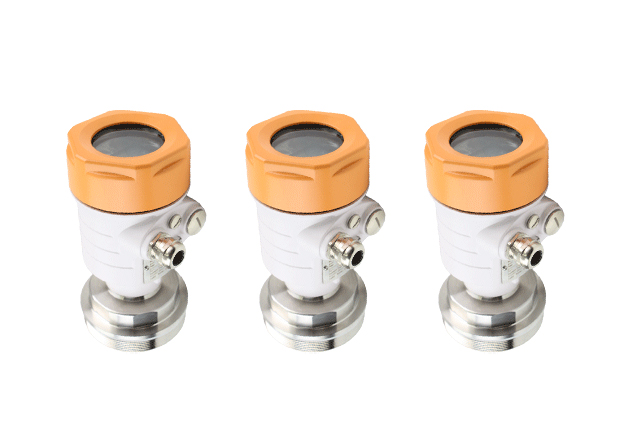
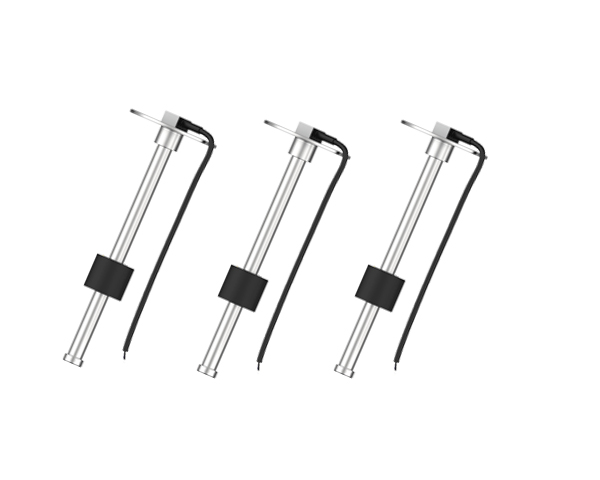
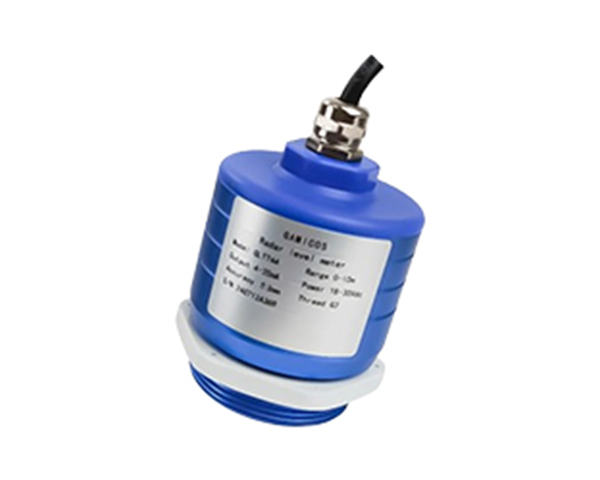
Canadian distributors increasingly source diesel level sensors from China due to competitive pricing, advanced silicon piezoresistive technology, and extensive customization options. This guide outlines local sourcing challenges, compares Chinese vs. domestic alternatives, and provides actionable procurement strategies to build reliable supply chains.
Introducing Diesel Level Sensors & Market Demand
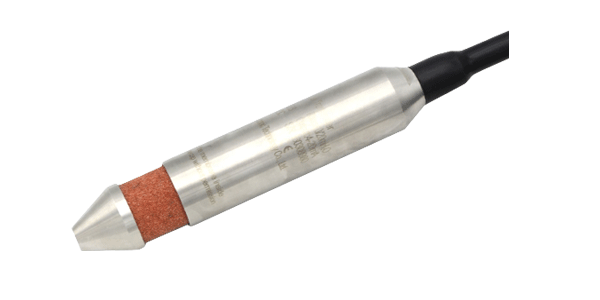
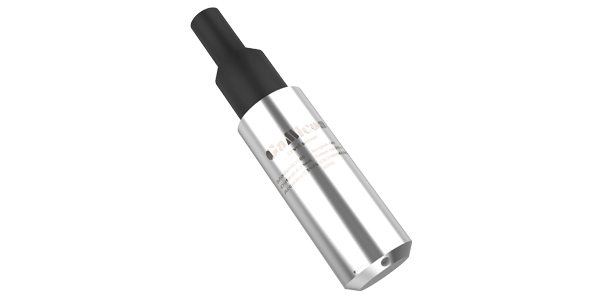
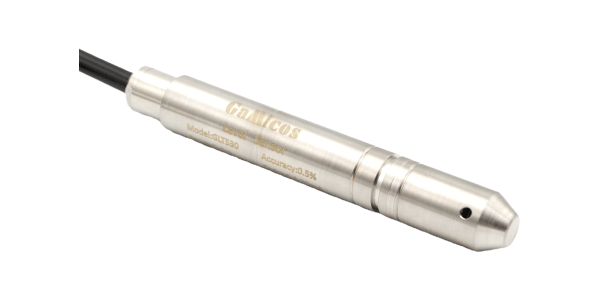
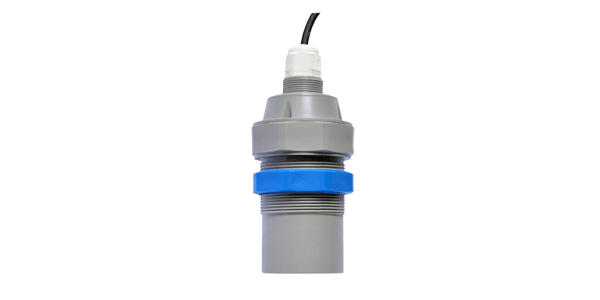
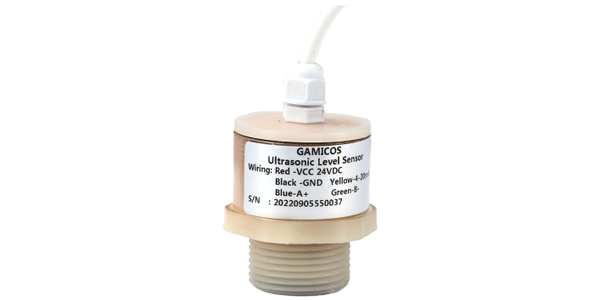
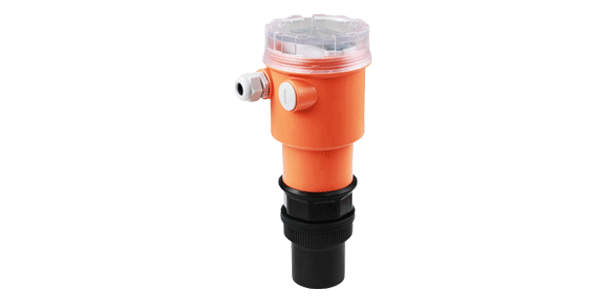
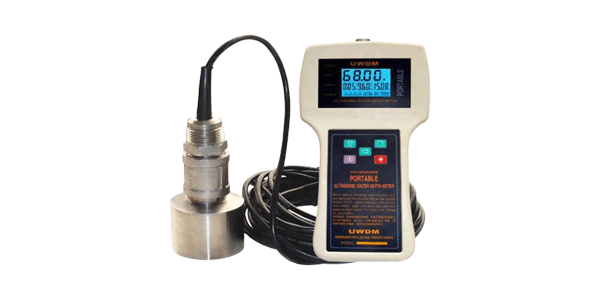
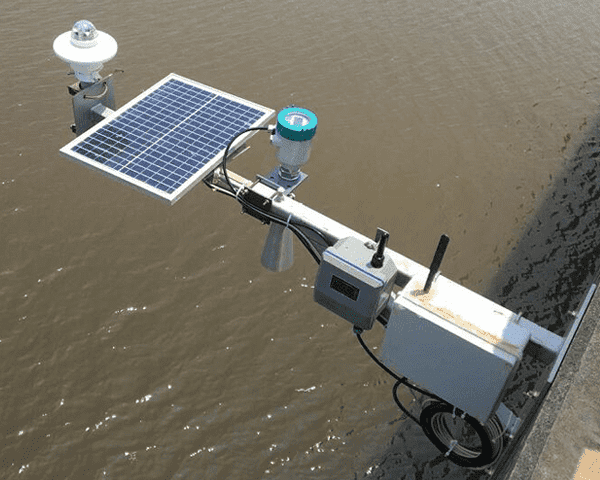
Diesel level sensors are advanced measuring devices designed to monitor fuel levels in industrial applications, mobile machinery, and storage tanks. Modern systems utilize piezoresistive pressure measurement, capacitive sensing, and ultrasonic technology, enhanced by digital signal processing and IoT connectivity for real-time fleet and inventory management.
Canadian Market Dynamics
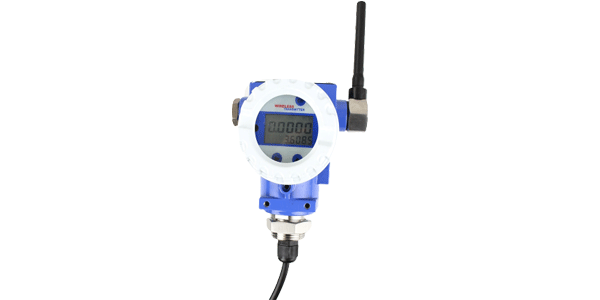
Sectors including transportation, construction, mining, agriculture, and energy drive consistent demand. Environmental compliance regulations and operational efficiency goals are accelerating the adoption of wireless monitoring systems with explosion-proof certifications and extreme weather compatibility.
Technological Innovation & Future Trends
Recent advancements include improved interference resistance, automated temperature correction, and IP68-rated fully welded housings. Industry 4.0 integration has increased demand for smart sensors featuring predictive maintenance alerts, cloud analytics, and automated calibration.
Challenges Faced by Canadian Distributors Sourcing Locally
Limited Supplier Base & Product Variety
Domestic manufacturers often focus on standard product lines, restricting access to specialized mounting configurations, wireless protocols, or explosion-proof variants. This limits distributors' ability to deliver tailored OEM solutions.
Cost Structure & Pricing Volatility
Higher labor costs, regulatory overhead, and smaller production volumes drive up domestic unit pricing. Fluctuating raw material costs and limited local competition further complicate long-term procurement planning.
Technical Support & Innovation Gaps
Regional suppliers frequently lack dedicated R&D resources and comprehensive application engineering support, making complex installations and troubleshooting more difficult for distributors and end-users.
Why China Has Become the Preferred Source
Manufacturing Scale & Cost Advantages
Chinese facilities leverage large-scale automation, optimized supply chains, and specialized production lines to deliver internationally certified sensors at highly competitive price points, preserving distributor profit margins.
Comprehensive Portfolios & Customization
Suppliers offer extensive catalogs covering capacitive, ultrasonic, pressure-based, and hybrid technologies. Flexible customization includes proprietary housings, specific output signals, and unique mounting solutions without heavy development costs.
Quality Certifications & Advanced Features
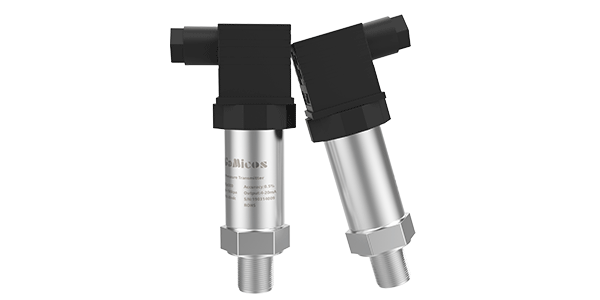
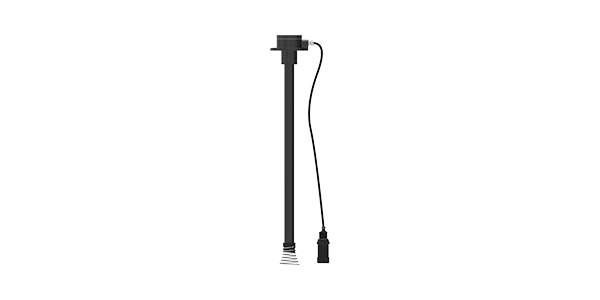
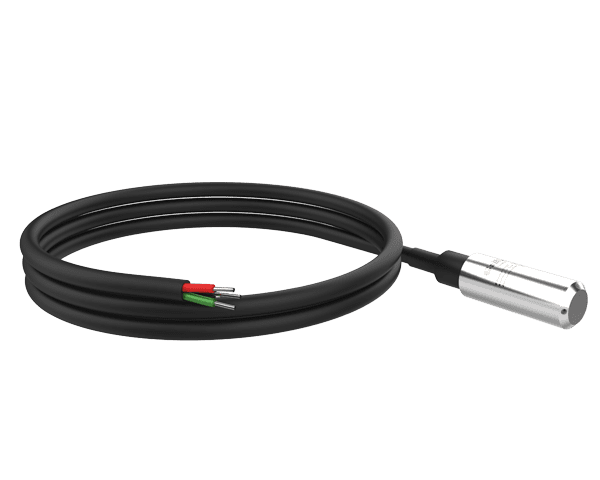
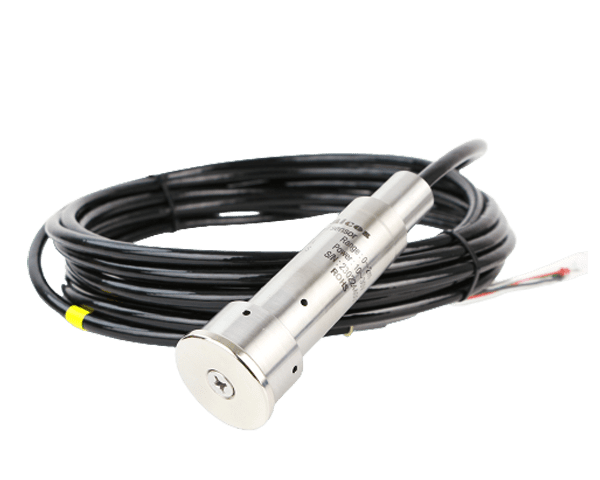
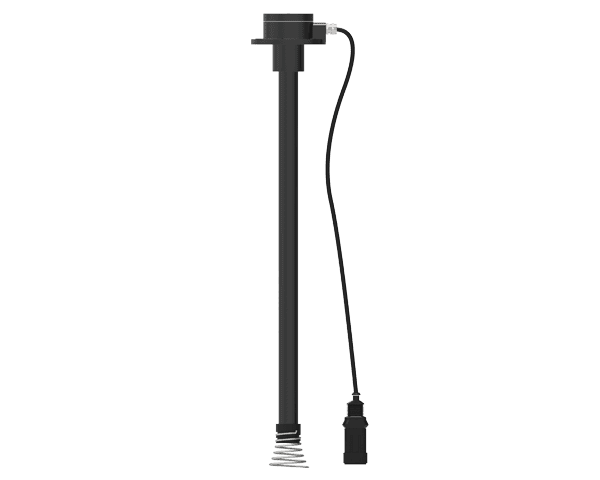
Reputable manufacturers maintain ISO 9001, CE, RoHS, and ATEX certifications. Advanced models like the GLT5001 feature silicon piezoresistive cores, programmable digital rectification, analog/dual outputs, magnetic anti-vibration mounts, and IP68 protection for harsh environments.
China vs. Local Alternatives: Key Comparisons
- Performance & Accuracy: Chinese sensors achieve 0.25%–0.5% FS accuracy with advanced temperature compensation, matching or exceeding domestic equivalents at lower cost.
- Total Cost of Ownership (TCO):strong> Lower upfront pricing, extended warranties, and reduced maintenance needs improve long-term ROI.
- Compliance & Certifications: Leading Chinese factories meet Canadian regulatory standards through internationally recognized testing agencies.
- Service & Support: Dedicated English-speaking technical teams, remote troubleshooting, and localized distribution partnerships bridge traditional sourcing gaps.
How Canadian Distributors Can Successfully Procure from China
Supplier Evaluation Criteria
Prioritize manufacturers with verified production capacity, financial stability, and industry-specific experience. Conduct third-party factory audits and review quality management documentation before committing.
Quality Assurance & Testing Protocols
- Factory Audits: Verify manufacturing processes and QC systems on-site or virtually.
- Statistical Sampling: Test representative batches for consistency and performance variations.
- Independent Verification: Validate accuracy, environmental resistance, and compliance with certified labs.
- Documentation Tracking: Require full test certificates, calibration records, and traceability logs.
Import Compliance & Relationship Building
Understand Canadian tariff classifications, origin declarations, and hazardous location certifications. Partner with experienced customs brokers and establish clear communication cadences, performance KPIs, and collaborative roadmap planning for long-term success.
Frequently Asked Questions
A: Implement factory audits, statistical sampling, and third-party testing. Reputable suppliers provide calibration certificates and environmental simulation data to verify accuracy across operating conditions.
A: Chinese manufacturers offer customizable mounting, electrical connections, and output signals. Magnetic bases suit mobile fleets, while standard threaded fittings work for stationary tanks.
A: Established suppliers typically offer 12–24 month warranties covering defects, plus English-language technical support, troubleshooting, and replacement parts.
A: Modern sensors feature IP68 ratings, wide operating temperature ranges, anti-vibration mounts, and fully welded housings validated through extreme climate simulation testing.
Partner with GAMICOS for Premium Diesel Level Sensor Solutions
Access advanced GLT5001 sensor technology, extensive customization capabilities, and proven global expertise. Enhance your product portfolio with reliable, cost-effective fuel monitoring systems.
Contact Our Technical Team