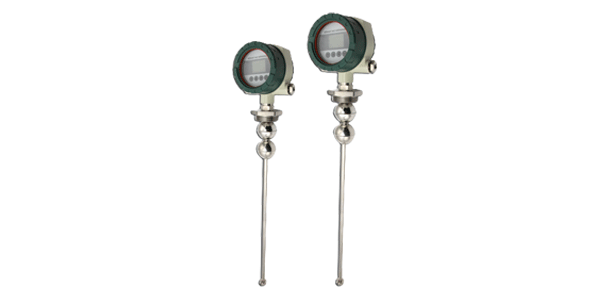

It can be hard to figure out where to get liquid level measuring equipment from China, especially when scientific specs, the supplier's reputation, and foreign certifications are on the line. It is important for procurement managers and engineers looking for reliable options to know how to use well level transducers and find their way around the Chinese sensor market. This guide gives you useful information on how to choose, buy, and take care of level sensors made in China. It will help you make smart, cost-effective buying decisions that meet your needs for industrial automation and process control.
Understanding Well Level Transducers: Principles and Applications
What is a Well Level Transducer?
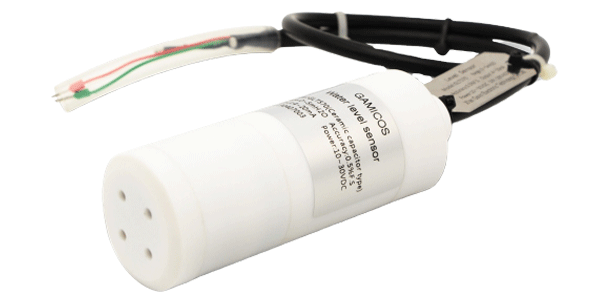
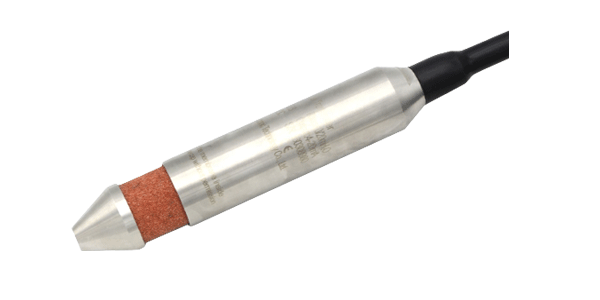
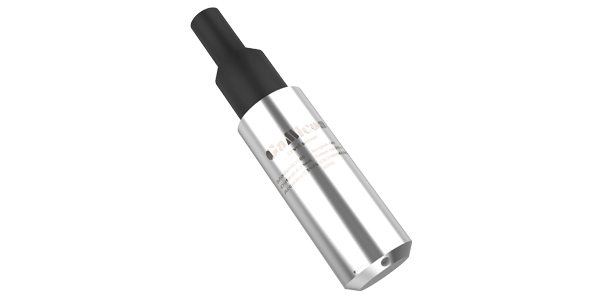
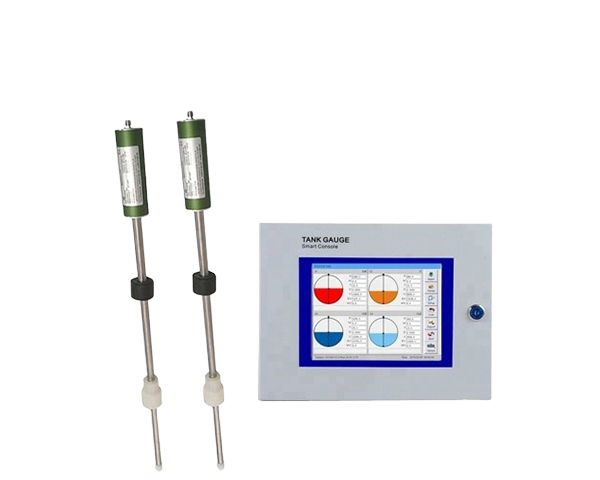
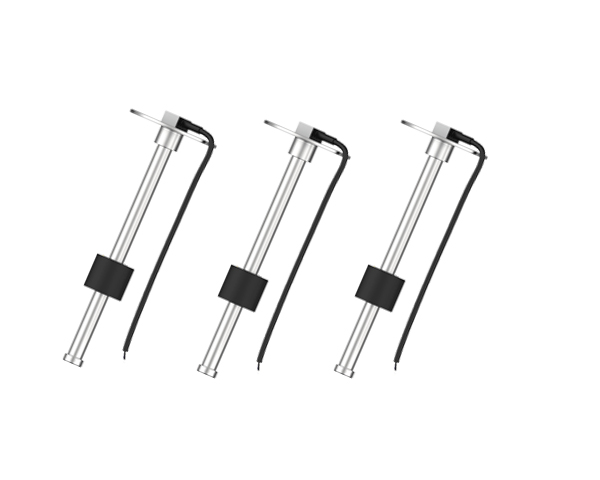
A well level transducer is an electronic device that measures the height of the liquid and turns that measurement into an electrical signal that can be used for control and tracking. These monitors are very important in places like storage tanks, groundwater wells, and factories where accurate level data is used to make choices about how to run the process. Transducers, unlike simple float switches, give off a constant analog or digital output. This lets you measure accurately over large distances and in difficult conditions.
How Well Level Transducers Work?
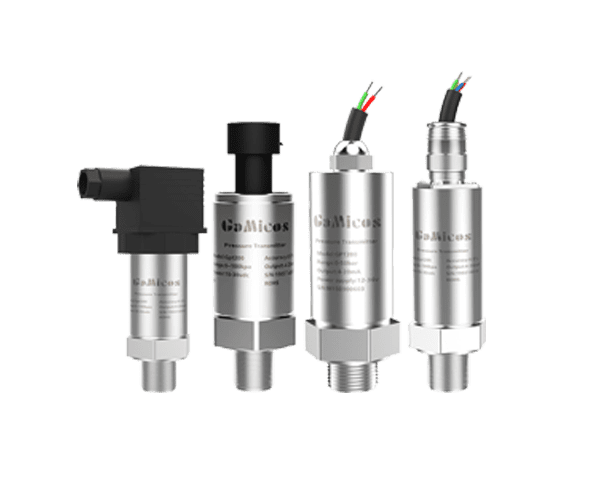
Transducer technology uses a number of different testing methods, each of which works best in certain situations. Pressure-based sensors figure out the level of the liquid by measuring the pressure that the stream of liquid above the receiving element is putting on it. When immersed at a set depth, the sensor picks up changes in pressure that are caused by changes in level. When it comes to deep wells and tanks that are hard to get to, this method works reliably.
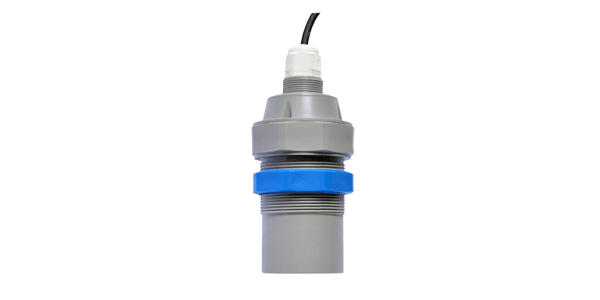
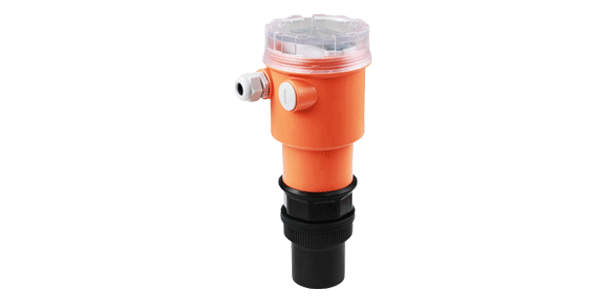
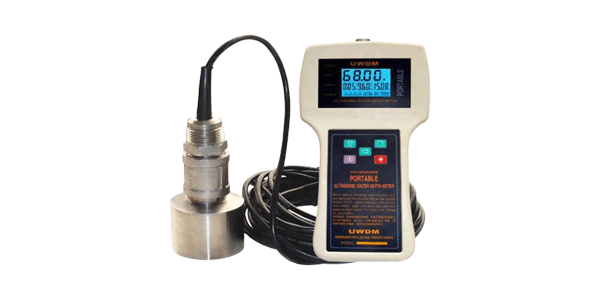
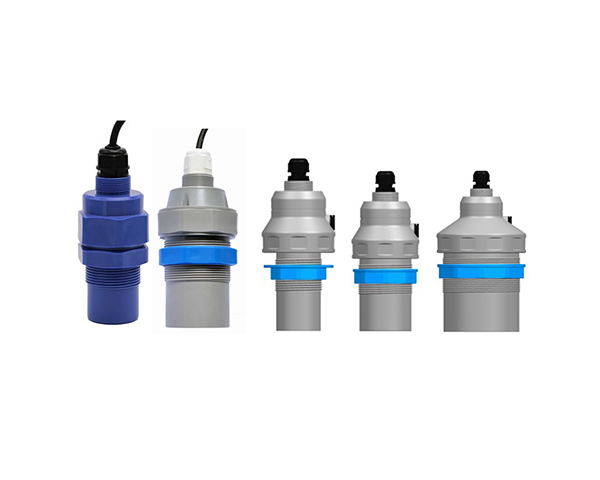
Ultrasonic sensors send high-frequency sound waves toward the surface of the liquid and time how long it takes for the sound waves to return. This time-of-flight formula figures out how far away the surface is, making it possible to measure without touching it, which is great for acidic or dirty liquids. But foam, mist, and very high or very low temperatures can block ultrasonic signals, which means they can't be used in some industrial settings.
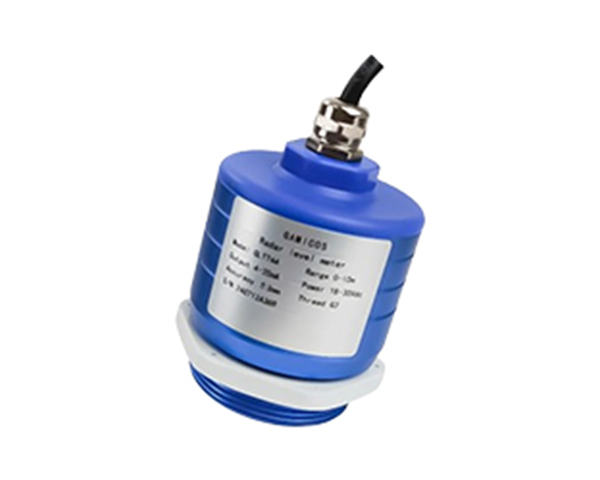
As the amount of liquid around probe wires changes, capacitive sensors pick up on changes in the dielectric properties. It works for clean liquids, but differences in covering and conductivity can make it less accurate. Radar devices use electromagnetic waves to measure without touching the surface. They work very well with foam and rough surfaces, which ultrasound methods have trouble with.
Common Applications Across Industries
There are many industries that use well level transducers because measuring liquid levels is important for safety, economy, and following the rules. Environmental tracking uses groundwater level sensors to keep an eye on the health of aquifers, help with drought management, and guess how likely it is that there will be a flood. These devices are used by people in charge of water resources in tanks, treatment plants, and distribution networks to make sure there is enough water and no spills.
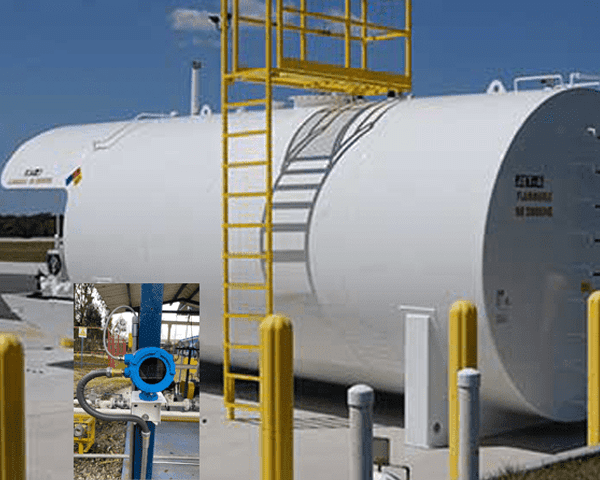
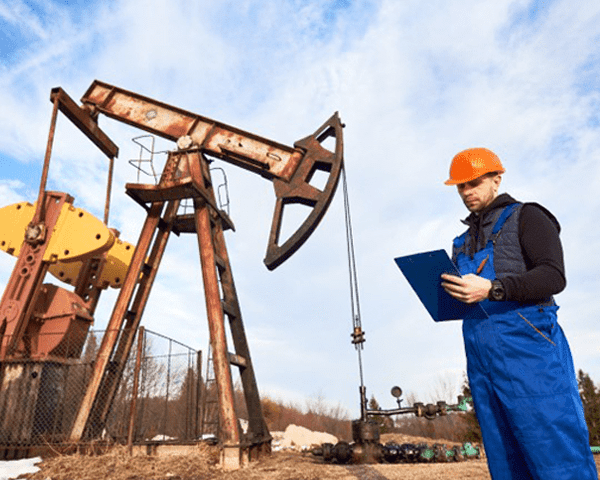
In the processing of oil and chemicals, submersible pressure sensors check the amounts of tanks that hold dangerous materials to make sure that the containment is intact and that the inventory is correct. Food and drink companies count on hygienic sensor designs that meet high hygiene standards and give accurate readings for quality control and batch control.
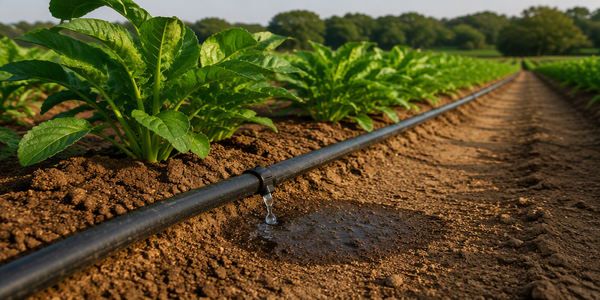
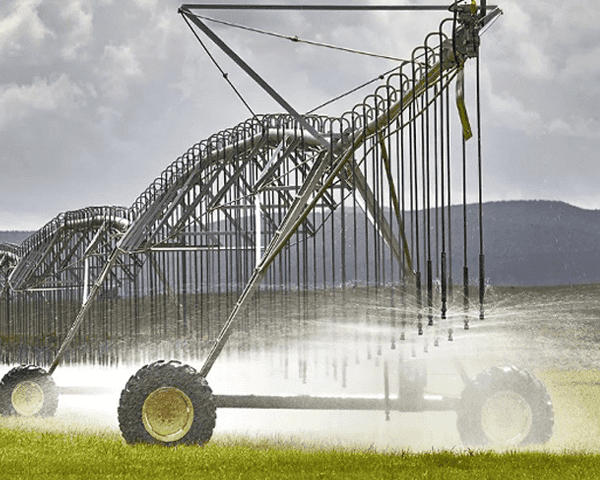
Monitoring cooling water in power plants, managing fuel stores, and keeping an eye on geothermal wells are all examples of uses in the energy industry. Well level transducers are used to control irrigation systems in farms. This saves water and keeps crops healthy. When making medicines, you need high-precision sensors that meet test processes and cleanroom standards.
Key Benefits for B2B Clients
Monitoring the level of liquids accurately has real benefits for many business processes. Real-time data lets you make smart choices ahead of time, which stops expensive spills, pump failures, and production stops. With automated level control, less work needs to be done by hand, and the process is safer and more consistent.
Remote tracking lets you handle assets that are spread out from one place. This is especially helpful for environmental groups and companies that are in charge of multiple places. Early warning systems with programmable sounds let workers know when something is wrong before it gets really bad, which cuts down on downtime and maintenance costs. More accurate measurements help keep track of goods, cut down on waste, and meet government reporting standards that need proof of environmental compliance.
How to Choose the Right Well Level Transducer for Your Needs?
Assessing Your Measurement Requirements
Before choosing the right level measurement method, it's important to carefully look at the conditions of the application. The viscosity, temperature, chemical make-up, and conductivity of a liquid all have a big effect on how well and how long a monitor works. Corrosive chemicals need materials like titanium or special coatings, and devices that can handle high and low temperatures without breaking down are needed for high-temperature uses.
What kind of sensors and output signals are needed depend on the measurement depth and range. Ultrasonic or capacitive sensors can work in tanks that are less than two meters deep, but underwater well level transducers made for high hydrostatic loads are needed in wells that are deeper than 100 meters. Different uses have different accuracy needs. For example, ±0.5% full scale may be fine for general store tracking, but ±0.1% precision or better is needed for custody transfer and pharmaceutical batching.
Changes in the atmospheric temperature, humidity, vibration, and electromagnetic interference are all things that can affect the dependability of a monitor. For outdoor applications, you need housings that don't get damaged by water or UV light. When flammable vapors or dusts are present, hazardous area classifications like ATEX or IECEx approval are needed. This means that only fundamentally safe or explosion-proof designs can be used as sensors.
Comparing Sensor Technologies
Ultrasonic well level transducers are great for measuring clean to fairly dirty liquids in open tanks or vessels without touching them. Their main benefits are that they are easy to add without affecting the process and don't change when the liquid density changes. When foam layers, heavy gas clouds, or high temperatures get in the way of sending sound waves, limitations show up. Also, ultrasonic devices don't work well in narrow wells or pipes because the various echoes make it hard to get accurate measurements.
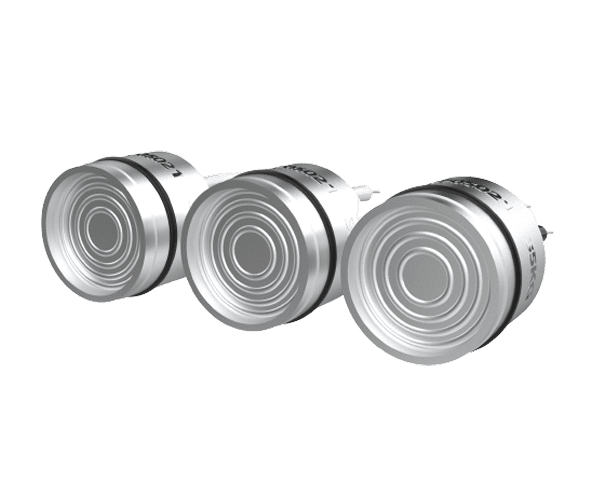
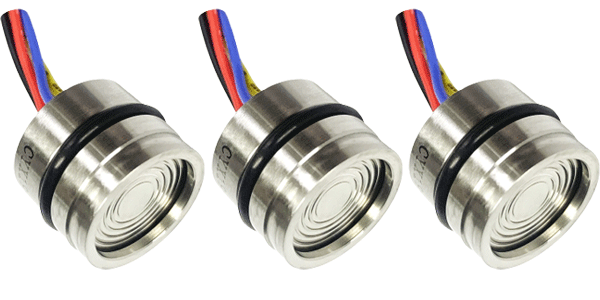
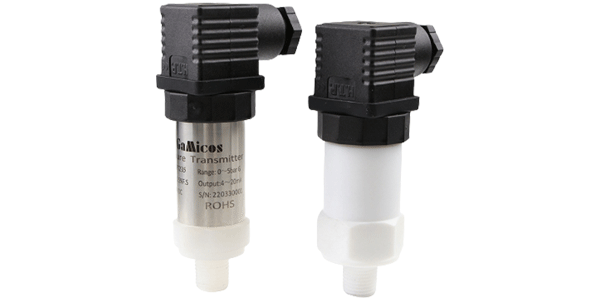
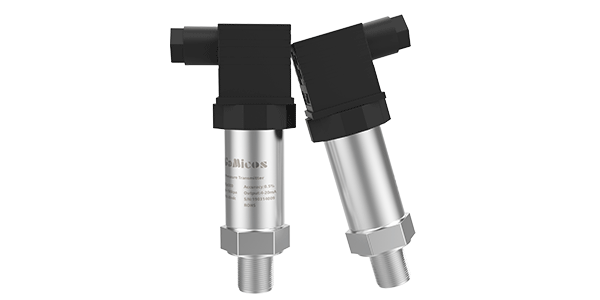
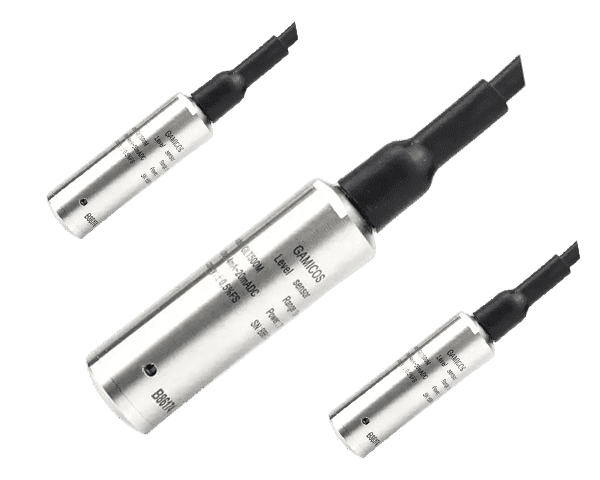
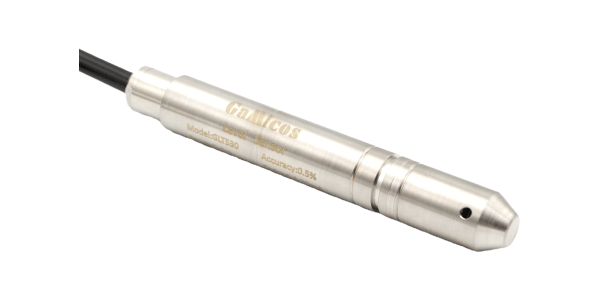
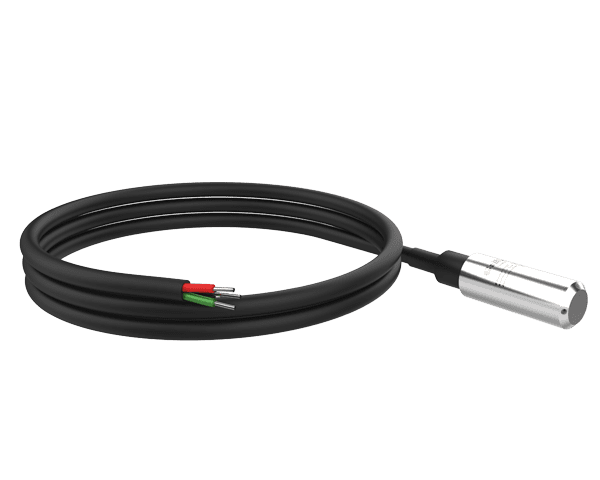
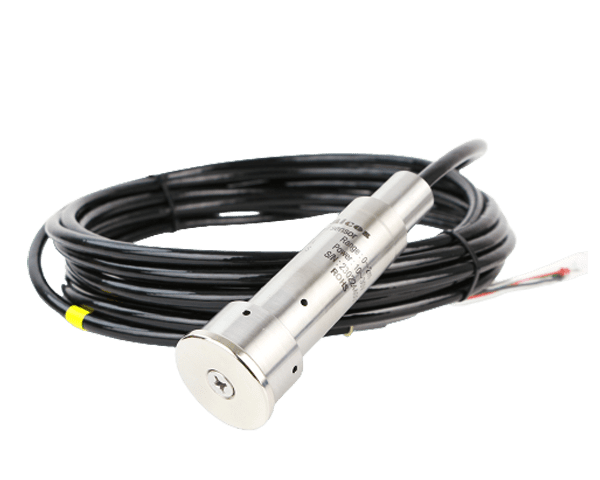
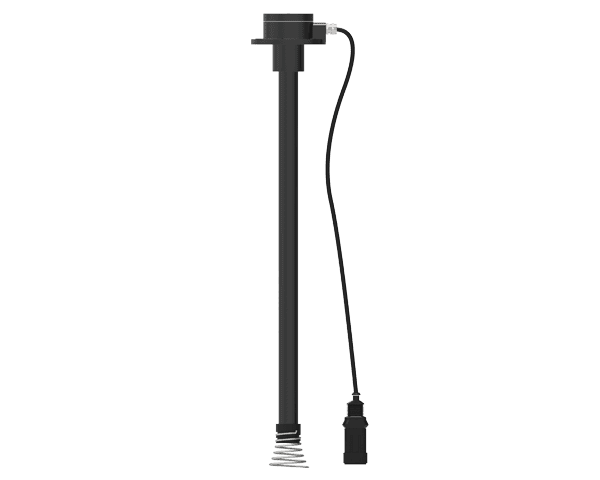
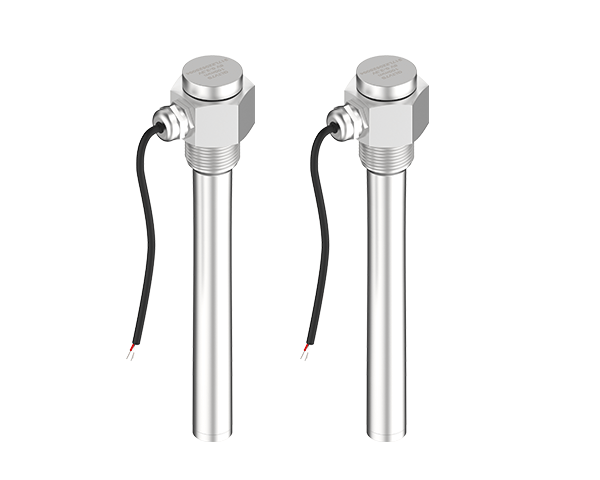
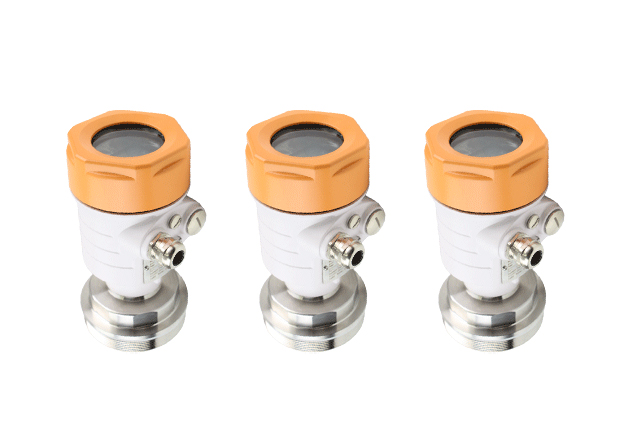
Submersible pressure sensors, such as the GLT530 line, work well in harsh environments where they can be submerged directly. These gadgets measure the hydrostatic pressure at a set depth, giving exact level information no matter what the surface conditions or air space conditions are. The GLT530 design is for uses with limited room and probe diameters from 16mm to 19mm. It is fully welded so it can be submerged in water, oils, and other suitable process fluids for a long time.
This is what the GLT530 well level transducer does well:
- Wide Measurement Range: One product family can be used for depths from one meter to 500 meters, so it can be used for small sumps as well as deep monitoring wells.
- High Accuracy Options: There are three levels of high accuracy: ±0.1%FS, ±0.25%FS, and ±0.5%FS. You can choose the level of accuracy that fits your application's needs and your budget.
- Compact Probe Design: Standard 16mm and 19mm sizes can be used in well walls and small tanks that are too small for bigger sensors.
- Two-Wire Current Output: The non-polar 4-20mA signal makes installation easier, cuts down on wire costs, and makes long cable runs much less noisy.
- International Certifications: Meeting the requirements for CE, RoHS, and ATEX makes sure that the product is legal in all countries and in dangerous places.
- OEM Customization: The length of the wire, the electrical connections, the materials, and the size of the case can all be changed so that they can fit into the design of the equipment.
Because of these features, submersible pressure sensors are the best choice for monitoring wells, wastewater lift stations, and process vessels where long-term stability and dependability are more important than beginning cost.
Balancing Performance and Practical Constraints
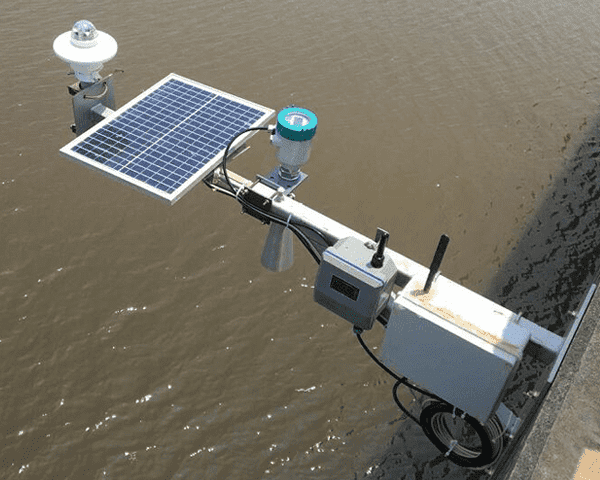
Final choices about buying are based on trade-offs between sensor performance traits and practical limits. Low-power designs may give up sampling rates or advanced diagnostic features, but they can extend the battery life of remote tracking systems that use solar panels or regular service calls. High-precision sensors cost more, but they reduce measurement error, which is important for figuring out how much an item is worth or following the rules.
Materials used for construction and ways for sealing have a direct effect on how long a sensor lasts in harsh settings. Parts made of stainless steel 316L that are wetted are resistant to rust in freshwater and light chemicals. Parts made of titanium or Hastelloy, on the other hand, last longer in acidic or high-chloride environments. With fully welded sealing, there are no possible leak paths like there are with O-ring seals. This is especially important for long-term submersion uses.
The total cost of ownership, which includes the original buy price, is affected by how often and how the calibration is done. Factory-calibrated sensors with certificates that can be tracked take less time to set up, but they may need to be recalibrated from time to time, based on how important the measurements are. Knowing what calibration services are available from providers and local metrology labs helps you plan your upkeep budget and make sure that the accuracy of the sensor stays high over its lifetime.
Navigating the Chinese Level Sensor Market: Brands, Suppliers, and Options
Leading Manufacturers and Market Landscape
China's well level transducer industry has grown up a lot, and now it can make equipment that is on par with well-known Western names in terms of both quality and new ideas. Global companies like Honeywell, Siemens, and VEGA keep production sites and transportation networks in China. This lets Chinese customers get products with well-known brands at low prices. Companies in the United States like GAMICOS, Topwell, and Holykell have put a lot of money into research and development, which has helped them get foreign certifications and sell their goods in more places, like North America, Europe, and developing markets.
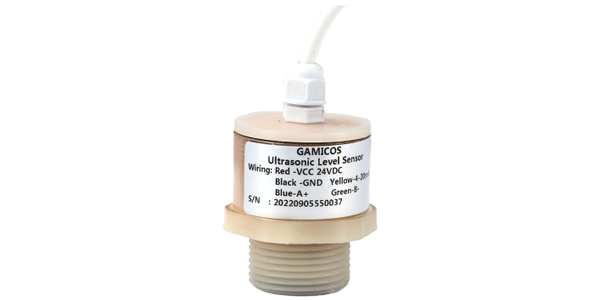
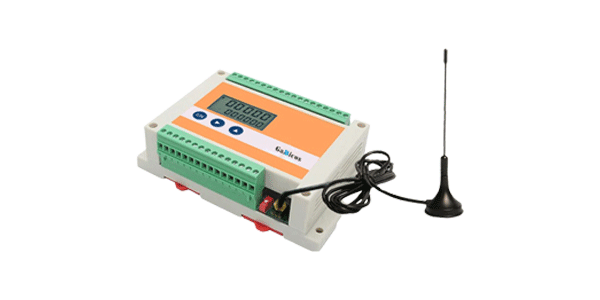
GAMICOS is a good example of a modern Chinese sensor company that focuses on making products for measuring liquid level and pressure. Their range of products includes pressure monitors, well level transducers, ultrasonic and radar level meters, and portable tracking tools that can connect to the internet of things. Companies like GAMICOS show the technical know-how and customer focus that set top Chinese providers apart from commodity makers by shipping to over 100 countries and offering full OEM/ODM services.
Evaluating Supplier Credibility
To figure out how reliable a company is, you have to look at more than just marketing papers. International certificates like ISO 9001 for quality management, CE marking, and RoHS for environmental compliance give manufacturers and consumers basic peace of mind about the safety of their products and the way they are made. Industry-specific certifications, like FDA material certifications, ATEX explosion protection, or SIL functional safety scores, show that a product is safe and suitable for a certain use.
Testimonials and case studies from real customers show how well and quickly a supplier can respond in a variety of businesses and areas. Asking for references from people who have used similar products before lets you directly check the quality of the product's trustworthiness and after-sales support. Going to trade shows and becoming a member of professional groups like instrument clubs show that you are actively involved in your field and want to manage your image.
Technical help is what sets capable sellers apart from those who are just selling products. Check how prompt suppliers are to pre-sale questions. Suppliers who quickly offer detailed specs, application advice, and customization options show that they have the technical resources for a long-term relationship. After-sales service agreements that spell out warranty terms, replacement processes, and the availability of technical support help protect purchase investments and keep operations running smoothly.
Procurement Strategies for Large-Scale Projects
When you negotiate a bulk order, you can get better prices and more customization options than when you buy from a catalog. Chinese makers usually offer discounts for buying in bulk starting at 50 to 100 units. These discounts get bigger for yearly deals or deployments at multiple sites. Customizing the packaging with private labels, changed paperwork, and special testing methods adds a small amount of cost but improves product integration and brand consistency for OEM uses.
Customization includes more than just changes to the way something looks. It also includes practical changes to well level transducers that meet the needs of specific applications. Specifications for cable length, types of electrical connectors, attaching thread setups, and output signal ranges can be changed during production instead of on the job site. Customizing communication protocols like HART, Modbus, or custom digital interfaces makes it possible to connect to current control systems and SCADA platforms without any problems.
Planning when deliveries will happen and coordinating supplies become very important for keeping projects on time and managing cash flow. Setting clear wait times, choices for partial shipment, and fees for faster production gives procurement the freedom to adapt to changes in the project scope or timeline. To meet installation schedules and save money on landed costs, it's important to know the difference between shipping options like air freight for urgent small batches and ocean freight for cost-effective large orders.
Installation, Maintenance, and Troubleshooting Best Practices
Proper Installation Techniques
A successful deployment of well level transducers starts with careful site planning that takes into account the surroundings and the measurement goals. Submersible pressure sensors need to be mounted securely so that the cables don't get worn down and so that the temperature can rise and fall. Supporting the wire every two meters makes the sensor link less stressed. This is especially important in deep wells where the cable weight can be heavy. To keep mechanical damage and electrical interference to a minimum, wires should not be routed near motor power lines or around sharp turns.
Some types of sensors are less accurate when mounted in certain ways. Pressure sensors measure the column of liquid directly above the sensing element. They need to be installed at the lowest level that can be recorded or they need to be adjusted for differences in elevation. Ultrasonic devices need to be able to see the surface of the liquid without any obstructions, such as fill streams, agitators, or tank walls that could cause fake echoes. Damage from overfilling can be avoided by leaving enough space between the sensor face and the highest level of liquid.
Electrical lines need care to keep moisture out and keep the signal strong. At the points where cables enter, they should be sealed with glands or tubes that are right for the surroundings. Best practices say that shielded wire grounding should get rid of interference currents without making ground loops that add noise. Before turning on sensors, making sure the power source is stable and the polarity is correct stops damage and erratic output during testing.
Routine Calibration and Performance Verification
To keep measurements accurate, they need to be calibrated on a regular basis, according to the needs of the program and the law. Most industry uses are improved by checking sensor output once a year against reference standards or other measurement methods. Important systems for safety and control transfer may need to be calibrated every three months or even every month, and the calibration must be able to be tracked back to national standards.
There are many types of field testing methods, ranging from easy two-point checks to full multi-point calibrations that cover the whole measurement range. To verify the zero point, either the tank is drained or the sensor is raised to the air, and the 4mA output or zero reading is confirmed. This depends on how the sensor is configured. For span checks, the tank must be filled to a known level or a precise pressure source must be used to mimic the same liquid column heights. Multi-point calibration finds non-linearity and lets you use an adjustment factor to get better accuracy.
To understand sensor diagnostics, you need to look at more than just the raw output data. Intelligent transmitters have advanced tracking tools that you can use. Self-diagnostic features tell you about the health of the sensor, such as the state of temperature correction, the amount of excitation voltage, and any broken electrical parts. Trend analysis of baseline readings over time shows slow drift that needs to be calibrated or changes in the environment that affect performance. This allows for preventative maintenance before measurement mistakes affect processes.
Troubleshooting Common Issues
Fixing measurement problems regularly cuts down on downtime and keeps well level transducers from needlessly needing to be replaced. Noise or erratic output signs usually mean that there is electrical interference, bad grounding, or water getting into the wire connections, not that the sensor is broken. Many occasional problems can be fixed without taking the sensor off by checking the integrity of the cables, making sure the shield termination is correct, and looking for condensation in the junction boxes.
Damage to the sensor membrane, clogged impulse lines, or changes in the density of the liquid that affects the conversion from pressure to level can cause reading shift or offset mistakes. By checking visually for coating, rust, or mechanical damage, you can figure out what needs to be done to fix the problem, like cleaning, removing broken parts, or recalibrating with new process parameters. Sudden loss of readings could be caused by electricity problems, broken wires, or a sensor that has completely stopped working and needs to be replaced.
Preventive repair techniques make sensors last longer and lower their total cost of ownership. Cleaning it on a regular basis gets rid of buildups that block sensing elements or change the way sound waves travel. Cable checking finds damage or wear before it happens during important processes. Keeping extra sensors for important measurement points on hand lets you quickly replace broken ones while the broken ones are being fixed or looked into. This keeps production running smoothly and protects the safety system.
Conclusion
If you go about buying well level transducers from China the right way, you can save a lot of money, make them fit your needs exactly, and get access to cutting edge measurement technology. Knowing how sensors work, figuring out how reliable a seller is, and planning how to install and maintain sensors are all things that buyers can do to make long-term partnerships work. Chinese companies now make high-quality goods that meet foreign standards. They also offer open customization and quick customer service to meet the needs of a wide range of industries. When you build relationships with capable providers, buying level sensors goes from being a one-time thing to being a strategic partnership that supports business excellence and gives you a competitive edge.
FAQ
What are the main ways that pressure sensors and acoustic level monitors are different?
Pressure sensors get accurate results no matter how the vapor space is set up or how rough the surface is because they measure hydrostatic force from the weight of the liquid above the receiving element. They need to be physically submerged and are affected by changes in the density of the liquid.
How can I be sure that the licenses a Chinese provider gives me are real?
Ask for copies of the certificates that show the granting body, the certificate numbers, and the times that they expire. Check for legitimacy on the websites of certification authorities. For example, you can check the validity of a CE certificate with notified groups and an ATEX certificate with the organization that issued it. Not just claims, but real test results of the product should be asked for.
What kinds of changes can be made to level sensors?
For each application, manufacturers offer different wire lengths, types of electrical connectors, mounting thread configurations, housing materials, output signal ranges, and communication methods. Private marking and engraving logos are examples of visual customizing. Changes to the way something works could include temperature compensation systems, special coatings, and built-in indicators.
Partner with GAMICOS for Your Well Level Transducer Requirements
GAMICOS offers accurate solutions for measuring liquid level and pressure, backed by a wealth of scientific knowledge and service that is focused on the needs of the customer. These solutions turn procurement problems into competitive benefits. Our dedication to quality is shown by our GLT530 submersible well level transducer line, which has measurement ranges from one to 500 meters and accuracy levels that meet the needs of demanding industrial uses.
As an experienced well level transducer maker, we offer full OEM/ODM customization, which includes private marking, special materials, and unique designs that make your products stand out and help your brand. Our research team is ready to help you choose the best sensor solutions, make sure they meet your needs, and make sure the rollout goes smoothly. Our products are CE, RoHS, and ATEX certified, and we have customers in over 100 countries. Get in touch with our technical experts at info@gamicos.com to talk about your unique application needs and find out how GAMICOS quality and support can help you meet your liquid level measurement needs.
Contact GAMICOS Today →References
1. Bao, X., & Chen, L. (2019). Industrial Pressure and Level Measurement Technologies: Principles and Applications. Beijing: China Machine Press.
2. International Society of Automation (2021). Recommended Practice for Installation, Operation, and Maintenance of Pressure and Level Sensors in Industrial Processes, ISA-RP12.27.
3. Johnson, R.T. (2020). Sensor Selection and Procurement Strategies for Process Industries. Industrial Instrumentation Quarterly, 34(2), 45-67.
4. Liu, Y., Wang, H., & Zhang, M. (2022). Comparative Performance Analysis of Submersible Pressure Transducers in Deep Well Applications. Journal of Hydrological Engineering, 27(4), 112-128.
5. National Institute of Standards and Technology (2021). Guidelines for Calibration and Uncertainty Analysis of Industrial Level Measurement Instruments, NIST Special Publication 1200-8.
6. Schmidt, K., & Weber, J. (2018). Procurement Best Practices for Industrial Automation Components from Asian Suppliers. Supply Chain Management Review, 22(5), 34-49.