Top Submersible Level Transmitters for USA Buyers 2026 | GAMICOS
📄 Article Summary
This guide reviews the best submersible level transmitters for USA industrial procurement: GAMICOS GLT570 (PTFE corrosion-resistant), Siemens SITRANS LH, Endress+Hauser Cerabar PMP21, ABB 2600T, Yokogawa EJX110B, Honeywell MLH, and Krohne Optibar. Learn hydrostatic sensing principles, installation & calibration best practices, cost comparisons, and why submersible transmitters outperform ultrasonic/float switches in harsh environments. Includes procurement insights and GAMICOS partnership advantages.
When US procurement workers are looking for accurate ways to measure liquid levels, they need devices that are accurate, long-lasting, and flexible enough to work in a wide range of harsh industrial settings. Submersible level transmitters are very important tools because they can turn hydraulic pressure into accurate electrical signals, which can be used for constant monitoring. These devices work great in places like chemical processing plants and water treatment plants where they have to work reliably even in tough conditions. Knowing the technical details and picking the right model can have a big effect on how well operations run, how much downtime they have, and how well they meet strict industry standards.
Understanding Submersible Level Transmitters: Principles and Applications
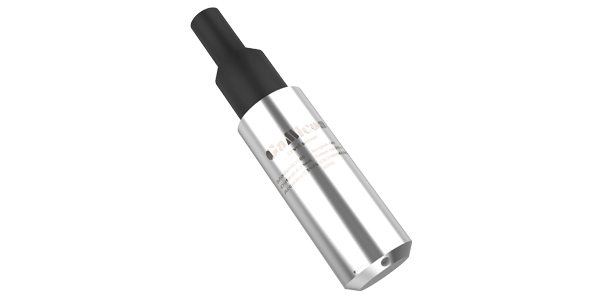
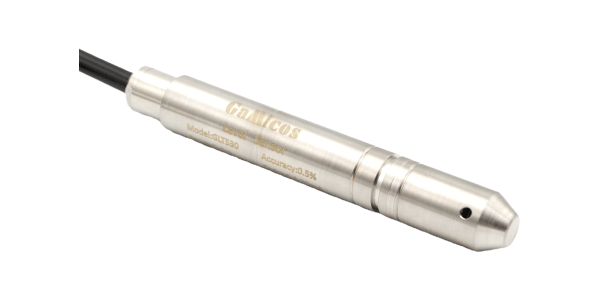
A simple but very effective way for submersible level transmitters to work is to measure the hydraulic pressure of the liquid column above the sensor and turn that pressure into an electrical output signal. This signal, which is usually 4–20 mA or voltage-based, tells automated control systems what the liquid level is at all times, so they don't have to keep an eye on things by hand.
How Hydrostatic Pressure Sensing Works
Piezoresistive or ceramic pressure monitors placed at the bottom of tanks, wells, or containers are what these devices are based on. As the level of the liquid goes up, so does the pressure on the sensor element. This makes changes in resistance or capacitance that can be measured. Then, advanced circuitry turns these changes in the real world into standard electrical signs that work with SCADA systems, PLCs, and remote monitoring platforms without any problems.
Common Industrial Applications
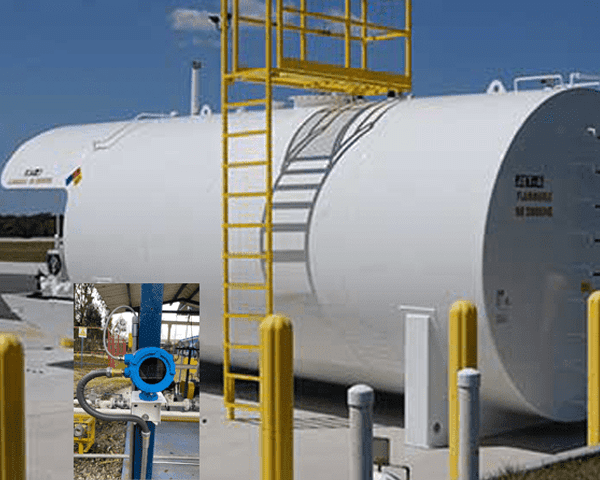
These devices help water and wastewater treatment plants keep an eye on tank levels, stop overflows, and make the best use of pumping plans. They are used by oil companies to keep an eye on the stock in storage tanks and make sure that the measurements for control transfers are correct. When working with aggressive media, chemical makers like how their designs don't corrode, and food and drink manufacturers like how their designs are sanitary and meet strict health requirements. These devices are used in cooling tower management and steam condensate systems in the energy sector. Their dependability has a direct effect on the amount of time that production can run.
Key Advantages Over Alternative Technologies
Ultrasonic sensors have trouble with foam or vapor, but submersible level transmitters stay accurate no matter what the surface is like. They work better than float switches because they give you constant analog data instead of just on-off signs. They don't need compressed air and have fewer moving parts than bubbler devices, which means they cost less to maintain. Because they are small, they can be installed in tight areas, and newer models have temperature adjustments built in to keep accuracy across a wide range of temperatures.
Top Submersible Level Transmitters for USA Buyers in 2026
To choose the right gadget, you have to weigh the technical specs against your budget and the needs of your application. To help you make smart choices, we've looked at the best models and rated them on things like measurement accuracy, material compatibility, signal output freedom, and long-term dependability.
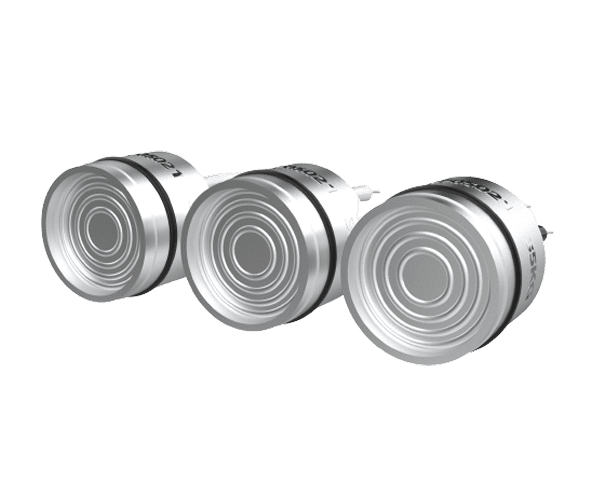
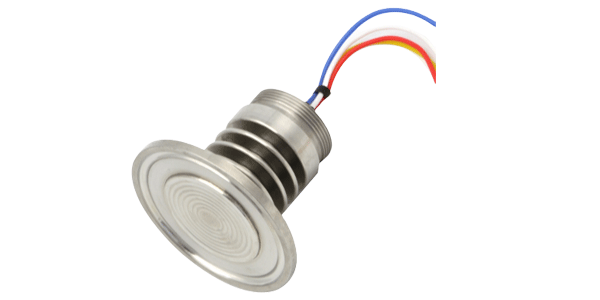
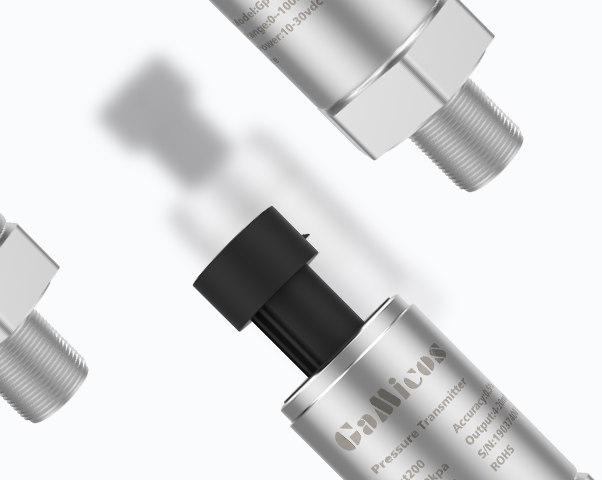
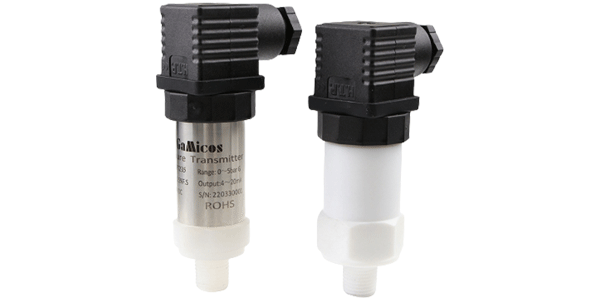
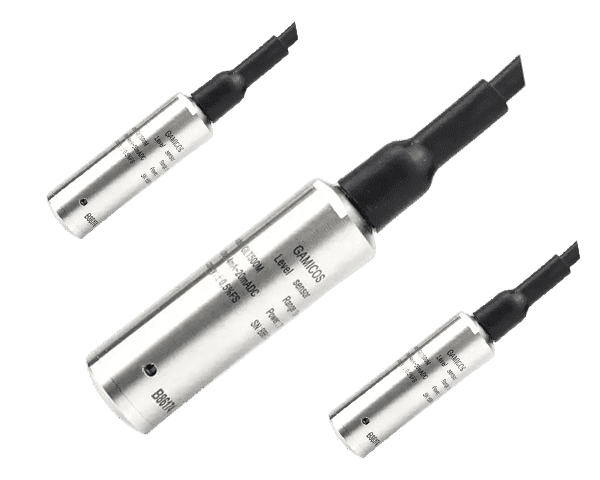
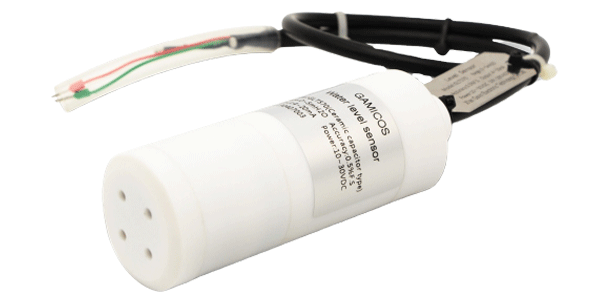
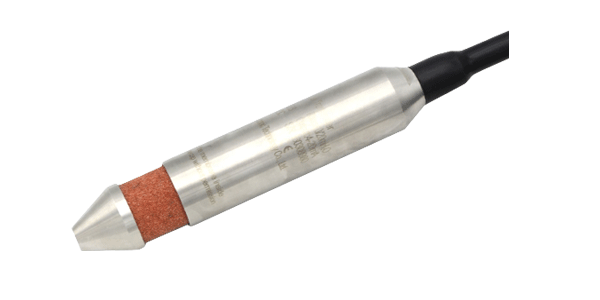
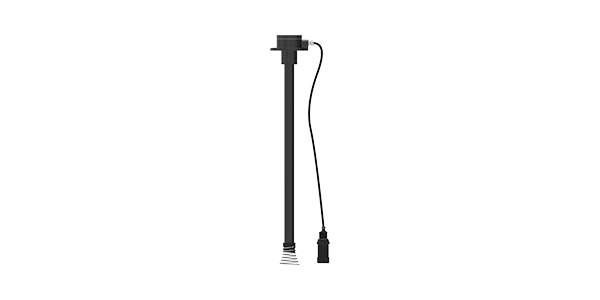
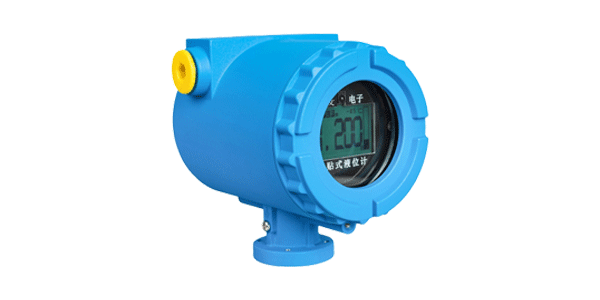
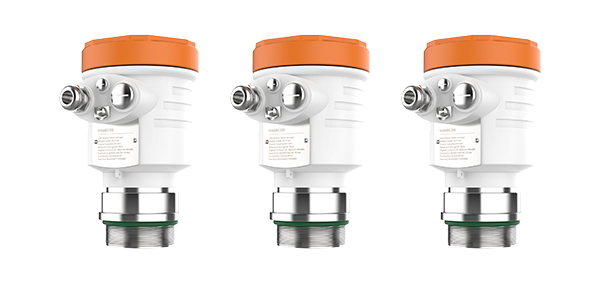
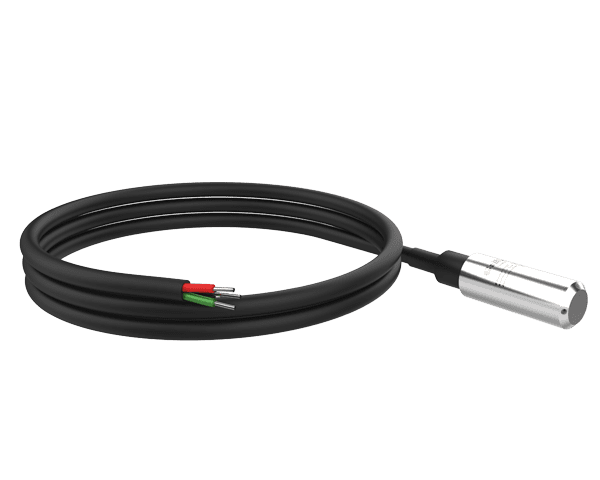
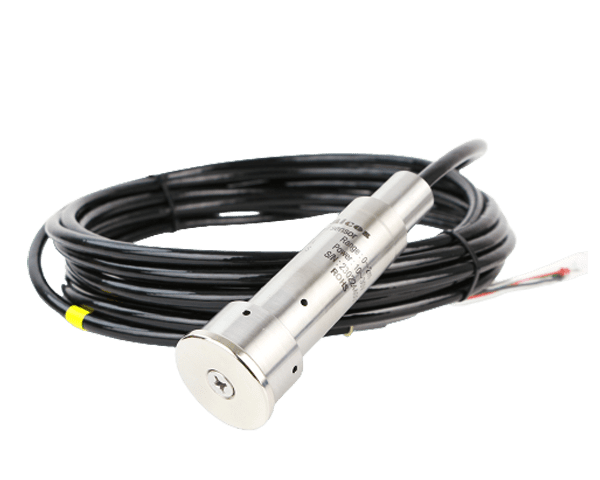
The GAMICOS GLT570 is a big step forward in dealing with highly toxic gases and liquids that normally destroy stainless steel housings. Its PTFE (polytetrafluoroethylene) body can withstand strong acids, caustic alkalis, and chlorine solvents, which makes it an important tool for chemical processing and metal finishing.
The GLT570's heart is a ceramic core made by a well-known company around the world. It provides ±0.25% full-scale accuracy and great long-term steadiness. The programmable emitter circuit makes field tuning easier because you can change the zero and span settings without having to send the unit back to the factory. This cuts down on downtime during setup or maintenance cycles.
One thing that makes this model stand out is that it comes with venting wires that are specially designed for different settings. Oil-resistant cables are better for businesses that work with fuel products, while abrasion-resistant cables are better for businesses that mine or process minerals. The strong design can handle installation depths of up to 200 meters, and the large measurement range means that one instrument can be used for both level and pressure tracking.
Siemens SITRANS LH Series
With the SITRANS LH series, Siemens brings its automation know-how to level measurement. The series is built to last and stays stable at high temperatures. The laser-welded stainless steel housings of these submersible level transmitters are rated to IP68, which means they will work reliably in both freshwater and slightly corrosive environments. The built-in lightning safety circuitry makes outdoor setups that are subject to electrical storms last longer.
Endress+Hauser Cerabar PMP21
The Cerabar PMP21 from Endress+Hauser has a ceramic diaphragm that is flush-mounted. This keeps material from building up in thick or dirty liquids. The dry ceramic sensitive cell technology gets rid of oil-filled standards, which lowers the impact of temperature and raises the accuracy to ±0.075% of span. Compatibility with the HART transmission protocol makes it possible to diagnose and change the configuration of a device from afar, without having to physically reach it.
ABB 2600T Pressure Transmitter
For normal water and wastewater uses, ABB's 2600T series is both affordable and effective. Biofouling doesn't stick to the titanium diaphragm in sewage settings, and the quick-disconnect cable makes upkeep easier. The accuracy is only ±0.2% at full scale, but the low price makes it a good choice for city projects that need to measure more than one thing.
Yokogawa EJX110B
The silicon resonant sensor technology from Yokogawa in the EJX110B makes it very stable across a temperature range of -40°C to 120°C. The monocrystalline silicon sensor stays calibrated for up to 10 years, which lowers the cost of recalibration. By keeping an eye on sensor health factors through digital transmission protocols like BRAIN or HART, predictive repair plans can be made.
Honeywell MLH Series
The MLH transmitters from Honeywell have improved surge protection and EMI filtering, which means they can be used in industrial settings with varying frequency drives and a lot of electromagnetic interference. The graphical monitor makes setting easier by showing the pressure, temperature, and preset state in real time. Versions that are intrinsically safe meet the standards for Class I, Div 1 places that are dangerous.
Krohne Optibar LC 1010
Krohne is small enough to fit in small areas, but it can still measure up to 400 meters of water column. The flush diaphragm choice keeps the valve from getting clogged up with slurries and sludges, and the different process link options let you set up the tank in different ways. The surge arrester that is built in guards against short-term voltage spikes that are typical in outdoor setups.
Installation and Calibration Guide for Optimal Performance
If you don't apply your investment correctly, it could lead to inaccurate data or expensive problems that need to be fixed. We've put together a list of the best ways to install things based on hundreds of real-world applications to help you avoid common mistakes.
Site Evaluation and Preparation
Before lowering any equipment into a tank or well, make sure that the site gives accurate readings without any noise from inlet pipes or mixers. Place the monitor away from the tank walls, where eddies and different temperatures can change the results. In wells, ensure placement depth accounts for seasonal water table variations.
Mounting Methods and Cable Management
Using stainless steel wire for suspension installation gives you options for uses with different depths. To keep the load from moving to the electrical connections, attach the wire to a stable anchor point that has strain relief. Venting wire design is critical — keep reference tubes dry, install desiccant vent caps, and avoid sharp bends.
Electrical Connections and Signal Integrity
Only two wires are needed for loop-powered 4-20 mA submersible level transmitters. Use shielded cable grounded at one end to avoid ground loops. For runs longer than 500 feet, calculate voltage drop carefully.
Calibration Procedures and Verification
Perform two-point calibration using known pressures (zero and full-scale). Record sensor output in air and at deepest liquid point. Recalibrate annually or after process changes affecting conditions. Keep calibration logs for quality management and drift detection.
Troubleshooting Common Installation Issues
Erratic readings often come from water ingress in vent tubes. Output stuck at maximum indicates blocked reference tube. Zero drift may arise from temperature shifts or mounting stress. Signal noise usually requires better grounding or shielding.
Comparison of Submersible Level Transmitters with Other Level Measurement Technologies
✔ Submersible vs Ultrasonic: Submersible unaffected by foam/vapor; ultrasonic cheaper for clean water but fails in harsh conditions. ✔ Submersible vs Float Switches: Continuous analog data vs discrete on/off; no moving parts means less wear. ✔ Submersible vs Bubbler Systems: Lower maintenance, no air supply needed; bubbler better for toxic open tanks where submersible materials degrade.
Both pressure and level transmitters sense pressure, but level transmitters have vented references compensating for atmospheric changes — crucial for open-top tanks. Submersible level transmitters excel where high reliability and real-time trending are required.
Procurement Insights: Buying Submersible Level Transmitters in the USA
To find your way around the buying world, you need to know where to find real goods, how to make purchases that will last, and what prices reflect fair market value.
Authorized Distribution Channels and Direct Sourcing
Distributors like Grainger, MSC Industrial Supply, Automation Direct stock popular brands. Direct manufacturer sourcing (GAMICOS) provides better pricing on bulk orders and custom options. B2B platforms connect with global manufacturers — ensure certifications and support.
Price Ranges and Budget Planning
Basic water-use transmitters ($250–400), mid-range with digital comms ($600–1200), high-temperature/extreme corrosion ($1500–3000). Allocate 15-20% additional for installation accessories (conduit, wire, enclosures).
Customization Options for Specific Applications
Custom cable lengths, Hastelloy/titanium housings, output signals (Modbus RTU, Profibus, Foundation Fieldbus) eliminate protocol converters and improve system integration.
GAMICOS: Your Trusted Partner in Level Measurement
Over 10 years, 50,000+ monitors produced annually, shipped to 98 countries. The GLT570 corrosion-resistant sensor solved sulfuric acid storage failures for a Texas petroleum plant — lasting 3+ years vs 6 months of stainless steel. ISO 9001-certified, CE & RoHS compliant. Technical support available during US business hours.
When choosing the right submersible level transmitters, you have to weigh technical performance against budget constraints and environmental issues. The devices we've talked about here have been used successfully in a wide range of industries, and each one has its own unique benefits for certain measurement tasks. Designs that don't rust, like the GAMICOS GLT570, protect investments in harsh chemical service, while mainstream names work reliably in normal water uses. When you place and calibrate sensors correctly, they work better and last longer, turning your purchases into long-term measurement assets.
FAQ
What factors affect submersible level transmitter accuracy?
Sensor quality, temperature compensation, installation integrity (cable venting, mounting stress, electrical noise). High-end ceramic/silicon elements maintain tighter limits, and built-in temp sensors auto-correct fluid density changes.
How often should I calibrate submersible transmitters?
Annually for stable processes; quarterly for custody transfer or regulated applications. Modern digital transmitters with self-diagnostics enable condition-based calibration.
Can these transmitters handle saltwater and corrosive environments?
Yes, depending on material: stainless steel for freshwater/mild chemicals; titanium for saltwater and oxidizing acids; PTFE sensors (GAMICOS GLT570) for strong acids, sodium hydroxide, chlorinated liquids. Always verify chemical compatibility tables.
Partner with GAMICOS for Your Submersible Level Transmitter Needs
GAMICOS provides custom measurement solutions, engineering support, and competitive pricing. Request specification advice at info@gamicos.com — US-based support replies within 24 hours. Evaluation units available for on-site testing. Visit gamicos.com for datasheets, case studies, and full catalog.
References
Industrial Automation Handbook: Level Measurement Technologies and Applications, 3rd Edition, John Smith & Robert Johnson, 2023.
Pressure Sensor Design and Applications in Process Industries, International Society of Automation, 2022.
Chemical Engineering Instrumentation Guide: Selection Criteria for Corrosive Service Sensors, Maria Chen, 2023.
Water and Wastewater Treatment Instrumentation Standards, American Water Works Association, 2024.
Petroleum Refinery Instrumentation Best Practices: Tank Farm Measurement Systems, David Thompson, 2023.
Ceramic Sensor Technology: Materials, Manufacturing, and Performance Characteristics, Journal of Industrial Measurement, Volume 45, 2024.
GAMICOS, a leading Chinese OEM, manufactures corrosion‑resistant submersible level transmitters (GLT570) for harsh industrial environments. Combining ceramic/PTFE technology, customizable venting cables, and full OEM support, the company serves automation, chemical, water, and energy sectors globally. Backed by ISO/CE certifications and responsive after‑sales, GAMICOS offers cost‑efficient alternatives to major Western brands