Chinese
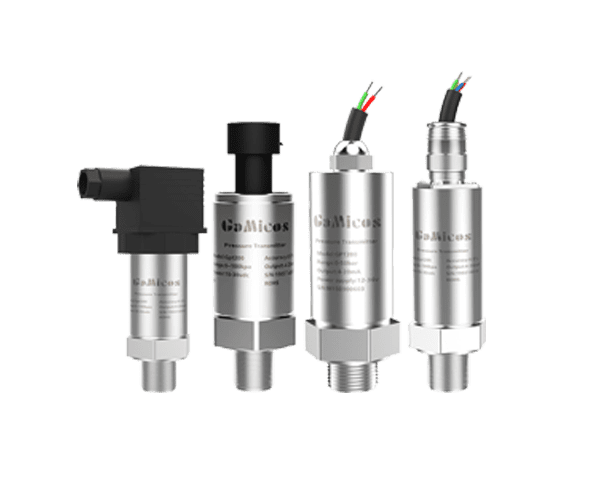
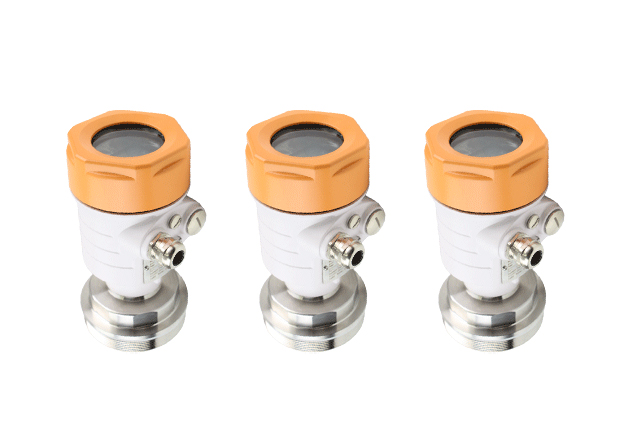
well level sensor technology has changed the way water is managed in agriculture all over Mexico by making tracking more accurate and cheaper. These high-tech hydraulic pressure sensors use tried-and-true engineering principles to accurately measure the depth of the water. They do this by using complex signal processing circuits to turn static pressure into accurate level readings. Mexican farms can benefit from the fact that Chinese sensor makers are experts at making approved equipment that is strong enough to work in harsh environments and still meets high standards of accuracy. Chinese well level sensors are the best choice for farms that want to update their watering systems without breaking the bank or lowering performance standards because they come with international quality certifications, features that can be changed, and prices that are low.
Why Chinese Well Level Sensors Are Ideal for Mexican Farms?
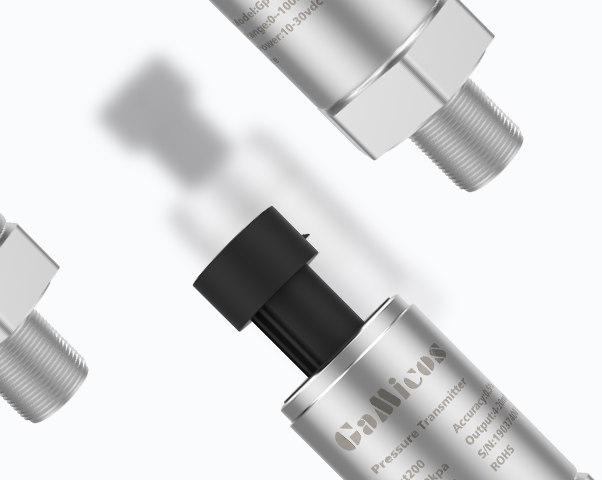
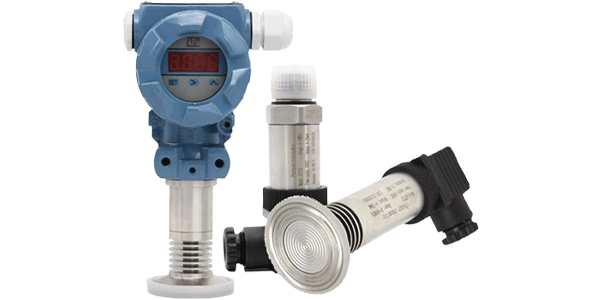
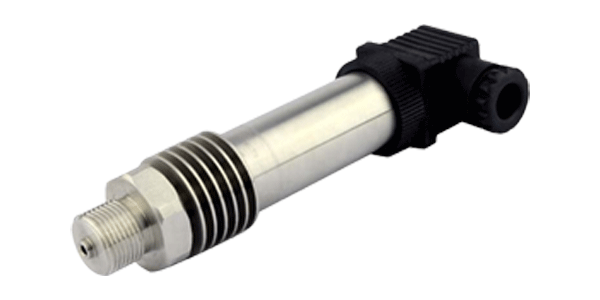
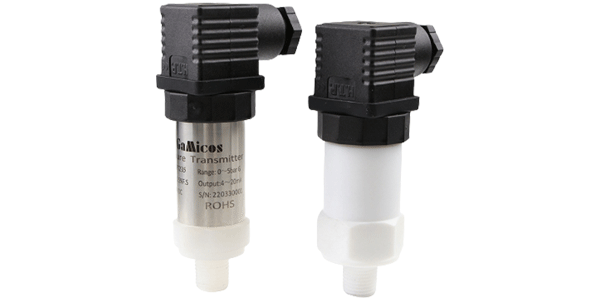
Chinese companies that make sensors have become trusted partners for Mexican farms by coming up with new technologies and making quality changes over the years. Farm renovation projects have strong value propositions when they combine advanced manufacturing skills, international certification compliance, and reasonable price, especially when incorporating solutions like a well level sensor to improve efficiency.
📋
International Certifications
CE, RoHS, ISO, and ATEX certified for global compliance
🌡
Extreme Durability
Reliable performance across 40°C temperature swings and 100% humidity
💰
Cost-Effective
Large-scale manufacturing delivers competitive pricing without sacrificing quality
⚙
Full Customization
OEM/ODM services with flexible probe sizes, signals, and branding
International Quality Standards and Certifications
Reputable Chinese sensor makers use strict quality control systems that are in line with international standards. These systems are certified by organizations like CE, RoHS, ISO, and ATEX. These certificates make sure that the products are safe, don't harm the environment, and work reliably, which is important for professional farming uses. In order to get certified, sensors must pass strict tests that show they work in a variety of temperature, humidity, and shaking conditions that are common on farms.
Certified metrology organizations test all of GAMICOS sensors' quality in a wide range of ways. This provides written proof of performance that meets the needs of engineering projects and insurance compliance. The company's quality assurance method includes choosing materials, production processes, final inspection, and ongoing tracking of reliability to make sure that product standards are always met.
Environmental Durability and Performance
Extreme temperatures, high humidity, UV exposure, and dust pollution make it hard to grow crops in parts of Mexico that are used for farming. To get around these problems, Chinese companies that make sensors have come up with special materials and building methods. Advanced polymer closing systems, materials that don't rust, and strong computer parts make sure that the machine works reliably for a long time.
Field performance data from sites in Mexico shows that sensors work reliably in a wide range of settings, from dry desert irrigation systems to wet coastal farming areas. The sensors stay accurate even when the temperature changes by more than 40°C and the humidity level gets close to 100% during regular weather trends.
"GAMICOS sensors maintain accuracy within 0.1% to 0.5% of full scale across all tested environmental conditions -- matching or exceeding international competitors at a fraction of the cost."
Cost-Effectiveness and Supply Chain Reliability
The large scale of Chinese manufacturing lets them offer reasonable prices without lowering quality standards. This means that medium and large-scale farming companies can now afford to use advanced sensor technology. Volume production supports the need to buy in bulk while keeping quality control the same across all order amounts. Distributors in Latin America who are part of established supply chains offer local help and shorter lead times than direct imports.
The benefits to the economy go beyond the initial buy price and include full warranty coverage, professional support services, and the ability to get replacement parts. Long-term total cost of ownership analyses always favor Chinese sensors because they last a long time, don't need much upkeep, and have a large service network coverage.
Choosing the Right Well Level Sensor for Your Farm: A Global B2B Buying Guide
To choose the right sensors, you need to carefully consider the needs of your farm, the surroundings, and how well they can work with your current watering systems. When making a choice, technical specs should be weighed against practical factors like how hard it is to install, how often it needs to be maintained, and how well the provider can help, especially when considering tools like a well level sensor for water management.
Technical Specification Matching
To choose the right sensor, you must first list your measurement needs, such as the depth range, accuracy limit, reaction time, and weather resistance requirements. For agricultural uses, sensors usually need to be able to measure depths between 5 and 100 meters accurately enough to make choices about how to control watering. Temperature adjustment is very important in places where the seasons change a lot.
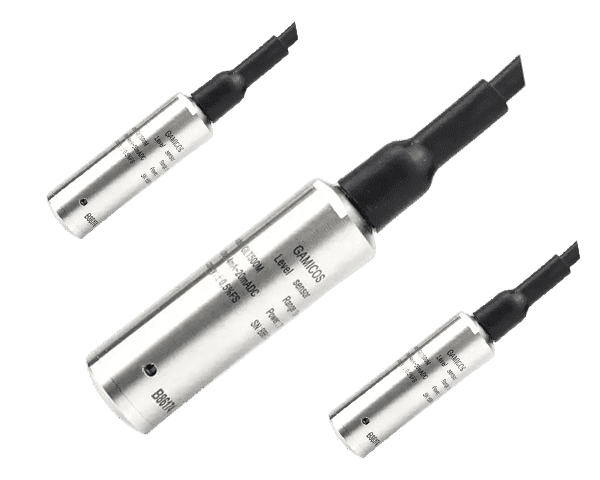
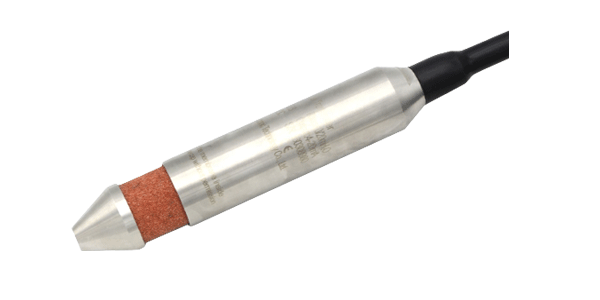
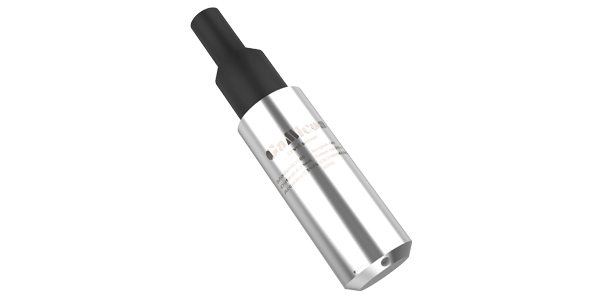
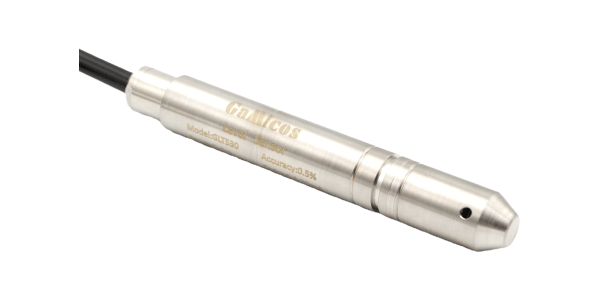
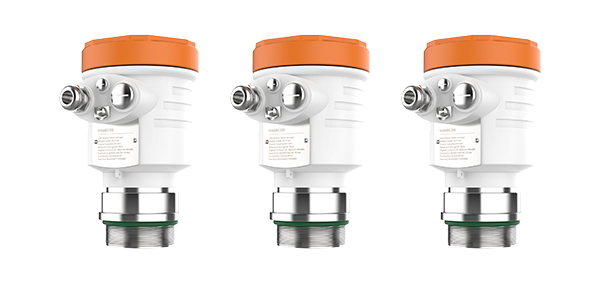
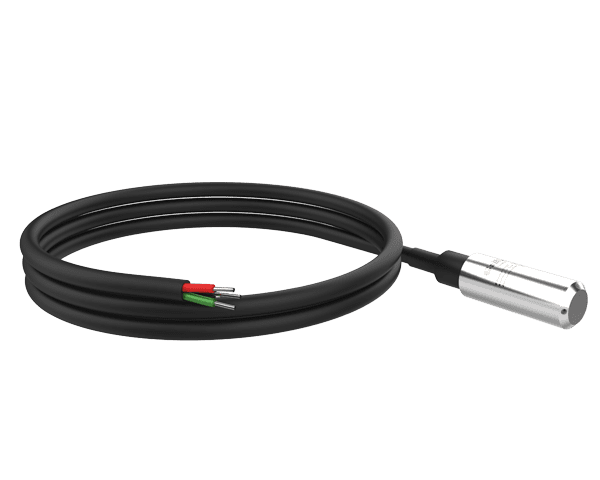
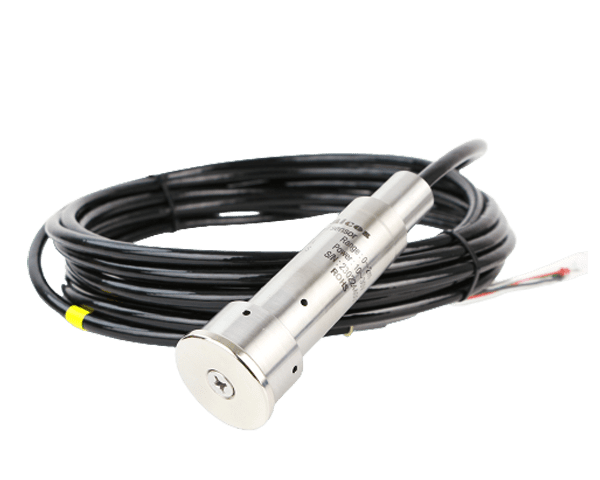
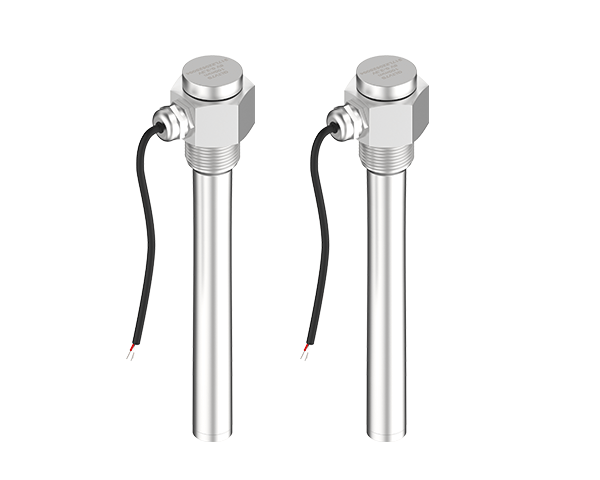
Different needs can be met by the GLT530 series, which has measurement lengths from 1 meter to 500 meters and different levels of accuracy to meet different needs. Different output signal types make sure that the probes can work with a range of control systems and data gathering equipment. Customizable probe diameters make it possible to place them in well casings that have already been installed without making any changes.
Key Selection Factors: Measurement range, accuracy class, output signal type, temperature compensation, housing material (316L stainless steel recommended), cable length, and power supply requirements.
Installation and Integration Considerations
For sensor deployment to work well, measurement needs, installation limitations, and easy entry for ongoing upkeep must all be coordinated. Many of the problems that come with installing external mounting systems are not present with submersible sensors. They also offer better measurement accuracy and environmental safety. How cables are routed, how power is connected, and how signals are sent must all work with the farm's system.
Professional installation services make sure that sensors are placed correctly, that they are calibrated correctly, and that the system works together properly. A lot of Chinese sellers offer installation help through local partners. These partners combine technical know-how with knowledge of farming methods and government rules in the area.
-
Verify well casing diameter matches sensor probe dimensions
-
Secure cable routing to prevent damage from farm equipment
-
Confirm power supply compatibility (24V DC standard)
-
Test signal output (4-20mA, RS485, or 0-10V) with your control system
-
Schedule professional on-site calibration before the growing season
Customization and OEM Capabilities
Chinese companies are great at making sensor products that are specifically designed for use in agriculture. Customization choices include changing the size of the probe, getting different output signals, making your own calibration ranges, and getting packing that is made for your specific purpose. OEM services make it possible for makers of irrigation equipment and system operators that work with farmers to work together.
GAMICOS provides full OEM and ODM services, which include changing the brand, making special packaging, and changing technical specs. This gives farms the freedom to stick to tried-and-true technology while still being able to change sensors to fit specific practical needs or brand tastes for reselling equipment.
How to Buy and Install Well Level Sensors: Practical Guide for B2B Clients
To buy sensors successfully, you need to think about a lot of things, from evaluating suppliers to planning installations and figuring out what kind of ongoing help you will need. Systematic approaches that take into account technical needs, business terms, and the possibility of a long-term relationship with sensor providers are good for B2B clients, especially when considering specialized solutions like a well level sensor for water management.
Supplier Evaluation and Procurement Channels
Reliable sensor providers show they know what they're doing by having product certifications, quality paperwork, and experience using sensors in farming markets. Established sellers keep full product lines that can be used for multiple projects and offer expert help for the whole lifecycle of the product. Case studies and references from customers show that the source can do what they say they can do and that the product works well in real life situations.
GAMICOS is a professional sensor seller with a wide range of products that serve farming markets in more than 100 countries. Throughout the lifetime of a product, the company's expert support team helps customers choose the right product, install it correctly, and fix problems. Buying professional farming applications with quality approvals and testing records gives buyers peace of mind.
Commercial Terms and Warranty Considerations
When professionals buy sensors, they need clear business terms that include prices, delivery times, guarantee coverage, and ongoing support services. Volume price systems reward orders of a certain size while keeping unit costs low for orders of smaller amounts. The warranty should cover both problems with the way the product was made and how well it works, and there should be clear steps for how to file a guarantee claim.
As part of technical support services, you can get help with installation, testing, and fixing problems. Many suppliers offer remote support, which cuts down on response times and keeps operations running smoothly. Local service partners improve help by being present in the area and being able to respond quickly.
Installation Best Practices and Maintenance Planning
When sensors are installed correctly, they work better and last longer. Sensor placement, wire security, calibration verification, and system integration testing should all be part of the installation process. Professional installation services get rid of common mistakes and make sure that the product is installed according to the manufacturer's instructions and the terms of the guarantee.
Preventive maintenance programs make sensors more reliable by checking their calibration, inspecting their cables, and making sure they are working properly on a regular basis. Maintenance plans should be in sync with the growing season so that there is as little downtime as possible during important watering times. Having spare sensors on hand makes sure that they can be quickly replaced when equipment breaks down.
Conclusion
Chinese well level sensors are a great option for Mexican farms that want to control their water in a reliable and cost-effective way. When you put together tried-and-true hydrostatic pressure measurement methods, international quality standards, and reasonable prices, you get a great deal for farm irrigation uses. GAMICOS GLT530 series sensors are a good example of this technology because they have features that can be changed, are built to last, and come with a wide range of support services that are specifically designed to meet the needs of professional farmers. To make sure the best long-term performance and return on investment, execution must pay close attention to meeting technical specifications, evaluating suppliers, and following best practices for installation.
FAQ
Q1: How accurate are Chinese submersible well level sensors compared to international brands?
Chinese sensors of good quality are accurate to within 0.1% to 0.5% of the full scale, the same as or better than foreign rivals. Certified measurement institutions put GAMICOS sensors through a lot of tests to make sure they work well enough for professional farming use. The important thing is to choose manufacturers with good reputations, well-established quality systems, and international certifications.
Q2: Can sensors be customized for specific irrigation system requirements?
Yes, major Chinese makers offer a wide range of customization options, such as changing the size of the probe, creating custom measurement ranges, and packing that is made to fit the needs of the application. OEM services make it possible to connect new equipment to old ones while keeping the manufacturer's help and guarantee coverage.
Q3: What are typical lead times and shipping logistics for bulk sensor orders?
Standard wait times for standard specs are two to four weeks, while custom orders can take anywhere from four to six weeks, based on how complicated the changes are. Suppliers that have been around for a while keep stock of popular setups, which speeds up delivery. Logistics for shipping are helped by supply lines that are well-developed and can be tracked. International exports are also covered by insurance.