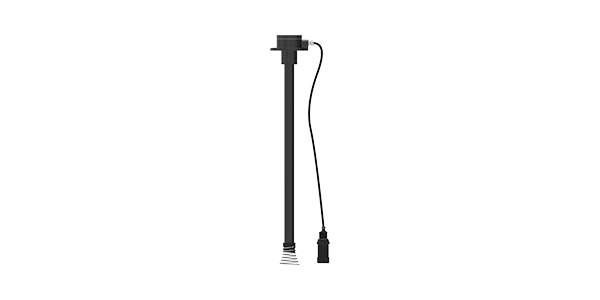
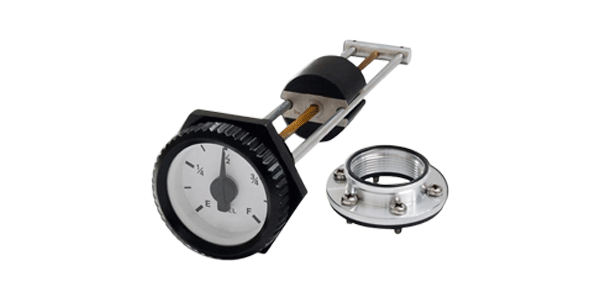
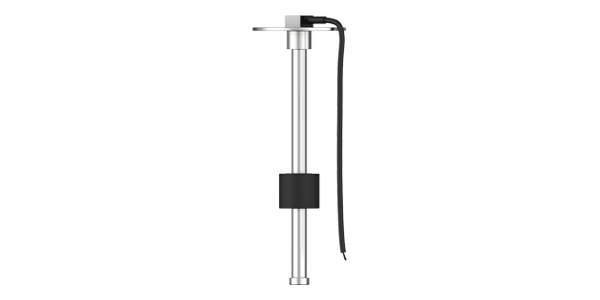
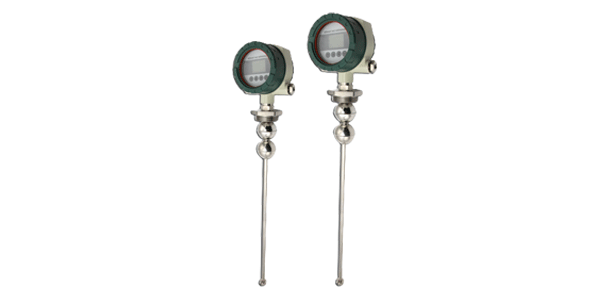
Strategic procurement for industrial automation: Mexico's growing petrochemical, food processing, and water treatment sectors demand reliable
submersible level sensors. This guide navigates import regulations, supplier selection, and long-term value—helping you source robust, compliant solutions for challenging environments.
1. Navigating the Import Process
Electronic measuring equipment import laws in Mexico require close attention to certification, documentation, and customs procedures. Understanding these prerequisites ensures smooth market entry and helps avoid costly delays.
Regulatory Framework & Certification
Equipment must comply with NOM (Normas Oficiales Mexicanas) standards when applicable, alongside international certifications like ISO, CE, and ATEX where relevant. Importers must provide commercial invoices, bills of lading, packing lists, certificates of origin, and technical documentation—including Spanish user manuals when required.
Customs Duties & Tariff Classifications
Submersible sensors fall under specific tariff codes that determine duty rates. Working with experienced customs brokers familiar with USMCA provisions can significantly reduce import costs. Maintain thorough records of transaction values, transportation, and insurance for proper valuation.
🔑 Supplier Partnership: Collaborate with manufacturers like GAMICOS who offer comprehensive technical support, documentation, and after-sales service across 100+ countries—simplifying compliance and ensuring operational success.
2. Comparing Submersible Level Sensors
Systematic evaluation of sensor technologies against application requirements and total cost of ownership is critical. Different measurement principles offer distinct advantages depending on environment, precision needs, and maintenance preferences.
✅ Submersible vs. Alternative Methods
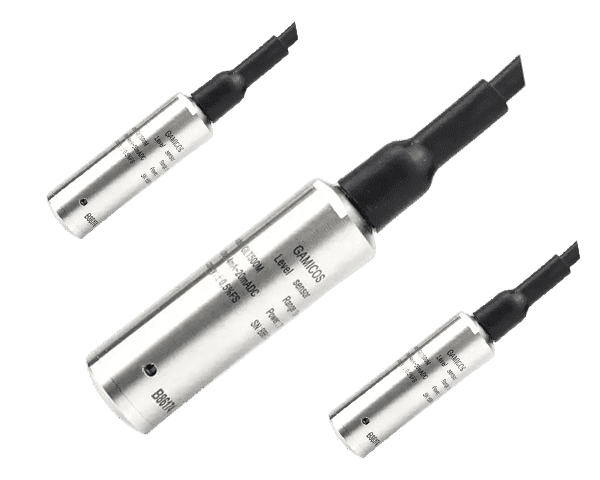
Direct contact measurement eliminates issues with mist, foam, or surface turbulence that affect non-contact radar/ultrasonic sensors. Submersible sensors also provide superior accuracy in varying temperatures and liquid densities.
🧪 Material Selection & Compatibility
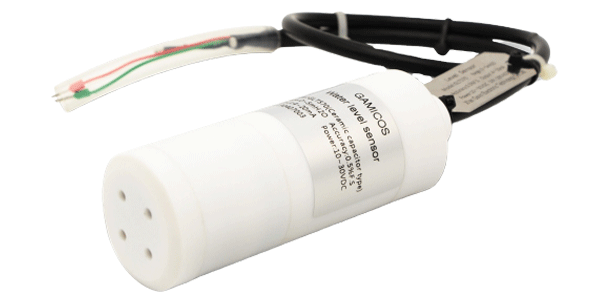
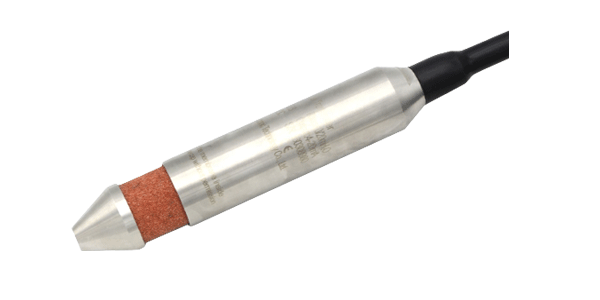
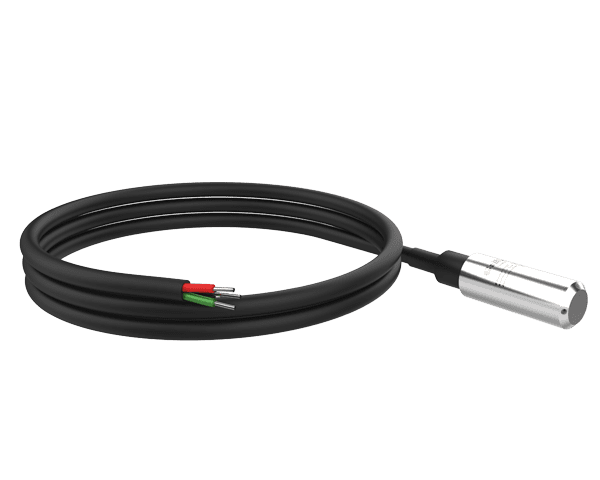
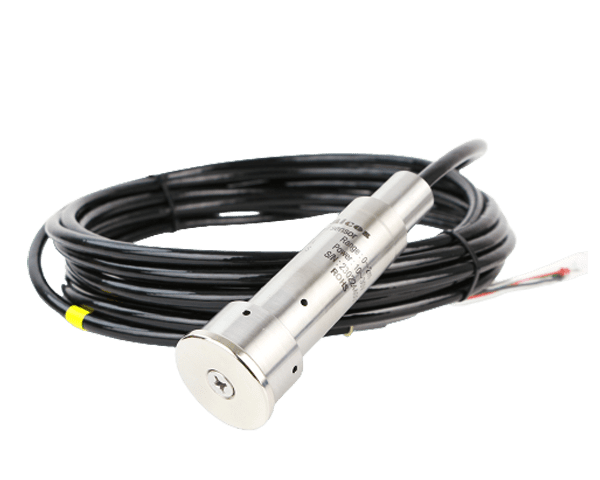
Choose 316L stainless steel for food/water applications, or PTFE/ceramic sensing cores (like GLT570 anti-corrosive level sensor) for petrochemical and pharmaceutical environments—reducing corrosion and extending service life.
Accuracy & Calibration Considerations
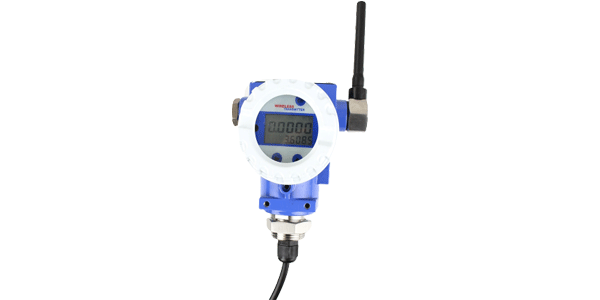
Mexican industrial applications typically require 0.1% – 0.5% full-scale accuracy. Advanced sensors feature temperature compensation and programmable transmitters that allow field calibration updates without removing the sensor—minimizing downtime and maintenance costs.
3. Installation, Calibration & After‑Sales
Proper installation and ongoing maintenance directly impact sensor reliability. Optimize deployment for Mexico's diverse climate—temperature extremes, humidity, and seismic activity.
-
Installation best practices: Secure cable routing, strain relief, and environmental sealing to protect against moisture and mechanical stress. Choose venting cables (oil-resistant, acid-alkali-resistant, or high-strength) based on your specific industry.
-
Calibration schedules: Annual checks are typical, but critical safety applications may require more frequent verification. Programmable transmitters simplify field adjustments.
-
Technical support: Leverage suppliers with established service networks in Mexico for faster response and local expertise. GAMICOS provides troubleshooting, maintenance guidance, and remote assistance.
4. Strategic Tips for B2B Buyers
🔎 Supplier Evaluation
Assess technical expertise, quality certifications, customization capabilities, delivery reliability, and after-sales infrastructure. GAMICOS exemplifies these traits with ISO certifications, global clientele, and comprehensive OEM/ODM services.
🛡️ Risk Mitigation
Address quality issues, supply delays, currency volatility, and regulatory compliance through pre-shipment inspections, clear warranty terms, and service level agreements. Partnering with established international suppliers reduces regulatory and quality risks.
Building Long‑term Partnerships
Strategic supplier relationships unlock volume discounts, priority support, and co‑development opportunities. GAMICOS's customer-focused approach and flexible OEM/ODM capabilities enable truly customized solutions that maximize operational value for Mexican industrial clients.
Conclusion
Successful importation of submersible level sensors into Mexico demands careful navigation of regulations, strategic supplier selection, and deep technical understanding. By building strong partnerships with reliable vendors—like GAMICOS—who provide documentation, technical support, and after‑sales care, procurement professionals can secure advanced, compliant measurement solutions that address local environmental and operational challenges. This positions your organization for sustainable success in Mexico's dynamic industrial market.
Frequently Asked Questions
Q1: What certifications are required for importing submersible sensors to Mexico?
Imported sensors must comply with applicable NOM (Normas Oficiales Mexicanas) standards and may require CE, ISO, or ATEX certifications depending on the application. Working with suppliers who maintain comprehensive certification portfolios simplifies compliance and reduces import delays.
Q2: Can submersible sensors be customized for specific Mexican industrial applications?
Yes, reputable manufacturers offer extensive customization—including housing materials, cable specifications (oil/acid/alkali-resistant), communication protocols, and calibration ranges. The GLT570 sensor exemplifies this with specialized venting cable options for diverse environmental conditions.
Q3: How often should submersible sensors be calibrated to maintain accuracy?
Most industrial applications benefit from annual calibration, while critical safety or high-accuracy processes may require more frequent verification. Modern sensors with programmable transmitters enable field calibration adjustments, reducing maintenance costs and operational disruption.