Introduction
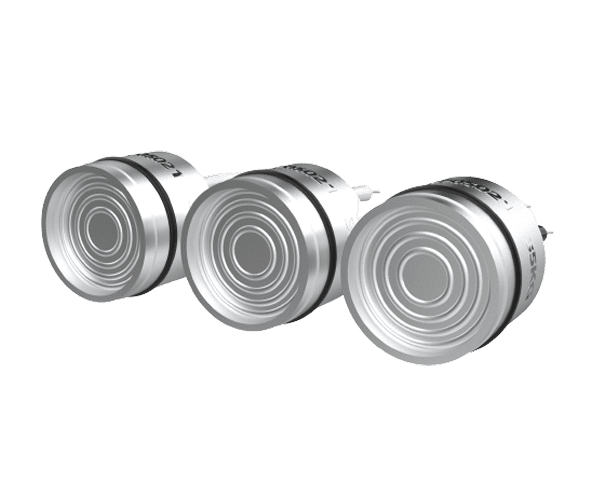
Accurate pressure monitoring devices that can survive harsh circumstances are essential in industrial settings. In the fields of chemical manufacture, petroleum processing, and undersea pipeline systems, IP68 pressure sensors are the industry standard for dustproof and waterproof applications. When continually immersed, these sturdy devices retain their operational integrity while giving precise pressure measurements that are crucial for process management.
When choosing pressure measurement equipment, business-to-business procurement experts are becoming more aware of the significance of strategic sourcing choices. Beyond the initial purchase price, there are more intricate factors to take into account when choosing between Chinese and UK providers. Procurement results are influenced by supply chain dependability, technical support capabilities, customization choices, and total cost of ownership.
This thorough study compares the IP68 pressure sensor markets in the UK and China, offering data-driven insights to help buyers make wise choices. Procurement teams may maximize value while guaranteeing operational needs are fulfilled consistently across difficult industrial applications by having a thorough understanding of regional manufacturing capabilities, pricing structures, and quality standards.
Understanding IP68 Pressure Sensors: Key Features and Benefits
The IP68 grade, which combines total dust-tight sealing with prolonged water immersion resistance, is the greatest level of ingress protection possible for industrial sensors. This certification guarantees that devices can function dependably for prolonged periods of time while submerged more than one meter, which makes them essential for tough industrial settings and underwater applications.
Advanced Protection Technology
IP68 pressure sensors accomplish exceptional environmental protection by employing strong housing materials and advanced sealing systems. The first number, '6', signifies total defense against dust particles, while the second, '8', verifies resistance to prolonged submersion under specific circumstances. Deployment in difficult situations where operating hazards arise from both water exposure and particle pollution is made possible by this dual protection capabilities.
316L stainless steel diaphragms and specific gasket systems are used in modern sensor designs to preserve seal integrity during temperature cycling and pressure changes. Leading manufacturers' construction techniques provide reliable operation in a range of temperatures from -40°C to +85°C, supporting a variety of industrial working environments.
Superior Performance Characteristics
Modern IP68 pressure sensors have remarkable accuracy levels, usually preserving ±0.25% full-scale precision throughout their working range. Applications needing long-term measurement reliability without regular recalibration depend on piezoresistive sensing elements' exceptional stability and minimal drift properties.
Real-time process control in dynamic systems is made possible by response time criteria, which often attain sub-millisecond performance. Accuracy is maintained across large temperature ranges by temperature compensation circuitry, and standard current and voltage outputs that are compatible with industrial control systems are provided by sophisticated signal conditioning.
UK vs China: Cost Comparison of IP68 Pressure Sensors
Significant variations in labor costs, material procurement, and operational overhead are reflected in the manufacturing cost structures of Chinese and UK suppliers. Advanced manufacturing facilities, strict regulatory compliance requirements, and premium pay structures drive up production costs for UK firms. These elements raise prices, however they are often associated with better technical support services and improved quality control procedures.
🇬🇧 UK (per unit)
$150 – $500
🇨🇳 China (per unit)
$50 – $200
Typical lead time (bulk)
UK: 4‑8w | CN: 6‑12w
Manufacturing Economics Analysis
Government backing for technical industries, competitive labor prices, and well-established supply chain networks all contribute to the advantages of Chinese manufacturing. Through worldwide compliance procedures and ISO certification, production quantities allow for economies of scale that drastically lower prices per unit while preserving quality requirements. Cost competitiveness is further improved by integrated manufacturing ecosystems and the closeness of raw materials.
In order to defend premium pricing structures, UK suppliers make use of sophisticated quality systems, innovative automation, and specialized technical knowledge. By improving performance characteristics and extending warranty coverage, investments in R&D skills, unique technology, and extensive testing facilities generate value.
Total Cost of Ownership Considerations
Procurement teams must assess the full cost implications, including shipping costs, import taxes, and ongoing support needs, in addition to the initial purchase pricing. Faster delivery dates and localized technical assistance are common features of UK suppliers, which help minimize integration difficulties and project delays. Chinese producers offer extensive customization options and affordable bulk pricing, which is particularly advantageous for OEM applications that require customized configurations, such as those involving an IP68 pressure sensor for demanding environments.
Long-term operating expenses are greatly impacted by warranty conditions, the availability of replacement parts, and service response times. While Chinese manufacturers concentrate on cheap pricing and quick manufacturing capabilities for large-volume contracts, UK vendors often provide more extensive support packages.
Technical Comparison: UK vs China IP68 Pressure Sensor Models
Although contemporary manufacturing standards guarantee that the majority of gadgets fulfill strict industrial criteria, performance specifications differ significantly across manufacturers from both areas. UK companies like Honeywell and Sensata provide sensors with remarkable accuracy and stability features by emphasizing precise engineering and sophisticated calibration techniques.
Design and Performance Features
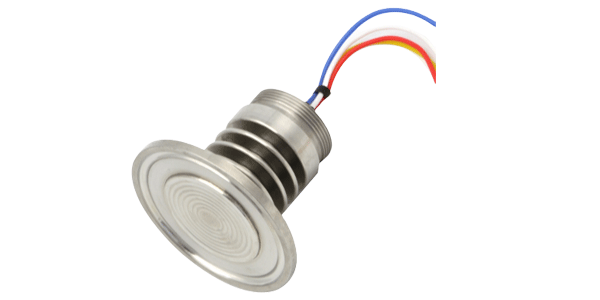
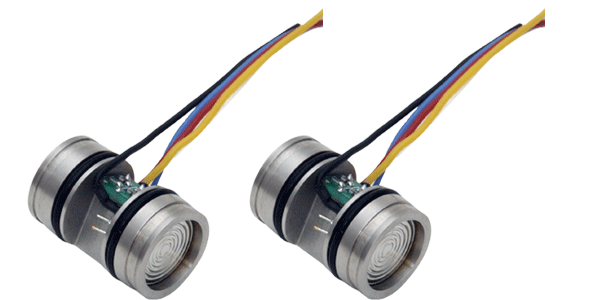
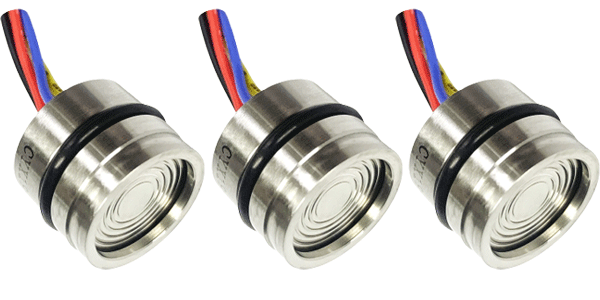
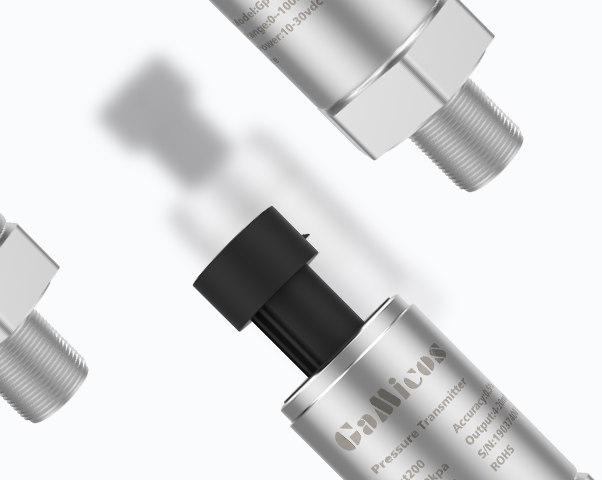
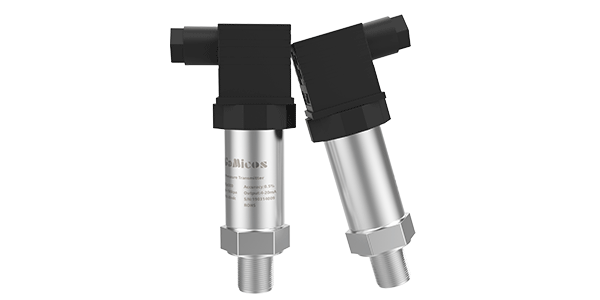
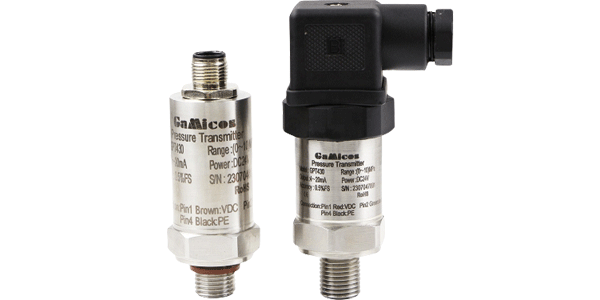
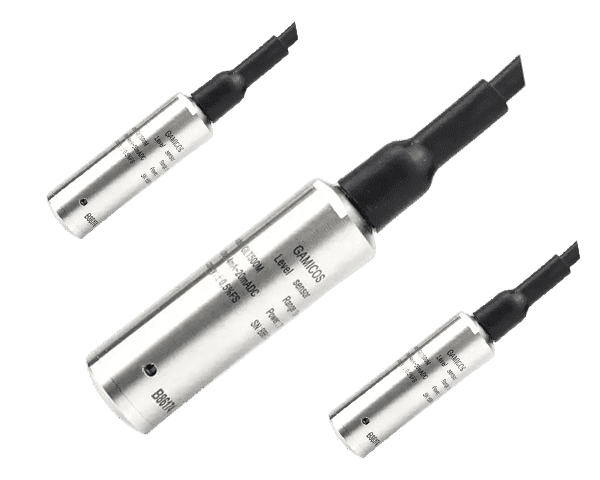
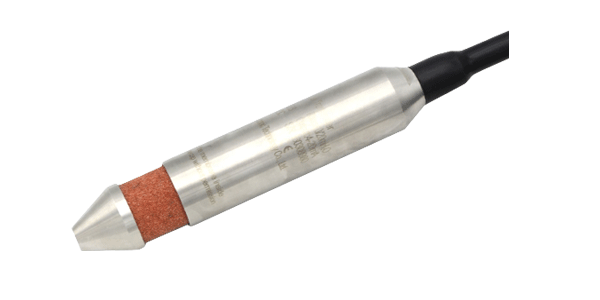
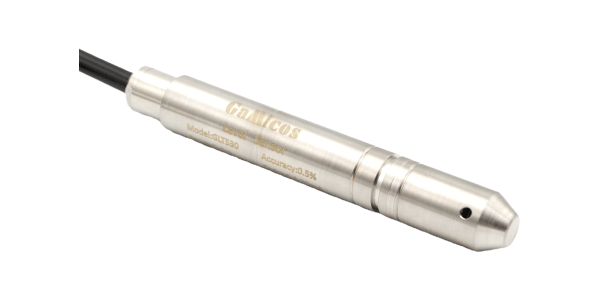
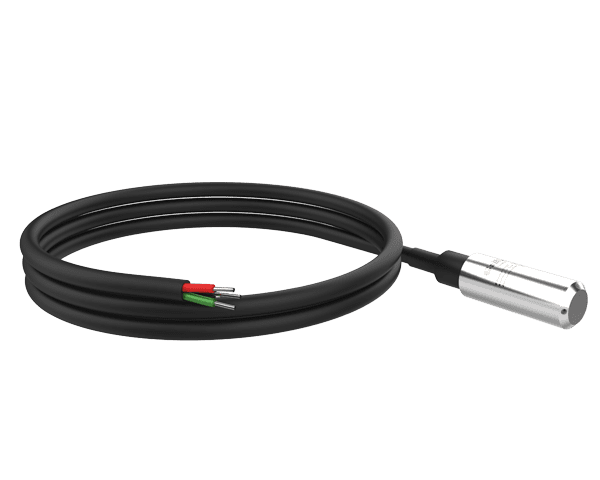
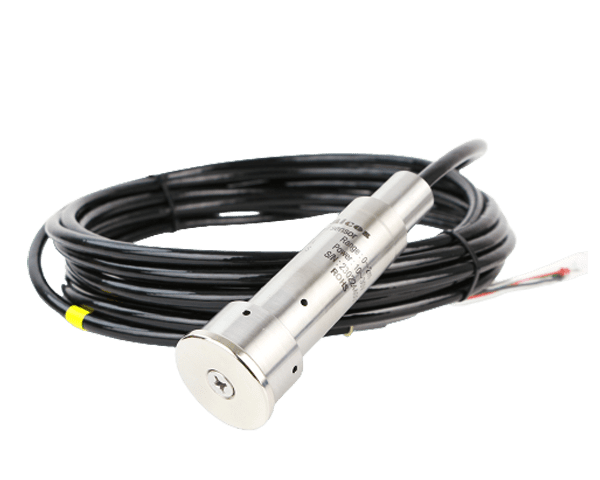
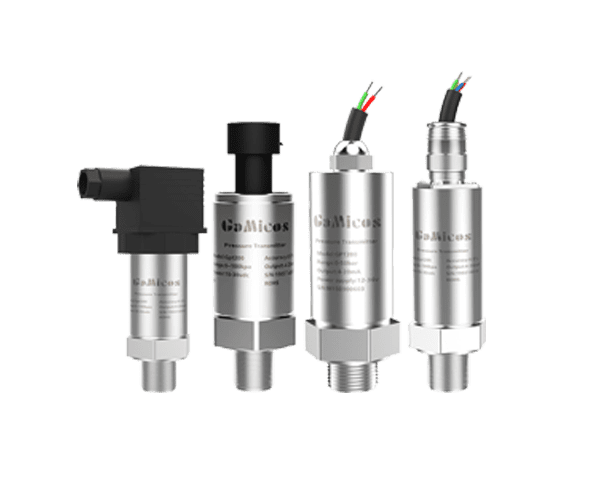
With its diffused silicon pressure core and integrated signal conditioning circuitry, the GPT203 submersible pressure transmitter is a prime example of China's sophisticated manufacturing skills. By converting millivolt sensor data into common industrial outputs, this design method eliminates the need for extra signal processing equipment and allows for direct connection to control systems.
Strong anti-interference properties, excellent stability, and little drift over long operating times are some of the main technological benefits. While preserving full IP68 protection ratings, the small, light design makes installation easier in situations with limited space. OEM customization options allow for the fulfillment of particular application needs without sacrificing performance standards.
Certification and Compliance Standards
To guarantee IP68 compliance and international safety requirements, both Chinese and UK producers uphold stringent certification procedures. Under controlled laboratory circumstances, testing processes include prolonged immersion resistance validation and dust-tight protection certification. When exposed to demanding environmental conditions, these procedures verify operational integrity.
Component screening, process verification, thermal cycling, stress-reduction techniques, and thorough aging testing are all included in quality assurance methods. Reliable functioning in a variety of industrial applications is ensured by environmental simulation testing, which verifies performance under harsh circumstances. Systems for documentation and traceability help meet the needs of quality audits and regulatory compliance.
How to Choose the Best IP68 Pressure Sensor for Your Needs?
A thorough assessment of the performance objectives, environmental factors, and application-specific criteria is necessary for a successful sensor selection. In order to ensure that selected solutions fulfill technical requirements and provide long-term value, procurement teams must strike a balance between operational dependability and cost concerns.
Application Requirements Assessment
When choosing sensors, environmental considerations are crucial. Specialized materials and construction methods are necessary for applications involving corrosive chemicals, high pressure, or extreme temperatures. For chemical processing and wastewater treatment applications, the GPT203's 316L stainless steel isolation diaphragm offers exceptional corrosion resistance, making it an ideal choice, along with the IP68 pressure sensor, for applications demanding robust environmental protection.
Requirements for pressure range, accuracy, and output signal compatibility must match those of the current monitoring infrastructure and control systems. Throughout the sensor lifespan, operational efficiency is ensured by taking into account installation limitations, maintenance accessibility, and replacement processes.
Supplier Evaluation Criteria
Delivery performance, quality consistency, and technical support skills are important considerations when choosing a provider. While Chinese vendors often provide more flexible customization choices and competitive bulk prices, UK manufacturers are generally better at application engineering assistance and quick technical consultation.
Audits of manufacturing facilities, certification credentials, and quality management systems provide information on the process maturity and dependability of suppliers. Strategic sourcing choices for continuing procurement needs are influenced by market stability, innovation potential, and long-term relationship prospects.
Best Practices for Testing and Validating IP68 Pressure Sensors
Extensive testing procedures validate IP68 protection claims while ensuring sensor performance satisfies application requirements. Systematic validation processes verify operational dependability under real-world operating circumstances and lower deployment risks.
Validation Testing Procedures
Verification of dust-tight protection and assessment of prolonged immersion resistance are included in IP68 testing. Dust protection testing verifies the full sealing integrity of enclosures by exposing them to controlled particle conditions. In order to verify that equipment is protected against water intrusion under practical working circumstances, water immersion testing exposes them to predetermined depths and times.
Calibrated pressure source testing across the whole operating range is necessary for accuracy verification in order to record linearity, hysteresis, and repeatability properties. While long-term drift assessment verifies measurement consistency over lengthy periods of time, temperature compensation testing verifies performance stability over designated thermal ranges.
Quality Assurance Implementation
Before installation, incoming inspection protocols should confirm basic functioning, documentation completeness, and physical condition. Accuracy parameters and output signal compatibility with control systems are verified by pre-deployment testing using calibrated reference standards.
By detecting possible reliability problems prior to deployment, environmental stress screening may lower field failure rates and maintenance needs. Decisions on replacement scheduling and continuous maintenance planning are supported by the documentation of test findings, calibration data, and performance baselines.
Conclusion
Cost minimization and operational dependability criteria must be balanced when choosing between IP68 pressure sensor vendors in the UK and China. Chinese vendors provide cheap pricing and flexible customization choices without sacrificing crucial performance qualities, while UK manufacturers offer top technical skills and extensive support services at higher price points. Both locations offer dependable sensors that satisfy strict IP68 protection requirements thanks to modern production standards. Technical requirements, supplier capabilities, and total cost of ownership must all be carefully considered in order to make successful procurement selections.
FAQ
Q1: What are the key differences between IP68 and IP67 pressure sensors?
IP68 sensors provide superior water protection compared to IP67 devices, capable of continuous submersion beyond one meter depth for extended periods. IP67 sensors offer temporary immersion protection up to one meter for limited duration. Both provide identical dust protection levels, but IP68 certification ensures reliable operation in permanently submerged applications.
Q2: How do Chinese IP68 pressure sensors compare in quality to UK-made devices?
Modern Chinese manufacturers maintain rigorous quality standards through ISO certification and international compliance protocols. While UK suppliers may emphasize premium materials and advanced testing procedures, leading Chinese manufacturers like those producing the GPT203 series deliver comparable performance through sophisticated design engineering and comprehensive quality control processes.
Q3: What are typical lead times for bulk orders from UK versus Chinese suppliers?
UK suppliers generally provide delivery times of 4-8 weeks for standard products, with expedited options available for urgent requirements. Chinese manufacturers typically quote 6-12 weeks for bulk orders, though volume production capabilities often enable faster delivery for large quantities. Shipping logistics and customs procedures can extend total delivery times for international orders.
🤝 Partner with GAMICOS for Premium IP68 Pressure Sensor Solutions
GAMICOS delivers exceptional value through advanced IP68 pressure sensor technology backed by comprehensive OEM customization capabilities. Our GPT203 submersible pressure transmitter exemplifies superior engineering with 316L stainless steel construction, advanced signal conditioning, and proven reliability in demanding industrial applications. With products exported to over 100 countries and extensive experience serving petroleum, chemical, and industrial automation sectors, we understand the critical importance of reliable pressure measurement solutions. Contact our technical team at info@gamicos.com to discuss your specific requirements and discover how our IP68 pressure sensor manufacturer expertise can optimize your procurement strategy while ensuring operational excellence.
📚 References
-
International Electrotechnical Commission. IEC 60529: Degrees of Protection Provided by Enclosures. Geneva: IEC Publications, 2019.
-
Smith, J.R. and Brown, M.K. "Comparative Analysis of Industrial Pressure Sensor Technologies and Regional Manufacturing Capabilities." Journal of Industrial Instrumentation, vol. 45, no. 3, 2023, pp. 78-92.
-
Thompson, A.L. "Global Supply Chain Dynamics in Precision Sensor Manufacturing: UK versus Asia-Pacific Perspectives." Industrial Procurement Quarterly, vol. 28, no. 2, 2023, pp. 156-171.
-
Williams, D.P. et al. "Cost-Benefit Analysis Framework for Industrial Sensor Procurement Strategies." International Conference on Industrial Automation Proceedings, London, 2023, pp. 334-349.
-
Anderson, R.M. "IP68 Protection Standards and Testing Methodologies for Harsh Environment Applications." Process Control Engineering Review, vol. 67, no. 4, 2023, pp. 45-58.
-
European Industrial Automation Association. "Market Analysis Report: Pressure Sensor Technologies and Regional Manufacturing Trends 2023." Brussels: EIAA Publications, 2023.
© 2026 GAMICOS · This guide is for informational purposes. All prices and lead times are estimates based on market research.