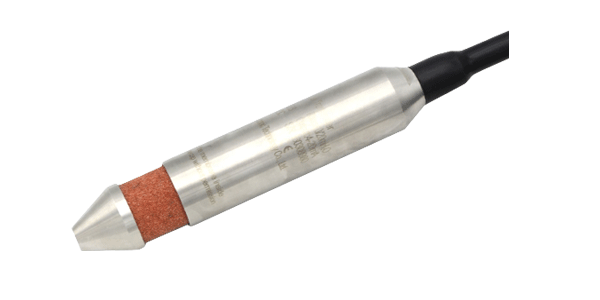
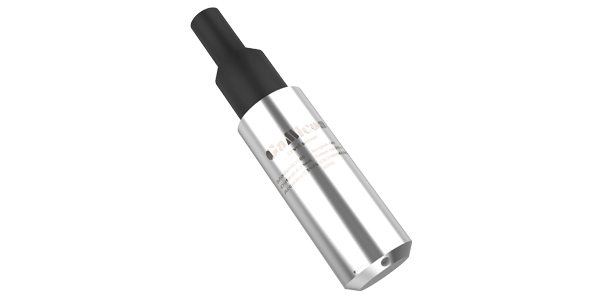
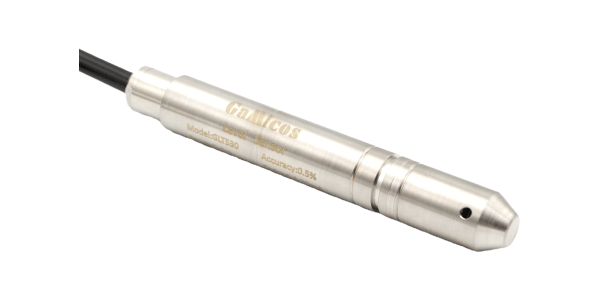
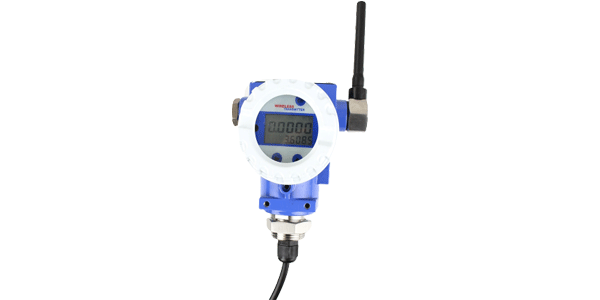
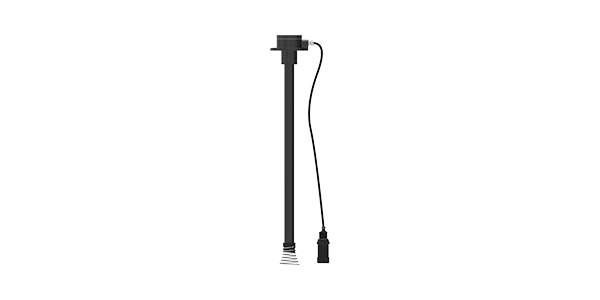
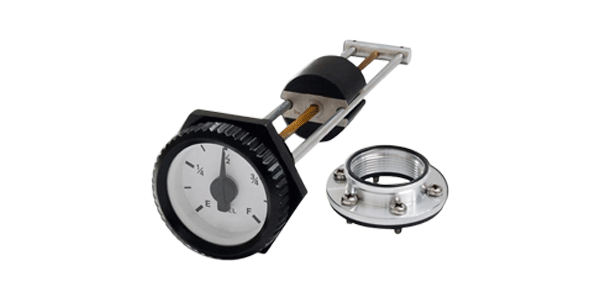
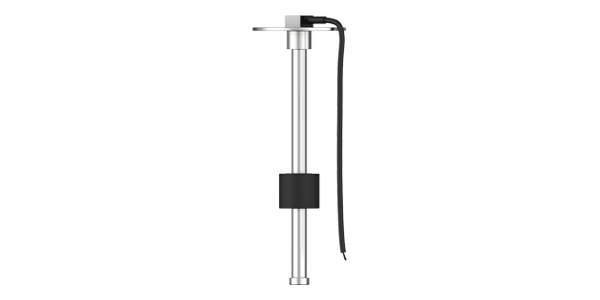
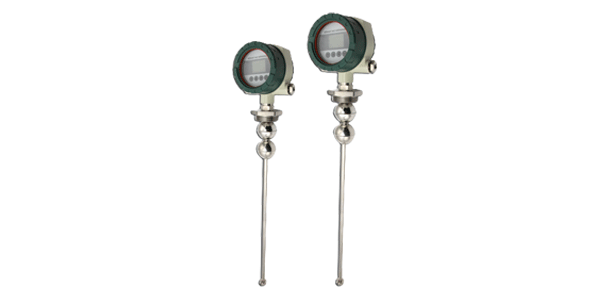
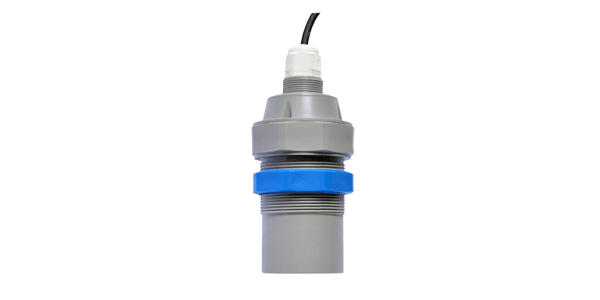
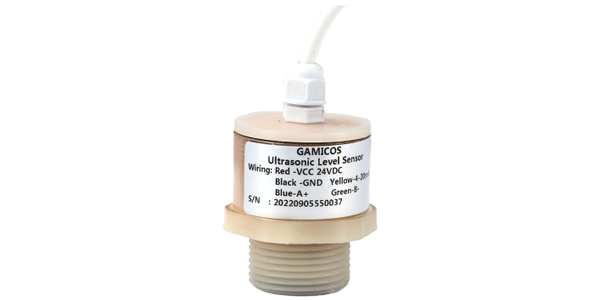
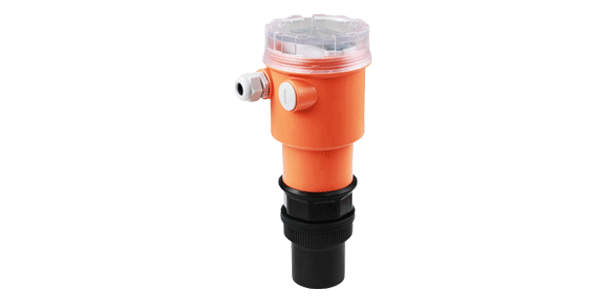
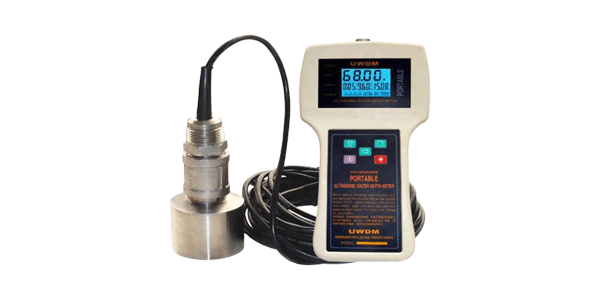
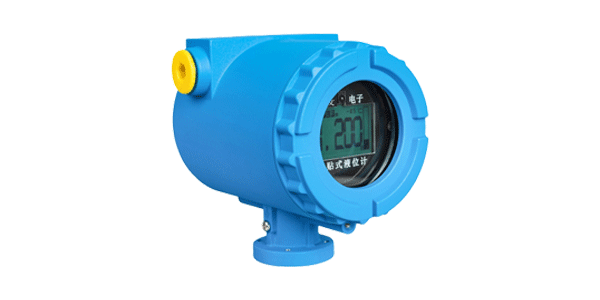
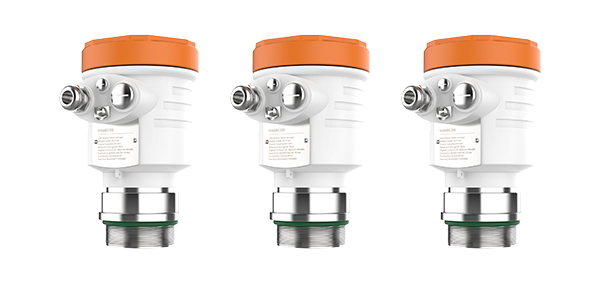
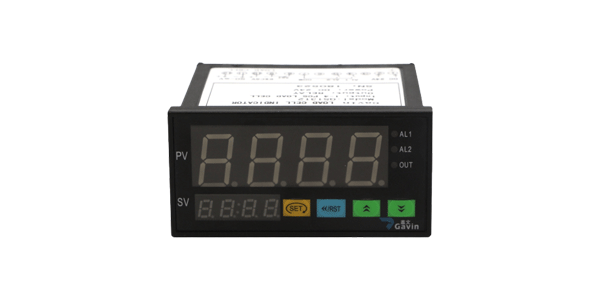
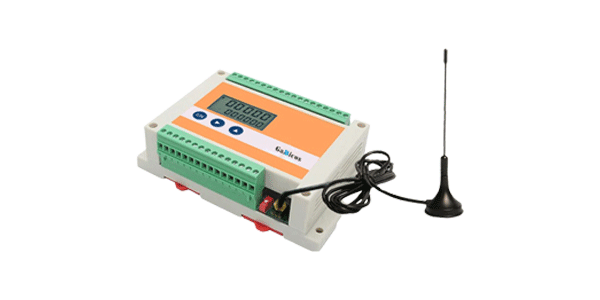



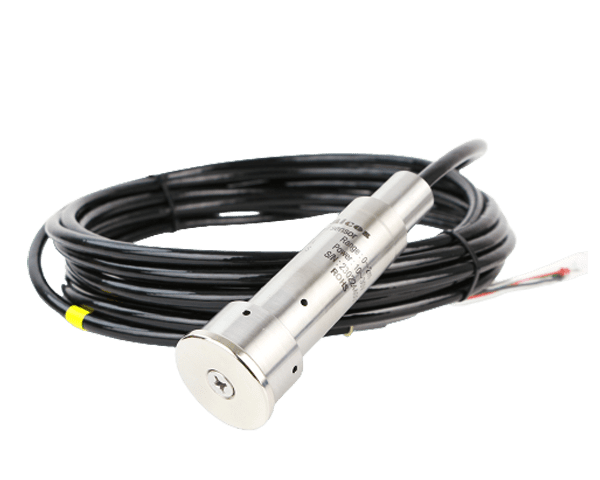
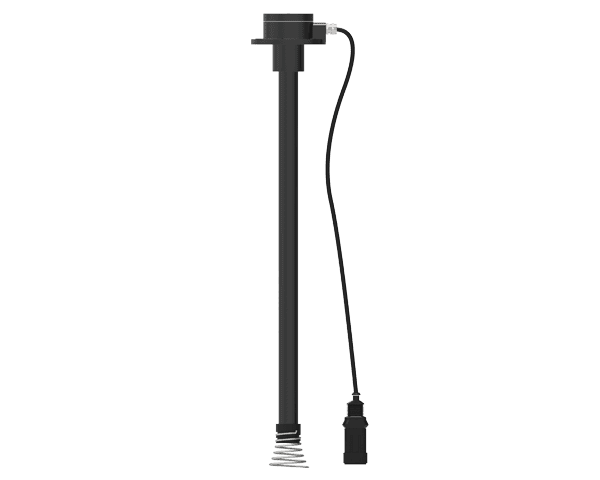
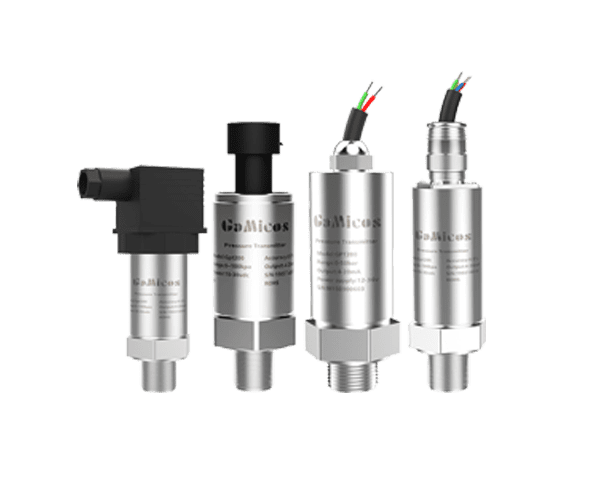
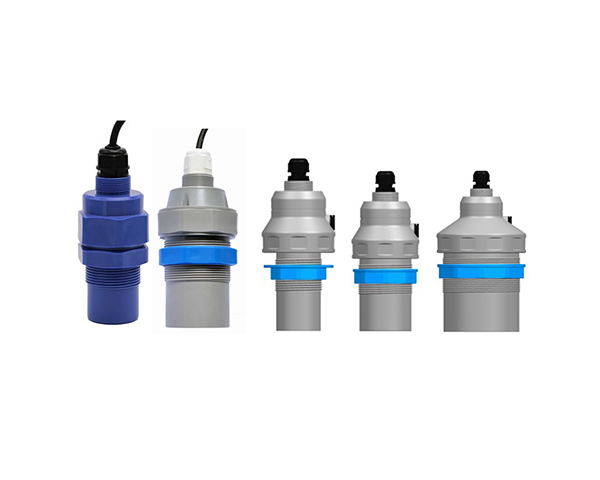
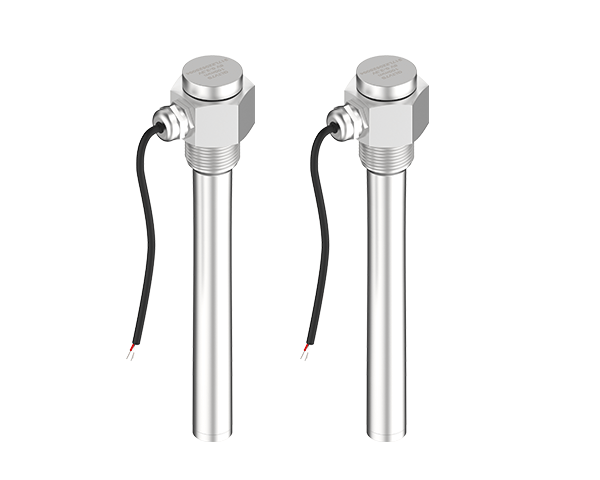
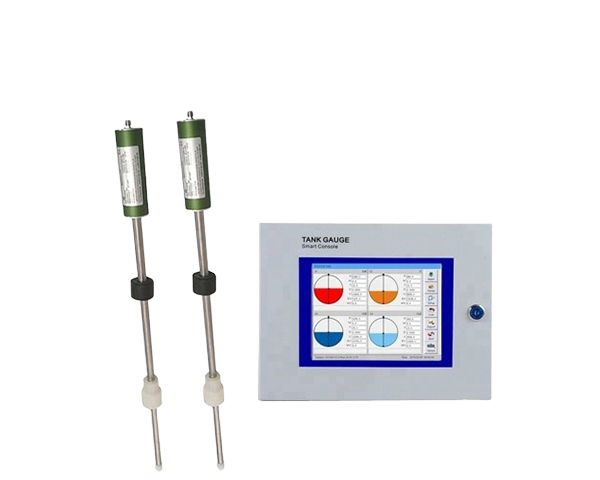
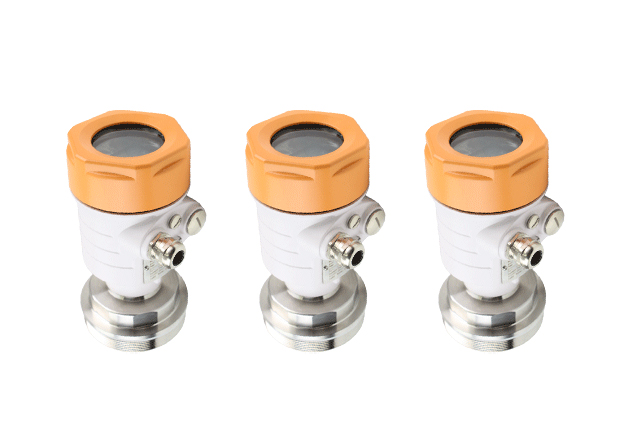
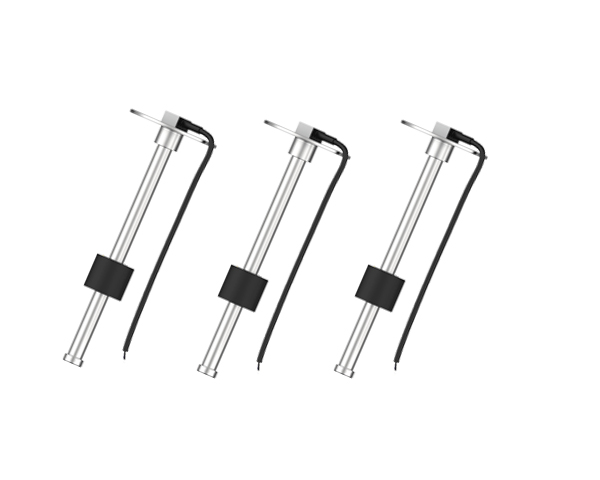
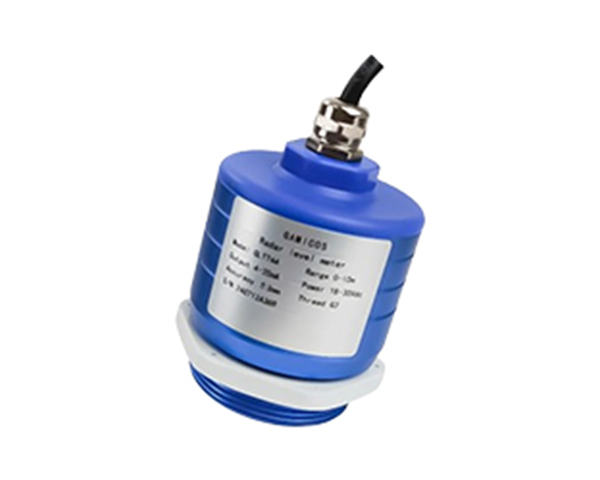
Chinese companies have become strong competitors when looking for Radar Level Sensor options for business uses in Europe. They offer great value for money. These companies offer high-precision measuring tools that meet strict European standards at prices that are fair. They use cutting-edge technology. Strong supply chains have been set up by leading Chinese brands all over Europe. These brands offer reliable, approved radar measurement solutions to a wide range of industries, from chemical processing to food making, and they compete directly with traditional European suppliers.
Overview of Radar Level Sensors and Their Application in Europe
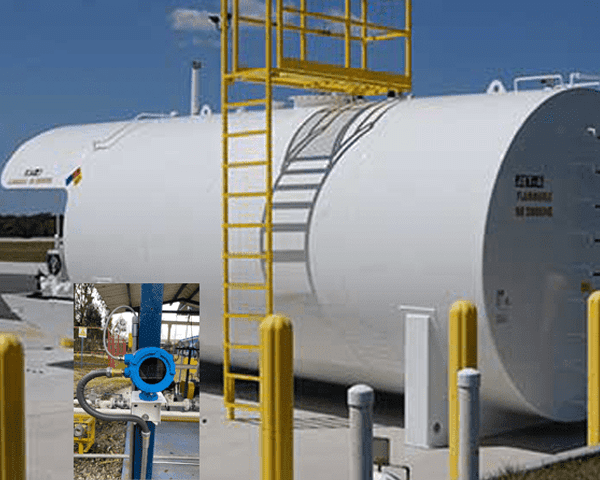
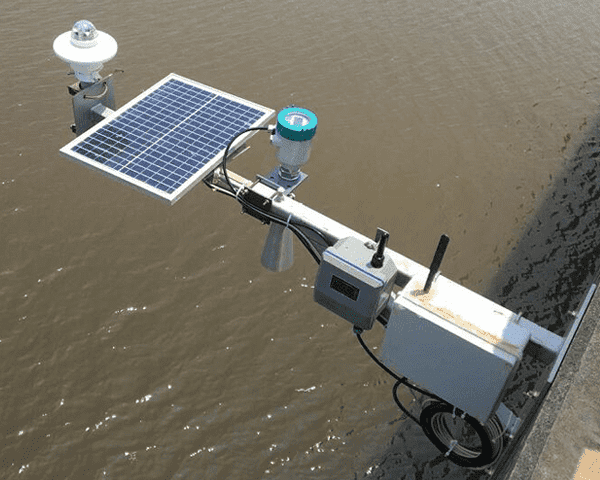
Ultrasonic and mechanical measuring methods have been replaced by radar level sensors, which are a big step forward in technology. With these tools, electromagnetic waves are used to check the level of liquids and solids without touching them. The European business world really appreciates radar devices because they can work reliably in harsh conditions like high temperatures, corrosive air, and harsh chemicals.
Sending radar waves toward the area being monitored and then analyzing the echo they receive is the basic idea behind how it works. Modern models use FMCW technology, in which the frequency of the signal being sent rises linearly during measurement cycles. The change in frequency between the signals being sent and received is directly related to the distance of the target. This lets Fast Fourier Transform processing make accurate level calculations.
Key Technical Advantages for European Applications
European business uses need the highest levels of accuracy and dependability. Modern 80GHz radar level sensors can measure with an accuracy of up to 1 mm, which is much better than what older ultrasonic sensors could do. The very small blind zone of 0.05 m allows measurements to be taken in small tank shapes that are common in European facilities. At the same time, measurement ranges that go up to 120 m can handle big storage installations. The 80GHz frequency band has better performance qualities that are especially useful in business settings in Europe. This frequency works in a pretty clean electromagnetic spectrum, which means that interference from things like industrial equipment and radio signals isn't too bad.
Industry Applications Across Europe
Chemistry is one of the biggest markets for radar level devices in Europe. These gadgets are used in German chemical plants to keep an eye on corrosive liquids where touch measurements would quickly fail. Because it doesn't involve touching, there is no chance of pollution, and the amount can be monitored continuously, which is important for safety and process control systems.
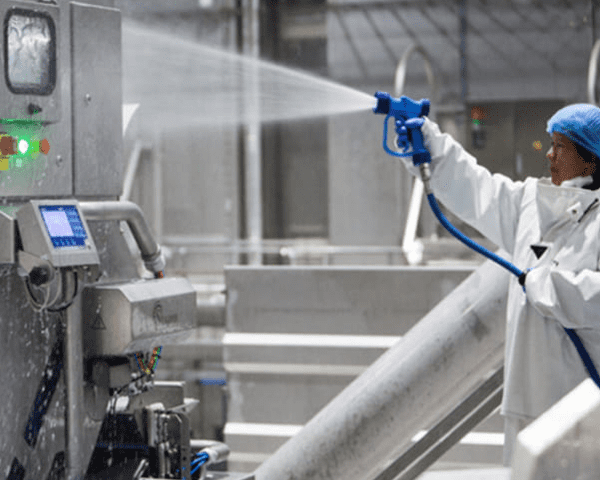
Europe's food and drink businesses have started using radar devices for clean purposes. These tools meet strict hygiene standards without affecting the accuracy of measurements. Radar technology is used by Danish dairy companies and French wineries to keep track of their goods and make sure the quality of their products, where traditional sensors could cause contamination problems.
Top 5 Chinese Radar Level Sensor Brands Supplying to Europe
Chinese makers have proven themselves to be reliable providers to industrial markets in Europe by consistently improving quality and strategically positioning themselves in the market. These businesses have wide ranges of products, including Radar Level Sensor solutions, that cover many radar technologies, frequency bands, and application-specific designs that meet the needs of European businesses.
GAMICOS: Advanced 80GHz Technology Leader
The business focuses on making high-frequency radar devices that use 80GHz FMCW technology to give better monitoring results. Their GLT74 line is an example of modern engineering. It can measure with an accuracy of ±1 mm and work in ranges from 0.05 meters to 120 meters.
The GLT74 line is different from other radar sensors because it uses complex signal processing techniques. When the antenna is working, it sends out high-frequency FMCW signals whose frequencies rise in a straight line. Reflected signals are analyzed using Fast Fourier Transform to create accurate echo spectrums. This lets you figure out the distance correctly no matter what the conditions are.
European buyers really like how flexible GAMICOS is when it comes to customization. The business offers OEM and ODM services that can meet unique interface needs, communication standards, and mechanical layouts. This adaptability is very helpful for European system designers who need sensors that can be customized to fit existing infrastructure and still work with current control systems.
Endress+Hauser China Operations: Global Standards with Local Production
This well-known measurement technology business has operations in China that blend world knowledge with efficient manufacturing in China. Their radar devices made in China meet the same high standards of quality as those made in Europe and are more affordable than those made in Europe. European procurement teams can choose from a wider range of order numbers and shorter wait times.
Comprehensive quality control systems are used in Chinese factories to make sure that products always work well. Each sensor goes through strict testing procedures that make sure it can measure accurately, work in harsh environments, and be compatible with electric fields. These quality control methods give European customers faith that the products will work well in tough industrial settings.
VEGA China: Proven Technology with Regional Support
VEGA's factories in China make radar level sensor technologies that are already well known in Europe. Their range of products includes guided wave radar and free-space radar options that are best for a wide range of industry uses. Clients in Europe can get goods with the same technical specs and performance specs as clients around the world.
The company's factories in China stress how quickly they can fill orders from Europe. Technical help is available in European time zones through dedicated customer service teams. This makes it easier to perform projects and fix problems. This regional support system is especially helpful for industrial projects that need to talk to a technical expert right away and are time-sensitive.
Beijing Sincerity Automatic Equipment: Cost-Effective Solutions
Beijing Sincerity's main goal is to make Radar Level Sensor devices that are affordable without sacrificing important performance features. When they make new products, they focus on making sure they have the useful features that European businesses need while keeping prices low. This method works well for European buying teams that want to save money and find accurate measurement tools.
The tech team works closely with the company's European dealers to learn about the needs of that market. Because of this cooperation, product changes are made to accommodate regional tastes for certification standards, mounting configurations, and communication methods. Customers in Europe get sensors that are designed to work best with the way things are installed and maintained in their area.
Baumer China: Precision Engineering Heritage
Baumer's operations in China build on the company's history of precise engineering to meet the growing demand for advanced radar devices in Europe. When they make things, they use Chinese labor efficiency along with Swiss quality management concepts. Customers in Europe can buy goods that meet strict Swiss quality standards at prices that are competitive.
The company focuses on making radar sensor technology better all the time by using customer feedback to guide product development. European industrial users really like how Baumer pays attention to long-term dependability and low upkeep needs. These traits are very important in businesses that use continuous processes, since sensor problems can stop expensive production.
How to Choose the Right Radar Level Sensor Brand for Your Business?
To choose the right radar level sensor providers, you need to carefully look at their technical specs, quality certifications, and business concerns. European procurement teams have to find a mix between performance needs and the total cost of ownership, all while making sure that safety and environmental standards are met in the area.
Technical Performance Criteria
Measurement precision is the most important thing to look for in radar level sensors. In Europe, most industrial uses need precise levels of ±1mm to ±5mm, but this depends on the needs of the process. For inventory management and safety system integration, chemical processing operations often need the highest levels of accuracy. On the other hand, large storage operations may be able to handle slightly lower levels of accuracy in order to save money.
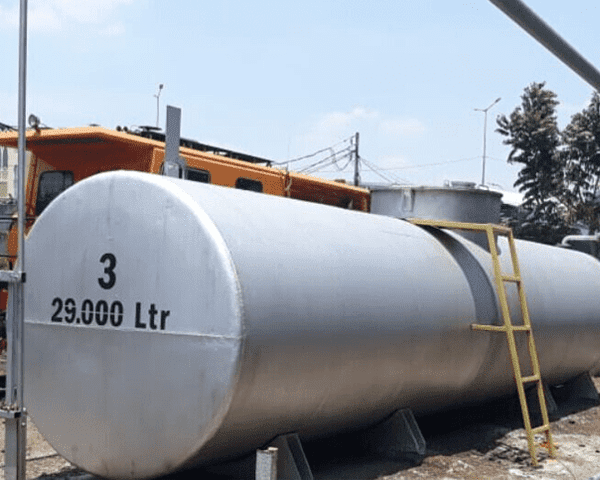
The measurement range needs to be able to fit the size and shape of the tank and the fitting. In European sites, tanks are often small, so sensors need to have small blind spots. On the other hand, big storage installations need sensors with longer measurement ranges. For most European uses, the 80GHz frequency band works best because it has narrow beam features and better environmental immunity.
Quality Certifications and Compliance
European markets need full certification, such as CE marking, ATEX approval for use in explosive atmospheres, and other standards specific to each business. Chinese companies that sell to Europeans usually keep certification files that are about the same as those of well-known European sellers, especially for products like the Radar Level Sensor. Procurement teams should check the current state of certifications and make sure that ongoing compliance checking is done.
Certifications for quality management systems give you more peace of mind about the regularity of production and the dependability of the product. The ISO 9001 certification sets the basic standards. The ISO 14001 certification for environmental management and the ISO 45001 certification for workplace safety show that the company is committed to quality in every way. Leading Chinese manufacturers often go above and beyond these basic standards by getting extra approvals on their own.
Commercial Considerations and Support Services
The total cost of ownership includes more than just the price of the sensor itself. It also includes the costs of installation, commissioning, upkeep, and assistance over the sensor's lifetime. Chinese suppliers often have benefits over other suppliers because they have shorter wait times, allow customers to change the amount they buy, and offer full technical support. European customers should look at these things along with the price when they first start shopping.
Long-term running costs and system reliability are greatly affected by the ability to provide help after the sale. Chinese companies that sell goods in Europe are setting up more and more regional support centers with technology experts who know how things are done in European factories. This local support system lets technical problems be fixed quickly and makes it easier to manage guarantee services well.
Conclusion
Chinese companies that make radar level sensors have proven themselves to be reliable providers to industrial markets in Europe by constantly improving quality and offering low prices. Leading brands compete directly with well-known European brands by offering advanced technologies like 80GHz FMCW systems that can measure with an accuracy of ±1mm. Competitive prices, a lot of ways to make things your own, and full expert help are all things that European procurement teams can take advantage of while still meeting strict regional quality and safety standards.
To find the right Chinese providers, you need to carefully look at their professional skills, quality certifications, and business terms. Clear technical requirements, thorough risk mitigation strategies, and thorough source qualification are all important for successful buying. When European buyers follow these best practices, they can get new radar sensor technologies at prices that are competitive while still getting the stability and performance standards they need for their industrial uses.
FAQ
A: Usually, it takes between 2 and 4 weeks to deliver basic setups and 6 to 8 weeks to deliver customized sensors that need specific changes. Chinese companies that sell to European customers usually keep enough stock on hand so that hurried orders can be delivered quickly. Express shipping choices can cut delivery times down to three to five days for important uses that need to replace sensors right away.
A: In difficult conditions with changing temperatures, vapors, and foam formation, radar devices work better than other sensors. Radar technology is not affected by changes in air density or sound pollution like ultrasonic devices are. Modern radar devices usually have much higher measurement accuracy than ultrasonic options. This is especially true in demanding industry settings that need precise inventory management.
A: Cleaning the antenna regularly keeps the signal from getting weaker due to dust and chemical buildup, and checking the calibration on a regular basis makes sure that the measurements stay accurate. Visual checks done once a month look for any mechanical damage or rust that might be affecting the performance of the sensor. Professional calibration checks done once a year compare the accuracy of measurements to reference standards and find drift that needs to be fixed.
Partner with GAMICOS for Premium Radar Level Sensor Solutions
GAMICOS offers state-of-the-art 80GHz radar level sensor technology that was designed to meet the exacting and dependable needs of European industrial uses. Our GLT74 line uses cutting-edge FMCW technology to achieve ±1mm measurement accuracy, very small blind spots, and longer measurement ranges of up to 120 meters. As a top radar level sensor maker, we offer full OEM and ODM customization services that make sure our products work perfectly with European industrial systems that are already in place.
Get in touch with our technical experts at info@gamicos.com to talk about your unique measurement needs and find out how our cutting-edge radar sensor products can help your business run more smoothly.
Contact GAMICOS →References
- 1. European Industrial Automation Market Report: Radar Level Sensor Technology Trends, 2023.
- 2. Comparative Analysis of FMCW Radar Technologies in Chemical Processing Applications, Industrial Measurement Journal, 2023.
- 3. Chinese Manufacturing Quality Standards for Export Radar Sensors, International Trade Commission Report, 2023.
- 4. European Certification Requirements for Industrial Level Measurement Devices, CE Marking Guidelines, 2023.
- 5. Cost-Benefit Analysis of Radar versus Ultrasonic Level Sensors in European Industries, Process Engineering Magazine, 2023.
- 6. Supply Chain Analysis: Chinese Radar Sensor Exports to European Markets, Trade Statistics Quarterly, 2023.