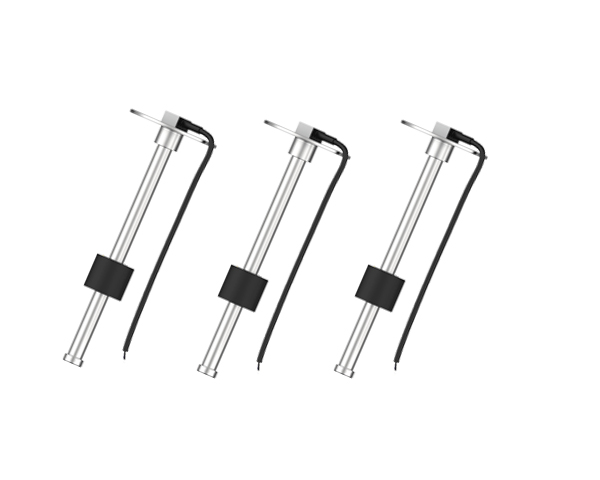
Submersible Diesel Level Sensor: Hydrostatic Principle and Industrial Fuel Monitoring
TIME: 2026.04.01AUTHOR: OlinaNUMBER OF VIEWS 737
Submersible Diesel Level Sensor | Hydrostatic Fuel Tank Monitoring Guide
📄 TECHNICAL SUMMARY
Submersible diesel level sensors deliver superior accuracy for fuel tank monitoring by applying hydrostatic pressure measurement — directly submerged in diesel, they use piezoresistive silicon technology with automatic temperature compensation to convert fuel column pressure into linear electrical signals. Unlike float, ultrasonic, or capacitive alternatives, this direct immersion eliminates errors from foam, vapor gaps, and mechanical wear. The guide details core working principles, systematic integration with SCADA/PLC/IoT, and practical procurement insights. Advanced models like GAMICOS GLT5001 feature IP68 fully-welded construction, Modbus/4-20mA outputs, and magnetic suction base variants for mobile tanks. Real-world case studies in logistics and power generation show up to 15% efficiency gains. This resource provides step-by-step installation, calibration protocols, and technology comparisons to help engineers and procurement specialists optimize fuel asset management.
🔍 Keywords: hydrostatic level sensing, diesel tank sensor, submersible fuel probe, piezoresistive technology, fuel management⏱ Reading time: 6 min
In order to establish the exact fuel level above an oil tank, a submersible diesel level sensor measures the hydrostatic pressure at the bottom of the tank. These sensors provide constant and precise level readings by using piezoresistive technology to transform the pressure applied by the diesel column into electrical signals. Submersible sensors deliver better precision and dependability while surviving tough chemical conditions — fully submerged in the fuel, they outperform external sensors and remove frequent problems like foam interference or vapor gaps that impair other sensing technologies.
Understanding Submersible Diesel Level Sensors
Working Principles & Core Technology
A major advancement in fuel monitoring, submersible level sensors rely on hydrostatic pressure measurement. At the heart lies a silicon piezoresistive pressure sensor that responds to pressure variations caused by fluctuating fuel levels. Programmable digital circuits provide error correction and signal conditioning, while automated temperature adjustment guarantees accuracy across operating extremes. Pascal's principle states that pressure in a static fluid is proportional to the height of the fluid column above the sensing element — this direct relationship yields proportional electrical output signals.
Distinctive Features vs. Alternative Technologies
Technology
Common Issues
Submersible Advantage
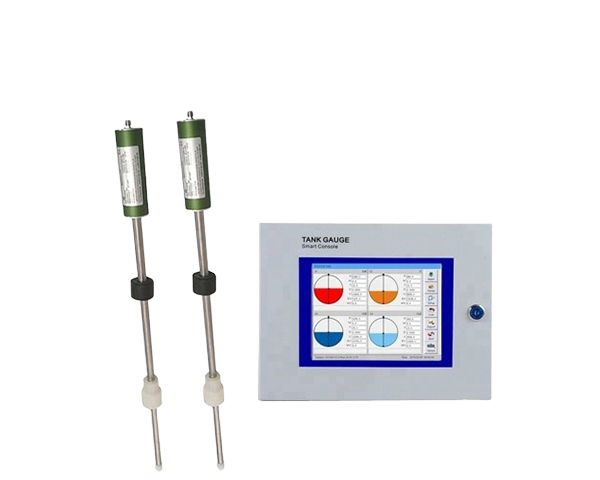
Float-based systems
Mechanical wear, stuck due to debris
No moving parts, maintenance-free
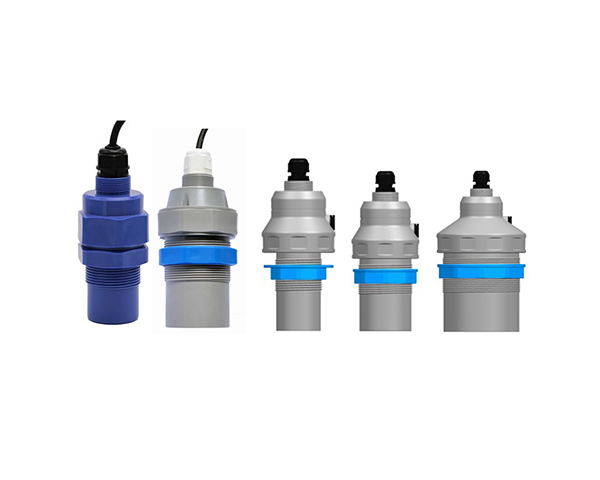
Ultrasonic sensors
Affected by foam, vapor, temperature gradients
Direct contact eliminates signal interference
Capacitive sensors
Require calibration per fuel type, moisture sensitivity
Consistent performance with various diesel blends
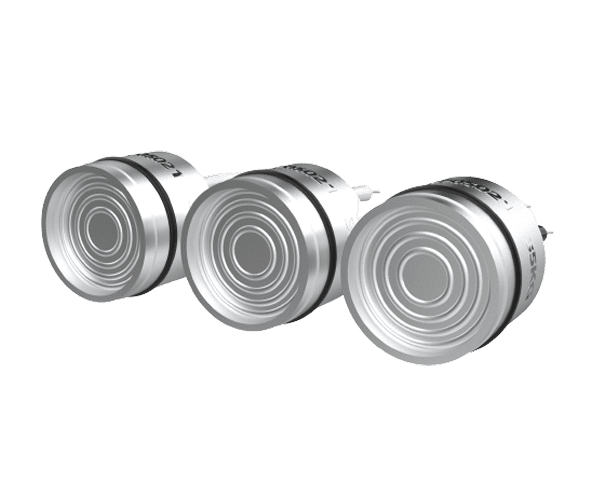
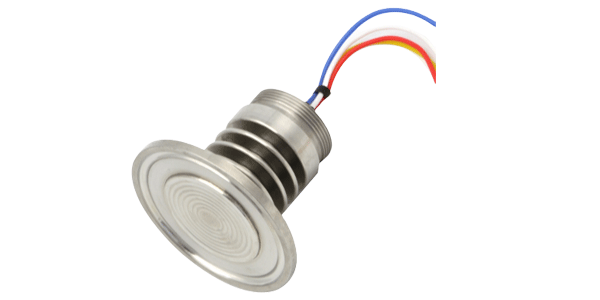
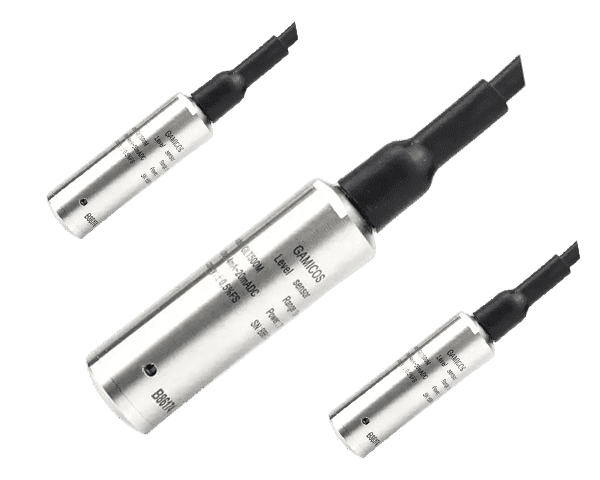
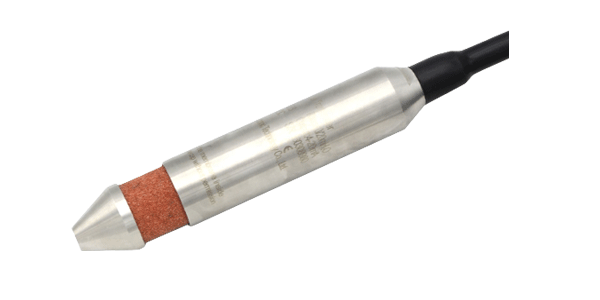
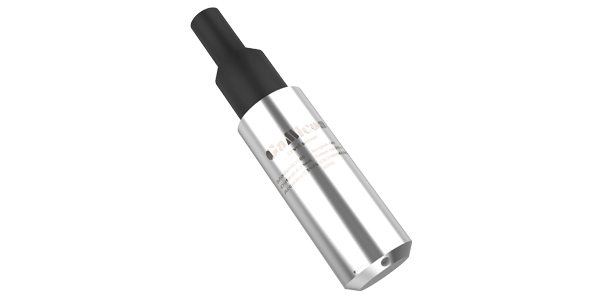
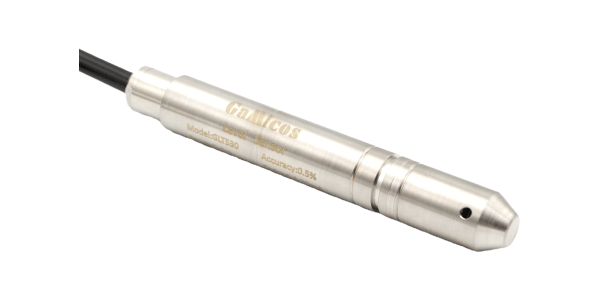
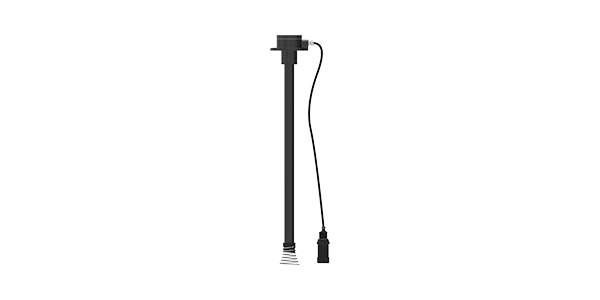
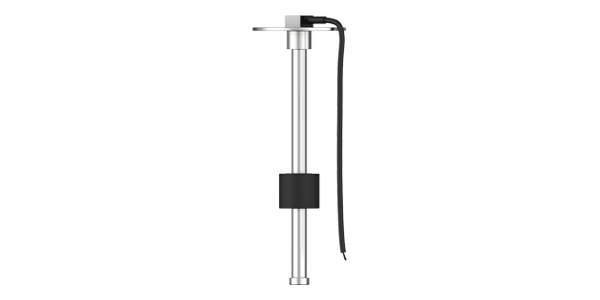
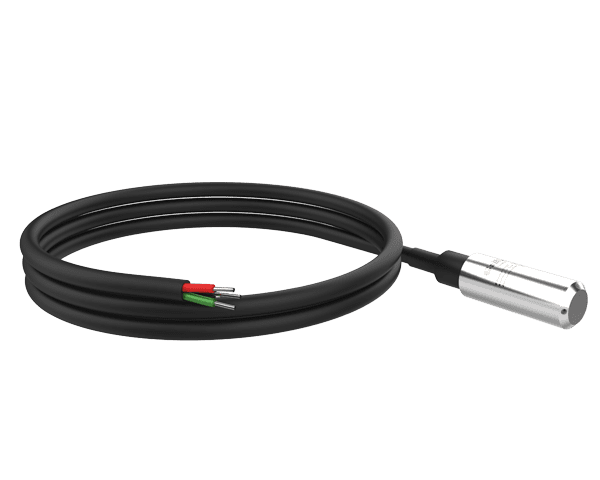
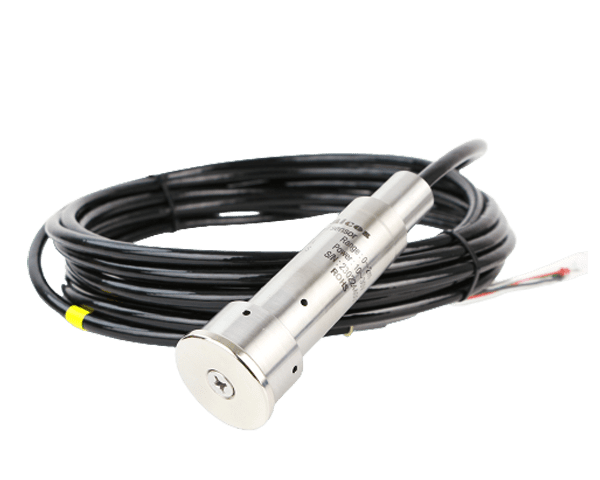
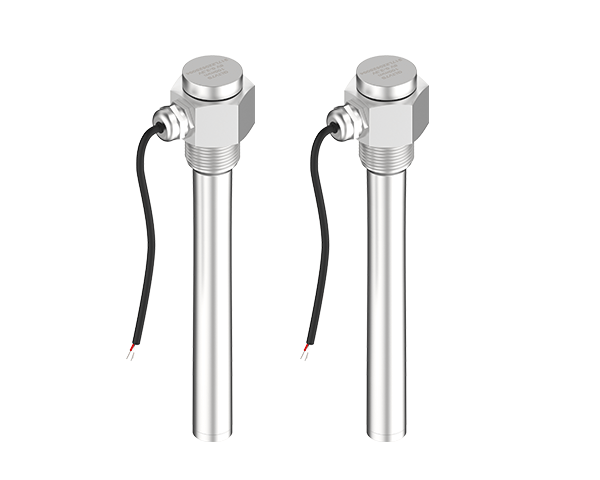
Submersible technology overcomes these limits via hermetically sealed architecture. Advanced models such as the GLT5001 feature completely welded constructions with IP68 protection, ensuring long-term stability in corrosive environments.
Integration with Fuel Management Systems
These sensors support analog (4-20mA, 0-5V) and digital protocols (Modbus), enabling seamless interoperability with SCADA, PLC, and IoT platforms. Flexible outputs mean infrastructure upgrades are minimal while achieving real-time tank farm visibility.
How Submersible Diesel Level Sensors Work — Systematic Breakdown
Addressing Measurement Challenges in Diesel Applications
Diesel fuel properties — density variations, viscosity, and chemical additives — demand a robust sensor. Submersible pressure-based units incorporate advanced correction algorithms: built-in temperature sensors automatically compensate for thermal expansion effects. The solid-state design eliminates vibration errors from nearby machinery, ensuring consistent readings even in heavy industrial environments.
Hydrostatic Pressure Measurement Methodology
The process begins when the sensor element detects pressure changes proportional to diesel level. Mechanical pressure deforms the piezoresistive element, changing electrical resistance; internal circuitry amplifies and conditions the signal. Multi-point calibration accounts for specific gravity differences across diesel formulations and tank geometry influences, delivering linear response across the entire span.
Real-World Performance — Industrial Case Studies
A large logistics firm achieved a 15% increase in fuel management efficiency after deploying submersible sensors across tank farms, enabling optimized delivery scheduling and reducing last-minute purchases. In power generation plants, continuous monitoring prevented unexpected fuel shortages during critical operations, showcasing the technology’s reliability under varying loads and environmental stress.
Comparing Diesel Level Sensor Technologies for Informed Procurement
Material & Specification Considerations
Diesel applications require superior chemical resistance. Submersible sensors designed for diesel use corrosion-resistant alloys and specialized sealing compounds — the GLT5001 series uses fuel-compatible materials that withstand long-term exposure to additives and cleaning solvents without signal degradation.
Accuracy & Environmental Suitability
Submersible pressure sensors achieve accuracy from ±0.25% to ±0.5% full scale, significantly outperforming float-based systems (2–5% error) and rivaling ultrasonic sensors, which can degrade with foam or condensation. Sealed, direct measurement excels in high humidity, extreme temperatures, and electrically noisy environments.
Wireless vs. Wired Communication Options
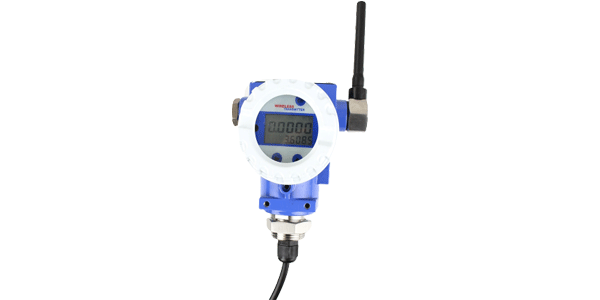
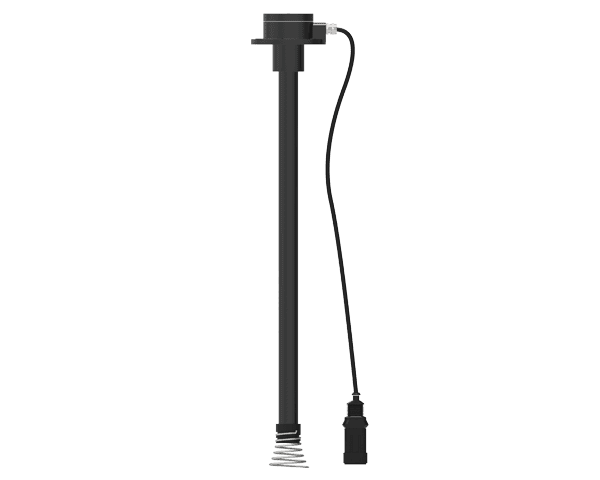
Wired (4-20mA, Modbus) provides stable power and instantaneous response — ideal for fixed infrastructure. Wireless solutions (LoRa, GPRS, 4G) offer flexibility for remote sites, construction fleets, or rental tanks. Magnetic suction base models allow rapid repositioning without tank entry, perfect for temporary monitoring needs.
Installation, Calibration, and Maintenance Guide
Step-by-Step Installation Procedures
Proper mounting begins with tank preparation — avoid turbulence near fill lines or pump suctions. Lower the sensor while protecting the cable from sharp edges; magnetic suction base versions simplify repositioning. Cable management should include service loops to allow for tank thermal expansion.
Calibration Protocols for Long-Term Accuracy
Initial calibration uses multiple known levels (empty/full) to create a precise curve for the specific tank geometry and fuel type. Periodic recalibration — typically every 1–3 years — accounts for sensor drift or fuel property changes. Advanced sensors with self-diagnostic features indicate when recalibration is beneficial.
Troubleshooting Common Operational Issues
Erratic readings: Air bubbles trapped around sensor → bleeding or repositioning.
Gradual drift: Contamination buildup → clean with compatible solvents.
Complete signal loss: Cable damage or corrosion → inspect connections, power supply.
GAMICOS: Your Trusted Partner for Advanced Diesel Level Sensing
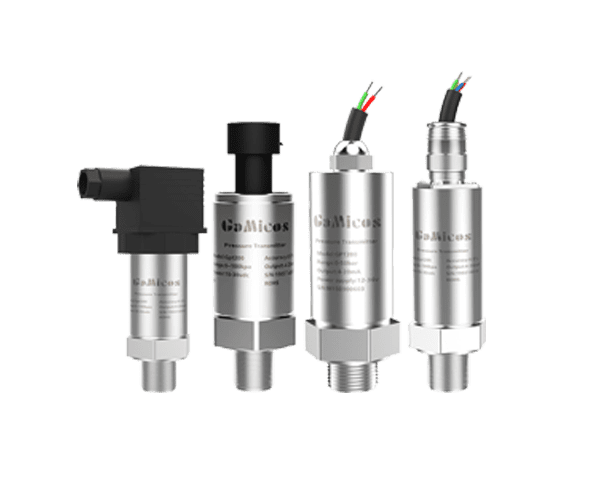
GAMICOS delivers high-precision level and pressure solutions across 100+ countries. The engineering team combines advanced sensor technology with practical application insight. The GLT5001 submersible sensor embodies piezoresistive sensing with automatic temperature compensation, programmable correction, and both standard & magnetic suction base models for mobile or fixed installations.
Customization & Quality Assurance
OEM/ODM capabilities include parameter adjustment, communication protocol changes, and mechanical design modifications. Rigorous testing — pressure cycling, environmental simulation, aging tests — ensures long-term stability. Certifications include ATEX explosion-proof, CE, and RoHS, meeting global safety standards.
Global Support & Service Infrastructure
From initial consultation to installation guidance and troubleshooting, GAMICOS provides full lifecycle support. The global distribution network ensures timely delivery, and the consultative approach helps customers avoid over-specification while achieving optimal performance.
Conclusion
Submersible diesel level sensors represent the most reliable and accurate solution for demanding fuel monitoring. Hydrostatic measurement, temperature compensation, and digital signal processing deliver long-term stability. The GLT5001 series demonstrates engineering excellence — combining robust design with modern communication protocols. Procurement professionals benefit from selecting proven sensor technology that drives operational efficiency, reduces maintenance costs, and enhances fuel asset control.
🚀 Optimize Your Fuel Management with GAMICOS
Transform your tank monitoring using submersible diesel level sensor technology — customized solutions, fast support, and world-class reliability.
📧 info@gamicos.com | GLT5001 series — IP68, Modbus, 4-20mA, magnetic base variants
📚 References
1. Industrial Automation and Control Systems - Pressure and Level Measurement Technologies. Society of Manufacturing Engineers, 2023.
2. Fuel Management Systems in Transportation and Industrial Applications. American Society of Mechanical Engineers, 2022.
3. Piezoresistive Sensor Technology for Liquid Level Measurement Applications. IEEE Transactions on Industrial Electronics, 2023.
4. Diesel Fuel Handling and Storage System Design Guidelines. National Fire Protection Association, 2022.
5. Submersible Sensor Performance in Harsh Industrial Environments. Journal of Process Control Engineering, 2023.
6. Hydrostatic Pressure Measurement Principles in Tank Level Monitoring Systems. Measurement Science and Technology Review, 2022.
GAMICOS, a leading Chinese OEM, manufactures corrosion‑resistant submersible level transmitters (GLT570) for harsh industrial environments. Combining ceramic/PTFE technology, customizable venting cables, and full OEM support, the company serves automation, chemical, water, and energy sectors globally. Backed by ISO/CE certifications and responsive after‑sales, GAMICOS offers cost‑efficient alternatives to major Western brands