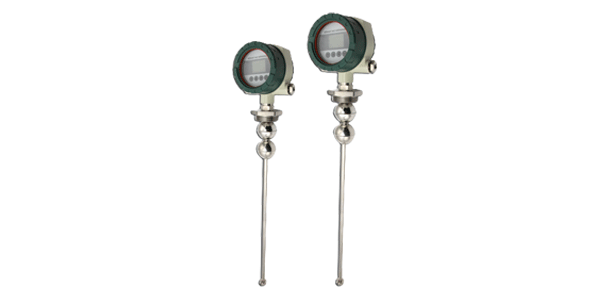
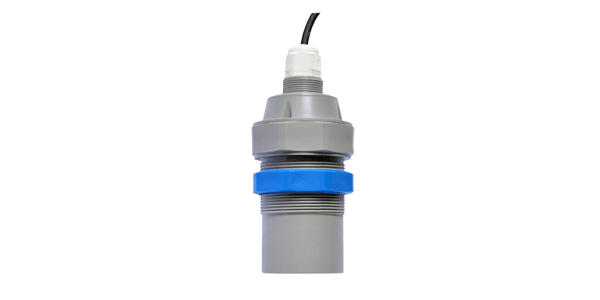
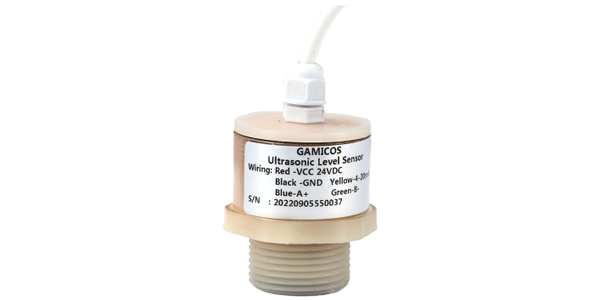
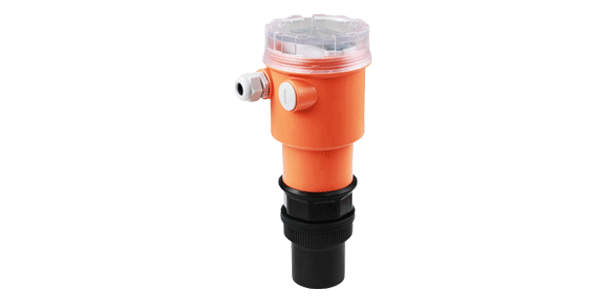
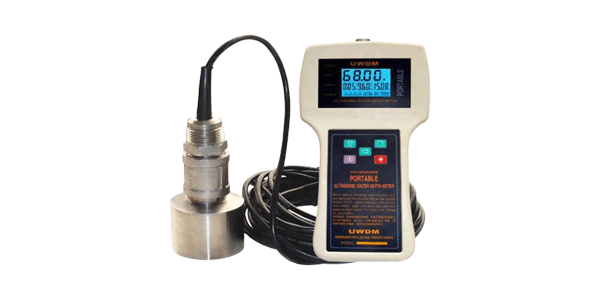
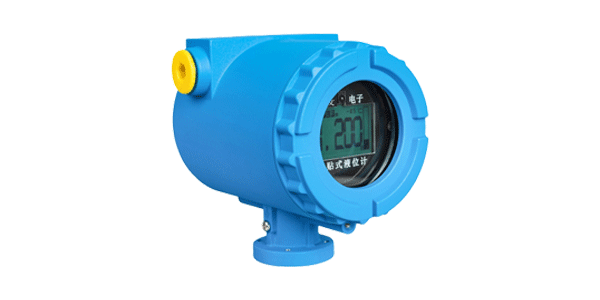
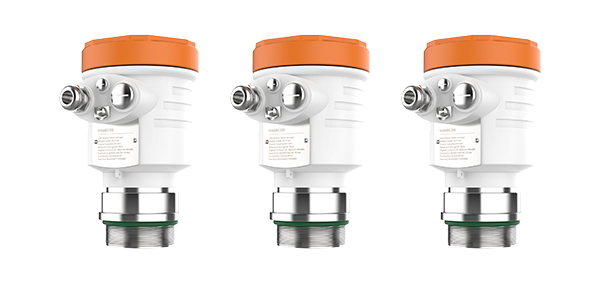
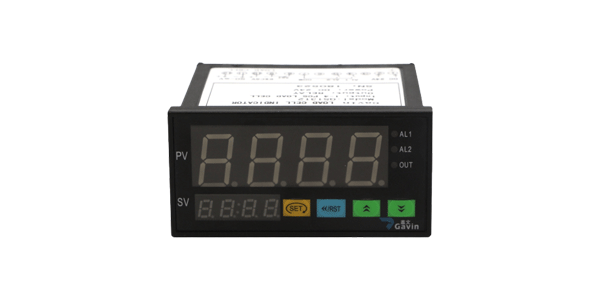
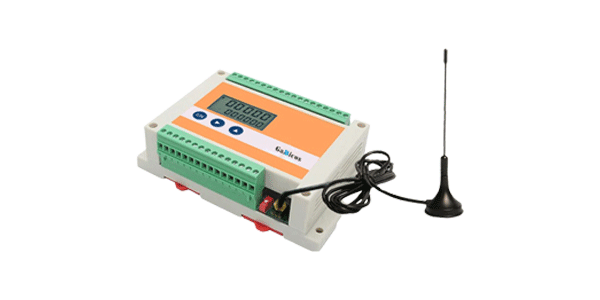
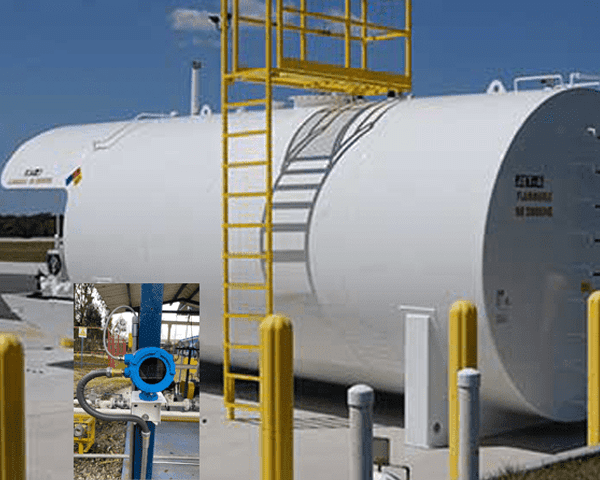

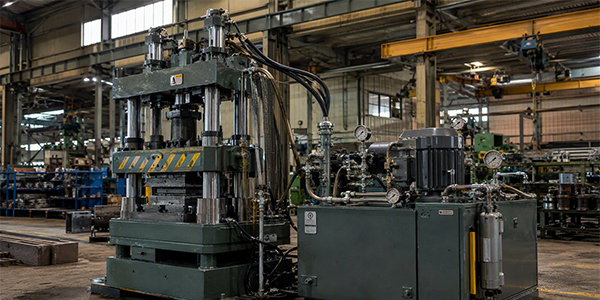
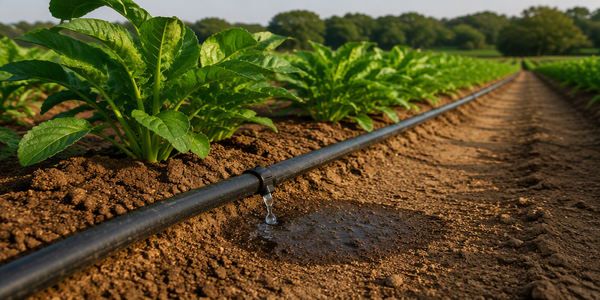

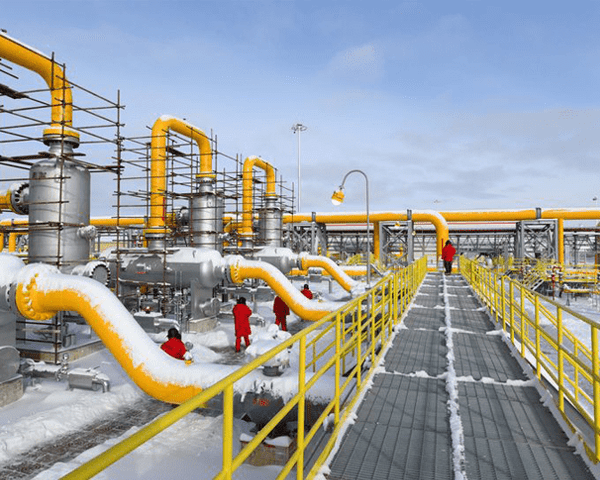
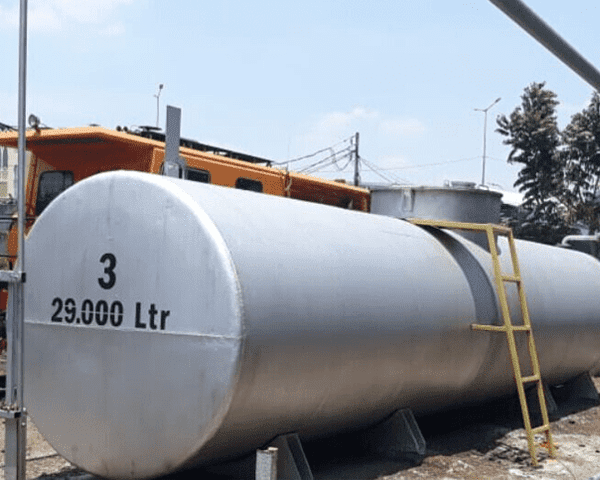
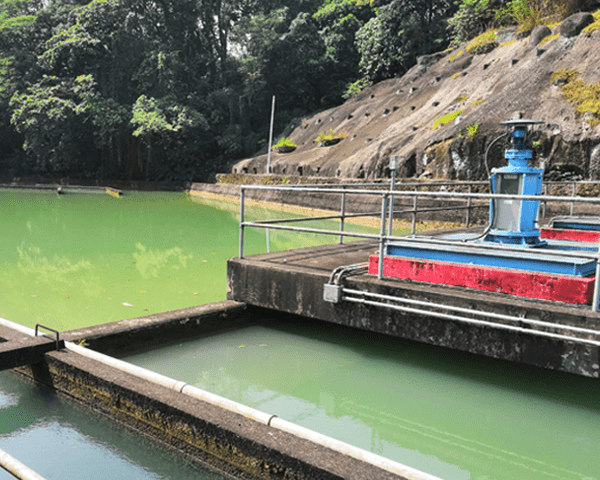
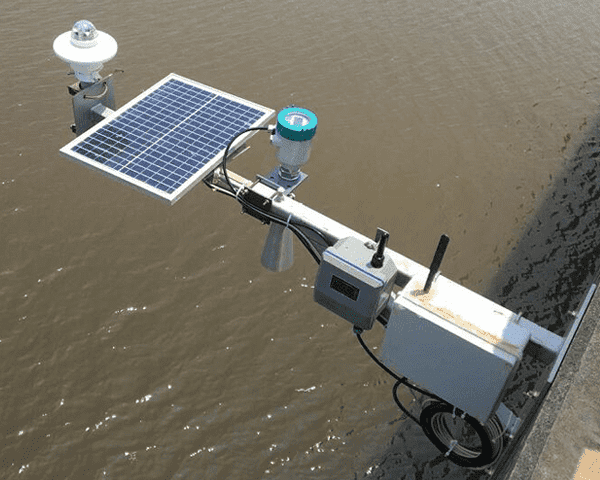
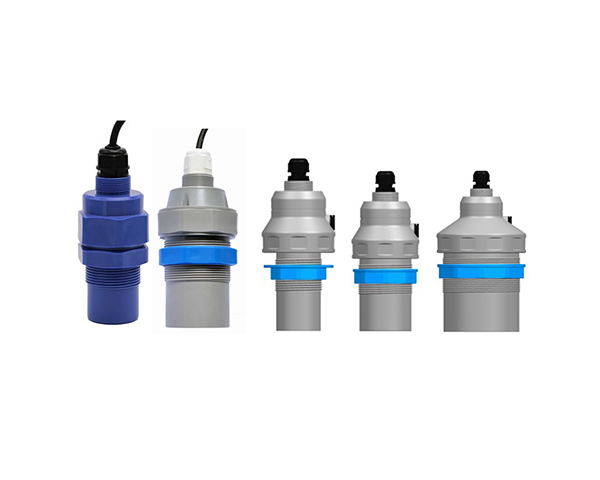
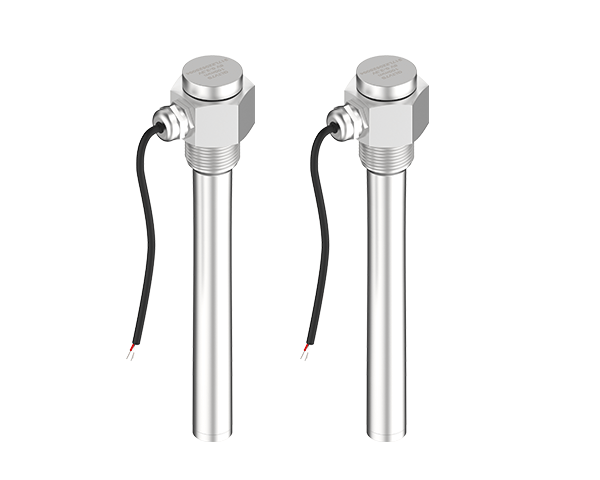
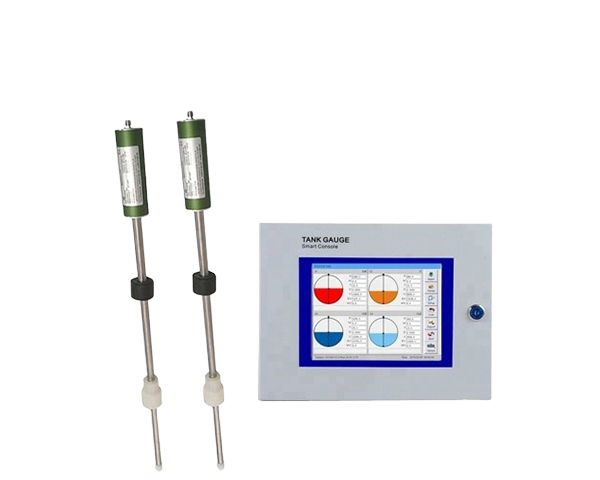
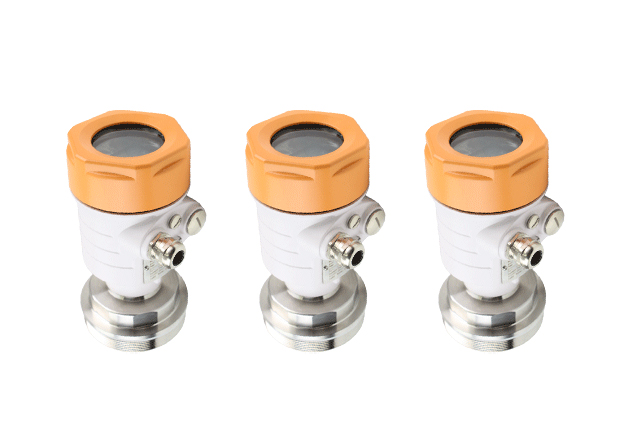
When it comes to agricultural water management, choosing the right measurement solution can make the difference between resource waste and operational excellence. A Radar Level Gauge stands out as the optimal technology for continuous, non-contact monitoring of irrigation reservoirs, storage tanks, and open channels on modern farms. These advanced sensors deliver millimeter-level precision regardless of weather conditions, dust, or vapor interference, enabling irrigation managers and agricultural engineers to maintain precise water inventory control. Unlike traditional float switches or ultrasonic sensors that struggle with environmental variables, radar-based measurement systems provide reliable data that directly supports sustainable water usage, reduces operational costs, and protects crop health through optimized irrigation scheduling.
Comprehending Radar Level Gauges in Agricultural Water Management
The fundamentals of electromagnetic wave transmission and reflection underpin radar level measuring technology. The sensor sends out microwave signals that are reflected back to the antenna from the water's surface. The technology calculates the precise distance to the liquid surface using the time-of-flight approach, which measures the difference between transmission and reception. Irrigation control systems may utilize this measurement to make automatic decisions by converting it into a level reading.
Core Technology Behind Modern Radar Sensors
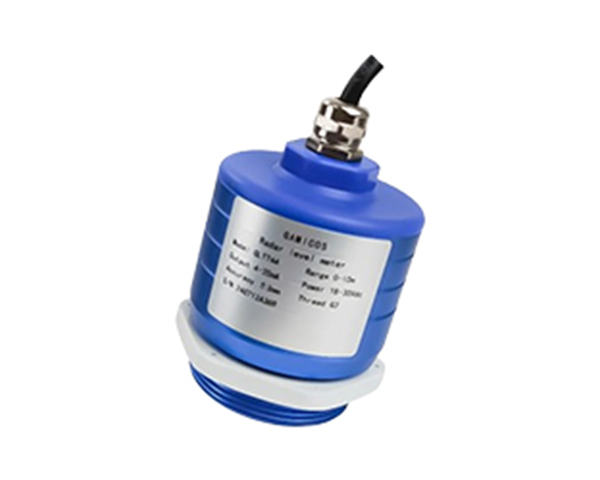
The most recent development in this area is the GAMICOS GLT74 series, which makes use of 80GHz frequency modulated continuous wave (FMCW) technology. In contrast to earlier pulsed radar systems, this method constantly transmits a signal whose frequency grows linearly over time. The distance to the target is exactly correlated with the frequency difference between the emitted and received waves when the antenna receives the reflected signal. The system examines the reflected echo spectrum using Fast Fourier Transform (FFT) processing to determine the target distance with remarkable precision. There are clear benefits to using the 80GHz frequency spectrum for agricultural applications. Common electromagnetic sources present in agricultural settings cause very little interference in this frequency range. Additionally, the higher frequency allows for narrower beam angles, which lessens the possibility of false echoes from adjacent objects, tank walls, or support structures.
Advantages Over Traditional Measurement Methods
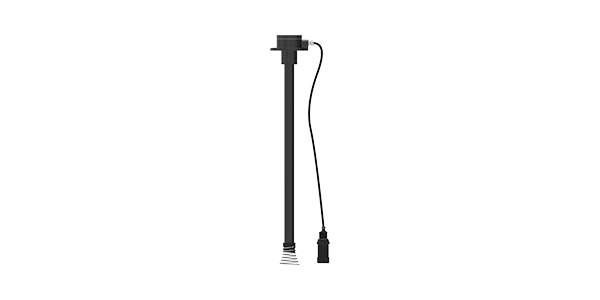
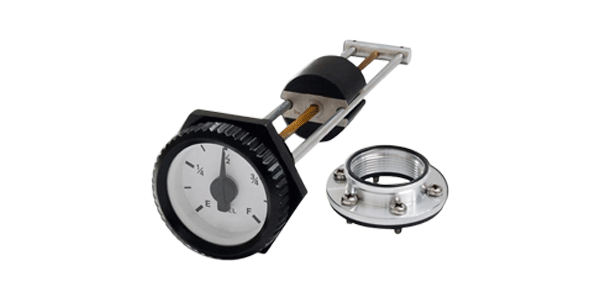
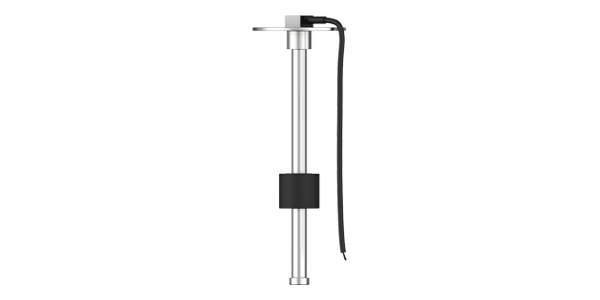
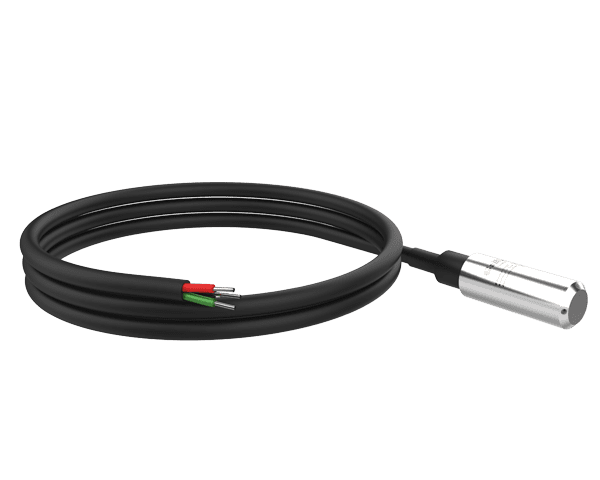
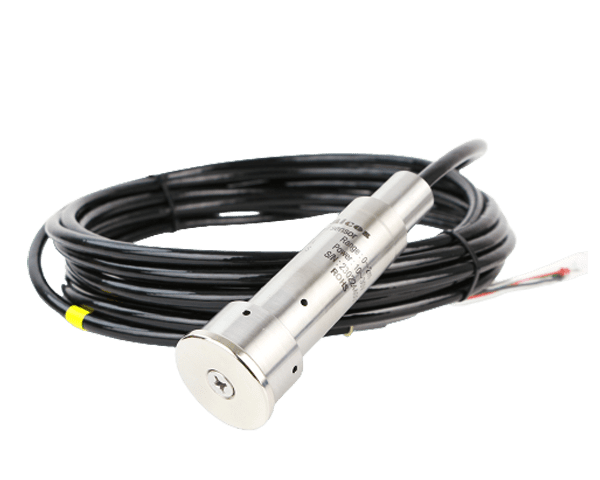
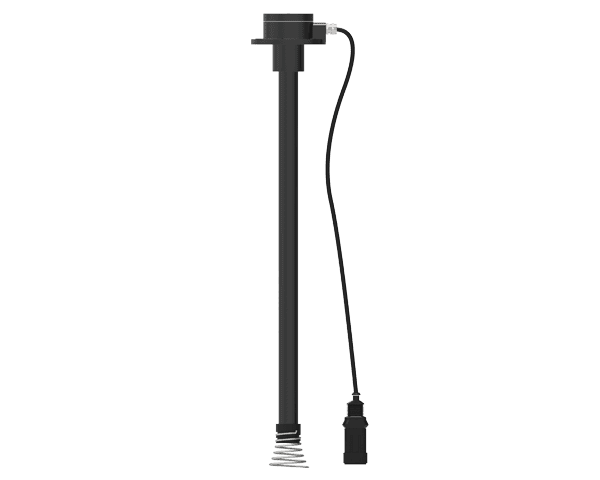
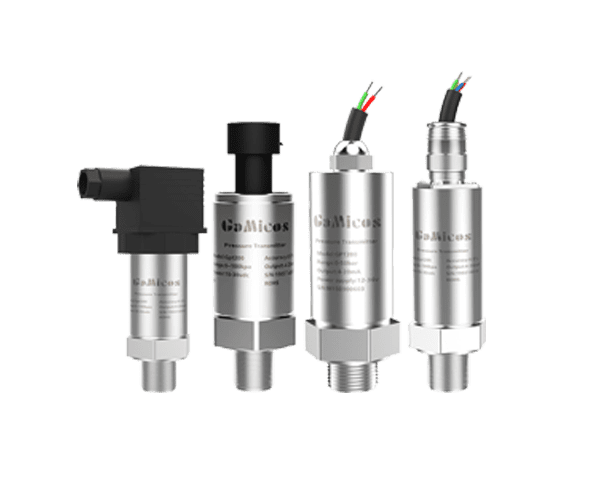
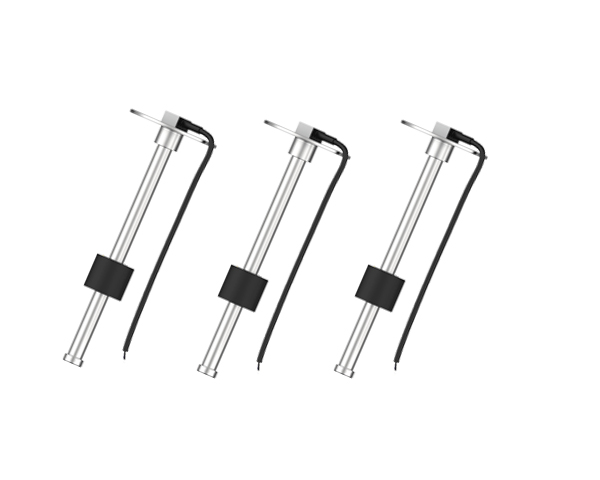
In agriculture, traditional methods of measuring water level have mostly depended on mechanical sensors that float, pressure transducers, and ultrasonic instruments. Radar systems transcend the limits of each technology. Moving components needed for mechanical floats break down in the presence of detritus, algae growth, or cold temperatures. Because pressure transducers detect hydrostatic pressure at the tank bottom, they are sensitive to changes in density brought on by sediment buildup or temperature fluctuations. Despite being non-contact, ultrasonic sensors have trouble with temperature stratification, froth, and mist, which skew the way sound waves travel. These limitations are removed by radar technology thanks to a number of important features. Because it operates without touch, no mechanical parts deteriorate or need to be recalibrated because of fouling. The vast variety of circumstances that agricultural water storage encounters periodically is addressed by measurement accuracy, which is constant throughout temperature ranges from very cold to extremely hot. Even when steam, dust, or light foam covers the water's surface — conditions that often arise in irrigation reservoirs — the sensors continue to operate dependably.
How to Use Radar Level Gauges Effectively in Agricultural Settings?
Successful deployment of Radar Level Gauge measurement systems in agriculture requires understanding the unique challenges of farm environments and implementing proven installation practices. We've observed that many procurement failures stem not from technology limitations but from improper application or installation errors that could have been avoided with proper planning.
Common Challenges in Agricultural Water Measurement
Radar systems must overcome measuring obstacles such as surface debris, condensation, turbulent surface conditions, and electromagnetic interference from RFID devices, GPS-guided equipment, and wireless systems. If not appropriately defined, temperature extremes typical in agricultural settings can impact mounting hardware and sensor electronics.
Best Practices for Installation and Operation
Sensor placement is the first step in a proper installation. With a clear line of sight to the measuring site, the antenna should be positioned vertically above the water's surface. Steer clear of areas with agitators, fill pipes, or intake streams that produce turbulent surface conditions. Center installation works best when placing in tanks, however if side mounting is required, keep a sufficient distance from the tank wall to avoid reflected signals producing erroneous readings. Although these wall interference effects are minimized by the GLT74 series narrow beam angle of around ±3°, good location still improves performance. Instead of depending just on factory defaults, calibration processes should take site circumstances into consideration. Multiple echo suppression methods are supported by a large number of contemporary radar sensors. When compared to contact-based sensors, radar systems need less maintenance, but regular checks guarantee accuracy. Cleaning the antenna face eliminates any dust or debris collection that could weaken the broadcast signal.
🔧 Installation Quick Tips:
✔ Mount vertical ≥0.3m from tank wall
✔ Avoid turbulent inflow zones
✔ Enable echo suppression during commissioning
✔ Quarterly manual verification recommended
Real-World Agricultural Applications
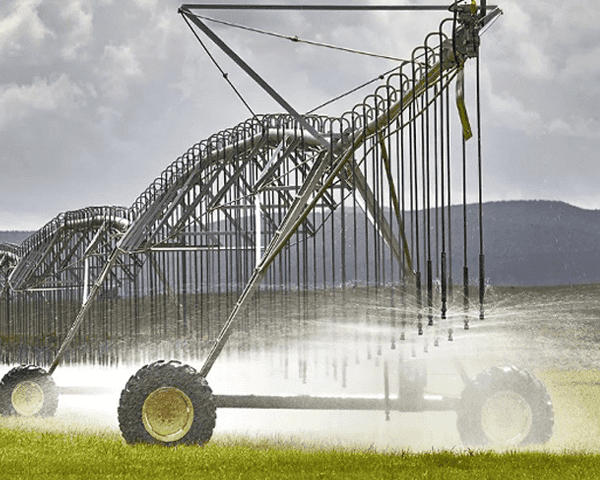
Radar level monitoring has proven useful in large-scale irrigation systems in the Central Valley of California. One agricultural cooperative installed networked radar sensors in 23 irrigation reservoirs, integrating continuous level data with farm management software — resulting in an 18% reduction in water use while preserving production levels. Another example: a Midwestern manufacturer integrated radar level sensors into precision irrigation systems for mobile rigs, automatically modifying application rates according to tank capacity. 80GHz technology was chosen due to its resistance to electromagnetic interference produced by diesel engines.
Comparing Radar Level Gauge Solutions: Selection Criteria for Procurement Professionals
Procurement managers evaluating measurement systems face numerous product options. Making informed decisions requires understanding technical specifications that matter most for agricultural applications.
Essential Technical Specifications
Measurement accuracy: A sensor claiming ±5mm accuracy provides adequate precision for most irrigation reservoir monitoring, while the GAMICOS GLT74 series offers ±1mm accuracy — becoming valuable for precise volume calculations. Measurement range: Agricultural applications vary widely from 2-meter deep channels to 30-meter water towers. The GLT74 series range from 0.05 to 120 meters covers virtually any agricultural water storage configuration. Blind zone: The GLT74 series blind zone of just 0.05 meters virtually eliminates limitations in shallow installations, enabling accurate measurement almost immediately below the antenna face.
Evaluating Long-Term Value and Support
Beyond technical specifications, procurement decisions should weigh total cost of ownership rather than just initial purchase price. Radar sensors with higher upfront costs but minimal maintenance requirements often deliver better long-term value. GAMICOS provides dedicated engineering support to help customers select appropriate sensors for their specific applications, configure measurement parameters, and integrate devices with existing control systems. Customization flexibility addresses communication protocols (4-20mA, HART, Modbus, Profibus), mounting hardware, and antenna lengths. OEM and ODM services are available to align with specific market positioning.
Technical Insights: Optimizing Radar Level Gauge Performance for Agriculture
Maximizing the value of radar measurement systems requires going beyond basic installation to implement advanced optimization strategies. These techniques help agricultural operations extract actionable intelligence from level data and integrate measurements into broader farm management ecosystems.
Interpreting Data for Irrigation Decision-Making
Raw level measurements become valuable when translated into irrigation scheduling recommendations. Linking level data with crop water demand models enables predictive analytics that anticipate when reservoir levels will reach critical thresholds based on current consumption patterns and weather forecasts. Smart irrigation controllers use this information to adjust watering schedules proactively, ensuring adequate water availability during peak demand periods while minimizing pumping during off-peak hours to reduce energy costs. Trend analysis reveals patterns that support long-term resource planning, identifying system leaks, unauthorized usage, or equipment malfunctions.
Integration with Farm Management Systems
Modern agricultural operations increasingly rely on integrated farm management platforms that consolidate data from multiple sources. Radar level sensors with standard industrial communication protocols integrate seamlessly with these systems, enabling unified dashboards that display water inventory alongside soil moisture readings, weather data, and crop health indicators. The GAMICOS approach to system integration recognizes that agricultural customers operate diverse control environments. Their radar sensors support multiple communication protocols and can be configured to interface with virtually any farm management software platform. Explore integration use cases →
Conclusion
Agricultural water management demands measurement solutions that deliver precision, reliability, and minimal maintenance across the challenging environmental conditions typical of farming operations. Radar Level Gauge technology, particularly advanced 80GHz FMCW systems like the GAMICOS GLT74 series, provides capabilities that traditional measurement methods cannot match. The combination of millimeter-level accuracy, extensive measurement range, minimal blind zones, and immunity to environmental interference makes these sensors ideal for irrigation reservoir monitoring, storage tank management, and channel flow applications. Procurement professionals evaluating radar measurement systems should prioritize technical specifications that align with operational requirements while considering long-term factors like maintenance costs, vendor support, and customization flexibility.
🌱 Key takeaway: Transitioning to radar-based water level monitoring directly supports sustainability goals, reduces operational costs by eliminating frequent sensor maintenance, and enables data-driven precision irrigation — delivering ROI in less than two seasons for many farms.
Partner with GAMICOS for Precision Agricultural Water Management Solutions
Agricultural operations seeking reliable, high-performance measurement technology backed by genuine technical expertise will find GAMICOS an ideal Radar Level Gauge manufacturer. We invite sourcing managers, engineering teams, and project planners to contact GAMICOS at info@gamicos.com to discuss your specific agricultural water management requirements. Our team can provide detailed technical specifications, application recommendations, pricing information, and demonstration options tailored to your operational needs.