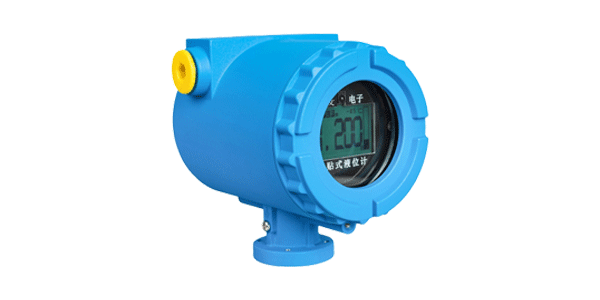

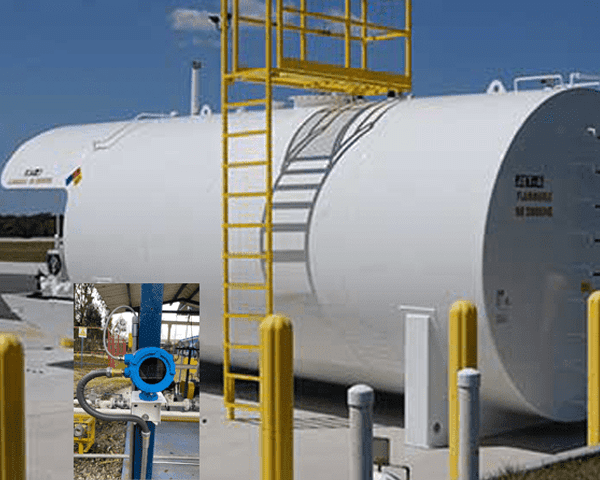







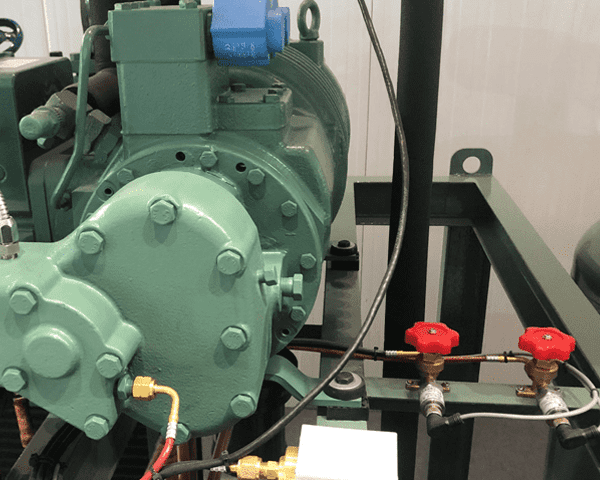

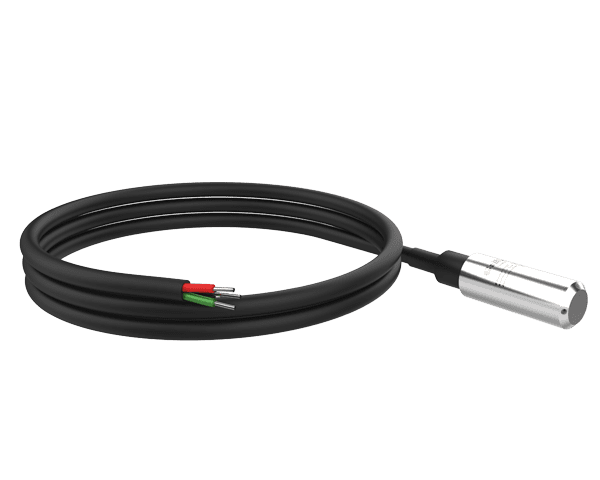
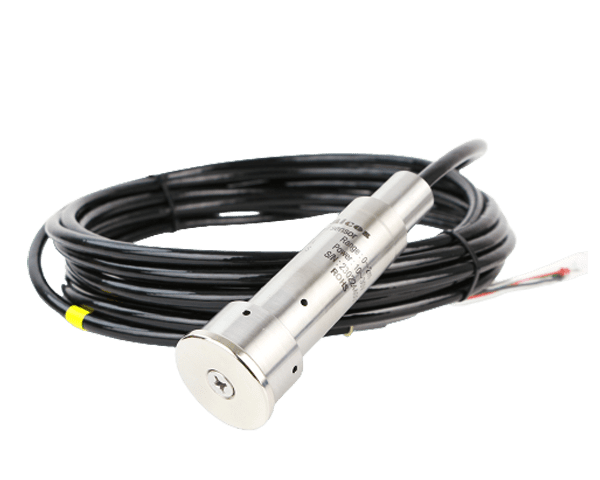
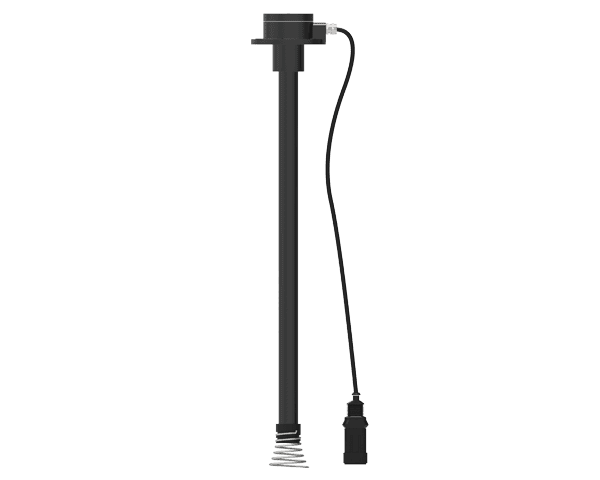
Accurate fuel measurement becomes essential when overseeing fuel operations in the Middle East oil market. To handle the harsh circumstances in this area, the best diesel tank sensor systems combine accuracy, durability, and regulatory compliance. These days, sophisticated gasoline level monitoring systems combine smart technology with industrial-grade architecture to provide real-time data that improves inventory management, enforces safety requirements, and deters fuel theft. To ensure operational excellence in petroleum facilities, fleet management, and energy infrastructure projects, procurement teams looking for trustworthy tank monitoring equipment must assess sensors according to environmental resilience, certification criteria, and supplier competence.
Understanding Diesel Tank Sensors: Types, Working Principles, and Benefits
Core Sensor Technologies and Their Applications
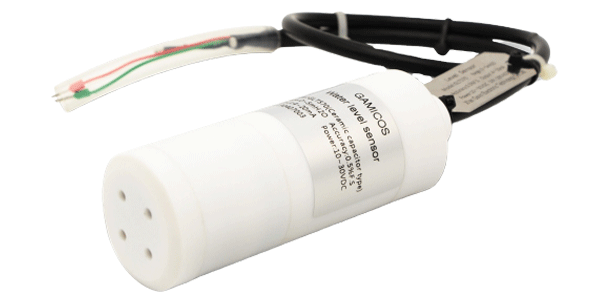
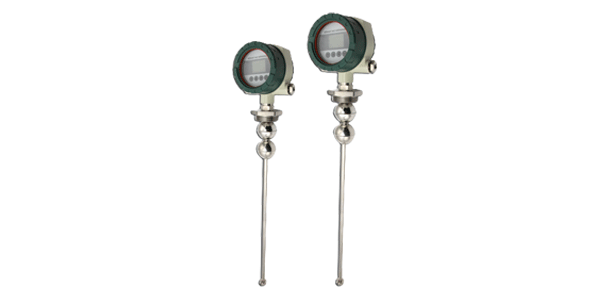
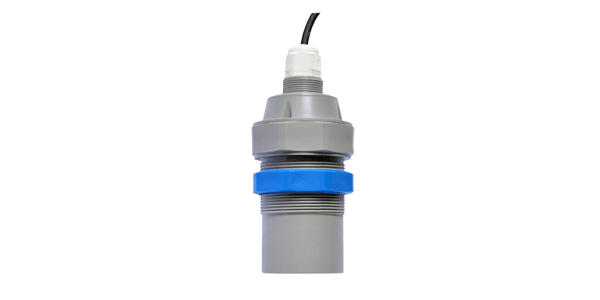
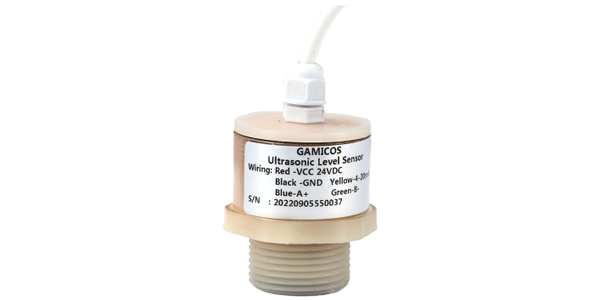
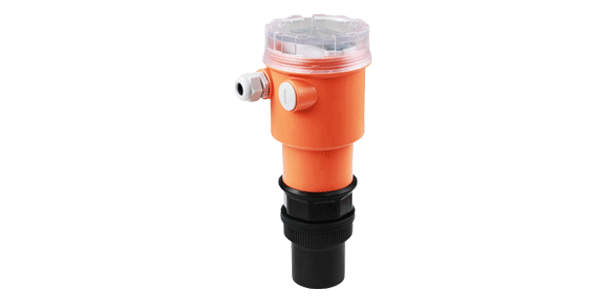
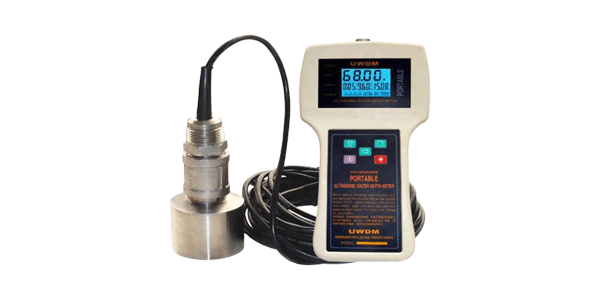
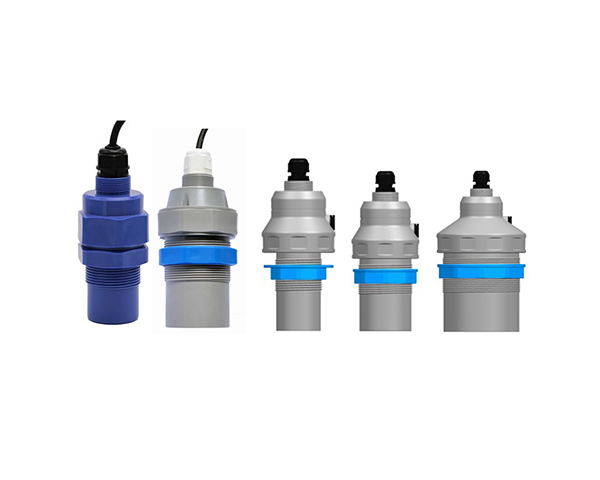
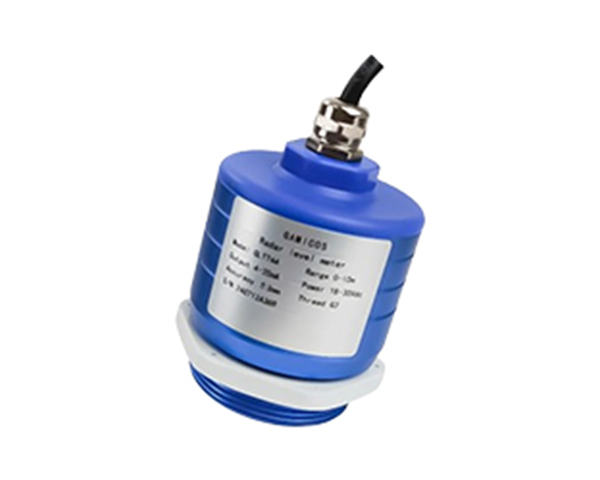
Different measuring concepts are used by fuel level monitoring systems, each of which has unique benefits for particular operating situations. Capacitive sensors provide exceptional precision for clean diesel applications by measuring changes in the dielectric constant when fuel levels vary. In fixed storage tanks with a constant fuel composition, these devices perform well. Ultrasonic sensors are perfect for large-scale storage facilities where non-contact measuring reduces contamination hazards since they produce sound waves that reflect off the fuel surface and calculate distance to ascertain volume.
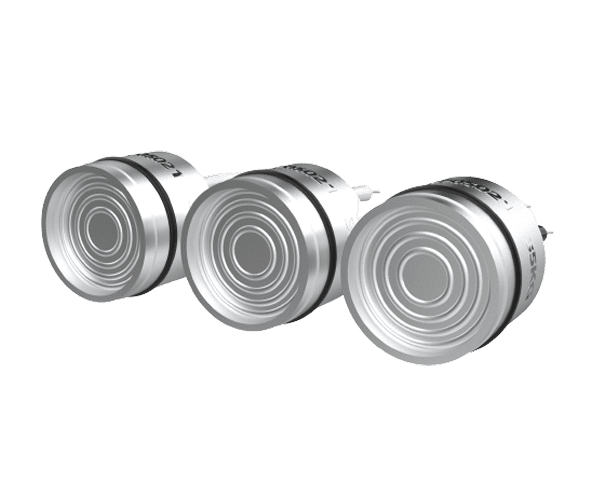
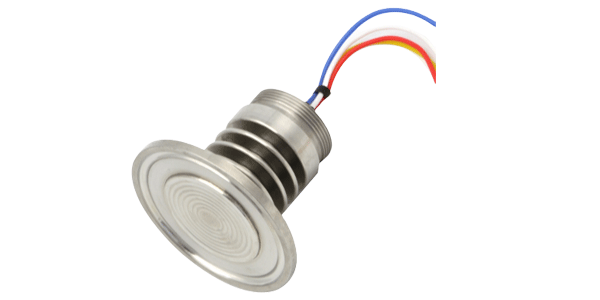
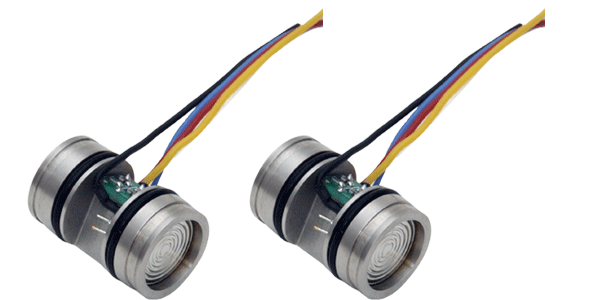
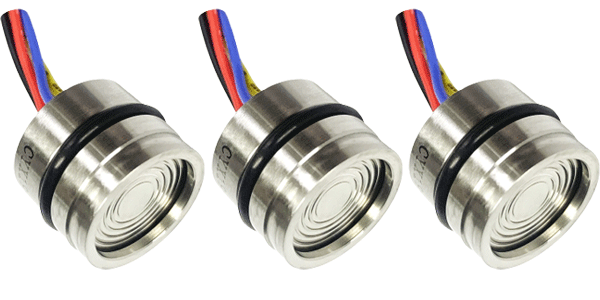
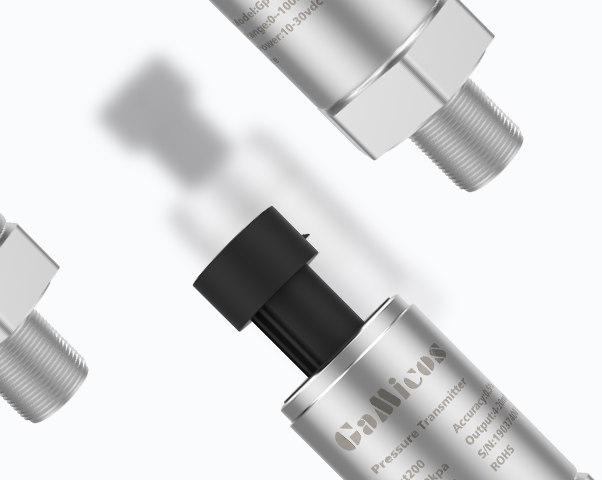
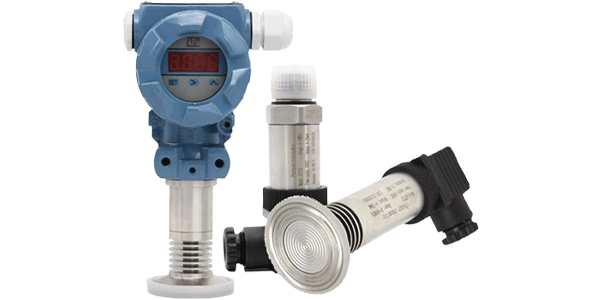
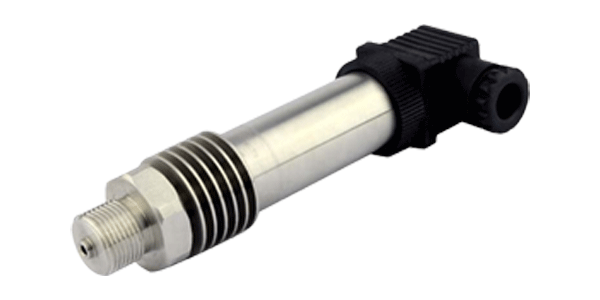
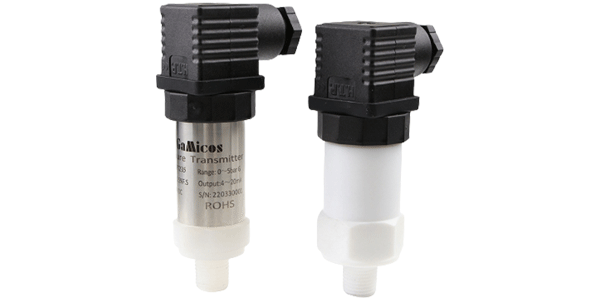
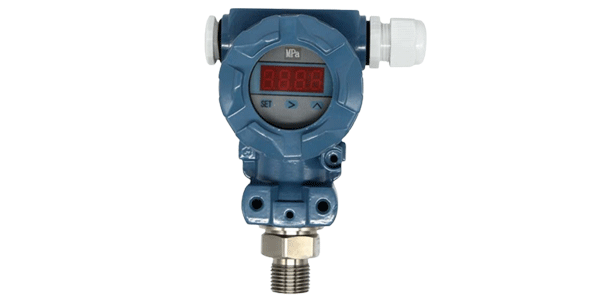
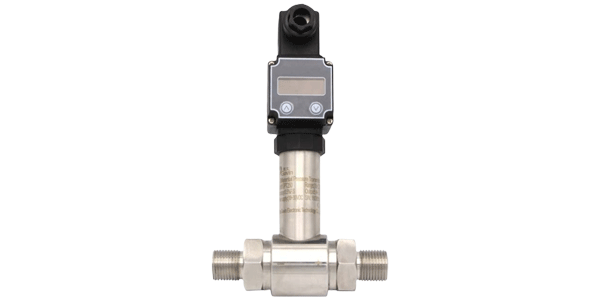
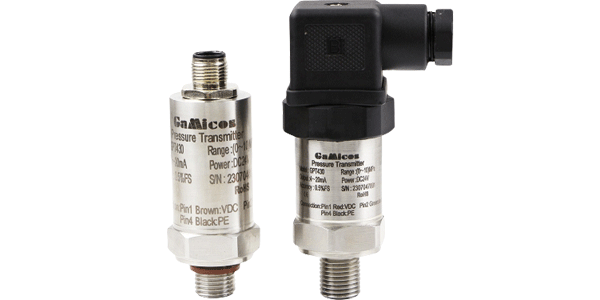
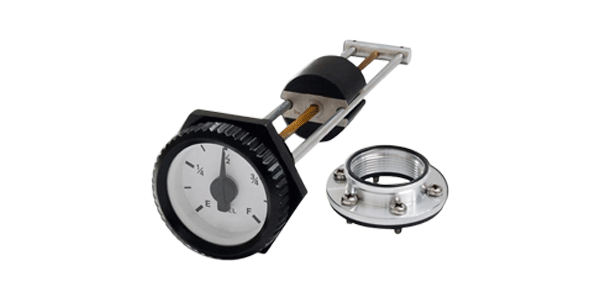
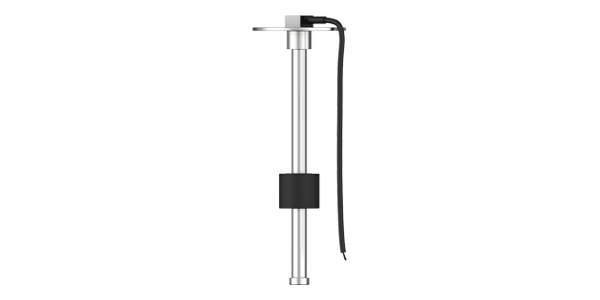
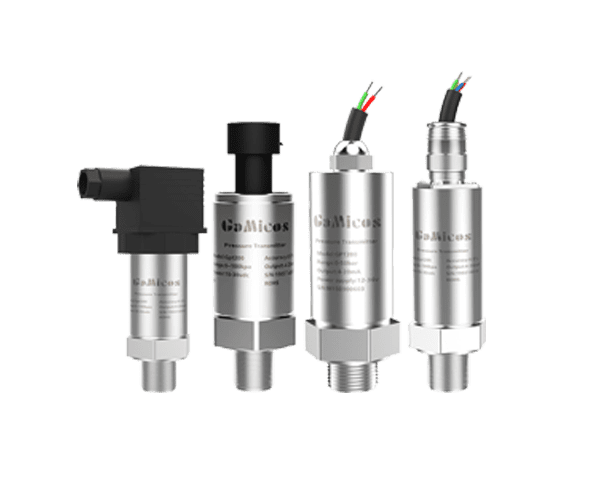
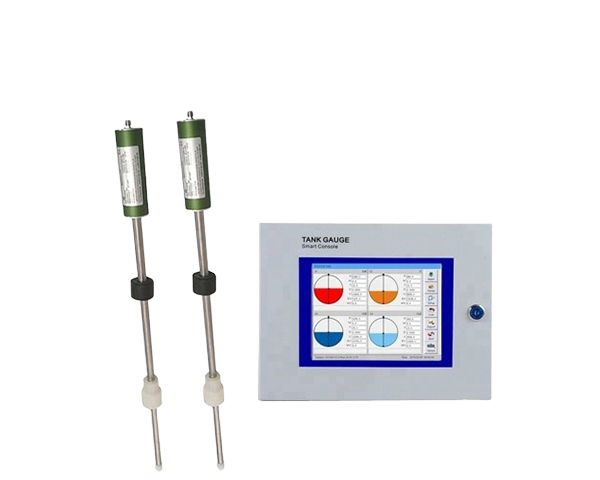
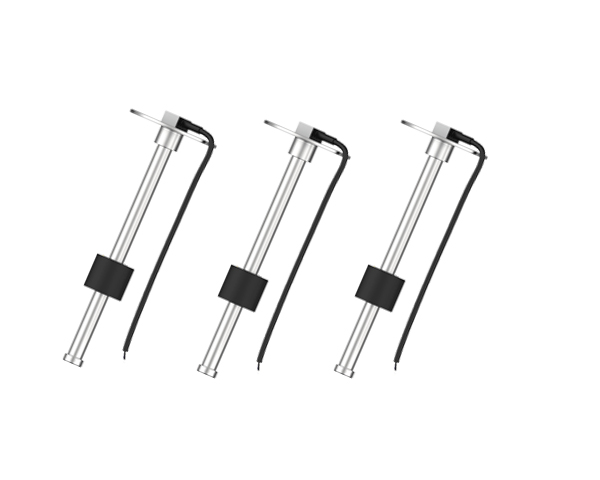
In Middle Eastern applications, pressure-based measuring systems — especially those that use silicon piezoresistive technology — have become more popular. By measuring hydrostatic pressure at the bottom of the tank, these sensors provide precise level estimations. In mobile applications where vibration resistance and compact design are crucial, such as fuel trucks and equipment fleets, the technology performs very well. For simple level indication, magnetic float sensors are dependable and easy to use, but they don't have the accuracy needed for commercial inventory control.
Operational Principles Behind Modern Fuel Monitoring
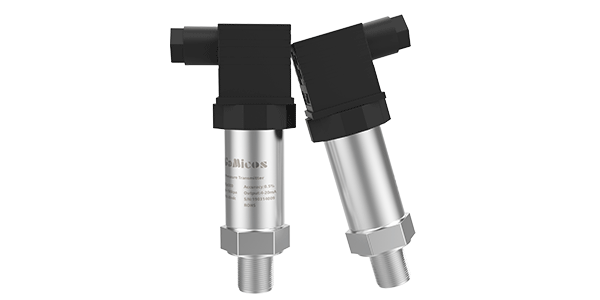
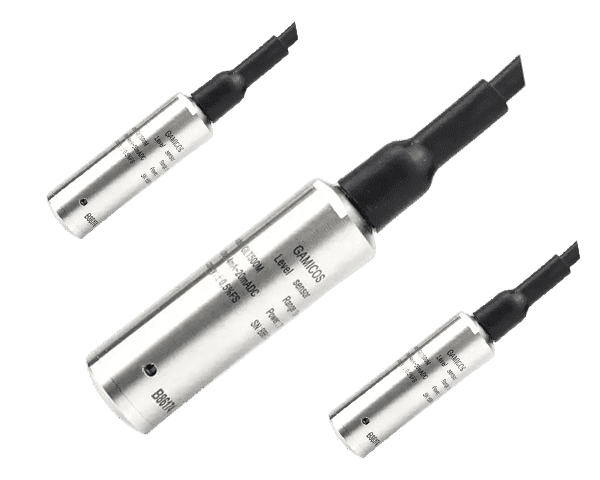
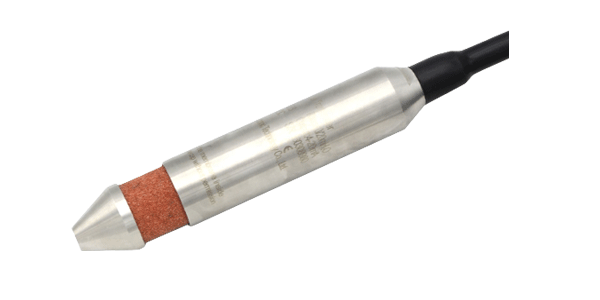
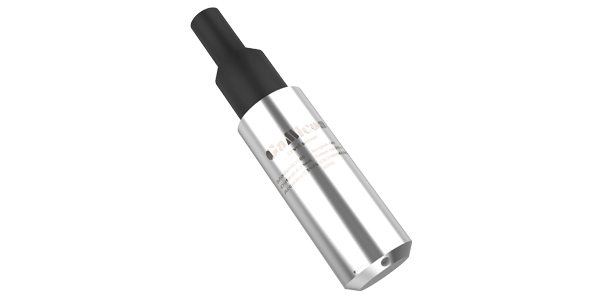
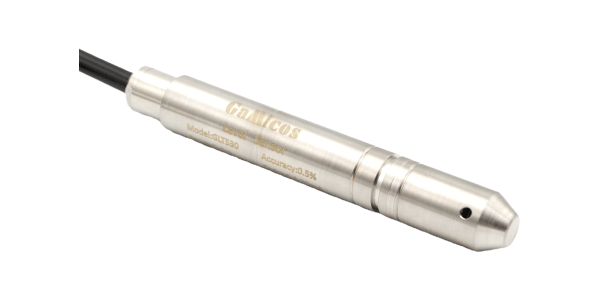
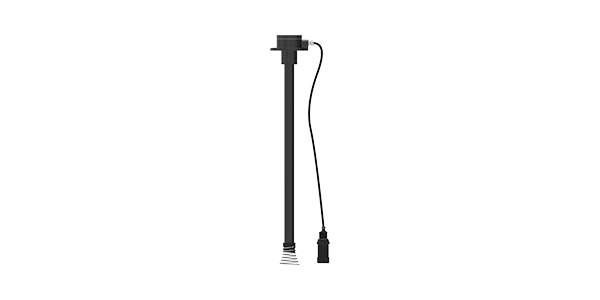
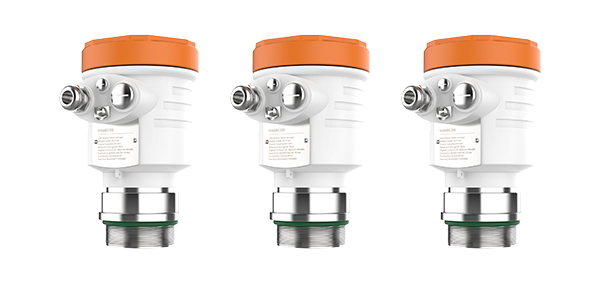
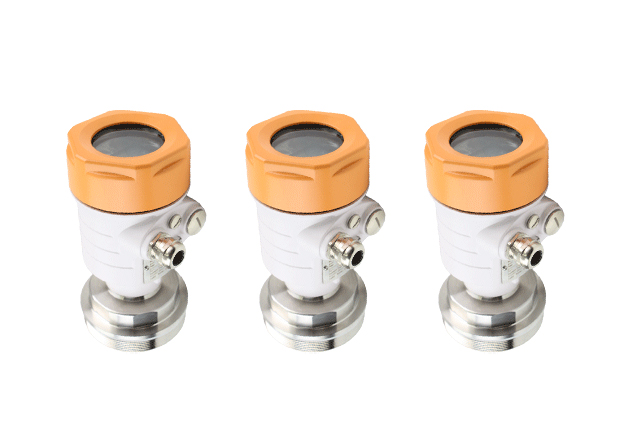
A prime example of cutting-edge pressure-based measuring technology is the GAMICOS GLT5001 liquid diesel level sensor. This device, which is based on a silicon piezoresistive pressure sensor core that is very dependable, has programmable digital circuit rectification and automated temperature adjustment. In the Middle East, where daily temperature fluctuations impact fuel density and volume estimates, temperature correction is crucial. In the absence of this feature, readings may differ by 3–5% across temperature ranges, leading to substantial inventory disparities in big operations.
Modern diesel tank sensors use signal conditioning circuits to standardize output signals, which are usually 4–20mA analog or digital protocols like RS485, Modbus, or CANbus, and filter electrical noise. The smooth integration with current supervisory control and data collecting systems is made possible by this standardization. To guarantee stability throughout the -40°C to 85°C working range typical of Middle Eastern climes, the sensor is put through a rigorous testing process that includes pressure cycling, accelerated aging, and environmental simulation.
Tangible Benefits for Industrial Operations
Measurable operational gains result from the use of precise fuel monitoring. Fuel theft, a recurring problem in distant installations, is decreased by real-time data visibility as it promptly flags abnormal level drops. By removing the need for manual dipstick measurements, automated inventory monitoring lowers labor costs while increasing safety by requiring fewer tank entries. By optimizing logistics, predictive refueling based on consumption patterns avoids expensive operational disruptions due to fuel depletion.
The advantages of compliance go beyond simple safety rules. Electronic fuel monitoring is now required in several Middle Eastern governments for environmental and tax reporting purposes. By precisely measuring consumption, accurate measurement systems promote sustainability projects and provide auditable data that meet legal standards. Additionally, by detecting equipment inefficiencies and improving fuel purchase strategies based on real consumption patterns rather than predictions, the data makes energy efficiency assessments possible.
Top Diesel Tank Sensors for Trucks and Industrial Use in 2026
Evaluation Framework for Middle Eastern Conditions
Selecting monitoring equipment for the Middle East requires a specialized evaluation framework. Environmental durability tops the criteria list, with devices needing IP68 protection ratings to withstand dust ingress during sandstorms and moisture exposure during rare but intense rainfall. Materials must resist corrosion from high salinity in coastal installations and maintain calibration accuracy despite extreme temperature cycling. We recommend diesel tank sensors with stainless steel or titanium wetted parts for long-term reliability in corrosive diesel formulations.
Another important factor to take into account is regulatory compliance. For installations in hazardous areas, equipment must have ATEX or IECEx explosion-proof certifications, a CE mark for electromagnetic compatibility, and RoHS compliance for environmental regulations. These certificates shield companies from liability issues and guarantee compliance with global project criteria. Comprehensive international certification portfolios are useful for multi-country enterprises since local certification standards differ across Gulf Cooperation Council countries.
Leading Solutions and Their Distinctive Strengths
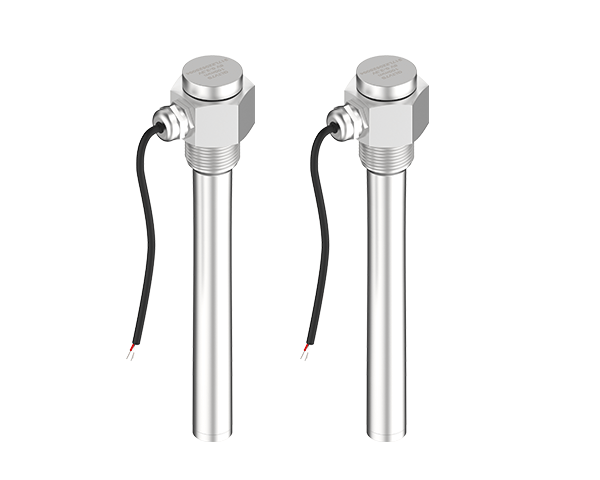
The GAMICOS GLT5001's dual-model strategy makes it stand out in the Middle Eastern market. The basic model's completely welded structure and several output choices that accommodate both current and older control systems make it ideal for permanent storage applications. Mobile tank monitoring requirements are met by the magnetic suction base variation, which is especially pertinent given the region's large fuel transport activities. On difficult desert conditions, the anti-vibration design preserves measurement integrity, and the magnetic attachment mechanism allows for quick installation without requiring tank changes.
Here are the core advantages of this monitoring solution:
- Integrated Design with Electromagnetic Shielding: The compact architecture minimizes installation complexity while electromagnetic interference resistance ensures reliable operation near heavy electrical equipment common in industrial facilities.
- Flexible Output Configurations: Supporting analog 4-20mA, voltage, and digital communication protocols, the sensor integrates with diverse control architectures from legacy relay systems to modern IoT platforms.
- Robust Construction Standards: The fully welded structure eliminates potential leak points, while IP68 rating guarantees submersion protection during tank cleaning or flood events.
- Comprehensive Certification Portfolio: ATEX explosion-proof approval, CE compliance, and RoHS certification satisfy requirements across Middle Eastern jurisdictions and international project specifications.
These features directly address procurement pain points — customization flexibility, regulatory compliance, and proven durability — making the GLT5001 particularly suitable for engineering contractors managing multi-site deployments and OEM manufacturers requiring consistent performance across product lines.
Technology Features and Procurement Considerations
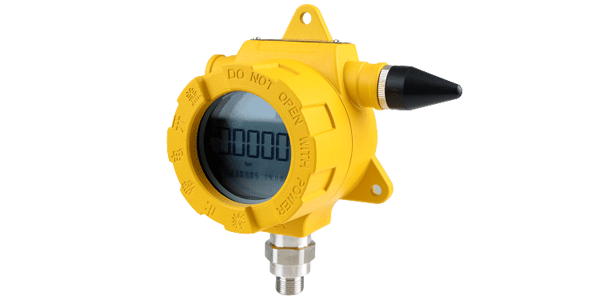
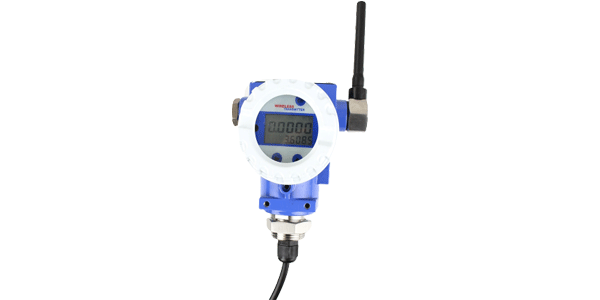
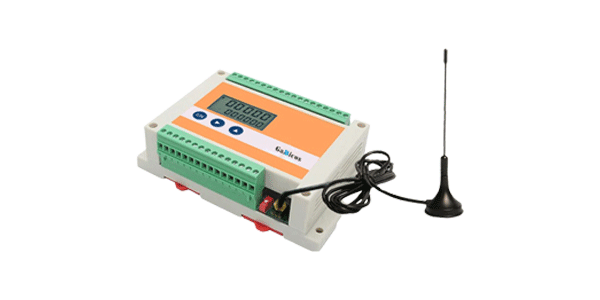
Fleet management solutions have been revolutionized by wireless connection possibilities. LoRa and NB-IoT connection allow distant tank farms without conventional infrastructure, while Bluetooth-enabled sensors provide data to mobile devices for easy monitoring during vehicle inspections. Critical applications may be monitored in real time with GPRS and 4G choices, but overall cost estimates must account for network coverage and subscription fees.
Features and order quantities have a substantial impact on pricing structures. Entry-level float sensors are appropriate for non-critical applications with simple level indication requirements, and they start at around $50 to $80 per unit. Better precision and digital outputs are provided by mid-range capacitive and ultrasonic sensors, which often cost between $200 and $500. For large fleet deployments or OEM integration projects, bulk pricing offers significant savings. Instead of focusing just on the purchase price when assessing costs, take into account all ownership expenditures, such as installation, calibration equipment, and ongoing maintenance.
Installation, Calibration, and Maintenance Guidelines for Diesel Tank Sensors
Site Assessment and Preparation Protocols
A careful site assessment is the first step towards a successful sensor placement. The best location for diesel tank sensors is determined by the evaluation of the tank's design; for pressure sensors, this is usually at the lowest point, and for ultrasonic devices, it is centered. Sloped bottoms, internal structures, and baffles are examples of existing tank characteristics that affect measurement accuracy and must be documented during design. Sensor selection and mounting techniques are influenced by environmental elements such as electromagnetic interference potential, vibration sources, and ambient temperature ranges.
Installation criteria are determined by the categorization of hazardous areas. Each of the three classifications — Zone 0, Zone 1, and Zone 2 — imposes certain installation and equipment requirements. To keep their certification valid, certified explosion-proof sensors — such as those with ATEX approval — must be fitted in accordance with manufacturer requirements. To avoid establishing ignition sources in volatile situations, considerable consideration must be given to junction box specs, electrical conduit routing, and grounding requirements.
Step-by-Step Installation Process
Cleaning and inspection are the first steps in tank preparation to make sure mounting surfaces provide adequate sealing. The installation location for pressure sensors has to be both accessible and oriented to prevent turbulence from fill pipes or discharge outlets, which might alter readings. To avoid galvanic corrosion, mounting adapters or flanges should be made of stainless steel for diesel applications. The choice of thread sealant is crucial; only diesel fuel-compatible and potable water-approved materials should be used to avoid contamination and guarantee the integrity of the seal over time.
Equal care must be taken with electrical connections. The proper sealing glands certified for the level of environmental protection are required for cable entrance sites. Electromagnetic interference is avoided via shielded cable, which is especially crucial close to radio transmission equipment or variable frequency motors. Connection mistakes that might harm electronics are avoided by adhering to color coding standards, which are generally brown for positive, blue for negative, and green/yellow for ground. For future maintenance reference, we advise taking pictures and schematics of wire arrangements.
Calibration Best Practices for Measurement Precision
Although the majority of contemporary pressure-based sensors are factory-calibrated, accuracy under real-world working situations is guaranteed via field testing. The measurement range is determined by two-point calibration with empty and full tank circumstances. The correct operation of compensating algorithms is confirmed by recording the ambient temperature during calibration and confirming readings over the operational temperature range. Multi-point calibration at 25%, 50%, and 75% capacity is advantageous for some installations, especially for tanks with irregular shape where volume-to-height correlations aren't linear.
Software programming for digital sensors with programmable outputs makes calibration easier. It is possible to modify parameters such as fuel density, output scaling, and tank diameters without making any physical changes. When sensors are moved to various tanks or when gasoline requirements change, this adaptability comes in handy. Traceability for quality management systems and regulatory audits is maintained by recording calibration parameters, dates, and technician identities.
Preventive Maintenance and Troubleshooting Protocols
Regular inspection plans prolong the life of sensors and prevent unplanned malfunctions. Visual inspections are conducted every three months to look for corrosion, loose connections, and physical deterioration. Recalibration is carried out if readings deviate from permissible limits, which are usually ±0.5% of full scale for precision applications. Annual calibration verification ensures measurement accuracy. Although submerged sensors typically need little maintenance other than the occasional examination, cleaning sensor surfaces eliminates accumulated material.
Typical problems include output signal instability, which is often brought on by moisture seeping into junction boxes or cable connections. Most moisture issues may be avoided with proper sealing at installation, but protection is maintained by regular cable gland inspection and resealing. Usually, temperature compensation failure or mechanical damage to sensor components causes calibration drift. Accuracy problems are found before they affect operations by comparing readings with manual measurements. Keeping extra sensors on hand for important applications allows for quick replacement, reducing downtime while malfunctioning devices are repaired or their warranties are processed.
Procurement Strategies for Diesel Tank Sensors in the Middle East
Sourcing Channels and Supplier Selection
B2B procurement for industrial sensors leverages multiple channels, each offering distinct advantages. Direct manufacturer relationships provide optimal pricing for large-volume orders and access to engineering support for customization projects. Companies like GAMICOS offer OEM and ODM services, enabling private labeling and specification modifications for equipment manufacturers and system integrators. For example, when sourcing a diesel tank sensor, direct sourcing works best for organizations with clear technical requirements and sufficient volume to justify manufacturer engagement.
Regional distributors and specialized instrumentation suppliers provide valuable services for smaller quantities or urgent replacement needs. Established distributors maintain local inventory, reducing lead times from weeks to days. They often provide installation support, calibration services, and warranty administration that simplify procurement for organizations lacking in-house technical expertise. When evaluating distributors, verify their authorization status with manufacturers and assess their technical support capabilities through reference checks with existing customers.
Bulk Purchasing Advantages and Logistics Considerations
Volume purchasing delivers substantial cost benefits beyond unit price reductions. Consolidated shipping reduces per-unit freight costs, particularly significant for Middle Eastern destinations where air freight expenses can exceed sensor costs for small orders. Standardizing on a single sensor model across multiple sites simplifies spare parts inventory, reduces training requirements, and streamlines maintenance procedures. Negotiating framework agreements with preferred suppliers secures pricing stability and priority allocation during supply chain disruptions.
Shipping logistics for the Middle East region require careful planning. Sea freight offers economical transport for large orders, though 6-8 week transit times demand advance planning. Air freight reduces delivery time to 5-10 days but increases costs significantly. Customs clearance procedures vary across Middle Eastern nations, with some requiring product certifications verified before import approval. Working with suppliers experienced in regional logistics — like GAMICOS, serving customers across 100+ countries — streamlines documentation and reduces clearance delays.
Supplier Evaluation Criteria and Quality Assurance
Technical capability assessment forms the foundation of supplier evaluation. Reviewing certification portfolios verifies compliance with international standards — ISO 9001 for quality management, ISO 14001 for environmental systems, and product-specific certifications like ATEX or IECEx. Manufacturing facility audits, when feasible, reveal production processes, quality control systems, and testing capabilities that determine product consistency and reliability.
After-sales support capabilities significantly impact total cost of ownership. Comprehensive warranty coverage — typically 12-24 months for industrial sensors — protects against premature failures. Technical support availability, including application engineering assistance and troubleshooting guidance, helps resolve installation challenges and optimize system performance. Suppliers offering calibration services, repair capabilities, and replacement part availability demonstrate commitment to long-term customer relationships beyond initial sales transactions.
Conclusion
Selecting the appropriate diesel fuel monitoring equipment for Middle Eastern oil market applications requires balancing technical performance, environmental durability, regulatory compliance, and supplier reliability. Advanced pressure-based sensors like the GAMICOS GLT5001 address the region's unique challenges through temperature compensation, robust construction, comprehensive certification, and flexible mounting options. A high-quality diesel tank sensor is essential in ensuring accurate monitoring under harsh conditions.
Successful procurement extends beyond product selection to encompass proper installation, calibration protocols, preventive maintenance programs, and strategic supplier partnerships. Organizations prioritizing these factors achieve operational excellence through accurate fuel inventory management, theft prevention, regulatory compliance, and optimized logistics that deliver measurable return on investment across petroleum infrastructure, fleet operations, and energy facilities throughout the Middle East.
FAQ
Partner with a Trusted Diesel Tank Sensor Manufacturer
GAMICOS delivers precision-engineered fuel monitoring solutions specifically designed for the demanding conditions of Middle Eastern petroleum operations. Whether you require standard models for fixed installations or magnetic suction base variants for mobile applications, our engineering team provides customization support tailored to your operational requirements. With proven reliability across 100+ countries and dedicated technical support, GAMICOS stands ready to optimize your fuel management infrastructure. Contact our team at info@gamicos.com to discuss your specific application requirements, request technical documentation, or arrange product samples that demonstrate our commitment to measurement excellence and long-term partnership success.
References
1. Al-Rashidi, M., & Hassan, K. (2023). "Fuel Management Systems in Middle Eastern Petroleum Infrastructure: Technology Assessment and Implementation Strategies." Journal of Industrial Automation and Control Systems, 18(4), 234-256.
2. Chen, L., Wong, S., & Abdullah, R. (2024). "Pressure-Based Level Measurement in High-Temperature Environments: Comparative Analysis of Sensor Technologies." International Journal of Instrumentation and Measurement, 42(2), 112-128.
3. European Committee for Standardization (2022). "ATEX Equipment and Protective Systems for Potentially Explosive Atmospheres: Implementation Guidelines for Industrial Applications." Brussels: CEN Technical Standards.
4. Johansen, P., & Schmidt, H. (2023). "Total Cost of Ownership Analysis for Industrial Sensor Procurement: A Framework for B2B Decision-Making." Supply Chain Management Review, 27(6), 45-62.
5. Petroleum Equipment Institute (2024). "Recommended Practices for Installation and Maintenance of Fuel Storage Tank Level Monitoring Systems." Tulsa: PEI Technical Publications.
6. Zhang, W., Kumar, A., & Al-Mansoori, S. (2023). "Environmental Durability Testing of Electronic Sensors for Gulf Region Industrial Applications." Journal of Environmental Engineering and Technology, 15(3), 178-195.
* All internal links are contextual and lead to related product & technical pages.