
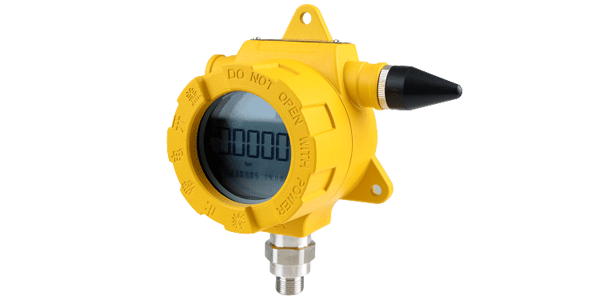
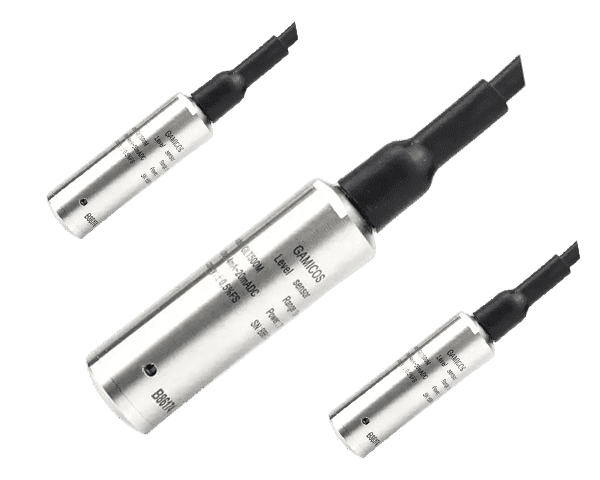
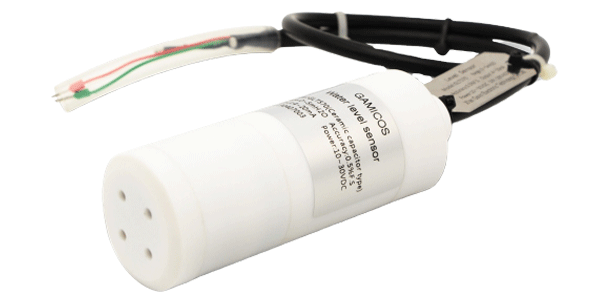
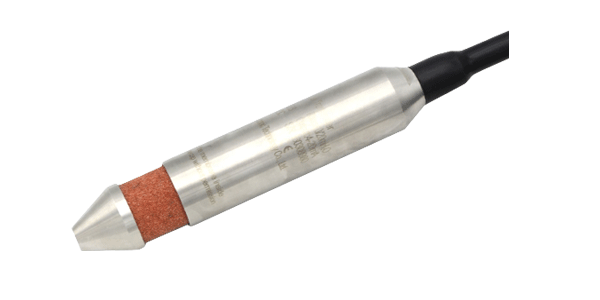

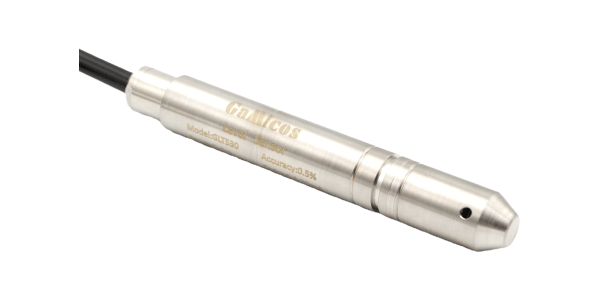
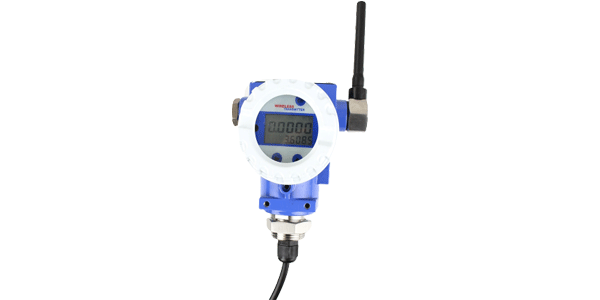
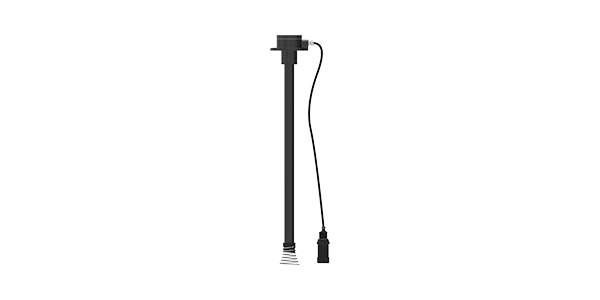
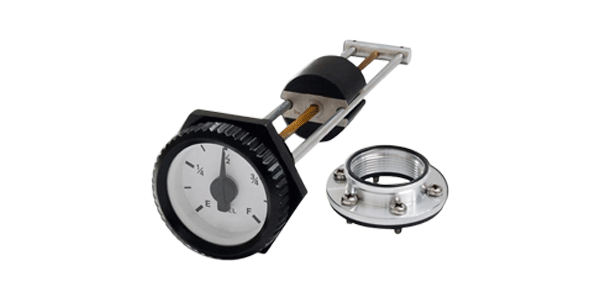
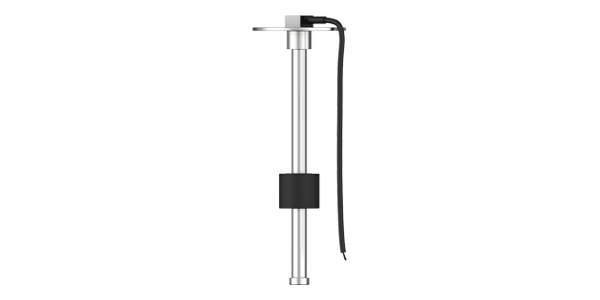
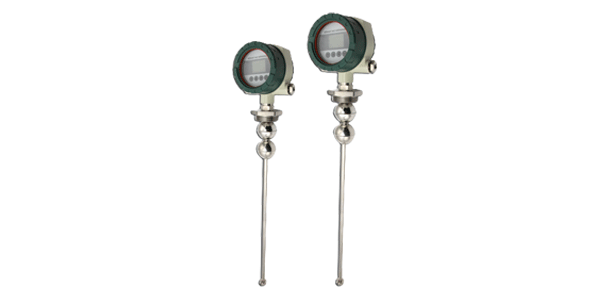
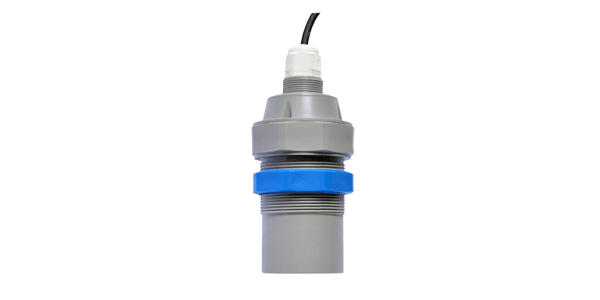
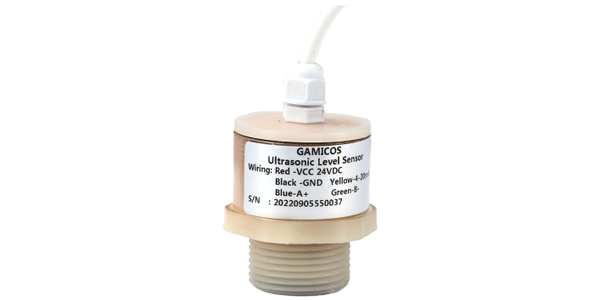












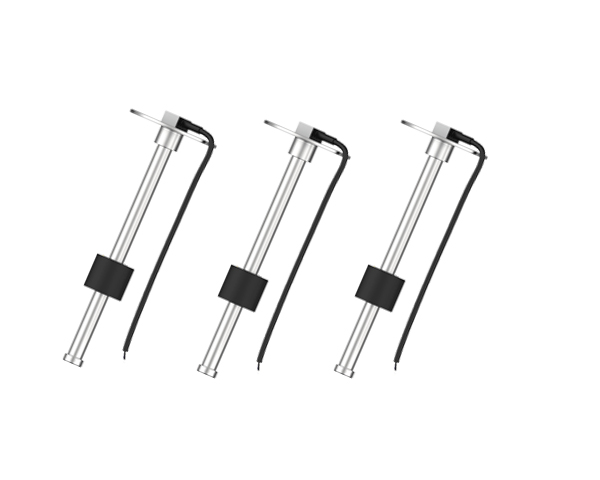
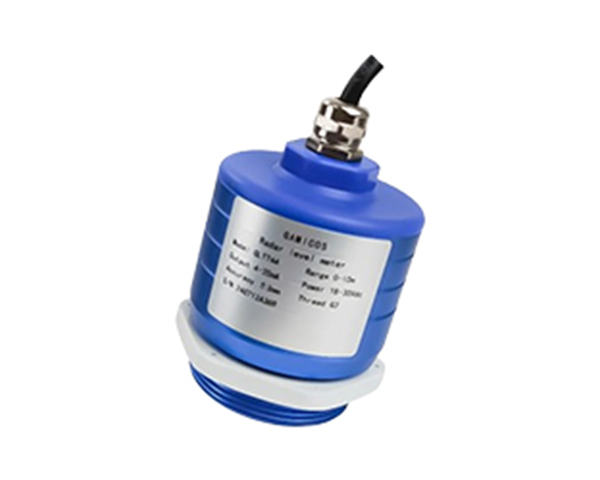
Because of its remarkable accuracy, dependability, and capacity to function well in difficult conditions, magnetostrictive level transmitter technology stands out as the best option for gasoline tank monitoring. These sophisticated sensors, which can tolerate temperature changes, pressure swings, and corrosive environments typical of fuel storage applications, use magnetostriction principles to provide precise, real-time level readings. They are essential for companies needing reliable fuel inventory management and safety compliance because of their non-contact measuring capabilities, low maintenance needs, and exceptional precision.
Introducing Magnetostrictive Level Transmitters
Magnetostrictive level transmitters are state-of-the-art devices that use complex electromagnetic principles to transform liquid level monitoring. In order to create a magnetic field that interacts with a magnetic float placed at the liquid's surface, these devices generate a current pulse via a magnetostrictive waveguide.
The Science Behind Magnetostriction Technology
The basic mechanism is based on the magnetostrictive effect, in which a mechanical torsional wave is created by the interaction of two magnetic fields. A permanent magnet built into the float produces one field, while the current pulse given to the specially designed waveguide produces the other. A strain pulse is produced when these fields collide, and it moves down the sensor waveguide at sonic speed until it is detected at the transducer head.
This technology's accuracy comes from tracking the amount of time that passes between the administration of a pulse and the arrival of a strain pulse. This time-of-flight approach makes it possible to determine the float position precisely, which translates into an incredibly accurate measurement of the liquid level.
Key Components and Architecture
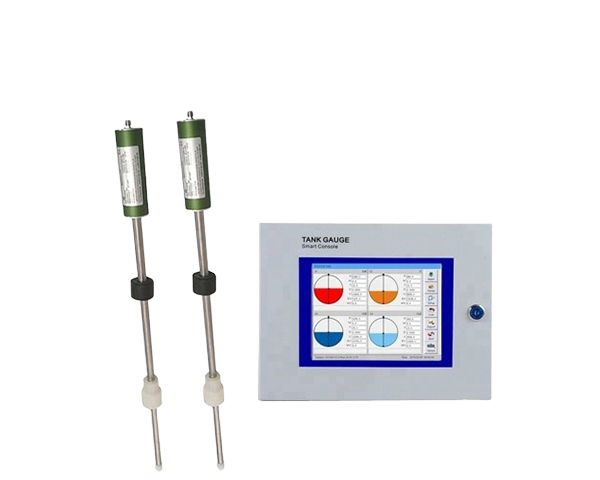
Contemporary magnetostrictive transmitters are made up of a number of essential parts that cooperate. The key sensing component is the waveguide, which is made of magnetostrictive material and kept under tension within the sensor tube. With permanent magnets whose field lines are perpendicular to the impulse magnetic field, the magnetic float functions as a position transducer.
Piezoceramic pickup elements are used in electronic circuits to convert mechanical waves into electrical signals. Both analog and digital output capabilities are made possible by this intricate design, which supports a variety of industrial communication protocols and integration needs.
Advantages Over Conventional Technologies
Under fuel tank conditions, magnetostrictive devices work better than ultrasonic or radar sensors. Magnetostrictive transmitters provide wear-free, continuous operation with remarkable stability and low drift characteristics, in contrast to capacitive sensors that experience coating accumulation or float switches that are prone to mechanical failure.
Why Magnetostrictive Level Transmitters Are Ideal for Fuel Tanks?
Because fuel tank surroundings are so demanding, measuring systems must be able to endure challenging circumstances without sacrificing precision. These issues are addressed by magnetostrictive level transmitter technology, which is especially well-suited for fuel applications due to its inherent design benefits.
Exceptional Environmental Resilience
Wide temperature fluctuations, pressure changes, and exposure to corrosive vapors are just a few of the difficulties that come with fuel storage conditions. Because of its sturdy design and non-contact measuring technique, magnetostrictive transmitters perform very well under these circumstances. The technique maintains precision in the face of environmental variations and functions dependably throughout temperature ranges from -40°C to +85°C.
Corrosion-resistant materials guarantee life in harsh chemical conditions, and the sealed structure shields internal components from moisture and fuel vapors. When compared to other systems, this resilience results in less downtime and a cheaper total cost of ownership.
Precision and Accuracy Requirements
For safety procedures, operational effectiveness, and regulatory compliance, fuel inventory management need accurate level measurement. With resolution capabilities of up to 0.15mm, magnetostrictive sensors provide remarkable precision that well surpasses the requirements for the majority of gasoline tank applications.
The following are magnetostrictive technology's primary accuracy benefits:
- High-resolution measurement: Achieves sub-millimeter accuracy for precise inventory tracking
- Drift-free operation: Maintains calibration over extended periods without periodic adjustment
- Multi-interface detection: Simultaneously monitors multiple liquid layers in fuel tanks
- Temperature compensation: Automatically adjusts for thermal expansion effects
These precision capabilities help effective operational planning and cost management while facilitating precise fuel inventory monitoring, leak detection, and environmental regulatory compliance.
Low Maintenance and Operational Benefits
Compared to mechanical level monitoring systems, magnetostrictive transmitters need a lot less maintenance because of their wear-free, non-contact functioning. Magnetostrictive sensors don't have any moving elements that may wear out or foul, unlike float switches or guided wave radars.
Operational advantages are further enhanced by ease of installation. With just minor structural adjustments needed, the transmitters may be mounted inside in tanks or externally on bypass chambers. Field setup is made possible by user-adjustable calibration capabilities without the need for specialist tools or in-depth training.
Comparing Magnetostrictive Level Transmitters with Alternative Technologies
Knowing the relative benefits of various technologies helps make well-informed purchasing choices when assessing level measuring alternatives for fuel tank applications. In a number of crucial performance areas, magnetostrictive level transmitters provide clear advantages over traditional substitutes.
Performance Comparison with Ultrasonic and Radar Systems
Temperature changes that impact sound wave propagation and vapor interference make ultrasonic sensors difficult to use in gasoline tank situations. Although they work well in many situations, radar-based devices may encounter signal interference from internal tank components or fuel surface foam.
By using an electromagnetic working principle that is unaffected by the presence of vapor, foam, or turbulence, magnetostrictive technology gets beyond these restrictions. Compared to radar alternatives, the direct contact measuring method offers quicker reaction times while eliminating dead zones that are typical of ultrasonic systems.
Economic Considerations and Total Cost Analysis
Magnetostrictive transmitters may be more expensive initially than simple float switches or ultrasonic sensors. Comprehensive cost analysis, however, shows considerable long-term savings via better operating efficiency, longer service life, and less maintenance.
Superior accuracy lowers inventory inconsistencies and related financial effects, and the lack of frequent calibration needs removes continuing service expenses. Furthermore, the dependability of the system reduces unexpected downtime and emergency repairs, which enhances operational profitability.
Integration and Compatibility Factors
Smooth integration with current control systems and communication networks is necessary in modern industrial settings. In order to provide interoperability with a variety of automation systems, magnetostrictive transmitters enable several output formats, such as 4-20mA analog signals, digital protocols, and fieldbus connections.
Because of the technology's inherent stability, installation is made simpler and system complexity is decreased by eliminating the need for signal filtering that is often required with other measuring techniques.
Installation, Calibration, and Troubleshooting Guidelines
Adherence to appropriate installation techniques, calibration methods, and continuous maintenance protocols is necessary for the successful deployment of magnetostrictive level transmitters. In fuel tank applications, knowing these factors guarantees optimum performance and lifespan.
Installation Best Practices and Safety Considerations
The precision of measurements and the dependability of the system are significantly impacted by proper installation orientation. Although minor variations are still permissible within manufacturer requirements, vertical placement offers the best performance. Signal integrity is ensured and moisture intrusion is prevented by employing suitable conduit systems and cable glands for secure electrical connections.
Adherence to local electrical rules, appropriate grounding, and the selection of explosion-proof enclosures where necessary are important safety precautions during installation. During installation operations, fuel tank settings need special attention to spark avoidance and adequate ventilation.
Calibration Procedures and Maintenance Intervals
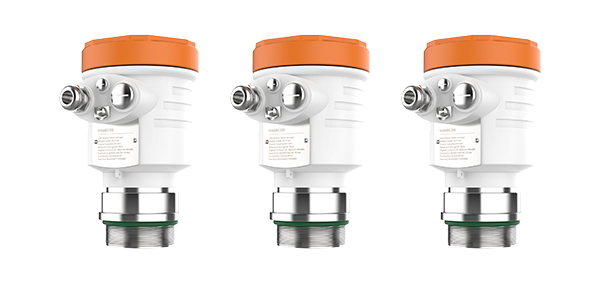
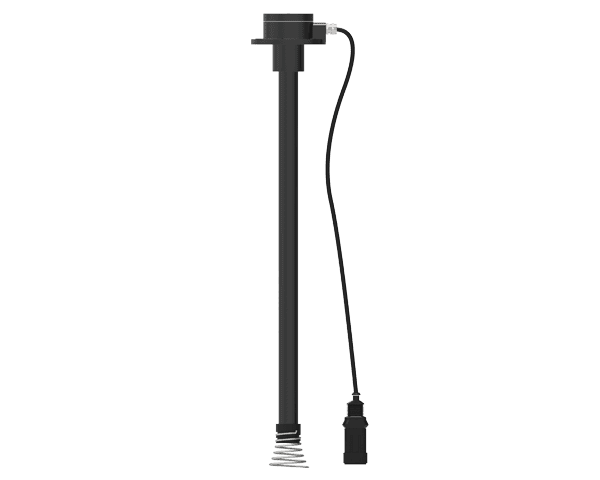
With its user-adjustable zero and full-scale calibration, GAMICOS GLT621/622 magnetostrictive sensors allow for field setup without requiring a factory return. The transmitter automatically calculates intermediate values during calibration, which entails setting reference points that correspond to empty and full tank circumstances.
It is advised that calibration be verified once a year or after major system changes. But in stable operational conditions, these periods are often extended by the intrinsic stability of the technology. Calibration activity documentation aids in troubleshooting and regulatory compliance.
Common Issues and Troubleshooting Strategies
Usually, component deterioration, electromagnetic interference, or wiring errors cause signal abnormalities. Electrical connection verification is the first step in systematic troubleshooting. Signal route examination and environmental factor evaluation come next.
Magnetostrictive transmitters' strong construction reduces failure modes, and most issues are attributed to outside causes rather than sensor malfunction. The majority of operating issues are avoided by routine inspections of the mounting hardware, cable quality, and float movement.
Procurement Insights: Buying Magnetostrictive Level Transmitters for Fuel Applications
Selecting appropriate magnetostrictive level transmitters requires careful evaluation of technical specifications, supplier capabilities, and long-term support considerations. Understanding these factors enables procurement decisions that deliver optimal value and performance.
Supplier Evaluation and Product Selection Criteria
Reliable suppliers demonstrate proven experience in fuel measurement applications, comprehensive technical support capabilities, and robust quality assurance programs. Certification compliance including CE, RoHS, and ISO standards indicates adherence to international quality and safety requirements.
Product customization capabilities prove essential for specialized applications requiring modified probe lengths, materials, or communication protocols. Suppliers offering flexible OEM and ODM services can adapt standard products to meet specific operational requirements while maintaining performance standards.
Technical Specifications and Customization Options
GAMICOS GLT621/622 magnetostrictive sensors exemplify advanced fuel tank level measurement capabilities with their high-speed, reliable operation in harsh environments. The sensors support single or multiple float configurations for comprehensive liquid level and interface detection, with probe options including rigid, flexible, and corrosion-resistant materials.
Key specifications include 0.15mm resolution capability, simultaneous multi-level detection, and both analog and digital output options. These features address demanding chemical industry requirements while providing versatility for diverse fuel storage applications including refineries, depots, and marine bunkering systems.
Quality Assurance and After-Sales Support
Comprehensive warranty coverage and responsive technical support minimize operational risks and ensure long-term performance. Suppliers should provide detailed documentation, training resources, and field service capabilities to support successful implementation and ongoing operation.
GAMICOS distinguishes itself through extensive industry experience serving clients in 98 countries, offering professional technical support for product selection, installation guidance, and troubleshooting assistance. This global reach ensures reliable support regardless of project location.
Conclusion
Magnetostrictive level transmitters represent the optimal solution for fuel tank level measurement, combining exceptional accuracy, environmental resilience, and operational reliability. Their wear-free operation, minimal maintenance requirements, and superior precision address critical challenges in fuel storage and distribution applications. The technology's ability to provide stable, drift-free measurements while withstanding harsh conditions makes it indispensable for industries requiring consistent fuel inventory management and regulatory compliance. As fuel handling systems become increasingly sophisticated, magnetostrictive transmitters continue evolving to meet demanding operational requirements while delivering long-term value through reduced maintenance costs and improved reliability.
FAQ
Q1: What accuracy can be expected from magnetostrictive fuel level sensors?
A: Magnetostrictive level transmitters achieve remarkable accuracy with resolution capabilities up to 0.25mm. This precision level far exceeds typical fuel tank measurement requirements while supporting precise inventory tracking, leak detection, and regulatory compliance needs.
Q2: How do magnetostrictive transmitters perform in extreme temperatures?
A: These devices operate reliably across wide temperature ranges from -45°C to +85°C, maintaining measurement accuracy regardless of environmental fluctuations. The technology includes automatic temperature compensation to account for thermal expansion effects on fuel and tank structures.
Q3: What maintenance protocols are required for optimal performance?
A: Magnetostrictive transmitters require minimal maintenance due to their wear-free, non-contact operation. Annual calibration verification ensures continued accuracy, though the technology's inherent stability often extends these intervals. Regular visual inspection of mounting hardware and cable connections prevents most operational issues.
Q4: Can magnetostrictive sensors detect multiple liquid interfaces simultaneously?
A: Advanced magnetostrictive systems support multiple float configurations enabling simultaneous detection of different liquid layers within fuel tanks. This capability proves particularly valuable in applications involving fuel-water separation or multi-product storage scenarios.
Q5: How do installation requirements compare to alternative level measurement technologies?
A: Installation simplicity represents a key advantage of magnetostrictive transmitters. External mounting on bypass chambers or internal tank installation requires minimal structural modifications. The technology's compatibility with standard electrical connections and communication protocols simplifies integration with existing control systems.
Partner with GAMICOS for Advanced Fuel Level Measurement Solutions
GAMICOS delivers cutting-edge magnetostrictive level transmitter solutions specifically engineered for fuel storage and processing industries worldwide. Our GLT621/622 series combines high-speed performance with exceptional reliability, offering customizable configurations including rigid, flexible, and corrosion-resistant probe options to meet diverse operational requirements. With comprehensive OEM and ODM capabilities, we provide tailored solutions that integrate seamlessly with existing systems while maintaining the highest quality standards.
Our global technical support team ensures successful implementation and ongoing performance optimization. Contact our magnetostrictive level transmitter manufacturer at info@gamicos.com to discuss your specific fuel measurement requirements and discover how our innovative technology can enhance your operational efficiency and safety compliance.
References
- Smith, J.A. and Johnson, R.B. (2023). "Advanced Level Measurement Technologies for Petroleum Storage Applications." Journal of Industrial Instrumentation, Vol. 45, No. 3, pp. 78-95.
- Chen, L. and Williams, M.K. (2022). "Magnetostrictive Sensing Principles and Applications in Fuel Management Systems." International Conference on Industrial Automation Proceedings, pp. 234-251.
- Rodriguez, C.P. (2023). "Comparative Analysis of Level Measurement Technologies in Hazardous Environments." Process Safety and Environmental Engineering Review, Vol. 18, No. 2, pp. 156-172.
- Thompson, D.R. and Anderson, K.L. (2022). "Fuel Tank Level Monitoring: Technology Trends and Procurement Guidelines." Industrial Measurement Solutions Quarterly, Vol. 29, No. 4, pp. 45-62.
- Park, S.H. and Mueller, A.F. (2023). "Magnetostrictive Level Transmitters: Performance Evaluation in Petroleum Industry Applications." Energy Storage Technology Review, Vol. 12, No. 1, pp. 89-104.
- Jackson, P.M. (2022). "Installation and Maintenance Best Practices for Fuel Level Measurement Systems." Chemical Process Engineering Handbook, 8th Edition, Chapter 15, pp. 445-478.