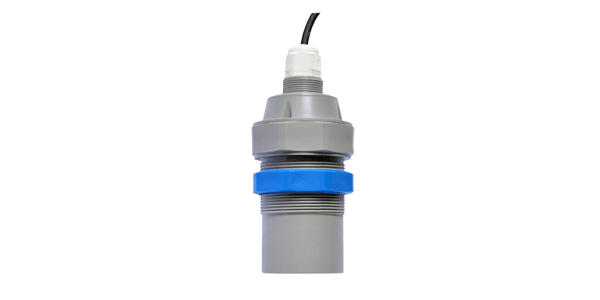
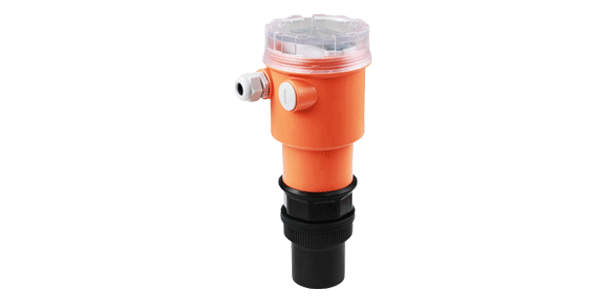
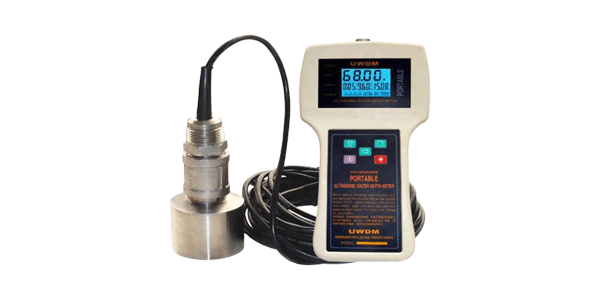
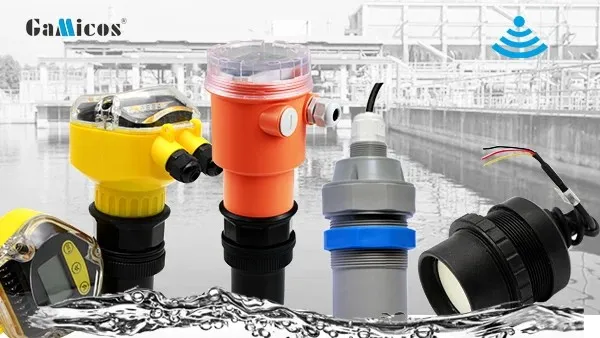
Top Ultrasonic Level Transmitters for Water Tanks
Ultrasonic level transmitters are the most reliable way to measure water level without touching the liquid. Using high-frequency sound waves, these non-contact instruments deliver accurate, maintenance-free readings for commercial water storage tanks across chemical processing, municipal water supply, pharmaceutical and food production.
01Introducing Ultrasonic Level Transmitters and Their Role in Water Tank Monitoring
How ultrasonic level measurement works
Ultrasonic level monitors emit short bursts of high-frequency sound waves from a transducer mounted above the liquid. The waves travel through the air gap, bounce off the liquid surface and return to the receiver. The instrument calculates the distance from the time between transmission and echo, using the speed of sound in air: Distance = (Speed of Sound × Time) / 2, where dividing by two accounts for the round trip.
Advanced models include built-in temperature compensation that corrects sound-velocity drift caused by ambient temperature changes — critical in industrial plants where temperature swings would otherwise introduce measurement error. The electronics convert the measured distance into standard industrial outputs such as 4-20 mA analog current, programmable relay contacts, or digital protocols like RS485, enabling seamless integration with SCADA systems, PLCs and modern IoT platforms.
Core advantages for industrial applications
Because ultrasonic measurement is non-contact, there are no moving parts and no components exposed to the measured medium. Unlike float switches or probe-based systems, these transmitters need little upkeep, which directly reduces downtime and lowers the total cost of ownership over the equipment's life. Industries handling aggressive chemicals, thick slurries or particle-laden water benefit most — the media never gets a chance to corrode or foul the sensor.
Installation is equally flexible. Engineers can mount an ultrasonic level transmitter over an existing tank opening without stopping the process, and the non-invasive fitting preserves the structural integrity of pressure vessels and tanks holding hazardous materials. Compared with contact-based alternatives, this simplicity makes ultrasonic systems more cost-effective — especially in retrofit projects where keeping the process running matters most.
02Industry Applications and Use Cases
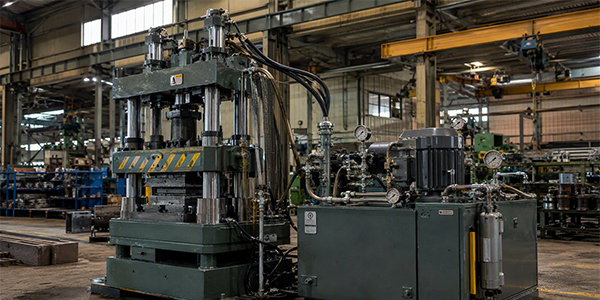
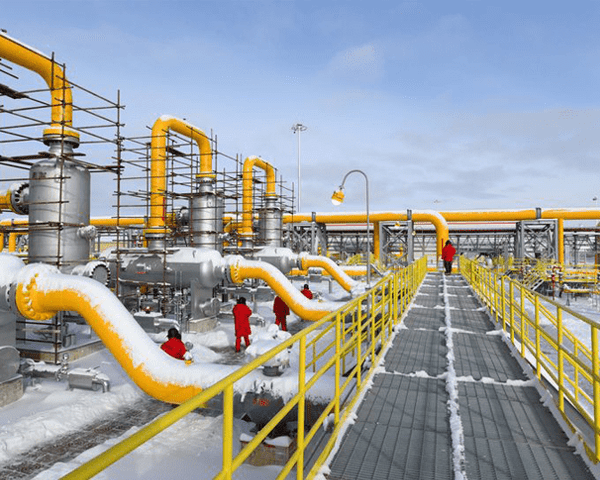
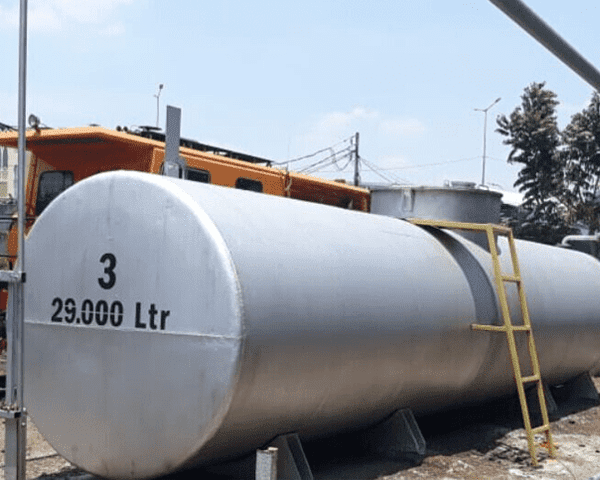
Water treatment plants use ultrasonic level sensors to monitor clarifier tanks, storage basins and chemical dosing vessels, where accurate level data keeps treatment sequences on schedule and ensures regulatory compliance in water treatment. Chemical processors rely on them for reactor vessels and intermediate holding tanks containing aggressive media that would quickly destroy contact sensors.
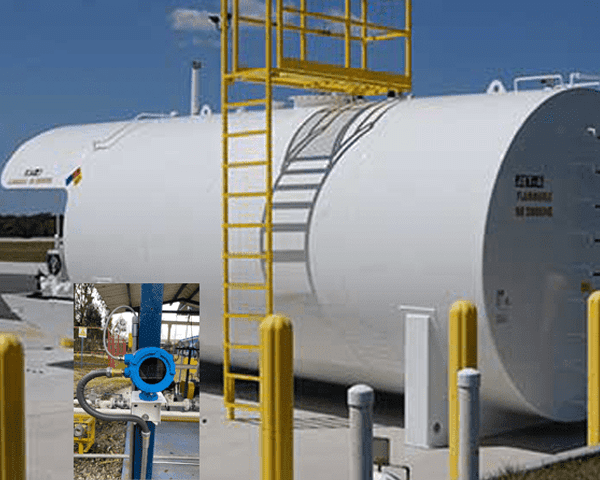
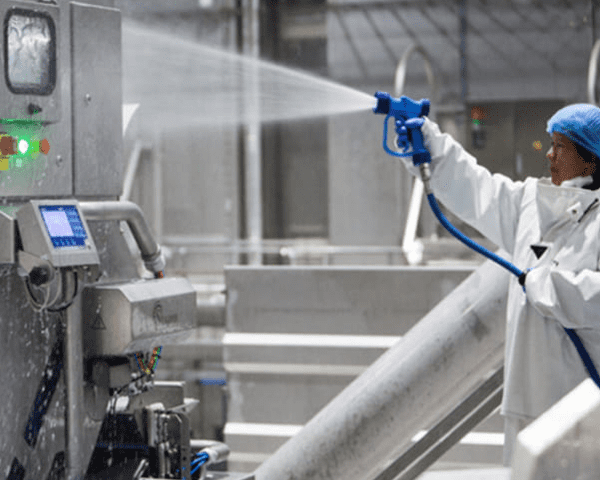
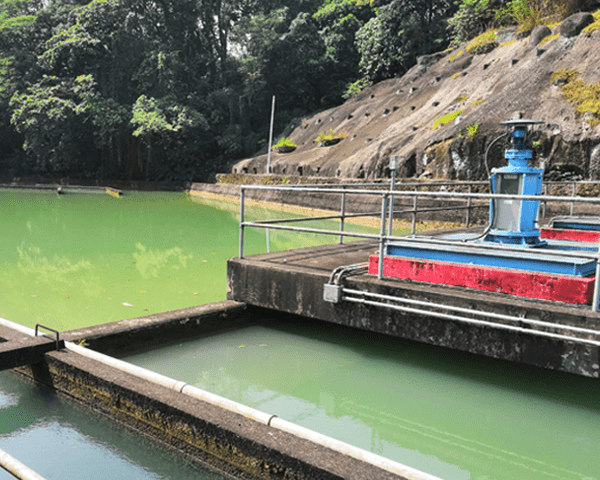
Food and beverage producers value hygienic design options that meet strict sanitation standards while providing reliable level indication for ingredient storage and process tanks. Municipal water supply networks monitor ground reservoirs, elevated storage tanks and pump-station wet wells, and the technology handles outdoor installations with changing environmental conditions — making it suitable for remote monitoring where maintenance access is limited. The contamination-free measuring principle also helps pharmaceutical companies protect product purity and maintain accurate batch control and inventory management.
03Top Ultrasonic Level Transmitters for Water Tanks in 2026
Evaluating performance specifications
Choosing the right ultrasonic level transmitter starts with matching technical specifications to your application. Measurement range determines the maximum tank height the device can monitor — typical units cover a few meters, while high-end models reach beyond 30 m. Accuracy is stated as a percentage of measured distance or in exact millimeters; most industrial-grade units hold ±0.25% of full scale, which suits the vast majority of water storage applications.
Pay close attention to output options. High-precision 4-20 mA current loops remain the analog standard because they reject electrical noise and connect directly to existing control systems. Digital interfaces such as Modbus RTU over RS485, HART or Profibus enable advanced diagnostics, remote configuration and integration with digital asset management systems. Relay outputs for high/low alarms add safety interlocks and automatic pump control without extra instruments.
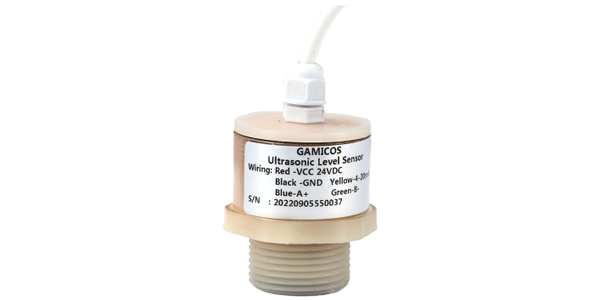
Featured product: GAMICOS GUT series ultrasonic level meter
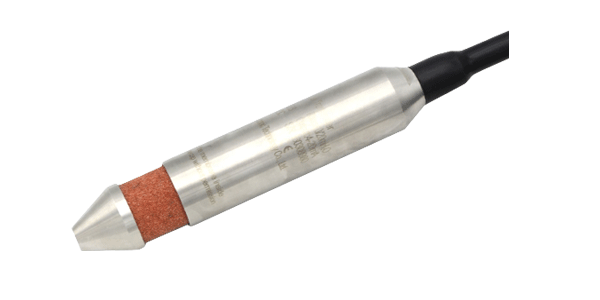
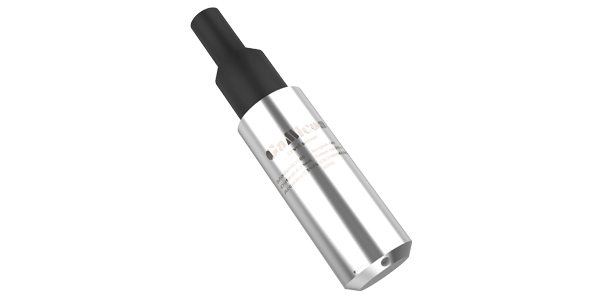
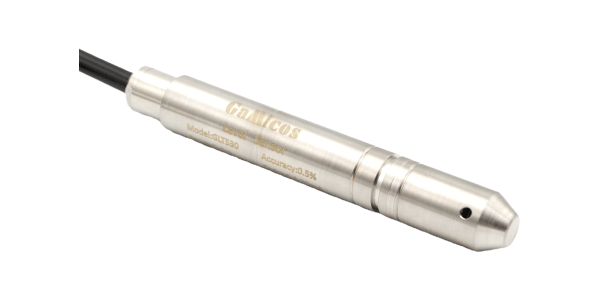
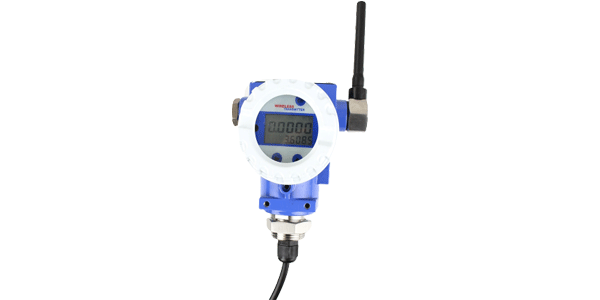
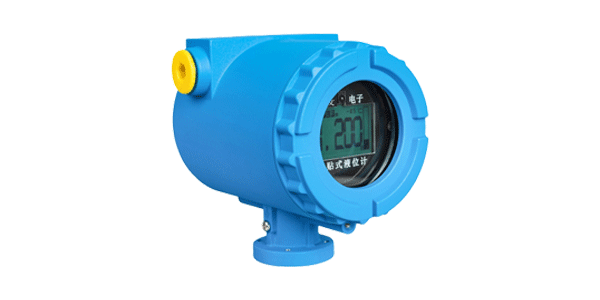
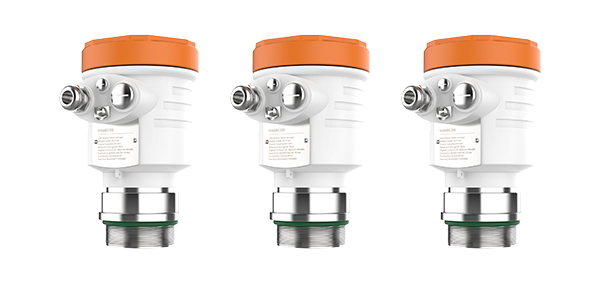
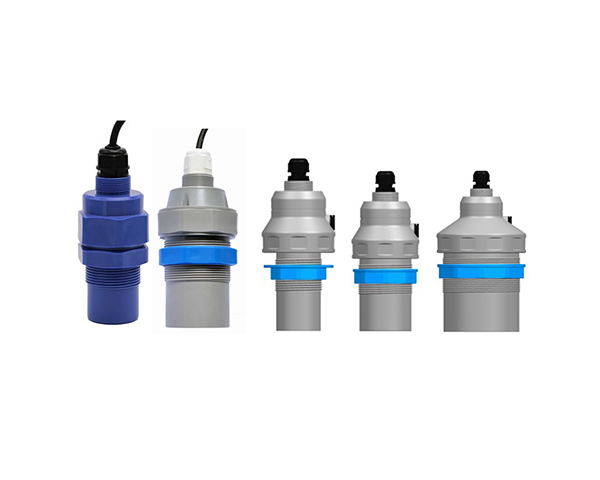
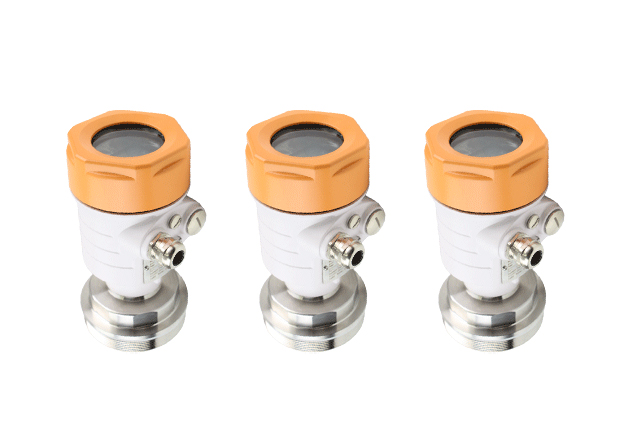
The GAMICOS GUT series is a cost-effective ultrasonic level meter designed for commercial water tanks. It gives procurement teams a dependable non-contact measuring solution with reliable performance, easy installation and low maintenance, plus an intuitive interface that shortens setup time and a rugged build for demanding industrial environments.
Key features that matter for water tank monitoring:
Continuous non-touch measurement
No contact with the medium means no sensor upkeep, longer service intervals and lower running costs than mechanical level switches or probe systems.
Intelligent signal processing
Automatic power adjustment and gain control improve performance in varying tank conditions, while built-in temperature correction preserves accuracy outdoors.
Environmental flexibility
Advanced echo-processing suppresses false echoes from internal obstructions, foam or surface turbulence for stable readings in tough conditions.
Flexible output configuration
Programmable relay alarms, a high-precision 4-20 mA signal and RS485 digital communication suit virtually any automation architecture.
Industrial-grade construction
An optional die-cast metal housing with IP67 protection handles outdoor and chemical-processing environments for long-term reliability.
Comparing leading brands and solutions
Major industrial automation suppliers all offer ultrasonic level measurement, each with different strengths:
|
Brand
|
Series / Line
|
Key strength
|
Best suited for
|
|
Siemens
|
Sitrans LU
|
Reliable performance, strong diagnostics and asset-management tools
|
Large process automation projects
|
|
Emerson
|
Rosemount
|
Powerful echo processing in foam or turbulent conditions
|
Difficult media and demanding sites
|
|
Honeywell
|
SmartLine
|
Easy integration with distributed control systems
|
Plants on standard automation platforms
|
|
ABB
|
Ultrasonic transmitters
|
Full approvals for explosive atmospheres
|
Petrochemical and hazardous areas
|
|
Fox Thermal
|
Ultrasonic instruments
|
Cost-effective without sacrificing key performance
|
Distributors and OEM integrators buying in volume
|
|
Krohne
|
Optiwave
|
Advanced signal processing for difficult measurements
|
Complex applications (premium budget)
|
|
GAMICOS
|
GUT series
|
Value, easy installation, low maintenance, OEM options
|
Water tank monitoring and bulk procurement
|
04Ultrasonic Level Transmitter vs Other Level Measurement Technologies
Technology comparison for water tank applications
Understanding how ultrasonic stacks up against alternatives helps buying teams match the technology to the application. Radar level monitors measure non-contact with electromagnetic waves but cost substantially more; radar wins where extreme temperatures, heavy vapor or foam defeat ultrasonics, yet for normal water tank monitoring the price jump rarely pays for the small performance gain.
|
Technology
|
Non-contact
|
Continuous level
|
Maintenance
|
Best fit
|
Relative cost
|
|
Ultrasonic
|
Yes
|
Yes
|
Low
|
Water tanks, mild environments
|
$$
|
|
Radar
|
Yes
|
Yes
|
Low
|
Extreme temperature / pressure, foam, vapor
|
$$$$
|
|
Float switch
|
No
|
No
|
High (moving parts)
|
Simple high/low alarm
|
$
|
|
Capacitive / conductive
|
No
|
Yes
|
Medium
|
Conductive liquids, compact tanks
|
$$
|
Float-based level switches are the cheapest way to signal a simple high/low alarm, but they cannot measure continuously, which inventory management and accurate process control require. Moving parts also wear out, especially when solids in the fluid restrict the float's travel. Capacitive and conductive sensors need direct contact with the medium, making calibration harder and raising contamination concerns that rule them out for potable water and sanitary applications.
Environmental considerations and limitations
Temperature changes affect ultrasonic accuracy because they alter the speed of sound in air. Quality transmitters include built-in temperature sensors that correct readings in real time; typical operating ranges span −40°C to +70°C, covering most industrial water storage needs. Extremes — cold storage or high-temperature process tanks — may call for radar instead.
High humidity, steam or heavy dust in the air path can weaken or scatter ultrasonic waves, reducing signal strength and potentially causing unstable readings. Where evaporation is intense, such as chemical handling or water treatment, choose the sensor carefully. Ingress protection ratings (per IEC 60529) keep water out of the electronics, but sound traveling through dirty air remains the core limitation of ultrasonic technology.
Tank geometry also matters. Ultrasonic devices need a clear vertical path free of agitators, baffles or fill lines that create false echoes, and beam divergence can become an issue in narrow, tall tanks when the beam angle does not match the vessel shape. Proper installation planning — fixing the mounting position and allowing for the blind zone — ensures reliable performance across the full measurement range.
05Procurement Considerations and Best Practices
Supplier evaluation and certification requirements
Partnering with authorized manufacturers guarantees product authenticity, warranty validity and expert support across the equipment lifecycle. Give priority to suppliers with documented quality management systems and at least ISO 9001 certification, which reflects consistent manufacturing processes. Product-level licenses are equally necessary for insurance and regulatory compliance: CE marking for European markets, RoHS for environmental rules, and ATEX or IECEx approvals for hazardous sites.
OEM relationships extend beyond a single purchase. Manufacturers that allow modifications — measuring ranges, output configurations, housing materials or private labeling — let wholesalers differentiate their catalogs and equipment makers integrate sensors flexibly. Responsive technical support, measured by access to application engineers and answer speed, directly affects project timelines and commissioning success.
Volume procurement and cost optimization
Bulk purchasing cuts the per-unit price while securing inventory for current projects. Suppliers typically offer tiered pricing with meaningful savings at defined volume levels, making framework contracts attractive: they lock stable prices and delivery times, protect against market swings and earn preferential treatment during supply shortages.
Lead-time planning matters, especially with overseas manufacturers. Standard configurations usually ship within two to four weeks, while customized variants need six to eight weeks for engineering, production and quality control. Procurement professionals should build these dates into project schedules and carry buffer stock for critical applications where late delivery causes operational or contractual penalties.
Customization options and special requirements
Many industrial uses demand changes beyond the catalog. Custom measurement ranges sized to actual tank heights eliminate unneeded capability and can save money; customized output signals — reversed 20-4 mA scaling, specific relay trip points or unique communication protocols — enable plug-and-play integration with existing controls and reduce commissioning errors.
Housing changes adapt the sensor to the installation site. Stainless steel construction suits corrosive environments such as coastal or chemical-processing sites where aluminum breaks down quickly; explosion-proof enclosures with hazardous-area approvals fit petrochemical plants with flammable vapor risks. Extended temperature ranges, special cable entries or built-in weather protection round out site-specific requirements.
06Conclusion
07FAQ
What accuracy can I expect from ultrasonic level transmitters in large water tanks?
Industrial ultrasonic sensors typically hold ±0.25% of full measurement range — about 25 mm error in a 10 m tank, accurate enough for most water storage inventory and process control. Accuracy depends on installation quality, temperature-compensation stability and surface calmness.
How do ultrasonic sensors perform in outdoor installations with extreme weather?
Quality transmitters with ingress protection of IP67 or higher operate outdoors across wide temperature swings; built-in temperature adjustment preserves accuracy as the weather changes. Below −40°C or above +70°C, heating shelters or alternative measurement technology may be needed, and UV-resistant housing is required for direct-sun locations.
Can ultrasonic level transmitters replace radar sensors for water tank monitoring?
For standard atmospheric water tank duty, ultrasonic measurement works perfectly and costs far less than radar. Where heavy mist, foam or very high temperatures degrade ultrasonic performance, radar is the better choice — but the large price difference rarely justifies radar for routine water-storage monitoring in normal weather.
Related reading: Ultrasonic vs Radar Level Sensors: What are the Differences? | Best Non-Contact Ultrasonic Level Meters for Wastewater | Top 5 Ultrasonic Level Transmitters for USA Wastewater Plants