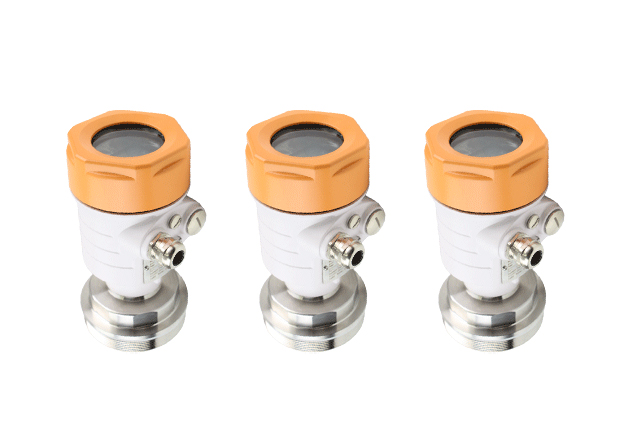
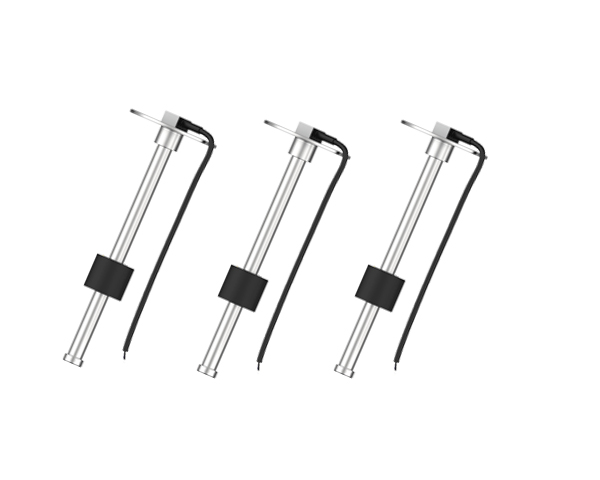
More and more, water projects in the US are using
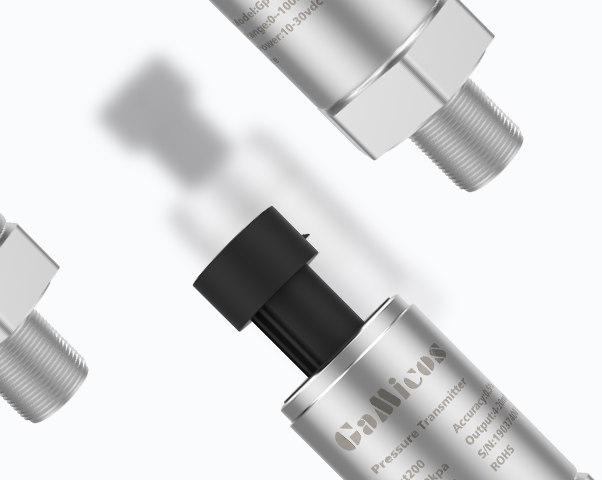
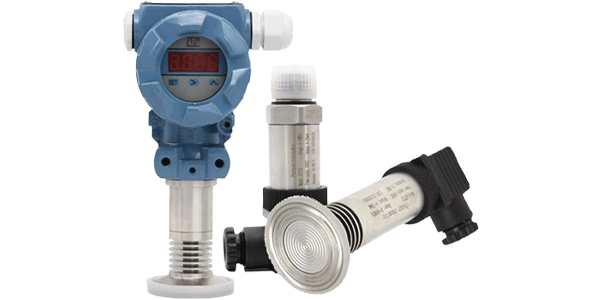
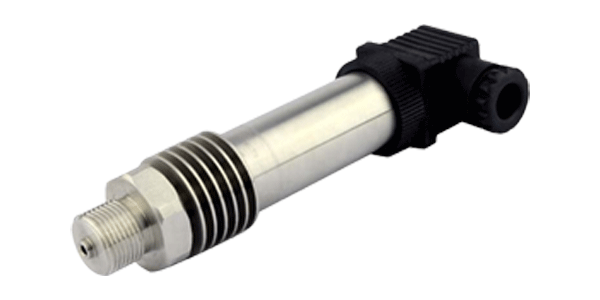
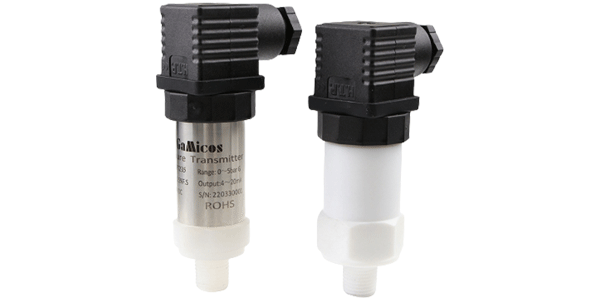
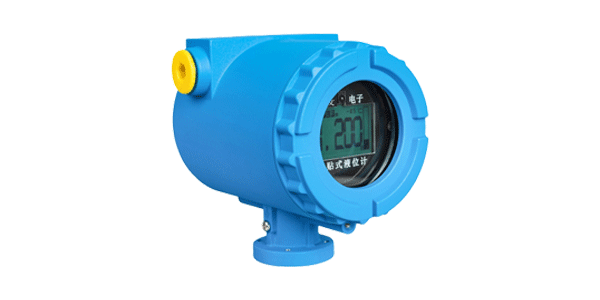
well water level sensors made in China because they are the best combination of accurate engineering, low cost, and new technology. Chinese companies that make sensors have put a lot of money into research and development. Their products meet strict international standards and are priced competitively, which makes them appealing to buying managers and engineering teams.
These sensors give exact readings of hydrostatic pressure, which is needed to keep an eye on groundwater levels, handle reservoirs, and make sure that cities have good water systems. Chinese level sensors can be used for a wide range of water infrastructure needs across the United States because they are made with modern technology, can be customized easily, and have stable supply lines.
Why Chinese Well Water Level Sensors Are Preferred in USA Water Projects?
Advanced Manufacturing Capabilities Meet International Standards
Chinese makers have built production facilities that are just as advanced as those of well-known Western names. Precision machining, automatic assembly processes, and strict quality control methods work together to make sure that products always work well. A lot of Chinese companies that make sensors keep their factories ISO 9001 approved and get CE, RoHS, and ATEX certifications to show that they follow international safety and environmental rules.
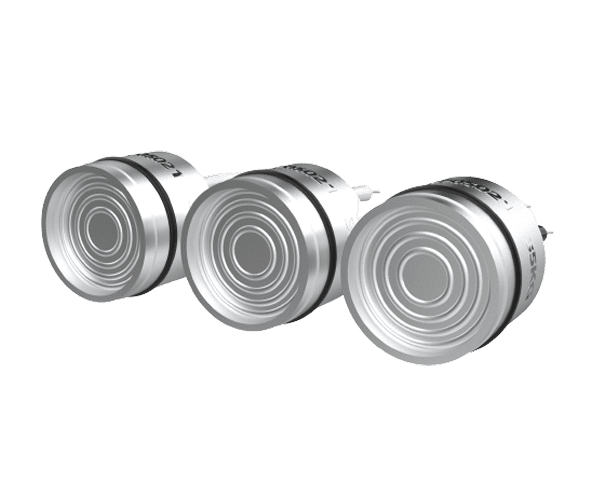
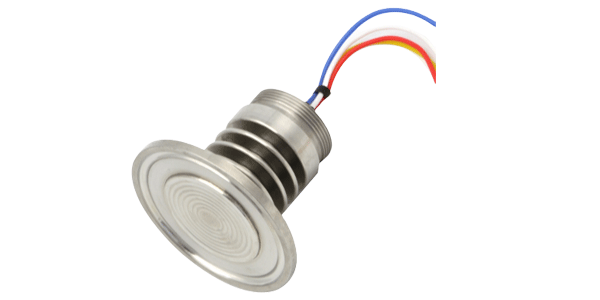
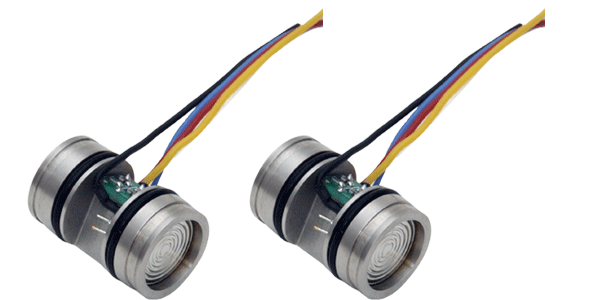
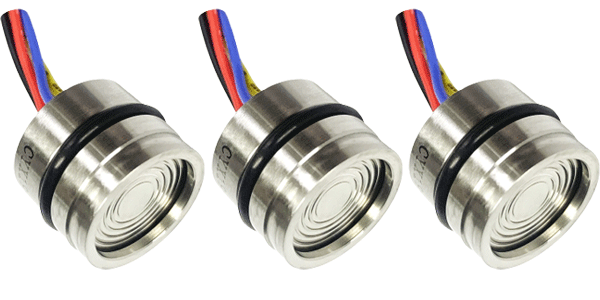
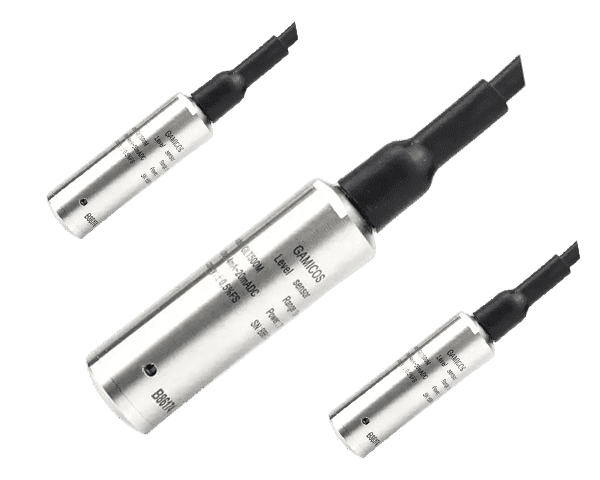
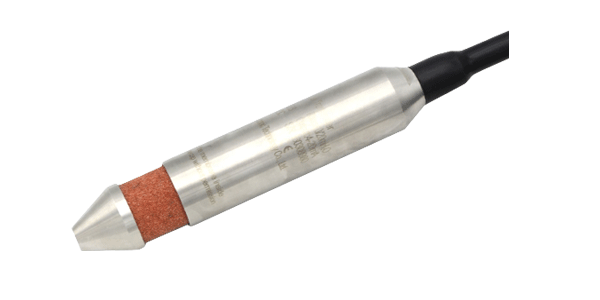
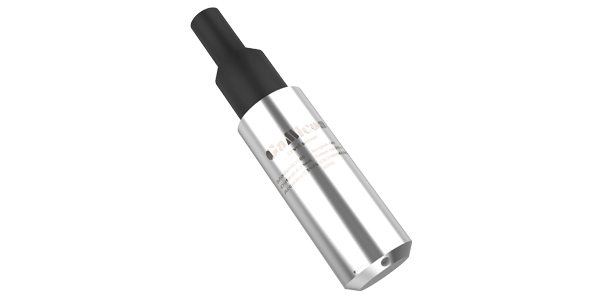
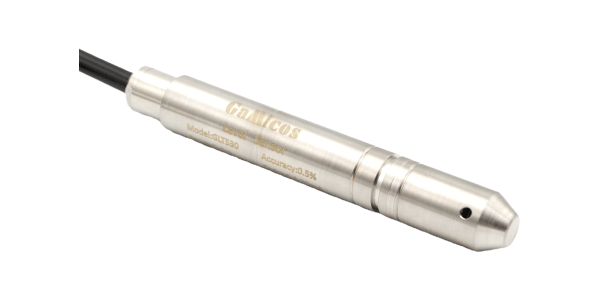
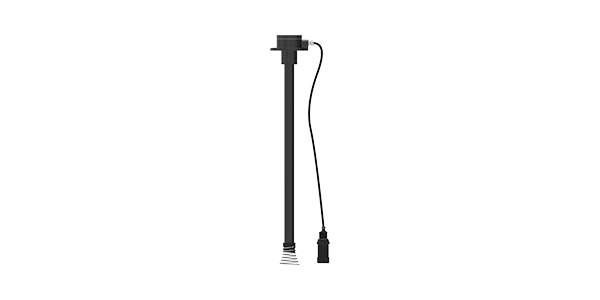
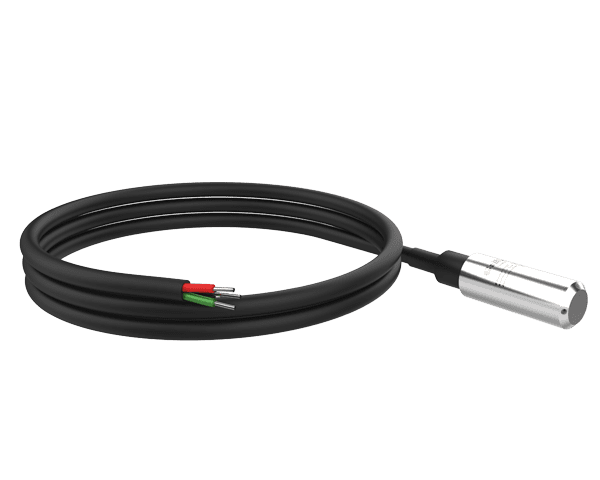
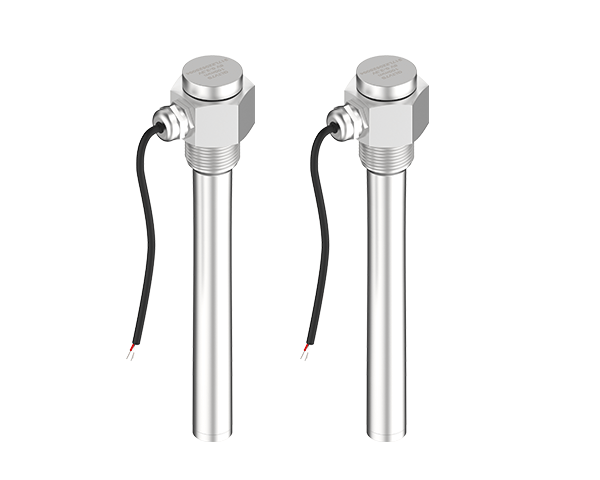
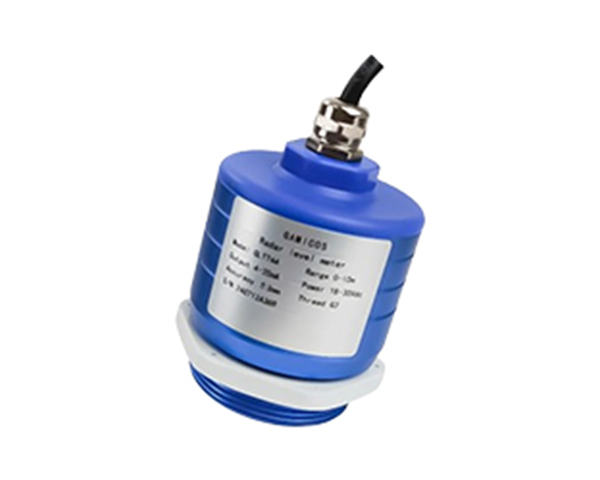
GLT530 – small diameter underwater liquid level sensor
Probes range from 16mm to 19mm, suitable for small borehole setups. Fully welded sealing offers excellent water ingress resistance. Built-in high-performance elements allow measurements from 0 to 500m water column with accuracy up to ±0.1%FS.
Cost Efficiency Without Performance Compromise
Many water building projects across the United States are held back by limited funds. Concerns about this can be eased by Chinese sensors, such as the well water level sensor, which are much cheaper than European or American options while still having similar technology specs. This price structure isn't because of lower quality; it's because of more efficient production size, better supply chain management, and competitive labor markets.
Engineering managers and buying experts say that Chinese sensors help them better plan how to spend project budgets. The money saved by buying sensors can be used to pay for more monitoring spots, make the system cover more areas, or pay for changes to other parts of the infrastructure.
Customization Flexibility for Specialized Requirements
It is amazing how quickly Chinese manufacturers respond to calls for unique specifications. With OEM and ODM options, buyers can ask for specific setups, such as changed communication methods, special output signals, custom mounting hardware, and calibration ranges that are just right for them.
Models like the GLT530 have a non-polar two-wire current output design that makes it easier to connect to existing control systems and makes wiring simpler for retrofit applications.
Comparing Chinese Level Sensors with Other Market Options
Performance Benchmarking Across Global Suppliers
Objective studies of performance show that Chinese submersible pressure sensors are just as accurate at measuring pressure as high-end brands. Independent tests show that well-made Chinese devices keep their calibration over long periods of time and can handle difficult weather conditions like changes in temperature, chemical exposure, and mechanical vibration.
Total Cost of Ownership Analysis
In order to properly evaluate sensors, one must look at more than just the original buy price. One must also consider the regularity of calibration, the expected service life, and the availability of replacement parts. Total cost of ownership estimates often show that Chinese sensors are the most cost-effective because they are built to last and new parts are easy to find, which cuts down on downtime.
Supply Chain Reliability and Lead Time Considerations
Chinese companies have built strong transportation networks that connect their factories to delivery hubs in North America. Established sellers keep stock in US warehouses, which speeds up the delivery of regular orders and cuts down on the lead times that often come with European goods. This supply chain speed is very important for meeting project deadlines and for replacing parts in an emergency.
How to Procure Chinese Well Water Level Sensors for USA Water Projects?
Supplier Evaluation and Qualification Criteria
Thoroughly evaluating suppliers is the first step to successful buying. Looking at partners' production capacity, quality standards, and ability to make things helps find ones who can meet the needs of the project. By asking for facility audit records, licensing paperwork, and references from customers, you can learn about how the business works and its history of dependability.
Navigating Specifications and Technical Requirements
Clear recording of specifications keeps people from misunderstood and makes sure that the products provided meet the needs of the application. In-depth needs should include the measuring range, accuracy level, output signal type, environmental standards, wire length, and mounting hardware. Specifying relevant industry standards and certification requirements establishes expectations for compliance verification.
Negotiation Strategies and Contract Terms
When talking about volume prices, you should look into tiered discount structures that reward bigger promises while still letting you make changes to the project scope. To protect the buyer's interests and make sure everyone knows their responsibility, payment terms, shipping plans, and warranty terms must be carefully negotiated.
Import Logistics and Regulatory Compliance
To get correct total landing costs, it's helpful to know about customs rules, tariff classifications, and import fees. Working with experienced freight forwarders who know how to use sensor equipment makes customs clearance go more smoothly and lowers the chance of delays or extra fees.
Conclusion
It is because of their high performance, low cost, and quick production that Chinese well water level sensors are used in water projects in the United States. Advanced pressure sensing technology, strict quality control, and a variety of customization choices work together to meet the many needs of water infrastructure uses in the United States. Procurement managers and tech teams like Chinese sensors because they provide accurate measurements, help keep costs down, and allow projects to grow. Partnering with qualified Chinese makers gives you access to tried-and-true sensor solutions backed by global supply chains and dedicated expert support. This is especially important as water resource management becomes more important.
Partner with Trusted Chinese Sensor Manufacturers
For US water projects requiring reliable, cost-effective well water level sensors, Chinese suppliers like GAMICOS offer ISO-certified quality, full customization, and responsive supply chains. Contact our engineering team to discuss your specifications — info@gamicos.com — and discover how we can support your next water infrastructure initiative with precision and value.