2026 Trends: Europe Imports Chinese Level Sensors | Growth & IoT
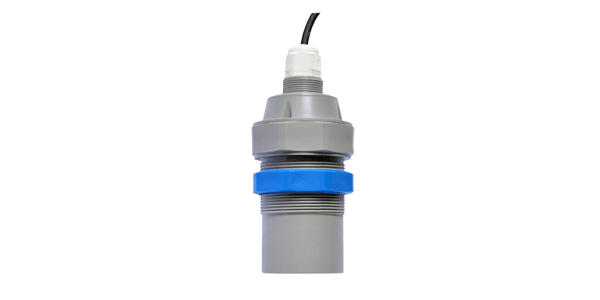
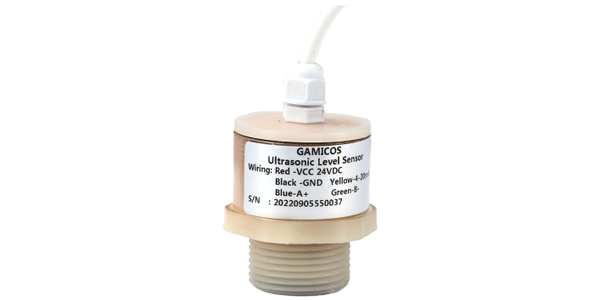
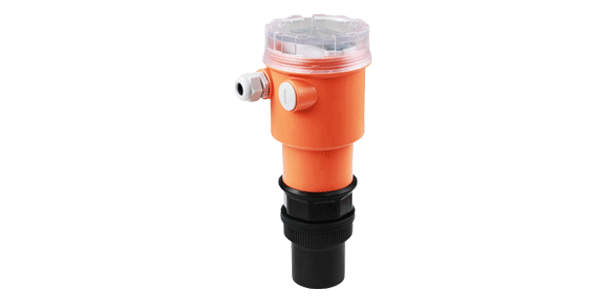
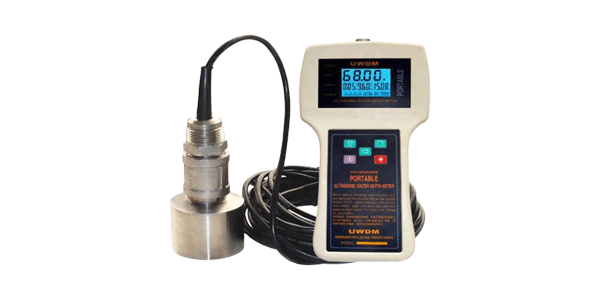
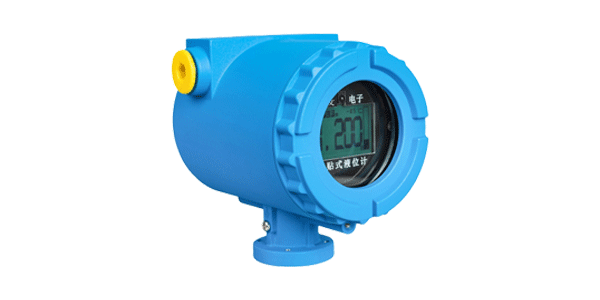
In 2026, imports of Chinese level sensors reached record highs, marking an unprecedented shift in the European market. This transformation is fuelled by rising demand for advanced liquid-level monitoring systems across water management, industrial automation, and agricultural sectors. Chinese manufacturers have successfully positioned themselves as reliable suppliers of high-quality well water level sensor technologies and specialised measurement instruments. European buyers, constrained by both price sensitivity and high performance standards, increasingly turn to Chinese sensors for their cost advantages, innovative features, and full certification compliance. The convergence of quality and cost-effectiveness creates compelling value propositions for European procurement managers — a fundamental change in global supply chain dynamics.
Understanding the Growing Demand for Level Sensors in Europe
Industrial Automation Expansion Drives Sensor Requirements
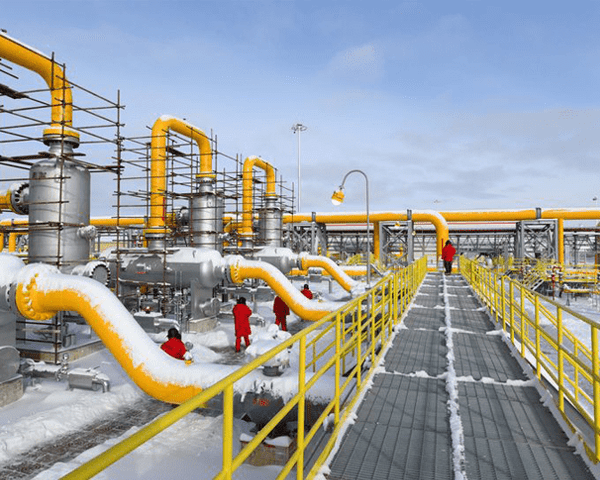
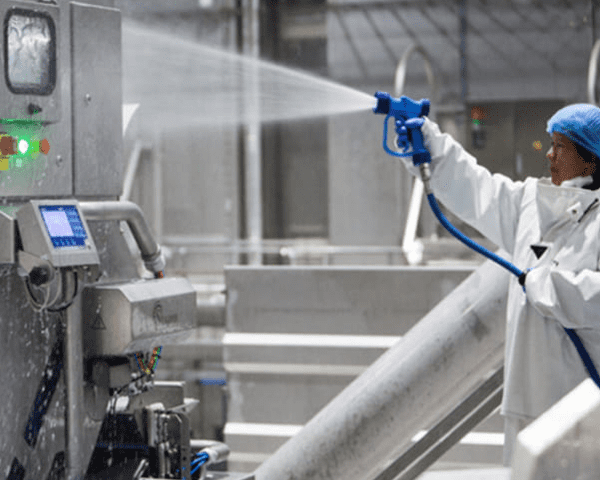
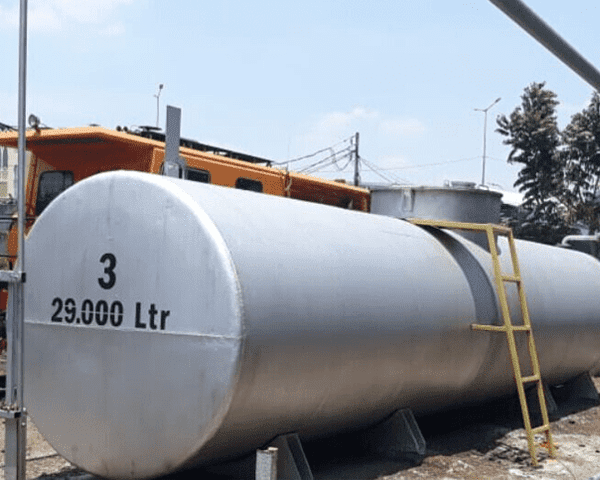
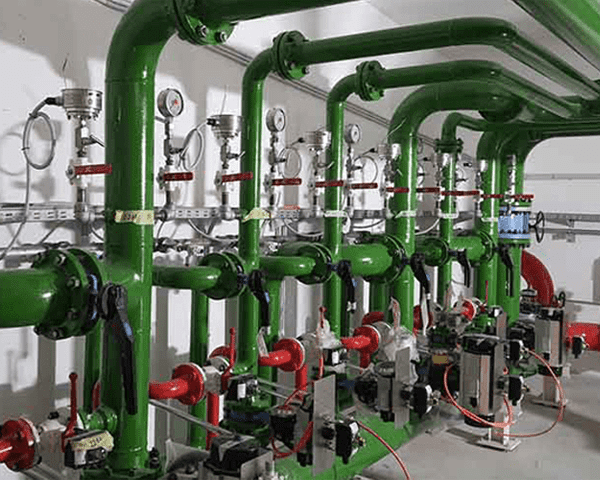
Europe's industrial landscape is rapidly transforming as factories adopt Industry 4.0 standards. This evolution demands advanced monitoring systems capable of delivering real-time liquid-level data across diverse applications. Industries including oil, chemicals, pharmaceuticals, and food processing are implementing sophisticated automation that requires precise level measurement. Integrating smart sensors into existing infrastructure is now essential for maintaining competitiveness and operational efficiency.
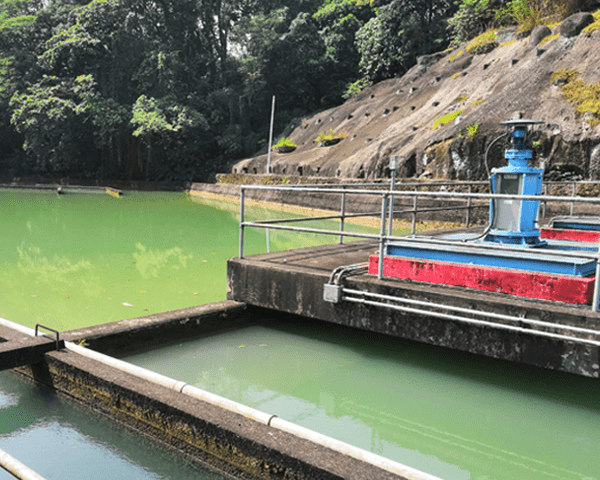
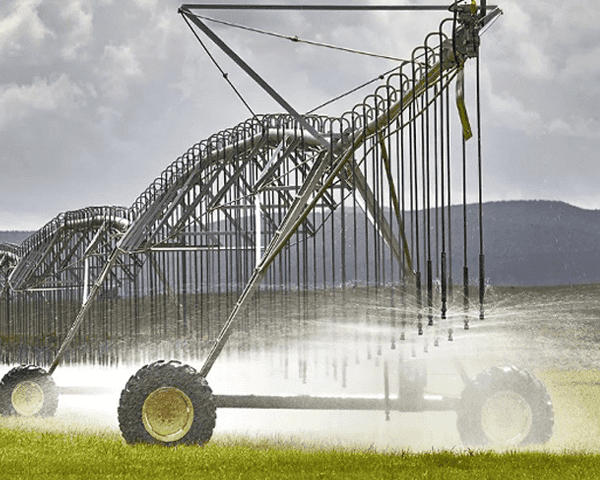
The water management sector represents another significant demand driver. Municipal water treatment plants, agricultural irrigation networks, and environmental monitoring systems require reliable measurement instruments that perform consistently under challenging conditions. European regulations mandate close tracking of water resources, sustaining the need for accurate level-sensing technologies that support compliance.
Regulatory Pressures Shape Technology Adoption
Stricter European environmental legislation compels industries to monitor liquid levels more frequently and accurately. The EU Water Framework Directive and Industrial Emissions Directive mandate comprehensive monitoring systems capable of detecting even minor variations in liquid levels. These regulatory requirements have created a substantial market for sensors offering both high precision and robust environmental protection.
Manufacturing plants across Europe face increasing pressure to optimise resource utilisation and minimise waste. Level sensors play a critical role in these energy-saving initiatives by enabling precise control of liquid processes and preventing overflows. The ability to monitor multiple parameters simultaneously is now essential for meeting both regulatory compliance and operational efficiency targets.
The Role of Chinese Level Sensors in Meeting European Market Needs
Advanced Manufacturing Capabilities Enable Competitive Solutions
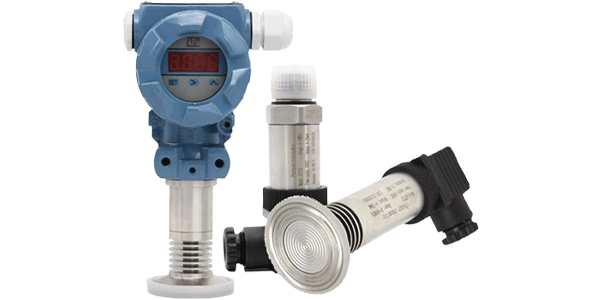
Chinese sensor manufacturers have invested substantially in R&D, elevating product quality to international standards. Modern facilities employ precision machining, automated assembly, and comprehensive quality control systems. These investments enable Chinese companies to produce level sensors that meet or exceed European performance benchmarks while maintaining competitive pricing.
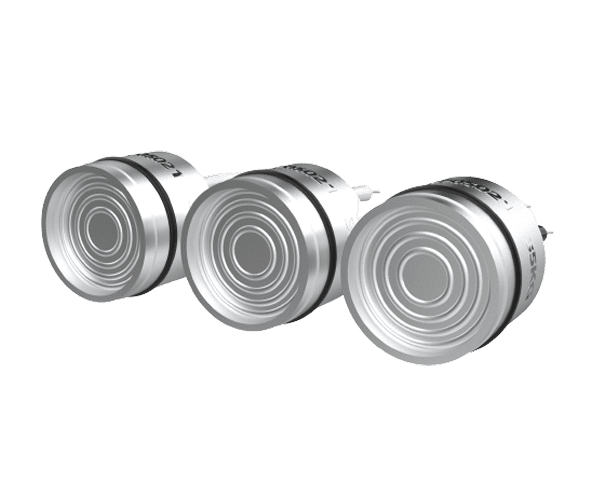
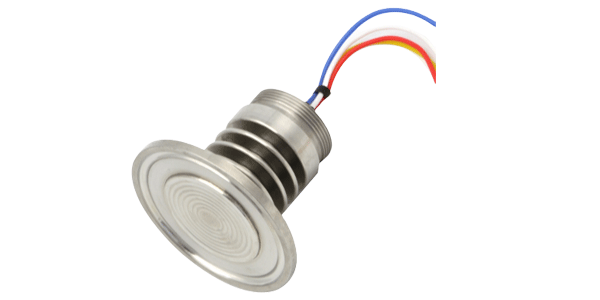
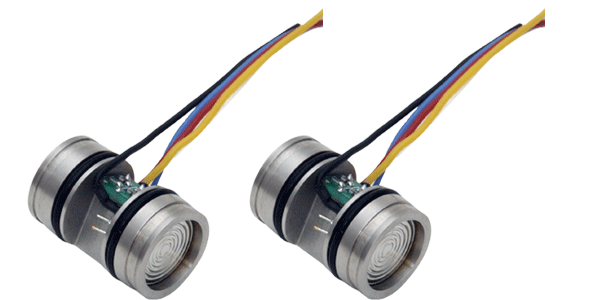
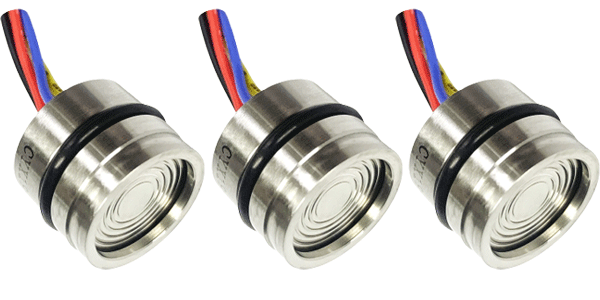
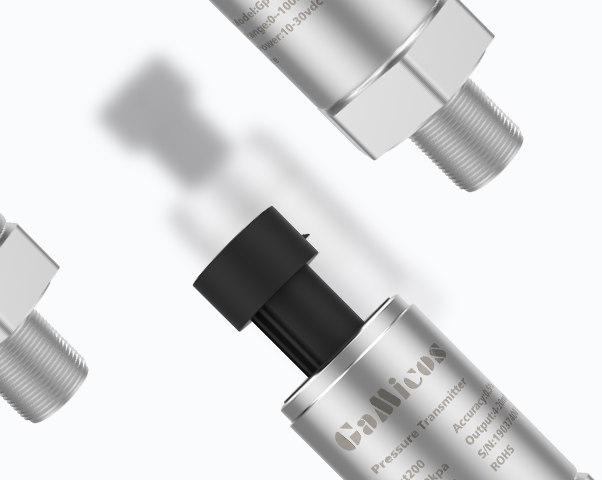
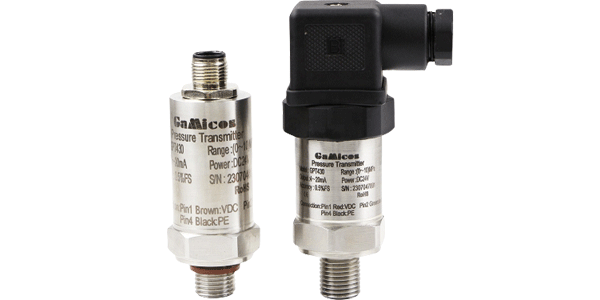
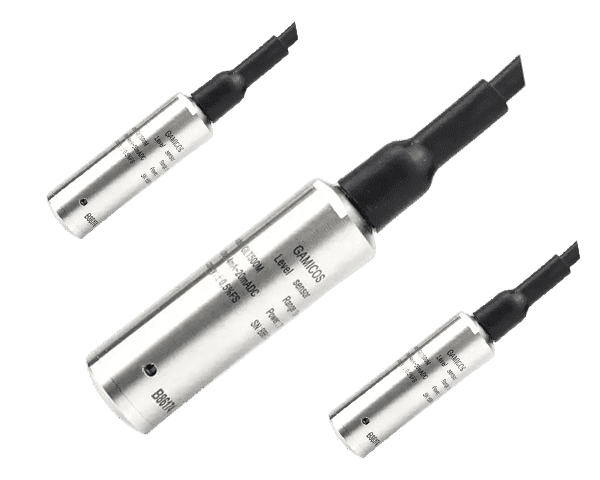
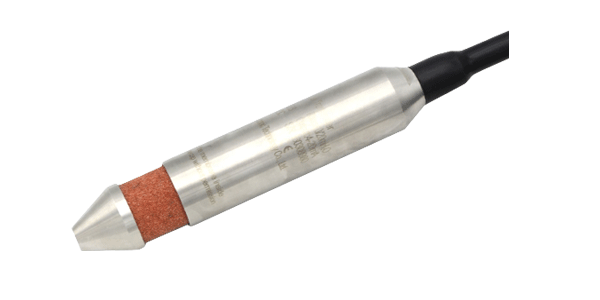
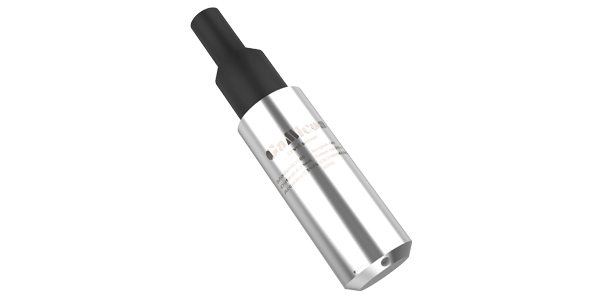
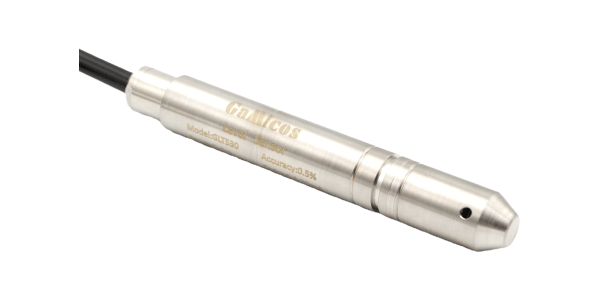
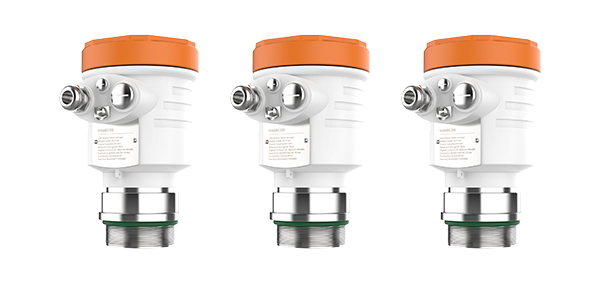
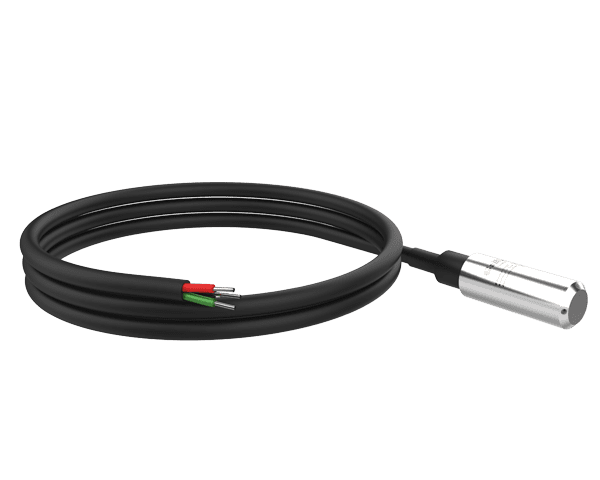
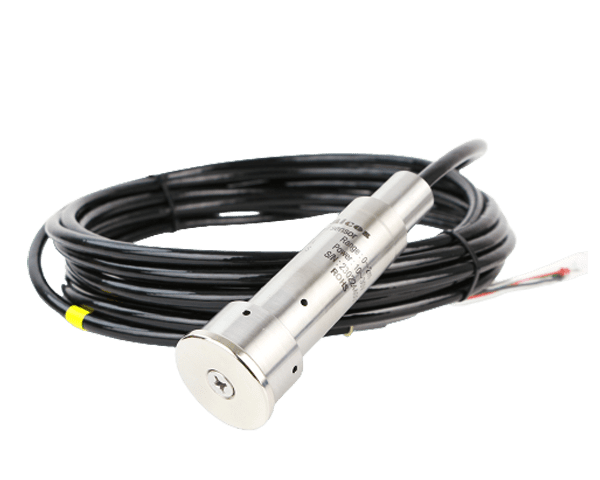
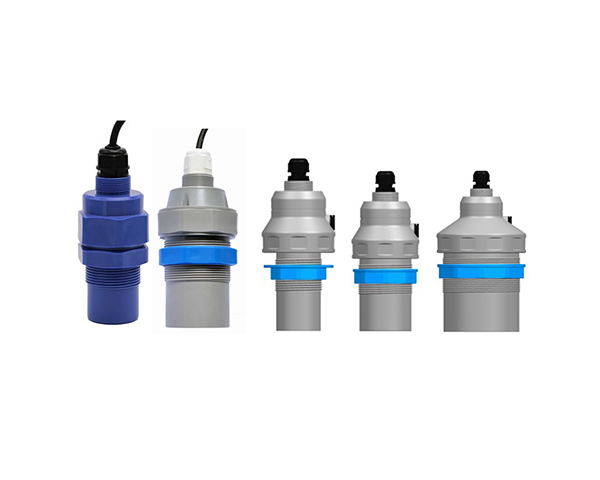
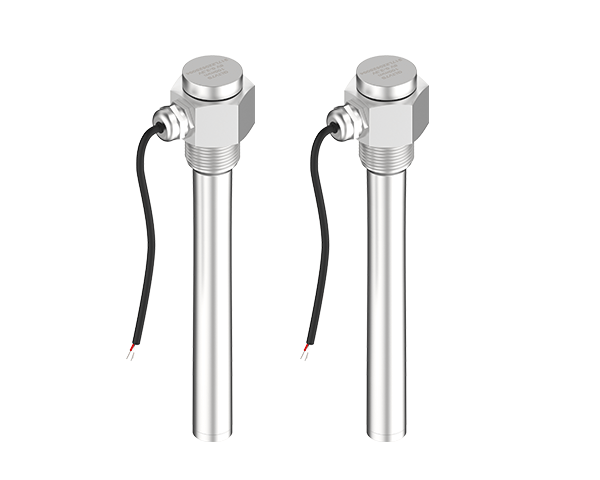
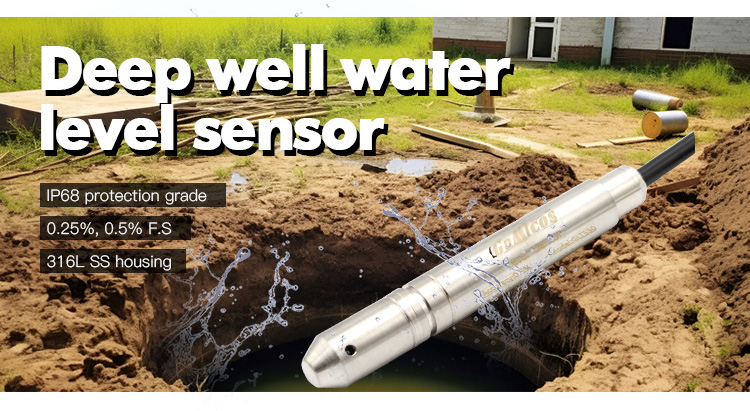
Today, Chinese manufacturers offer a broad portfolio including ultrasonic, capacitive, hydrostatic, and optical measurement technologies. Specialised products such as submersible liquid level sensors with probe diameters as small as 12.8mm — developed by companies like GAMICOS — address application needs previously difficult to fulfil. These compact sensors operate in confined spaces while maintaining measurement accuracy of ±0.1%FS across ranges from 1 metre to 500 metres.
Certification Standards Bridge Quality Assurance Gaps
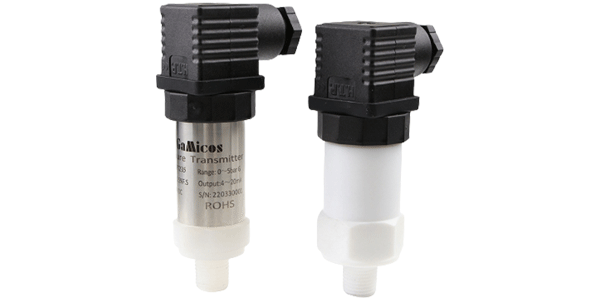
To meet European market requirements, Chinese manufacturers prioritise international certifications. Products typically carry CE, RoHS, and ATEX markings, demonstrating compliance with European safety and environmental standards. This certification focus has alleviated many quality concerns that previously deterred European buyers.
Comprehensive quality management systems further enhance product reliability and consistency. Chinese manufacturers subject sensors to rigorous testing across varying temperatures, pressures, and chemical exposures, ensuring stable performance throughout the product lifecycle.
Key Trends Influencing the Import Growth of Chinese Level Sensors
IoT Integration Transforms Monitoring Capabilities
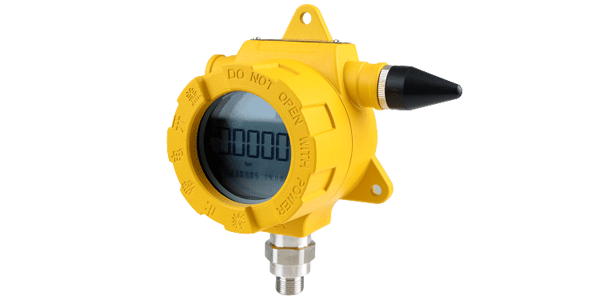
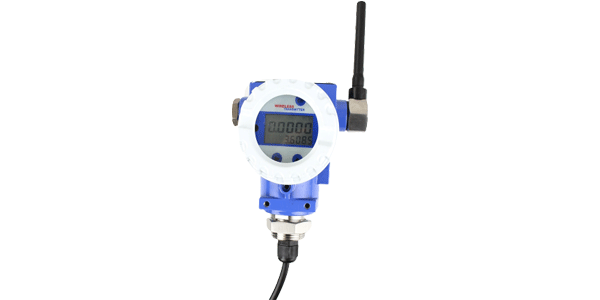
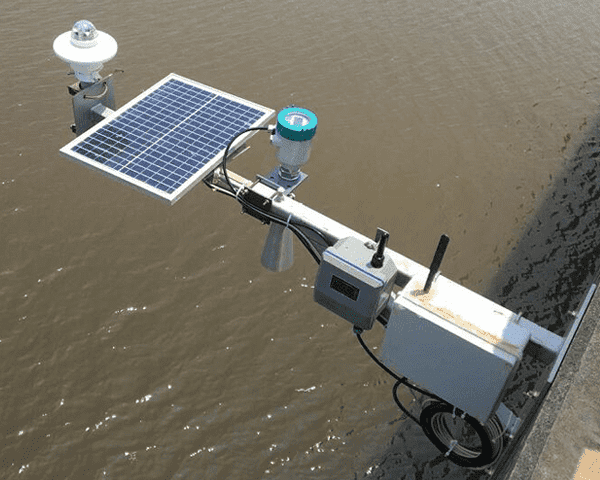
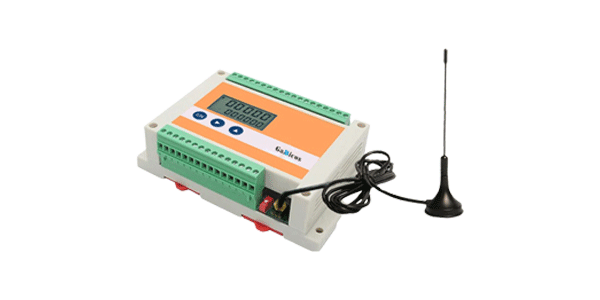
Internet of Things (IoT) integration represents a significant advancement embraced by Chinese manufacturers. Modern well water level sensor devices now incorporate wireless communication protocols including 4G, LoRa, GPRS, and NB-IoT. These connectivity features enable remote liquid-level monitoring across multiple sites, reducing manual inspection requirements and enabling predictive maintenance strategies.
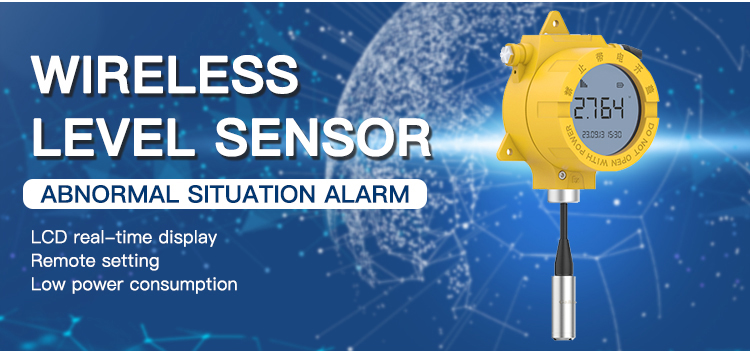
European businesses increasingly adopt IoT-enabled sensors to support digital transformation initiatives that enhance operational visibility and data-driven decision-making. Real-time data from distributed sensor networks provides actionable insights into system performance and enables proactive maintenance planning. Chinese manufacturers have developed comprehensive IoT platforms that simplify data collection, analysis, and visualisation for European customers.
Customization Capabilities Address Specific Application Requirements
Chinese manufacturers have developed flexible production systems that accommodate customisation requirements without significant cost premiums. This capability is particularly valuable for OEM applications where sensors must integrate seamlessly with existing equipment designs. European businesses can specify probe dimensions, output signals, communication protocols, and environmental protection ratings.
Customisation also extends to packaging and documentation requirements that support European distribution channels. Chinese suppliers can deliver products with custom labels, multilingual documentation, and specialised packaging arrangements tailored to European market needs. This flexibility enables European distributors to offer differentiated products at competitive price points.
Supply Chain Resilience Drives Direct Sourcing Relationships
European companies recognise the importance of diversifying supply sources to reduce dependency and mitigate supply chain disruption risks. Direct relationships with Chinese manufacturers provide access to production capacity that can accommodate both regular procurement needs and urgent supply requirements.
Direct sourcing relationships offer European buyers greater visibility into production schedules and quality control processes. This transparency facilitates better procurement planning and enables collaborative product development that addresses evolving market needs. In response, Chinese manufacturers have established European service centres to provide local technical support and after-sales assistance.
How to Choose the Right Chinese Well Water Level Sensor for Your Business?
Application Environment Assessment Determines Sensor Selection
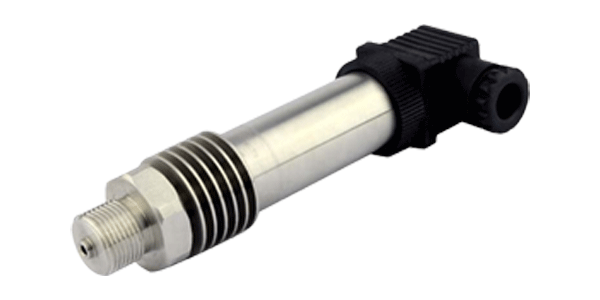
Selecting the appropriate sensor technology requires careful evaluation of the specific application environment and performance requirements. Industrial applications often demand sensors capable of withstanding aggressive chemicals, extreme temperatures, and high pressures. For agricultural remote monitoring systems, cost-effectiveness and battery life may take priority. Municipal water systems frequently require sensors with excellent long-term stability and low maintenance needs.
When choosing a well water level sensor, key factors include measurement range, required accuracy, and environmental protection. The GAMICOS GLT530 submersible sensors exemplify advanced Chinese capabilities, offering measurement ranges from 1 metre to 500 metres with accuracy of ±0.1%FS. The compact probe design, available in diameters from 12.8mm to 19mm, enables installation in space-constrained locations.
Technical Specifications Guide Performance Expectations
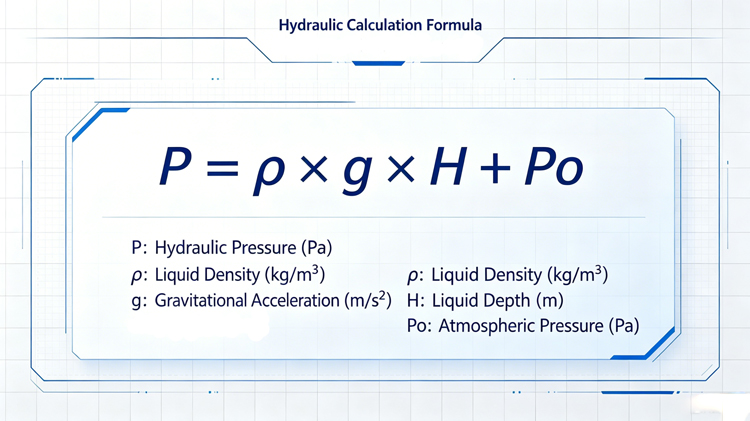
European buyers should evaluate sensor specifications including measurement accuracy, temperature compensation, and signal output characteristics. Modern hydrostatic level sensors operate on the principle that liquid pressure is directly proportional to liquid height. This is expressed through the formula P = ρ × g × H + Po, where P is pressure at the sensor surface, ρ is liquid density, g is gravitational acceleration, H is sensor depth, and Po is atmospheric pressure.
Appropriate output signal types are selected based on compatibility with existing control systems. Two-wire current output configurations simplify installation and ensure reliable signal transmission over long distances. Wireless communication options enable deployment in locations where traditional wiring is impractical or cost-prohibitive.
Supplier Evaluation Criteria Ensure Partnership Success
Establishing productive relationships with Chinese suppliers requires assessment of technical capabilities, quality control systems, and service support structures. European buyers should evaluate supplier experience with similar applications, availability of technical documentation, and responsiveness to customisation requests. International certifications provide additional assurance of product quality and regulatory compliance.
The quality of ongoing technical support relationships is influenced by communication effectiveness and time-zone coverage. Suppliers with dedicated European service teams can provide faster assistance for installation, commissioning, and troubleshooting. Local inventory and expedited shipping options reduce lead times and support emergency replacement requirements.
Conclusion
The surge in European imports of Chinese level sensors in 2026 signals a significant shift toward value-driven procurement strategies that balance performance requirements with cost-effectiveness. Chinese manufacturers have addressed quality concerns through comprehensive certification programmes, advanced manufacturing capabilities, and robust quality management systems. The combination of IoT integration, flexible customisation, and competitive pricing creates compelling value for buyers across diverse European industries — particularly for well water level sensor applications. As regulatory requirements evolve and industrial automation advances, the partnership between European buyers and Chinese sensor manufacturers is expected to strengthen, supported by enhanced technical capabilities and improved service support structures.
FAQ
Q1: What accuracy levels can European buyers expect from Chinese level sensors?
A: Modern Chinese level sensors deliver accuracy comparable to European models, with precision ratings of ±0.1%FS, ±0.25%FS, and ±0.5%FS depending on sensor type and application requirements. Advanced manufacturing techniques and rigorous quality control ensure consistent performance across production batches.
Q2: How do Chinese sensors address contamination detection requirements?
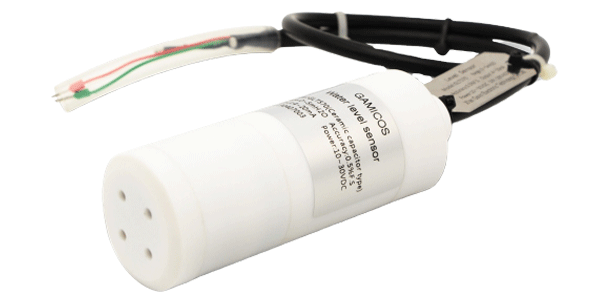
A: Chinese well water level sensor technologies employ multiple sensing principles to detect various contamination types. Optical sensors detect turbidity changes, while capacitive sensors identify dielectric property variations indicative of contamination. Advanced signal processing enhances contamination detection capabilities.
Q3: What warranty and after-sales support can European customers expect?
A: Reputable Chinese manufacturers typically offer comprehensive warranties ranging from 2 to 5 years, depending on application. After-sales support includes technical consultation, maintenance assistance, and replacement parts availability. Many suppliers maintain European service centres to provide local support.
Q4: Are Chinese level sensors suitable for harsh industrial settings?
A: Chinese manufacturers produce sensors specifically designed for harsh industrial environments featuring high temperatures, high pressures, and corrosive materials. Products carry relevant certifications including ATEX approval for explosive atmospheres and IP68 protection ratings for submersion.
Q5: How do lead times compare between Chinese and European suppliers?
A: Direct engagement with Chinese manufacturers often yields shorter lead times due to dedicated production capacity and streamlined logistics. Standard products typically ship within 2–4 weeks, while customised solutions may require 4–8 weeks depending on specification complexity.
© 2026 · Chinese level sensor innovation · Trusted by European industries