Industrial Level Sensor Selection Guide 2026
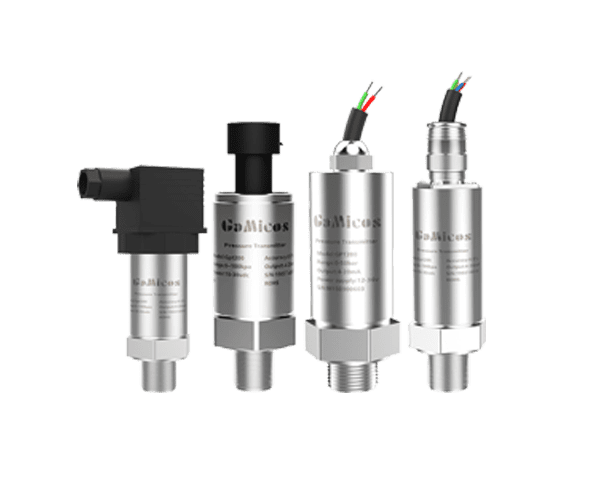
In 2026, picking the right industrial level sensor means knowing how technologies are changing and how to match them to your unique needs. Submersible level transmitters have become the best way to accurately measure the level of liquids in a wide range of industrial settings, from chemical plants to water treatment plants. At the bottom of tanks or wells, these devices measure hydrostatic pressure. They turn pressure data into solid electrical signs that current control systems can use right away. As the need for accuracy, reliability, and cost-effectiveness grows, procurement managers and engineers need to know more about these sensors' skills and how to choose the best ones to improve operations and reduce downtime.
Understanding Submersible Level Transmitters: Principles and Applications
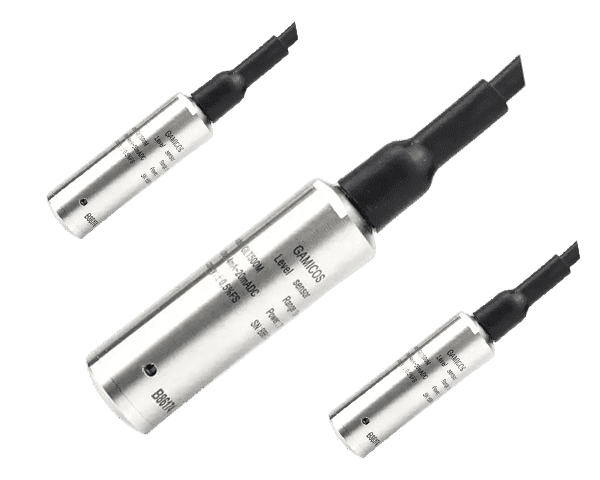
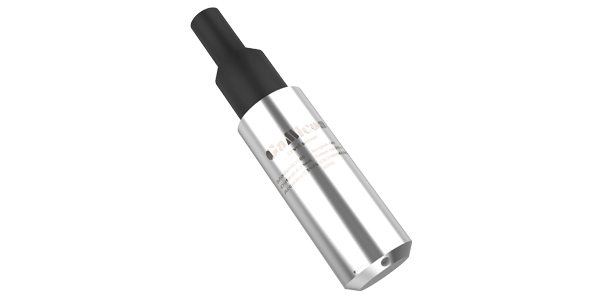
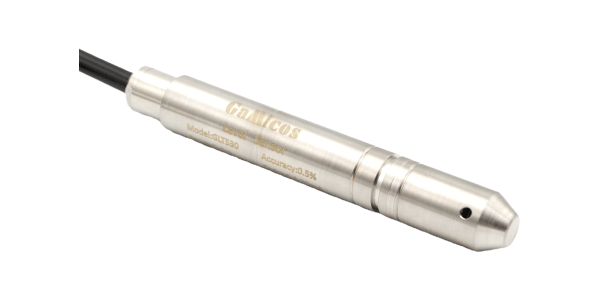
Submersible level transmitters work by reading the pressure of the liquid column above the sensor, which is called hydrostatic pressure. Because this pressure is directly related to the height of the liquid, it is possible to find the exact level no matter the shape of the tank or the condition of the surface.
How Pressure-Based Measurement Works?
Piezo-resistive or ceramic pressure-sensing elements are at the heart of the technology. They change their electrical resistance when the pressure changes. When immersed, the sensor measures pressure that is related to the level of the liquid. The electronics built into the sensor turn this pressure reading into standard output signals like 4-20mA or digital protocols. This way of measuring is very reliable because it is not affected by surface motion, foam, or mist, which can mess up non-contact technologies.
Key Industrial Applications
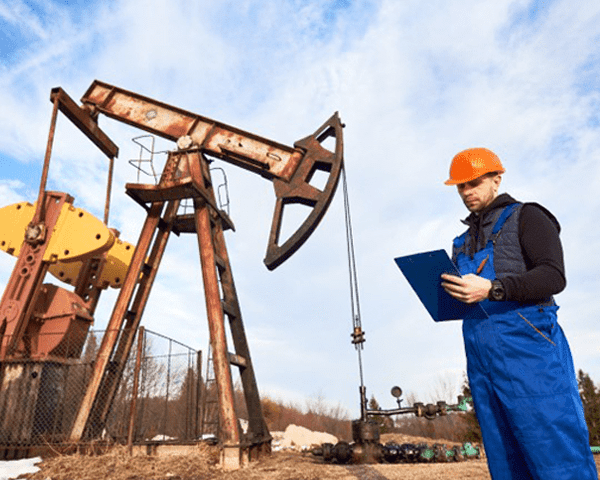
Submersible level transmitters are used in water and wastewater treatment plants to keep an eye on tanks and run pumps accurately. These gadgets help chemical plants keep an eye on corrosive liquids in storage tanks and reactors. They are used in the oil and gas business to keep an eye on separator vessels and storage tanks, which need strong tools because of the tough conditions. Pharmaceutical manufacturers rely on their precision for batch processing and ingredient management. They are used in food and drink businesses to keep an eye on cooking dishes, fermentation tanks, and storage areas for ingredients where cleanliness and accuracy are very important.
Advantages in Harsh Environments
When other measurement methods aren't working well, these sensors really shine. Full submersion keeps delicate electronics safe from the outside world and allows for direct touch measurement, which gets rid of many sources of mistake. Their easy installation cuts down on the time needed for setup, and they don't need much upkeep, which lowers the total cost of ownership. Not having any moving parts makes it more reliable in situations where broken tools can stop work and pose safety risks.
Industrial Selection Guide: How to Choose the Best Submersible Level Transmitter in 2026?
The best way to choose sensors is to combine technical needs with practical buying factors so that you get the most long-term value.
Defining Your Application Requirements
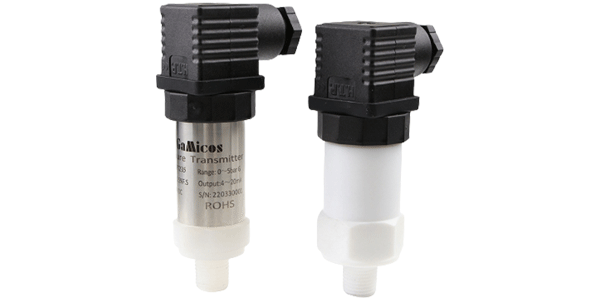
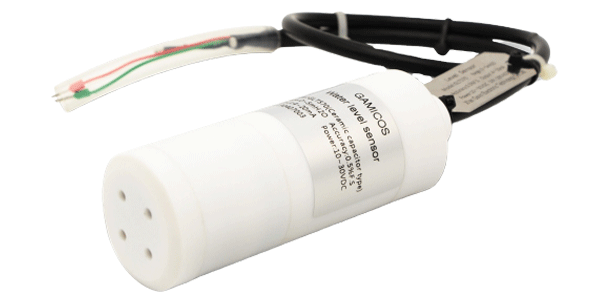
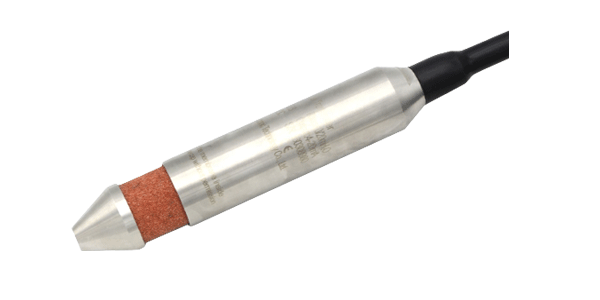
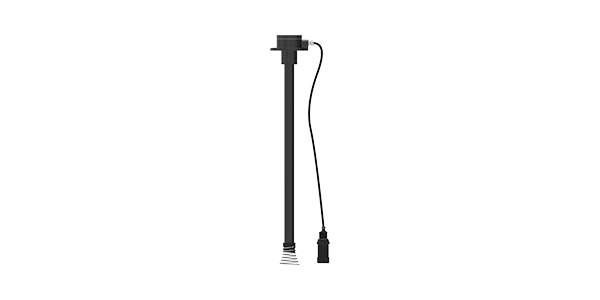
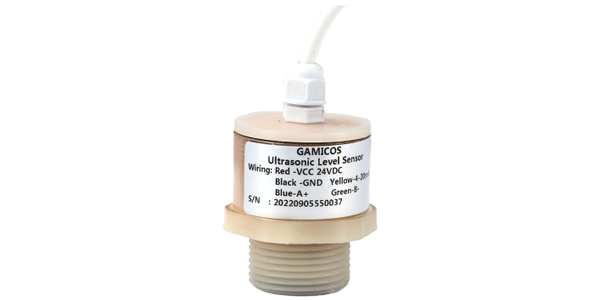
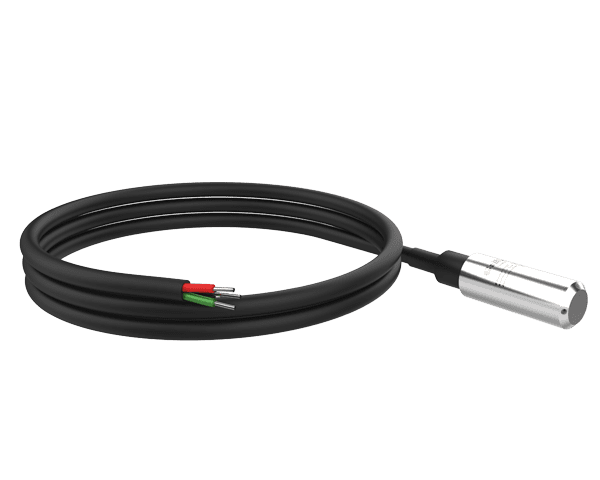
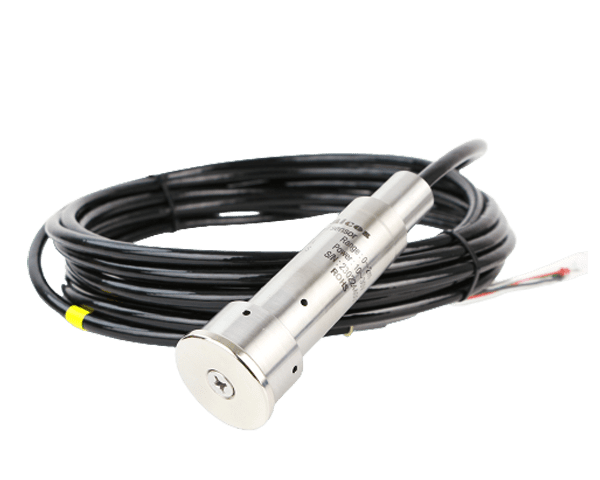
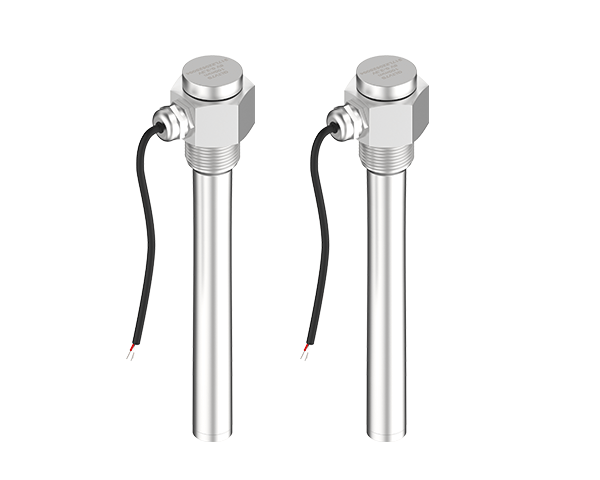
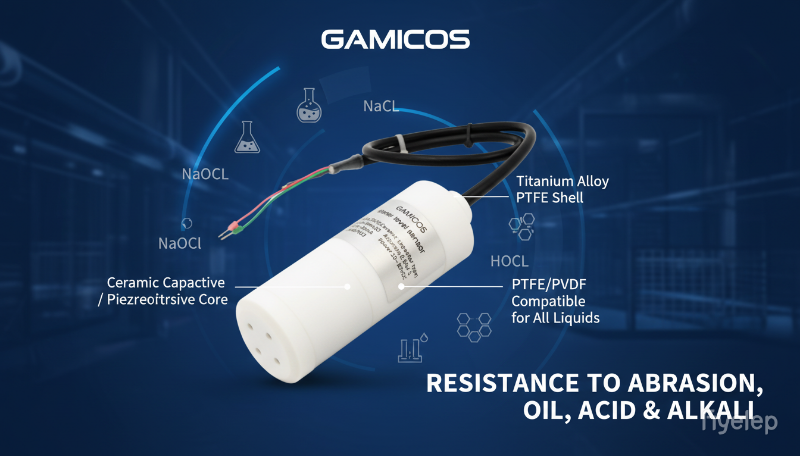
First, look at the properties of your fluid. For corrosive chemicals, sharp slurries, and high-temperature liquids, you need special building materials and methods. The GAMICOS GLT570 submersible level transmitter is an example of a sensor that was specifically made to work in difficult circumstances. Its PTFE shell and ceramic sensing elements from well-known brands around the world make it very resistant to chemicals. Standard stainless steel sensors would be damaged by highly corrosive gases and liquids, but this design can handle them. This makes it perfect for chemical processing, petroleum storage, and pharmaceutical manufacturing.
The measurement range needs directly affect the choice of sensor. Find the highest depth of the liquid and add a safety cushion to account for changes in the level. Different tasks need different levels of accuracy. For example, batching and control transfer may need ±0.1% accuracy, while simple tank tracking might be fine with ±0.5%. Ratings for temperature and pressure must be higher than the safest possible working settings.
Evaluating Critical Performance Features
Measurements that can be trusted are based on accuracy and steadiness. Programmable emitter circuits in the GLT570 make tuning easier and make it simple to make zero and full-scale adjustments in the field. This control circuit can be programmed to make sure that the data is correct and doesn't change over long periods of time. This lowers the frequency of recalibration and the cost of upkeep.
How long a sensor lasts in difficult situations depends on how well it can change to its surroundings. Customized venting cables are made to work in a variety of field situations. For example, oil-resistant cables are used in oil and gas applications, acid-alkali resistant cables are used in chemical processing, and high-strength choices are available for harsh environments. This customization makes sure that the whole sensor system, not just the sensing element, can work in the area you need it to.
The output signal choices should work with the needs of your operating system. Digital standards allow for advanced features like remote setup and health tracking that support predictive maintenance strategies. Analog outputs work everywhere but don't have diagnostic tools.
Supplier Evaluation and Partnership Considerations
Long-term ties with suppliers have a big effect on the success of an operation. When judging a manufacturer, look at their expert help, reaction times, and infrastructure for after-sales service. GAMICOS has a professional support team that helps customers choose the right products, set them correctly, and fix problems so that sensors work at their best for as long as they are used.
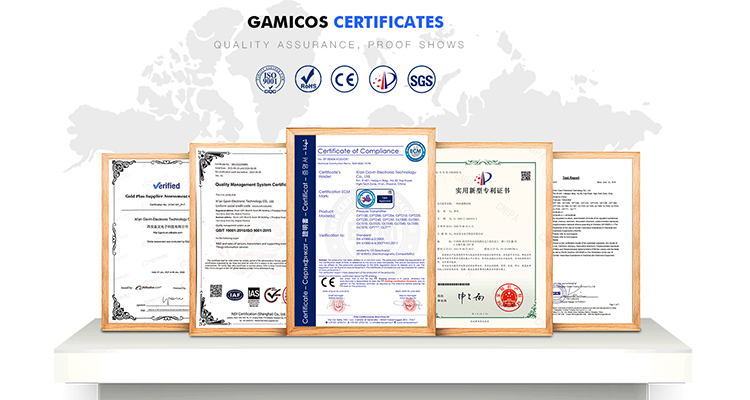
For big tasks and ongoing inventory management, being able to offer in bulk and delivering on time are very important. Check to see if possible suppliers can meet your shipping and volume needs without lowering the quality of their products. International certificates, such as CE, RoHS, and ISO compliance, make sure that goods in different areas meet the rules that apply to them.
Flexibility in customization lets devices fit the needs of each application. With OEM and ODM services, you can change the size of the sensor, its output, its electrical links, and its communication methods. This ability to be changed is useful for adding submersible level transmitters to new features in old systems or making custom tools when standard goods don't work well.
Installation, Calibration, and Maintenance Best Practices
Step-by-Step Installation Procedures
Choosing the location has a big effect on how accurate the measurements are. Place the sensor so that it shows the real level of the liquid without any fill lines, mixer blades, or tank structures getting in the way. In static tanks or wells, putting the sensor inside a secure pipe or standpipe keeps it from getting damaged by debris while still letting it communicate hydraulically with the main vessel.
Cable handling needs care to keep cables from getting damaged and to make sure they can breathe. When barometric pressure changes, submersible level transmitters use wires with holes in them to keep the atmospheric pressure at the sensing part the same. Keep the wires away from sharp objects, equipment that is moving, and chemicals. Support or hang the wire to keep the sensor link from being stressed, especially in deep installations where the weight of the cable can be a problem.
Electrical lines must be able to withstand the weather and be grounded correctly. Terminal boxes should be rated for the climate and put where they won't get too wet. Before providing power, make sure that the polarity and indicator connections are correct according to the manufacturer's instructions.
Calibration and Zero Adjustment
For new installs, the sensor output needs to be calibrated to match the real liquid level. The customizable chip in the GLT570 makes this process easier. Set the standard reading by adjusting the zero point while the tank is empty. Fill to a known level, then change the width or full-scale setting to match the real depth. Digital sensors might have automatic calibration processes that make starting easier.
Periodic checking keeps things correct over time. Check the readings from the sensors against measurements you take by hand or with reference tools. If drift goes beyond what is allowed, re-calibrate according to the manufacturer's instructions. Changes in the environment, such as weather and sediment buildup, can affect accuracy, so it's important for important uses to check the results often.
Preventive Maintenance Strategies
Problems are caught before they cause crashes by regular checks. Check the wires for damage, the electrical links for corrosion, and the mounting tools to make sure it stays in place. In situations where sediment or growth can happen, cleaning the sensor on a regular basis stops measurement mistakes. Take off the sensor, clean the detecting element with the right solvents, and then put it back on the right way.
Keep an eye on the troubleshooting data from digital devices to spot problems as they arise. If the signal security, temperature values, or error flags change, it could mean that there are problems that need to be fixed. This proactive method cuts down on unplanned downtime by fixing problems during planned maintenance times instead of waiting for them to break down completely.
Latest Industry Trends and Future Outlook for Level Sensors in 2026
The level measurement business keeps moving forward with new materials, digital changes, and a focus on sustainability.
Smart Sensors and IIoT Integration
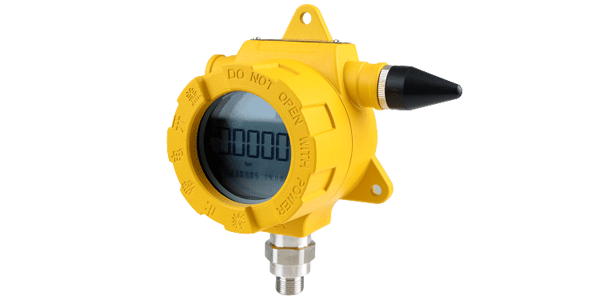
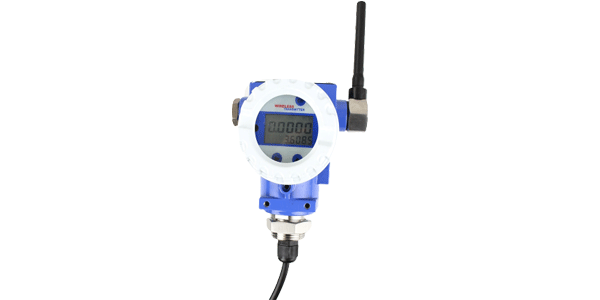
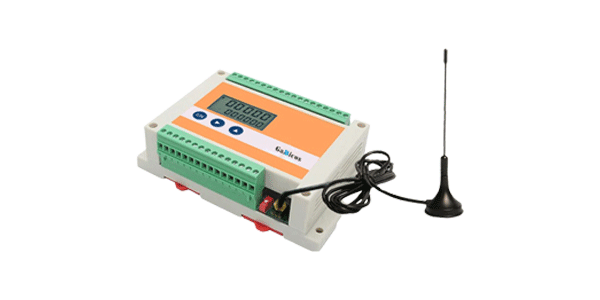
Frameworks for the industrial internet of things are changing how sites watch over and manage processes. Modern submersible level transmitters that are digitally connected can be monitored from afar, do analytics in the cloud, and connect to business systems. These features allow for unified management of spread-out assets, planned care based on how they are used, and data-driven improvement of process parameters. GAMICOS wireless measuring tools that use LoRa, GPRS, NB-IoT, and 4G connection are a good example of this trend because they let you collect real-time data from far away without having to set up a lot of cables.
Material Science Advancements
New materials make sensors work better in harsh circumstances. Compared to regular stainless steel, advanced ceramics are better at withstanding chemicals and high pressures. PTFE and special polymer layers make it possible for sensors to work with chemicals that were previously hard to work with. These changes to the material make it more useful in more situations while also making it last longer and requiring less upkeep.
Customization and the Needs of the Market
Customized solutions rather than one-size-fits-all goods are in higher demand as the range of industrial uses grows. Companies that let customers change the sizes, outputs, materials, and transmission methods of their sensors have an edge over their competitors. This trend shows that modern industrial processes are getting more complicated, and they need measuring methods that are perfectly matched to their needs.
As companies try to cut costs and streamline their supply lines, the efficiency of bulk buying becomes more important. Suppliers who provide regular quality, on-time delivery, and helpful technical support build long-term relationships that are good for both parties. Industry leaders are different from commodity sellers because they can scale up production for big orders while still meeting quality standards.
Sustainability and making the best use of resources
Environmental factors affect the choice of sensors and where they are placed. Accurately measuring levels cuts down on wasteful use of raw materials, stops tanks from overflowing and polluting the environment, and makes the best use of energy in systems that pump and process materials. Durable sensors that last a long time cut down on electrical waste and the cost of replacing. These benefits of sustainability are in line with the environmental goals of businesses and also bring in money by making them more efficient.
Conclusion
In 2026, choosing submersible level transmitters means finding a balance between scientific standards, application needs, and the supplier's skills. By learning about measurement principles, comparing different technologies, and judging important features, you can make smart choices that improve performance and cut costs. With its special materials and customizable electronics, the GAMICOS GLT570 shows how purpose-built design can solve problems in harsh settings. When these sensors are installed, calibrated, and maintained correctly, they will give accurate data for as long as they are used. As market trends toward IIoT integration, customization, and sustainability change, working with makers who offer full support and adaptable solutions will help your business succeed in the long run in a world that is always changing.
Partner with GAMICOS for Precision Liquid Level Solutions
GAMICOS delivers high-performance submersible level transmitters engineered for the most demanding industrial environments. The GLT570 series combines advanced ceramic sensing, PTFE housing, and programmable electronics to provide unmatched chemical resistance and long-term stability. Whether you need custom cable assemblies, specific output protocols, or OEM integration, our team supports you from specification to commissioning.
Contact our application engineers today: info@gamicos.com — and discover how GAMICOS can help your operations achieve precision, reliability, and cost efficiency.