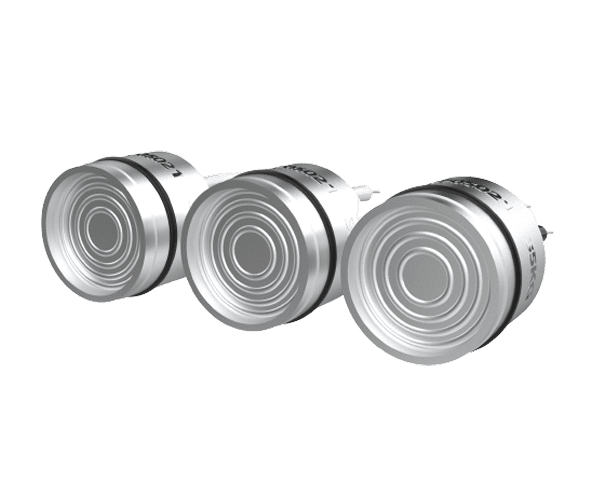
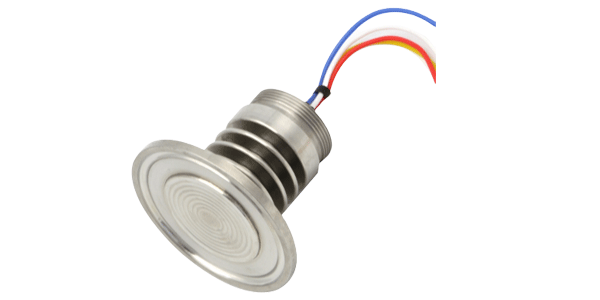
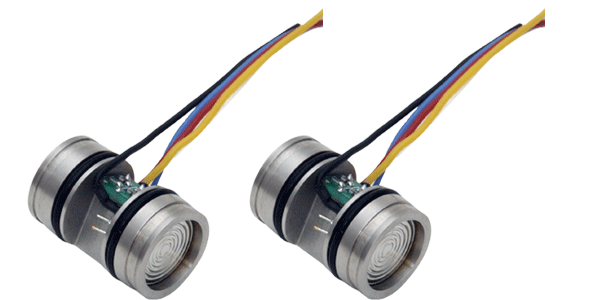
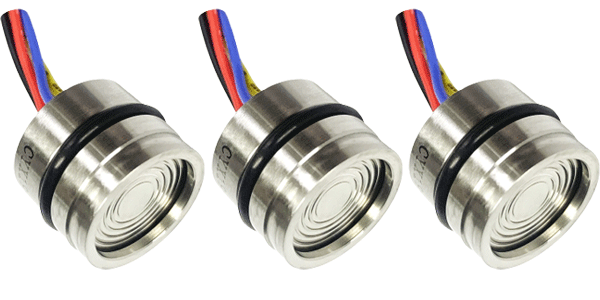
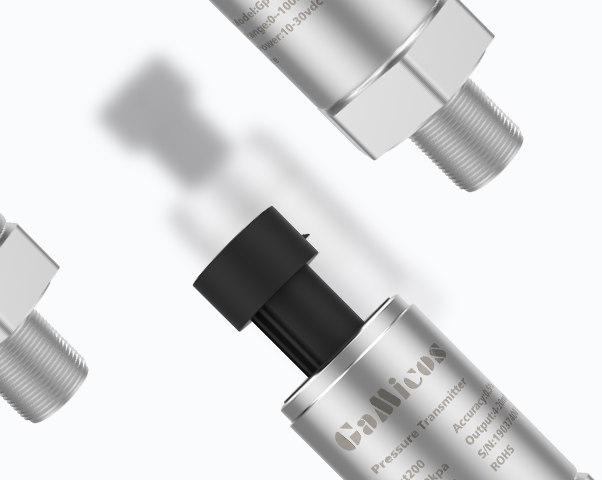
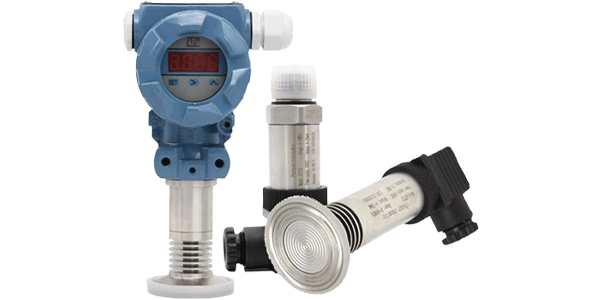
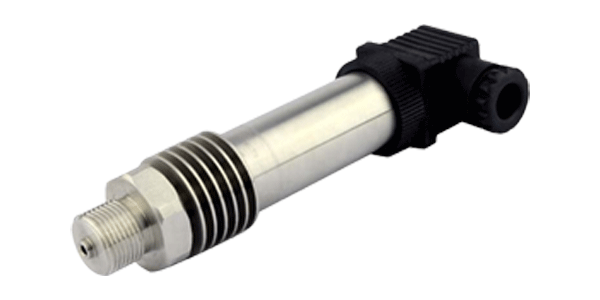
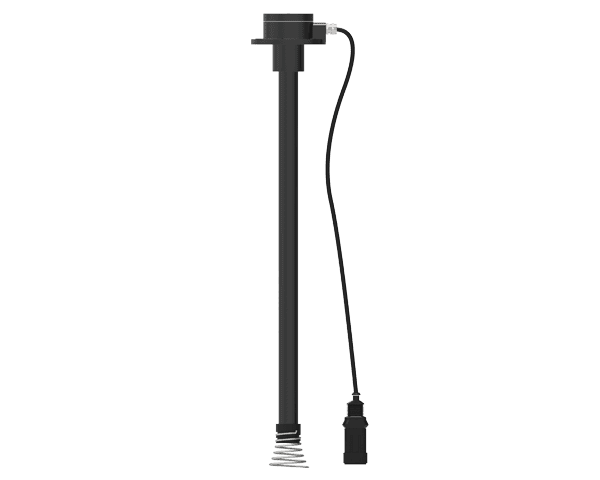
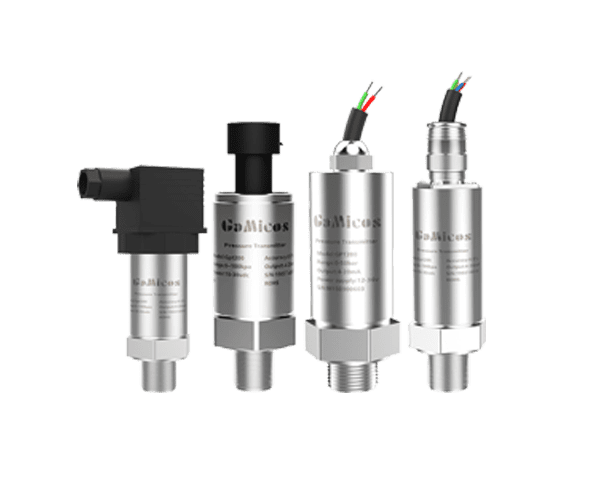
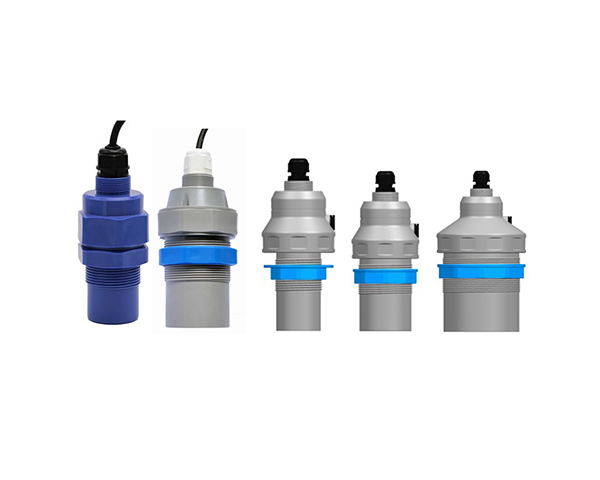
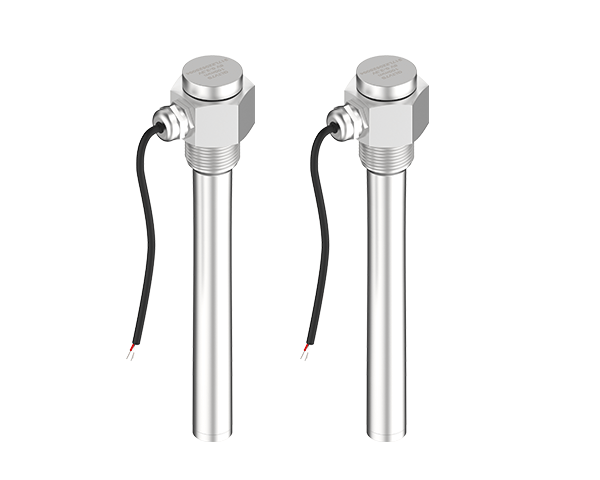
Purchasing submersible level transmitters in bulk for industrial applications across Europe requires a strategic approach. Buyers must carefully evaluate technical specifications, supplier reliability, regulatory compliance, and total cost of ownership.
These pressure-based instruments deliver accurate liquid level measurements in demanding environments—including water treatment, chemical processing, oil refining, and pharmaceutical production. For large‑volume procurement, European industrial buyers prioritize corrosion resistance, CE and ATEX certifications, customization capabilities, and responsive after‑sales technical support.
Partnering with the right supplier ensures operational continuity, cost efficiency, and measurement accuracy across your organisation’s multiple facilities.
Understanding Submersible Level Sensors and Their Industrial Significance
What Are Submersible Level Transmitters and How Do They Work?
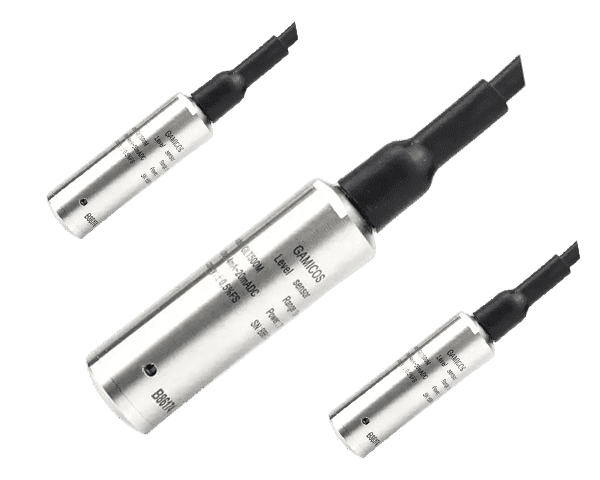
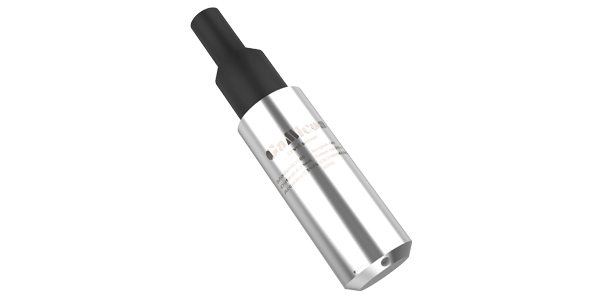
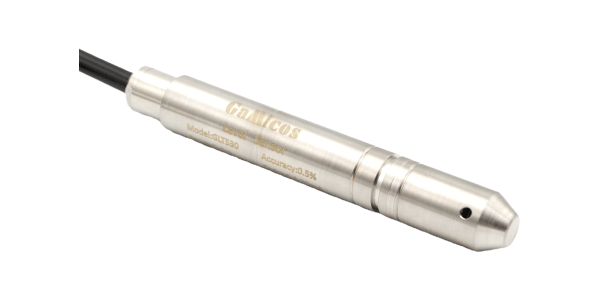
Submersible level transmitters operate by measuring hydrostatic pressure at the bottom of tanks, wells, or process vessels. The sensor converts pressure readings into standardized electrical signals—typically 4–20 mA or digital protocols—that integrate seamlessly with control systems.
Unlike ultrasonic or float‑based technologies, these devices maintain accuracy in the presence of foam, turbulence, or vapour above the liquid surface. The sensing element is fully submerged and connected to above‑surface instrumentation via a specialised vented cable that compensates for atmospheric pressure changes, ensuring precise measurements.
European industries favour these transmitters for their reliability with corrosive chemicals, wastewater containing solids, and high‑temperature hydrocarbon products—applications where alternative technologies often fail.
Critical Applications Across European Industrial Sectors
-
Water Treatment: Monitoring storage levels, filtration tanks, and distribution networks.
-
Chemical Processing: Tracking aggressive acids and bases in storage vessels.
-
Pharmaceuticals: Measuring pure liquids under strict hygienic standards.
-
Oil & Gas: Fuel tank gauging and refinery process monitoring.
Each application demands specific material compatibility. PTFE housings resist chemical attack, ceramic sensing elements withstand abrasive slurries, and stainless steel construction suits general industrial use. Understanding your medium’s pH, temperature range, viscosity, and solids content is essential for long‑term reliability.
Precision and Longevity in Harsh Conditions
European regulations mandate rigorous testing and maintenance protocols. Submersible level transmitters must maintain accuracy within ±0.25% of full scale over their operating range. Regular calibration verification prevents measurement drift that could compromise process control or regulatory compliance.
With proper maintenance, these sensors can exceed five years of service life—reducing total cost of ownership and minimising production interruptions. Ceramic sensing elements from leading international manufacturers offer superior long‑term stability compared to conventional silicon diaphragms. Programmable emitter circuits allow field adjustments without removing the transmitter from service—a critical advantage for multi‑site European operations where downtime directly impacts production schedules and profitability.
Bulk Purchasing Considerations for European B2B Clients
Economic Advantages of Volume Procurement
Tiered pricing structures deliver significant cost savings—typically 15–30% depending on order volume. Beyond immediate cost reduction, bulk purchasing ensures equipment standardisation across facilities, simplifying spare parts inventory, technician training, and maintenance procedures. As engineering teams gain familiarity with specific sensor characteristics, commissioning time and troubleshooting effort decrease.
Standardisation also streamlines integration with existing IT infrastructure. When all sites use compatible submersible level transmitter types, SCADA programming becomes more consistent, and cross‑site data analysis provides deeper operational insights. This uniformity is particularly valuable for multinational companies operating chemical plants or water treatment networks across multiple European countries.
Supplier Evaluation Criteria for Long‑Term Partnerships
European buyers must verify that suppliers comply with CE marking, RoHS restrictions on hazardous substances, and industry‑specific approvals such as ATEX for explosive atmospheres. Documentation should include calibration certificates traceable to national metrology institutes. Warranty terms typically extend to at least two years, with clear procedures for replacement or repair during that period.
Superior suppliers differentiate themselves through technical support capabilities. Access to application engineers who understand European industrial practices helps in selecting the optimal submersible level transmitters. Multilingual support teams facilitate communication across your company’s European regions. Technical inquiries should receive responses within 24 hours to minimise operational delays.
Customisation Options for Specialised Industrial Requirements
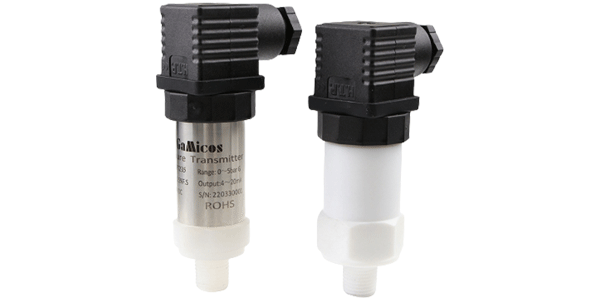
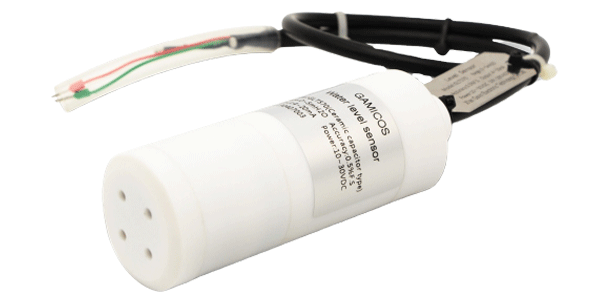
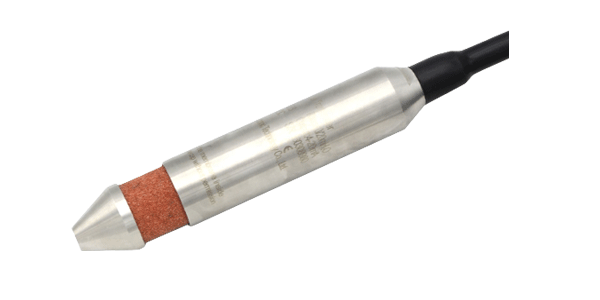
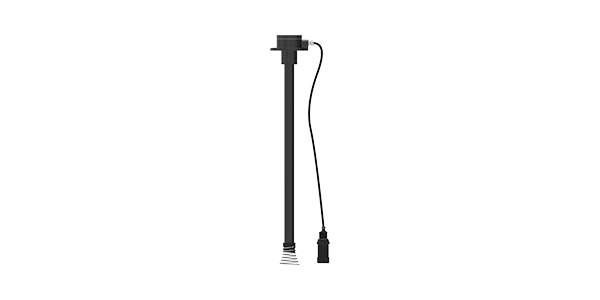
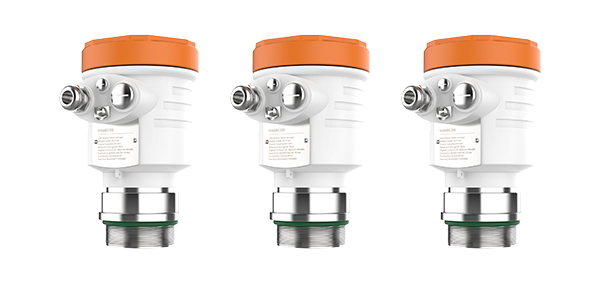
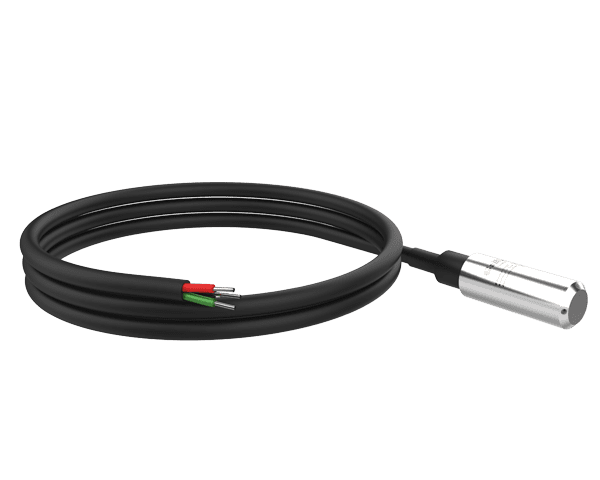
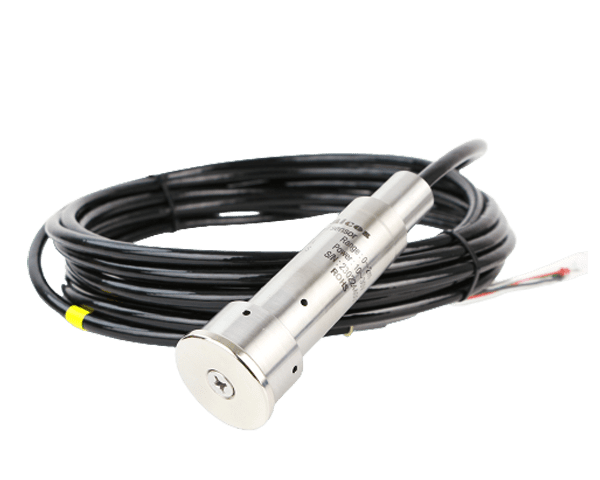
The GLT570 submersible level transmitter exemplifies advanced corrosion‑resistant design with customisation options essential for European industrial applications. Its ceramic sensing core delivers exceptional reliability, stability, and accuracy when measuring aggressive gases and liquids. The PTFE (polytetrafluoroethylene) housing, combined with ceramic elements from globally recognised manufacturers, provides robust resistance to the harshest chemical environments.
Key features of the GLT570:
-
Dedicated corrosion protection: PTFE housing and ceramic core resist concentrated acids, alkalis, and organic solvents commonly found in European chemical and pharmaceutical plants. This design eliminates degradation over time, reducing replacement frequency.
-
High precision and stability: Customisable control circuits and imported ceramic cores ensure consistent data even under temperature and pressure variations. Digital compensation maintains ±0.25% accuracy across the full measurement range.
-
Adaptable to diverse environments: Optional vented cables offer wear, oil, and acid‑alkali resistance depending on installation conditions. Cable lengths up to 100 metres are available for deep‑well applications, with ruggedised versions protecting against mechanical damage.
-
Wide measurement range: Measures liquid level and pressure from 0 to 200 metres water column, suitable for storage tanks, process vessels, and groundwater monitoring wells throughout Europe.
How to Choose the Best Submersible Level Transmitters for European Industrial Needs
Assessment of Application‑Specific Requirements
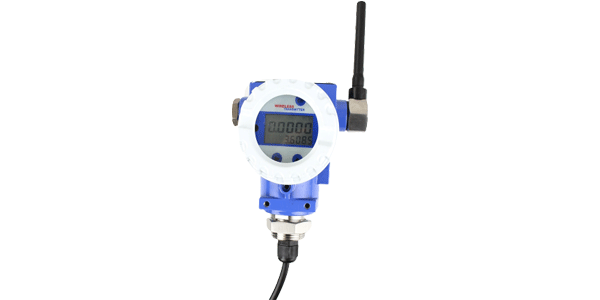
Before selecting a model, document the exact operating conditions. Record liquid properties: specific gravity, temperature range, chemical composition, and any entrained solids or gases. Evaluate installation details such as tank depth, fitting constraints, and cable routing. Determine output signal requirements—analogue current loops, digital fieldbus protocols (HART, Profibus), or wireless transmission via industrial IoT networks.
Corrosive environments demand specialised wetted materials. PTFE components are essential for hydrochloric acid service, while petroleum applications in hazardous areas require intrinsic safety certification. Food‑grade applications must meet 3‑A sanitary standards with crevice‑free surfaces that prevent bacterial growth. Matching the transmitter design to your specific medium prevents premature failure and ensures compliance with European safety directives.
Accuracy, Durability, and Compliance Standards
Measurement accuracy directly affects product quality and process efficiency. High‑precision pharmaceutical applications may require ±0.1% accuracy, while ±0.5% suffices for bulk storage monitoring. Consider both accuracy ratings and long‑term stability specifications, as sensor drift increases recalibration frequency and operating costs.
Durability indicators include IP68 ingress protection ratings, confirming suitability for prolonged submersion. Temperature compensation ranges should extend at least 10°C beyond your process extremes. Vibration and shock resistance specifications are important for installations near mechanical equipment or on mobile assets. Ceramic sensing elements outperform conventional silicon designs in abrasive slurries and high‑cycle wear applications.
For European compliance, submersible level transmitters must carry CE marking demonstrating conformity with applicable directives. ATEX certification confirms suitability for explosive atmospheres common in petrochemical plants. PED (Pressure Equipment Directive) compliance is required for sensors rated above certain pressure thresholds. Verify that supplier documentation includes EU declarations of conformity and technical construction files available for regulatory inspection.
Structured Selection Process for Procurement Managers
Use a systematic evaluation method to compare candidates objectively. Create a requirements matrix listing mandatory and desirable features for the transmitters. Weight each criterion according to operational importance. This filtering approach quickly eliminates unsuitable options, allowing thorough testing of only truly qualified models.
Before placing a large order, request sample units for field trials. Install test transmitters alongside existing equipment to verify compatibility and performance under real‑world conditions. Compare readings against calibrated reference instruments over several weeks. During this trial, assess cable durability, connector reliability, and ease of maintenance.
Benchmark against well‑established manufacturers active in the European market. Brands such as Siemens, ABB, Endress+Hauser, Honeywell, and Yokogawa are recognised for reliability, while emerging suppliers like GAMICOS offer cost‑effective alternatives with robust technical support and customisation capabilities. Evaluate total cost of ownership—including installation labour, calibration requirements, and expected service life—rather than focusing solely on initial purchase price.
Installation, Calibration, and Maintenance Best Practices for B2B Users
Proper Installation Techniques for Optimal Performance
Site assessment precedes physical installation. Verify that mounting locations provide representative liquid level readings without interference from fill pipes, agitators, or discharge outlets that could cause localised turbulence. Maintain at least 30 cm clearance from tank walls and 10 cm above the bottom as recommended by the manufacturer to minimise boundary effects.
Mounting methods depend on the application. Compression fittings provide secure installations in pressurised vessels via tank nozzles. Suspension cables with weight‑stabilised hangers keep the transmitter vertical in wells and open tanks. Ensure that vented cables run straight upward without low spots where condensation could accumulate and block the pressure reference path.
Protection measures extend sensor life in aggressive environments. Install strainers upstream of sensors in media containing large particles. Use protective cages in high‑flow areas where debris might impact the sensing element. For outdoor installations where freezing temperatures could block the capillary tube, apply heat tracing to the cable. These preventive actions reduce unplanned maintenance and increase mean time between replacements.
Calibration Procedures and Accuracy Verification
Initial calibration establishes the baseline accuracy standard. Perform zero‑point calibration with the transmitter suspended in air at ambient temperature and pressure, followed by span calibration at a precisely measured immersion depth. Many modern transmitters feature push‑button calibration, but for critical applications, comparison against certified deadweight testers or precision manometers is preferred.
Recalibration schedules depend on process criticality and regulatory requirements. Custody transfer and safety‑related measurements typically require quarterly checks, while general process monitoring may be verified annually. Document all calibration activities—including as‑found values, adjustments made, and final verification results. This audit trail demonstrates compliance with ISO 9001 quality procedures and European measurement regulations.
Temperature effects must be accounted for during testing. Perform verification at temperatures representative of normal operation. Although ceramic sensing elements exhibit minimal temperature coefficients (typically less than 0.02% per °C), cumulative errors over large temperature swings can still affect reading accuracy. Built‑in compensation algorithms in programmable transmitters correct for temperature variations, improving performance across wide operating ranges.
Preventative Maintenance Programs for Extended Service Life
Regular inspections identify issues before they escalate. Conduct quarterly visual checks of cable integrity and housing condition. Annual maintenance should include sensor removal, thorough cleaning, seal and O‑ring inspection, and electrical continuity tests on all wiring. Replace worn components proactively rather than waiting for failure during critical production periods.
Troubleshooting common problems minimises downtime. Erratic readings often indicate blocked vent tubes—clear them with compressed air or replace damaged cable sections. Drifting measurements typically signal sensor contamination; clean ceramic elements with solvents compatible with your process media. Complete signal loss usually points to cable damage or failed transmitter electronics requiring replacement.
Documentation streamlines maintenance efforts. Maintain comprehensive records for each transmitter, including installation date, calibration history, maintenance performed, and failure incidents. Analyse this data to identify problematic applications that may require design changes or upgraded materials. Track mean time between failures across your sensor fleet to optimise maintenance schedules and spare parts inventory.
Conclusion
Bulk purchasing of submersible level transmitters for European industrial use demands careful evaluation of technical specifications, supplier capabilities, and total cost of ownership. The GLT570 corrosion‑resistant sensor exemplifies advanced engineering—combining PTFE construction, ceramic sensing elements, and customisable electronics to meet the most challenging measurement requirements.
A well‑structured procurement strategy balances immediate cost considerations against long‑term factors such as technical support quality, regulatory compliance, and reliability. Proper installation, calibration, and maintenance practices maximise performance and service life. European buyers who partner with responsive, technically proficient suppliers gain a competitive edge through precise process measurement, reduced downtime, and enhanced operational efficiency across all industrial sites.
Frequently Asked Questions
What approvals should submersible level transmitters have for European industrial use?
CE marking is mandatory, demonstrating compliance with EMC and low‑voltage directives. ATEX certification is required for installations in explosive atmospheres (chemical plants, pipelines, fuel storage). ATEX category depends on the zone: Category 1 for Zone 0, Category 2 for Zone 1, and Category 3 for Zone 2.
How do I integrate submersible transmitters with existing SCADA and Industrial IoT systems?
Modern transmitters support multiple transmission protocols. 4–20 mA analogue signals connect directly to PLC input modules, while HART protocol adds digital communication over the same wiring for advanced configuration and diagnostics. Fieldbus options (Foundation Fieldbus, Profibus, Modbus RTU) enable fully digital exchange and richer data sets.
What factors affect long‑term accuracy and stability?
Temperature variations have the most significant impact unless compensated by the transmitter’s electronics. Changes in media density affect level calculations, requiring specific gravity correction. Coating buildup on the sensor can cause zero and span drift over time. Ceramic sensing elements resist these effects better than silicon diaphragms, providing longer‑term stability.
Partner with GAMICOS for Reliable Submersible Level Transmitters
GAMICOS supplies high‑precision submersible level transmitters to European industries, backed by full technical support and extensive customisation options. Our GLT570 sensor features a PTFE housing and imported ceramic cores, maintaining accuracy even in the most aggressive chemical and oil applications. We understand European buyer requirements—CE and ATEX compliance, multilingual documentation, and fast shipping to sites across the continent.
Our technical team collaborates with your procurement and operations managers to develop optimal configurations, offer volume pricing advantages, and ensure smooth integration with existing systems.
Contact us: info@gamicos.com to discuss your project needs and request a detailed quotation from a trusted submersible level transmitter manufacturer committed to your business success.
References
-
Smith, J.R. and Anderson, K.L. (2022). Industrial Pressure and Level Measurement: Technologies and Applications in Process Industries. European Technical Publishing.
-
Müller, T.F. (2021). “Submersible Sensor Technology for Corrosive Media: Material Selection and Design Optimization.” Journal of Industrial Instrumentation, 45(3), 112‑128.
-
European Committee for Standardization (2023). EN 61326‑1:2021 – Measurement, Control and Laboratory Use – EMC Requirements. CEN Publications.
-
Williams, P.D. and Schmidt, H.W. (2022). Calibration and Maintenance of Submerged Liquid Level Instruments. International Society of Automation.
-
Garcia, M.A. (2023). “Bulk Procurement Strategies for Industrial Instrumentation in European Markets.” Supply Chain Management Review, 18(2), 67‑84.
-
Thompson, R.J. (2021). ATEX Compliance Guide for Process Measurement Equipment. Technical Standards Institute Europe.