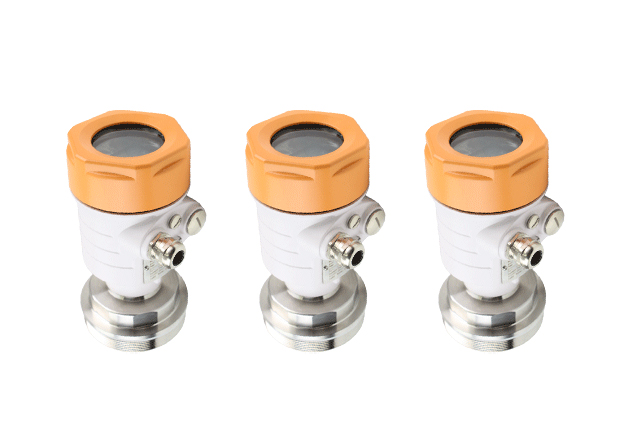
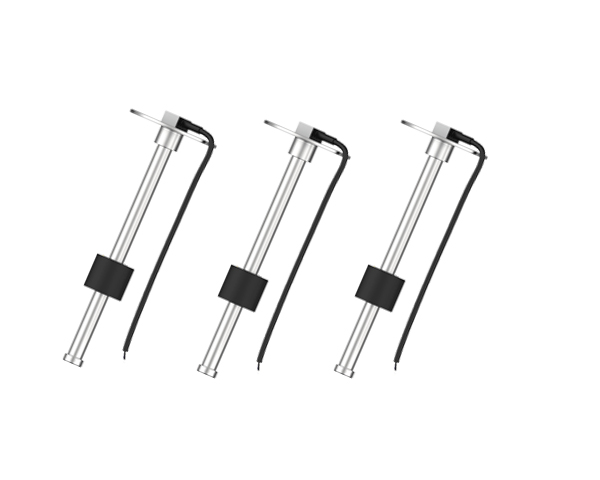
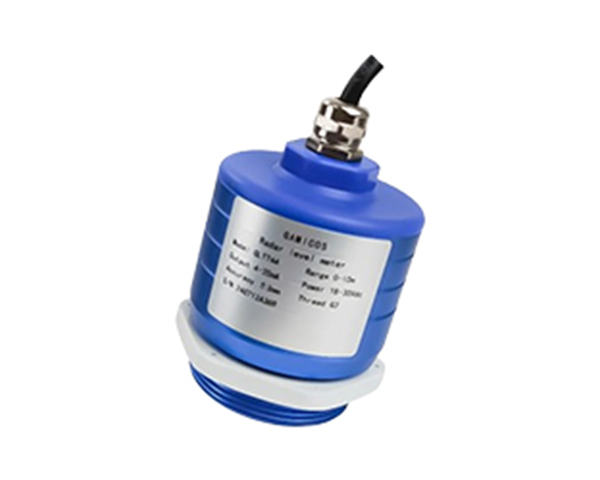
Top Well Water Level Sensors for Australia Market 2026 | GAMICOS
Monitoring well water levels is critical for managing Australia’s water resources — from agricultural irrigation to mining dewatering and industrial process water. In 2026, the market offers a range of well water level sensor solutions that combine high precision, rugged durability, and smart connectivity. This guide helps procurement managers, engineers, and dealers select the most reliable sensor technologies for Australian conditions, ensuring operational excellence and supply chain resilience.
Understanding Well Water Level Sensors
How Measurement Technology Works
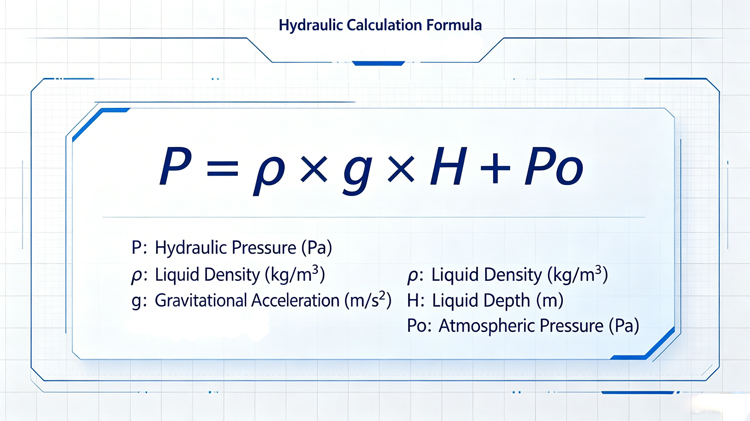
Most submersible sensors operate on the hydrostatic pressure principle: P = ρ × g × H + Po. When the probe is immersed, the pressure on the sensing element is proportional to the height of the water column. Signal conditioning electronics convert this physical force into standardised outputs (4–20 mA, 0–10 V, or digital protocols) that integrate with data loggers, SCADA, and IoT platforms.
Key Sensor Technologies for Well Applications
-
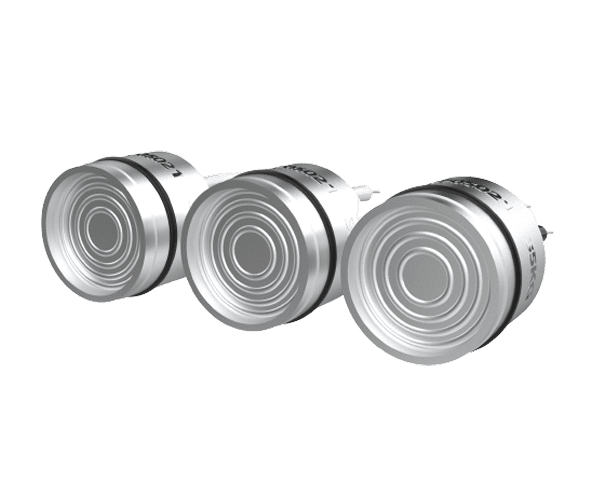
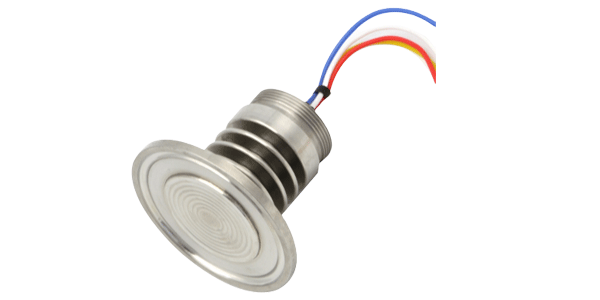
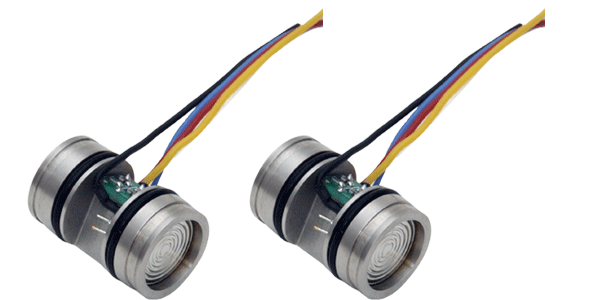
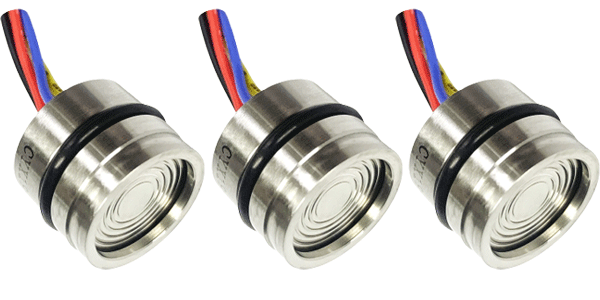
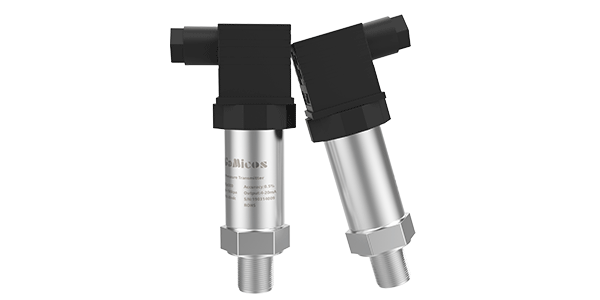
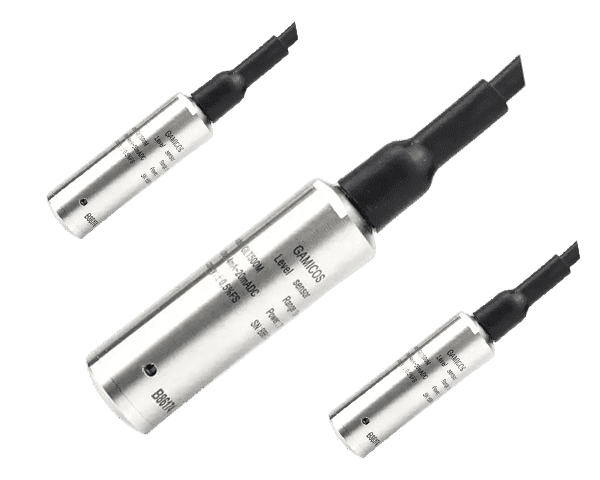
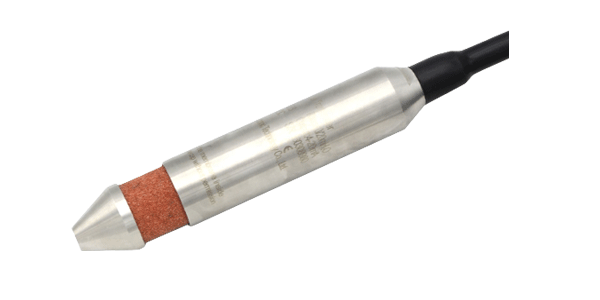
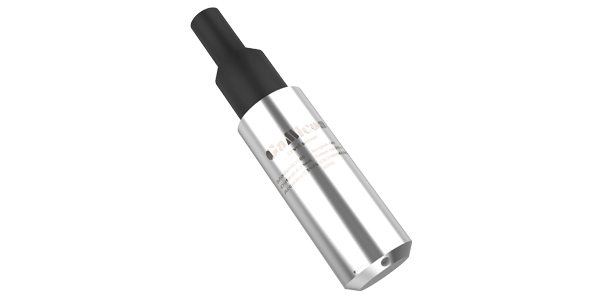
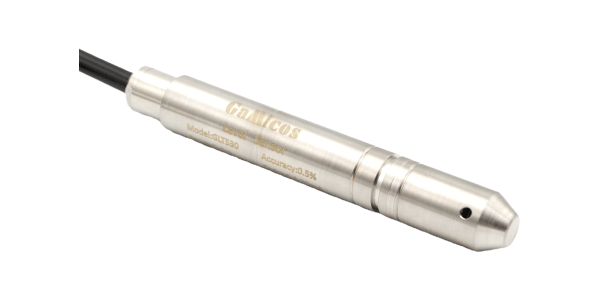
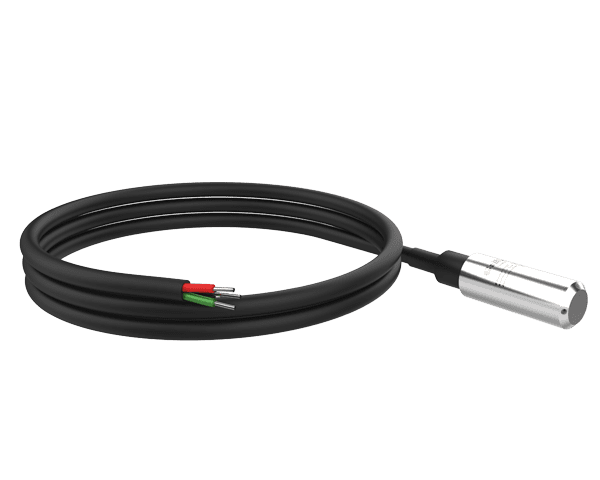
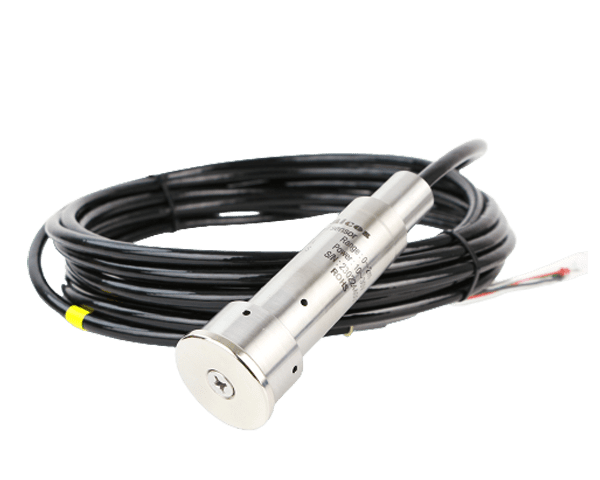
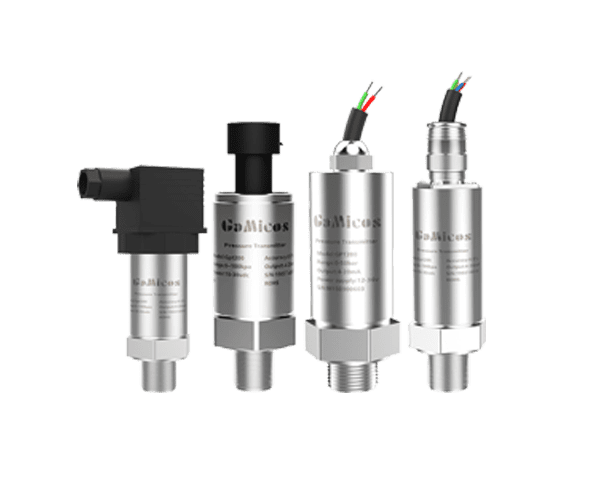
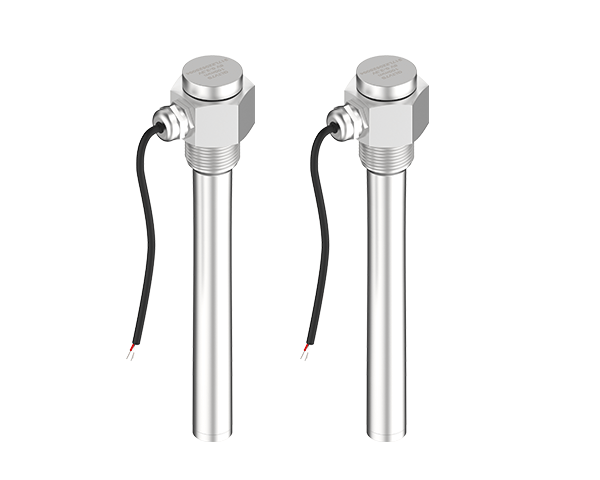
Submersible pressure sensors — the go-to for deep wells. Fully sealed, low-maintenance, and capable of continuous submersion. Models like the GAMICOS GLT530 offer probe diameters as small as 16 mm for narrow bores and ranges up to 500 m.
-
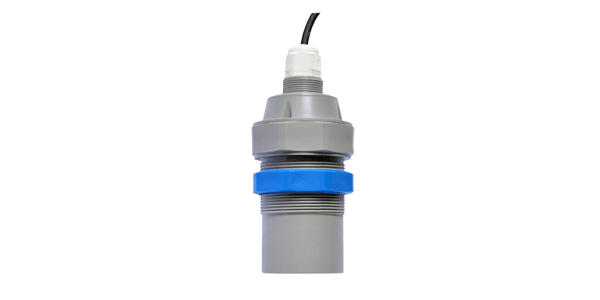
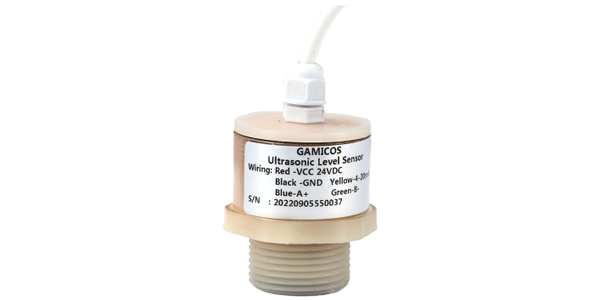
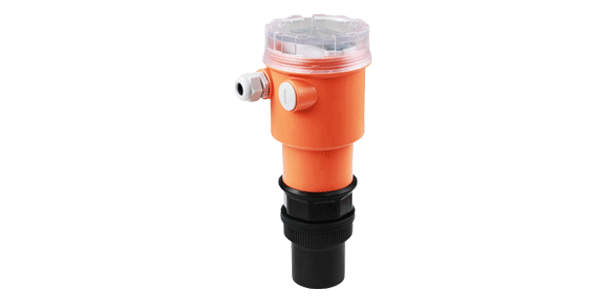
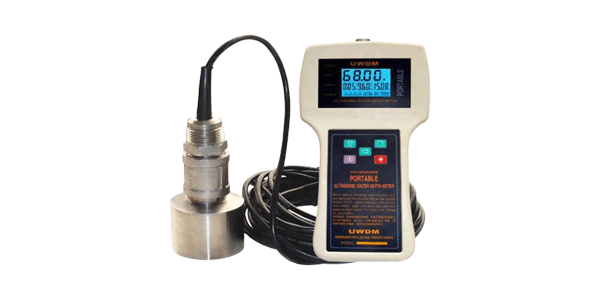
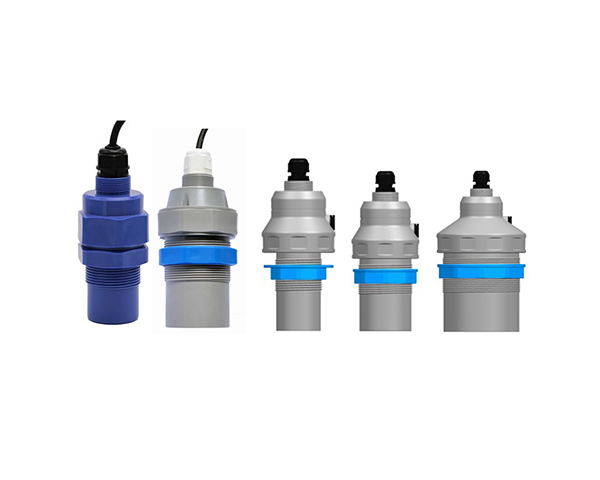
Ultrasonic non‑contact sensors — ideal for dirty, acidic, or sediment-laden water. They emit sound waves and measure time-of-flight to the water surface. Excellent for sumps and open tanks where fouling is a concern.
-
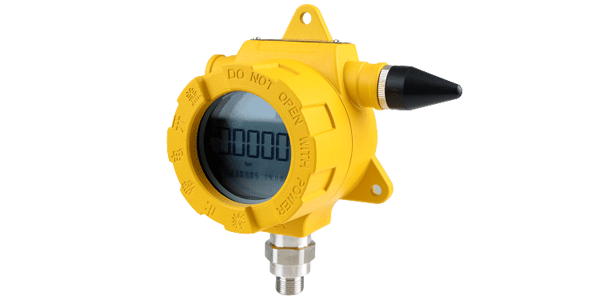
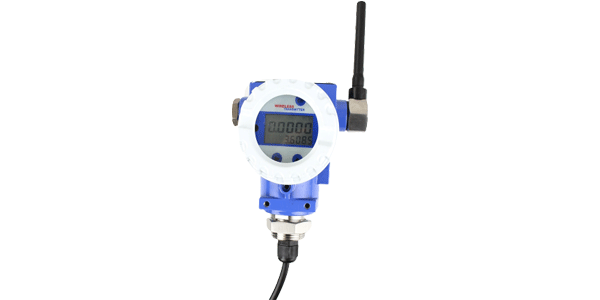
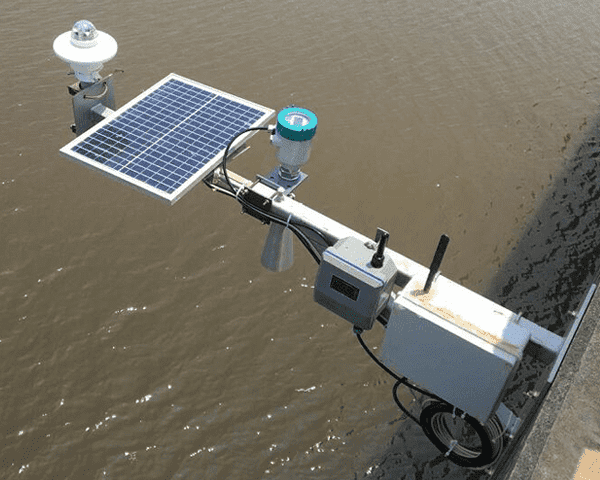
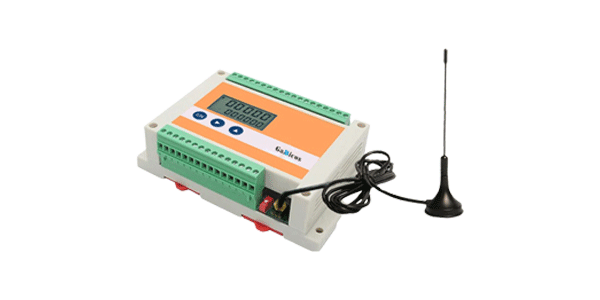
Wireless IoT sensors — battery-powered units with LoRa, NB‑IoT, or 4G connectivity enable real‑time monitoring from remote sites without expensive cabling. Cloud dashboards and mobile alerts improve response times.
Operational Benefits
Continuous level data prevents over-pumping, reduces energy waste, and alerts operators to pump failures, leaks, or aquifer depletion. Historical trend analysis supports compliance reporting, optimises pumping schedules, and extends equipment life. In short, accurate monitoring drives lower operational costs and better resource planning.
Top Sensors for Australia in 2026
Australia’s variable climate — temperature extremes, dust, and sporadic flooding — demands sensors that are stable, corrosion-resistant, and backed by local support. Here are four leading options:
|
Manufacturer
|
Model
|
Range
|
Accuracy
|
Probe Ø
|
Output
|
Certifications
|
Warranty
|
|
GAMICOS
|
GLT530
|
1–500 m
|
±0.1–0.5% FS
|
16 / 19 mm
|
4–20 mA
|
CE, RoHS, ATEX
|
2 years
|
|
Honeywell
|
MLH Series
|
0–400 m
|
±0.25% FS
|
19 mm
|
Multiple
|
NSF, UL
|
3 years
|
|
Siemens
|
SITRANS LU
|
0–10 m (ultrasonic)
|
±2 mm
|
N/A
|
HART / 4–20 mA
|
ATEX, IECEx
|
2 years
|
|
ABB
|
2600T
|
0–200 m
|
±0.1% FS
|
25 mm
|
Digital / analogue
|
SIL2
|
5 years
|
GAMICOS GLT530 — engineered for tight bores
The GLT530 stands out for its slim 16 mm and 19 mm probe options, making it ideal for narrow wells where standard sensors cannot fit. It delivers industrial-grade accuracy across 1–500 m water columns, with fully welded sealing and integrated temperature compensation. Output is two‑wire 4–20 mA for simple integration, and ATEX compliance supports hazardous zone installations. OEM customisation — cable length, connectors, and calibration — is available for system integrators.
Honeywell MLH Series — rugged stainless steel
With IP68 sealing, the MLH range suits potable water and wastewater. Available with 4–20 mA, 0–10 V, or digital outputs, and backed by a 3‑year warranty.
Siemens SITRANS LU — ultrasonic, non‑contact
Advanced signal processing maintains ±2 mm accuracy over 10 m, even with vapour or temperature changes. HART communication enables remote configuration and diagnostics.
Installation, Calibration & Maintenance
Installation best practices
-
Assess well diameter, depth, water quality, and existing infrastructure.
-
Provide secure cable suspension with strain relief to avoid mechanical stress on connections.
-
Use vented cables in sealed wells to equalise atmospheric pressure.
-
Protect above‑ground cable runs with conduit to prevent UV and physical damage.
-
Ensure enclosures meet at least IP67 and use proper grounding to avoid EMI interference.
Calibration for accuracy
Two‑point calibration (zero in air, span at known depth) is the standard field method. Modern sensors include automatic temperature correction, but regular verification against portable calibrators is recommended. Document all calibration results for quality management and regulatory audits.
Maintenance protocols
-
Quarterly visual inspection — cables, connections, housing integrity.
-
Annual performance verification — compare sensor readings with reference instruments.
-
Cleaning — remove mineral scale or biological growth using manufacturer‑approved solutions (avoid damage to sensing elements).
Procurement Strategy
Selection criteria
-
Technical specs: range, accuracy, output, and certifications.
-
Supplier capability: local stock, technical support, and customisation.
-
Total cost of ownership: warranty, spare parts availability, and maintenance requirements.
Pricing and distribution
Entry‑level submersible sensors (0–20 m) start around AUD 400, while high‑precision 200 m+ units with advanced protocols range up to AUD 2,500. Ultrasonic models typically cost 40–60% more than equivalent pressure sensors. Volume discounts (10, 50, 100+ units) can reduce prices by 10–25%. Direct manufacturer orders offer the best unit cost for large volumes; local distributors provide faster delivery for smaller quantities.
Supplier credentials
Look for ISO 9001, ATEX, SIL, and local experience. Suppliers with a 10‑year track record in Australia understand local regulations and application challenges. GAMICOS, with over a decade of global client partnerships and an active R&D team, combines application expertise with cost‑efficient production — a valuable combination for procurement teams.
Future Trends
-
IoT & cloud analytics: Real‑time data, machine learning for anomaly detection, and mobile field access.
-
Enhanced accuracy: Next‑gen pressure elements achieve ±0.05% FS; temperature‑compensated designs span -40°C to +125°C.
-
Environmental resilience: Titanium housings, reinforced cables, and RoHS‑compliant, lead‑free construction.
-
Sustainability: Energy‑efficient sensors with solar charging reduce battery waste, while precise level data supports water‑use optimisation.
Conclusion
Australia’s water management challenges require sensors that are accurate, durable, and suited to local conditions. Whether you choose a compact submersible like the GAMICOS GLT530, a rugged Honeywell MLH, or a non‑contact Siemens ultrasonic, the right solution depends on your application, budget, and long‑term support needs. Pairing quality hardware with proper installation, regular calibration, and a proactive maintenance schedule ensures lasting value. As IoT and analytics evolve, early adoption of smart monitoring platforms will give your operation a competitive edge in efficiency and sustainability.
Frequently Asked Questions
What sensor type is best for deep bore applications?
Submersible pressure sensors — such as the GAMICOS GLT530 with 16 mm diameter and 500 m range — are ideal for deep bores. They provide direct hydrostatic measurement, unaffected by bore shape or depth. Ultrasonic units are less suitable for deep wells due to signal attenuation.
How can I prevent sensor failures in harsh water conditions?
Select materials compatible with your water chemistry (316 stainless steel for general use, titanium for aggressive environments). Perform regular cleaning to remove scale or biofouling, and follow the manufacturer’s maintenance guidelines. Ensure proper cable strain relief and IP‑rated electrical connections.
Can wireless sensors integrate with my existing SCADA system?
Yes. Modern wireless sensors use LoRa, NB‑IoT, or 4G to send data to cloud platforms that offer API integration with SCADA. Protocol converters can bridge communication gaps. Discuss integration requirements with your supplier during the specification phase.
Partner with GAMICOS for Reliable Well Water Level Sensor Solutions
GAMICOS combines decades of sensing expertise with customisation options to meet Australian industry needs. The GLT530 submersible sensor — with its slim profile, wide range, and international certifications — exemplifies our commitment to quality and application‑specific design.
Beyond products, we offer application engineering, volume pricing, and responsive after‑sales support. Our R&D team works with yours to create tailored sensor configurations that standard products cannot deliver.
Contact us: info@gamicos.com — let’s discuss your requirements and how our well water level sensors can improve accuracy, reduce costs, and support your sustainability goals.
References
-
Australian Water Association. (2023). Groundwater Monitoring Technologies: Industry Best Practices for Industrial Applications. AWA Technical Publication Series.
-
Standards Australia. (2022). AS/NZS 4419.1: Water Level Measurement Devices — Performance Requirements and Testing. Sydney: Standards Australia International.
-
Henderson, M. & Thompson, R. (2023). “Advances in Submersible Pressure Sensor Technology for Deep Well Applications,” Journal of Hydrological Engineering, 28(4), 156-171.
-
International Society of Automation. (2024). ISA-TR67.04: Guide to Selecting and Applying Level Measurement Instruments. Research Triangle Park: ISA Publications.
-
Murray-Darling Basin Authority. (2023). Water Resource Monitoring Equipment Standards: Technical Specifications for Compliance. Canberra: Commonwealth of Australia.
-
Williams, P., Chen, L., & Armstrong, K. (2024). “IoT-Enabled Water Level Monitoring Systems: Performance Analysis in Australian Climate Conditions,” Industrial Automation & Control Systems Journal, 41(2), 88-103.
© 2026 GAMICOS · Well water level sensor guide for Australia #WaterLevelSensor #AustraliaMining #IoTMonitoring