Why Industrial Users Prefer Hydrostatic Water Level Sensors
TIME: 2026.07.02AUTHOR: OlinaNUMBER OF VIEWS 238
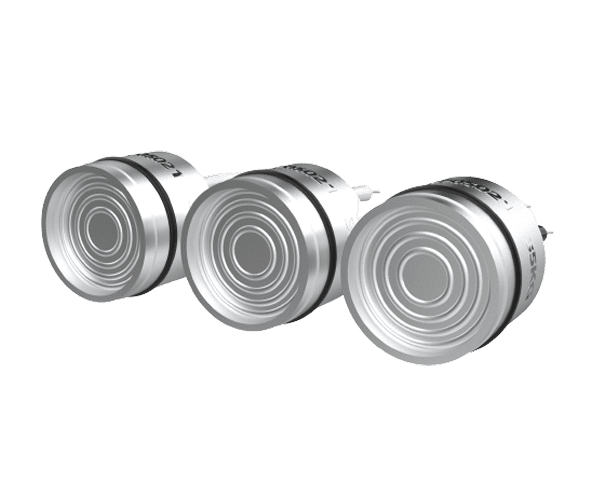
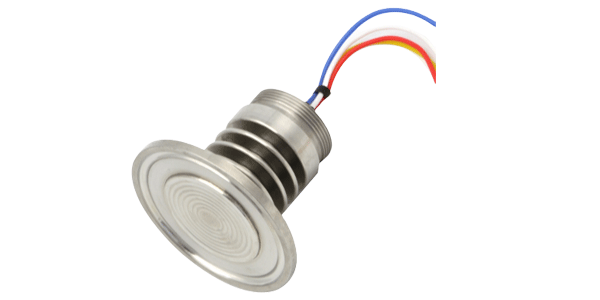
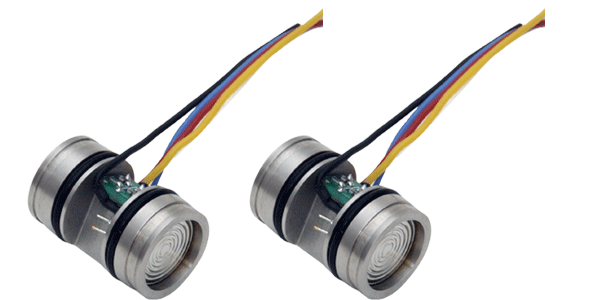
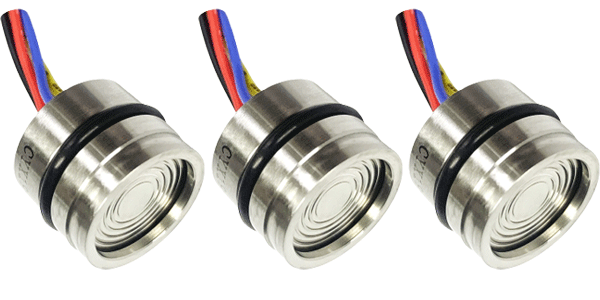
Hydrostatic water level sensors are always the first choice for industrial users because they are very accurate and reliable, and they use a simple but effective monitoring principle. Ultrasonic or capacitive sensors have trouble with foam, turbulence, or mist interference. Hydrostatic sensors, on the other hand, directly measure the static pressure of the liquid column and turn it into accurate level readings. This pressure-based method makes sure that performance stays the same even in tough conditions like dirty fluids, high temperatures, or difficult process conditions. Because these sensors are well-made and easy to install, they have little downtime and low maintenance costs. This makes them the best choice in industries like pharmaceuticals, chemicals, wastewater treatment, and the oil and gas business, where accurate measurements directly affect safety and efficiency.
Understanding Hydrostatic Water Level Sensors and Their Industrial Applications
The Working Principle Behind Hydrostatic Measurement
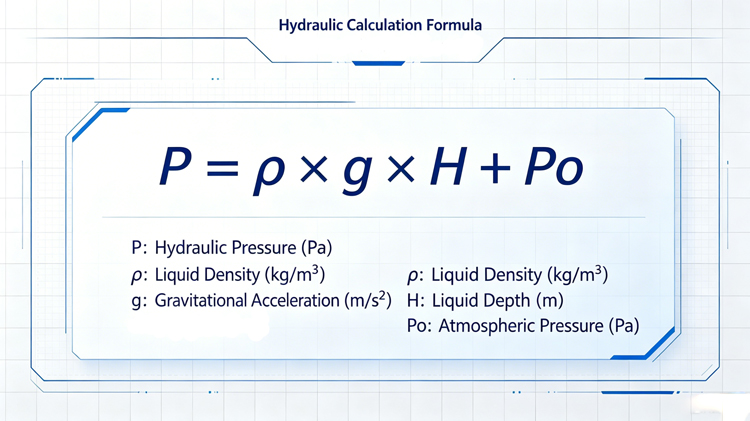
Hydrostatic water level sensors work by using a basic rule of physics: as the depth of the liquid goes up, so does the static pressure. The sensor measures the pressure of the liquid column above it when it is immersed in a tank or container. The formula for the relationship is P = ρ × g × H + Po, where P is the pressure at the sensor's surface, ρ is the density of the liquid, g is the speed of gravity, H is the depth below the surface of the liquid, and Po is the pressure in the air. This pressure reading directly leads to a correct level reading, no matter how the tank is shaped or what the surface conditions are like.
Critical Industrial Applications
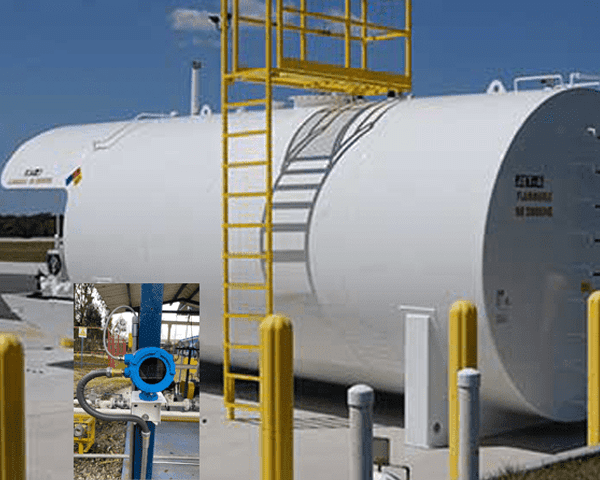
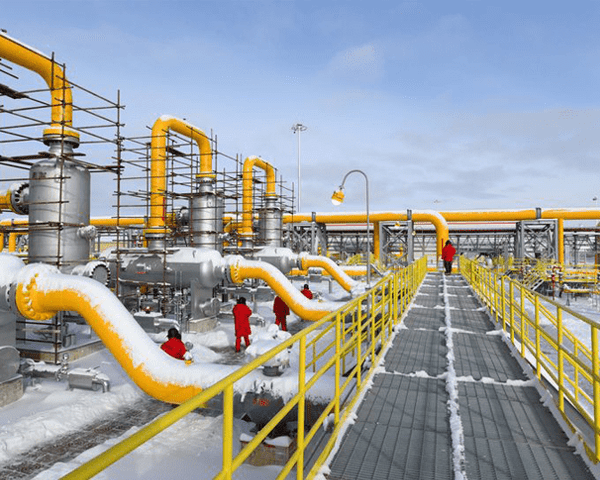
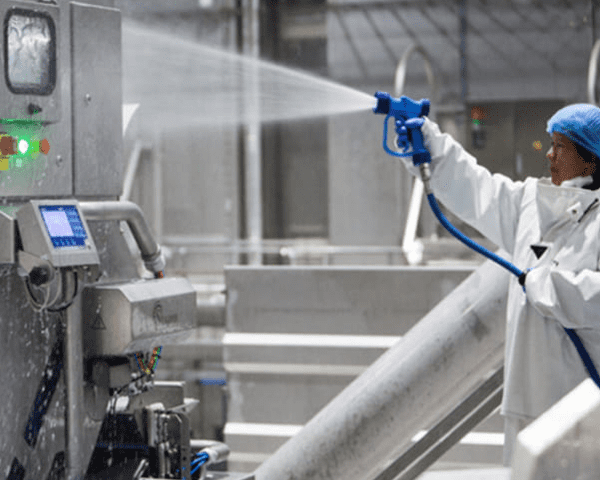
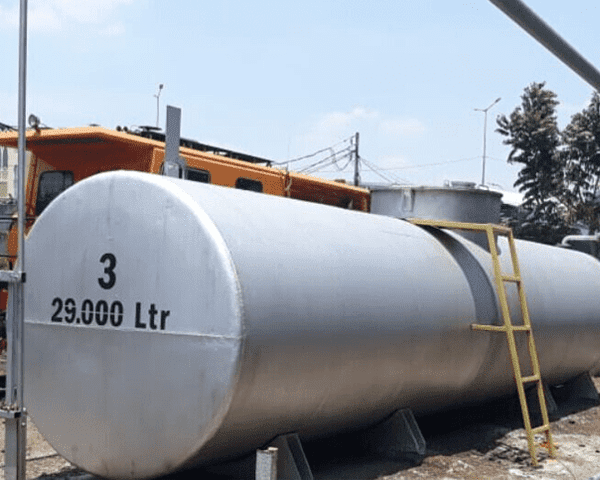
Industries that need to keep an eye on levels all the time have adopted hydrostatic sensing technology in large numbers. These sensors are used by wastewater treatment plants to keep track of collection tanks, settling basins, and clarifiers. Accurate readings keep overflows from happening and make treatment processes run more smoothly. Chemical and oil companies use hydrostatic sensors in storage tanks that hold toxic or thick liquids when other methods of measurement don't work. To meet strict quality standards, pharmaceutical companies need stainless steel hydrostatic sensors that are accurate and easy to clean. These sensors are put in reservoirs, pumping stations, and distribution networks by water companies to make sure that supply management is always the same.
Integration with Modern Control Systems
These days, hydrostatic sensors work well with SCADA systems, PLCs, and distributed control frameworks. They send out common industrial signs like 4-20mA analog current loops or digital protocols like Modbus and HART, which makes it easy to connect to automation systems that are already in place. This compatibility makes execution easier and lets operators use level data as part of bigger methods for controlling processes. The steady signal output makes contact reliable even in noisy industrial settings, helping with both local tracking and activities in a central control room.
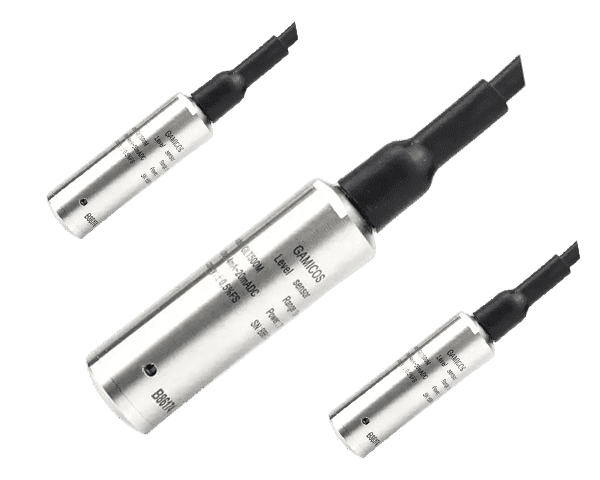
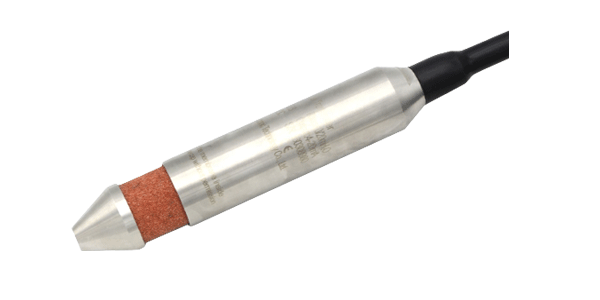
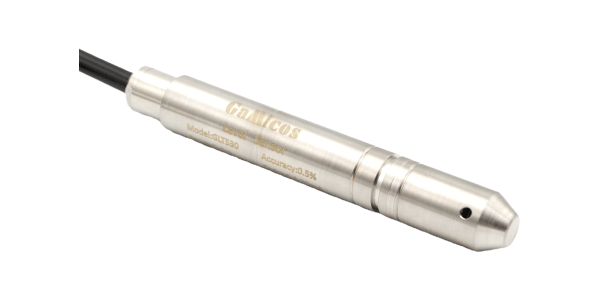
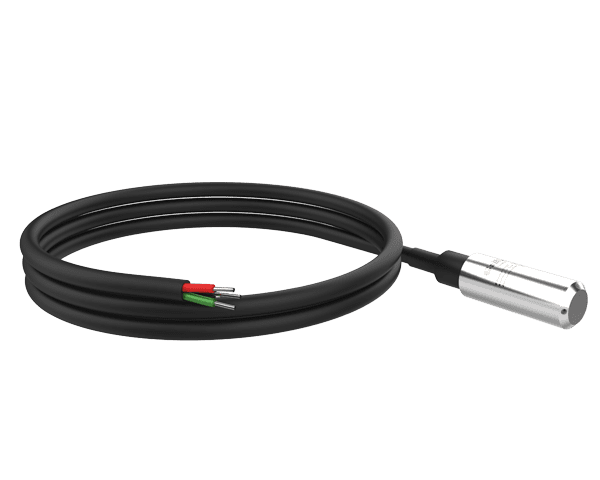
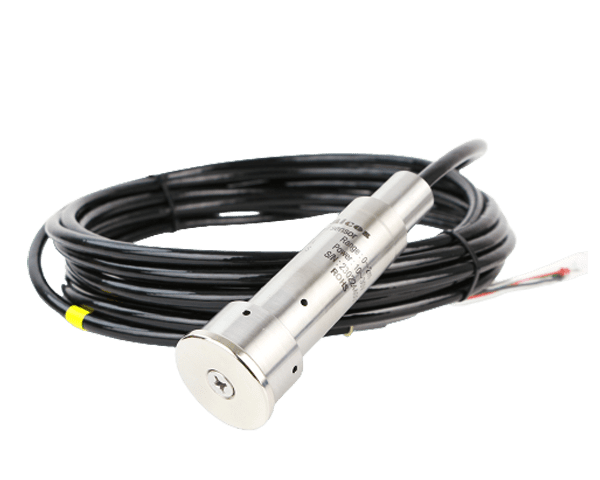
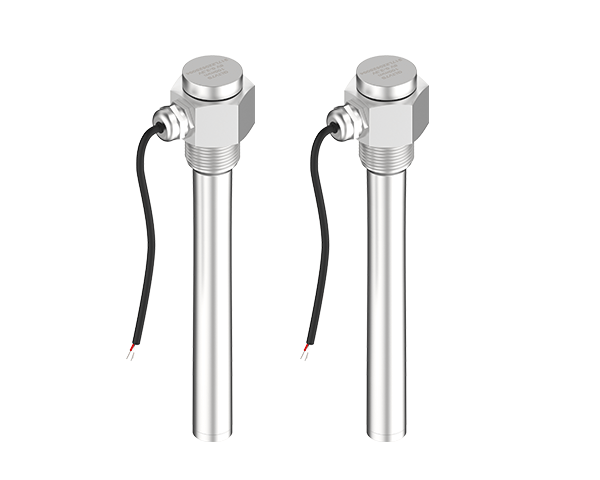
Most of the time, hydrostatic sensors can measure accurately within ±0.25% to ±0.5% of full scale, which is better than many other technologies. The direct pressure measurement method gets rid of factors that can change non-contact methods, like how sound velocity changes with temperature in ultrasound sensors or how dielectric constant changes in capacitive designs. Because of this, results stay the same even when process conditions change, so there is no need to re-calibrate the device often. The GAMICOS GLT500 submersible water level sensor is a great example of this level of accuracy. It has a high-reliability silicon piezoresistive pressure sensor core that can automatically adjust for temperature and a customizable digital circuit adjustment that keeps the sensor accurate across its entire working range.
Resilience in Harsh Operating Conditions
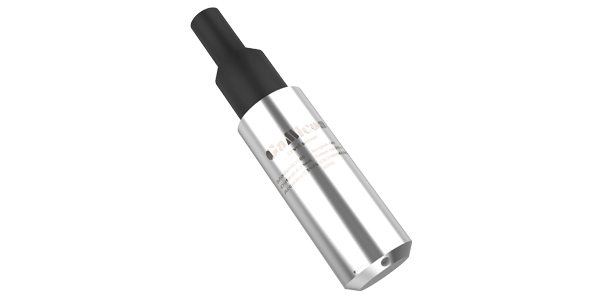
There are a lot of problems that less reliable measurement systems have to deal with in industrial settings. It's amazing how well hydrostatic sensors can handle typical problems like mechanical shaking, changes in pressure, and electrical noise. Their solid-state pressure measuring elements don't have any moving parts, so they don't have the wear-related problems that happen with float-based systems. The all-stainless steel design makes it very resistant to rusting from harsh chemicals, and the fully waterproof sealed circuit technology keeps electronics from getting wet. Devices like the GLT500 have a multi-layer safety structure that makes them last longer, even in gritty slurries or fouling liquids that would quickly stop optical or ultrasonic alternatives from working.
Simplified Installation and Maintenance
An important practical benefit is how easy it is to install. To mount a hydrostatic sensor, all you have to do is make sure it is at the right measurement level and that the cables for the vented tube are properly organized. This will account for changes in the air pressure. Ultrasonic sensors need to be carefully aligned and have clear sight lines, while radar devices need special fitting flanges. This process is very different. The sensor doesn't need much maintenance because it can be submerged and has features that keep liquid from clogging the entryway. When it's time for regular cleaning, all that needs to be done is simple removal and rinse, not complicated teardown or optical surface polishing.
Comparing Hydrostatic Sensors with Other Water Level Technologies
Technology
Measurement principle
Foam / turbulence / vapour
Depends on media properties?
Moving parts
Typical accuracy
Relative cost
Hydrostatic (GLT500)
Static pressure of liquid column
Unaffected
No — independent of dielectric constant
None
±0.25–0.5% FS
$$
Ultrasonic
Sound time-of-flight
Scattered — reading errors or signal loss
Sound speed varies with temperature
None
Moderate, needs compensation
$–$$
Capacitive
Capacitance change between probes
Affected by probe build-up
Yes — dielectric constant & conductivity
None
Requires recalibration when media changes
$$
Float switch
Mechanical displacement
Sticks when fouled
No
Yes — wears out
Discrete only, not continuous
$
Advantages Over Ultrasonic Measurement
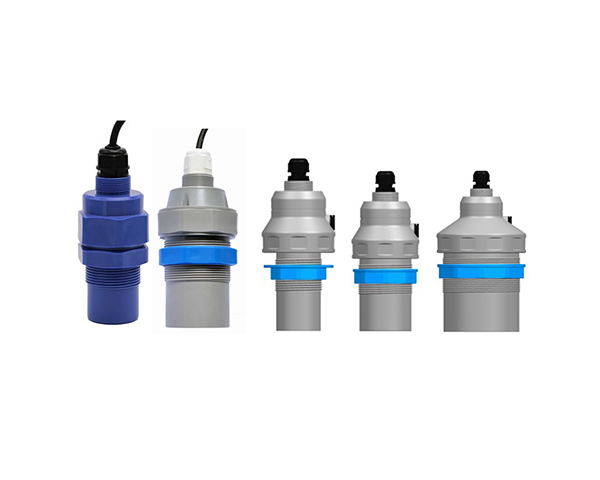
Ultrasonic devices can measure without touching the object being measured, but they have a lot of problems when used in industrial settings. Vapor, foam, and wind can scatter ultrasonic waves, which can lead to readings that aren't accurate or even signal loss. Changes in temperature affect the speed of sound, so it needs to be constantly compensated for. Over time, dust building up on sensor surfaces makes them work less well. Hydrostatic sensors don't have to deal with any of these problems because they measure pressure below the surface of the liquid, so they aren't affected by changes on the surface or in the air. This main difference is why wastewater plants that deal with foaming activated sludge and factories that work with flammable liquids choose hydrostatic technology even though ultrasound sensors cost less at first.
Superior Performance Compared to Capacitive Sensors
As the level of the liquid changes, capacitive level sensors pick up on changes in the electrical capacitance between the probes. They work well for clean liquids in controlled settings, but they have trouble with changes in conductivity, layer buildup, and drift in calibration. When process fluids change, the capacitance readings need to be re-calibrated because they are affected by different liquids. Since hydrostatic sensors measure exact pressure and don't depend on the electrical properties of the liquid, they can give accurate results in a wide range of fluids without having to be re-calibrated. This flexibility is very useful in facilities that make more than one product and in processes that use liquids with different densities.
Reliability Beyond Float Switch Limitations
Float switches are good for finding high and low levels, but they aren't accurate enough for ongoing measurements that are needed for inventory management and process control. When dirt and grime build up on mechanical links, they get stuck or break when harmful liquids hit the materials. Hydrostatic water level sensors give off a steady analog signal across the whole measurement range, and they don't have any moving parts that could break. The GLT500 has a number of different pressure ranges and signal output settings that let it work as both a discrete warning and a proportional control device. This means that it can replace multiple float switches while making the system more reliable.
Selecting and Procuring Hydrostatic Water Level Sensors: What Industrial Buyers Need to Know?
Critical Specification Parameters
When choosing hydrostatic water level sensors, sourcing managers and tech teams need to look at a number of important criteria. The measurement range should be the same as the tank level plus a safety cushion. Depending on the application, this can be anywhere from 0.5 meters to over 400 meters of water column. Different fields have different accuracy needs. For example, pharmaceutical uses may need accuracy within 0.1%, while large chemical storage can handle accuracy within 0.5%. Another important thing to think about is how well the materials will work together. 316L stainless steel can handle most industrial fluids, but highly toxic chemicals may need special alloys or coats. The type of output signal needs to work with the current control system. The most common type of output signal is 4-20mA, but digital methods are becoming more and more useful for Industry 4.0 projects.
0.5 m to 400 m H2O — multiple pressure ranges available
Output signal
4-20mA analog; Modbus and HART digital protocols
Wetted material
Stainless steel 316L (special alloys or coatings for aggressive media)
Cable options
Standard PVC jacket; oil-resistant, acid-alkali-resistant or high-strength vented cable
Electrical connection
Flying leads, industrial connectors or junction box terminations
Key features
Self temperature compensation, customizable digital circuit adjustment, anti-clogging liquid entry, vented tube for atmospheric compensation
Customization Options for Specific Applications
OEM makers and system designers often need combinations that aren't available in the catalog. Cable characteristics have a big effect on how well a sensor works. For example, standard PVC jackets are fine for water applications, but oil-resistant, acid-alkali-resistant, or high-strength venting cables are better for other uses. The GLT500 has different cable specs that make it suitable for use in a wide range of conditions, including chemical, wastewater, and oil and gas. Customizing the pressure range makes the sharpness and precision work best for different tank shapes. Different building needs can be met with different types of electrical connections, such as flying leads, industrial connectors, or junction box terminations. GAMICOS offers full OEM and ODM services that let models, parameters, packing, and paperwork be fully customized to meet the needs of a wide range of markets.
Evaluating Suppliers and Support Capabilities
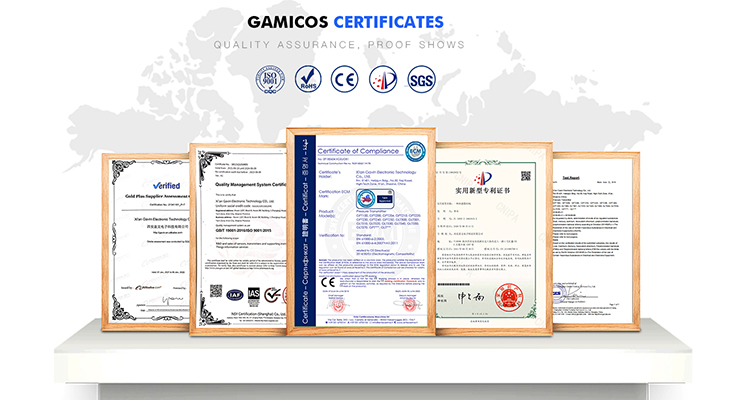
Effective buying includes more than just specifying the goods. It also includes evaluating the suppliers. Being able to offer in bulk and having reliable shipping plans are important for keeping projects on time and managing distributor inventory. International standards like CE, RoHS, and ISO compliance make sure that all target markets accept the product as safe. Having access to technical support helps with choosing the right product, getting it installed, and fixing problems throughout the duration of the sensor.
GAMICOS has a professional technical support team that can help with these important steps, which improves sensor function. Long-term financial value is protected by the quality of after-sales service, such as guarantee terms, repair capabilities, and calibration services. Suppliers with a lot of experience who work with clients in 98 countries, like GAMICOS, have shown they can solve real-world problems in a way that works for a wide range of uses and regional needs.
Troubleshooting and Optimizing Hydrostatic Water Level Sensor Performance
Common Challenges and Solutions
Even though they are built to last, hydrostatic water level sensors sometimes have problems that need to be fixed in a planned way. Reading drift is usually a sign of a sensor zero shift caused by changes in temperature or problems with compensating for changes in air pressure. Most adjustment problems can be fixed by making sure the venting tube stays clear and dry. When real sensor drift happens, recalibration brings back the accuracy. Electrical noise that gets into signal lines can cause readings to be off. Interference can be avoided by properly grounding and installing insulated cables. Complete signal loss is usually caused by damaged cables or connections that have corroded, not by a broken sensor. Most problems can be quickly found by checking the connections and consistency.
Preventive Maintenance Practices
Regular repair keeps sensors working well and extends their life. If you check on the state of the wire on a regular basis, you can find insulation damage or wear before it breaks. Cleaning the sensor diaphragm gets rid of any sediment or biofilm that has built up and could stop the pressure from being sent, especially in sewer or biological process settings. Verification testing against known reference values makes sure that the accuracy stays the same and finds any calibration drift before it affects the control of the process. Keeping track of maintenance tasks and performance patterns helps with planned repair methods that avoid unplanned downtime. The GLT500's anti-clogging liquid entry design and pressure vent holes especially lower the frequency of upkeep by stopping the buildup of fouling.
Advanced Integration for Predictive Analytics
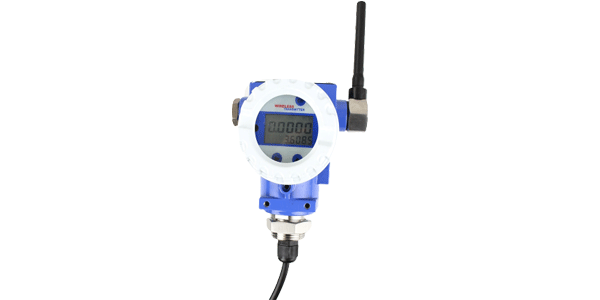
More and more, modern industrial operations use sensor data for more than just controlling the process. When hydrostatic sensor outputs are added to IoT ecosystems, they can be monitored from afar and used for past trends and predictive analytics. LoRa, GPRS, NB-IoT, or 4G wireless communication units let you send level data from far away without having to invest in infrastructure for connected networks. Cloud-based platforms look at trends to find problems before they happen. For example, a slow change in readings could mean that a sensor is wearing out and needs to be replaced during scheduled maintenance instead of an emergency. This strategic method cuts down on unplanned downtime and makes the best use of maintenance resources while ensuring that all facilities have the best sensor performance and operating dependability.
Conclusion
Hydrostatic water level sensors are the best way to measure levels in industrial settings because they are reliable, accurate, and easy to use. The pressure-based measurement method works the same way every time, even when there are surface conditions, mist, or foam that make other technologies less useful. Strong building can handle harsh chemicals, motor stress, and extreme weather conditions with little upkeep. Hydrostatic sensors are at the heart of both standard process control and new Industry 4.0 projects because they work well with current control systems and IoT platforms. Industrial buyers should work with experienced makers that offer customization options, full support, and a history of reliable global supply when choosing sensors for important purposes.
Frequently Asked Questions
Q1: What kinds of businesses can use hydrostatic water level sensors the most?
Industries that use hydrostatic water level sensors include those that clean up trash, refine oil, make chemicals and medicines, make food and drinks, make electricity, and run water services. The strong performance of hydrostatic technology makes it useful for any task that needs exact level measurement in tough situations like corrosive chemicals, high temperatures, or dirty fluids.
Q2: How do hydrostatic sensors compensate for atmospheric pressure changes?
Hydrostatic sensors have a venting tube inside the wire that measures the pressure at the top of the liquid compared to the air outside. This design takes into account changes in barometric pressure and changes in pressure in sealed tanks, so the sensor only counts pressure from the depth of the liquid. For correct compensation, proper care of the venting tubes is still very important.
Q3: Can hydrostatic sensors measure levels of different liquids without recalibration?
Hydrostatic sensors measure pressure, not level directly. The link between pressure and level changes in the same way that the density of the liquid does. For applications where the density of the fluid stays the same, straight level readings are enough. But for applications where the density of the fluid changes, either manual calculation or an integrated density measurement is needed to get a correct level reading.
Q4: What measurement ranges are available for industrial hydrostatic sensors?
It is possible for hydrostatic sensors to measure water levels from as little as 0.5 meters in small tanks to 400 meters or more in deep wells. The GLT500 has a number of different pressure ranges that can be used for different tasks. This lets you get the best sharpness and accuracy for each job.
Partner with GAMICOS for Reliable Hydrostatic Level Measurement Solutions
GAMICOS specializes in making precise hydrostatic water level sensors that are used in tough industrial settings all over the world. Our GLT500 submersible sensor uses tried-and-true silicon piezoresistive technology, is completely waterproof, and comes with a range of wire choices that can be changed to fit your needs. As a maker of water level sensors with years of experience and customers in 98 countries, we know how important it is for your business to have accurate measurements. Our engineering team offers full technical help from the time you choose a product until it is installed and is still being serviced. GAMICOS gives your projects the quality, speed, and support they need, whether they need standard setups that can be sent right away or OEM solutions that are made just for them.
Contact us at info@gamicos.com to talk about your measurement needs and find out how our knowledge can help you get the most out of your level tracking tools.
References
1. Blevins, T.L., McMillan, G.K., Wojsznis, W.K., & Brown, M.W. (2016). Advanced Control Foundation: Tools, Techniques and Applications. International Society of Automation.
2. Lipták, B.G. (2018). Instrument Engineers' Handbook, Volume One: Process Measurement and Analysis (5th ed.). CRC Press.
3. Webster, J.G., & Eren, H. (2014). Measurement, Instrumentation, and Sensors Handbook: Spatial, Mechanical, Thermal, and Radiation Measurement (2nd ed.). CRC Press.
4. Dunn, W.C. (2020). Introduction to Instrumentation, Sensors, and Process Control. Artech House.
5. Hughes, T.A. (2019). Measurement and Control Basics (5th ed.). International Society of Automation.
6. Morris, A.S., & Langari, R. (2021). Measurement and Instrumentation: Theory and Application (3rd ed.). Academic Press.
GAMICOS, a leading Chinese OEM, manufactures corrosion‑resistant submersible level transmitters (GLT570) for harsh industrial environments. Combining ceramic/PTFE technology, customizable venting cables, and full OEM support, the company serves automation, chemical, water, and energy sectors globally. Backed by ISO/CE certifications and responsive after‑sales, GAMICOS offers cost‑efficient alternatives to major Western brands