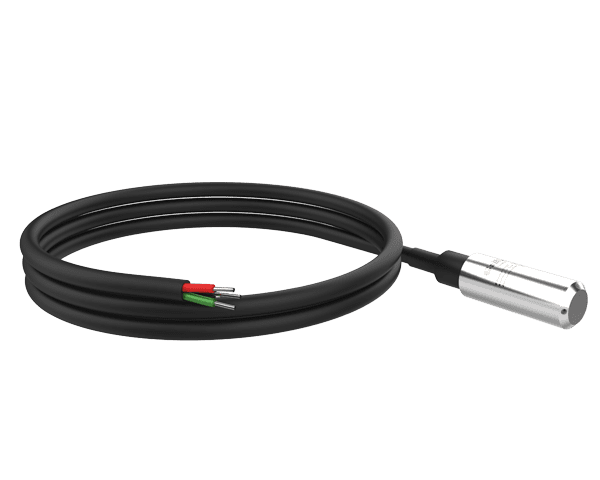
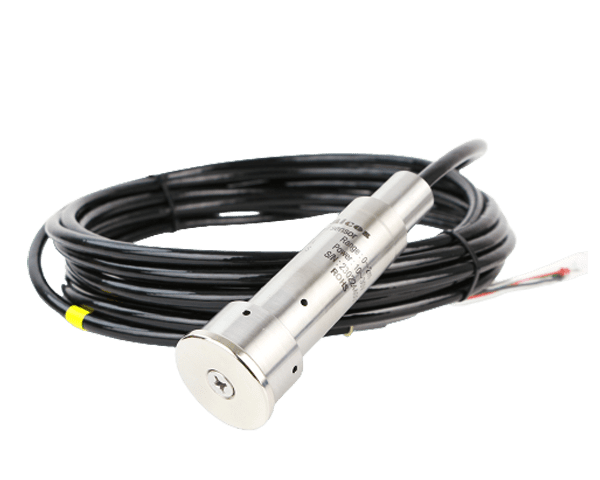
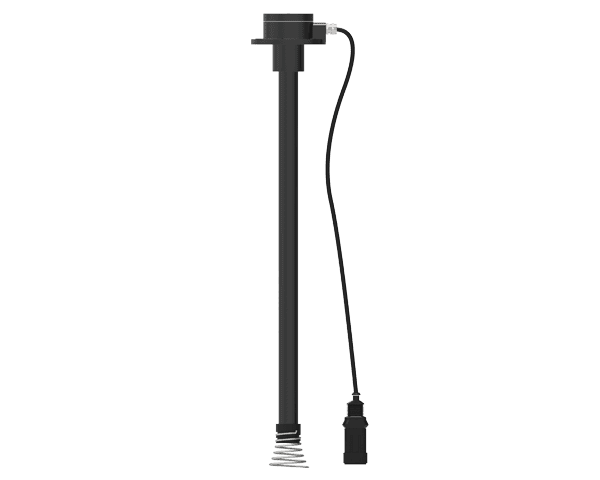
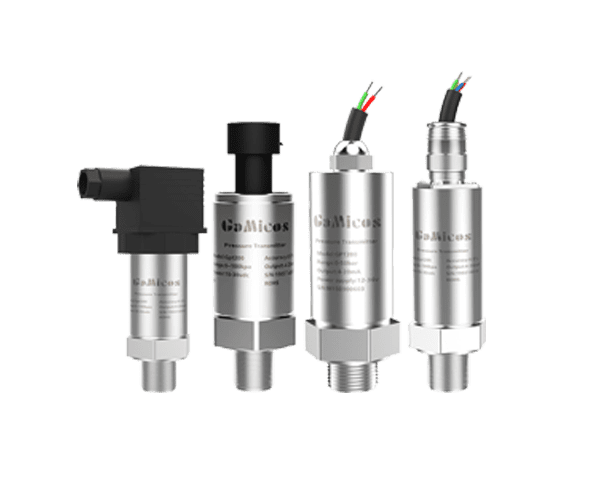
OEM makers in the oil, chemical, pharmaceutical, water treatment, and industrial automation industries always choose waterproof pressure sensors to solve important measurement problems in tough settings. Unlike regular waterproof pressure sensors, submersible versions can measure pressure continuously and accurately even when they are submerged in liquids. They can be used in both clean water systems and harsh sewer uses. These special sensors use advanced sealing technologies, strong building materials, and reliable signal exchange to stay accurate over time, even in tough environments. Submersible pressure sensors are essential for OEM product lines that need reliable tracking of liquid level and pressure because they are easy to integrate, can be customized, and have a history of lasting a long time. This article talks about why procurement managers, engineering teams, and research and development (R&D) experts around the world choose these sensors for new automation projects, equipment updates, and customizing OEM modules.
Understanding Submersible Pressure Sensors and Their Working Principles
What Defines a Submersible Pressure Sensor?
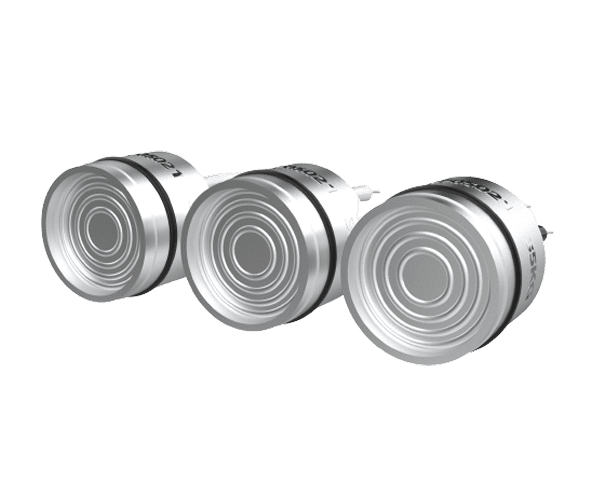
There is a special type of measuring tool called a submersible pressure sensor that is designed to work continuously while fully submerged in liquids. The main difference between these and other waterproof pressure sensor types is that they can survive sustained water pressure at different depths while still measuring accurately. These sensors are made to withstand not only surface wetness but also full submerging. They are often rated to IP68 standards or higher, which means that no liquid can get in even if they are used underwater for a long time. The design includes housings that are completely sealed. These are usually made of 316L stainless steel or titanium, which doesn't rust in harsh environments like rainwater, brine, and industrial waste.
Core Measurement Technologies Explained
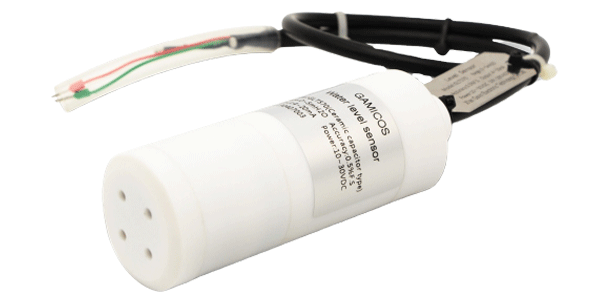
Most submersible pressure monitors work with piezoresistive technology, which uses pressure cores made of diffused silicon as the responsive part. When you put pressure on the silicon cushion, the integrated resistors' electrical resistance changes. This creates an electrical signal that can be measured and is related to the pressure that was applied. This idea gives great accuracy and sensitivity over a large measurement range. Another way is to use capacitive measurement technology, which changes the capacitance between two electrical plates by movement of the diaphragm caused by pressure. When used for low-pressure tasks, this method is very accurate, and it stays stable at higher temperatures longer than some resistance designs.
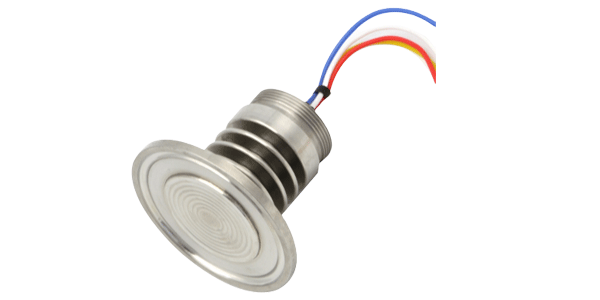
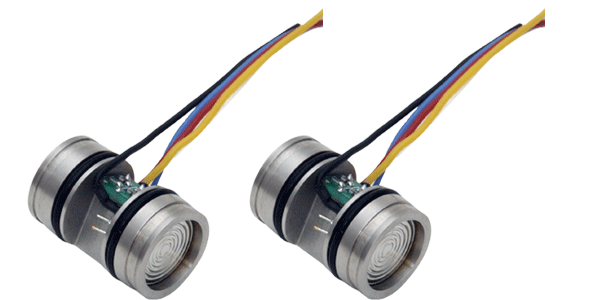
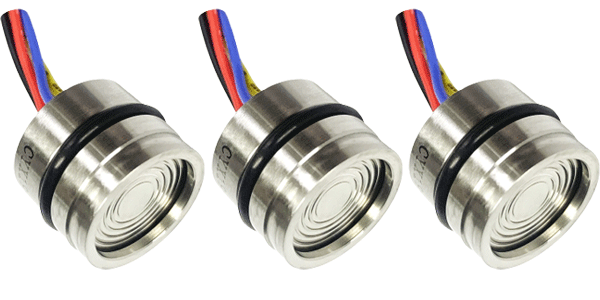
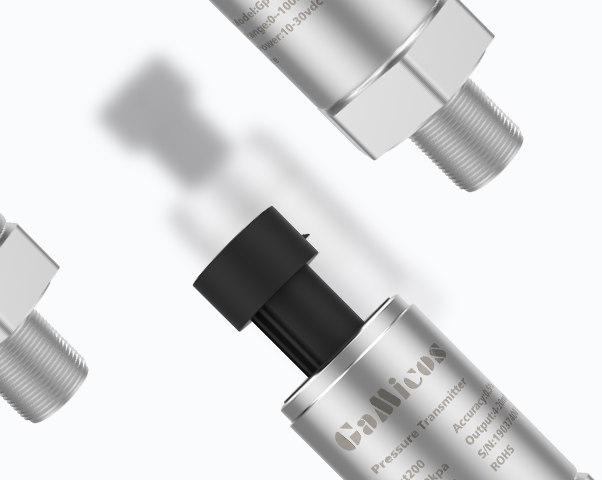
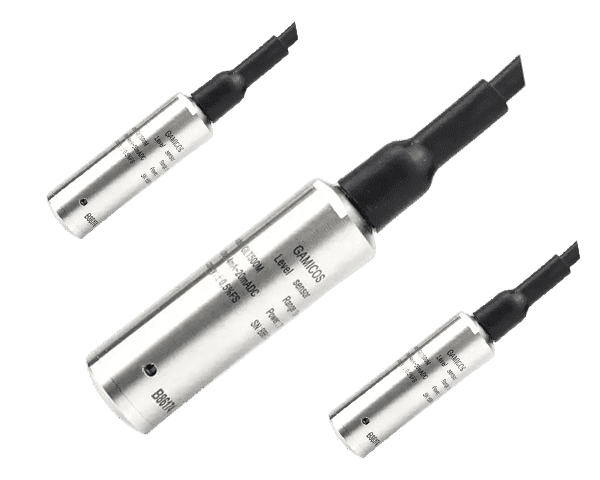
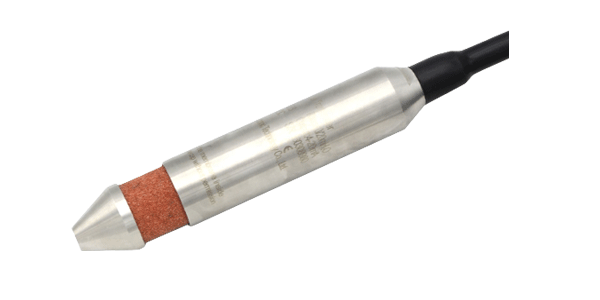
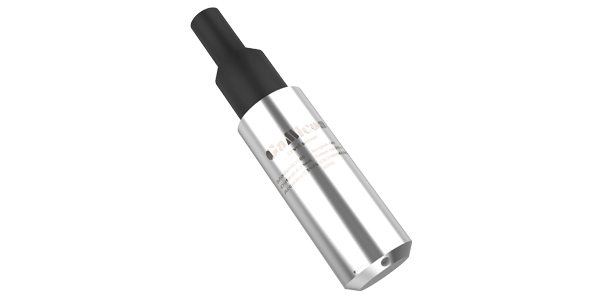
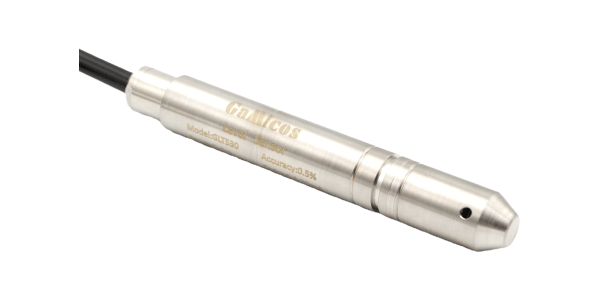
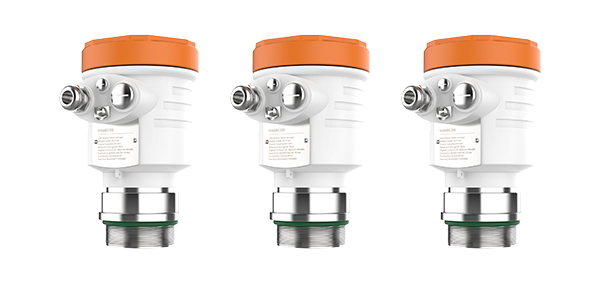
This piezoresistive method is shown by the GAMICOS GPT203 underwater pressure sensor. Its spread silicon pressure core accurately records changes in pressure, and the circuit inside turns the raw millivolt signals into standard voltage and current outputs that can be used with PLCs, SCADA systems, and display instruments. This signal filtering gets rid of the need for external amplification, which makes system integration easier and lowers the number of places where something could go wrong.
Materials and Engineering Solutions for Harsh Environments
For underwater uses to last, the materials must be carefully chosen and the engineering must be perfect. The 316L stainless steel isolation diaphragm used in high-quality underwater sensors is very resistant to corrosion caused by chloride. This means that they can be used in coastal settings, chemical plants, and public water systems. This choice of material keeps pitting and stress rust cracks from happening, even after years of being exposed to the elements nonstop.
Cable design is another important technical factor to think about. In addition to signal wires, connection cords have a releasing capillary that connects the sensor to the air pressure outside, which allows for accurate gauge pressure measurement. To keep water out, the point where the wire enters the system needs to be hermetically sealed. This is usually done with laser welding or special compression fittings. The materials used to cover cables must be able to withstand damage from UV light, chemicals, and wear and tear from installation.
Why OEM Manufacturers Prefer Submersible Pressure Sensors?
Addressing Critical Operational Challenges
When making equipment for businesses that need reliable liquid pressure monitoring, original equipment makers (OEMs) keep running into problems. When traditional ways of measuring pressure are subject to condensation, splash zones, or full soaking, they often don't work. This can cause devices to fail early, measurements to drift, and expensive repairs to be needed. These weaknesses are built into waterproof pressure sensors, so OEMs can safely put their equipment in wells, tanks, pipelines, and bodies of open water without having to come up with complex external safety plans.
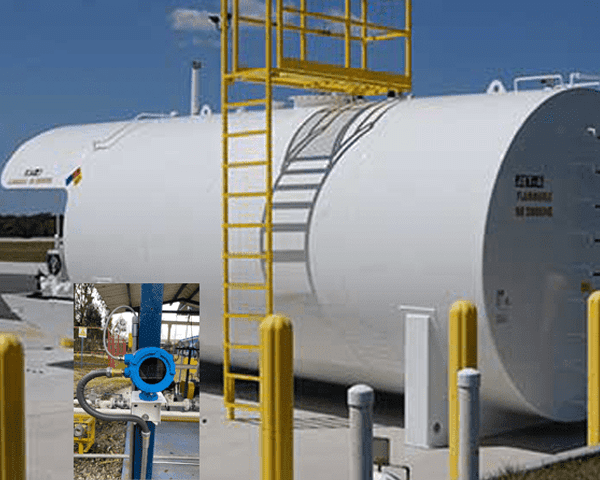
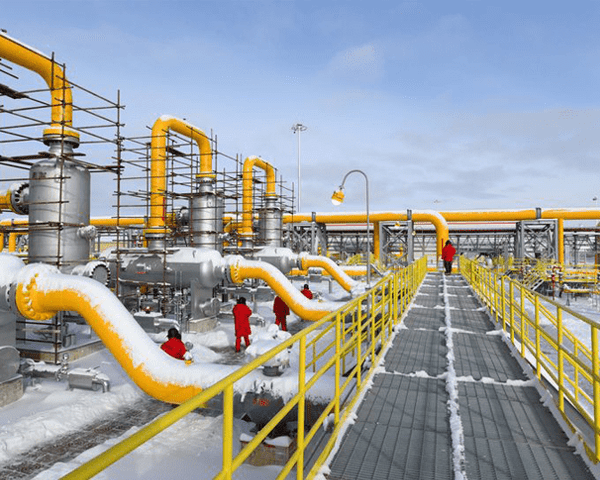
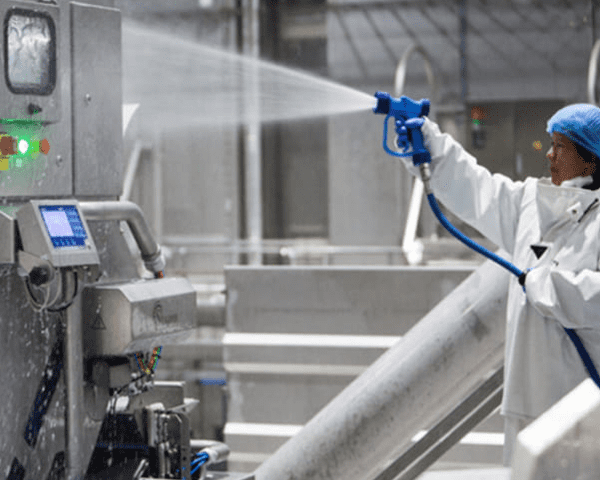
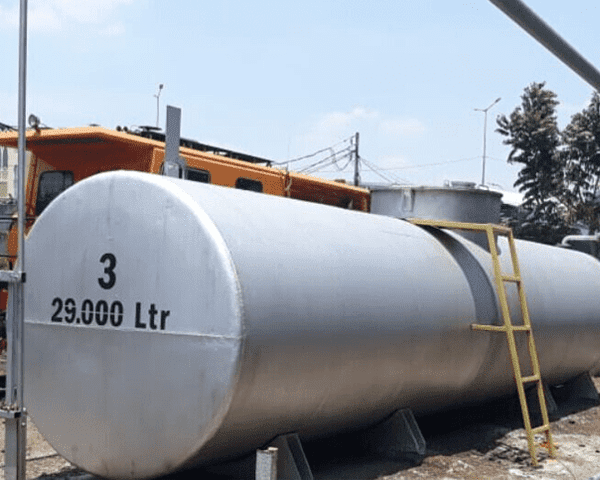
There is more to the practical value than just water protection. Submersible sensors are used in wastewater treatment plants to measure the amount of sludge and pump pressure, even though they are exposed to bacterial fouling and hydrogen sulfide gases. These gadgets are used by oil storage sites to keep an eye on tank levels in unstable environments. Manufacturers of food and drinks rely on underwater sensors to measure pressure in a way that is compatible with clean-in-place (CIP) and can withstand repeated high-temperature washdowns.
Robust Sealing and System Integration Benefits
The high level of engineering that goes into current submersible sensors gives OEM makers real benefits when it comes to integration. The small, drop-in installation design makes it easier to place the equipment and reduces its overall size. OEMs don't have to build complicated external amplification circuits because signal processing happens inside the sensor housing. This lowers the cost of the bill of materials and makes assembly easier.
Another benefit of merging is that it makes output more flexible. Most submersible sensors have more than one output type, such as voltage, current loop (4-20mA), or digital protocols, so they can work with a wide range of control systems. The 4-20mA current loop standard is great for sending signals over long distances because it keeps the signal strong even over hundreds of meters of wire capacitance and electromagnetic interference. This feature lets a single location keep an eye on multiple pressure measuring points without signal loss.
🔹 Key benefits of GPT203 underwater transmitter for OEMs:
-
IP68 Waterproof Rating – certified for ongoing submersion & high-pressure jets.
-
Strong Anti-Interference – differential signal processing blocks electrical noise.
-
High Stability & Low Drift – tough screening & accelerated aging reduce recalibration.
-
Compact Dimensions – fits in tight equipment (pump controls, mobile stations).
-
Full Range Coverage – absolute, gauge, sealed gauge references.
-
OEM Customization – pressure ranges, connections, cable length, materials, protocols.
Future-Proofing Through Innovation and Customization
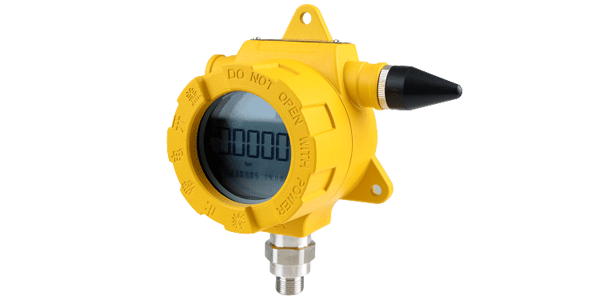
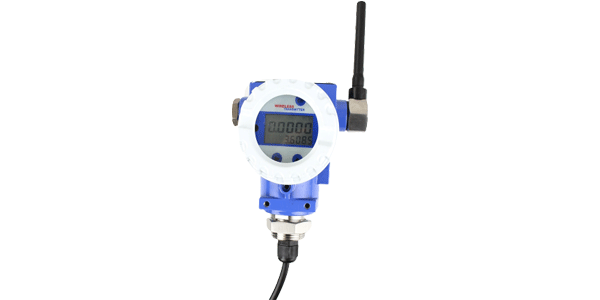
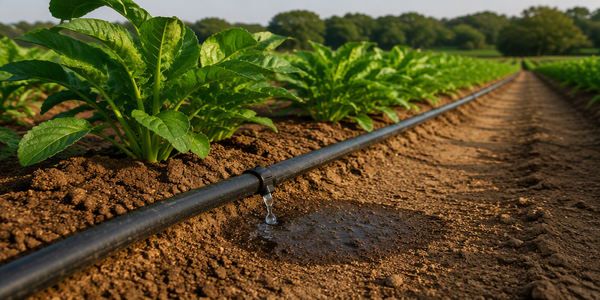
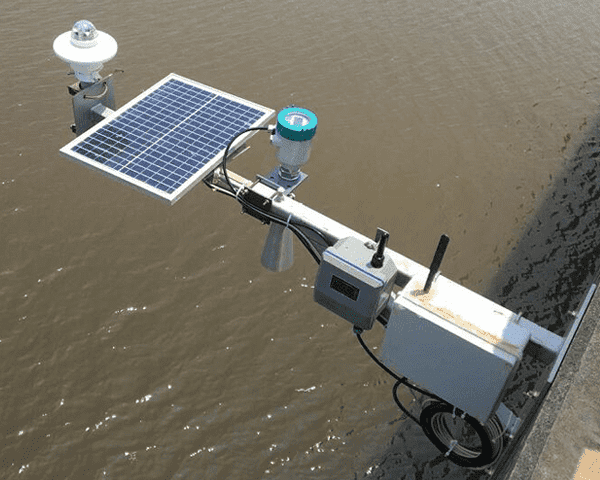
Intelligent sensor systems are in high demand because of the move toward Industrial IoT (IIoT) and smart manufacturing. These days, submersible pressure monitors have more and more wireless connection choices, such as LoRa, NB-IoT, and 4G cellular communication. This lets them be monitored from afar without having to install expensive wired infrastructure. This wireless feature works well for tasks like watching a distributed water network, managing irrigation in agriculture, and keeping an eye on the environment that can't be done with standard cables because they are too expensive or not realistic.
When OEM makers work with sensor suppliers that offer full customization services, they can make their goods stand out and meet the needs of niche markets. Customization goes beyond just changing parameters; it also includes using special housing materials that are very compatible with chemicals, temperature compensation that works over a wider range of temperatures, and calibration curves that are made for each application. Because of this, OEMs can make products that are specifically designed for developing markets and niche industrial groups.
Comparing Submersible Pressure Sensors with Standard and Other Waterproof Sensors
Operational Environment and Durability Distinctions
Standard pressure sensors made for dry industrial settings usually have an IP65 or IP67 grade, which protects them from dust and short-term water contact like rain or washdowns. But long-term submersion lets water in through cable holes or housing seams, which messes up measurements and hurts electronics. This problem isn't a problem with submersible sensors because they have hermetic closing and waterproof pressure sensor housing designs that work consistently when submerged in water for a long time at certain depths.
Waterproof pressure sensor terms can be hard to understand because it includes both splash-proof and fully submersible units. Real underwater sensors can handle hydraulic pressure at the depths they are rated for, which are usually 10, 50, or 100 meters. Not only does the housing and wire construction keep water out, but they also keep out the compressive forces that are at deep. Standard waterproof sensors might be able to keep out surface wetness, but they don't have the structure support needed for deep submersion uses.
Another important difference is long-term water resistance. Submersible sensors are immersed for long periods of time, usually 1000 hours or more, to make sure the seals are still intact and the measurements stay stable when they are constantly wet. This test makes sure that performance will be stable over usage periods of several years. Basic waterproof sensors might pass the initial plunge tests, but their seals will slowly break down when they are exposed to chemicals, changing temperatures, and mechanical stress that happen in real life.
Wired Versus Wireless Submersible Configuration Trade-offs
In industrial settings that need high stability, constant power, and real-time data transfer, wired submersible sensors are the most common choice. The physical cable link offers both power and signal exchange, so you don't have to worry about replacing batteries and can sample data at a high frequency. Cables can be hundreds of meters long, which lets centralized control rooms keep an eye on deep wells, big storage tanks, and pipelines that are far away. The GPT203's standard outputs for voltage and current work with existing industrial control systems without the need to convert protocols.
Installing wireless submersible devices is more flexible, which is helpful for temporary tracking, retrofitting, or places where running cables would be hard or cost a lot. Wireless units that are driven by batteries get rid of the need for trenches and allow for quick placement. But because batteries only last so long, they need to be serviced every so often, which can be hard to do in sites that are deeply buried or forever flooded. In metal tanks or underground sites, where radio signals weaken a lot, wireless communication may not work as well as it should.
Different things affect how accessible data is as well. For closed-loop control systems that need millisecond reaction times, wired sensors can send data continuously. Wireless sensors usually send numbers at regular intervals, which can be seconds to hours apart. This is enough for tracking and analyzing trends, but not so good for controlling things right away. When selecting sensor configurations, OEM equipment makers have to weigh these trade-offs against the needs of the application.
Assessing the Reliability of Suppliers and the Performance of Products
When procurement teams look for submersible sensors, they come across many makers with what seem to be similar specs. To tell the difference between real success and marketing claims, you need to look at a number of credibility signs. Certification paperwork is concrete proof that foreign standards have been met. Sensors with CE marks, RoHS compliance, and ISO 9001 production certifications show that they follow quality management systems and government rules.
Data on performance evaluation gives us another way to evaluate. Suppliers with a good reputation give thorough accuracy specs across a range of working temperatures, long-term stable data from accelerated aging tests, and burst pressure rates that set safety margins. Concerns about buying should be raised when specs aren't clear or when supporting documents aren't available.
Being able to see how the product is made builds trust in its stability. Suppliers who use thorough component screening, recorded stress-relief processes, and thorough environmental testing can predict how well their products will work in the field more accurately than those who only use sampling checks. GAMICOS uses cyclic loading to relieve stress, longer aging routines, and outdoor simulation testing on every production batch. This makes sure that the reliability is the same for big orders.
Procurement Considerations for OEM Manufacturers
Establishing Selection Criteria Based on Application Requirements
To choose the best waterproof pressure sensor, you must first be clear about the measurement requirements and the setting in which the sensor will be used. Operating depth, liquid temperature range, and media suitability are basic conditions that get rid of sensor types that don't work well. Chemical makeup is a big factor in choosing the right material. For example, diaphragms made of tantalum or Hastelloy are needed for aggressive acids, while normal 316L stainless steel is fine for neutral water uses.
To meet accuracy standards, measuring accuracy must be weighed against cost concerns. For uses that need full-scale accuracy within ±0.25%, high-end sensor types with better linearity and temperature adjustments are needed. For tracking tasks that aren't as important, ±0.5% or ±1.0% accuracy may be fine at much lower prices. Knowing what the real accurate need is keeps you from over-specifying and spending too much money on something that isn't needed.
The style of the electrical output should match the infrastructure of the current control system. Current loop monitors are useful for systems that already have 4-20mA input cards because they keep expensive signal conversion units from being needed. Applications that need to communicate digitally can choose from MODBUS RTU, HART protocol, or other digital interfaces that offer better diagnostic tools and remote setup choices.
Sourcing Strategies and Supplier Engagement
OEM makers that need a lot of sensors should work with providers that offer a wide range of business-to-business (B2B) services. When you buy in bulk, you get better prices, more reliable supplies, and more flexible production schedules that work with just-in-time manufacturing methods. When sensors are long-lead parts that could push back production plans, reliable delivery time is even more important.
Customization services are a big part of what sets one provider apart from another. Catalog sensors work well in many situations, but OEM goods often need specific pressure ranges, electrical connections that aren't standard, custom cable lengths, or housing measurements that aren't standard. Suppliers who keep technical resources on hand to support these changes allow products to be differentiated and optimized for specific markets. GAMICOS offers skilled OEM and ODM services that let customers fully customize models, parameters, packaging, and paperwork. This makes sure that sensors work well with the tools that customers buy.
When choosing a provider, you should carefully look at how well they can provide technical help. Quick pre-sales engineering help makes it easier to choose the right sensors and spot possible application problems early in the design process. Post-sales support, such as help with installation, fixing problems, and application training, speeds up product development and cuts down on the time it takes for new OEM products to hit the market.
Risk Mitigation Through Warranties and After-Sales Support
OEM makers who put sensors in their goods need to make sure they have full warranty coverage to protect themselves from danger. Standard guarantee terms usually last between 12 and 24 months and cover problems with the way the product was made and early fails that happen under normal use. Making warranty limitations clear, especially when it comes to chemical compatibility, mechanical damage, and working limit violations, stops arguments when things go wrong. How quickly after-sales service is provided has a direct effect on the continuation of OEM production. When sensor failures happen, suppliers that keep enough extra parts in stock and offer fast replacement orders keep production from stopping. When it comes to response times, regional service centers or approved distributors in key markets are faster than centralized support structures that need to ship every service event internationally.
The long-term success of a supply chain relationship depends on how stable the supplier's finances are and how much they can make. OEMs that put a lot of engineering work into integrating certain sensor types run a big risk if their providers stop making them or leave the market. Assessing the partnership's long-term viability by looking at factors like supplier longevity, output center capacity, and a diverse customer group. GAMICOS has thousands of users every year in more than 100 countries, which shows that it can produce a lot of products and keep the market stable, which is good for long-term OEM relationships.
Conclusion
Submersible pressure sensors give OEM makers the precise measurements, long-lasting performance in harsh environments, and integration options they need for tough industrial uses. By knowing the main differences between submersible designs and normal waterproof pressure sensor models, you can make smart buying choices that meet the needs of your particular application. Submersible sensors are widely used in the oil, chemical, water treatment, and industrial automation industries because they are highly engineered and have features like airtight closing, corrosion-resistant materials, reliable signal conversion, and long-term stability. To be successful at procurement, you need to compare technical specs to practical needs, work with suppliers who can customize products and provide full support, and use maintenance methods that extend the life of sensors and ensure accurate measurements.
FAQ
Q1: What measurement accuracy can submersible pressure sensors achieve?
A: When it comes to their adjusted temperature range, good submersible pressure monitors are usually accurate within ±0.25% to ±0.5% of full scale. For lab and important process use, high-end models with improved temperature adjustment and individual calibration can get as accurate as ±0.1%. The accuracy standard includes mistakes in linearity, hysteresis, and repeatability all rolled into one worst-case number.
Q2: How do submersible sensors differ from basic waterproof models?
A: Submersible sensors can be submerged in water for a long time at certain levels because they have hermetic seals, pressure-equalized housing designs, and materials that can handle being wet for a long time. Basic waterproof pressure sensors protect against splashes or short-term diving, but they don't have the structure support and full sealing needed for long-term use underwater. Long-term diving tests are done on submersible units to make sure they work well in wet circumstances all the time.
Q3: What is the typical lead time for customized sensor orders?
A: Custom orders for submersible sensors usually take between 4 and 8 weeks to deliver, based on how complicated the changes are and how busy production plans are at the moment. Simple changes, like non-standard wire lengths or changes to the pressure range, may be shipped in 3 to 4 weeks. Lead times are extended to 8 to 12 weeks to meet engineering approval and tooling needs when extensive changes are made that include new housing designs, specialized materials, or custom electronics.
Partner with GAMICOS for Reliable Submersible Pressure Solutions
GAMICOS is ready to meet your OEM submersible pressure sensor needs with a wide range of personalization options, high-quality products, and focused expert support. Automation equipment makers, building workers, and industrial system developers all over the world demand our GPT203 IP68-rated submersible pressure transmitter for its accuracy, sturdiness, and ability to work with a wide range of other systems.
📧 Email us at info@gamicos.com right now to talk about your underwater pressure sensor needs.
Ask for technical specifications, application help, or custom quotes — we respond quickly.
References
-
1. Webster, J. G. (2019). The Measurement, Instrumentation and Sensors Handbook: Spatial, Mechanical, Thermal and Radiation Measurement. CRC Press.
-
2. Bao, M. & Wang, W. (2021). Piezoresistive Pressure Sensors: Design, Fabrication and Characterization. Springer Nature.
-
3. International Electrotechnical Commission. (2018). Degrees of Protection Provided by Enclosures (IP Code). IEC 60529 Standard.
-
4. Tilli, M., Paulasto-Kröckel, M., Petzold, M., Theuss, H., Motooka, T., & Lindroos, V. (2020). Handbook of Silicon Based MEMS Materials and Technologies. Elsevier.
-
5. Fraden, J. (2016). Handbook of Modern Sensors: Physics, Designs, and Applications. Springer International Publishing.
-
6. Morris, A. S. & Langari, R. (2021). Measurement and Instrumentation: Theory and Application. Academic Press.
© 2026 GAMICOS — Submersible Pressure Sensor Expertise