- Dedicating for every
possibilities of sensing solution
- Product
- Pressure Sensor
- Pressure Transmitter
- Level Transmitter
- Fuel Level Sensor
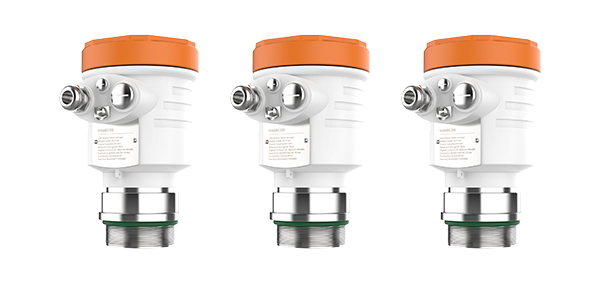
- Ultrasonic Level Sensor
- Radar Level Sensor
- Water Level Meter
- Accessories
- General pressure sensor Sanitary pressure sensor Differential pressure sensor I2C pressure sensor
-
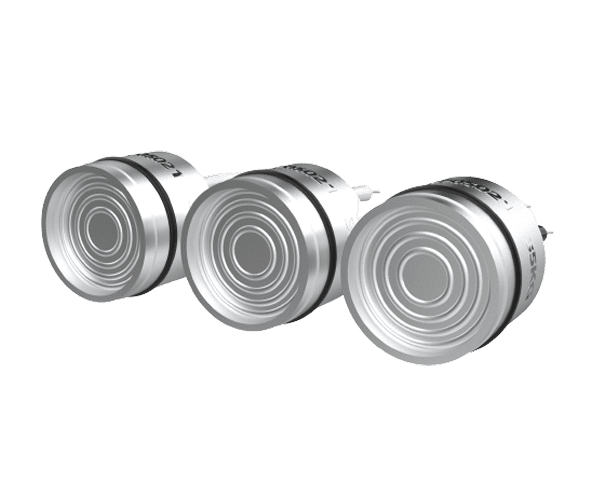
General pressure sensor
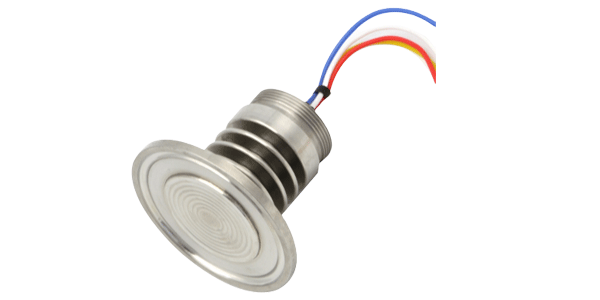
Sanitary pressure sensor
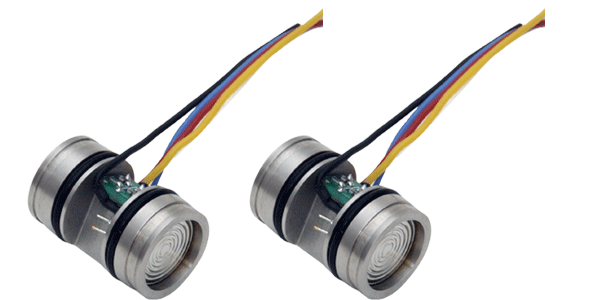
Differential pressure sensor
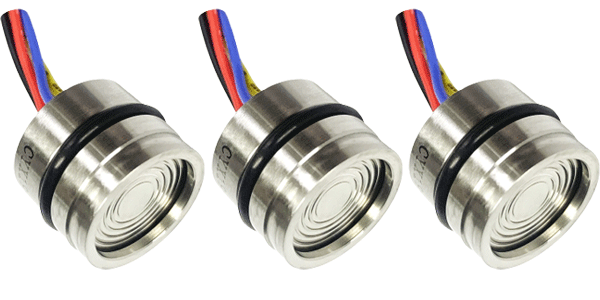
I2C pressure sensor
- General pressure transmitter Sanitary pressure transmitter High temperature pressure transmitter Anti-corrosive pressure transmitter Industrial pressure transmitter Differential pressure transmitter Digital pressure transmitter Melt pressure transducer Sputtered Thin Film Pressure Transmitter Wireless Pressure Transmitter
-
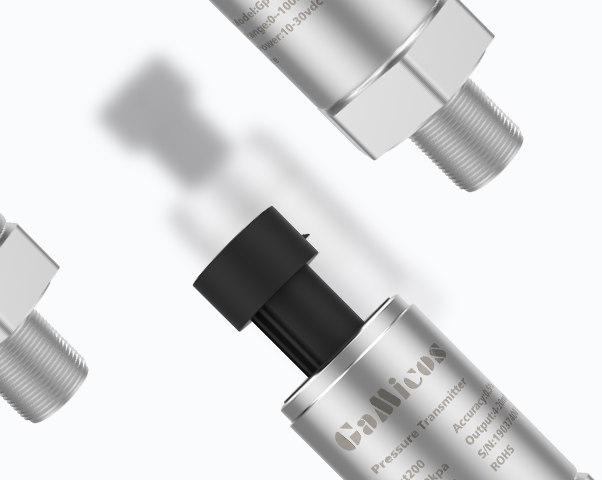
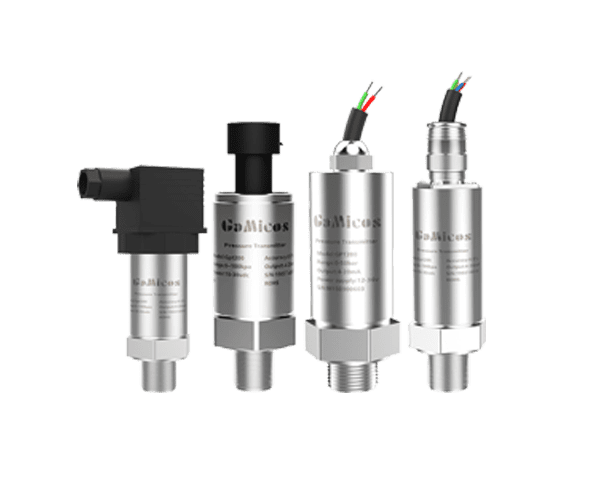
General pressure transmitter
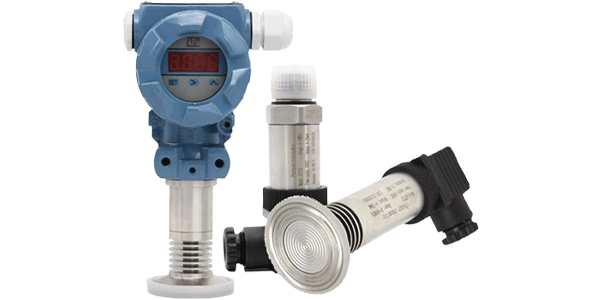
Sanitary pressure transmitter
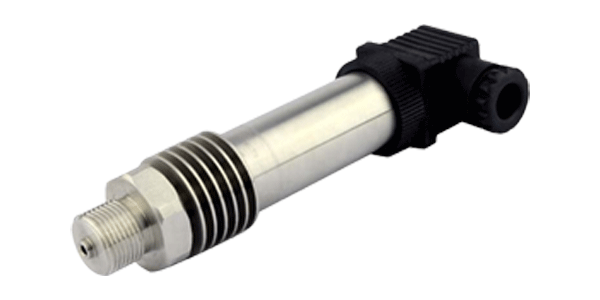
High temperature pressure transmitter
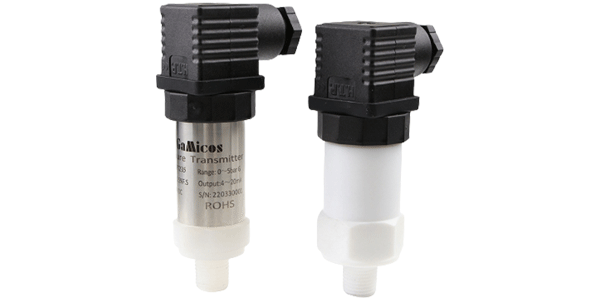
Anti-corrosive pressure transmitter
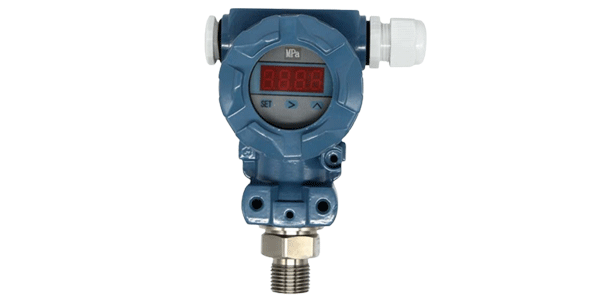
Industrial pressure transmitter
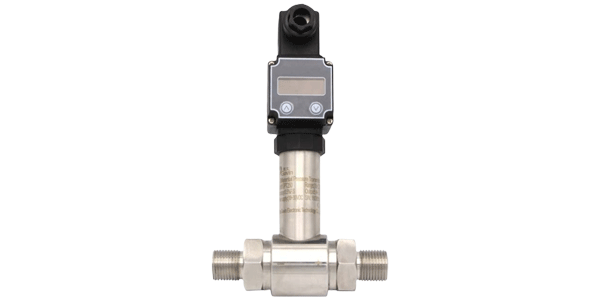
Differential pressure transmitter
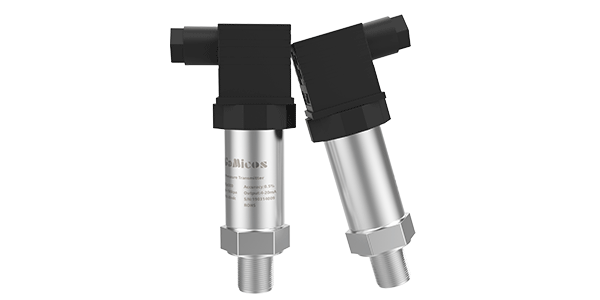
Digital pressure transmitter
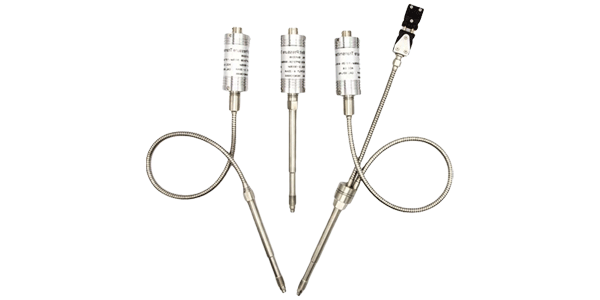
Melt pressure transducer
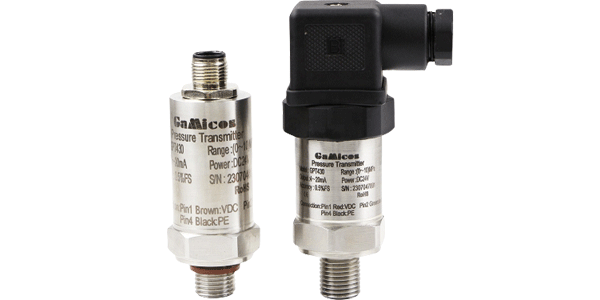
Sputtered Thin Film Pressure Transmitter
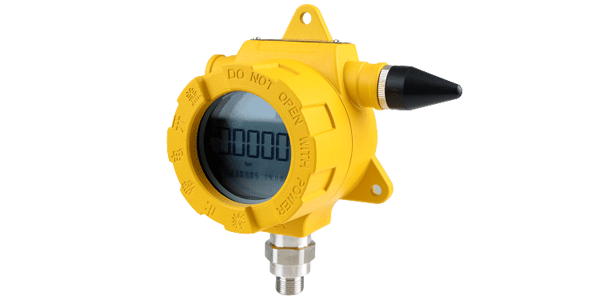
Wireless Pressure Transmitter
- Submersible level transmitter Anti-corrosive level transmitter Anti-pollution level transmitter Integrated temperature level transmitter Small diameter level transmitter Wireless Level Transmitter
-
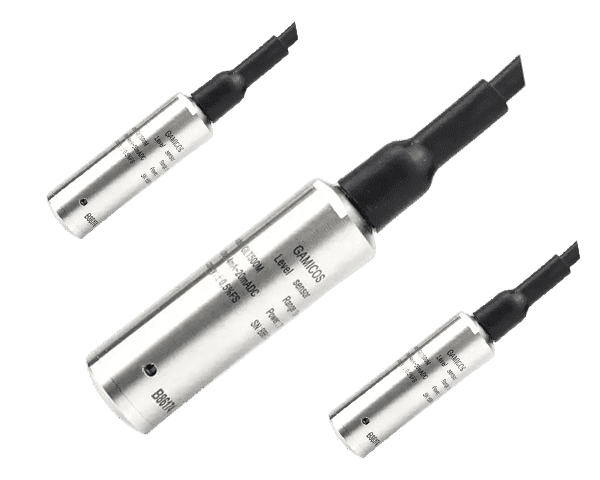
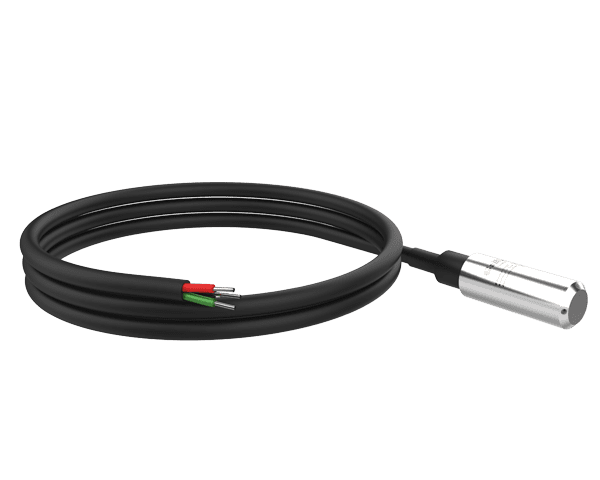
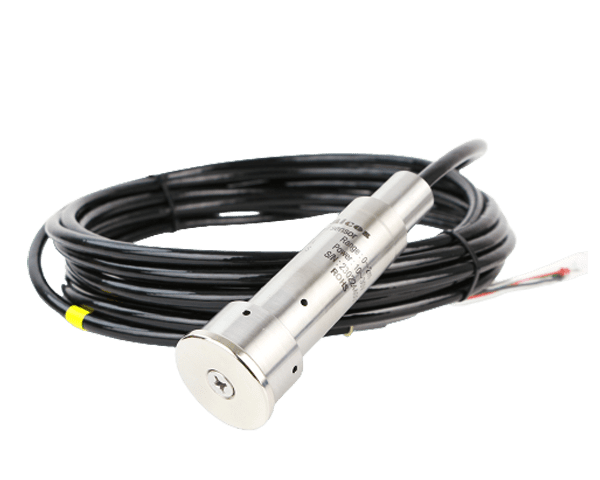
Submersible level transmitter
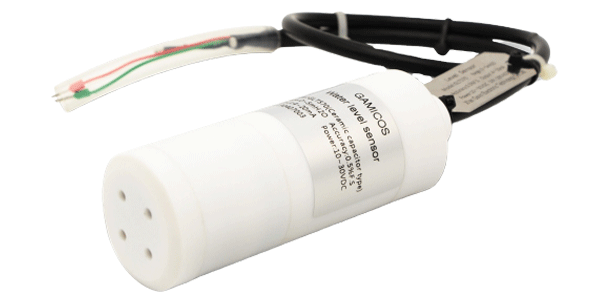
Anti-corrosive level transmitter
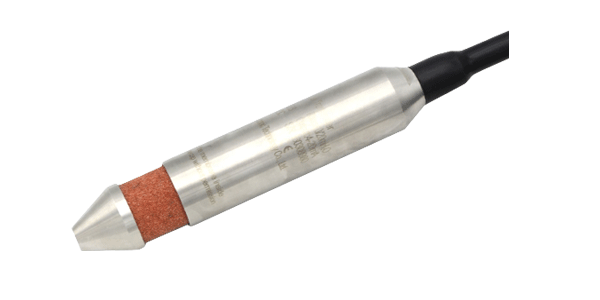
Anti-pollution level transmitter
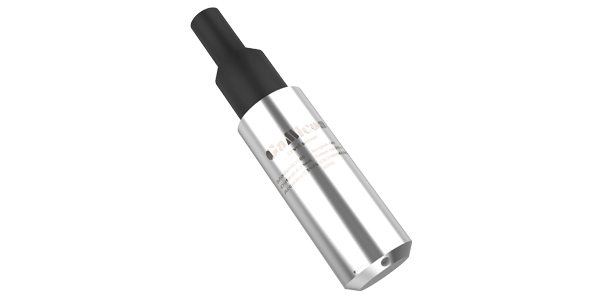
Integrated temperature level transmitter
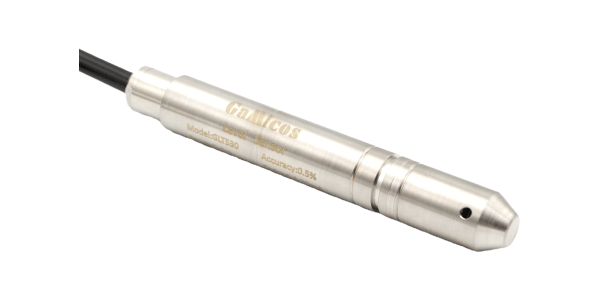
Small diameter level transmitter
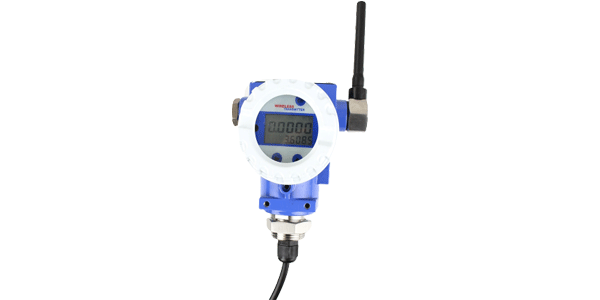
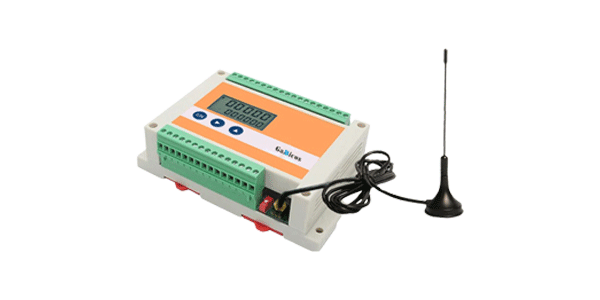
Wireless Level Transmitter
- Capacitive fuel level sensor Mechanical fuel level gauge Reed switch fuel level sensor Magnetostrictive fuel level sensor
-
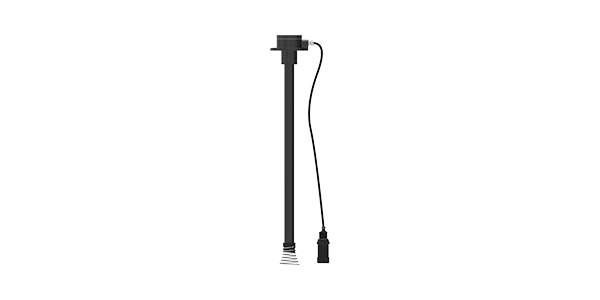
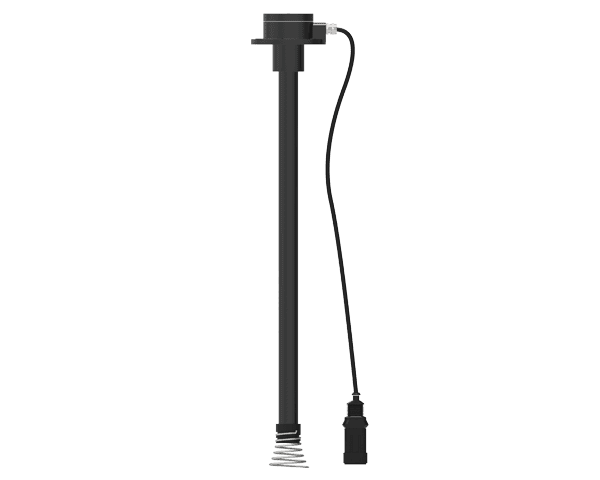
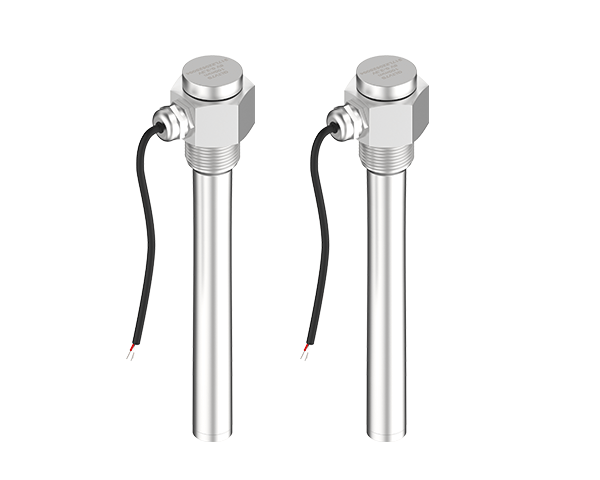
Capacitive fuel level sensor
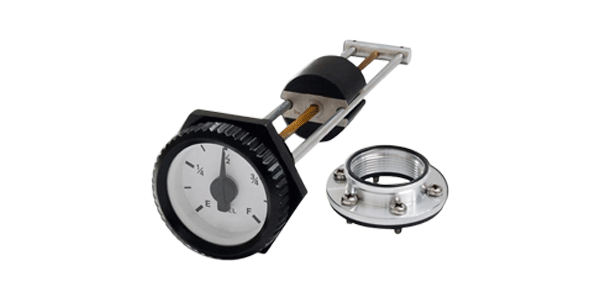
Mechanical fuel level gauge
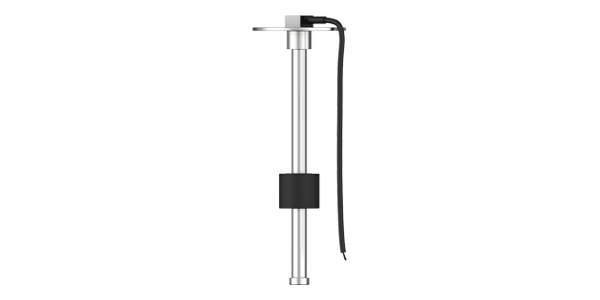
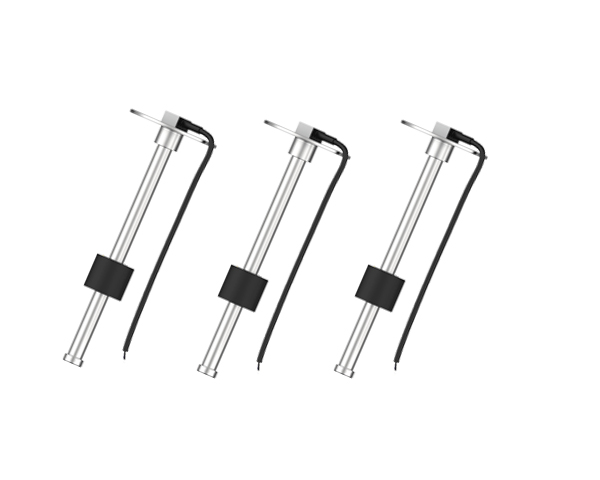
Reed switch fuel level sensor
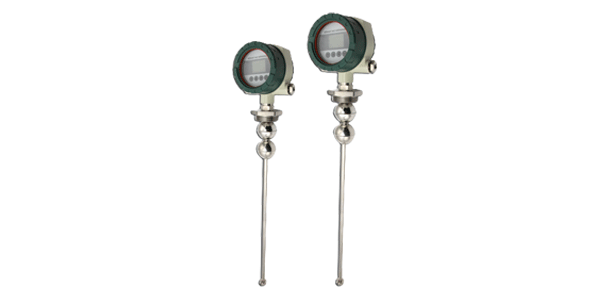
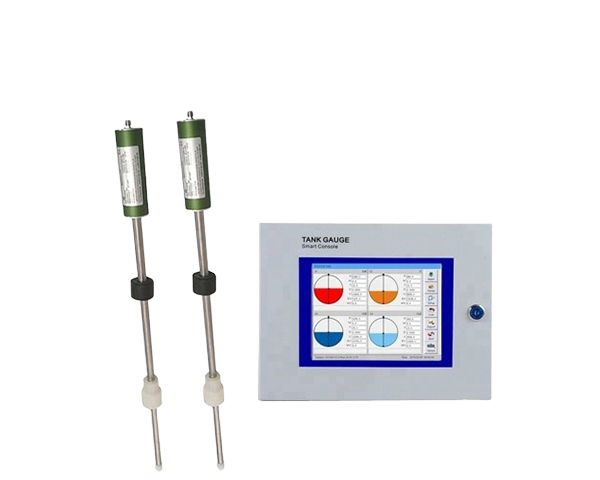
Magnetostrictive fuel level sensor
- General ultrasonic level sensor Anti-corrosive ultrasonic level sensor Industrial ultrasonic level sensor Handheld ultrasonic level sensor External ultrasonic level sensor
-
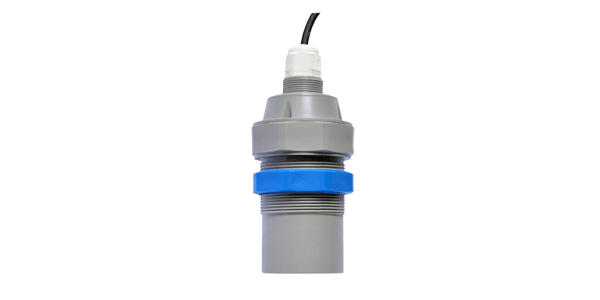
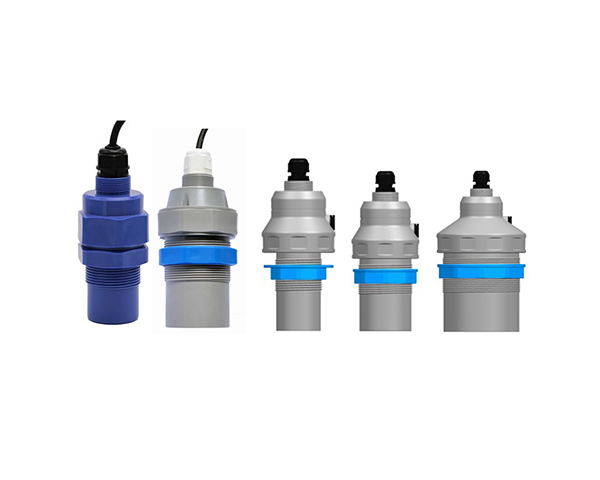
General ultrasonic level sensor
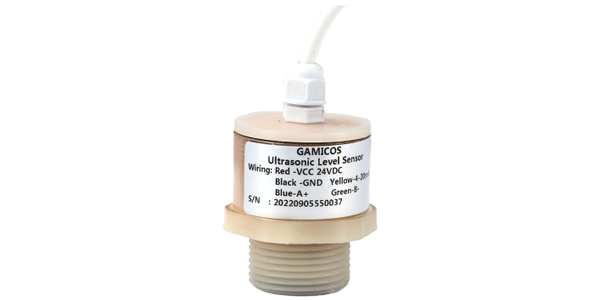
Anti-corrosive ultrasonic level sensor
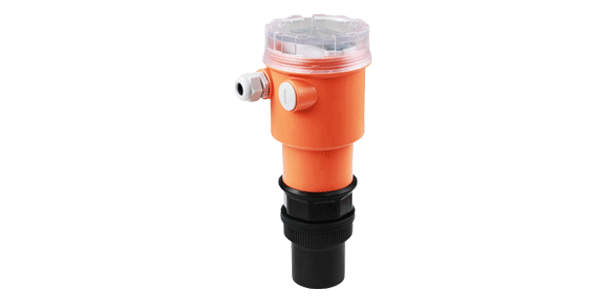
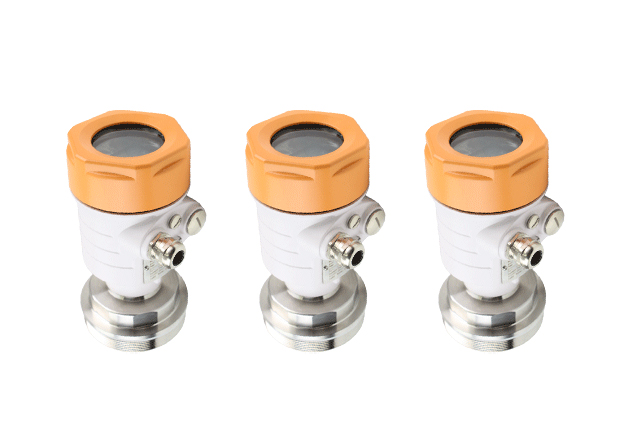
Industrial ultrasonic level sensor
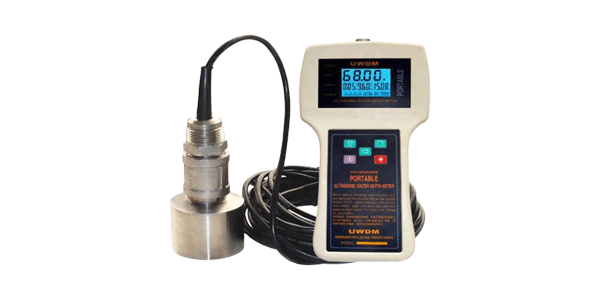
Handheld ultrasonic level sensor
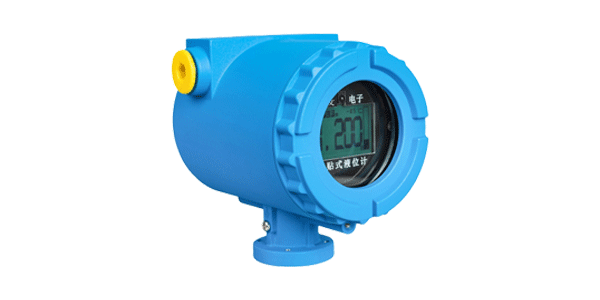
External ultrasonic level sensor
- Solution
- Chemical Vehicles Industrial Equipment Industry Agricultural Irrigation Commercial Equipment Industry Oil and Gas Food and Medicine Fuel Monitoring Water treatment Machinery Manufaturing Municipal fire Hydrologic monitoring Refrigeration Drilling Exploration
-
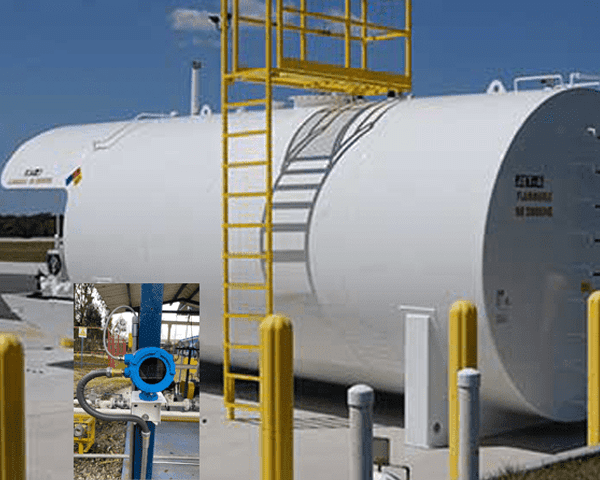
Chemical

Vehicles
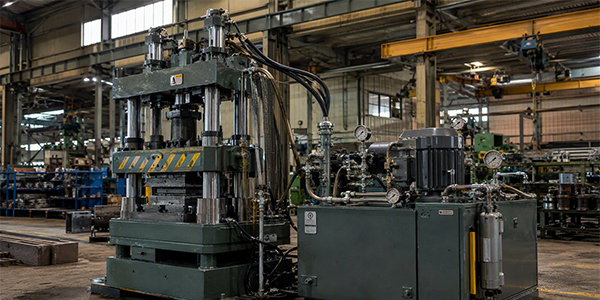
Industrial Equipment Industry

Agricultural Irrigation

Commercial Equipment Industry

Oil and Gas

Food and Medicine
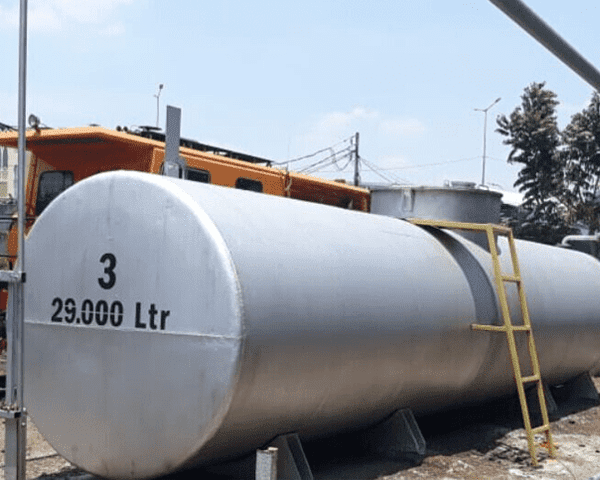
Fuel Monitoring
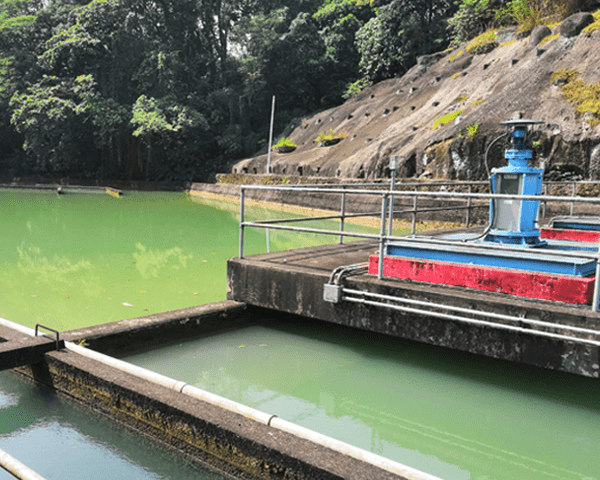
Water treatment
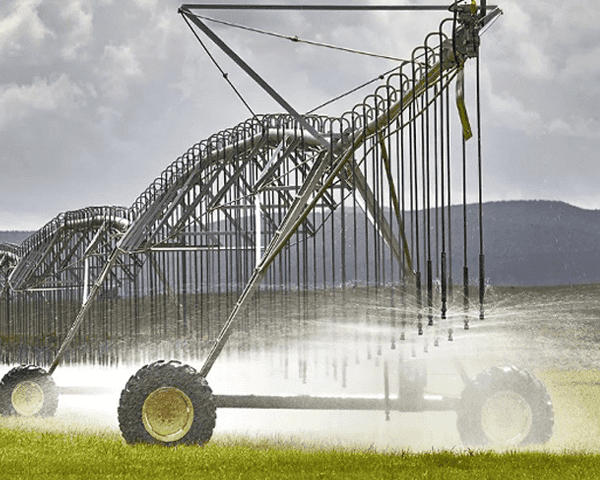
Machinery Manufaturing
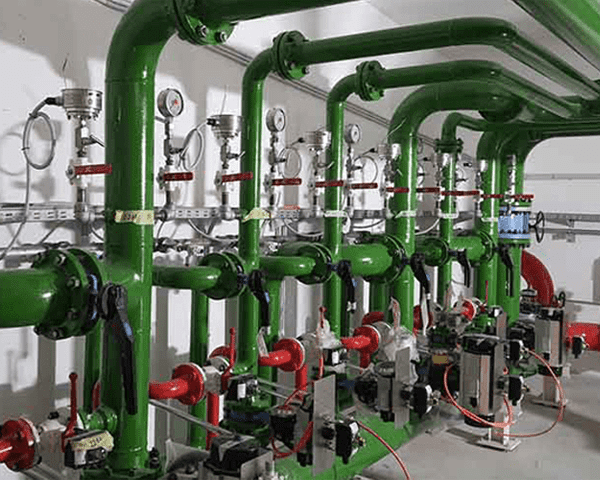
Municipal fire
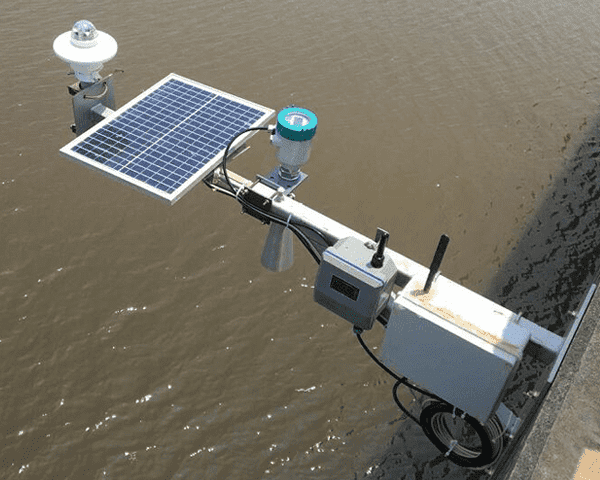
Hydrologic monitoring
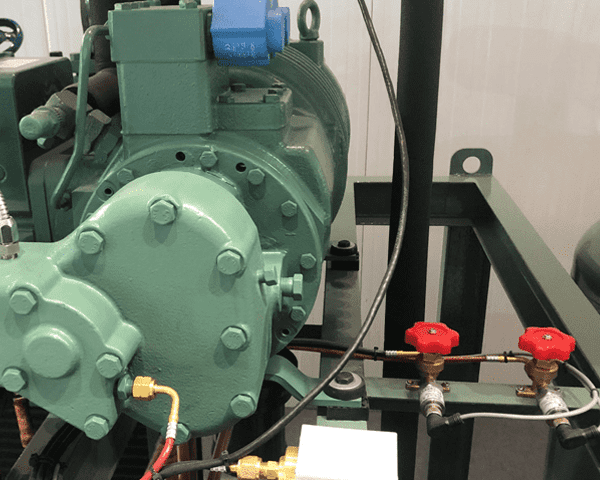
Refrigeration

Drilling Exploration
- Service
- Support
- Blog
- IOT
- About us