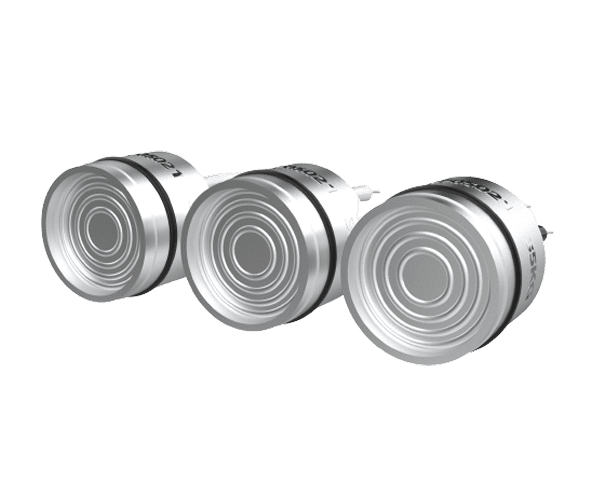
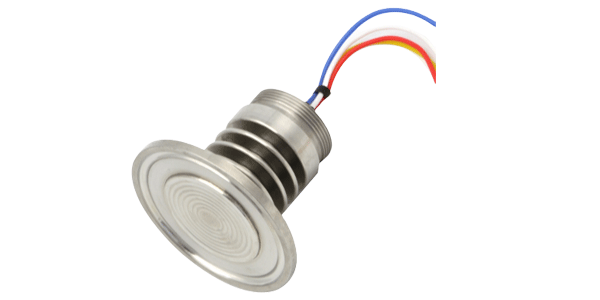
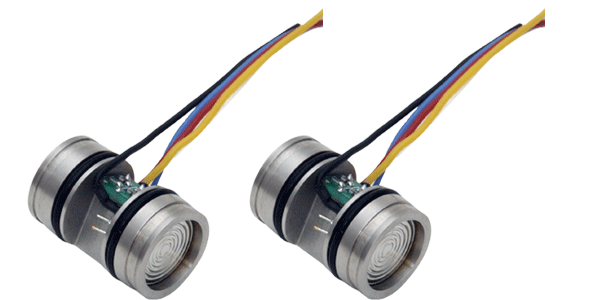
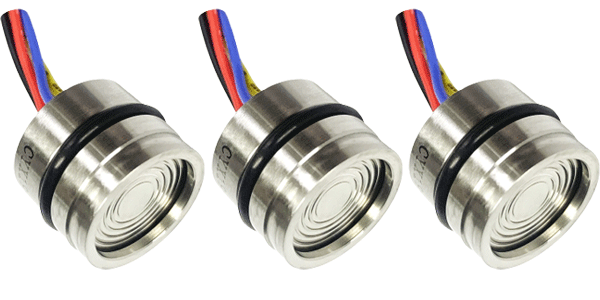
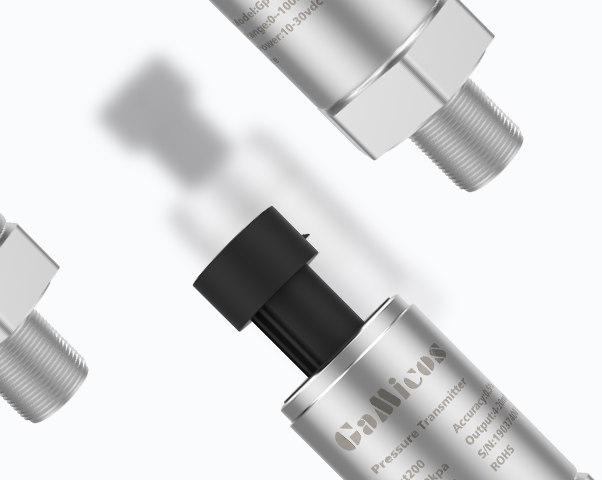
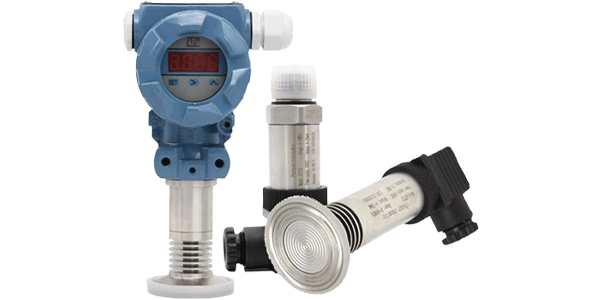
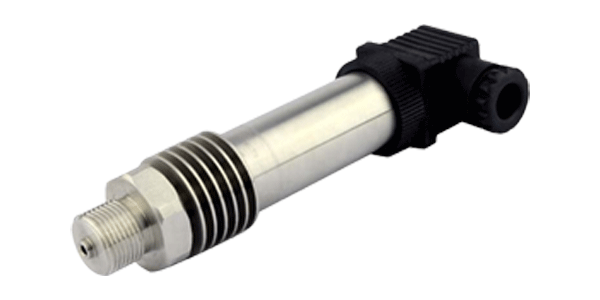
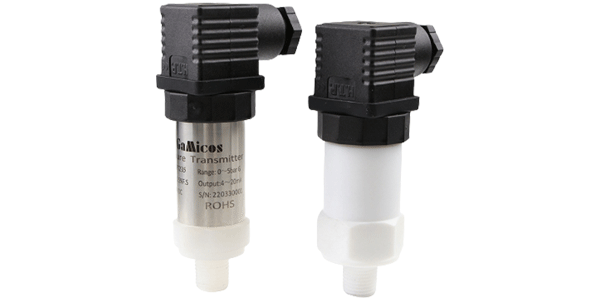
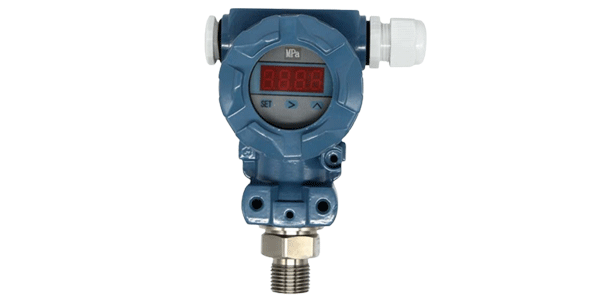
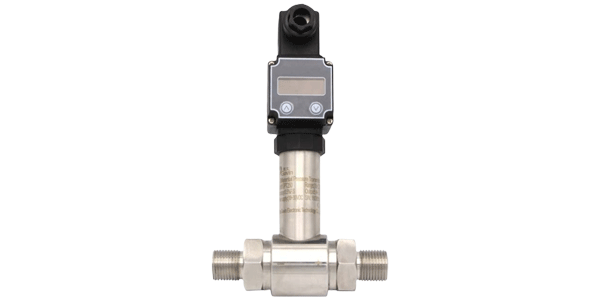
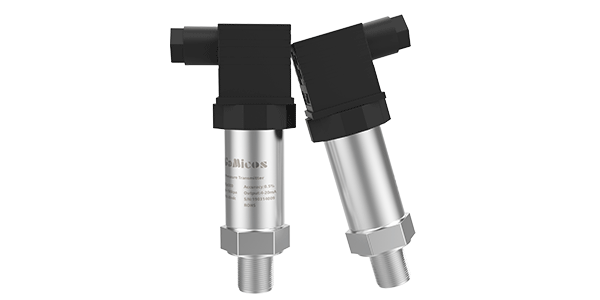
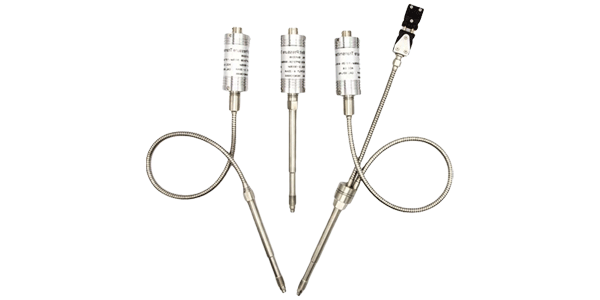
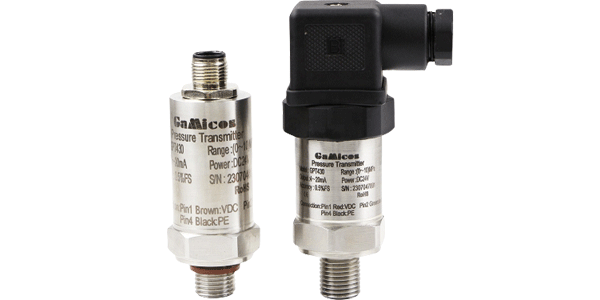
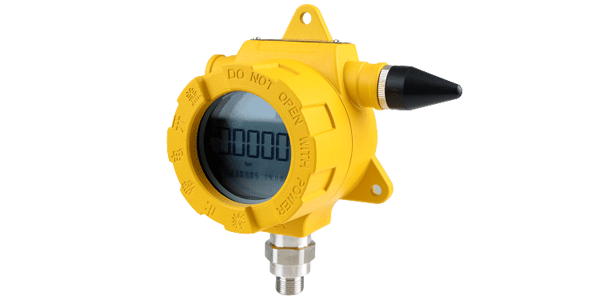
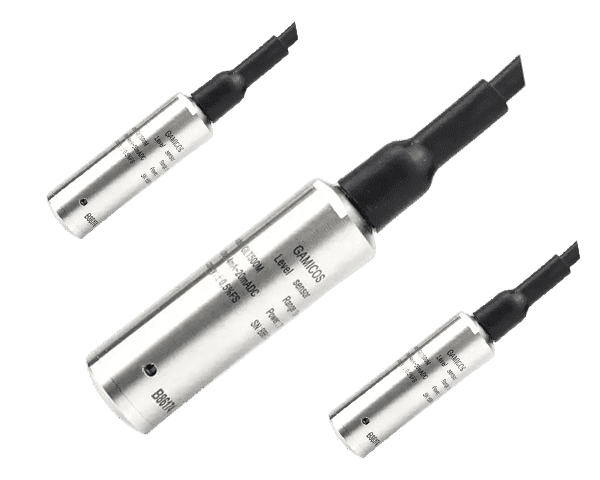
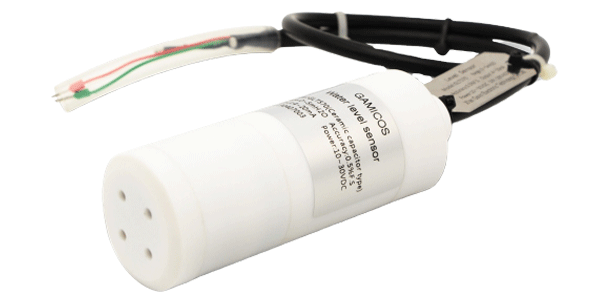
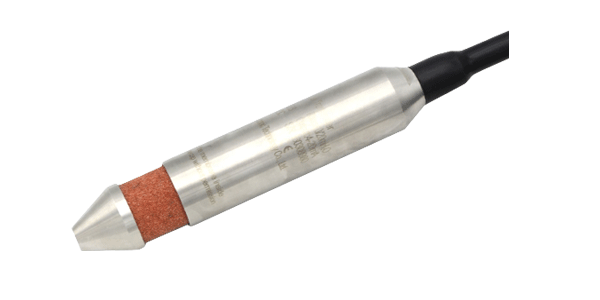
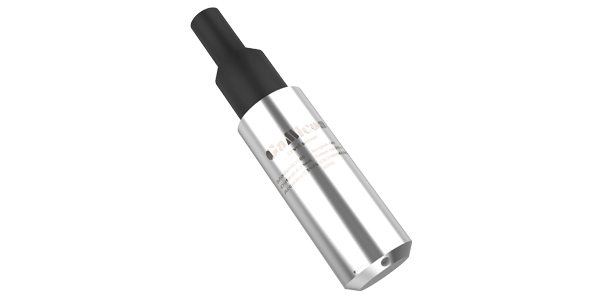
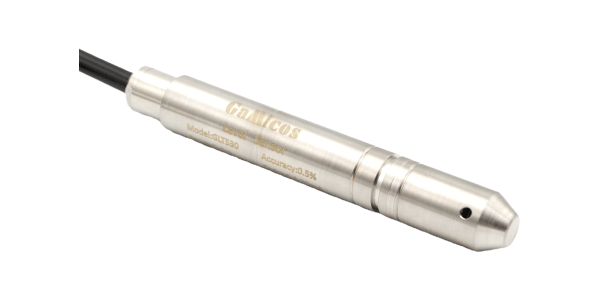
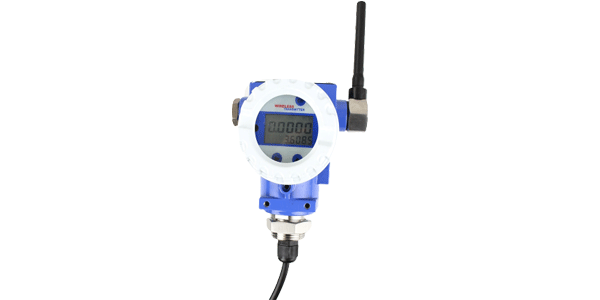
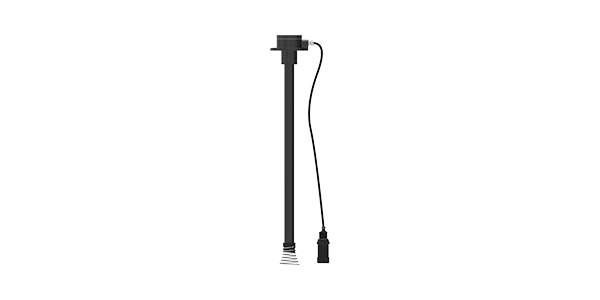
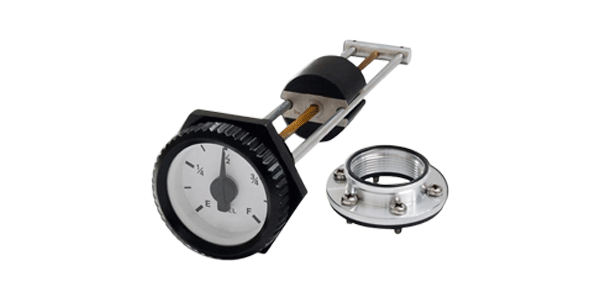
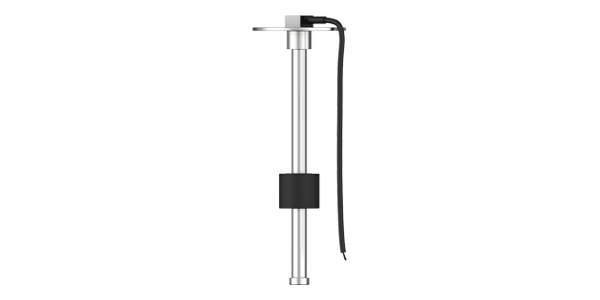
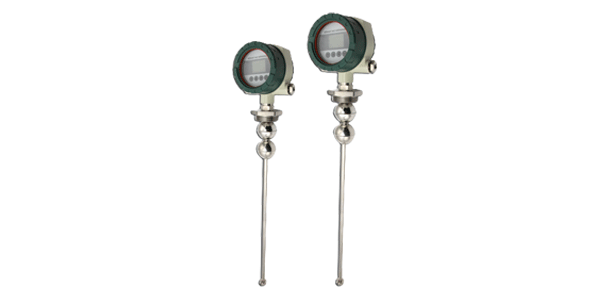
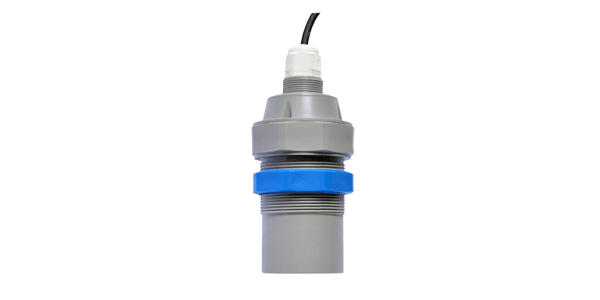
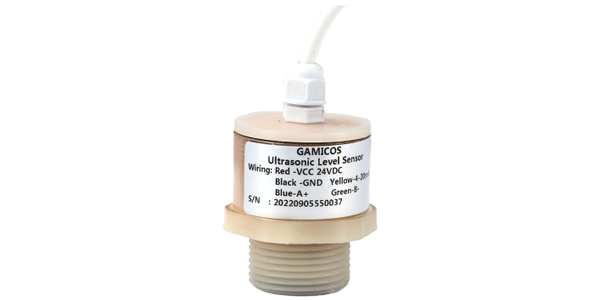
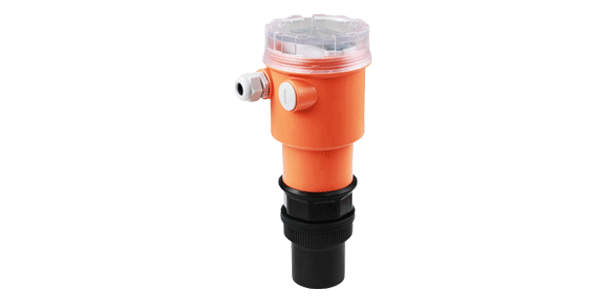
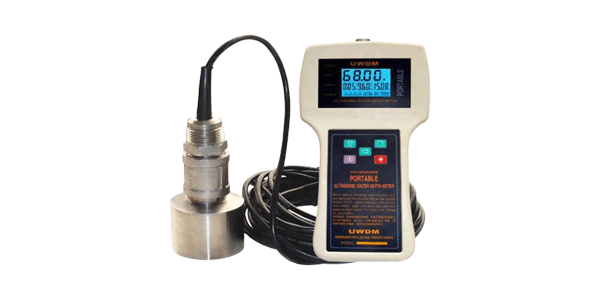
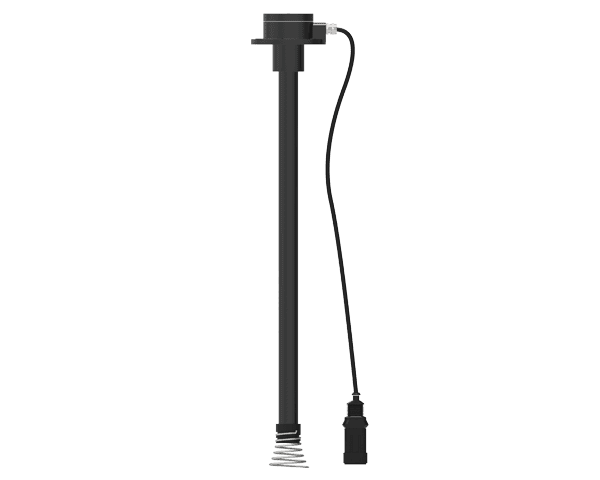
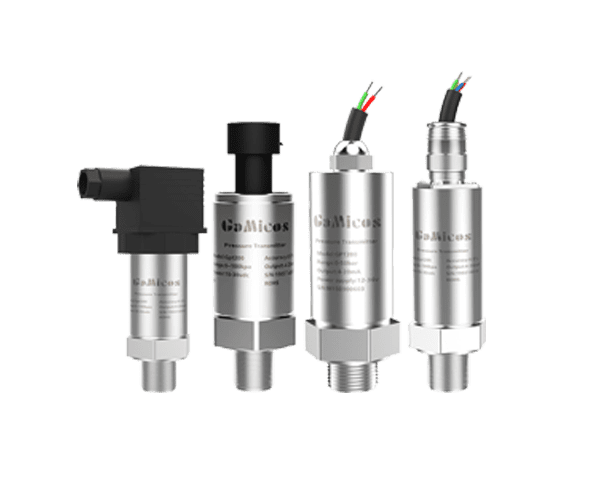
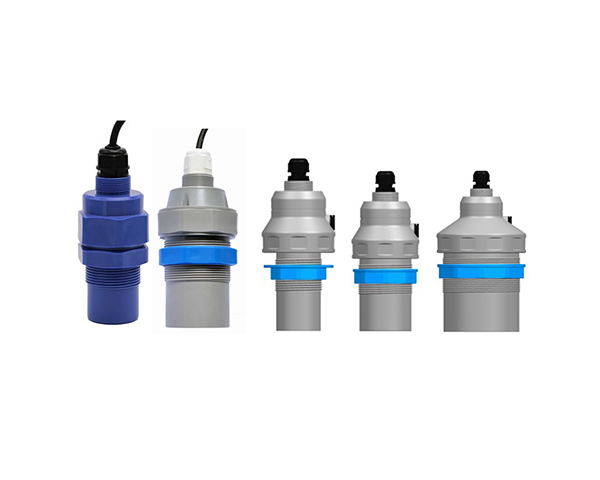
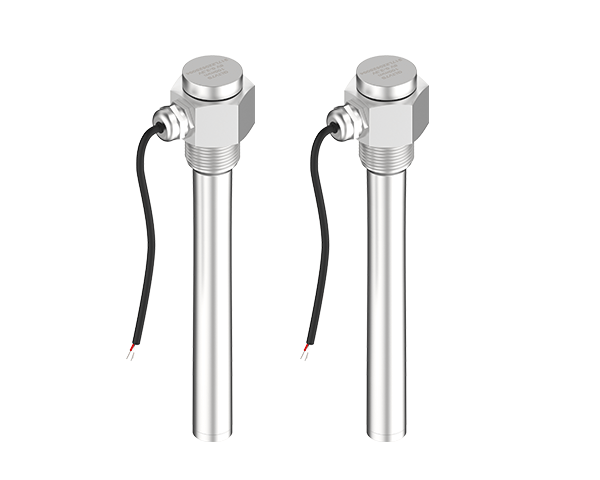
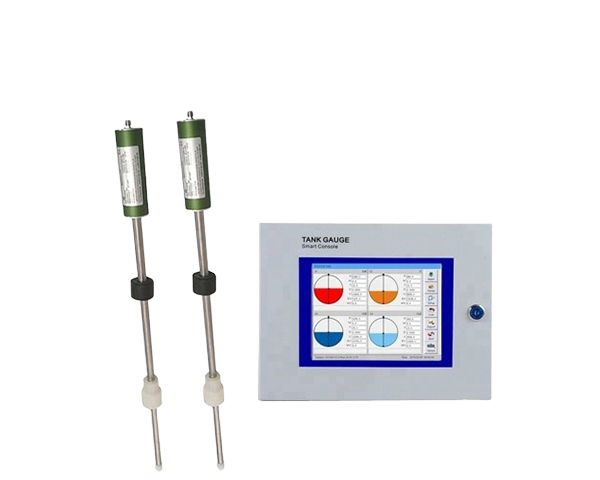
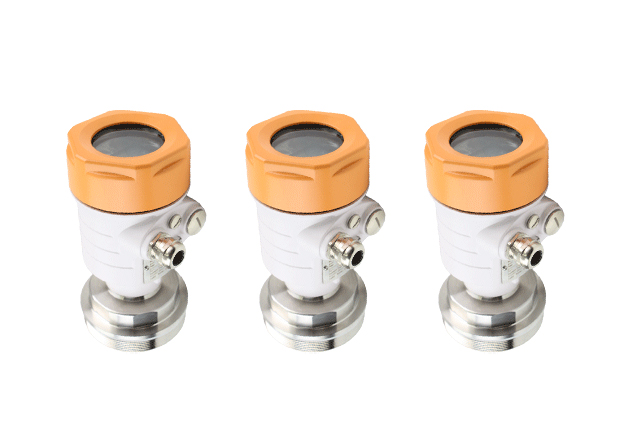
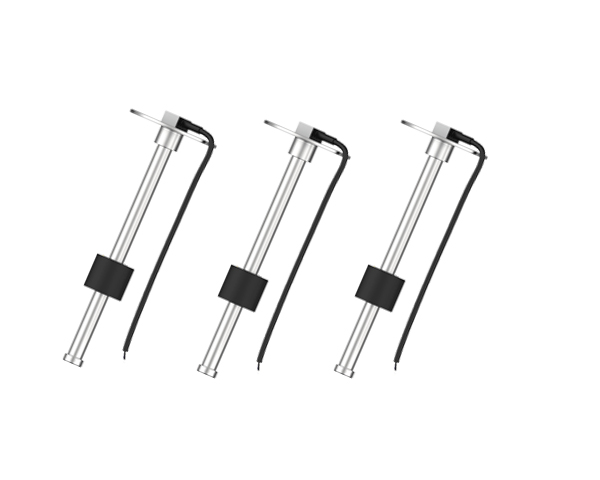
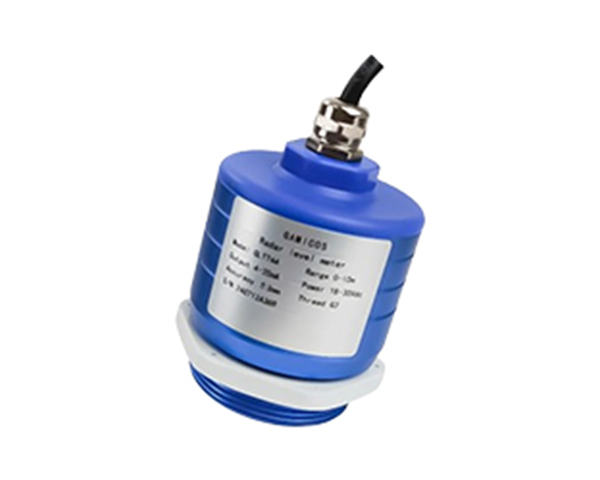
Level sensors in sewage pump stations deliver transformative advantages that enhance operational efficiency, reduce maintenance costs, and ensure reliable wastewater management. These precision instruments provide automated liquid level detection, preventing pump dry-running while optimizing energy consumption through intelligent control systems. Advanced sensor technology eliminates manual monitoring requirements, reduces operational risks, and extends equipment lifespan. Modern level sensor solutions integrate seamlessly with existing automation infrastructure, offering real-time monitoring capabilities that prevent costly system failures and environmental incidents.
Understanding Level Sensor Technology in Wastewater Management
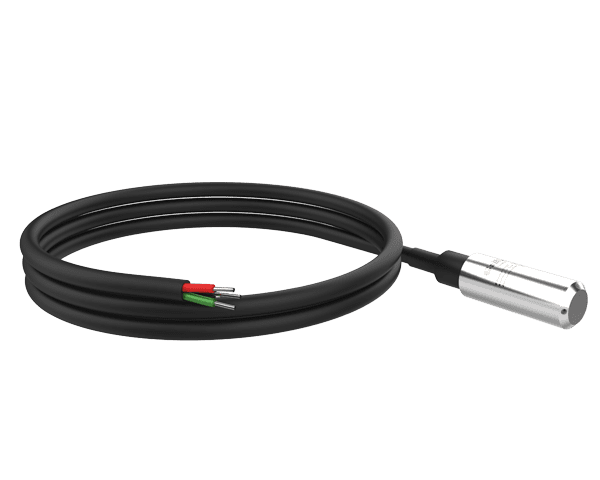
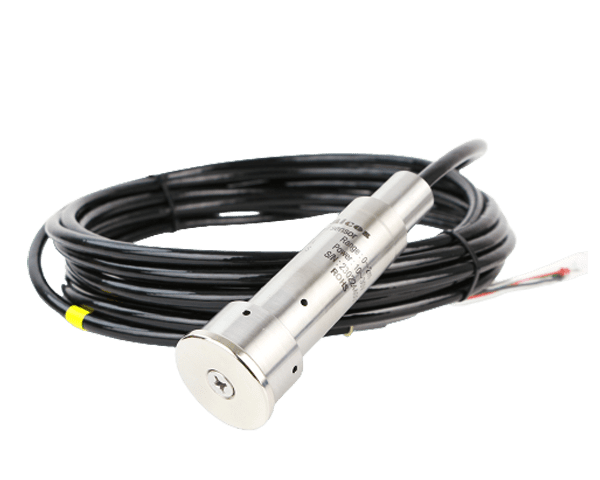
Modern sewage pump stations rely heavily on sophisticated measurement systems to maintain optimal performance. Level sensors utilize various detection principles including ultrasonic, pressure-based, and capacitive technologies to monitor liquid levels continuously. These devices convert physical liquid height measurements into electrical signals that automation systems can process and act upon.
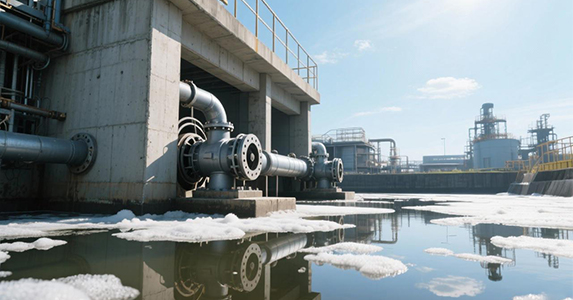
The complexity of wastewater environments demands robust sensor solutions capable of handling corrosive materials, temperature fluctuations, and debris interference. Advanced signal processing algorithms filter out noise and provide accurate readings even in challenging conditions. Sensor calibration ensures measurement accuracy within ±0.25% full scale, meeting stringent industrial requirements.
Integration capabilities allow these sensors to communicate through multiple protocols including RS485, 4-20mA analog signals, and digital communication networks. This versatility enables seamless connectivity with existing control systems while providing flexibility for future upgrades. Data acquisition systems collect sensor readings continuously, creating comprehensive operational records for analysis and optimization.
Benefit 1: Automated Pump Protection and Dry-Run Prevention
Pump protection represents the most critical function of sewage station level sensors. These devices continuously monitor liquid levels and trigger protective shutdowns before pumps operate without sufficient fluid. Dry-running conditions can destroy pump impellers, seals, and motor windings within minutes, resulting in repair costs exceeding $15,000 per incident.
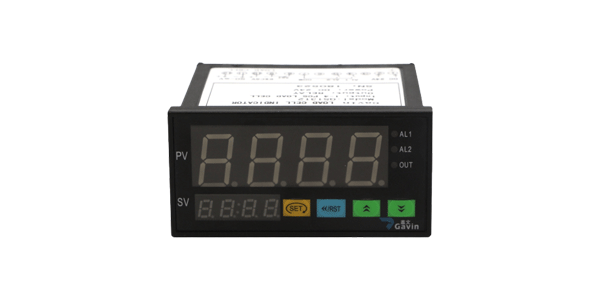
Real-time monitoring capabilities provide operators with instant feedback on system status. Visual displays and remote notifications keep staff informed of operational conditions, enabling proactive responses to potential issues. Advanced level sensors fusion techniques combine multiple measurement sources to enhance reliability and reduce false alarms.
Predictive maintenance features analyze liquid level patterns to identify potential problems before they cause equipment damage. Trending data reveals pump performance degradation, allowing maintenance teams to schedule repairs during planned downtime rather than emergency situations.
Benefit 2: Enhanced Energy Efficiency and Cost Reduction
Intelligent level control dramatically reduces energy consumption through optimized pump cycling. Traditional time-based control systems operate pumps regardless of actual demand, wasting significant electrical energy. Level-based control activates pumps only when necessary, reducing energy costs by 25-40% in typical installations.
Variable frequency drives (VFDs) integrated with level sensors adjust pump speeds based on liquid accumulation rates. During low-flow periods, pumps operate at reduced speeds, consuming less power while maintaining adequate capacity. Peak demand periods trigger full-speed operation, ensuring system capacity matches requirements.
Feedback control systems continuously adjust pump operation based on real-time level measurements. This dynamic response prevents over-pumping and reduces unnecessary equipment cycling. Fewer start-stop cycles extend motor life and reduce maintenance requirements significantly.
Energy monitoring capabilities track power consumption patterns and identify optimization opportunities. Historical data analysis reveals inefficient operating periods and guides system improvements. Automated reporting provides facility managers with detailed energy usage statistics for budgeting and planning purposes.
Benefit 3: Improved Operational Safety and Environmental Protection
Level sensors provide essential safety protection by preventing sewage overflows and environmental contamination. Overflow incidents can result in regulatory fines exceeding $50,000 per occurrence, making reliable level monitoring crucial for compliance. High-level alarms trigger emergency responses before critical overflow conditions develop.
Remote monitoring capabilities allow operators to supervise multiple pump stations from centralized control rooms. This approach reduces personnel exposure to hazardous environments while maintaining operational oversight. Emergency notification systems alert response teams immediately when abnormal conditions occur.
Backup sensor systems provide redundancy for critical applications. Dual-sensor configurations ensure continued monitoring even if primary sensors fail. Automatic switchover functions maintain system protection without operator intervention, reducing risk exposure during equipment failures.
Environmental monitoring features track discharge volumes and identify unusual flow patterns that might indicate system leaks or unauthorized connections. This capability helps facility operators maintain regulatory compliance and protect surrounding ecosystems from contamination.
Benefit 4: Reduced Maintenance Requirements and Operational Costs
Non-contact measurement technologies significantly reduce maintenance requirements compared to mechanical float switches and similar devices. Ultrasonic and radar sensors operate without physical contact with sewage, eliminating wear-related failures and reducing cleaning requirements. This approach cuts maintenance costs by approximately 60% over five-year periods.
Advanced sensor diagnostics continuously monitor device health and identify potential problems before they cause failures. Self-diagnostic features check signal quality, temperature compensation accuracy, and communication integrity automatically. Maintenance alerts provide early warning of required service, enabling planned maintenance scheduling.
Noise filtering algorithms compensate for foam, turbulence, and debris interference without manual adjustment. Adaptive signal processing maintains measurement accuracy in varying conditions, reducing false alarms that require unnecessary service calls. Digital filter settings can be customized for specific application requirements.
Extended sensor lifespans result from robust construction and minimal moving parts. Industrial-grade sensors designed for sewage applications typically operate reliably for 10-15 years with minimal maintenance. This longevity reduces total ownership costs and minimizes system downtime.
Benefit 5: Advanced Data Integration and System Intelligence
Modern level sensors integrate seamlessly with building management systems (BMS) and supervisory control and data acquisition (SCADA) networks. This connectivity enables centralized monitoring of multiple facilities from single control centers. Data integration capabilities combine level measurements with flow rates, pump performance metrics, and energy consumption data.
Historical data storage creates valuable operational records for trend analysis and system optimization. Machine learning algorithms identify patterns in pump station performance and recommend operational improvements. Predictive analytics help operators anticipate maintenance needs and optimize replacement schedules.
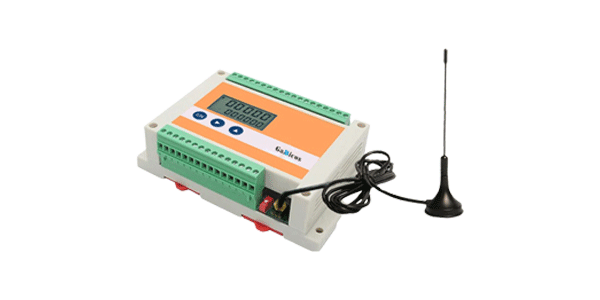
Wireless communication options including LoRa, GPRS, and 4G networks enable remote monitoring in locations without wired infrastructure. These technologies reduce installation costs while providing reliable data transmission over long distances. Battery-powered wireless sensors operate independently for years without maintenance.
User-defined data forms allow customization of monitoring parameters for specific operational requirements. Flexible reporting capabilities generate automated status reports for regulatory compliance and operational analysis. Real-time dashboards provide operators with instant visibility into system performance across multiple sites.
Key Parameters and Performance Indicators
Critical performance specifications for sewage pump station level sensors include measurement range, accuracy, and environmental ratings. Typical measurement ranges span 0-30 meters for most applications, with accuracy specifications of ±0.25% full scale. Environmental protection ratings of IP67 or higher ensure reliable operation in harsh wastewater environments.
Temperature compensation maintains accuracy across operating ranges from -40°C to +80°C. Automatic gain control adjusts signal strength based on tank conditions, ensuring reliable measurements regardless of surface conditions. Response times under 1 second enable rapid system responses to changing conditions.
Communication capabilities determine integration options with existing control systems. Standard output signals include 4-20mA analog, relay contacts, and digital communication protocols. Multi-parameter sensors can simultaneously monitor level, temperature, and other variables through single installations.
Installation requirements vary by sensor type but generally emphasize proper mounting height and beam clearance for ultrasonic devices. Calibration procedures ensure accurate measurements and typically require less than 30 minutes to complete. Configuration software simplifies parameter setup and provides diagnostic capabilities for troubleshooting.
GAMICOS Level Sensors: Superior Technology and Reliability
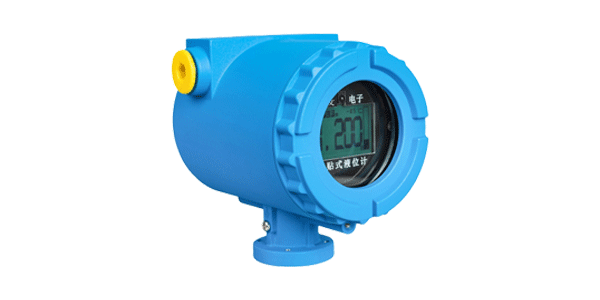
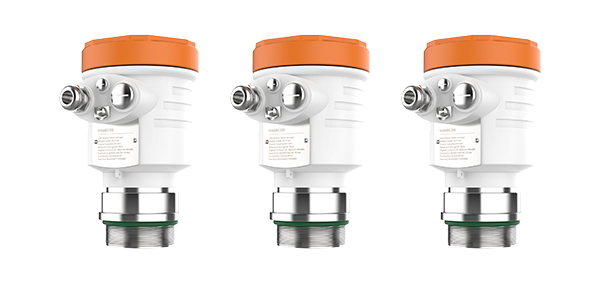
GAMICOS level sensors incorporate advanced ultrasonic technology with sophisticated signal processing capabilities that outperform conventional alternatives. Our GUT series ultrasonic level meters feature automatic power adjustment, gain control, and temperature compensation that ensures consistent accuracy across varying environmental conditions. This technology delivers measurement precision that exceeds industry standards while maintaining cost-effectiveness.
Unlike competitive products that struggle with foam and turbulence interference, GAMICOS sensors utilize advanced detection algorithms with rich software functions that adapt to complex environments automatically. Our excellent directivity and strong penetration capabilities enable focused ultrasonic energy transmission over extended distances, providing reliable measurements even in challenging installations.
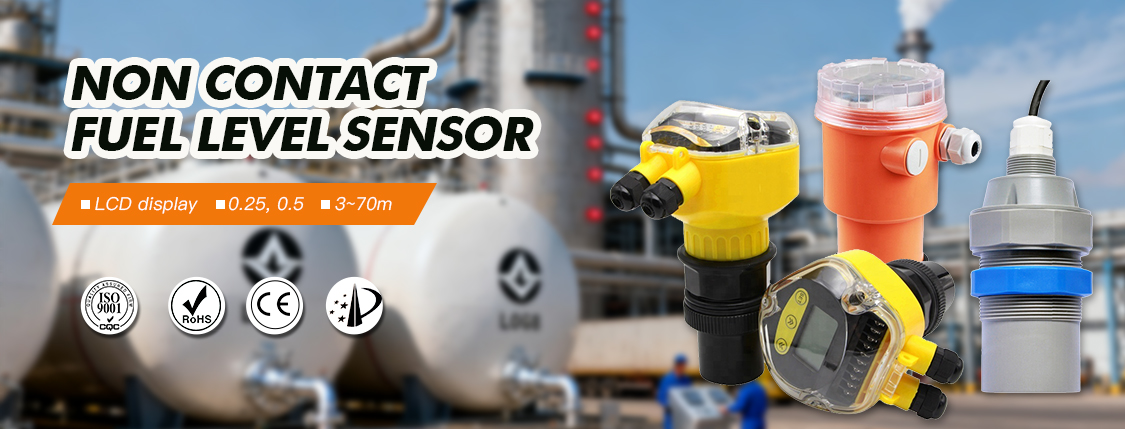
Multiple output options including programmable relay output, high-precision 4-20mA current output, and RS485 digital communication provide exceptional integration flexibility. Data backup and restore functions protect configuration settings, while user-defined parameters allow customization for specialized applications. These features significantly reduce installation time and operational complexity compared to alternative solutions.
Our extensive experience serving clients in 98 countries provides deep understanding of diverse application requirements and regulatory standards. Comprehensive quality assurance programs and international certifications ensure product reliability that exceeds customer expectations. Professional technical support assists with product selection, installation guidance, and ongoing operational optimization.
Conclusion
Level sensors represent essential technology for modern sewage pump station operations, delivering measurable benefits in equipment protection, energy efficiency, safety, maintenance reduction, and system intelligence. These sophisticated devices prevent costly pump failures while optimizing operational performance through automated control and continuous monitoring. GAMICOS level sensors provide superior reliability and performance that helps facilities achieve operational excellence while maintaining regulatory compliance. Investment in quality level measurement technology pays dividends through reduced operational costs, extended equipment life, and improved environmental protection. The evolution toward smart infrastructure makes advanced level sensing capabilities increasingly valuable for sustainable wastewater management operations.
Frequently Asked Questions
Q1: What measurement accuracy can I expect from ultrasonic level sensors in sewage applications?
A: GAMICOS ultrasonic level sensors provide measurement accuracy of ±0.25% full scale in sewage applications. Advanced signal processing algorithms compensate for foam, turbulence, and temperature variations automatically. This accuracy level meets stringent industrial requirements while maintaining reliable performance in challenging wastewater environments.
Q2: How do level sensors integrate with existing pump control systems?
A: Modern level sensors offer multiple communication options including 4-20mA analog signals, relay contacts, and digital protocols like RS485. These standard interfaces enable seamless integration with existing programmable logic controllers (PLCs) and automation systems. Configuration software simplifies setup and provides diagnostic capabilities for system optimization.
Q3: What maintenance requirements do ultrasonic level sensors have in sewage pump stations?
A: Ultrasonic sensors require minimal maintenance due to non-contact operation. Periodic visual inspections and occasional cleaning of sensor faces maintain optimal performance. Self-diagnostic features monitor system health automatically and provide early warning of service requirements. Typical maintenance intervals range from 6-12 months depending on environmental conditions.
Partner with GAMICOS for Reliable Level Control Solutions
GAMICOS stands as your trusted level sensor manufacturer, delivering precision instruments that transform sewage pump station operations worldwide. Our extensive product line serves thousands of customers annually across 100+ countries, providing proven solutions for the most demanding wastewater management applications. Experience our commitment to quality, innovation, and customer success. Contact us at info@gamicos.com to discuss your specific requirements and discover why industry leaders choose GAMICOS for critical level measurement applications.
References
1.Smith, J.A., et al. "Advanced Level Measurement Technologies in Municipal Wastewater Treatment Systems." Journal of Water Process Engineering, vol. 45, 2022, pp. 123-145.
2.Johnson, M.R. and Thompson, K.L. "Energy Efficiency Optimization in Sewage Pump Stations Through Intelligent Control Systems." Environmental Engineering Science, vol. 38, no. 7, 2021, pp. 456-471.
3.Chen, L., et al. "Reliability Analysis of Ultrasonic Level Sensors in Harsh Industrial Environments." IEEE Transactions on Industrial Electronics, vol. 69, no. 3, 2022, pp. 2847-2856.
4.Rodriguez, A.M. "Preventive Maintenance Strategies for Automated Pump Station Control Systems." Water Environment Research, vol. 93, no. 12, 2021, pp. 2634-2649.
5.Williams, P.D. and Kumar, S. "Integration of IoT Technologies in Municipal Wastewater Infrastructure Management." Smart Cities and Regional Development, vol. 15, 2022, pp. 78-95.
6.Anderson, R.K., et al. "Cost-Benefit Analysis of Advanced Monitoring Systems in Sewage Treatment Facilities." Water Resources Management, vol. 36, no. 4, 2022, pp. 1289-1304.