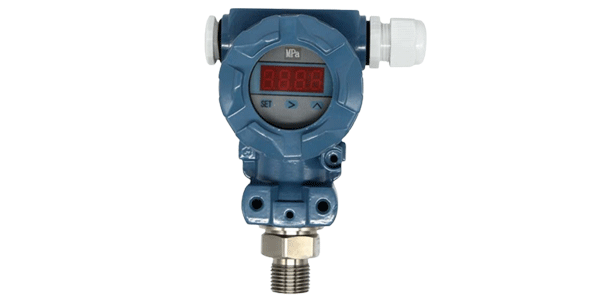
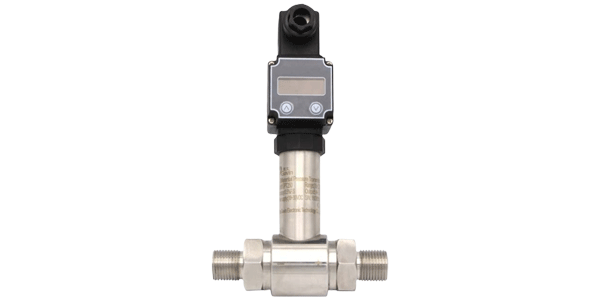
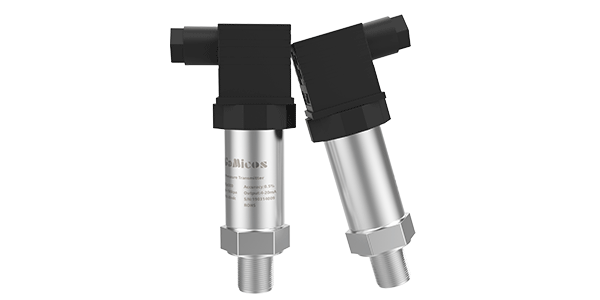
GPT210 Sanitary Pressure Transmitter for Food & Beverage Clean-in-Place Systems
TIME: 2026.08.17NUMBER OF VIEWS 129
Food & Beverage · Sanitary Process
Sanitary Pressure Measurement for CIP Cleaning Systems
In dairy, beverage, and pharmaceutical production, every piece of product-contact equipment must be cleaned and sanitized after each batch. CIP (Clean-in-Place) systems automate this process — and sanitary pressure transmitters are their critical control points for food safety.
Industry: Food & BeverageApplication: CIP CleaningProduct: GPT210Read: ~9 min
Food safety is the absolute bottom line for the global food and beverage industry. In the production of dairy, fruit juices, beer, condiments, and other liquid foods, all equipment that comes into contact with the product — pipes, tanks, fillers, plate heat exchangers, etc. — must be thoroughly cleaned and sanitized after each batch. This prevents microbial growth and cross-contamination between batches.
01Industry Background
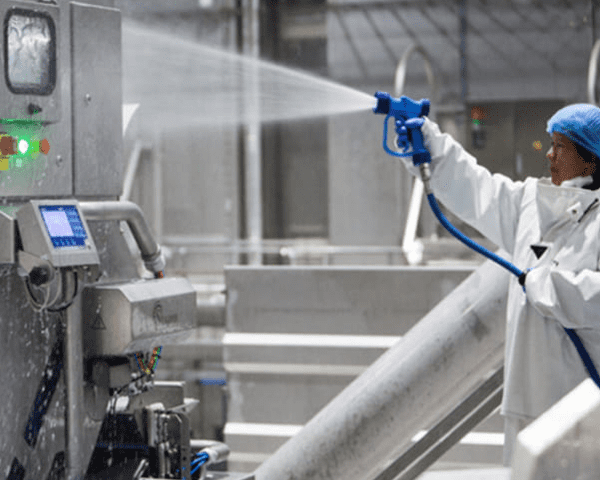
CIP (Clean-in-Place) systems are designed specifically for this purpose. They clean automatically without requiring equipment disassembly, using pumps to circulate alkaline solutions, acids, hot water, and sanitizers through the system. CIP is now a standard feature in modern food plants and serves as the final technical safeguard in food safety programs. Adoption rates continue to rise globally, with near-full coverage in the dairy and beverage sectors.
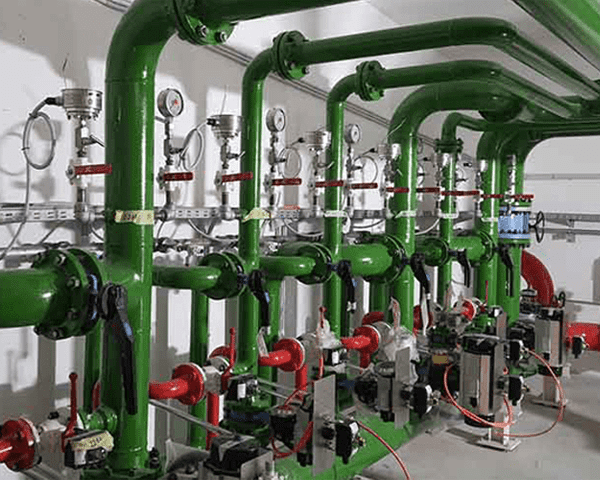
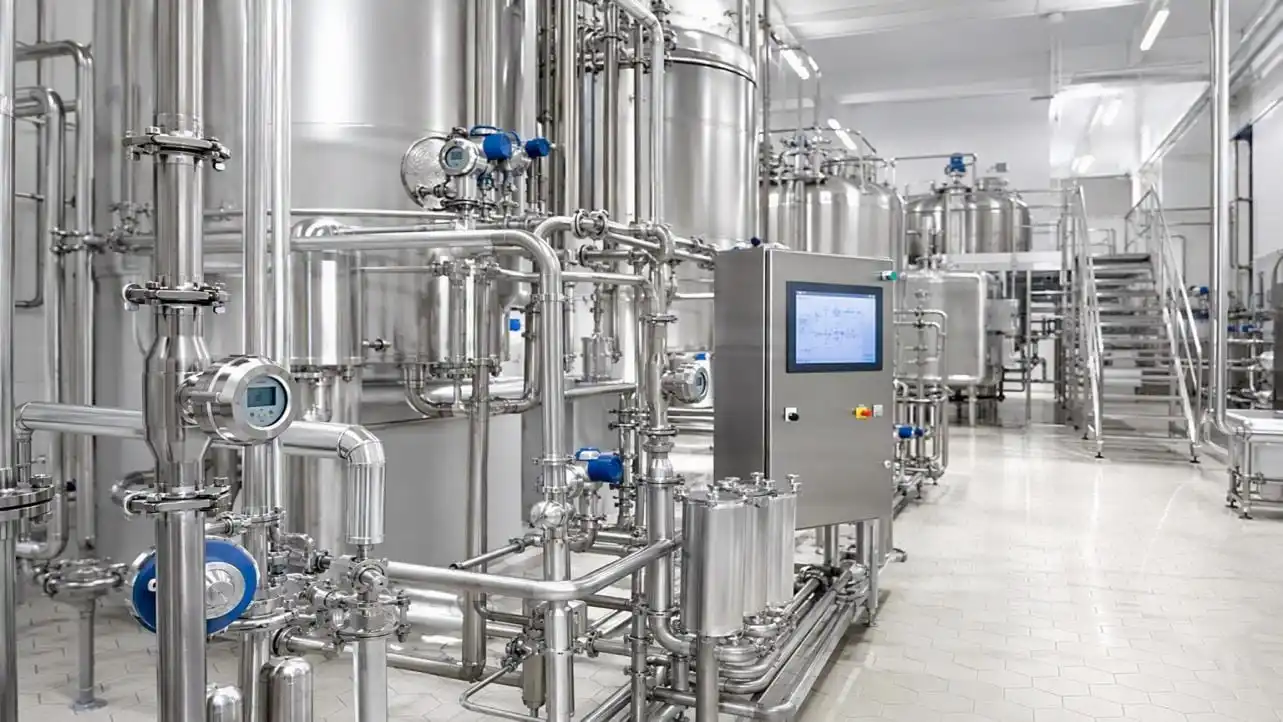
Typical CIP cleaning station in a dairy processing plant
CIP cleaning effectiveness depends on four core parameters: temperature, concentration, flow rate, and pressure — often referred to as the "TACT" factors (Time, Action, Concentration, Temperature). Pressure is particularly critical because it directly drives mechanical scouring action: pump discharge pressure must be high enough to reach the farthest points in the circuit, spray nozzle pressure determines whether rotating spray balls cover tank surfaces effectively, and return-line pressure indicates potential blockages. That's why sanitary pressure transmitters in CIP systems are not just ordinary process instruments — they are critical control points for food safety. They must simultaneously meet three stringent requirements: hygienic design, resistance to acid/alkali corrosion, and tolerance to extreme temperature swings.
The food and beverage industry requires that all wetted parts meet 3-A Sanitary Standards or EHEDG certification, with surface roughness Ra ≤ 0.8 μm, and no dead corners, gaps, or recessed areas in the design. Traditional industrial pressure transmitters typically use M20×1.5 or NPT threaded connections. The thread gaps and recessed pressure taps are difficult to clean thoroughly and become breeding grounds for bacteria. These designs are outright non-compliant during food plant audits and HACCP inspections.
Pain Point 2
Frequent High-Low Temperature Shocks — Seals and Electronics Degrade Quickly
A complete CIP cycle goes through: cold water pre-rinse (ambient) → alkaline circulation (75–85°C) → hot water rinse (85–90°C) → acid circulation (60–70°C) → final rinse (ambient). The temperature swing per cycle can reach 60–80°C, and large dairies run dozens of batches daily. These frequent, large thermal cycles accelerate seal cracking, fatigue electronic component solder joints, and cause fill fluids to expand and contract repeatedly, leading to leaks and zero-point drift. Field data shows that ordinary pressure transmitters in CIP service last less than 12 months on average.
Pain Point 3
Alternating Acid and Alkali Exposure — High Risk of Pitting and Diaphragm Perforation
CIP systems typically use 2–3% sodium hydroxide (NaOH) for saponifying fats and proteins, and 1–2% nitric acid (HNO3) for dissolving scale and mineral deposits — used alternately. This means the wetted diaphragm is exposed to both strong alkali and strong acid in rapid succession. Standard stainless steels are prone to pitting under these alternating corrosive conditions. If the diaphragm perforates, the instrument fails and fill fluid can leak into the product — a serious food safety incident.
Pain Point 4
Frequent Circuit Switching — Water Hammer Causes Rapid Accuracy Loss
CIP systems use automatic valve matrices to switch between multiple cleaning circuits serving different production lines and equipment. Each rapid valve open/close action creates water hammer in the piping, with instantaneous pressure spikes up to twice the normal working pressure. Transmitters with insufficient overload capacity suffer irreversible sensor damage under repeated impacts, causing continuous accuracy degradation. This forces shorter recalibration intervals or frequent replacement, increasing costs and disrupting production.
Pain Point 5
No Traceable Cleaning Records — Difficult to Prove Compliance
Under HACCP and customer audit requirements, companies must demonstrate that every cleaning batch met validated process standards. Without continuous pressure recording, there is no objective evidence that spray nozzles received adequate pressure during that specific CIP batch. This leaves the company in a weak position during audits.
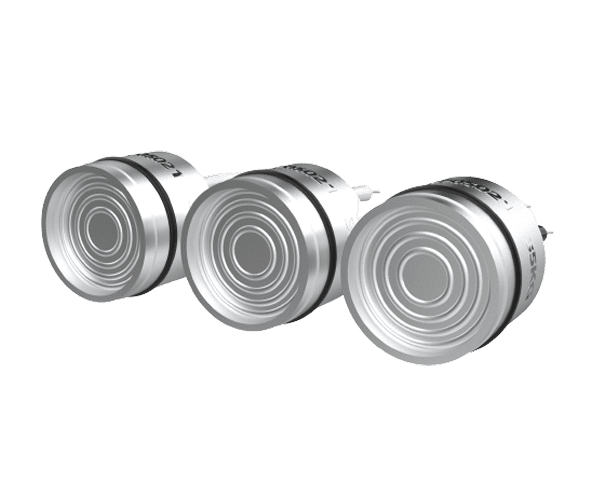
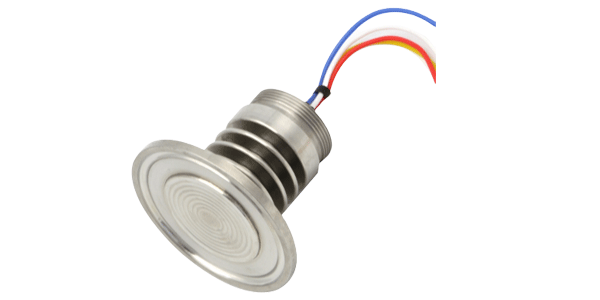
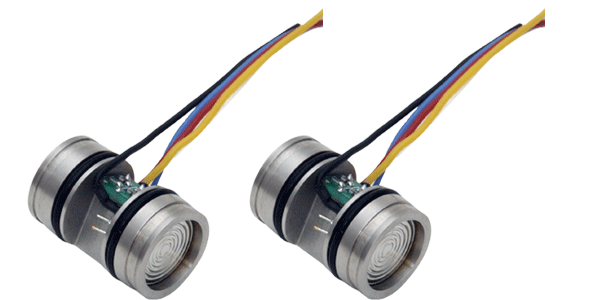
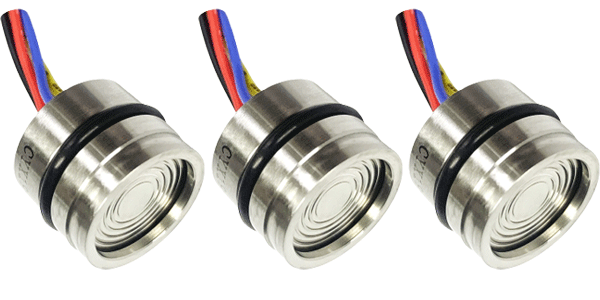
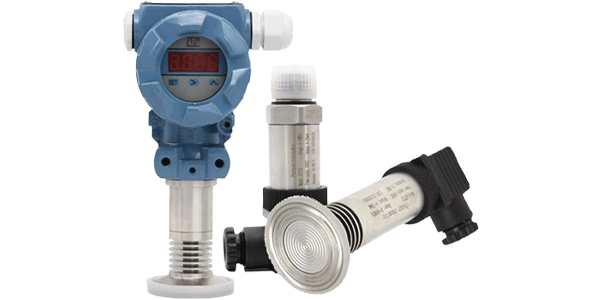
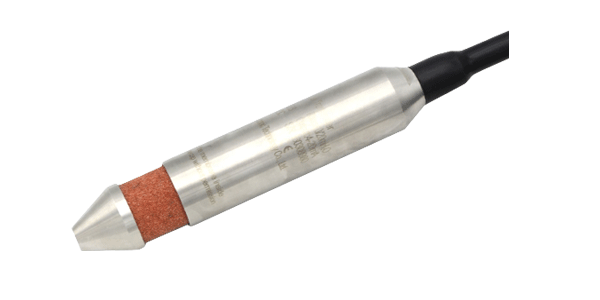
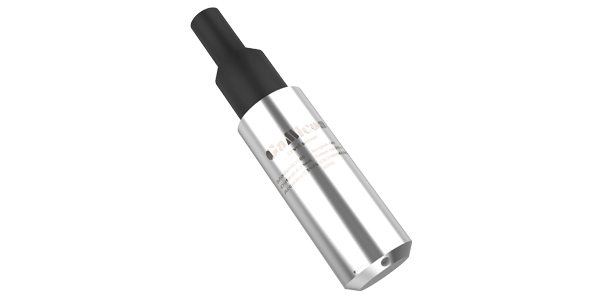
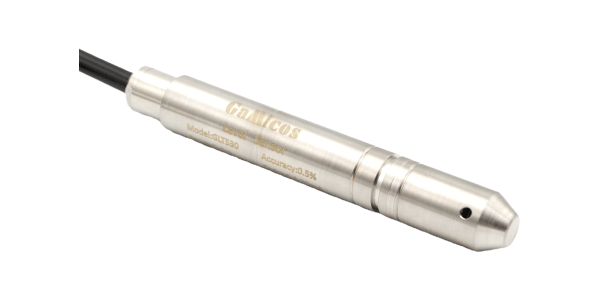
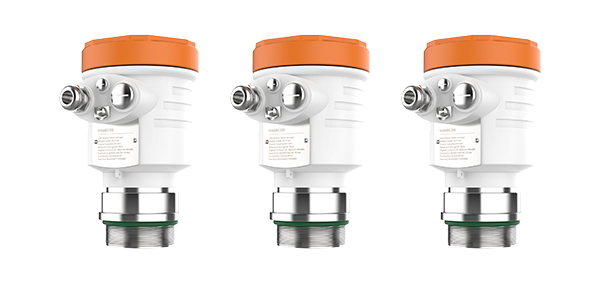
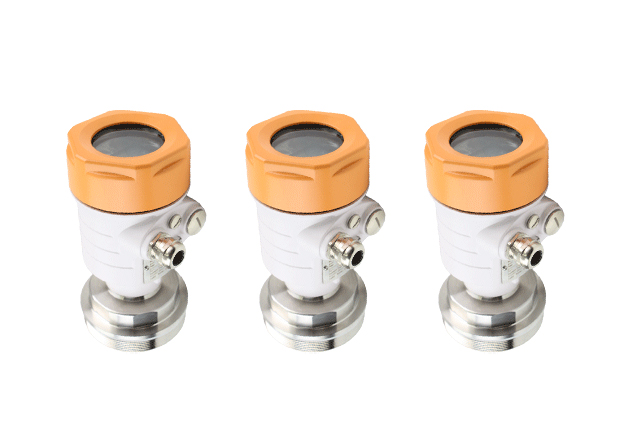
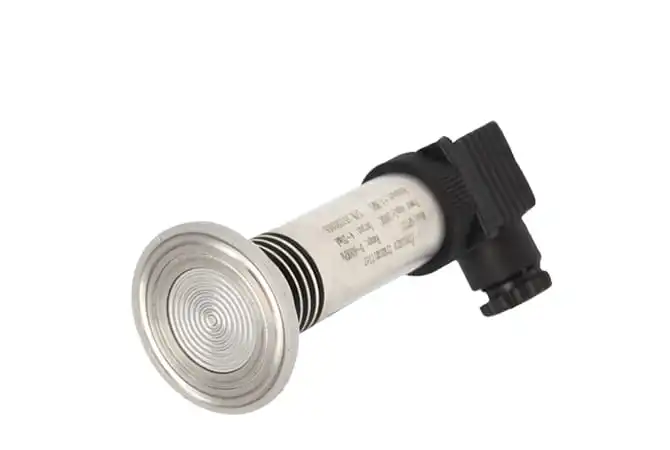
The GPT210 is a flush-diaphragm pressure transmitter designed by GAMICOS specifically for sanitary applications in food, beverage, pharmaceutical, and biotech industries. It features a Tri-Clamp sanitary connection, with the diaphragm installed flush to the pipe's inner wall — meet the cleanliness requirements of the food industry through structural design.
The GPT210 uses a piezoresistive silicon sensing element with a 316L stainless steel flush isolation diaphragm. The measured pressure acts directly on the diaphragm, transferring through internal fill fluid to the sensing element. The millivolt signal from the sensor is conditioned through digital compensation circuits for temperature and linearity, then output as a standard industrial signal.
The key hygienic design element is the flush diaphragm: the diaphragm surface is perfectly level with the process connection face. When installed, it sits flush with the pipe wall, so flowing media completely sweep across the diaphragm surface — no stagnant zones remain. Combined with mirror-polished surface finish (Ra ≤ 0.8 μm), this eliminates the physical conditions for product residue and bacterial adhesion.
Key Product Features
Feature 1
Tri-Clamp Fitting + Flush Diaphragm — 3-A Compliant
1.5" clamp connection, tool-free installation/removal, no threaded crevices. Mirror-polished diaphragm (Ra ≤ 0.8 μm) sits flush with pipe wall. Withstands up to 135°C SIP (steam-in-place) sterilization — directly solves Pain Point #1 (structural compliance).
Feature 2
Wide Temperature Compensation and Thermal Shock Resistance
Compensation range covers –10°C to +80°C, with zero-point thermal drift ≤ 0.05% FS/°C under typical CIP temperature cycling. Seals and electronics are fatigue-tested for repeated thermal cycles, ensuring no leaks or drift after years of daily temperature shocks — directly addresses Pain Point #2 and extends service life significantly.
316L stainless steel isolation diaphragm shows excellent corrosion resistance in alternating 2–3% NaOH and 1–2% HNO3 environments, with no pitting over long-term operation. This fundamentally eliminates the risk of diaphragm perforation and fill-fluid leakage described in Pain Point #3, protecting food safety.
Feature 4
2× Range Overload Protection — Withstands Water Hammer
Built-in 2× full-scale overload capability effectively absorbs instantaneous pressure spikes from CIP circuit switching and valve actuation, preventing permanent zero and span shifts — directly mitigates Pain Point #4.
Feature 5
Standard Industrial Output — Ready for Data Logging
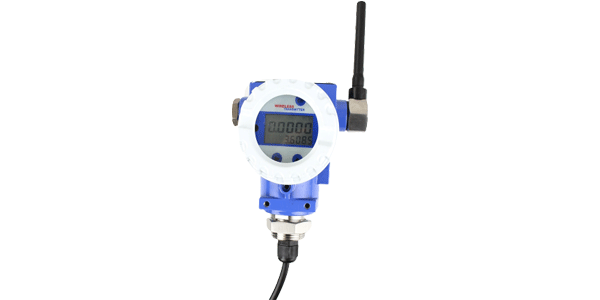
4–20 mA output connects directly to PLC and SCADA systems. Paired with an HMI, it provides real-time pressure display, historical trend recording, and batch archiving — delivering the complete electronic traceability needed for HACCP compliance (Pain Point #5).
Key Specifications
Parameters
Specifications
Process connection
Tri-Clamp 1.5"
Wetted Diaphragm
316L stainless steel flush diaphragm
Accuracy
±0.25% FS (±0.1% FS)
Temperature compensation
–10°C ∼ +80°C
Max Sterilization Temperature
≤ 135°C (SIP steam)
Overload capacity
2x full scale
Output signals
4-20mA / 0-10V / RS485
Ingress protection
IP68
04Customer Case Study: Major Dairy Group Upgrades CIP Pressure Monitoring
Project Background
A large dairy group in northern China produces 1,200 tons of liquid milk per day, including whole milk, yogurt, and flavored milk drinks. The facility operates 3 independent central CIP systems, each serving 8–12 piping circuits, handling about 50 cleaning batches daily.
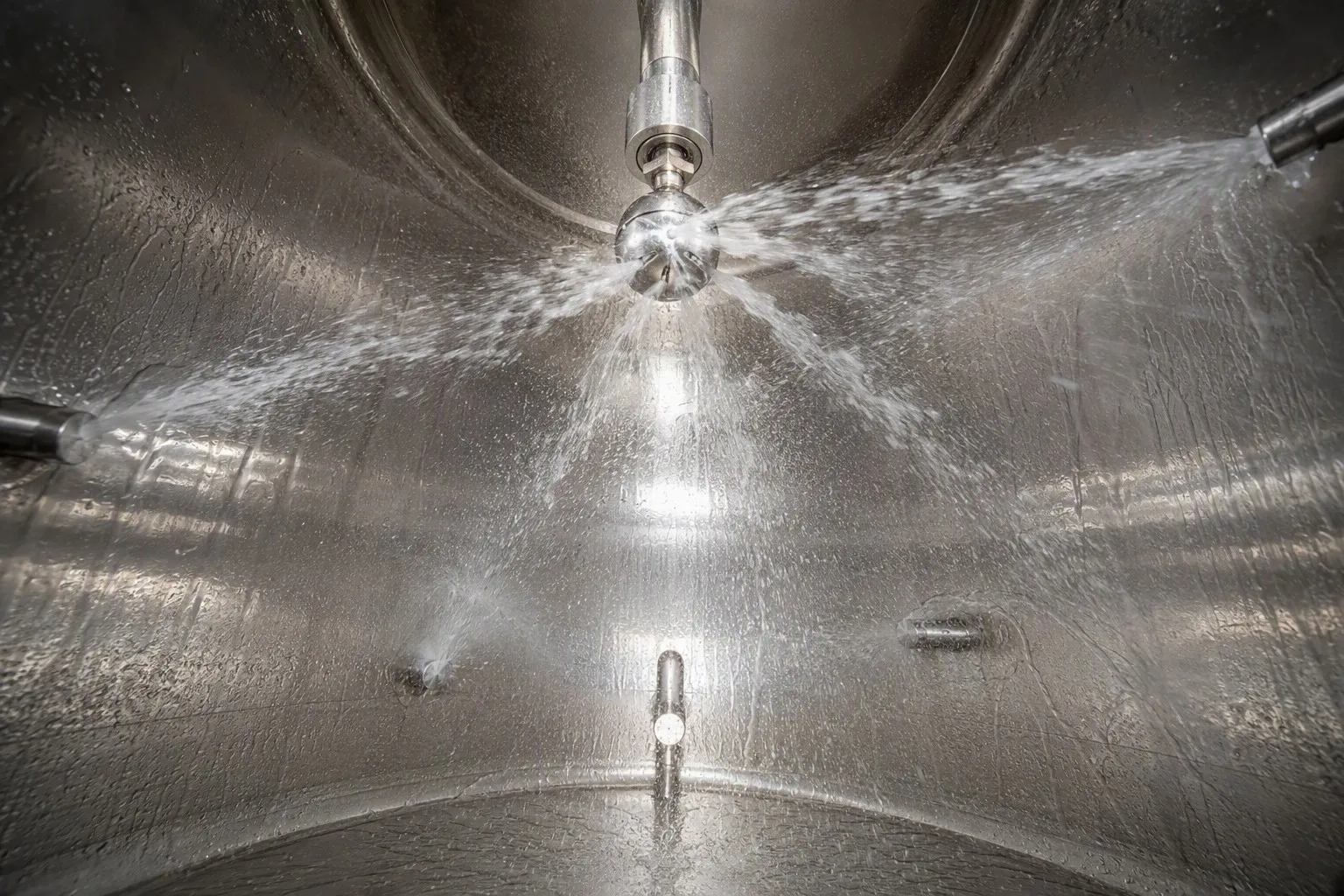
Rotating spray ball coverage depends on precise nozzle pressure
Before the upgrade, all CIP systems used standard industrial pressure transmitters. The annual failure rate exceeded 35%, with common failure modes including seal leaks, zero drift exceeding 2% FS, and diaphragm pitting/perforation. More seriously, insufficient supply pressure had repeatedly caused incomplete pipeline cleaning, leading to batch microbial contamination, product recalls, and customer complaints. During a major customer audit, the non-sanitary pressure instrument connections were flagged as a required correction.
Solution
All 82 pressure monitoring points across the three CIP systems were replaced with GPT210 sanitary pressure transmitters, deployed in four functional categories:
Monitoring Point
Quantity
Range
Purpose
Supply pump discharge
12
0-1.0MPa
Ensure cleaning fluid reaches all circuits at rated pressure
Spray nozzle pressure (circuits)
48
0-0.6MPa
Maintain nozzle pressure within 0.2–0.4 MPa process window
Return line pressure
12
0-0.4MPa
Detect blockages or valve faults
Filter differential pressure
10
0-0.6MPa
Paired transmitters calculate ΔP to assess filter cleanliness
System Integration: All 82 GPT210 units send 4–20 mA signals to the CIP PLC cabinet. The HMI displays real-time pressures and historical trends on a process flow diagram. Three pressure-based interlocks are configured: (1) nozzle pressure below 0.15 MPa for 10 seconds triggers an alarm and pauses the cleaning cycle; (2) supply pressure above 0.85 MPa automatically reduces pump frequency to prevent overpressure; (3) filter ΔP above 0.15 MPa triggers a filter-change alert on the HMI and automatically switches to the standby filter.
Data Archiving: Full pressure curves for every CIP batch are automatically uploaded to the plant MES system, linked with batch number, equipment cleaned, and operator ID — creating fully traceable electronic cleaning records.
Results
0 failures / 18 months
Reliability Restored
Zero failures across 82 transmitters over 18 months of continuous operation. The previous 35% annual failure rate — with its associated downtime and replacements — was eliminated. Sanitary connections also satisfied the customer audit requirements.
92% → 99.5% first-pass rate
Cleaning Success Rate
CIP first-pass cleaning success rate improved from 92% to 99.5%. Precise nozzle pressure control ensured every circuit received the designed scouring force, fundamentally eliminating incomplete cleaning and batch contamination due to insufficient pressure.
<12 mo → 5+ yrs service life
Instrument Service Life
Service life extended from <12 months to an expected 5+ years. Annual maintenance costs for pressure instruments dropped by over 90%, saving approximately ¥270,000 RMB per year.
-12% / -8% water / chemical per batch
Resource Optimization
Water consumption per batch decreased by 12%; cleaning chemical consumption decreased by 8%. Real-time pressure feedback enabled PID closed-loop control of the supply pump variable-frequency drive. Total annual operational savings: approximately ¥450,000 RMB.
100% traceable records
Compliance Evidence
Full electronic batch cleaning records established. During HACCP audits and customer inspections, complete pressure curves for any batch can be retrieved on demand — significantly strengthening compliance evidence.
05Summary
The GPT210 deployment at this dairy facility addresses all three critical requirements for pressure instruments in the food industry: sanitary compliance, long-term reliability, and data traceability. The Tri-Clamp flush-diaphragm design solved structural compliance issues. Wide-temperature compensation, 316L corrosion-resistant diaphragm, and 2× overload protection together supported 18 months of zero-failure operation. And the complete batch pressure records elevated CIP from "cleaning was performed" to "cleaning can be proven effective."
For food and beverage companies, the ROI of upgrading CIP pressure monitoring is clear: the cost of a single batch contamination incident often exceeds the total investment in upgrading all pressure instruments plant-wide. The value of the GPT210 solution goes beyond the ¥270,000 in maintenance savings and ¥450,000 in water/chemical optimization — it fundamentally shifts food safety risk management from "relying on experience" to "backed by data." This solution is equally applicable to beer, beverage, condiment, pharmaceutical, and biotech industries — any sanitary process application.