Industry Background
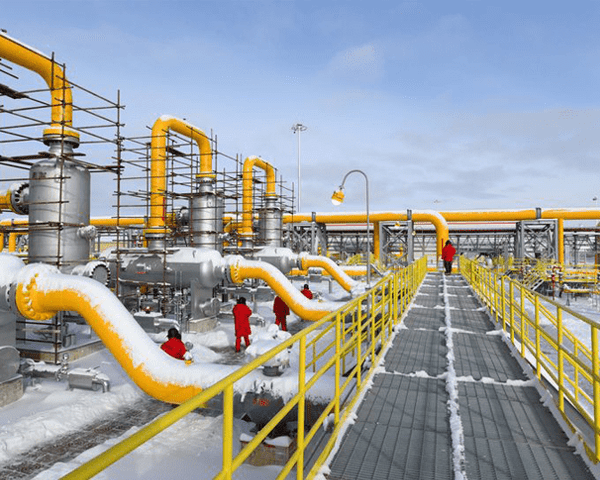
The oil drilling industry, as a core part of oil and gas resource development, operates in environments characterized by high temperature, high pressure, strong corrosion, and high vibration. This demands exceptional equipment stability, weather resistance, and precision. Pressure monitoring is a critical link for well control safety and process optimization in drilling operations. Accurate pressure data provides a decision-making basis for key processes such as mud pump operation, fracturing and acidizing, and blowout preventer (BOP) control. This directly impacts the safety, efficiency, and cost-effectiveness of drilling operations. As the industry advances into deep and unconventional oil and gas resources, drilling operations are extending to ultra-deep wells, high-sulfur formations, and complex geological layers, placing higher demands on the adaptability and reliability of pressure measurement equipment.
Industry Pain Points
Throughout the entire oil drilling process, pressure monitoring for key equipment like mud pumps, fracturing systems, and BOP manifolds faces common industry challenges. Traditional pressure measurement devices often struggle to adapt to harsh operating conditions. The main pain points are:
-
Complex Media Leading to Clogging and Damage:The drilling process involves viscous media containing sand and solid particles, such as mud, crude oil, and fracturing fluid. Traditional pressure transmitters with cavities are prone to clogging. Their diaphragms are susceptible to damage from sand impact and friction, frequently causing measurement errors or even device failure. This leads to repeated shutdowns for replacement, severely impacting operational progress.
-
Poor Adaptability to Harsh Conditions:Drilling sites involve strong vibration and high impact. Downhole media temperatures can reach 150°C, while extreme surface ambient temperatures can drop to -40°C. Traditional devices often suffer from temperature drift and unstable signals, making it difficult to ensure measurement accuracy.
-
High Safety Risks in High-Pressure Operations:In oil drilling, especially exploration wells, the rated working pressure of BOPs must be no less than 70MPa. Traditional devices often lack sufficient overload capacity, leading to pressure data lag or distortion. This failure to provide timely warnings of pressure anomalies can easily lead to well kicks, blowouts, and other safety accidents.
Product Recommendation: GPT431 Strain Gauge Flush Diaphragm Pressure Transmitter
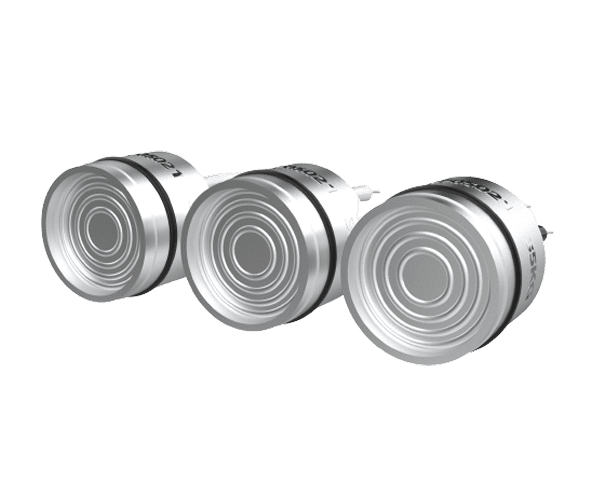
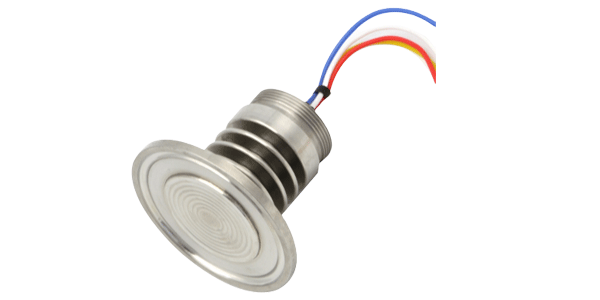
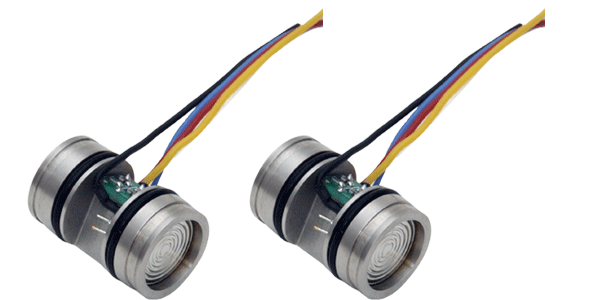
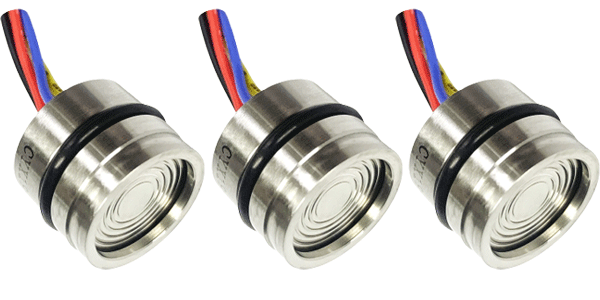
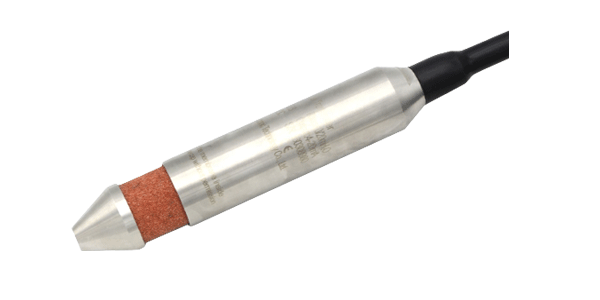
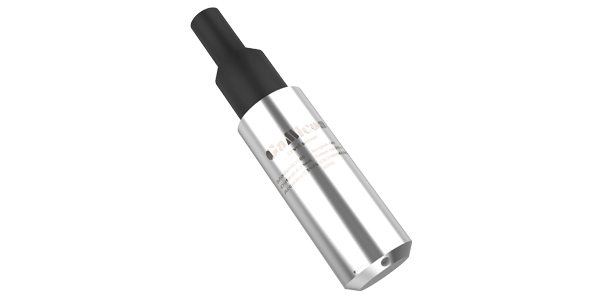
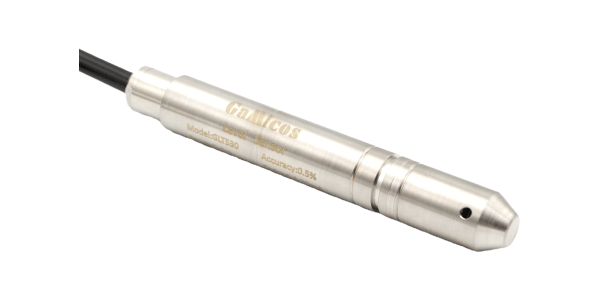
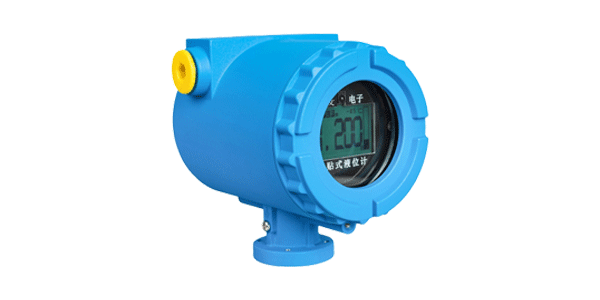
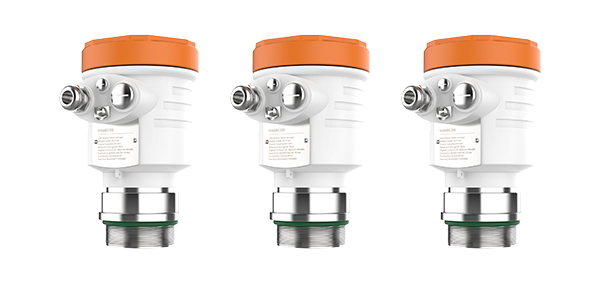
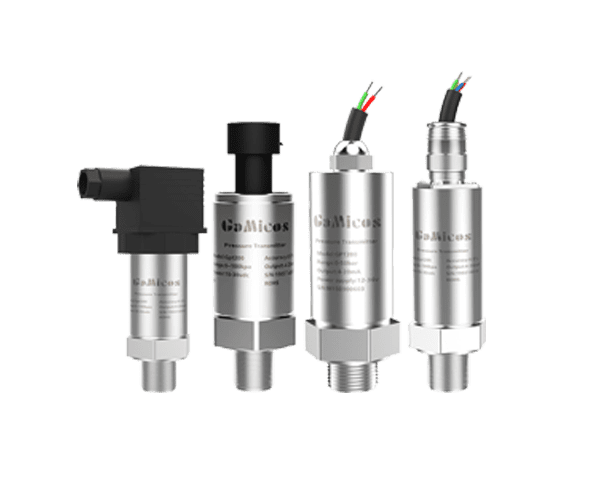
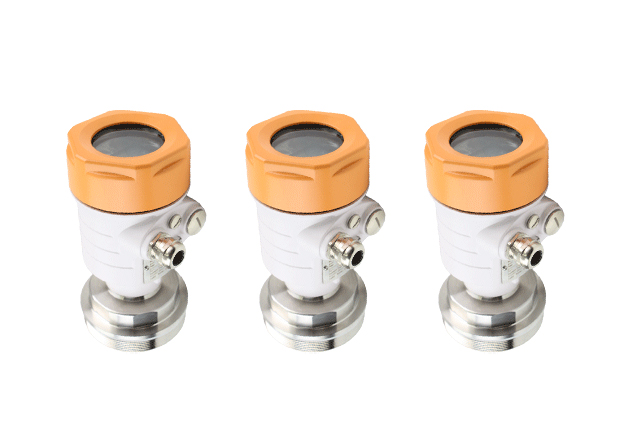
The GPT431 strain gauge flush diaphragm pressure transmitter is an industrial-grade sensing device specifically designed for pressure measurement in viscous and complex media. It is optimized for harsh conditions like oil drilling, comprehensively addressing industry pain points through its structural design, material selection, and performance parameters. It stands as the core adaptable device for pressure monitoring in oil drilling.
Key Product Features
Anti-Clogging & Wear-Resistant Structure
Features an exclusive flush diaphragm design with no cavity dead zones for clogging, perfectly suited for viscous media containing particles like mud and crude oil. The diaphragm is made of 17-4PH stainless steel, resistant to high friction and sand impact, fundamentally solving the problems of diaphragm damage and cavity clogging seen in traditional devices.
Superior Adaptability to Harsh Conditions
The device withstands strong vibration and high impact, making it suitable for the vibratory environment of drilling sites. It maintains accurate measurement even under extreme temperature variations.
High-Pressure & Overload Safety Assurance
The pressure range covers 0MPa to 100MPa, fully meeting the pressure measurement requirements of oil drilling exploration wells (above 70MPa). Overload capacity reaches ≤300% FS (0–60MPa) and ≤200% FS (70–100MPa), ensuring no data distortion under high pressure and providing reliable data support for well control safety.
Specific Application Scheme for Oil Drilling Equipment
An onshore oil drilling company, primarily engaged in deep well and high-sulfur formation drilling, long suffered from equipment clogging, damage, and low accuracy in pressure monitoring for mud pumps, fracturing systems, and BOP manifolds. After introducing the GPT431 strain gauge flush diaphragm pressure transmitter, a comprehensive application scheme was developed based on the operational requirements of each critical drilling equipment. The specific deployment is as follows:
Mud Pump
inlet/outlet pipelines, mud circulation channels
Custom 0–40MPa, Gauge (G), 4–20mA (T1), aviation plug (B2), M20*1.5 (C1)
Real-time monitoring of mud pump inlet/outlet pressure and circulation pressure to determine pump operating status, early warnings for pipeline blockages or pump failures, ensure mud circulation stability, prevent wellbore collapse caused by pressure anomalies.
mud pump pipeline standard
Fracturing & Acidizing System
fracturing pump outlet, acidizing manifold, wellhead fracturing line
70MPa high-pressure, 0.2% FS accuracy (A1), direct lead wire (B3), NPT1/2 (C3)
Real-time monitoring of fracturing fluid injection pressure allows precise control of fracturing intensity, avoiding formation fracture or pipeline damage. Provides accurate pressure data for evaluating fracturing effectiveness.
adapted for high-pressure sealing of fracturing equipment
BOP Manifold
BOP body, manifold branches, hydraulic control system accumulator
80MPa range (≥70MPa), liquid level lead (B4), monitors BOP working pressure & accumulator pressure (21MPa rated)
Strictly monitor whether BOP pressure meets drilling design, early warning for hydraulic leaks or insufficient pressure, ensure BOP closes quickly during well kicks/blowouts.
BOP hydraulic control system environment
Cementing Operation
cementing pump outlet, slurry delivery manifold
GPT431-0/30MPa-G-T4-V1-A2-B2-C2, RS485 digital (T4), G1/2 connection (C2)
Real-time monitoring of cement slurry injection pressure to ensure cementing quality, integrates with cementing intelligent control system.
cementing equipment pipelines
Overall System Integration
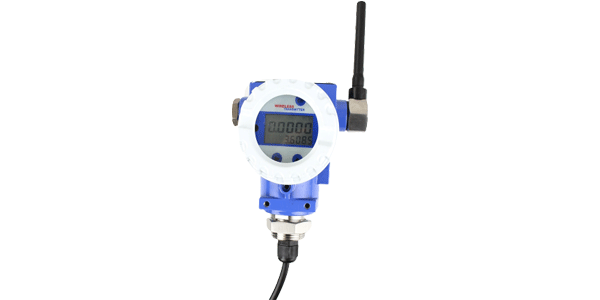
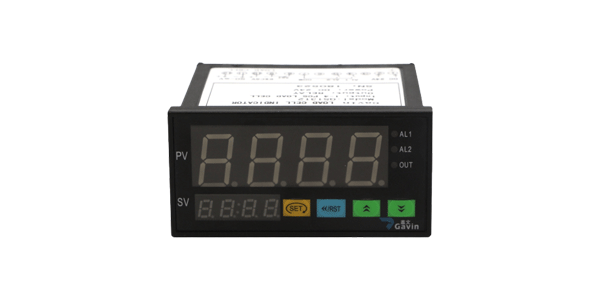
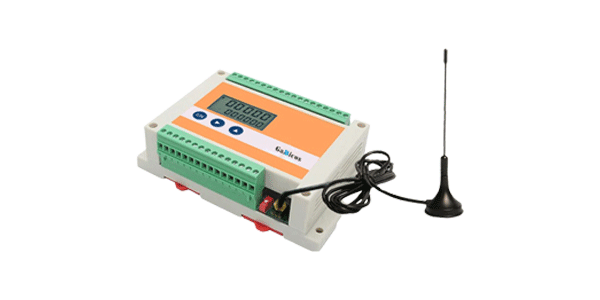
Pressure data from all GPT431 transmitters is transmitted via 4–20mA or RS485 signals to the central control system at the oil drilling site. This enables real-time pressure data display, trend analysis, and anomaly alerts. When pressure exceeds set thresholds, the system automatically triggers an audible and visual alarm, reminding operators to take timely action. This achieves intelligent and refined management of drilling pressure.
Application Scheme Implementation Results
After introducing the GPT431 strain gauge flush diaphragm pressure transmitter, the oil drilling company validated its performance over 12 months of actual operation. Pressure monitoring issues across critical drilling equipment were comprehensively resolved, leading to significant improvements in operational safety, efficiency, and cost-effectiveness. Specific results include:
📈 Drastically Improved Stability
95% failure rate reduction
Average trouble-free time from 7 days to >6 months, completely solving diaphragm damage & clogging.
🎯 Measurement Accuracy & Reliability
Maintained within 0.5% FS under vibration & extreme temperatures. No pressure data lag/distortion, meeting industry standards for fracturing & BOP.
⚡ Improved Efficiency & Cost Reduction
Installation time reduced by 80% (30 min/unit). Comprehensive O&M costs reduced by 70%. Average drilling cycle shortened by 3–5 days per well.
⛰️ Full Condition Adaptability
Temperature, vibration, corrosion, high-pressure resistance enabled ultra-deep well & high-sulfur formation drilling, expanding operational boundaries.
Drastically Improved Equipment Stability & Reduced Failure Rate:The GPT431's anti-clogging flush diaphragm structure and 17-4PH stainless steel diaphragm perfectly handle complex media like mud and fracturing fluid, completely solving the problems of diaphragm damage and cavity clogging seen with traditional devices. The average trouble-free operation time increased from the previous 7 days to over 6 months. The failure rate of pressure monitoring equipment dropped by 95%, eliminating the need for repeated shutdowns for replacement and ensuring drilling operation continuity.
Achieved Measurement Accuracy & More Reliable Data Support:Under harsh drilling conditions with strong vibration and extreme temperature variations, the GPT431 maintained measurement accuracy within 0.5% FS, with negligible temperature drift and no pressure data lag or distortion. Pressure monitoring data accuracy for high-pressure processes like fracturing and BOP control meets industry standards, providing reliable data support for well control safety and process optimization, effectively avoiding safety risks caused by pressure data errors.
Improved Operational Efficiency & Reduced Overall Costs:The integrated structure and standardized interface design reduced the installation and commissioning time for the GPT431 by 80% compared to traditional devices, with a single unit installation taking only 30 minutes. The device's extended service life and extremely low failure rate significantly reduced costs for procurement, replacement, and maintenance, lowering comprehensive operation and maintenance costs by 70%. Furthermore, reduced downtime due to equipment failure shortened the average drilling cycle per well by 3 to 5 days, significantly enhancing operational efficiency.
Full Condition Adaptability & Expanded Operational Boundaries:The GPT431's temperature resistance, vibration resistance, corrosion resistance, and high-pressure adaptability allow it to meet the requirements of deep wells, high-sulfur formations, and complex geological drilling operations. This has helped the company successfully execute multiple ultra-deep well and unconventional oil and gas well drilling projects, effectively expanding the boundaries of oil and gas development.
— All technical descriptions, product codes, and data remain in original English, formatted for clarity —