Why India Buyers Choose China Submersible Pressure Sensors | GAMICOS
This practical approach resolves budget constraints without sacrificing quality, making China the preferred sourcing destination for India's expanding industrial automation sector. Understanding why this partnership works so effectively helps both buyers and suppliers maximize their procurement value.
30–40%Cost savings vs. European sensors on comparable specs
2–4 wksTypical lead time for standard products (vs. 8–12 wks from Europe)
100+Countries served by leading Chinese sensor exporters
1. The Submersible Pressure Sensor Market in India
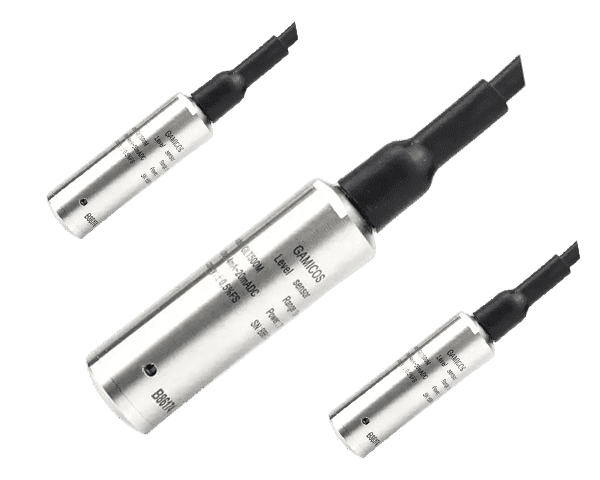
India's economy is changing rapidly. Demand for accurate submersible pressure sensors is driven by water management infrastructure projects, growing oil and gas activities, and strict wastewater treatment regulations. Submersible level probes are essential in these environments — measuring hydraulic pressure in tanks, wells, and treatment basins to ensure process accuracy and regulatory compliance.
Growing Demand Across Core Industries
Indian businesses face mounting pressure to modernize legacy equipment and scale operations:
Chemical industry — continuous monitoring of hazardous material levels in process vessels
Municipal water networks — managing distribution infrastructure across vast geographic areas
Pharmaceuticals — maintaining cleanroom measurement standards compliant with FDA and WHO guidelines
Each sector requires sensors that perform reliably in harsh conditions and deliver precise, consistent data over extended operational periods.
Procurement Challenges Facing Indian Buyers
Many Indian businesses operate under tight capital constraints, with multiple stakeholders involved in approval decisions. Domestic suppliers offer limited product variety, often forcing buyers to compromise on specifications or accept long delivery timelines. Engineering managers struggle to find sensors covering specific pressure ranges, output protocols, or corrosion-resistant materials without turning to expensive European alternatives that strain project budgets.
Price Sensitivity and Value-Driven Decisions
Indian procurement managers must balance three competing demands: quality, fair pricing, and reliable service. Unlike buyers in North America or Western Europe — where brand loyalty carries significant weight — Indian buyers scrutinize technical specifications, certification documents, warranty terms, and total cost of ownership. This value-driven approach aligns naturally with what Chinese manufacturers offer: advanced technical capability at accessible price points.
2. Key Factors Driving Indian Buyers to Choose Chinese Sensors
After two decades of serving global customers, Chinese producers have refined their value proposition. In India, their success comes from understanding what buyers need and delivering comprehensive solutions — not just lower prices.
Competitive Pricing Through Manufacturing Scale
Large-scale production centers allow Chinese suppliers to optimize component sourcing and assembly processes. Economies of scale significantly reduce unit costs compared to smaller manufacturers. Automated testing and quality control add further efficiency without compromising product integrity. For an Indian engineering firm managing a water treatment project on a constrained budget, sourcing Chinese pressure sensors typically delivers 30–40% cost savings against European equivalents while maintaining performance standards.
Extensive Product Portfolio with Customization
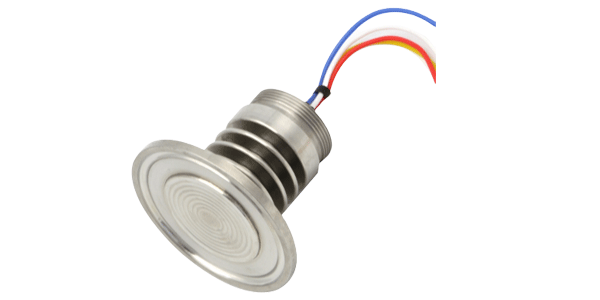
Chinese suppliers offer remarkable product breadth — hydrostatic level sensors covering 1 m to 500 m water column, analog outputs, digital protocols (RS485), and wireless options, all from a single vendor. GAMICOS and peer manufacturers provide OEM/ODM services that adjust sensor dimensions, cable lengths, material specifications, and electronic configurations to match specific application requirements. When an Indian pharmaceutical company needs sanitary sensors with tri-clamp fittings, they receive purpose-built solutions rather than being forced into standard industrial formats.
International Certification Compliance
Leading Chinese sensor manufacturers invest heavily in certification compliance:
ISO 9001 — quality management system governing manufacturing processes
CE marking — European safety and EMC compliance
RoHS — restriction of hazardous substances in electronic components
ATEX / IECEx — explosion-proof certification for petroleum and chemical plants
When Indian procurement teams evaluate suppliers, verifying these certifications confirms that Chinese sensors meet the same international standards as Western competitors.
Flexible Order Quantities and Lead Times
Project-based procurement creates irregular demand patterns. An Indian engineering firm might need 50 sensors for a current project and up to 200 units in later phases. Chinese suppliers accommodate these variable volumes without minimum order penalties. With expanded factory capacity and optimized inventory management, standard products ship in 2–4 weeks rather than 8–12 weeks from Europe — critical when commissioning deadlines are approaching and equipment delays threaten project schedules.
3. How Indian Buyers Can Optimize Procurement of Chinese Sensors
Strategic procurement methods increase value while reducing the risks associated with international sourcing. Structured evaluation frameworks that verify quality, confirm supplier reliability, and secure lifecycle support are essential.
Comprehensive Supplier Evaluation
Price comparison alone is insufficient. A thorough evaluation examines:
Product specifications and datasheet completeness
Certification validity — traceable to national standards bodies
Warranty terms and after-sales support scope
References from clients in the same industry vertical
Reputable Chinese suppliers readily provide this information. Reluctance to share documentation is a clear indicator requiring caution.
Quality Assurance and Authentication
Counterfeit products and inconsistent quality are risks when sourcing from unknown suppliers. Mitigate these by working only with authorized distributors of reputable manufacturers, requesting pre-shipment inspection reports from third-party agents, and — where feasible — visiting production facilities to inspect manufacturing processes, testing equipment, and quality control procedures. These verification steps add modest upfront cost but prevent expensive failures and project delays.
Installation and Maintenance Best Practices
Sensor performance depends significantly on correct installation:
Position submersible probes above sediment accumulation zones at tank bottoms
Ensure venting cables are free of kinks that impede atmospheric pressure equalization
Protect electrical connections from moisture ingress
Schedule annual calibration to maintain measurement accuracy
Perform routine cleaning to remove fouling and extend sensor service life
Building Strategic Supplier Partnerships
Transactional purchasing delivers short-term savings. Long-term relationships create sustained value: priority treatment during supply constraints, collaborative problem-solving, access to application engineering expertise, and preferential pricing on volume commitments. Suppliers who understand customer requirements proactively recommend products suited to new projects — transforming the relationship from vendor to strategic partner.
4. Leading Chinese Suppliers Trusted by Indian Industrial Buyers
GAMICOS: Specialized Measurement Solutions
GAMICOS exemplifies the modern Chinese sensor manufacturer with a global footprint — exporting pressure sensors, liquid level sensors, ultrasonic and radar level meters, and wireless IoT-enabled instruments to over 100 countries. This international experience translates into practical expertise helping Indian clients select the right sensor for applications ranging from chemical monitoring to pharmaceutical clean-process measurement and remote water management systems.
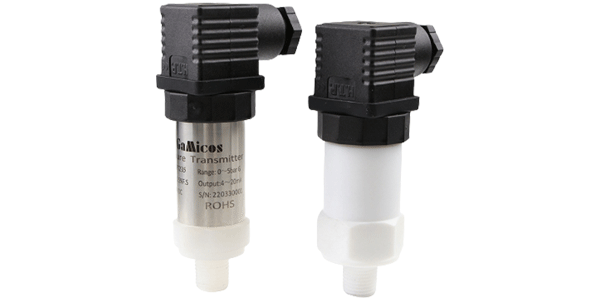
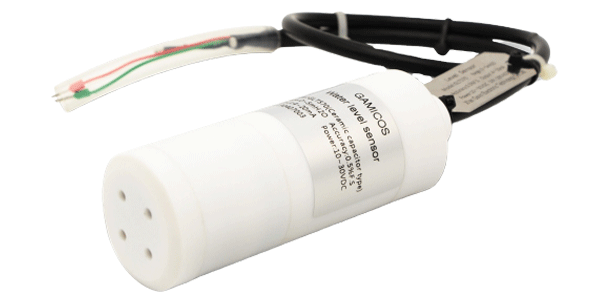
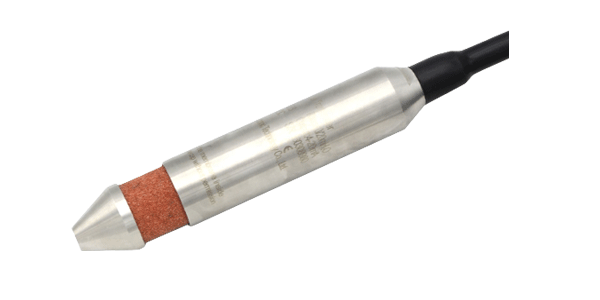
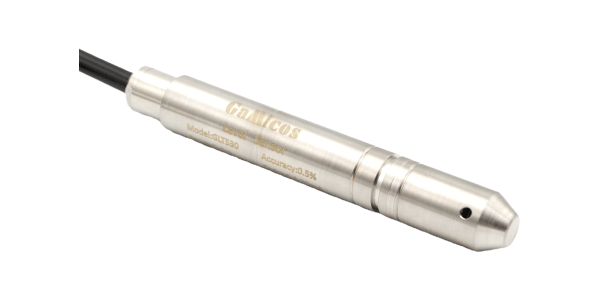
The GLT570 corrosion-resistant submersible sensor combines PTFE housing with imported ceramic sensing cores — delivering chemical resistance suited for India's chemical manufacturing and wastewater treatment environments. Adjustable transmitter circuitry simplifies zero and full-scale calibration, reducing commissioning time. Customized vented cables (acid-alkali resistant, high-strength, and oil-resistant variants) address the specific field conditions encountered at each installation site.
Technical Support and After-Sales Service
Product quality is necessary but not sufficient. Indian engineering teams value prompt expert assistance across the full equipment lifecycle — application selection guidance, installation debugging, warranty service, and spare parts availability. Chinese manufacturers that establish representative offices in India or partner with local distributors deliver support comparable to global brands while maintaining cost advantages.
Demonstrated Results: Case Studies
Client
Application
Outcome
Municipal water authority
Replaced mechanical float switches at 50 pumping stations with Chinese submersible pressure sensors
Emergency callouts reduced by 40%; total project cost 35% below European-quoted budget
Pharmaceutical manufacturer
GAMICOS sanitary pressure sensors for clean-in-place process monitoring
Passed FDA audit; significant equipment cost savings versus domestic alternatives
Conclusion
Indian buyers are choosing Chinese submersible pressure sensors in growing numbers because suppliers address real procurement challenges — limited budgets, customization requirements, and reliable delivery — without compromising critical quality standards. Chinese manufacturers offer cost efficiency through scale, product breadth through OEM/ODM capability, regulatory confidence through international certifications, and responsive expert support.
These capabilities match or exceed established Western brands across a wide range of industrial applications, at better value. Indian engineering managers and sourcing professionals achieve the best outcomes by applying strategic procurement methods: rigorous supplier evaluation, thorough quality verification, and the development of long-term partnerships built on technical alignment and mutual trust.
Frequently Asked Questions
Q1: Are Chinese submersible pressure sensors reliable for critical industrial applications?
Sensors from reputable Chinese manufacturers meet international quality standards and perform reliably across most industrial environments. Products combining imported sensing cores, appropriate materials selection, and thorough testing protocols achieve performance comparable to Western brands. Verifying certifications, reviewing calibration certificates, and checking industry references provides further assurance.
Q2: How does measurement accuracy compare with European or American brands?
Leading Chinese sensors using high-quality imported cores and advanced signal processing achieve full-scale accuracy of ±0.25% to ±0.5% — meeting the requirements of most industrial level monitoring, process control, and inventory tracking applications. Extremely high-precision applications may require premium products regardless of country of manufacture.
Q3: What certifications should Indian buyers verify before procurement?
Prioritize ISO 9001 quality management certification, CE marking, and RoHS compliance. ATEX or IECEx certification is required for hazardous-area applications in petroleum and chemical plants. Obtain certification documents directly from manufacturers and verify their validity through the issuing bodies if authenticity is in question.
Guide to selecting the best submersible pressure transducer for Italy. Compares ceramic-core vs. piezoresistive tech, corrosion resistance, certifications (CE, RoHS), and applications in water, oil, and pharma.
Pressure sensors are often used in our production process. There are many parameters of the pressure sensor, which parameters should be paid attention to when selecting the pressure sensor, and how to quickly lock the product according to several key parameters.
Chinese well sensors boost Pakistan's agriculture via real-time groundwater monitoring, cutting costs, raising yields. Cost-effective, precise alternatives to European sensors with OEM support.