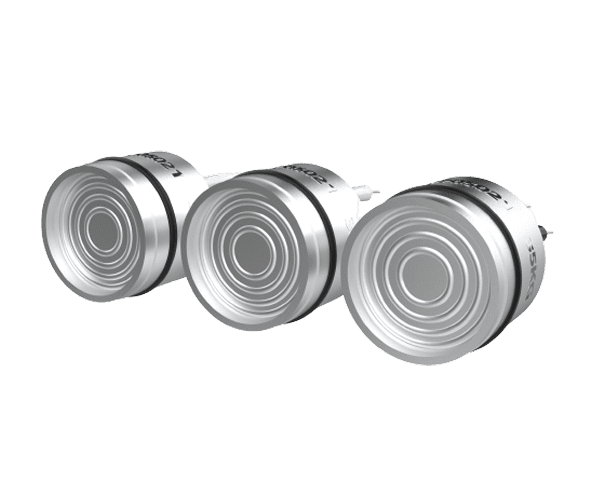
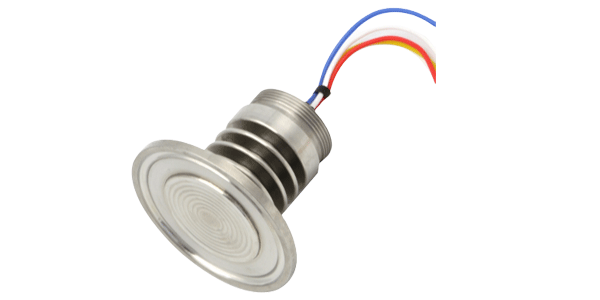
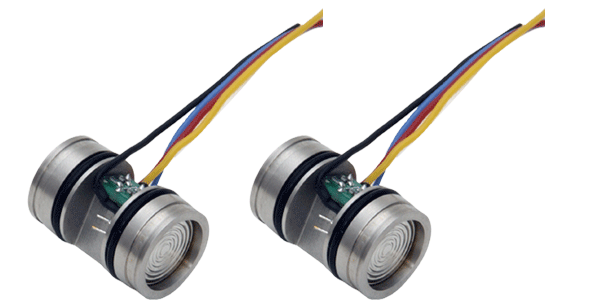
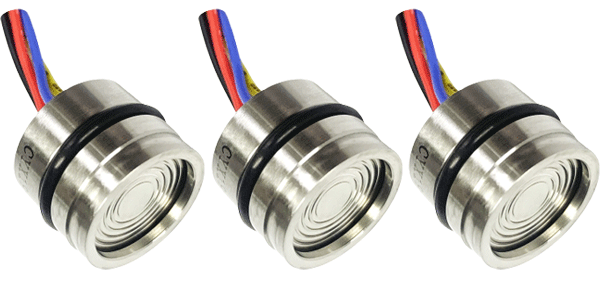
Accuracy vs. Precision – Don't Confuse the Two When Buying a Level Sensor
TIME: 2026.10.15AUTHOR: AdminNUMBER OF VIEWS 9
Why a datasheet can look precise and still read the wrong level — and how to tell the difference before you order.
Technical buying guide · GAMICOS
When you read a level sensor datasheet, the words accuracy and precision often appear together. Many buyers treat them as the same thing. But they are not.
Confusing the two can lead to wrong purchasing decisions. A sensor that looks precise on paper may still deliver inaccurate readings. Another sensor may be accurate on average but too unstable for process control. Understanding the difference helps you choose the right level sensor for your tank, well, river, or industrial process.
Quick answer
Accuracy = how close a reading is to the true level. Written as ±% FS, ±% reading, or ± mm.
Precision = how repeatable and stable that reading is under the same conditions.
Buying rule = check both, then add long-term drift (±% FS per year). A precise sensor can still be consistently wrong; an accurate sensor can still be too noisy to control a pump.
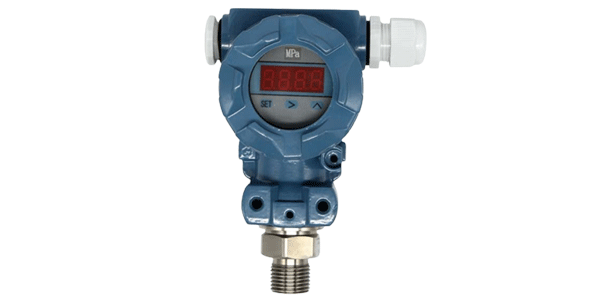
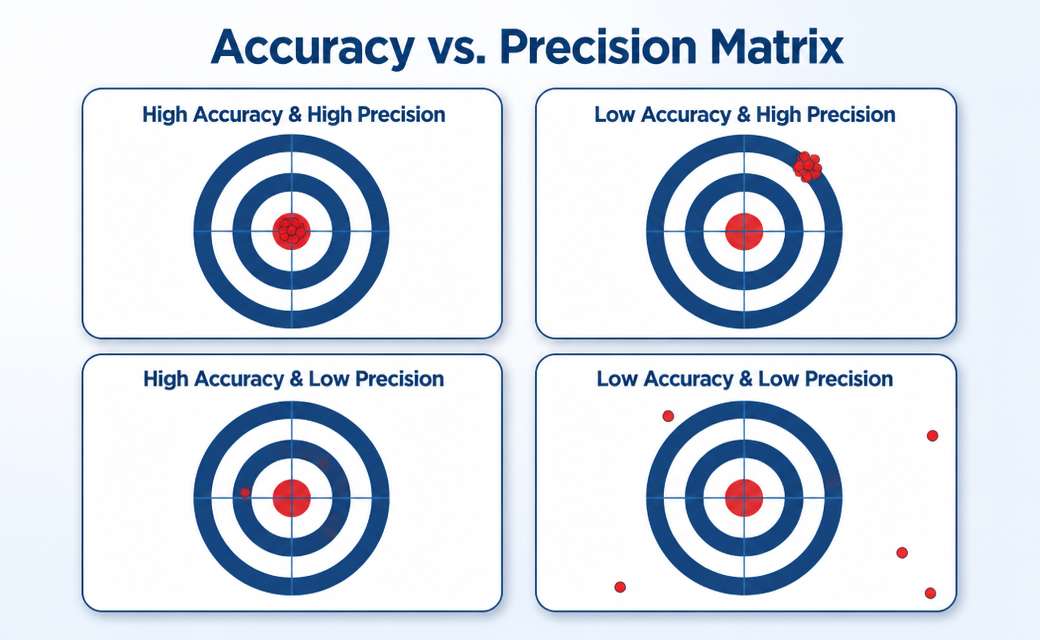
Image 1 — a four-quadrant target diagram showing accurate vs. precise readouts.
What Is Accuracy?
Accuracy describes how close a measurement is to the true value.
If the actual liquid level is 5.00 m, an accurate sensor should report a value very close to 5.00 m. If it reports 4.85 m or 5.18 m, the reading is inaccurate, even if it repeats the same wrong number every time.
How accuracy is usually expressed
±% FS, meaning percentage of full scale
±% reading, meaning percentage of the measured value
± mm or ± m, meaning absolute error
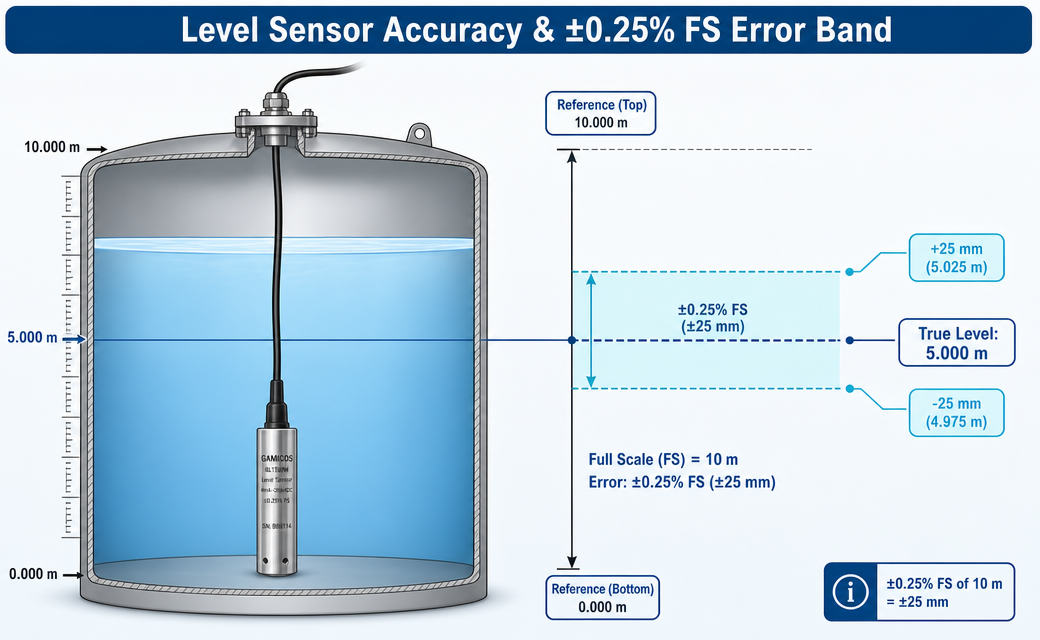
For example, a submersible level sensor with a 10 m range and ±0.25% FS accuracy has a possible error of:
10 m × 0.25% = ±0.025 m
That means the reading may deviate up to ±25 mm from the true level under specified conditions.
Accuracy matters most when you need to know the real level, not just whether the level is changing.
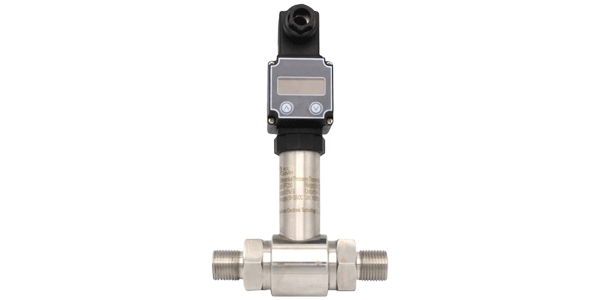
Image 2 — a tank diagram marking true level against the ±0.25% FS error band.
What Is Precision?
Precision describes how repeatable and consistent a measurement is.
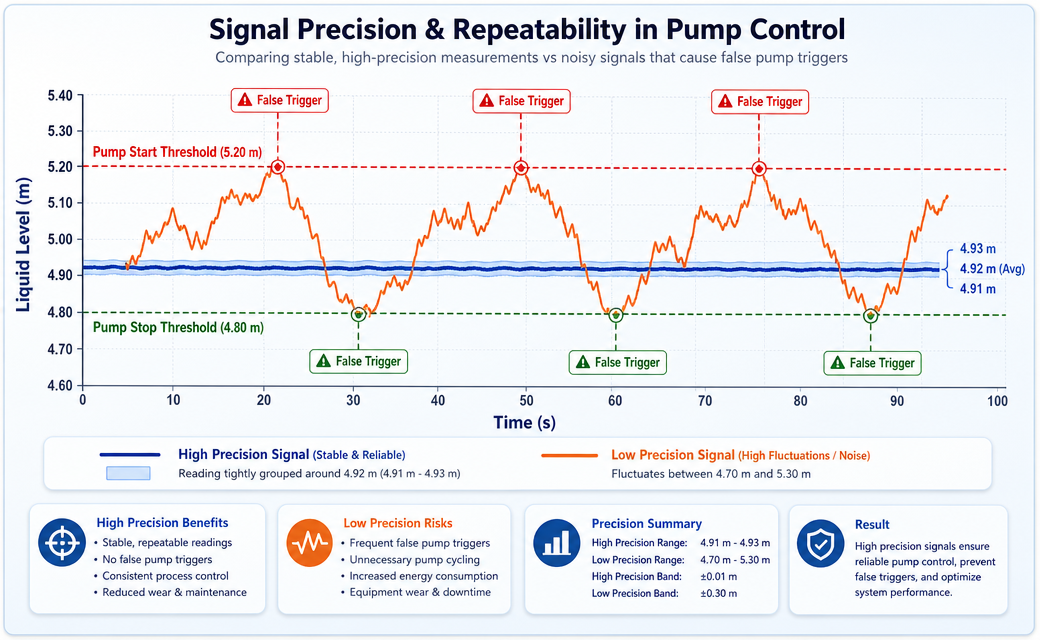
A precise sensor gives very similar readings under the same conditions. If the true level is 5.00 m and the sensor reports 4.92 m, 4.91 m, 4.93 m, and 4.92 m repeatedly, the sensor is precise. The readings are tightly grouped. But they may still be slightly off from the true value.
Precision is closely related to
Repeatability
Signal stability
Noise resistance
Short-term fluctuation
Long-term drift
A highly precise sensor is valuable when your system needs stable control signals. For example, a pump start/stop controller, dosing system, or alarm system benefits from precise readings because unstable signals can cause false triggers.
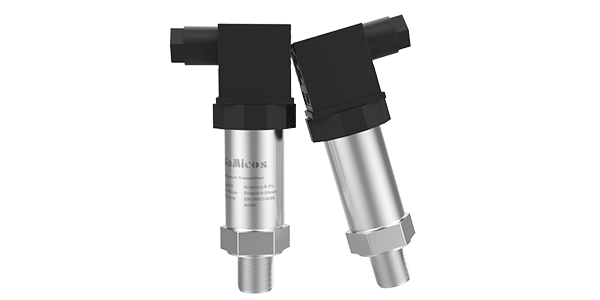
Image 3 — a repeatability chart with tight vs. scattered reading clusters.
Accuracy and Precision Are Not the Same
Think of it this way:
Four combinations of accuracy and precision, and the risk each one carries.
Type
Behavior
Risk
High accuracy, high precision
Readings are close to the true value and repeatable
Best overall performance
High accuracy, low precision
Average reading may be correct, but values fluctuate
Unstable control
Low accuracy, high precision
Readings are stable but consistently wrong
Hidden systematic error
Low accuracy, low precision
Readings are unstable and incorrect
Unsuitable for most applications
A sensor can be precise without being accurate. It can also be accurate on average without being precise enough for automation.
This is why buyers should not look at accuracy alone. Precision, stability, and long-term drift are equally important.
Why This Difference Matters for Level Sensors
In level measurement, accuracy and precision affect different decisions.
Accuracy matters when you need true level data
Examples include:
Tank inventory management
Billing or custody transfer support
Environmental monitoring
Regulatory reporting
Flood warning systems
Process batching where volume matters
If the sensor is inaccurate, your inventory calculation, alarm threshold, or process decision may be wrong.
Precision matters when you need stable control
Examples include:
Pump control
Overflow protection
Dosing and chemical addition
PLC-based automation
SCADA monitoring
Continuous process control
If the signal fluctuates too much, the controller may start and stop pumps unnecessarily, trigger false alarms, or produce unstable process behavior.
The Hidden Factor: Long-Term Stability
Many buyers compare accuracy at the time of purchase but forget long-term stability.
A sensor may start with ±0.25% FS accuracy, but if its drift reaches ±0.5% FS after one year, the initial accuracy no longer guarantees reliable performance. Long-term stability determines whether the sensor continues to deliver trustworthy readings over months or years.
For submersible level sensors, stability is influenced by
Sensor diaphragm quality
Temperature compensation
Cable sealing and moisture resistance
Wetted material compatibility
Installation environment
Liquid type and pressure conditions
Calibration quality
This is why industrial users often prefer sensors with clearly specified long-term drift, such as ±0.2% FS/year or better.
How to Read a Level Sensor Datasheet Correctly
When comparing level sensors, do not stop at “±0.25% FS.” Check these items as well:
Accuracy definition — is it expressed as % FS, % reading, or absolute error?
Repeatability — how consistent are readings under the same conditions?
Long-term stability — how much drift is expected per year?
Temperature influence — does the sensor compensate for temperature changes?
Zero and span stability — will the sensor shift after long-term immersion?
Installation requirements — does the mounting method affect measurement reliability?
Application environment — is the liquid clean, corrosive, foamy, or full of solids?
A sensor with excellent accuracy but poor environmental adaptability may underperform in real applications.
Where the GAMICOS GLT500 Fits In
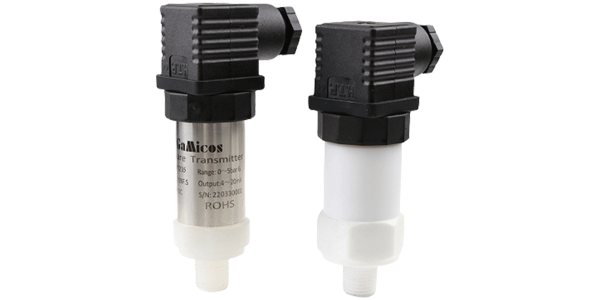
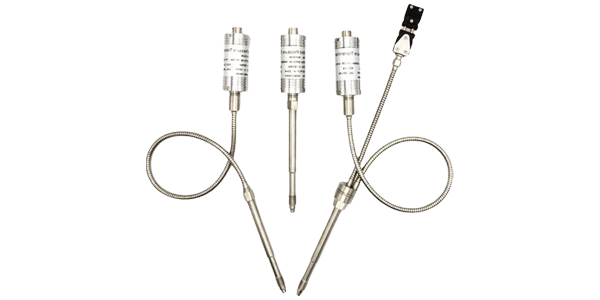
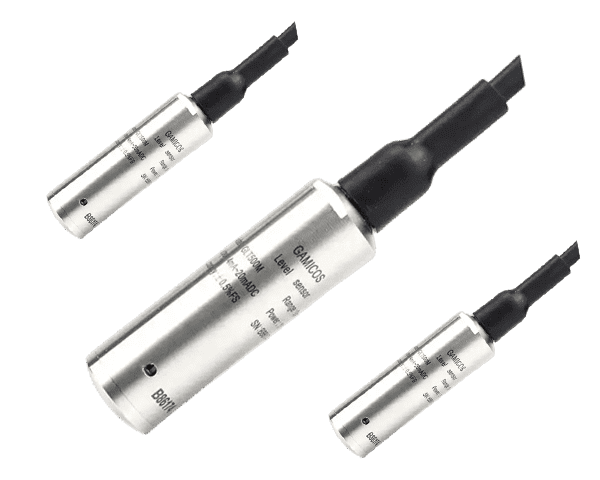
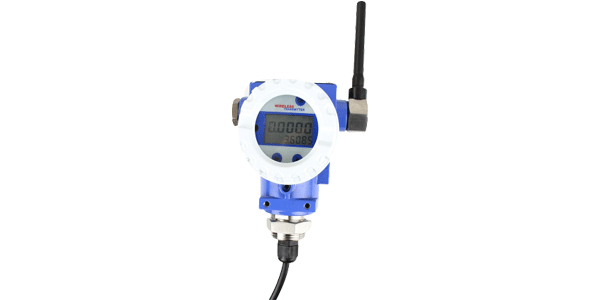
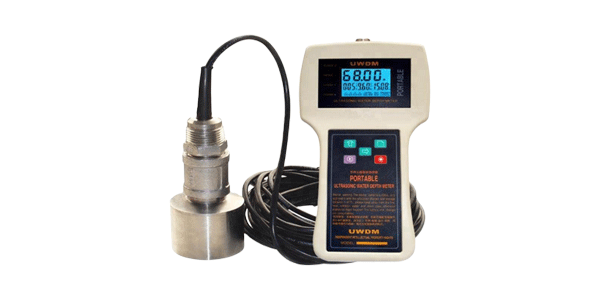
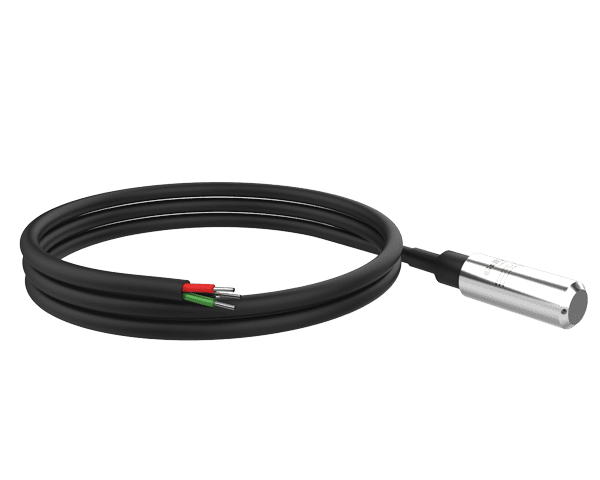
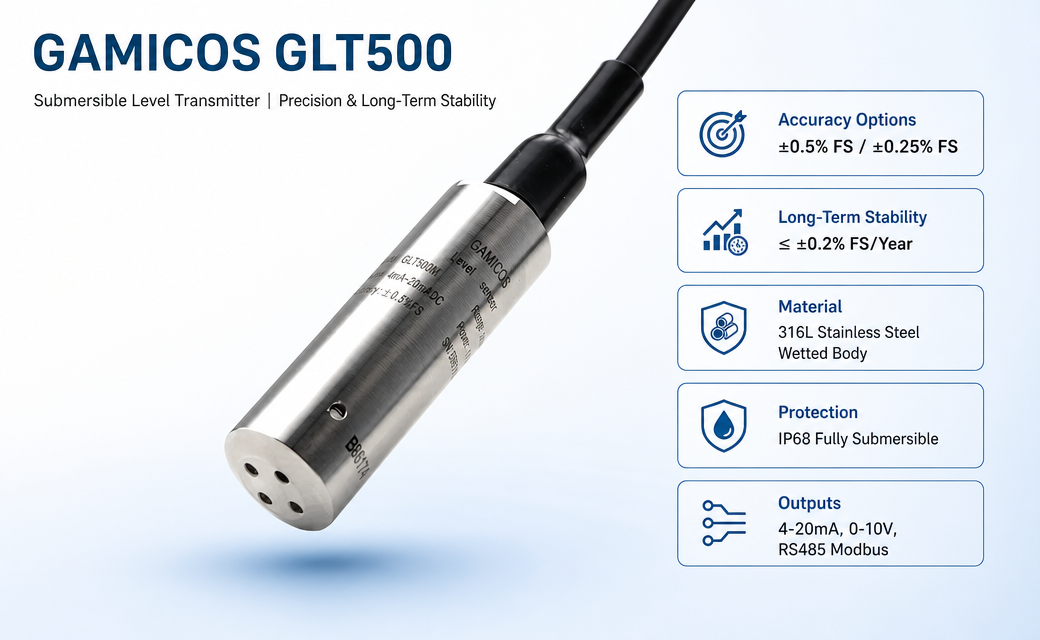
The GAMICOS GLT500 submersible level sensor is designed for applications that require both reliable accuracy and stable long-term performance. It is commonly used in water tanks, wells, sumps, rivers, wastewater systems, and industrial liquid level monitoring.
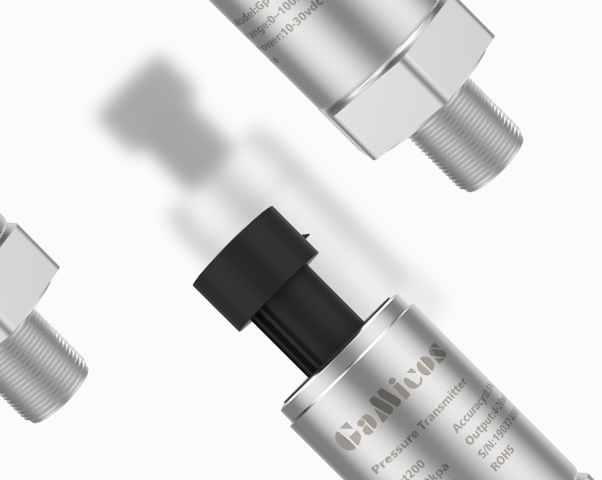
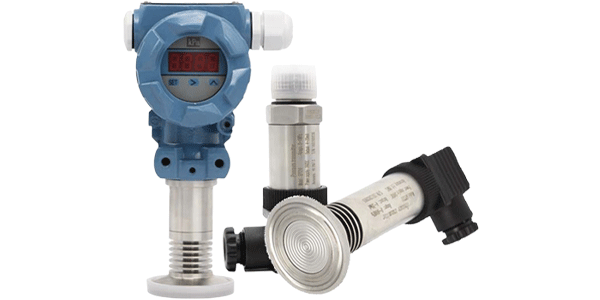
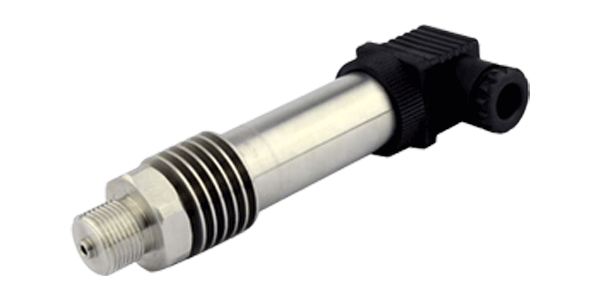
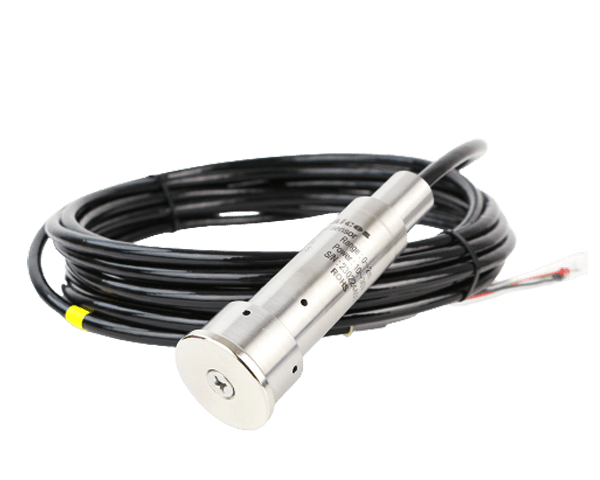
Image 4 — the official GLT500 product photo
Key characteristics include
Accuracy options suitable for general monitoring and higher-precision industrial use
Long-term stability around ±0.2% FS/year, helping reduce frequent recalibration
316L stainless steel wetted parts for good durability in many water and industrial liquids
Multiple output options, including 4–20 mA, 0–10 V, and RS485 Modbus
Wide temperature adaptability for demanding installation environments
The GLT500 is not positioned as a one-size-fits-all sensor. It is better suited for projects where stable readings, reasonable accuracy, and long-term reliability matter more than choosing the cheapest submersible probe.
How to Choose the Right Accuracy and Precision Level
Ask yourself three questions before buying:
Do I need the true level, or just a stable trend? True level requires higher accuracy. Stable trend control requires higher precision.
How often can I recalibrate the sensor? If maintenance access is limited, long-term stability becomes more important than initial accuracy alone.
What happens if the reading is wrong? If a wrong reading causes overflow, pump damage, process loss, or safety risk, choose a sensor with better accuracy, precision, and documented stability.
Final Takeaway
Accuracy tells you how close the sensor is to the true value. Precision tells you how repeatable the sensor is. Both matter, but they solve different problems.
When buying a level sensor, do not chase accuracy numbers alone. Consider repeatability, long-term drift, environmental suitability, and maintenance cost. A well-chosen submersible level sensor should deliver not only a good datasheet specification but also stable, trustworthy performance in real operating conditions.
Frequently Asked Questions
What is the difference between accuracy and precision in a level sensor?
Accuracy describes how close a measurement is to the true value. Precision describes how repeatable and consistent that measurement is under the same conditions. A sensor can be precise without being accurate, and it can be accurate on average without being precise enough for automation.
What does ±% FS mean on a level sensor datasheet?
FS means full scale, so the error is a percentage of the sensor’s whole measuring range rather than of the current reading. A 10 m range sensor rated at ±0.25% FS can deviate by up to ±0.025 m, or ±25 mm, under specified conditions.
Why does long-term stability matter more than initial accuracy?
A sensor may start with ±0.25% FS accuracy, but if its drift reaches ±0.5% FS after one year, the initial specification no longer guarantees reliable performance. Industrial users therefore prefer sensors with a clearly stated drift figure such as ±0.2% FS/year or better.
Need help matching accuracy and precision to your application?
Tell us your range, liquid and control system — we will recommend the right configuration and quote it.
China-made submersible level sensors offer Polish buyers 30–50% cost savings. GLT570 with PTFE/ceramic, CE, ATEX, IP68. Customization, short lead times, and full technical support.