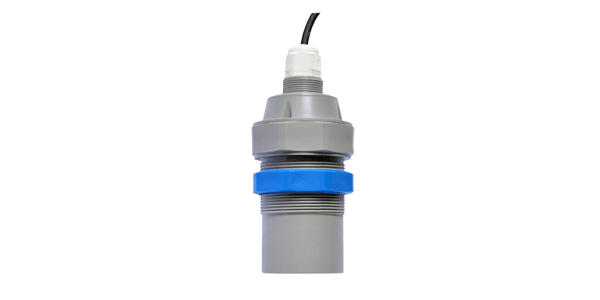
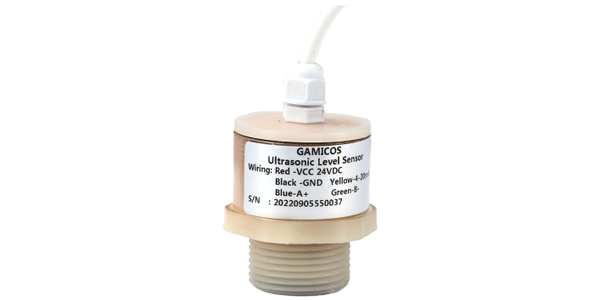
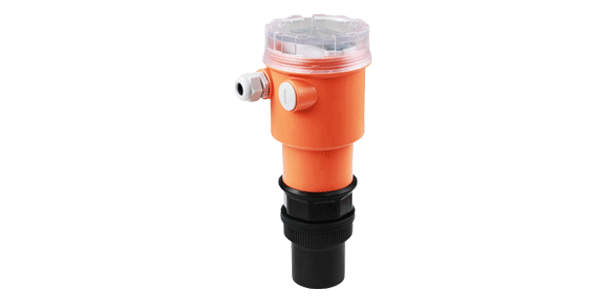
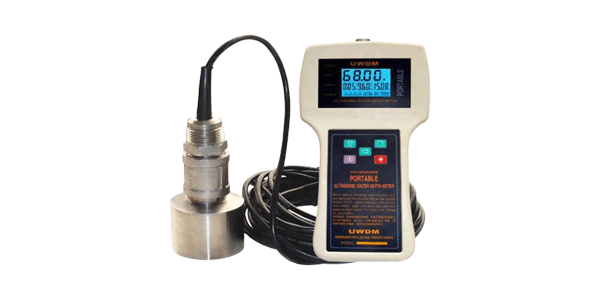
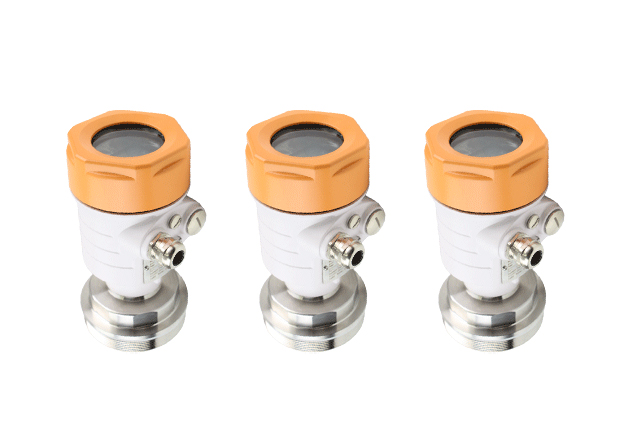
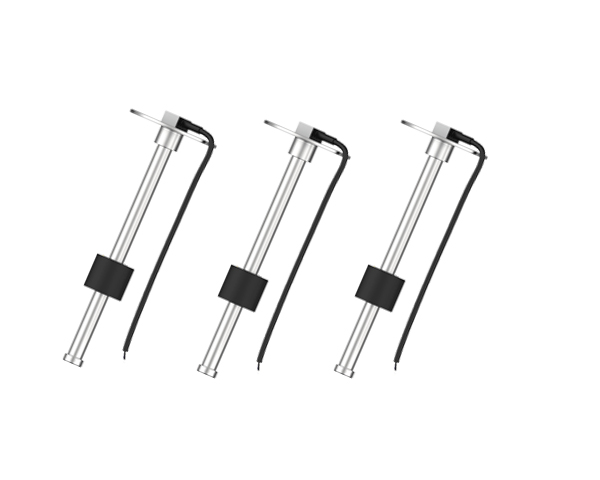
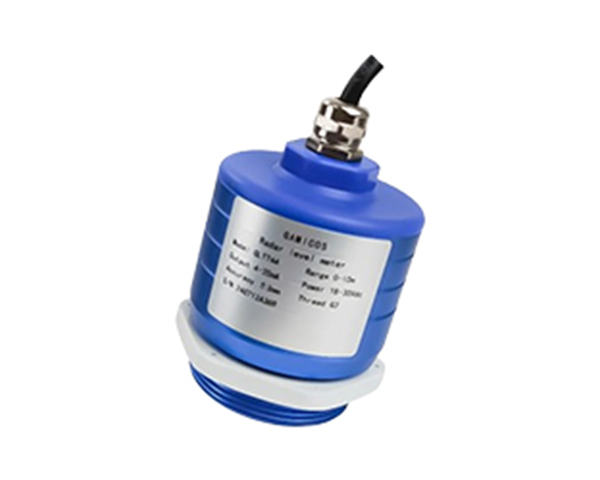
When planning how to buy oil tank level sensors between China and Brazil, it is important to understand the technical specifications, government regulations, and supplier capabilities to ensure industrial automation projects run smoothly. Chinese manufacturers have become trusted partners for Brazilian businesses in the energy, chemical, pharmaceutical, and oil-and-gas industries — offering advanced sensor technologies that meet international standards at competitive prices with flexible customization.
Sensor technology has been improving in response to the demand for more accurate liquid-level readings in storage tanks. Hydrostatic pressure sensors, capacitive sensors, and wireless tracking systems are becoming increasingly advanced and reliable for mission-critical industrial applications.
Key Concepts: Understanding Oil Tank Level Sensor Technologies
Different measurement methods are used by oil tank level sensors, and each works best in a specific industry setting.
Hydrostatic Pressure Sensors
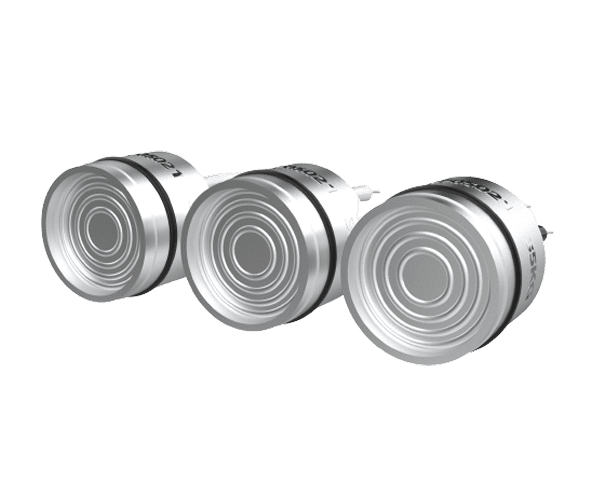
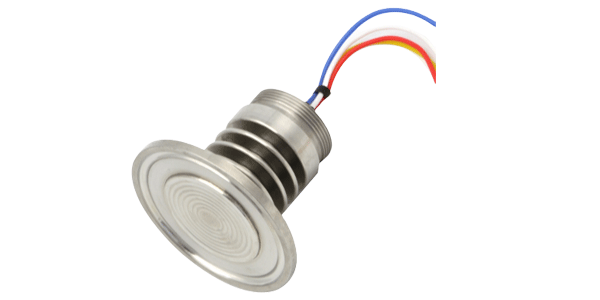
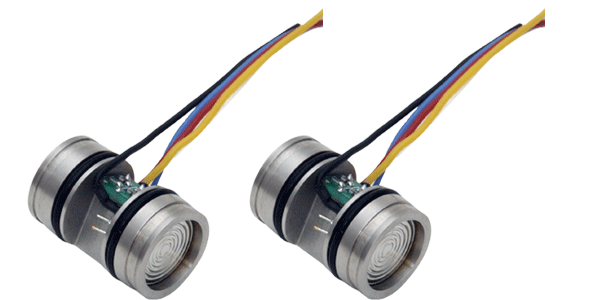
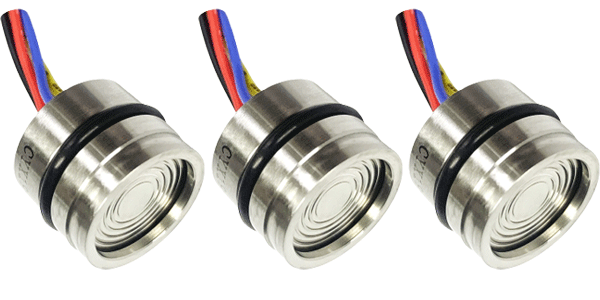
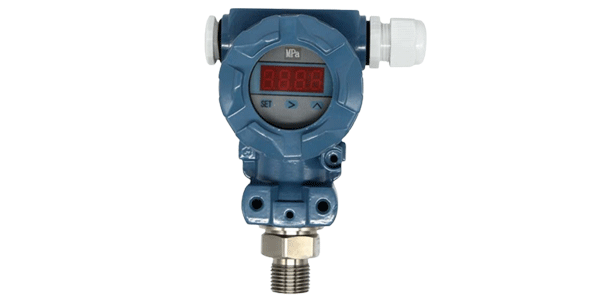
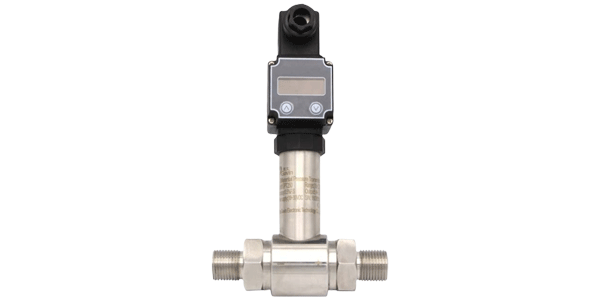
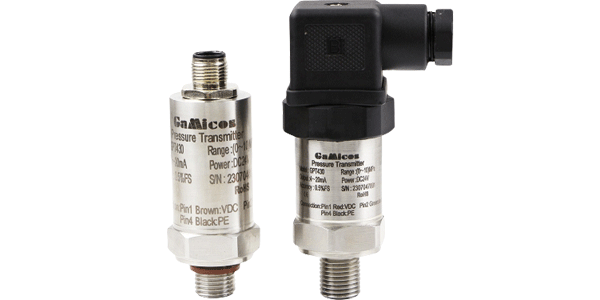
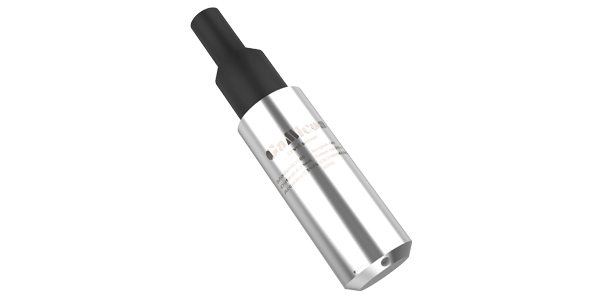
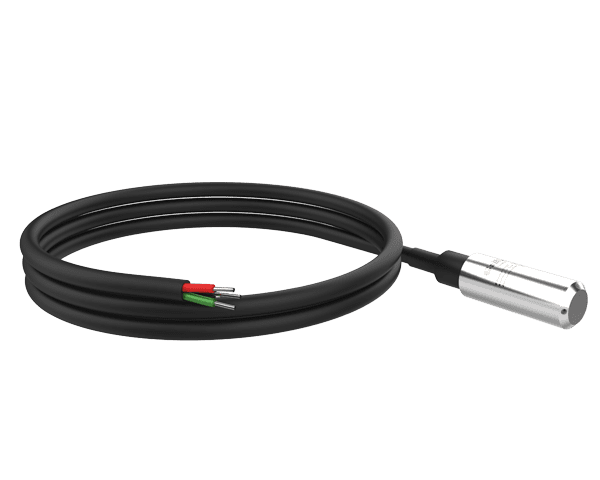
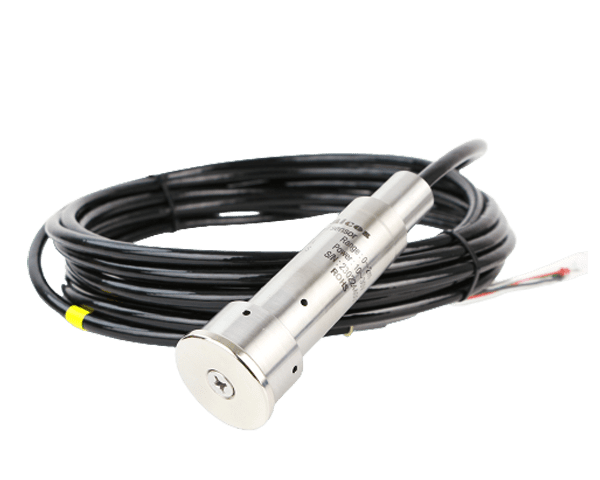
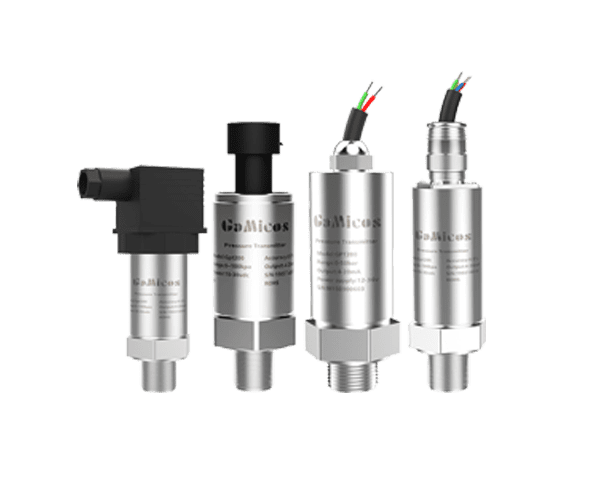
These sensors detect oil level by converting the pressure of a liquid column into electrical signals — typically a 4–20 mA analog output directly proportional to liquid depth. The hydraulic pressure is directly related to the oil column height above the sensor, making this approach robust and reliable.
Capacitive Oil Level Sensors
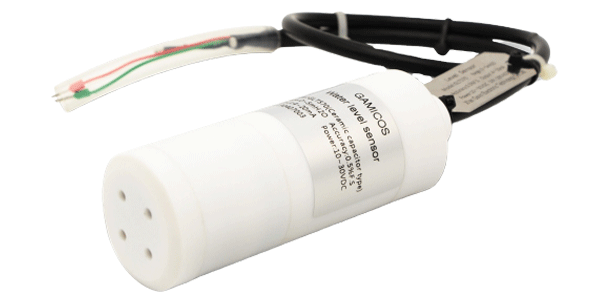
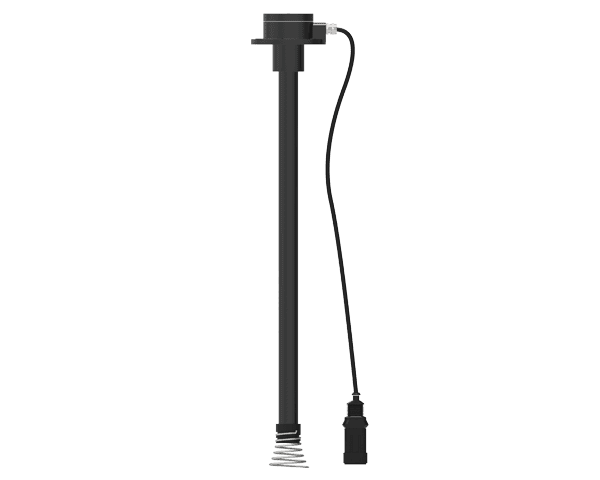
Capacitive sensors use the electrical property of capacitance to determine fluid volume. The oil level alters the dielectric between two metallic plates, changing the capacitance value. This change is electronically recorded and converted into level readings, offering very high accuracy and stability for continuous monitoring applications.
IoT-Enabled & Wireless Sensors
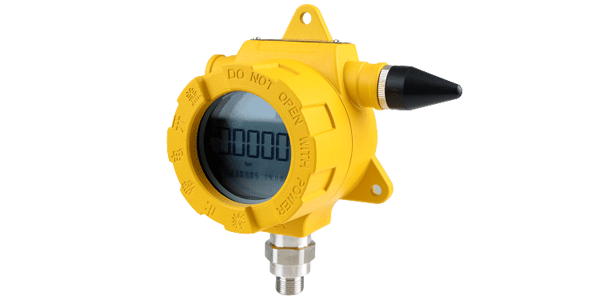
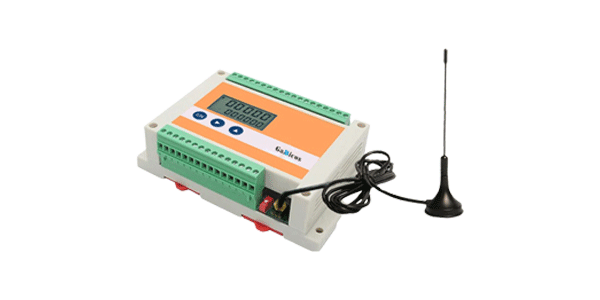
Modern oil tank level sensors integrate with IoT platforms and digital communication systems for remote monitoring and data analytics. Common output formats include:
Analog signals — 4–20 mA
Digital protocols — Modbus RTU/TCP, HART, Foundation Fieldbus
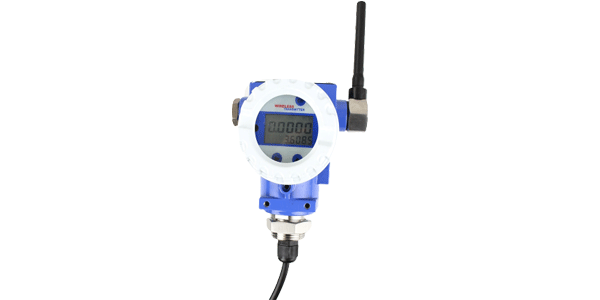
Wireless methods — LoRa, GPRS, NB-IoT
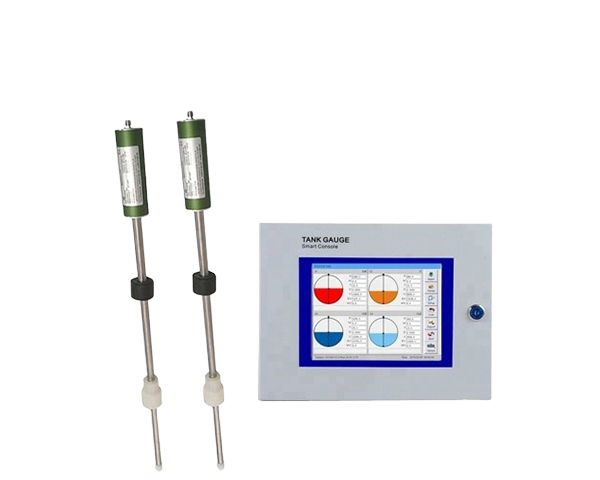
These integration capabilities allow facility managers to monitor tank levels remotely, apply predictive maintenance strategies, and optimize inventory management.
How to Choose the Right Oil Tank Level Sensor for Your Supply Chain
Selecting the right sensor requires evaluating technical specifications, environmental conditions, and system compatibility against your budget and future scalability needs.
Core Technical Specifications
|
Parameter
|
Typical Range / Requirement
|
|
Measurement Accuracy
|
±0.25% – ±0.5% of full scale; ±0.25% FS for mission-critical apps
|
|
Operating Temperature
|
−40°C to +85°C for outdoor Americas & Asia deployments
|
|
Pressure Rating
|
Must exceed maximum tank pressure under fill conditions
|
|
Output Signal
|
4–20 mA, 0–10 V analog; RS485, Modbus, HART digital
|
|
Protection Grade
|
IP68 minimum for wet environments
|
|
Safety Certification
|
ATEX (explosive atmospheres), CE, RoHS
|
Technology Comparison
|
Technology
|
Best For
|
Limitations
|
|
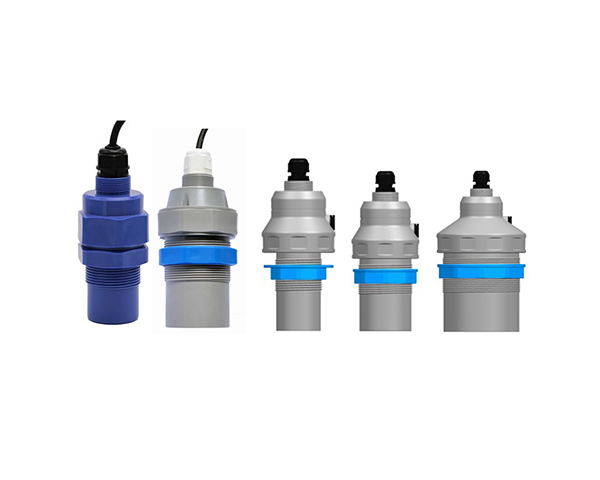
Ultrasonic
|
Clean fuel, large stable tanks
|
Affected by foam, vapor, or surface movement
|
|
Capacitive
|
Dynamic levels, rapid-response automation
|
Requires careful calibration per fuel type
|
|
Hydrostatic (Pressure)
|
Wide range of conditions, mobile & fixed tanks
|
Must be properly sized for tank depth
|
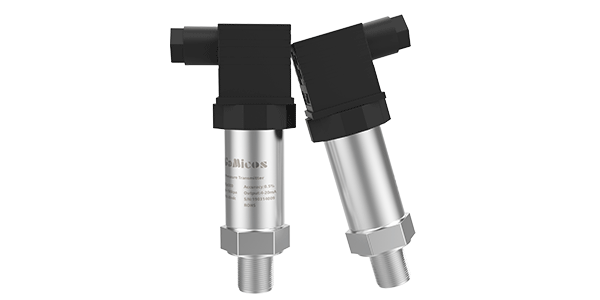
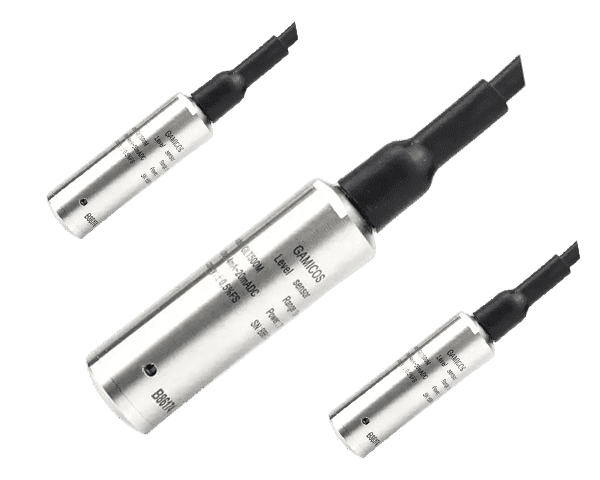
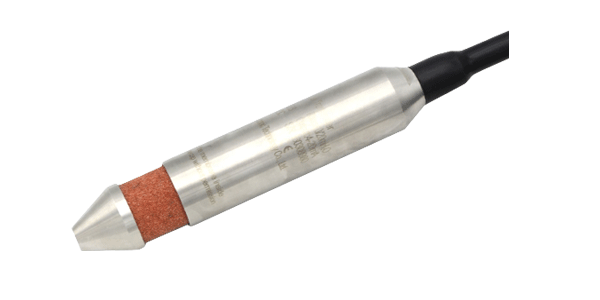
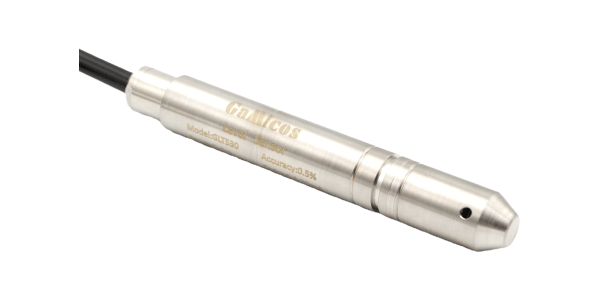
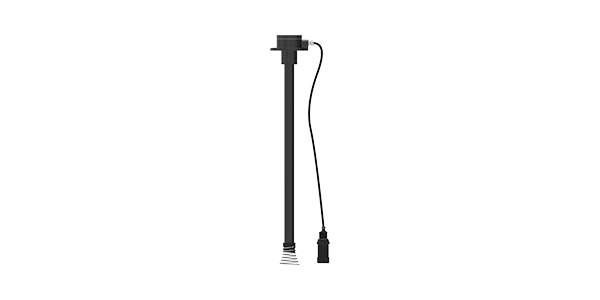
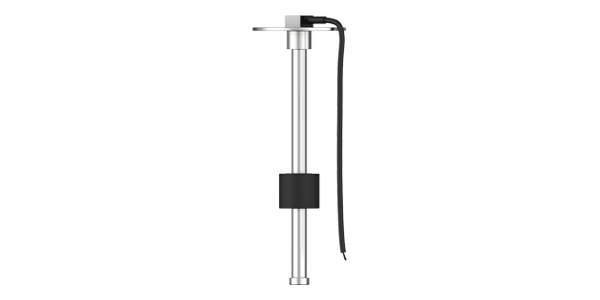
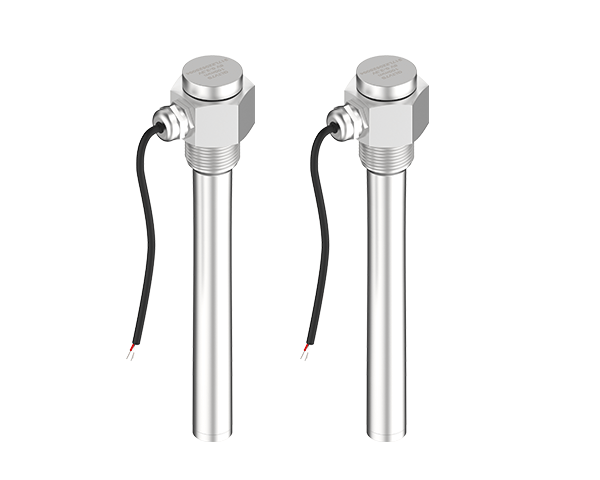
Pressure-based devices such as the GLT5001 deliver consistent readings regardless of fuel quality variations, vapor presence, or surface agitation. The fully welded construction eliminates potential leak points and maintains structural integrity in demanding industrial environments.
Certification Requirements for Brazil
Brazilian industrial regulations require specific safety certifications for tank monitoring equipment:
ATEX — mandatory for hazardous locations with flammable liquids or vapors
CE marking — European Conformity compliance, widely accepted in Brazil
RoHS — restricts use of hazardous materials in electronic components
Top-Rated Oil Tank Level Sensors from China: Quality & Market Positioning
Chinese sensor manufacturers have advanced significantly in recent years. Their products now compete effectively with established European and American brands while offering substantial cost advantages. Leading manufacturers focus on silicon piezoresistive technology, advanced signal processing, and robust construction to ensure long-term reliability in demanding industrial settings.
Value Engineering & Competitive Pricing
Chinese oil tank level sensors are positioned around value engineering — combining high-tech features with prices that appeal to cost-conscious buyers who refuse to compromise on performance. Manufacturing scale enables competitive pricing while maintaining quality through automated production and thorough testing routines.
R&D Investment & Innovation
Chinese companies invest heavily in research and development, collaborating with industry and academic institutions to advance sensor technology. Recent developments include improved temperature compensation algorithms, enhanced electromagnetic compatibility, and advanced diagnostic capabilities that provide actionable system-status information.
GAMICOS exemplifies this commitment to innovation, continuously improving technology through a specialized R&D department staffed with experienced engineers. The company holds numerous patents and works closely with research centers to translate scientific discoveries into practical products for global markets.
Quality Control & Certifications
Modern Chinese sensor manufacturers apply rigorous quality control systems aligned with international standards. Production facilities maintain ISO 9001 certification and conduct comprehensive testing including:
Individual sensor calibration
Environmental stress screening across temperature cycles
Long-term stability and aging verification
Pressure cycle endurance testing
Brand Evaluation & Procurement Considerations
Established manufacturers offer a proven quality track record and comprehensive support infrastructure essential for industrial applications. Companies such as Siemens, Honeywell, and VEEDER-ROOT provide broad product portfolios with varied feature sets and price points. Specialized manufacturers like GAMICOS offer focused expertise and customization options that address specific application requirements while maintaining competitive pricing.
Total Cost of Ownership
Warranty coverage and technical support capabilities significantly influence total cost of ownership, particularly for mission-critical applications requiring minimal downtime. Comprehensive support encompasses installation assistance, remote troubleshooting, and spare-parts availability. Local expert assistance in both the Americas and Asia ensures operational issues can be resolved promptly.
Conclusion
Sourcing oil tank level sensors from China to Brazil presents significant opportunities to achieve cost savings while meeting rigorous performance standards and regulatory requirements. Chinese manufacturers have developed advanced sensor technologies that compete with established international brands — delivering superior features, reliable performance, and full certification packages at accessible price points.
The key to successful procurement is careful supplier evaluation, precise specification documentation, and diligent project management throughout the sourcing and implementation process. Organizations that invest in quality sensors and follow correct installation procedures achieve strong returns through improved operational efficiency, reduced maintenance costs, and enhanced safety performance across their industrial facilities.
As IoT integration and predictive analytics reshape industrial monitoring, procurement teams that embrace these technologies gain a meaningful competitive advantage — driving efficiency improvements that more than justify the investment.
Frequently Asked Questions
Q1: What accuracy levels can modern diesel level sensors achieve compared to traditional gauges?
Modern digital sensors like the GLT5001 typically achieve ±0.25% of full scale — significantly better than the 1–2% accuracy of traditional mechanical gauges. Digital signal processing, temperature compensation, and automated calibration routines eliminate the mechanical flaws and environmental drift that affected older technologies.
Q2: Can diesel level sensors be retrofitted into existing fuel tanks without major modifications?
Most modern sensors can be installed through standard tank openings or mounting flanges. The GLT5001 supports multiple mounting configurations: threaded installations for fixed tanks and magnetic suction bases for mobile applications. Proper sizing and compatibility verification are still required to ensure measurement accuracy and safe operation.
Q3: What causes diesel level sensor failures and how can they be prevented?
Common failure modes include calibration drift, electrical interference, mechanical damage, and external contamination. Preventive measures include regular calibration checks, proper electrical grounding, safe physical installation, and routine cleaning. The GLT5001's fully welded design and IP68 protection grade substantially reduce these risks by providing robust environmental resistance.