Pressure sensors: Definition, Working Principle, Types and Applications

TIME: 2025.03.10 AUTHOR: Olina NUMBER OF VIEWS 4783

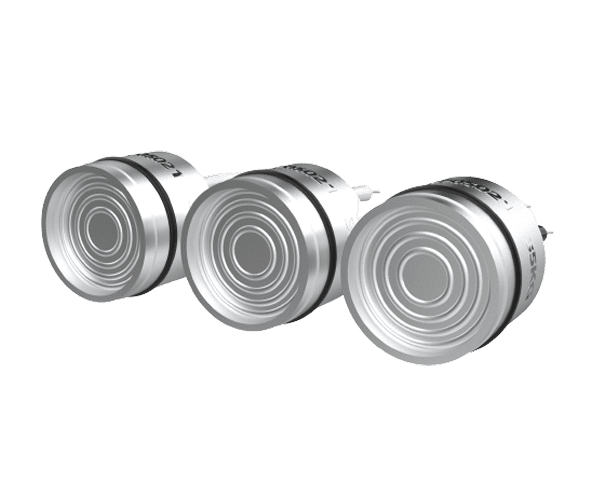
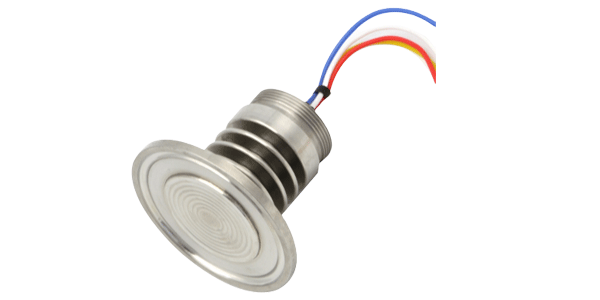
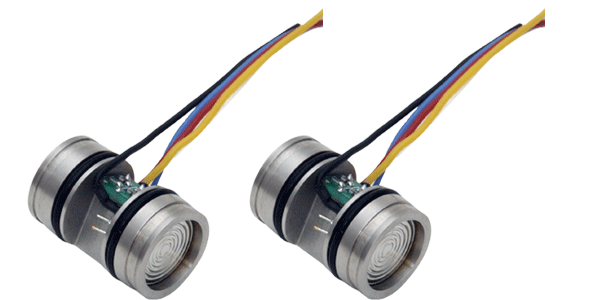
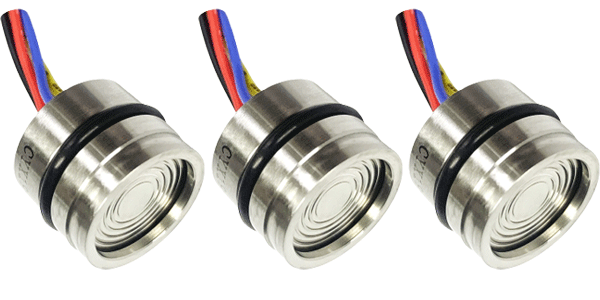
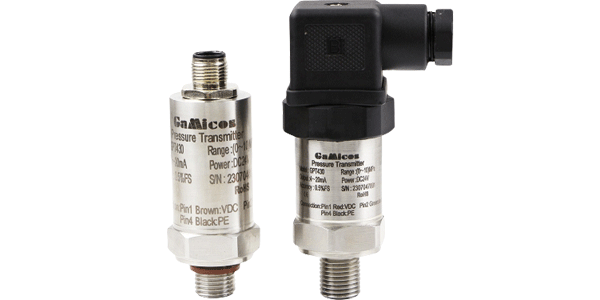
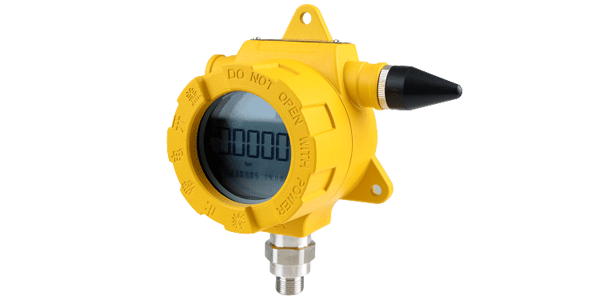
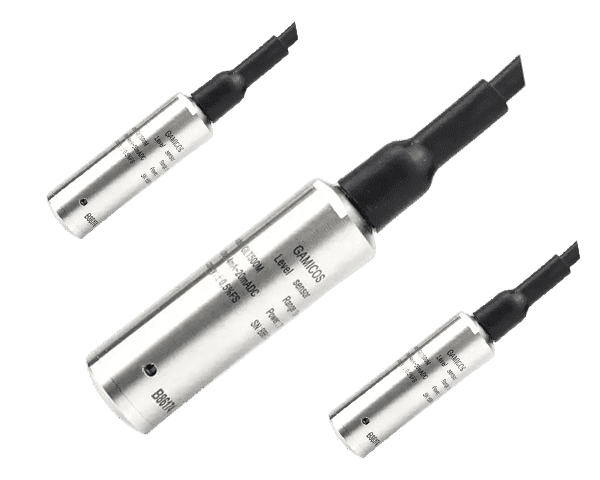
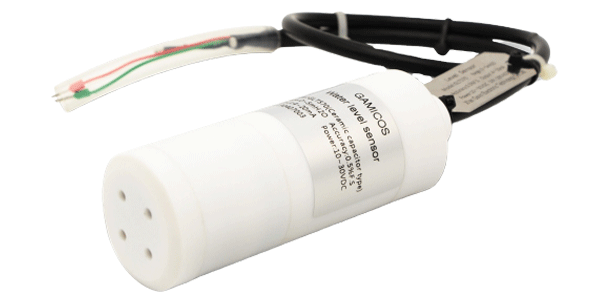
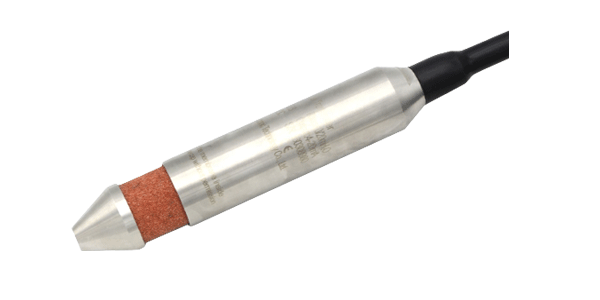
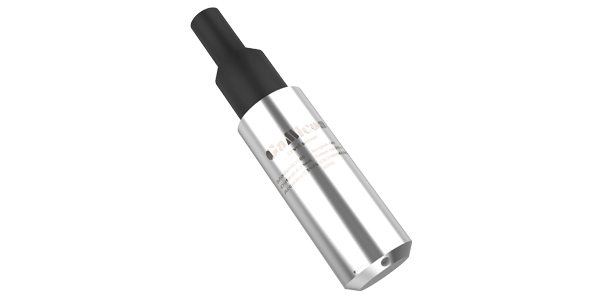
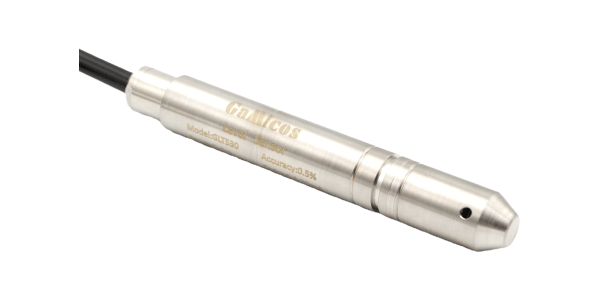
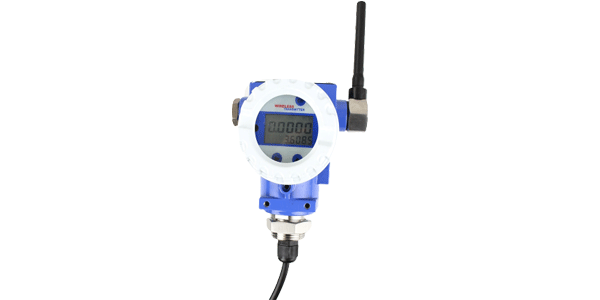
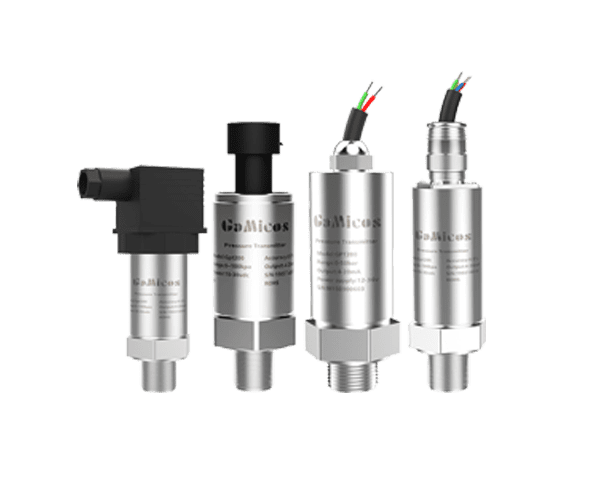
Pressure sensor is a device that can sense pressure. It plays an important role in civilian and industrial use. Knowing about it helps people understand its importance, and this article serves as a guide, you will know the definitions of pressure sensor, the working principle, pressure types and its applications.


What is a pressure sensor?

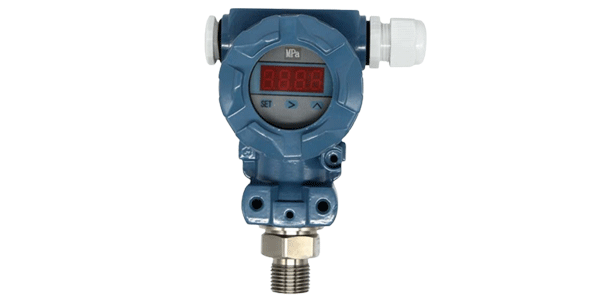
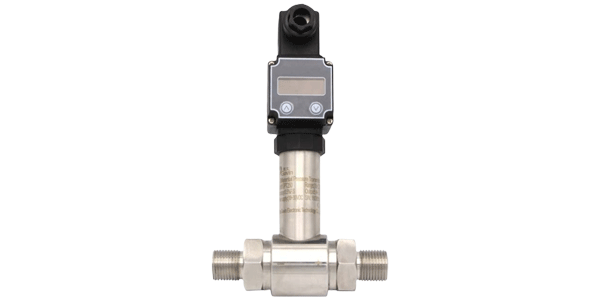
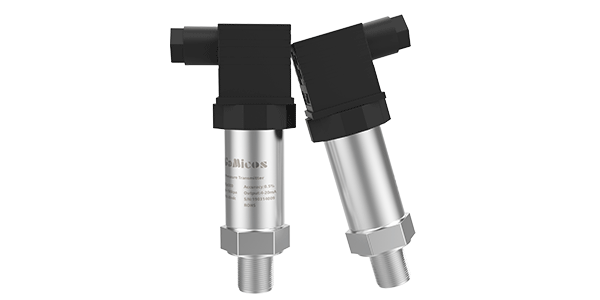
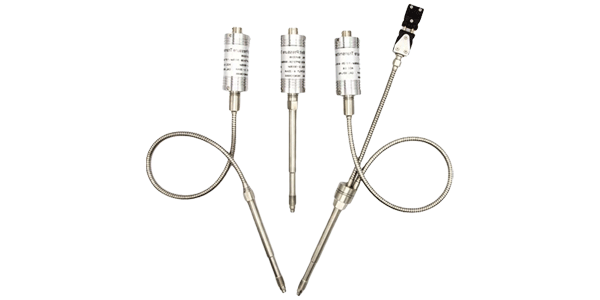
Pressure sensoris a device or instrument that can sense pressure signals, and transfer pressure signals to useful output electrical signals according to certain rules. It usually consists of pressure sensitive element and signal processing circuit. According to different pressure types,  pressure sensors can be divided intogauge pressure sensordifferential pressure sensorand absolute pressure sensor, etc. 

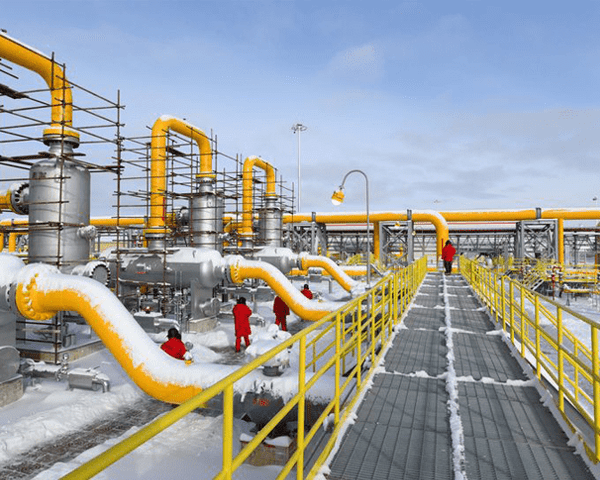
Pressure sensor is a kind of sensor which is mostly used in industrial applications. It is widely used in various industrial automatic control environment, such as water Resources and Hydropower, railway transportation, intelligent building, production control, aerospace, military industry, petrochemical, electric power, ships, machine tools, pipelines, etc.


How does pressure sensor work?

Pressure sensor is a sensor that can transfer outer pressure into electrical signal. Its working principle usually uses the changes caused by inner sensitive components of the pressure sensor (eg, piezoresistive, capacitance, inductors, etc.) when the pressure sensor is subjected to external pressure, thereby changing the resistance, capacitance or inductance value of the circuit, and then generating a corresponding electrical signal output. Specifically, the common pressure sensors work as follows,

Piezoresistive Pressure Sensor

Piezoresistive pressure sensor is a commonly used pressure sensor, It adopts Piezoresistive Effect to measure pressure. When subjected to external pressure, shape of the internal sensitive components of the sensor changes, and thereby resistance value changes. Through measuring the resistance value, and we can decide external pressure value.

Capacitve Pressure Sensor

Capacitive pressure sensor measures pressure through capacitance changes. It is usually comprised of two metal electrodes and a changeable medium. When the medium is subjected to external pressure, the capacitance changes in the capacitor, and then the pressure value is measured by measuring capacitance changes.

Piezoelectric pressure sensor

Piezoelectric pressure sensor is a sensor that uses the piezoelectric effect to measure pressure. Piezoelectric effect refers to the phenomenon that certain crystals will undergo charge separation when subjected to mechanical stress. Piezoelectric pressure sensor usually consists of piezoelectric crystals and electrodes. When the sensor is subjected to pressure, the piezoelectric crystal will produce a charge change, so that the pressure can be measured indirectly by measuring the charge change.


In conclusion, the working principle of pressure sensor is that the sensitive components change due to externalpressure, and then transfer pressure signal into electrical signals, and realize external pressure testing and measurement. 


What are the pressure types?

There are mainly four types of pressure that can be measured by pressure sensors. They are absolute pressure, gauge pressure, sealed gauge pressure and differential pressure.

Absolute pressure;Absolute pressure refers to pressure value relative to vacuum. Vacuum refers to a state in which there are no gas molecules at all, so absolute pressure is the pressure value relative to this completely gas-free state.

Gauge pressure: Gauge pressure refers to the pressure value relative to atmospheric pressure, it is also called relative pressure. The gauge pressure sensor measures the pressure of the medium relative to atmospheric pressure. When medium pressure exceeds atmospheric pressure, the pressure value is positive, otherwise, the value is negative.
Sealed gauge pressureSealed gauge pressure refers to the pressure value inside a closed system relative to the external atmospheric pressure. Seal gauge pressure can be positive, meaning the internal pressure is higher than the outside atmospheric pressure, or negative, meaning the internal pressure is lower than the outside atmospheric pressure.

Differential pressureThe difference between the two pressure values p1 and p2 is called the differential pressure.


What the pressure sensors can be used for?

Pressure sensors are widely used in people’s daily life and industrial production. The applications are as follows:
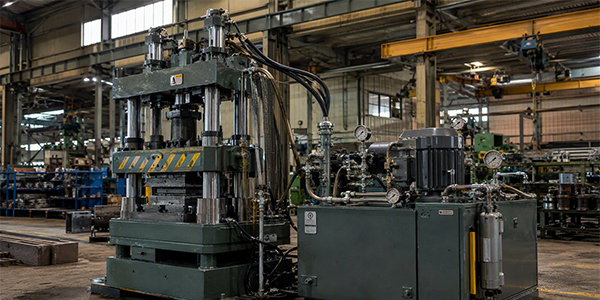
Industrial Automation: used to monitor and control liquids and gas pressure of industrial equipment, and ensure the stability and safety in the process of production. 
Auto industryused to monitor pressure changes of automobile engines, braking system, and tire pressure, which can improve automobile performance and safety. 

Medical careUsed to monitor changes in physiological stress, for example: blood pressure, breath, etc, which can help doctors diagnose diseases and monitor the effectiveness of treatments.

Environment monitoring: used to monitor atmospheric pressure, ocean depth, underground level, etc..
Aerospace: Used to monitor air pressure changes in aircraft, rockets and other aircraft, ensure flight safety and stable performance. 
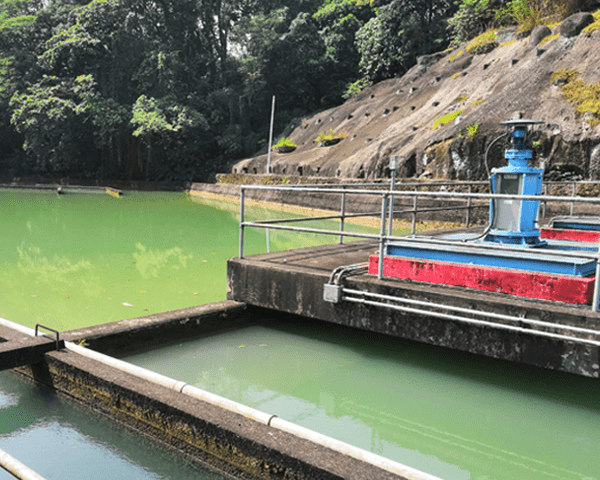
Water conservancy project: Used to monitor water pressure, water level, etc., helps to manage water resource and flooding control.

Recommend View More
TIME 2026.04.14

Industrial Water Level Sensor Applications in Wastewater Treatment

This guide explores industrial water level sensors for wastewater treatment, covering key technologies, selection criteria, maintenance, and IoT trends to help B2B professionals optimize plant efficiency and compliance.

TIME 2026.04.08

How a Submersible Diesel Level Sensor Works in Oil Tanks

Submersible diesel level sensors use hydrostatic pressure and piezoresistive technology to provide accurate, reliable fuel level monitoring in oil tanks, outperforming traditional methods in harsh industrial environments.

TIME 2026.04.01

Submersible Diesel Level Sensor: Hydrostatic Principle and Industrial Fuel Monitoring

Submersible diesel level sensors deliver superior accuracy for fuel tank monitoring by applying hydrostatic pressure measurement — directly submerged in diesel, they use piezoresistive silicon technology with automatic temperature compensation to convert fuel column pressure into linear electrical signals.

029-81292510

info@gamicos.com

Rm. 1208, Building B, Huixin IBC, No. 1 Zhang Bayi Road, High-tech Zone, Xi'an, Shaanxi, China

Copyright © Xi'an Gavin Electronic Technology Co., Ltd Site Map

Message Form