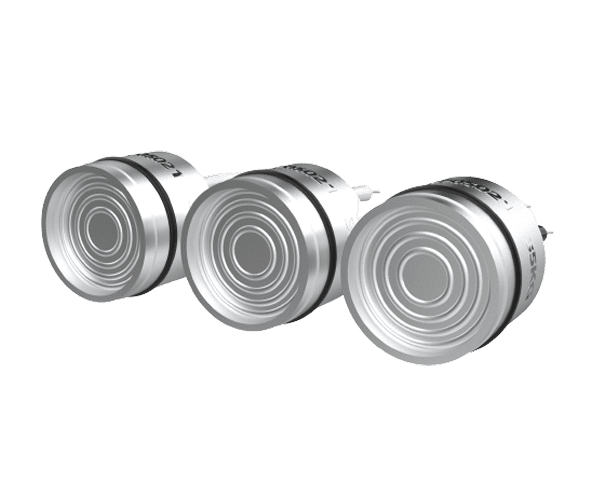
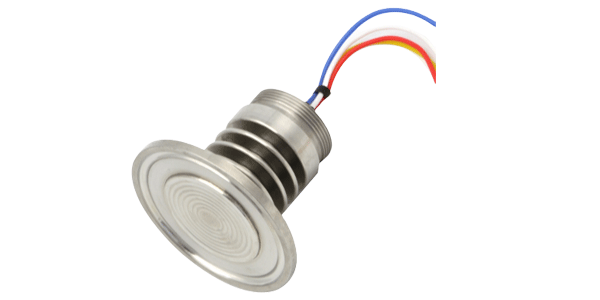
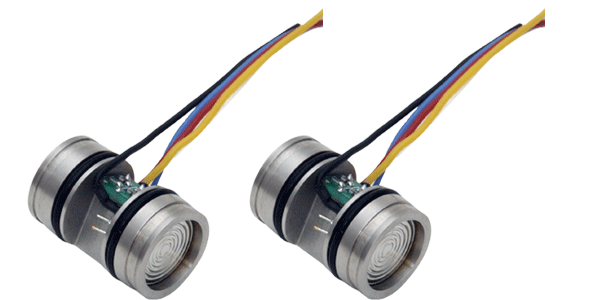
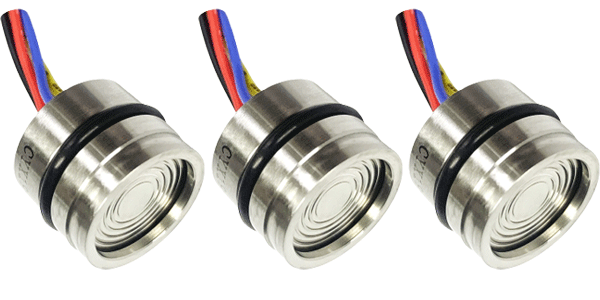
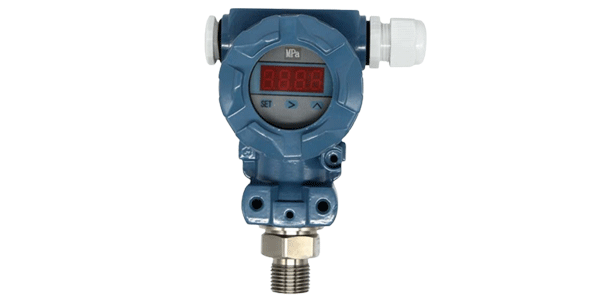
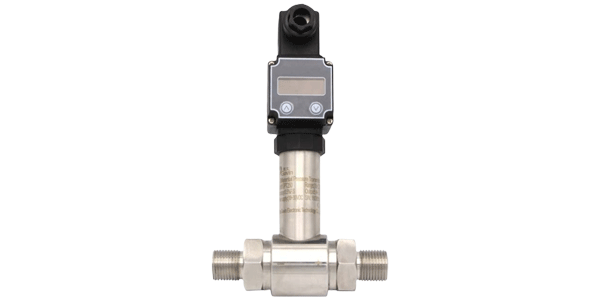
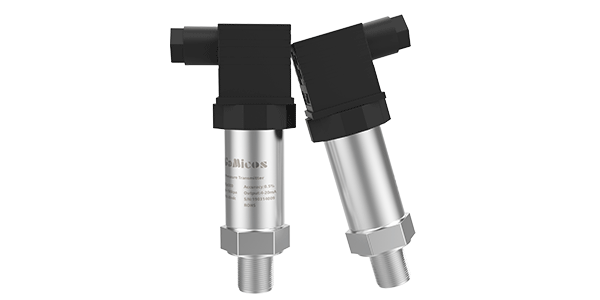
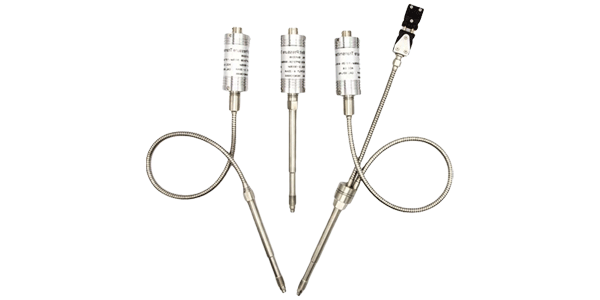
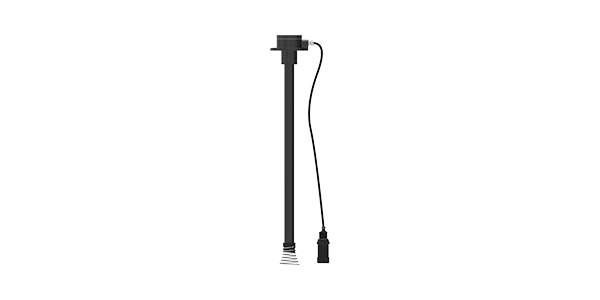
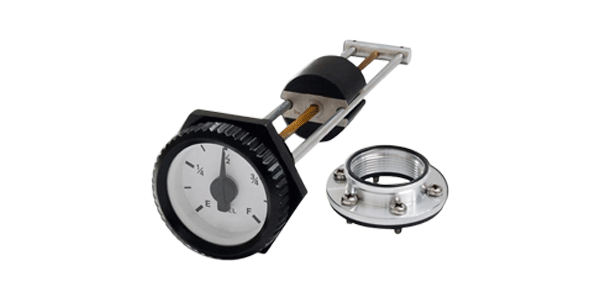
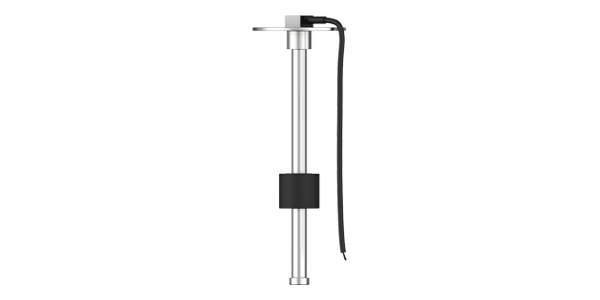
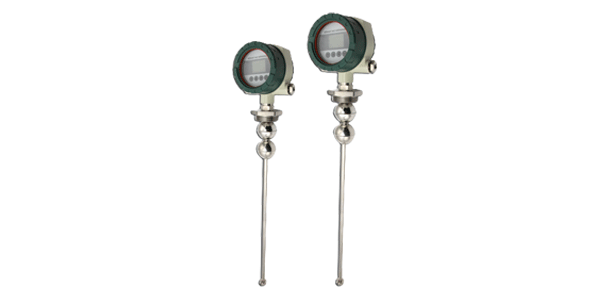
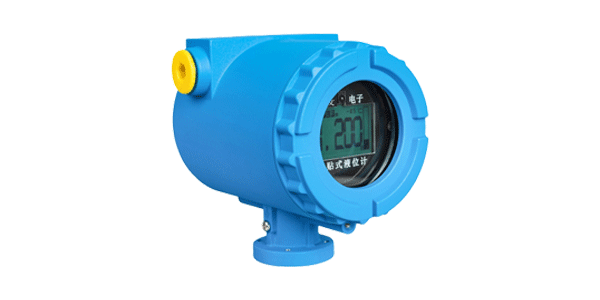
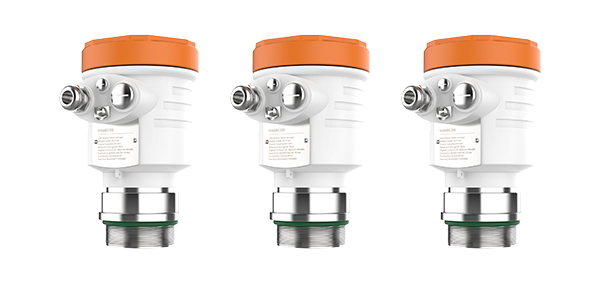
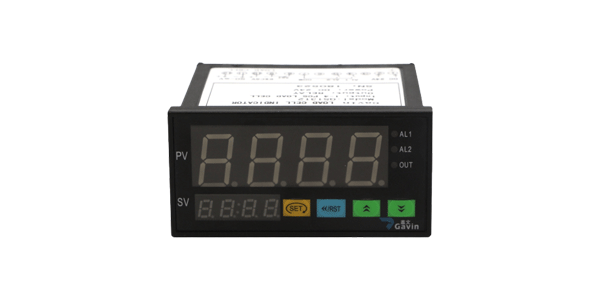
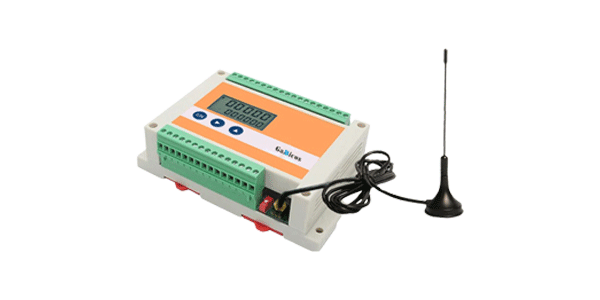

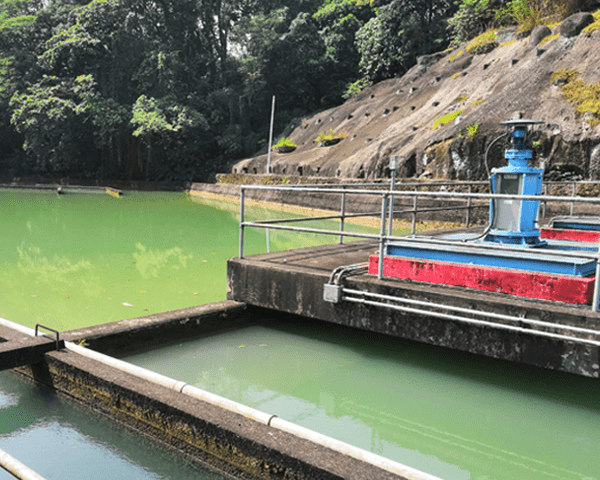
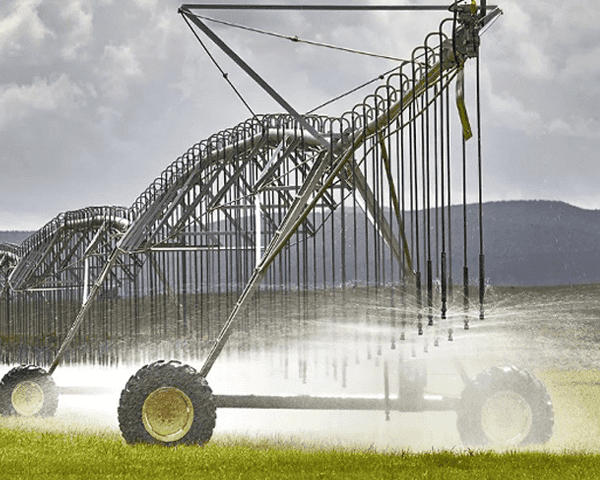
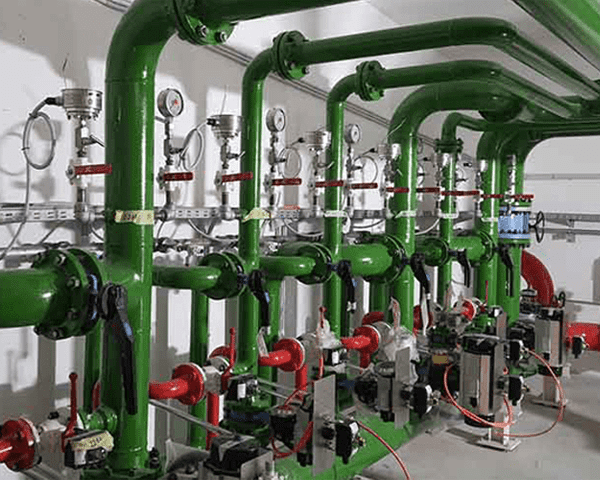
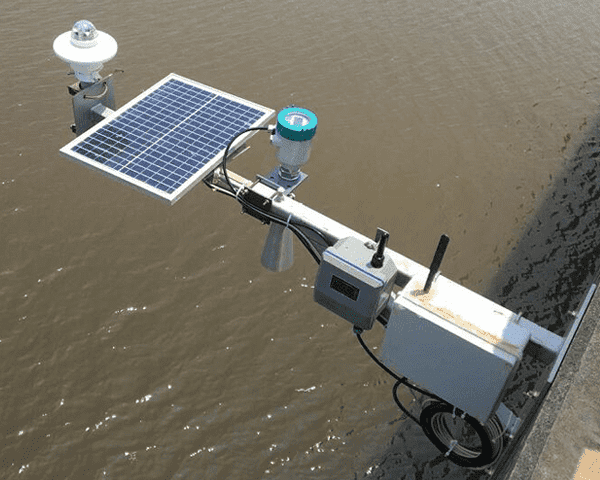
Choosing the right water level sensor is a decision that directly impacts measurement accuracy, system reliability, and long-term maintenance costs. Whether you are monitoring a storage tank, managing a wastewater treatment process, or building a smart irrigation system, the wrong sensor can lead to data errors, frequent breakdowns, and costly downtime.
With so many technologies and specifications on the market, knowing which parameters truly matter can save you weeks of research and thousands of dollars. In this guide, we break down the seven key selection parameters that every engineer, buyer, and system integrator should evaluate before making a purchase decision.
1 Measurement Range
The measurement range defines the minimum and maximum liquid levels a sensor can reliably detect. It is the most fundamental parameter because it determines whether the sensor can physically "see" the full depth of your application.
What to consider:
- Identify the minimum and maximum liquid levels in your tank, well, or channel under all operating conditions (including overflow and dry-bottom scenarios).
- Leave a safety margin of 10–20% above and below the actual operating range to handle unexpected level fluctuations.
- For submersible pressure sensors, the range should match the full hydrostatic head at the deepest point, not just the tank height.
- For non-contact sensors (ultrasonic, radar), ensure the blanking zone (dead band) at the top of the range does not interfere with your normal measurement window.
Pro Tip: A sensor with a range that is too narrow will saturate or miss data at extremes. One that is too wide may sacrifice resolution. Match the range as closely as possible to your actual operating span.
2 Accuracy & Resolution
Accuracy tells you how close the sensor's reading is to the true value, while resolution defines the smallest level change the sensor can detect. These two are related but not the same—and confusing them is a common selection mistake.
What to consider:
- Typical accuracy specifications range from ±0.1% FS (full scale) for high-end pressure transducers to ±1–2% FS for general-purpose ultrasonic sensors.
- Consider whether your application demands process-grade precision (e.g., chemical dosing) or indicative-level monitoring (e.g., a rainwater tank).
- Check if the accuracy figure is given as full-scale (FS) percentage or as an absolute value—these are not directly comparable.
- Factor in temperature drift: accuracy often degrades at the extremes of the operating temperature range.
The following table provides a quick reference for common water level sensor technologies and their typical accuracy profiles:
| Technology | Typical Accuracy | Best Suited For |
|---|---|---|
| Submersible Pressure | ±0.1% – ±0.5% FS | Deep wells, tanks, boreholes |
| Ultrasonic | ±1% – ±2% FS | Open channels, storage tanks |
| Radar (FMCW) | ±1–3 mm | Harsh environments, steam, foam |
| Float / Reed Switch | Point-level or multi-point | On/off control, alarms |
| Capacitive | ±0.5% FS | Non-conductive liquids, interface detection |
3 Output Signal Type
The output signal determines how the sensor communicates with your control system (PLC, data logger, RTU, or IoT gateway). Matching the output to your existing infrastructure avoids the need for extra signal converters and reduces points of failure.
Common output types:
- 4–20 mA (analog): The industry standard for long-distance transmission (hundreds of meters) with strong noise immunity. Ideal for industrial environments.
- 0–5 V / 0–10 V (analog): Suitable for shorter cable runs and lower-cost installations, but more susceptible to electrical noise and voltage drop.
- RS-485 / Modbus RTU (digital): Enables multi-drop wiring (multiple sensors on one bus), built-in diagnostics, and higher data integrity. Excellent for SCADA and IoT applications.
- HART: Superimposes digital communication on a 4–20 mA signal, giving you both a legacy analog reading and rich device diagnostics.
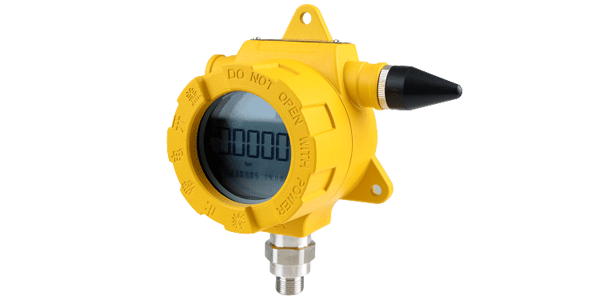
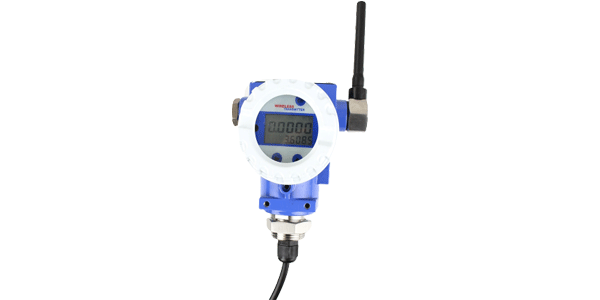
- Wireless (LoRa, NB-IoT, Wi-Fi): Eliminates cabling entirely for remote or hard-to-reach installations, though it introduces battery management considerations.
4 Sensing Technology
Water level sensors are built on several fundamentally different sensing principles, each with distinct strengths, limitations, and ideal use cases. Selecting the right technology is often the single most impactful decision.
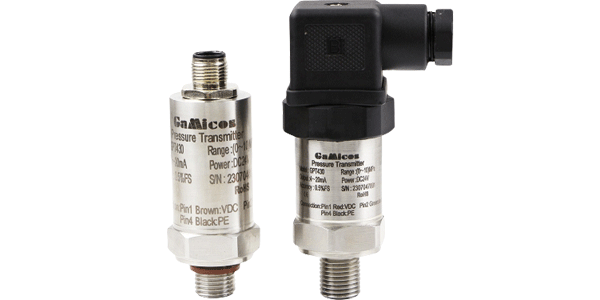
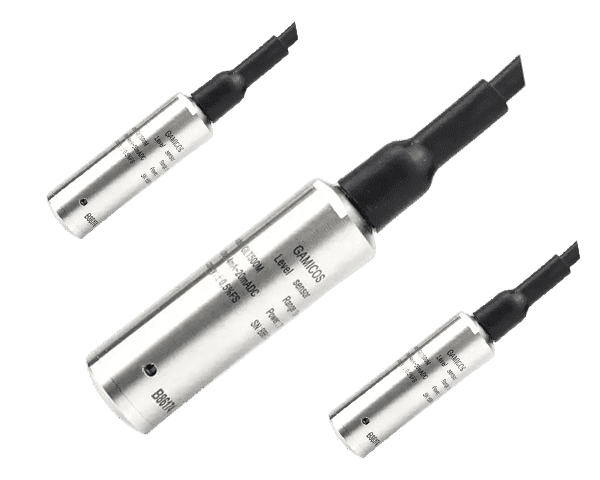
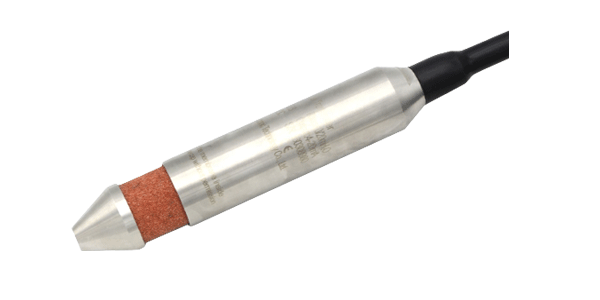
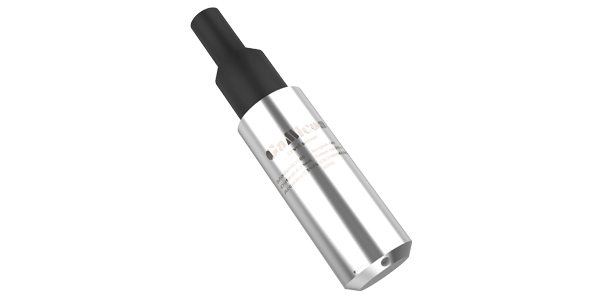
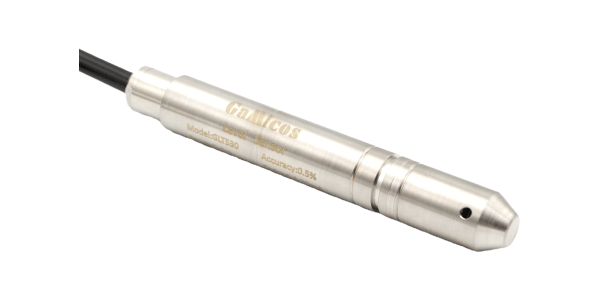
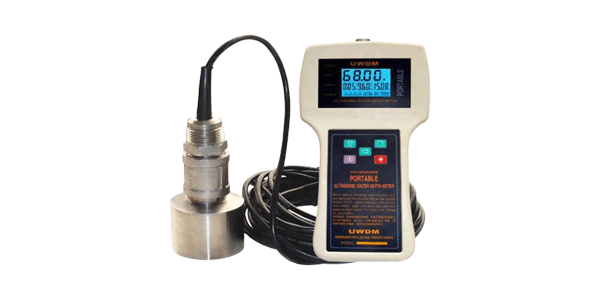
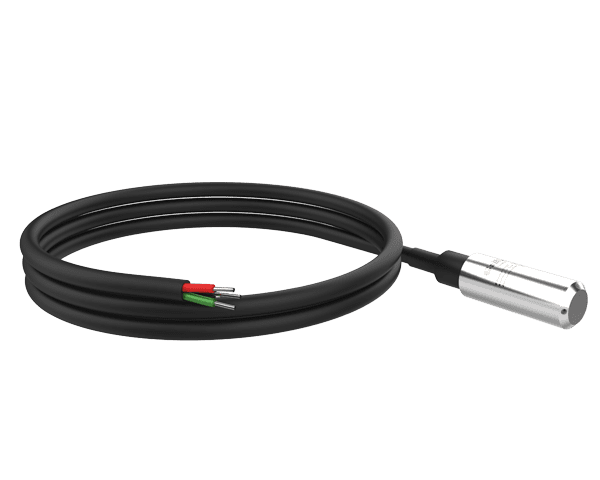
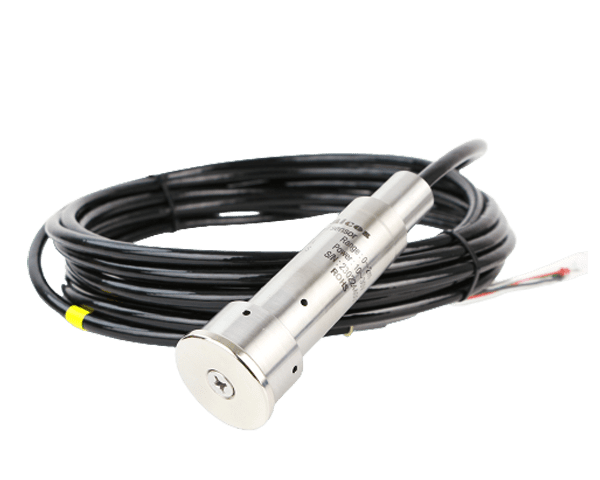
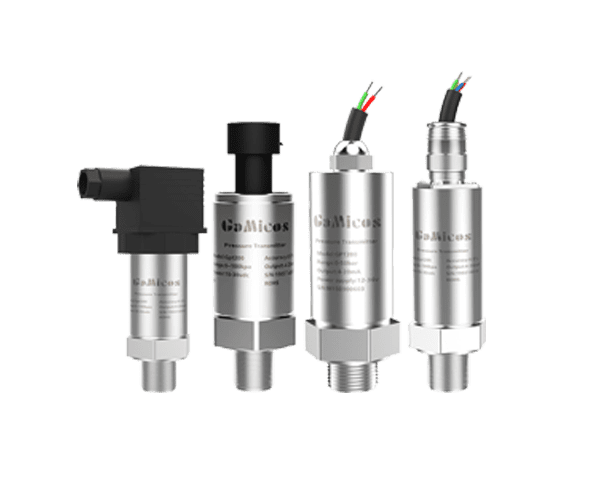
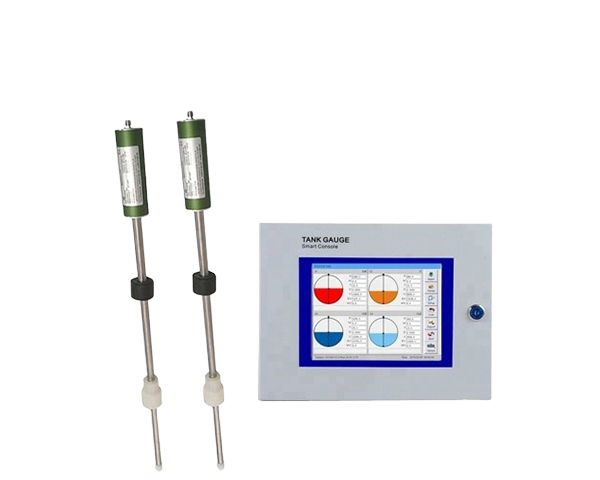
- Submersible Pressure (Hydrostatic): Measures the pressure exerted by the liquid column. Excellent for deep wells, sealed tanks, and applications with foam or vapor that interfere with non-contact methods.
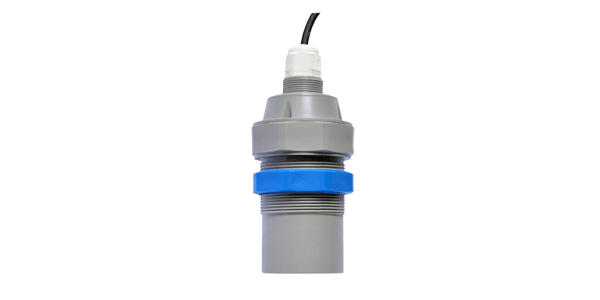
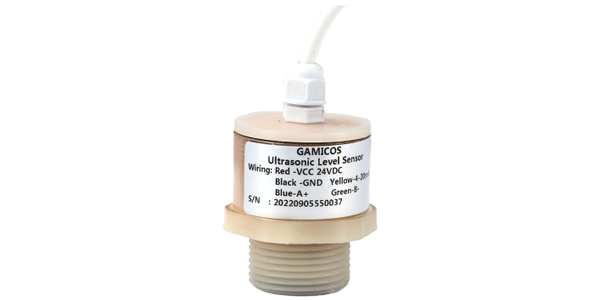
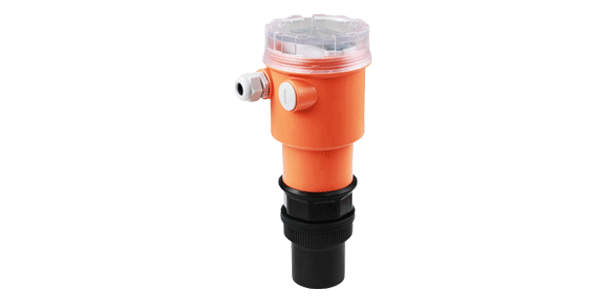
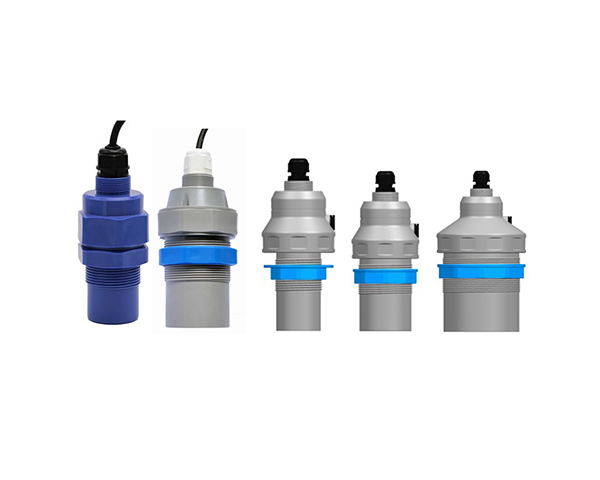
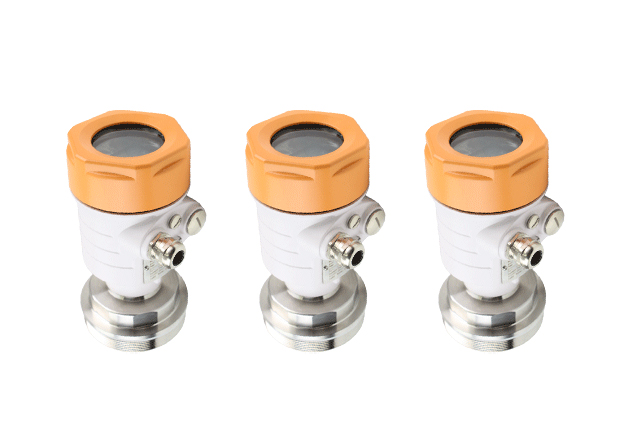
- Ultrasonic: Emits sound pulses and measures echo time. Great for open tanks and channels where the medium is clean and the temperature is stable—but struggles with heavy foam, vapor, and turbulent surfaces.
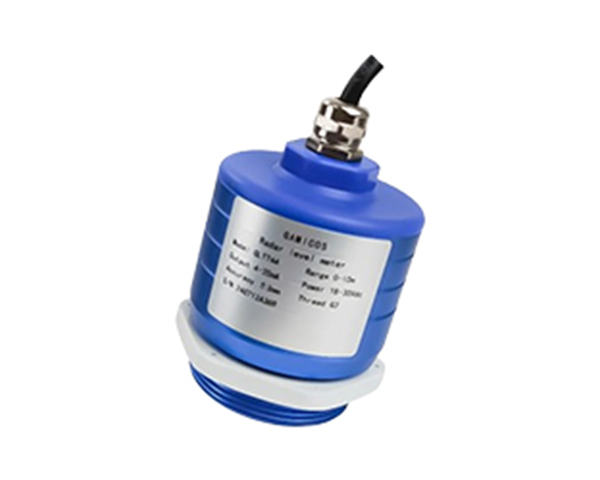
- Radar (FMCW / Pulse): Uses microwave signals. Unaffected by vapor, dust, foam, or temperature gradients, making it ideal for demanding industrial and chemical applications.
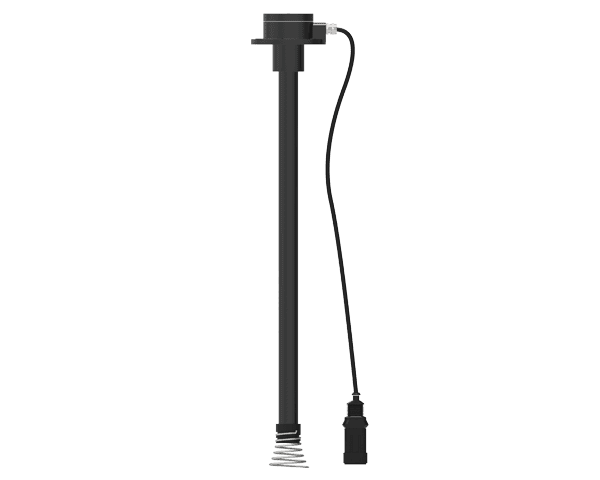
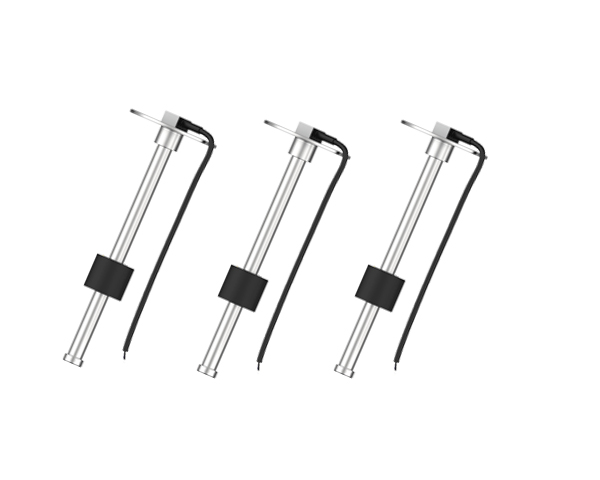
- Float / Mechanical: Simple, reliable, and cost-effective for point-level detection (high/low alarms). Less suitable for continuous measurement.
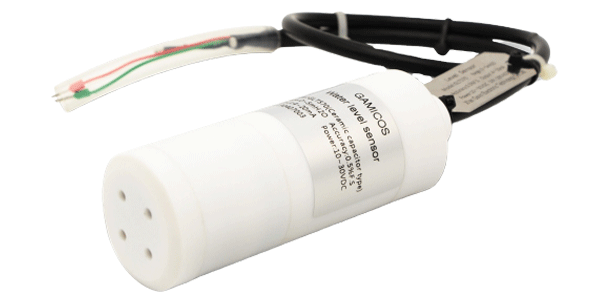
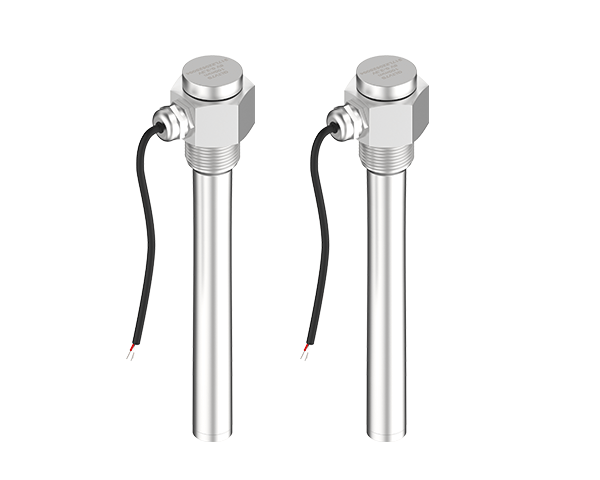
- Capacitive: Measures capacitance change between probes. Works well for non-conductive liquids and can detect liquid-liquid interfaces.
- Optical: Compact and fast for point-level detection in tight spaces, such as inside small tanks or drip trays.
5 Media & Material Compatibility
The sensor's wetted parts (the components that physically contact the liquid) must be chemically compatible with the measured medium. Incompatible materials can lead to corrosion, swelling, coating, and ultimately sensor failure.
What to consider:
- Identify the full chemical composition of your liquid—not just the primary component, but also trace chemicals, additives, and dissolved gases.
-
Check common wetted materials and their compatibility:
- 316L Stainless Steel: Broad chemical resistance; suitable for water, mild chemicals, and seawater.
- PTFE / PFA (Teflon): Excellent resistance to aggressive acids, alkalis, and solvents.
- Titanium / Hastelloy: Required for highly corrosive media such as concentrated hydrochloric acid or chlorine service.
- PVC / PVDF: Good for lower-cost applications with moderate chemical exposure.
- Do not forget the cable jacket—it also contacts the liquid and must be equally resistant.
- If the liquid carries suspended solids or biological growth, choose a technology (e.g., radar or flush-mounted pressure) that resists fouling.
6 Operating Temperature & Pressure
Every sensor has a rated temperature and pressure envelope within which it can perform within specification. Exceeding these limits—even temporarily—can cause drift, permanent damage, or safety hazards.
What to consider:
- Temperature: Consider the full range the sensor will experience, including cleaning cycles (CIP/SIP), seasonal variation, and exposure to direct sun in outdoor installations. Typical ranges are −20 °C to +60 °C for standard models and up to +150 °C or higher for high-temperature variants.
- Pressure: For pressurized tanks or deep submersion, verify the sensor's maximum allowable working pressure. Submersible sensors are often rated by depth (e.g., 100 m), while in-tank sensors may be rated in bar or psi.
- Check whether the temperature error is compensated or uncompensated, and whether the quoted accuracy already accounts for the full temperature range.
- For hazardous areas (Zone 0/1/2), confirm the sensor carries the appropriate Ex/ATEX/IECEx certification.
7 Ingress Protection (IP) Rating
The IP (Ingress Protection) rating tells you how well the sensor's housing resists solids (dust) and liquids (water). For a device whose entire purpose is to be used in or near water, this is not a detail to overlook.
Common IP ratings for water level sensors:
| IP Rating | Protection Level | Typical Application |
|---|---|---|
| IP65 | Dust-tight; low-pressure water jets | Outdoor, non-submerged mounting |
| IP67 | Dust-tight; temporary immersion (1 m / 30 min) | Splash zones, wet environments |
| IP68 | Dust-tight; continuous submersion | Submersible sensors, deep wells |
- For submersible sensors, IP68 is mandatory. Pay attention to the rated depth and duration, as "IP68" alone does not specify how deep or how long.
- For non-contact sensors mounted above the liquid, IP65 or IP67 is usually sufficient for the electronics, but the antenna/flange must be rated for the ambient humidity and splash conditions.
- In coastal or marine environments, also verify salt-spray and UV resistance of the housing material.
Quick Selection Checklist
✓ Define your min/max level range with a 10–20% margin
✓ Determine the required accuracy class (FS % or absolute)
✓ Match the output signal to your PLC / IoT platform
✓ Choose the sensing technology for your medium & environment
✓ Verify wetted-material chemical compatibility
✓ Confirm temperature & pressure ratings cover all conditions
✓ Select the appropriate IP rating for the installation type
Conclusion
Selecting a water level sensor is not about picking the most expensive or the most popular model—it is about finding the best fit for your specific application conditions. By systematically evaluating these seven parameters—measurement range, accuracy, output signal, sensing technology, material compatibility, temperature & pressure, and ingress protection—you can narrow down from hundreds of options to the few that will truly perform in your environment.
The upfront effort of a structured selection process pays off in fewer field failures, lower maintenance costs, and measurement data you can trust. When in doubt, consult the manufacturer's application engineers with your full set of operating conditions—they can validate your choice and flag any edge cases you may have missed.
Need help selecting the right water level sensor for your application? Contact our technical team for a free consultation and customized recommendation.