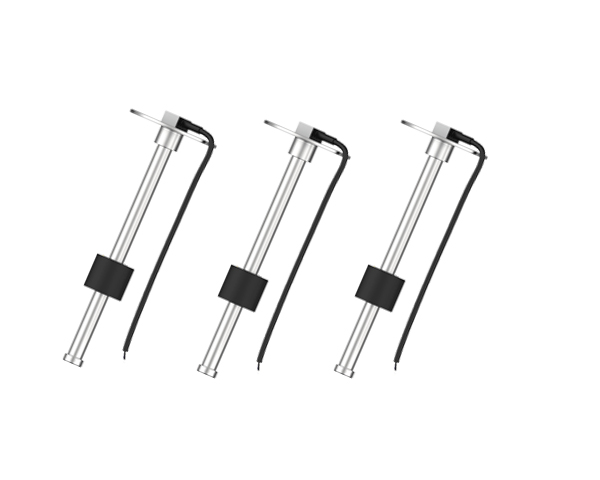
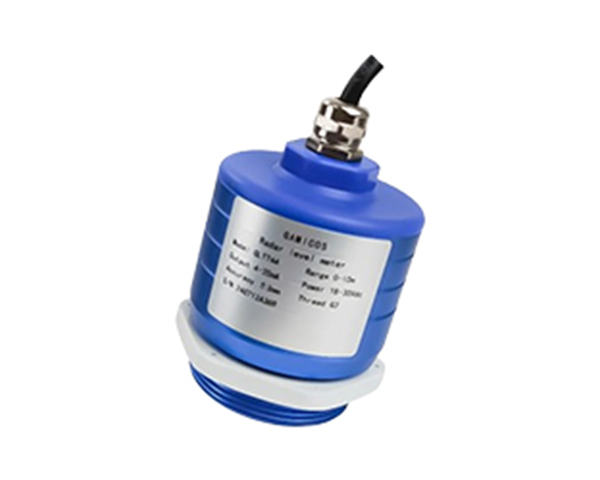
For industrial procurement experts looking for cutting-edge groundwater monitoring solutions, the well level sensor market in the US in 2026 offers attractive prospects. Standard pressure-based sensors now vary in price from $150 to $800, while more complex radar and ultrasonic devices cost between $1,200 and $3,500. According to market research, manufacturers are giving accuracy, robustness, and wireless connection features top priority, and demand is consistent throughout the petroleum, chemical, pharmaceutical, and energy industries. In 2026, strategic procurement choices place more emphasis on supplier dependability, certification compliance, and total cost of ownership than just the purchase price.
2026 US Market Price Analysis and Purchasing Guide for Well Level Sensors
Pricing structures in the groundwater monitoring sensor industry are still being shaped by economic forces and technical advancements. Procurement experts may balance performance needs and budgetary restrictions by making well-informed sourcing selections by having a thorough understanding of these dynamics.
Sensor Type and Accuracy Classifications
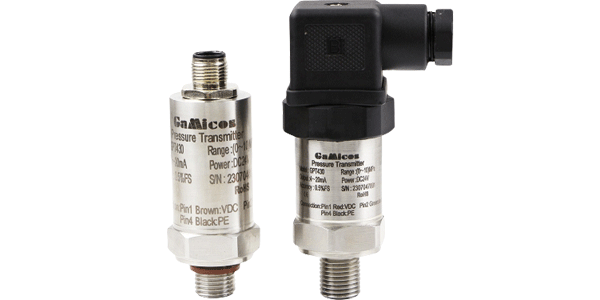
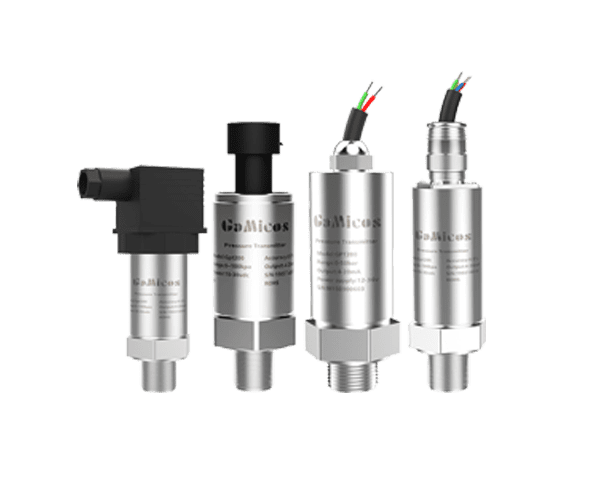
The intricacy and accuracy of various sensor technologies are reflected in market price. Entry-level pressure sensors with a full-scale accuracy of ±0.5% typically cost between $150 and $300, making them suitable for simple monitoring tasks where a reasonable level of precision is sufficient. With an accuracy of ±0.25%, mid-range solutions priced between $300 and $600 are ideal for most industrial setups that require reliable performance without unnecessary features. These price points make well level sensor technologies accessible for a wide range of applications while maintaining the necessary precision and durability.
The better measuring capabilities of high-precision sensors, which achieve ±0.1% full-scale accuracy, justify their $600-$1,200 cost. These sensors are crucial for important applications. These devices have improved signal processing algorithms and sophisticated calibration techniques that provide outstanding stability over long operating times.
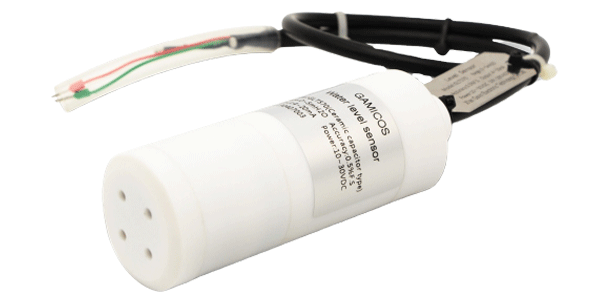
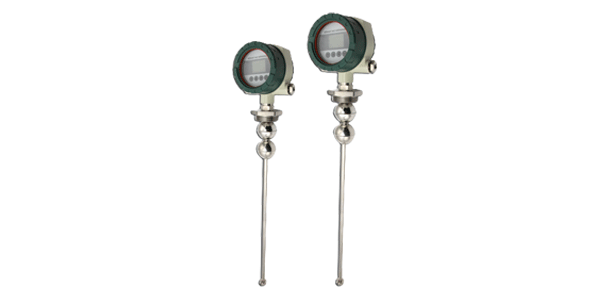
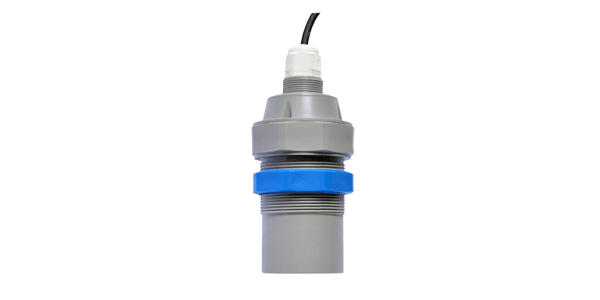
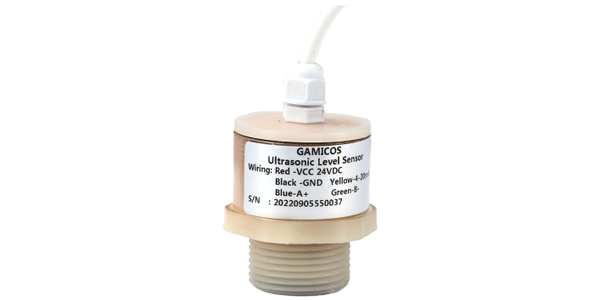
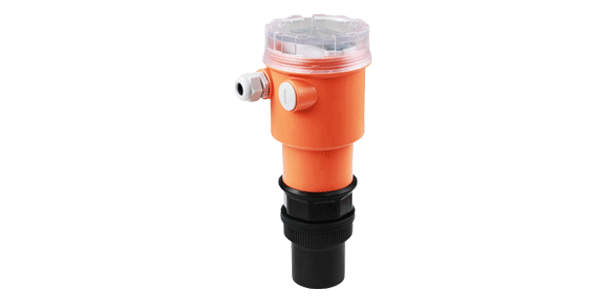
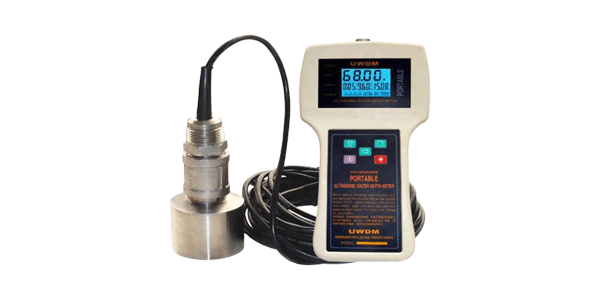
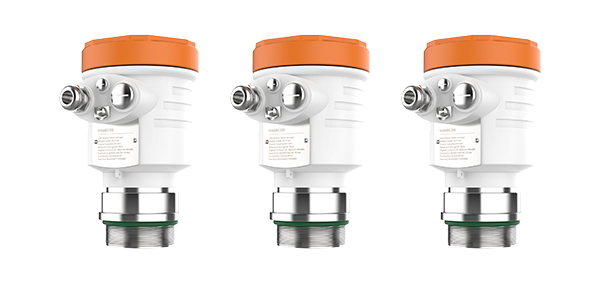
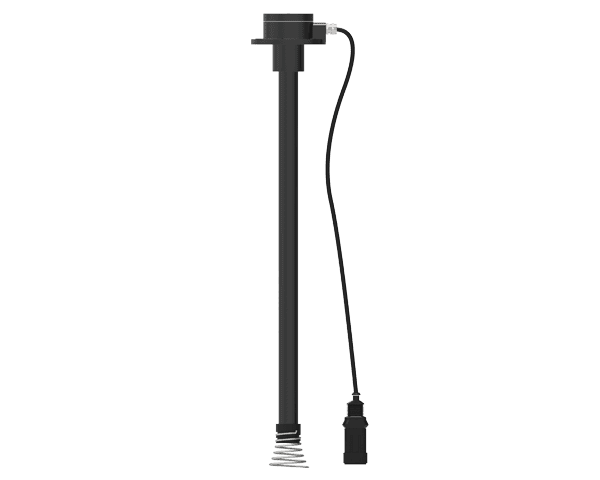
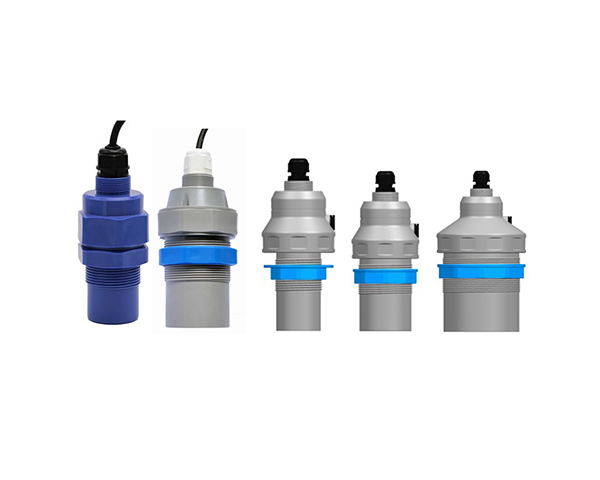
Radar and ultrasonic sensors are more expensive; ordinary variants cost between $800 and $2,500, while more sophisticated models with longer ranges cost between $2,500 and $5,000. Sophisticated electronics, sturdy housing materials, and specific algorithms necessary for accurate non-contact measurements are all reflected in the price.
Customization and OEM Considerations
Depending on volume commitments and customization needs, original equipment manufacturers looking for integrated sensor solutions face various cost structures. Custom probe sizes, specific connectors, and changed housing materials are examples of standard modification services that usually increase base cost by 15–25%.
The cost of complete OEM packages that include technical documentation revisions, special packaging, and logo engraving is 20–40% more than usual. Businesses who need precise branding specifications or a smooth connection with current product lines find these services to be beneficial.
At volumes beyond 100 units per year, volume price incentives become important, and tier-based reductions for long-standing agreements may reach 15–30%. Long-term supply contracts guarantee steady product availability and often gain further price benefits.
International Sourcing Advantages
Through appropriate supplier screening and certification verification, global procurement techniques maintain quality requirements while providing significant cost savings. Foreign suppliers provide competitive alternatives to local ones, especially those with well-established quality management systems and extensive certification portfolios.
International sourcing selections often result in cost savings of 20–40%; nevertheless, procurement teams must consider the full cost implications, which include prolonged lead times, shipping, and customs procedures. Suppliers having CE, RoHS, and ATEX certifications guarantee adherence to environmental and safety standards in a variety of industries.
How to Choose the Best Well Level Sensor for Your Application: A 2026 Buying Guide
A methodical assessment of the operating restrictions, performance requirements, and environmental variables specific to each monitoring application is essential for the successful selection of sensors. Long-term dependability and peak performance are guaranteed by this comprehensive strategy, especially when choosing a well level sensor that meets the specific needs of the application.
Environmental Condition Assessment
Features of the operating environment have a direct impact on the choice of sensor technology and the specifications needed. Boundary conditions that sensors must endure during the course of their operating lifetime are defined by temperature extremes, chemical exposure, and physical installation limitations.
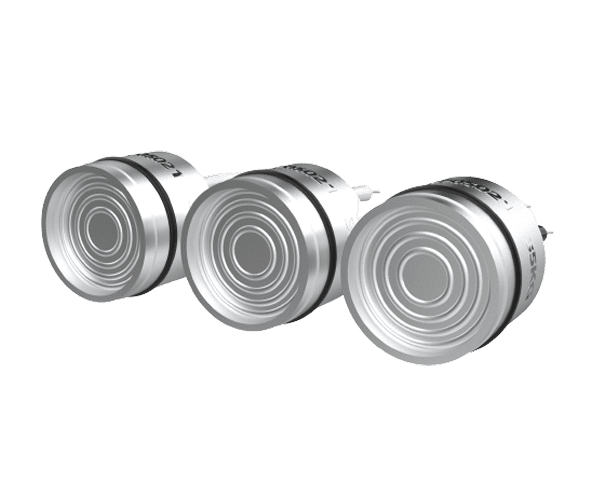
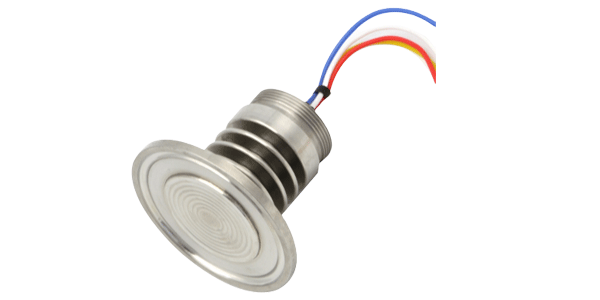
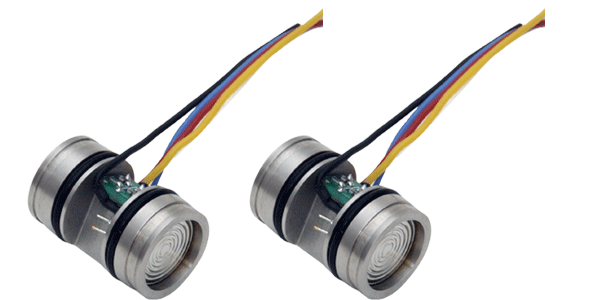
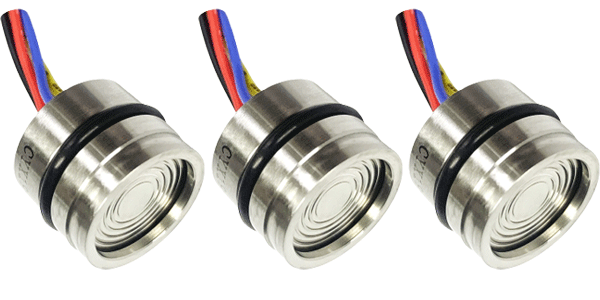
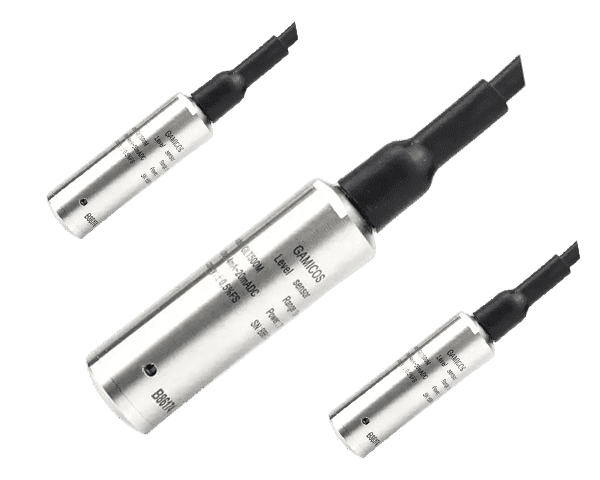
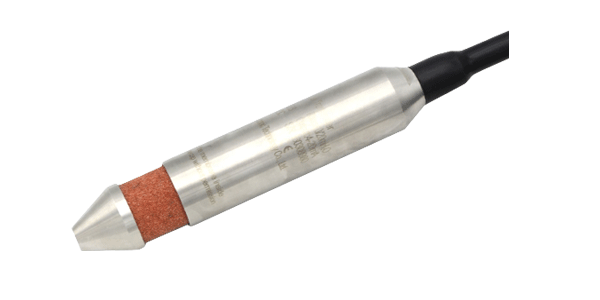
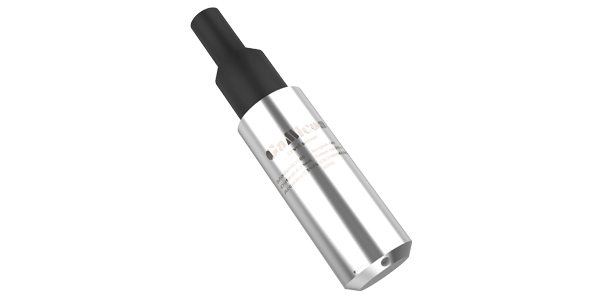
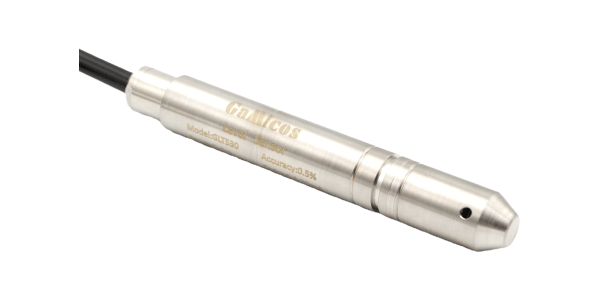
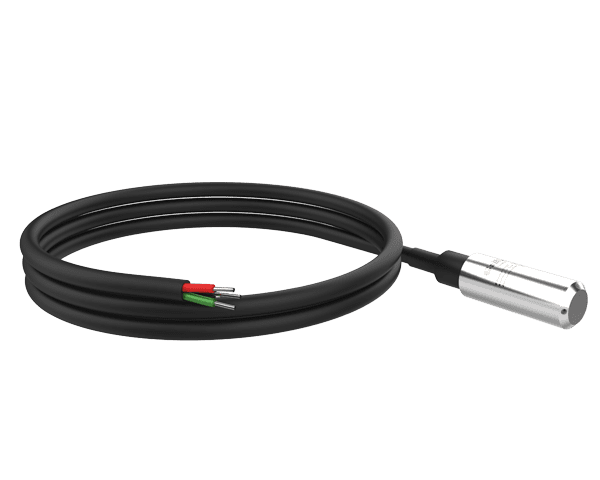
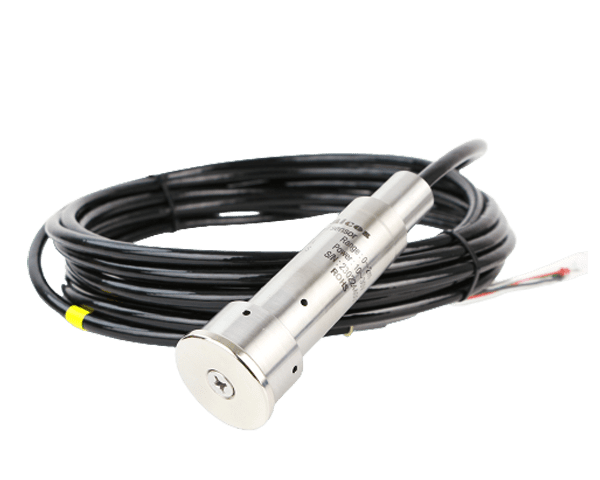
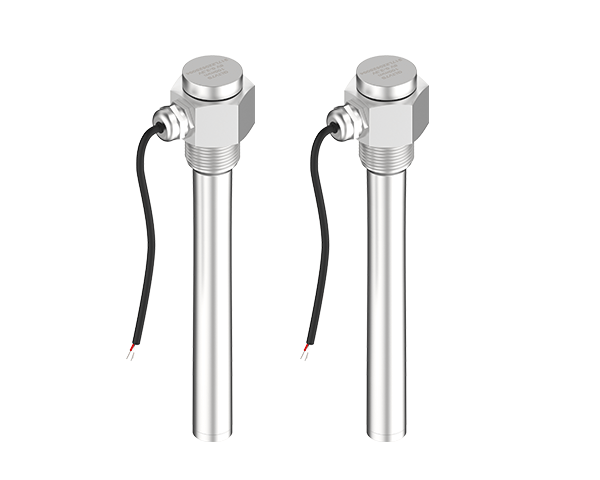
With its completely welded design offering superior protection against corrosion and moisture intrusion, submersible sensors such as the GLT530 series perform very well in situations involving direct water contact. The possibilities for small probe diameters, which range from 16mm to 19mm, allow for installations in situations where access is limited, such as narrow tanks and monitoring wells.
Accuracy and Range Matching
The requirements for measurement accuracy vary greatly depending on the application, ranging from exact inventory control to simple level indication. Finding affordable sensor solutions that satisfy performance requirements without going overboard requires an understanding of the permissible tolerance levels.
In order to account for unforeseen operating situations, range selection entails carefully weighing the lowest and maximum predicted values together with the necessary safety margins. Although shorter range devices often give improved accuracy for certain installations, sensors with 0-500m measuring capacity offer versatility for a variety of applications.
Installation and Maintenance Planning
Thorough installation planning is necessary for a successful sensor deployment in order to guarantee correct functioning and easily accessible maintenance operations. System dependability and long-term operating costs are influenced by cable routing, mounting options, and calibration access.
Top Well Level Sensor Models for Groundwater Monitoring — Features and Ratings in 2026
Leading sensor producers in the market continue to enhance technological capabilities while maintaining the reliability standards required for critical monitoring applications. According to comparative studies, different product categories and price ranges offer unique benefits, with well level sensor solutions providing specific advantages for groundwater and well monitoring applications.
Pressure-Based Sensor Excellence
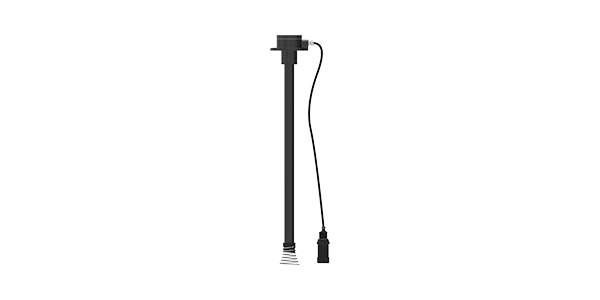
Compact pressure measuring technology has advanced significantly with the GLT530 submersible sensor family. Its integrated design packs advanced signal processing circuitry and high-performance pressure sensor components into an incredibly compact container. Installation in previously unreachable areas is made possible by the 12.8–19 mm probe diameter possibilities, all while upholding measurement accuracy requirements.
Within a single product family, a wide measurement range from 0–1 m to 500 m water column fits a variety of application needs. This adaptability streamlines specification procedures for end users and reduces inventory complexity for distributors. During prolonged submersion, dependable functioning is guaranteed by the completely welded sealing structure.
Wireless Communication Integration
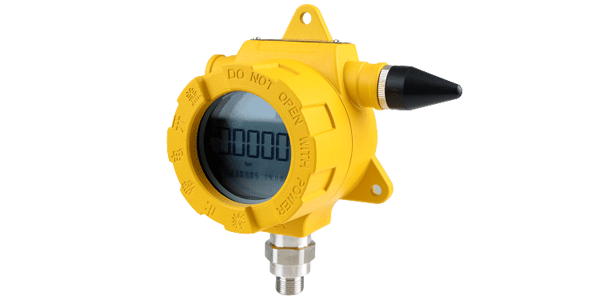
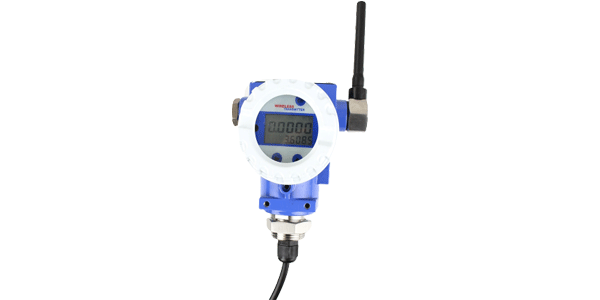
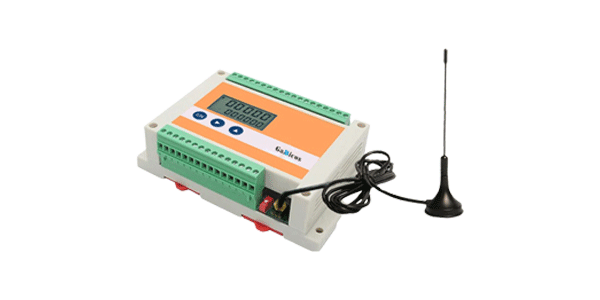
Remote data access capabilities that do away with the need for human inspections and improve data quality via continuous measurement are becoming more and more necessary for modern groundwater monitoring. These changing demands are met by wireless sensor choices that use 4G, NB-IoT, and LoRa communication protocols.
Certification and Compliance Standards
As safety rules change across many businesses and geographical areas, international certification requirements keep growing. Broad market acceptability and regulatory compliance are guaranteed by extensive certification portfolios that include CE, RoHS, and ATEX designations.
Conclusion
The market for groundwater monitoring sensors in 2026 offers advanced measuring options that balance operating costs and performance capabilities. Compact designs, broad measurement ranges, and adjustable accuracy options make pressure-based sensors like the GLT530 series very affordable for a range of industrial applications. Instead of focusing solely on initial purchase price optimization, successful procurement strategies emphasize long-term relationship building, supplier dependability assessment, and total cost of ownership evaluation. Key differentiators that enhance operational efficiency and ensure regulatory compliance across various industries include wireless communication integration and extensive certification portfolios, making well level sensor solutions an essential part of the equation.
FAQ
Q1: What accuracy levels are suitable for different groundwater monitoring applications?
A: Industrial automation applications typically require ±0.25%FS accuracy for reliable process control, while environmental monitoring projects often achieve satisfactory results with ±0.5%FS precision. Critical safety applications or precise inventory management may necessitate ±0.1%FS accuracy to meet operational requirements. The GLT530 sensor series offers all these accuracy grades within a single product family.
Q2: How do installation space constraints affect sensor selection decisions?
A: Narrow monitoring wells and restricted access installations require compact sensor designs with probe diameters below 20mm. The GLT530 series accommodates these requirements with standard 16mm and 19mm options, plus custom 16mm diameters for extremely constrained spaces. Cable length and connector configurations must also accommodate access limitations during installation and maintenance procedures.
Q3: What maintenance requirements should be expected for submersible sensors?
A: Submersible sensors require periodic calibration verification, typically annually or semi-annually depending on application criticality. Physical inspection for cable damage, connector corrosion, or housing integrity should occur during calibration procedures. The GLT530's fully welded construction minimizes maintenance requirements compared to sensors with replaceable components or mechanical seals.