
I. Industrial Background
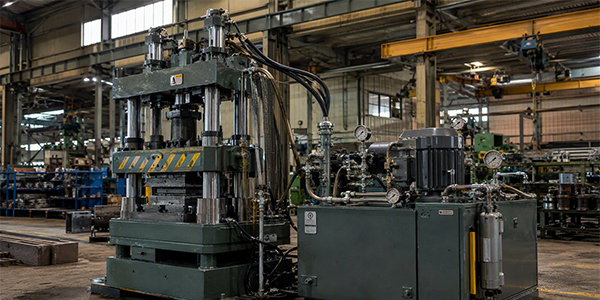
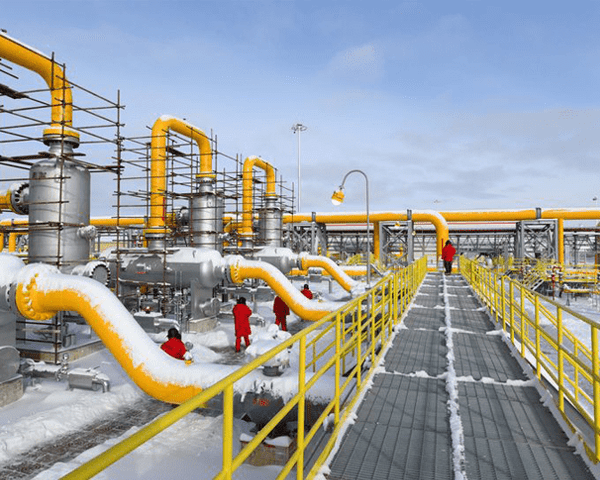
Fine chemicals, coal chemicals, and advanced material synthesis are core pillars of modern industrial systems. Their production processes heavily rely on high‑pressure reactors and closed high‑pressure vessels for polymerization, catalysis, and synthesis. These vessels typically operate under extreme conditions — high temperature, high pressure, and in some cases, strong corrosion from certain media. Liquid level is a key process parameter that directly determines material ratios, reaction time, product conversion rates, and operational safety. As such, it is an essential measurement for automation control systems.
As the chemical industry moves toward intelligent and unmanned production, level measurement devices must meet demanding requirements: they need to withstand long‑term high‑temperature and high‑pressure environments, prevent media leakage, deliver stable and accurate measurements, ensure reliable signal transmission, and integrate seamlessly with automated control systems. Traditional level instruments fall short under these complex conditions, creating a strong need for high‑performance, specialized level sensors.
II. Customer Pain Points
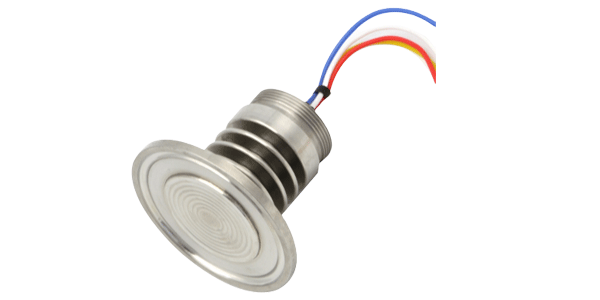
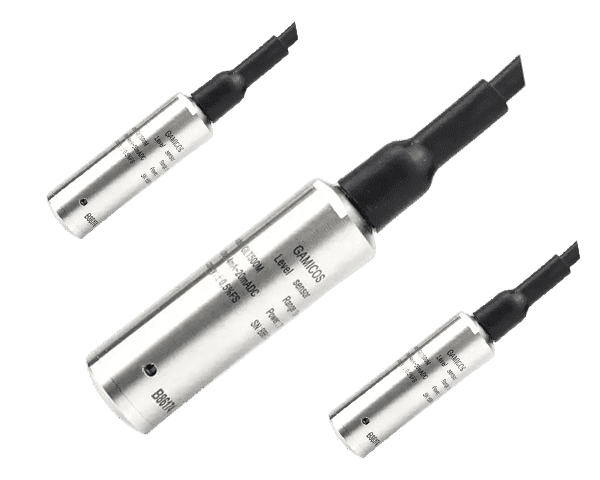
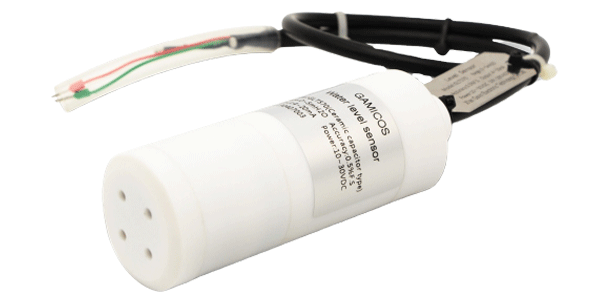
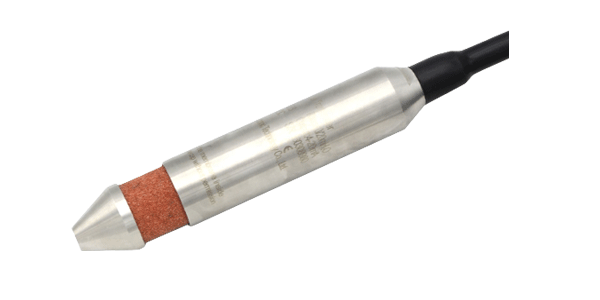
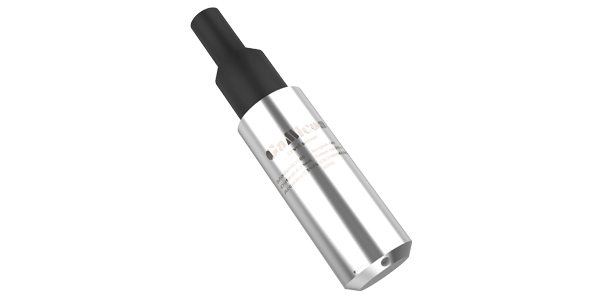
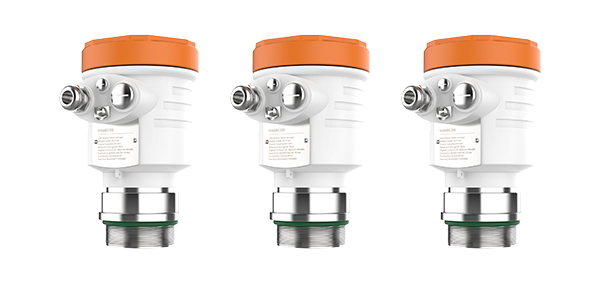
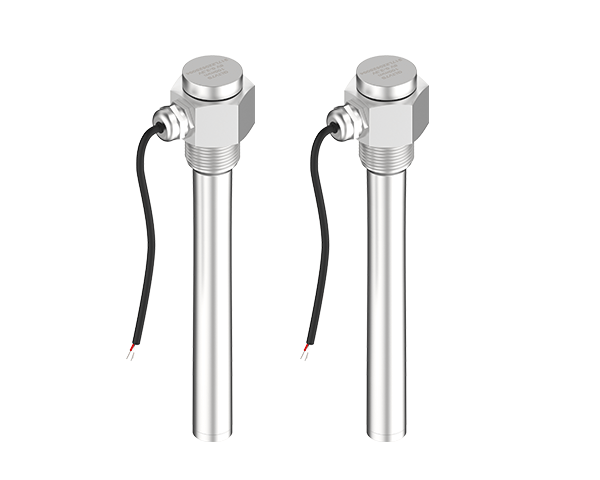
III. Product Introduction — GLTV7G High‑Temperature & High‑Pressure Capacitive Level Sensor
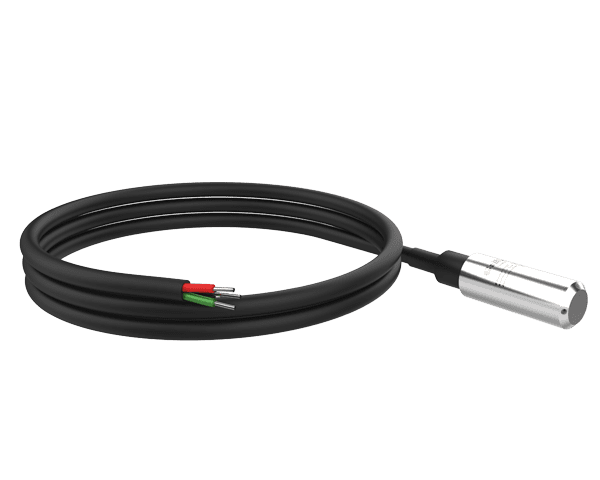
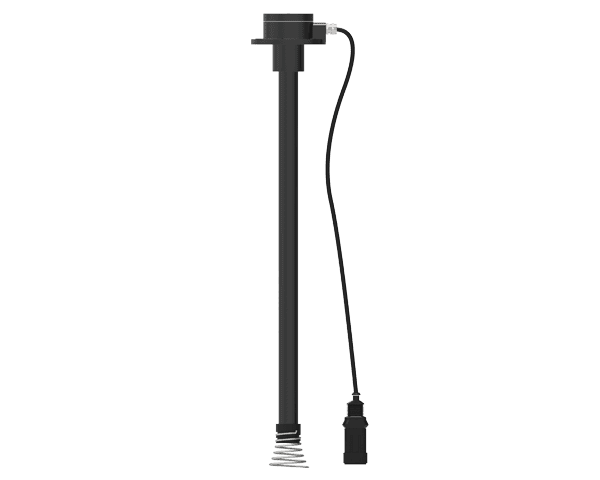
Single‑electrode capacitive level sensor specially designed for continuous level measurement in industrial high‑pressure vessels and reactors.
Probe: High‑quality PTFE (Teflon) with stainless steel substrate → operating temperature range -200°C to 200°C, excellent corrosion resistance. Auto‑sealing structure eliminates media leakage, pressure rating up to 32 MPa at room temperature.
• High‑temperature accuracy: ±1%
• Temperature drift: ≤0.02% FS/°C (within 0–70°C)
• Long‑term stability: ≤0.2% FS per year — no significant signal drift under temperature/pressure fluctuations.
No moving mechanical parts → resistant to vibration, agitator turbulence, and light media coating. Failure rate drastically lower than traditional mechanical level meters. Supports customizable outputs: 4‑20 mA, 0‑5 V, 0‑10 V, RS485 digital communication for automation retrofits.
IV. Customer Case
Application Location: Polymer Synthesis Workshop, Fine Chemical Enterprise
Application Equipment: 8 units of 10 m³ high‑temperature, high‑pressure polymerization reactors
Operating Conditions: Media Temperature 170 °C – 190 °C, Working pressure 22 – 28 MPa, Mildly corrosive polymer synthesis liquid, equipped with agitators, 24/7 continuous operation.
Selected Model: GLTV7G-H1-1500mm-P1-V1-L2 (corrosion-resistant, high‑temp, high‑pressure version). Measuring range 1500 mm, 4‑20 mA output, 12‑28 VDC, G1/2 threaded connection.
- Site Survey: G1/2 standard threaded direct mounting; sensor range customized to 1500 mm based on effective reactor level height.
- Installation & Commissioning: Replaced old instruments, threaded mounting on top reactor port, wired to plant DCS system. Zero and full‑scale calibration, data filtering optimization for agitator vibration.
- Trial Operation & Monitoring: 72‑hour trial; real‑time level data, instrument temperature, signal transmission monitored. No leakage, no signal jumping → official service release.
V. Customer Application Results
The batch of GLTV7G capacitive level sensors has been in stable operation for 18 months, fully resolving previous measurement challenges. Comprehensive improvements across four dimensions:
| Dimension | Achievement |
|---|---|
| Stable Operation Under Extreme Conditions | PTFE probe & integrated seal withstand 190°C & 28 MPa; zero media leakage, IP68 & vibration‑resistant design. Zero failure‑related shutdowns, eliminates safety risks. |
| Measurement Accuracy & Process Control | Accuracy remains within ±1% under high temperature; DCS receives stable, continuous level data. Polymer product pass rate increased by 3.2%. |
| Maintenance Costs Drastically Reduced | No mechanical wearing parts, corrosion & anti‑coating design. No component replacement in 18 months; annual maintenance & inspection costs reduced by over 60%. |
| Automation Integration & Intelligent Control | Standard 4‑20 mA signal integrated with DCS → remote real‑time monitoring, automatic feeding, high‑level interlock protection. Manual intervention significantly reduced. |
✅ Production efficiency improved, enabling intelligent production transformation goals.
VI. Technical Specifications & Advantages Summary
✔ Measurement principle: Single‑electrode capacitive, continuous level sensing.
✔ Process connection: G1/2 thread, customizable flange options.
✔ Wetted materials: PTFE + SS substrate — strong acid/alkali resistance, anti‑coating.
✔ Output signals: 4‑20 mA (two‑wire), 0‑5 V, 0‑10 V, RS485 Modbus.
✔ Pressure rating: up to 32 MPa @ RT, 28 MPa @ 190°C.
✔ Protection class: IP68 (suitable for high humidity, steam).
✔ Typical industries: Fine chemicals, coal chemicals, polymer synthesis, pharmaceutical intermediates, high‑pressure hydrogenation.
Conclusion: GLTV7G capacitive level sensor offers reliable, drift‑free performance in harsh reactor environments. Delivering ±1% accuracy, extreme pressure durability, and seamless DCS/PLC integration — proven in continuous 24/7 operation for more than 18 months, reducing costs and elevating process safety.