Why US Farms Choose Chinese Well Level Transducers | Low-Cost & High Accuracy
More and more US farms are buying
well level transducers from Chinese companies because they are cheaper, use more advanced technology, and have strict quality standards. Chinese suppliers have a wide range of water level tracking devices at low prices that don't skimp on accuracy or durability. This makes them perfect for agricultural water management systems. The strategic benefits include the ability to make many changes, fast delivery, and strong after-sales help that meets the needs of farmers in all of America's agricultural regions.
Understanding Well Level Transducers and Their Importance in Farming
To get the most crops while using as little water as possible, modern farming needs precise water control. Monitoring devices for water levels are important parts of irrigation systems because they help farmers make data-based decisions about how much water to use and how to spread it across their lands.
The Technology Behind Agricultural Water Level Monitoring
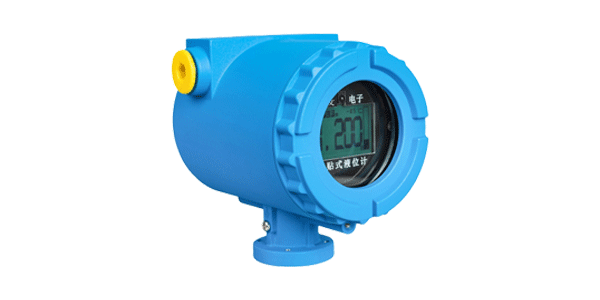
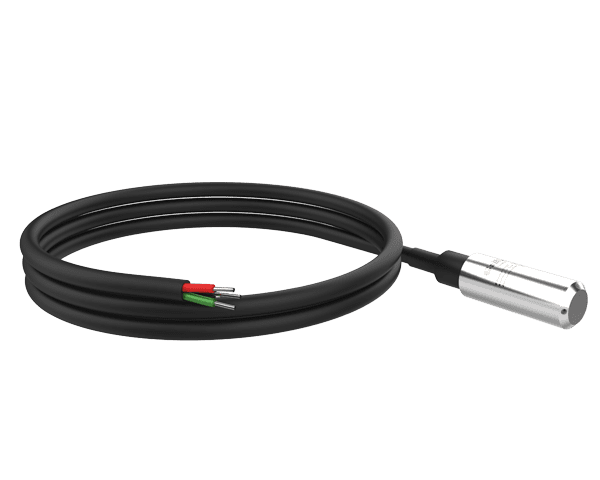
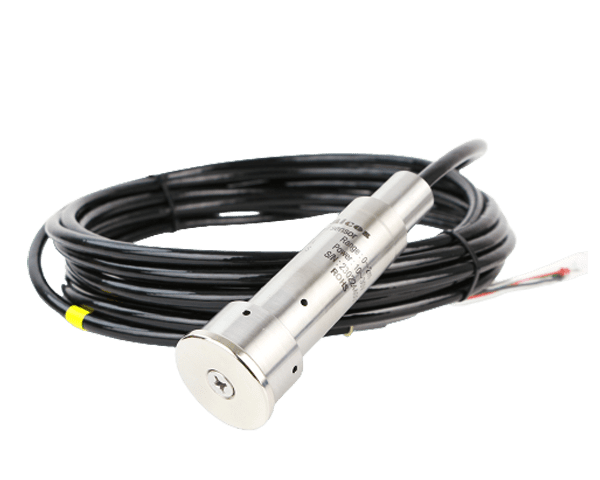
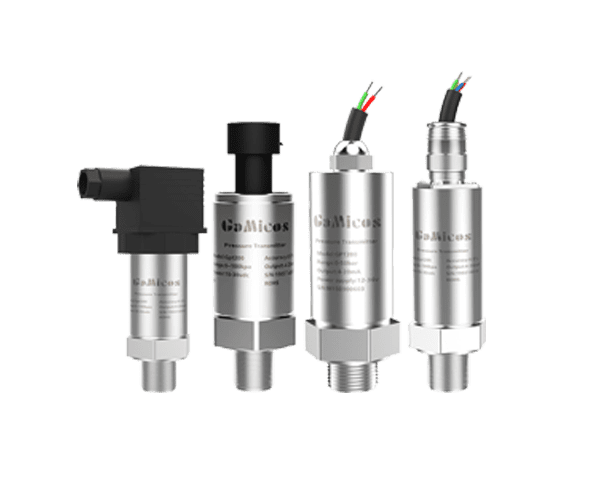
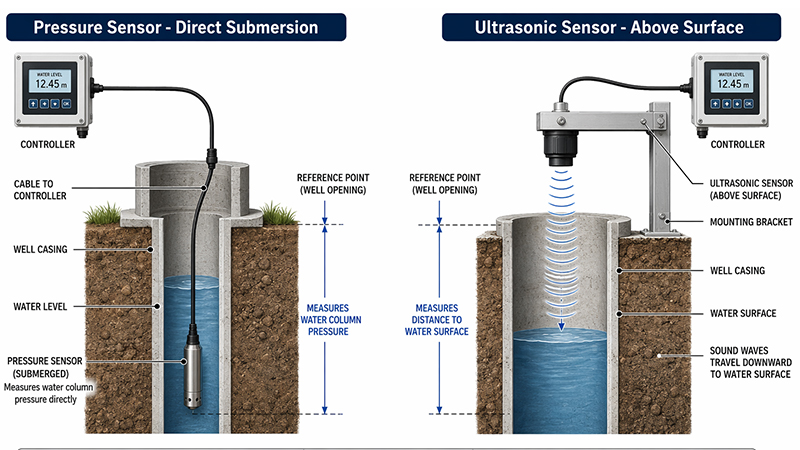
Well level transducers use complex pressure-sensing ideas to turn the pressure in the water into electrical signals. These gadgets find out how deep something is by measuring the weight of the water column above the monitor. High-performance pressure sensors and advanced signal processing circuits are used in this technology to provide accurate readings in real time.
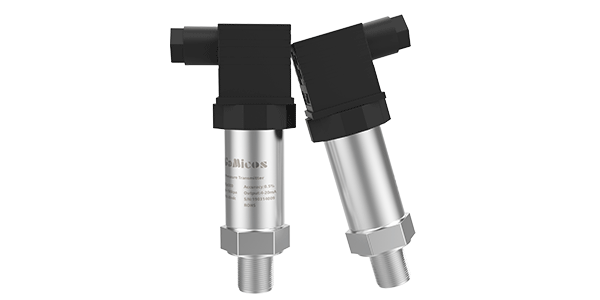
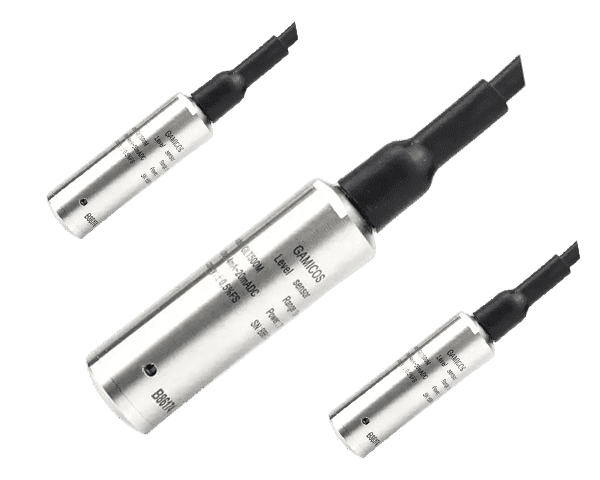
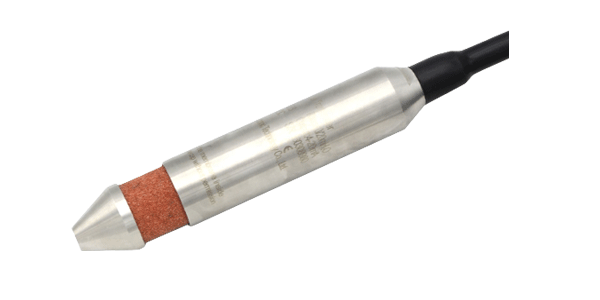
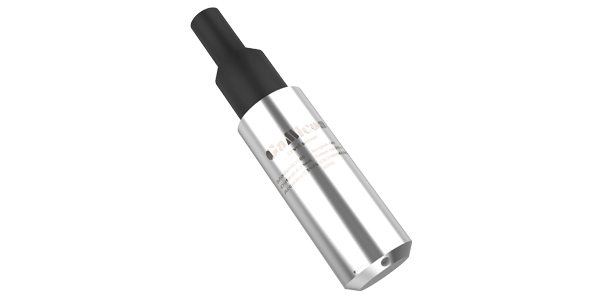
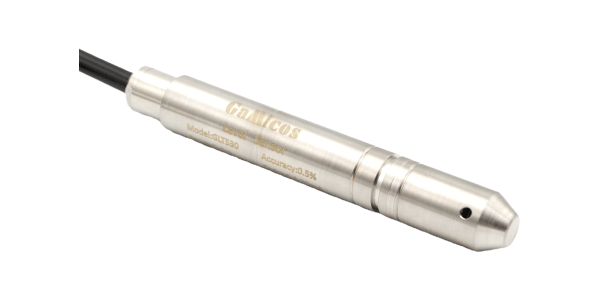
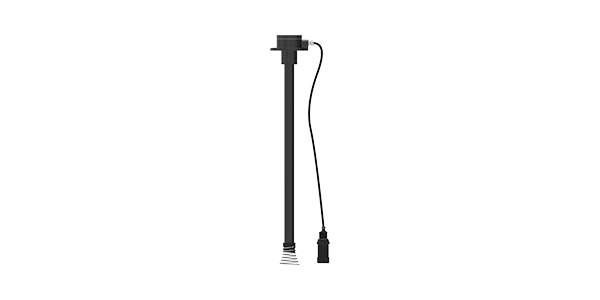
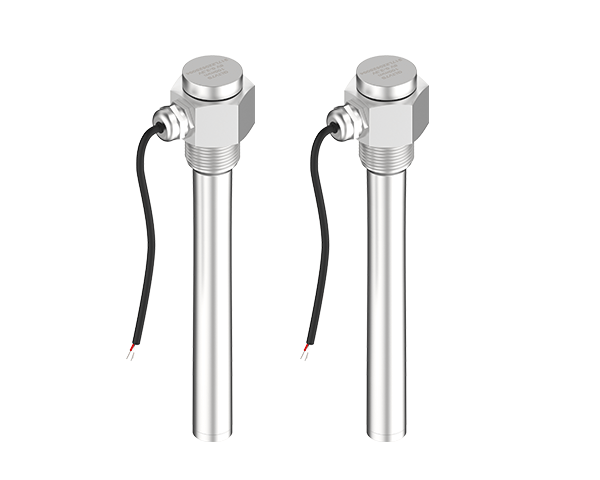
Submersible sensors like the GLT530 are small, with probe diameters that range from 16mm to 19mm. This means that they can be used in tight areas and narrow wells. The fully welded sealing design makes sure that it will work for a long time, even if it is constantly submerged in harsh agricultural settings.
Agricultural Applications and Benefits
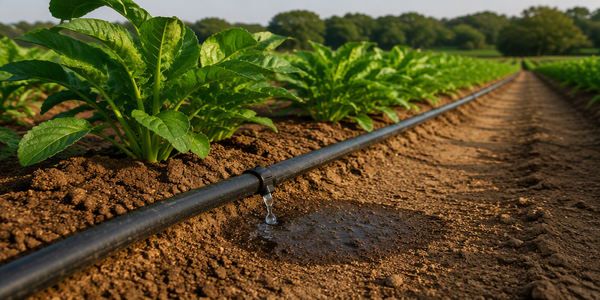
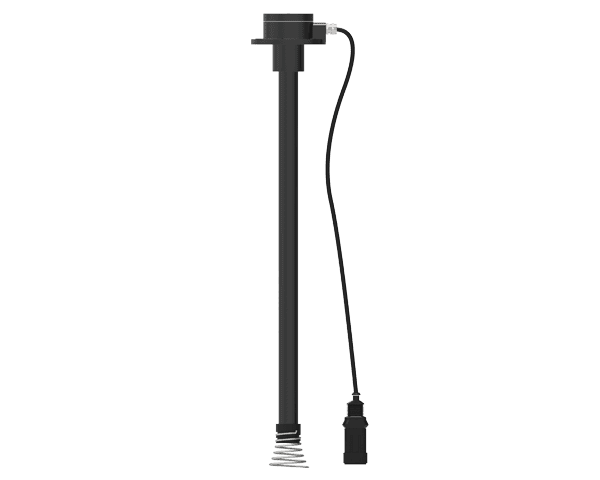
Water level sensors change the way farming is usually done by letting you watch things automatically, which cuts down on labor costs and makes irrigation more efficient. Farmers can use these tools to keep an eye on groundwater levels, check the capacity of irrigation reservoirs, and make sure that big farming operations have the best water distribution systems possible.
When pressure-based liquid level sensors are used, a lot less water is wasted. Studies show that this can be as much as 30% less than when tracking was done by hand. Collecting data in real time lets farmers react quickly to changing conditions, which keeps crops from getting too much water and stops over-irrigation.
Why Chinese Well Level Transducers Are the Preferred Choice for US Farms?
Chinese companies have changed the market for farm sensors by using cutting-edge technology and low-cost production methods. This strategic method is a great deal for American farmers who want to keep an eye on their water supplies without spending a lot of money, especially when using a well level transducer.
Cost Advantages Without Quality Compromise
Costs can be cut by a lot in China because of its efficient production processes, ability to buy materials in bulk, and well-organized supply lines. Farmers directly benefit from these saves because they can get professional-grade sensors for 40–60% less than similar options in Europe or the US.
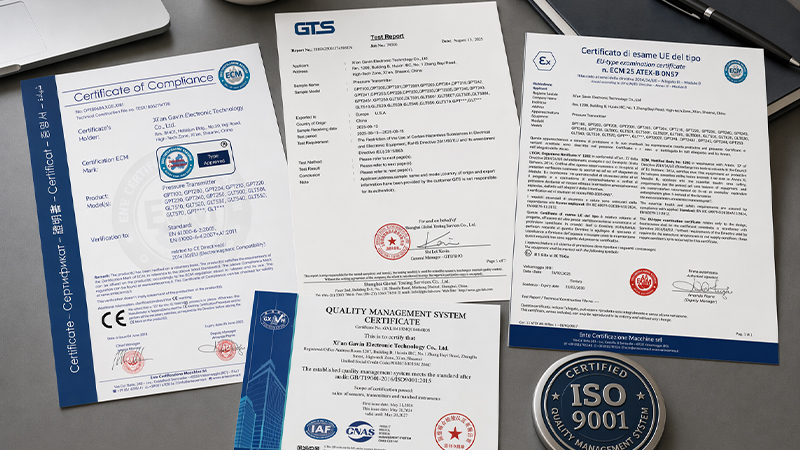
These low prices come from Chinese sources who stick to strict quality standards. Modern factories use automatic production lines and strict testing procedures to make sure that the products always work the same way. This method is shown by the GLT530 series, which has accuracy rates of ±0.1%FS to ±0.5%FS and full certifications such as CE, RoHS, and ATEX compliance.
Customization Capabilities for Diverse Farm Requirements
Agricultural activities are very different in different areas and with different types of crops, so flexible sensor solutions are needed. Chinese makers are great at making configurations that are exactly what an application needs. There are different probe diameters, measurement ranges from 1 meter to 500 meters water column, and output signals that can be used with current farm management systems.
OEM and ODM services let farms be very specific about the specifications of sensors, the materials used for housing, and the transmission protocols that need to be used. This adaptability makes sure that the system works well in a wide range of situations, from water tanks on dairy farms to large irrigation networks in vegetable production sites.
Comparing Chinese Well Level Transducers with Other Market Alternatives
When looking at different sensor choices, you need to carefully think about how well they work, how reliable they are, and how much they will cost you in the long run. Chinese companies have been able to compete with well-known foreign brands by focusing on the features and benefits that farmers care about the most.
Performance Benchmarks Against Global Competitors
Recent tests by a third party shows that Chinese liquid level sensors are just as accurate and stable as high-end brands, but they are a better value. Devices like the GLT530 can measure accurately enough to meet or beat industry standards, and their long-term drift is well within accepted limits for agriculture.
Testing for durability shows that the material is very resistant to common problems in agriculture, such as chemical contact, changes in temperature, and mechanical stress. The high-quality materials and fully welded construction make sure that the machine works reliably through multiple growing seasons, which lowers the cost of repair and upkeep.
Technology Comparison: Pressure vs. Alternative Sensing Methods
Knowing about the different types of sensor technologies helps buying managers choose the best ones for each job. Here are the main reasons why pressure-based well level transducers are better than other technologies:
-
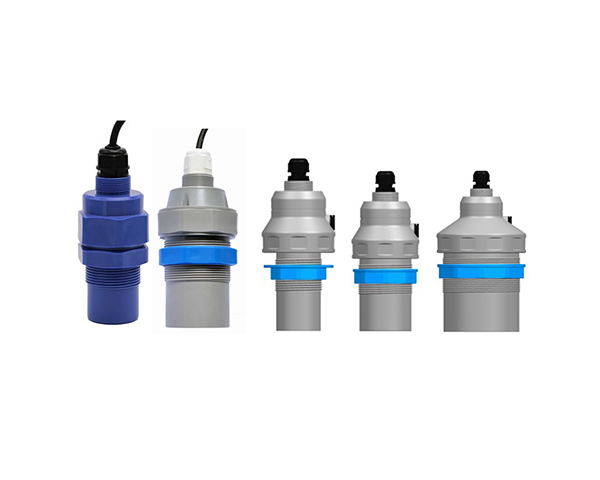
More reliable in dirty water – pressure sensors stay accurate no matter how clear the water is or how much trash is in it, while ultrasonic sensors need clean surfaces to work.
-
Low upkeep needs – submersible pressure devices work all the time without having to be cleaned or calibrated by float switches or capacitive sensors.
-
Longer useful life – solid-state pressure sensing elements can handle tough farming conditions better than mechanical parts in float-based systems.
-
Installation that saves money – simple two-wire connections make installation easier than with radar or laser-based options that need special mounting and setup.
Because of these benefits, pressure-based sensors work best in places like wells, irrigation channels, and storage tanks where they need to be reliable and not need much upkeep to keep working.
How to Procure Well Level Transducers from China: A B2B Buying Guide
To successfully buy from Chinese manufacturers, you need clear contact protocols and a system for evaluating their products. Agricultural water tracking projects will have the best results if the suppliers' skills are understood and the right quality control measures are put in place.
Supplier Evaluation and Selection Criteria
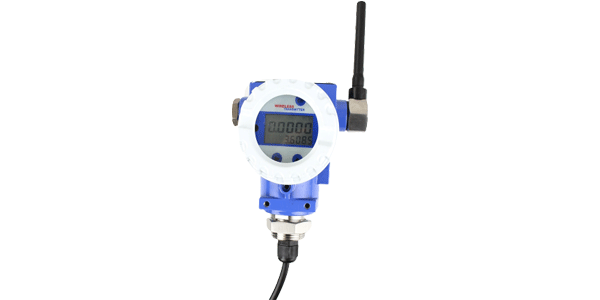
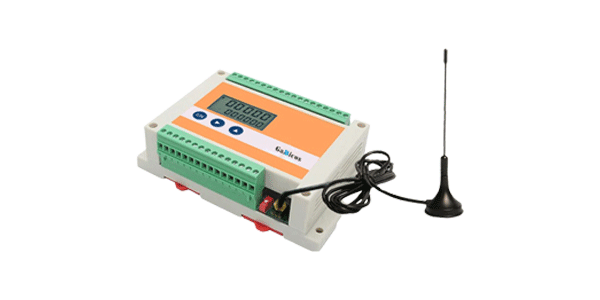
There are more than just beginning prices to consider when looking for qualified Chinese manufacturers. Companies that have been around for a while, like GAMICOS, show that they can be trusted by having exported to over 100 countries with a wide range of products, such as pressure sensors, liquid level devices, and wireless tracking systems.
Certifications for manufacturing, quality management systems, and the ability to provide technical help are all important factors that are used to judge a product. Suppliers should give thorough specs, test certificates, and contact information for agricultural customers who have used their products in similar ways. Offering customization services and OEM partnerships shows that the company has advanced production skills that can meet the specific needs of farms.
Order Process and Logistics Considerations
When you plan your purchases well, you can account for lead times that range from two to four weeks for regular items and from six to eight weeks for custom configurations. Most Chinese manufacturers have flexible minimum order quantities that make it possible for both small-scale farm trials and large-scale farming project deployments.
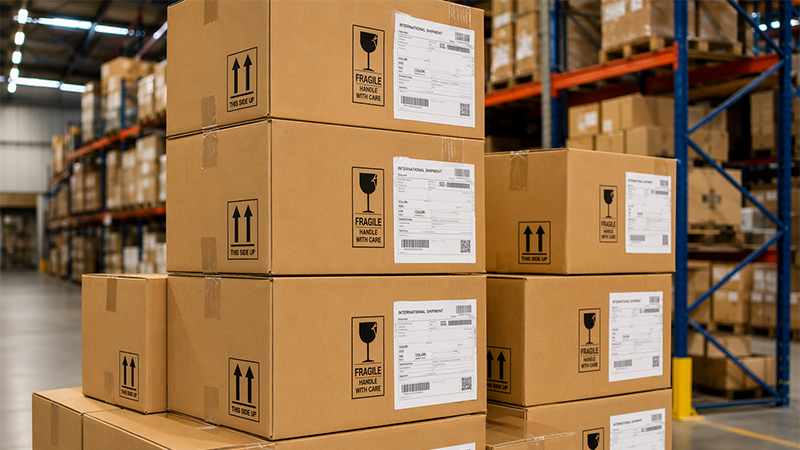
Shipping operations need to be carefully coordinated to keep the quality of the goods intact while they're being shipped. The right packaging keeps fragile electronic parts safe, and the best freight arrangements keep shipping costs as low as possible. A lot of sellers offer combined shipping services and can work with local distributors to make it easier for farms to clear customs and get their goods, especially when dealing with products like the well level transducer.
Conclusion
The agricultural sensor market is clearly moving toward Chinese production as a leader. This is because quality, price, and new ideas are all very appealing. Partnering with well-known Chinese suppliers who understand farming needs and offer full support throughout the buying and putting the plan into action is very helpful for US farms. Long-term dependability, the ability to customize, and access to new technologies that support sustainable farming practices are some of the strategic benefits that go beyond initial cost savings, especially when using products like the well level transducer.
FAQ
Q1: How do I verify the accuracy and quality of Chinese well level transducers?
A: Reliable Chinese makers offer a wide range of certifications, such as CE, RoHS, and ISO compliance certificates. Ask for full specs, calibration certificates, and test results that show accuracy scores and how well the device works in different environments. Many suppliers give away sample units that can be used to test and compare with current equipment before making bigger purchases.
Q2: What are the key differences between submersible and surface-mounted sensors for farm applications?
A: Submersible sensors, like the GLT530, can be put straight into wells or tanks and give very accurate readings that aren't affected by conditions on the surface or by things in the environment. Surface-mounted options use ultrasonic or radar technology, but they need clean measurement lines and to be checked regularly. It is more reliable to use submersible units in agricultural settings where debris and changing weather are widespread.
Q3: What maintenance and calibration procedures are required for optimal performance?
A: Compared to other technologies, pressure-based liquid level sensors don't need as much upkeep. Verification of the calibration once a year ensures continued accuracy, and cleaning the sensor housings on a regular basis keeps dirt from building up. Most good Chinese makers offer thorough maintenance guides and technical support to make sure that sensors work well and last as long as possible.