B2B Sourcing Guide · China Manufacturing
Source with Confidence: Evaluate, Verify & Onboard China's Fuel Tank Sensor Makers
For B2B buyers in North America, Europe, and other parts of the world, finding a reliable fuel tank sensor in China is still a top concern. The accuracy and dependability of fuel tracking have a direct effect on working efficiency, compliance, and revenue, no matter if you are in charge of truck operations, OEM manufacturing, or distributing aftermarket parts.
Audience: Sourcing & Procurement Scope: Supplier Evaluation & Verification App: Fuel Level Monitoring Read: ~9 min
China's huge industrial environment has a lot of benefits, but it also has some problems, like making sure quality is consistent, checking certifications, and being clear about the supply chain. This detailed guide gives sourcing managers, engineering managers, and procurement teams the information they need to find, analyze, and work with Chinese sources that can provide high-quality fuel tank sensors that meet international standards. We'll talk about problems in the market, evaluation criteria, comparing suppliers, verification procedures, and continued support plans to help you make choices with confidence and less risk.
01Understanding the Core Challenges of Sourcing Fuel Tank Sensors in China
To get around in China's fuel measurement gadget market, you need to know how complicated it is. Quality variation is still a big problem because not all makers have strict rules for production or spend money on systems that calibrate fuel tank sensors to make sure they work correctly. Some sellers don't have important certifications like ISO 9001, CE, ATEX, or RoHS. This makes it harder for products to be sold in controlled markets and makes customers more vulnerable to liability.
Challenge 01
Quality Inconsistency and Certification Gaps
Many makers say they are in line, but when they are audited, they don't show any proof. If buyers don't get third-party validation, they might get sensors that aren't exactly what they're supposed to be, which could cause incorrect fuel readings and even equipment problems. If there are no accepted certifications, it means that the quality control systems aren't good enough, and it raises concerns about the long-term dependability.
Challenge 02
Communication Barriers and Supply Chain Opacity
Language barriers and time zone differences can make it harder to work together effectively. Some suppliers may not have special foreign sales teams or technical support staff who speak English as their first language. This can lead to confusion about product specifications, delivery times, and warranty terms. It is also hard to find out where parts came from, check the working conditions of factories, and make sure that ethical buying is being done when supply lines aren't clear.
Challenge 03
Inadequate After-Sales Support
If suppliers don't provide enough help after the sale, even if the items are good at first, the value is lost over time. Problems with operations are caused by things like limited guarantee coverage, slow answers to troubleshooting questions, and not being able to get new parts. To get the most out of their sensors and keep downtime to a minimum, buyers need partners who will provide ongoing technical support, calibration services, and a collection of extra parts.
Setting up guidelines for review can help with these problems. Objective proof of a supplier's skills can be found by inspecting factories, asking for client references from related industries, and checking certifications through independent testing labs. These due diligence steps help procurement teams tell the difference between trustworthy makers and sellers who are just looking for a chance to make a sale.
02Key Factors to Evaluate When Selecting a Fuel Tank Sensor Supplier
To pick the right fuel tank sensor supplier, you need to look at a number of factors that affect how well the product works, how much it costs, and how long the relationship will last. A structured review system makes sure that the skills of the suppliers you're considering are in line with the needs of your business.
|
Evaluation factor
|
What to ask the supplier
|
Red flag
|
|
Certification
|
ISO 9001 certificate, CE / ATEX / RoHS documents with verifiable certificate numbers
|
Only scanned copies, no verifiable certificate number
|
|
Calibration
|
Calibration procedure for each unit, plus traceable test records
|
Batch calibration with no individual records
|
|
OEM / ODM capability
|
Custom lengths, output signals (4-20mA, 0-5V, RS485, CAN bus), protocols (Modbus, HART), connectors
|
Only catalogue models, no engineering team
|
|
Sample verification
|
Sample order with agreed test criteria before mass production
|
Refuses or delays samples
|
|
After-sales support
|
Named technical contact, documented response time, spare-part availability
|
Sales-only contact, no technical escalation path
|
Product Diversity and Technology Options
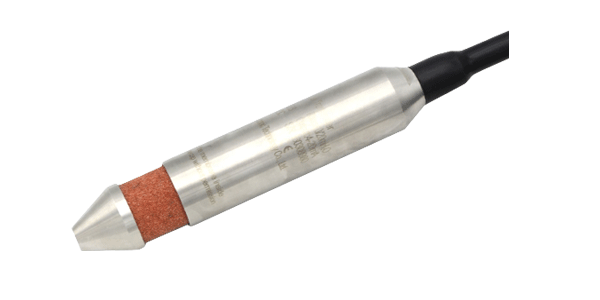
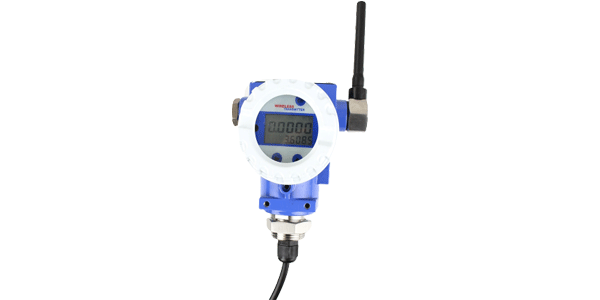
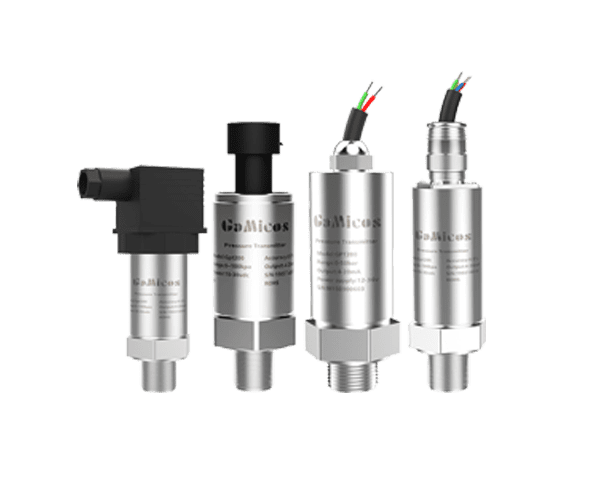
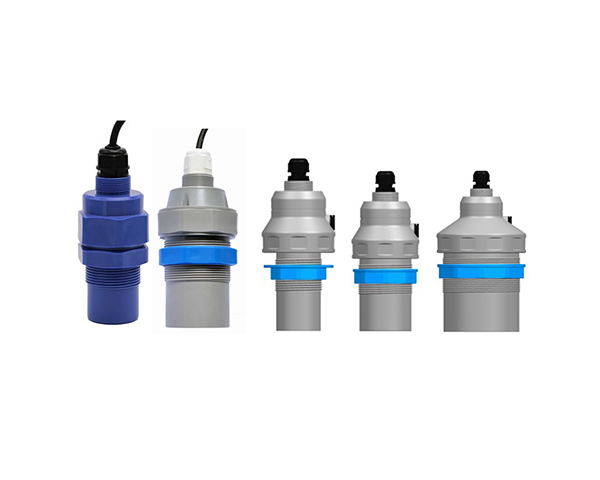
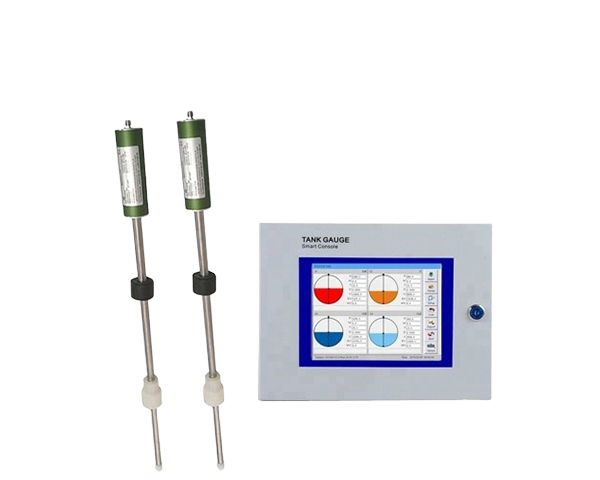
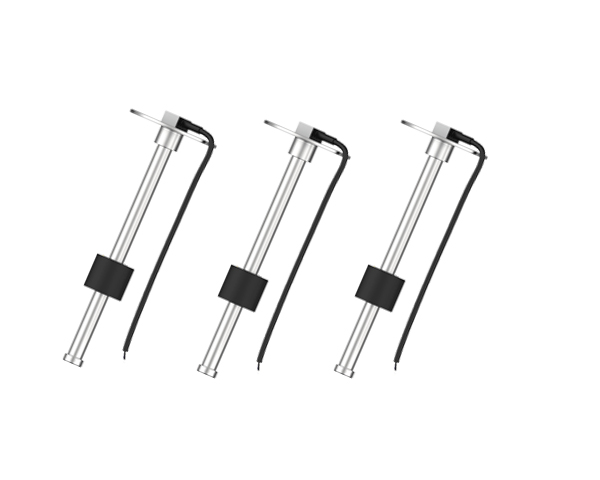
Fuel measurement options are very different in how they work and what they can be used for. Capacitive sensors are more accurate in a wider range of fuel types, while resistive float sensors are easier to use and less expensive for basic tracking. Piezo-resistive pressure sensors are very accurate for very important tasks, while ultrasonic sensors are great for measuring things without touching them, which means they need less care. GPRS, NB-IoT, Lora, and 4G are all types of wireless communication that can be used for distant tracking and data integration with industrial automation platforms or fleet management systems. Suppliers with wide ranges of products can work with a variety of operating settings, from mobile tank tracking to fixed fuel storage facilities.
Quality Standards and Calibration Processes
The accuracy of fuel supplies, tracking usage, and following the rules are all directly affected by how well the sensors work. Manufacturers should show strong testing procedures that include signal conditioning, temperature adjustment, and customizable digital circuit correction. If you want to be sure that their products will stay stable in a wide range of temperatures, vibration levels, and humidity levels, look for providers who do pressure cycle tests, aging models, and environmental stress evaluations. Quality assurance systems that meet ISO 9001 standards show a dedication to always getting better and avoiding mistakes.
Independent verification is the fastest way to separate documented suppliers from the rest. Request a copy of the supplier's ISO 9001 certificate and confirm the certificate number with the issuing body before signing a contract.
Customization Capabilities for OEM/ODM Projects
In a lot of buying situations, solutions need to be custom made to fit certain interface needs, communication methods, mounting arrangements, or output signal formats. Suppliers with in-house R&D departments and creative production methods can make sensors, connectors, cables, or marking elements that are specific to your needs. During the creation stages of a new product, well-known makers work with engineering teams to provide prototypes, test the products in the field, and make design improvements based on data from real-world use.
Pricing Structures and Negotiation Strategies
Understanding what causes costs is important for negotiating and making the most of your budget. Tiered pricing discounts are usually unlocked by making a volume promise, and long-term supply deals keep prices stable even if the price of raw materials changes. Suppliers who are open about their prices break down the costs of ingredients, production, tests for certification, packaging, and shipping. This lets buyers find ways to save money without sacrificing quality. Flexibility in payment terms, like LC agreements or staged payments tied to performance goals, lowers financial risk during the early stages of working together. By carefully evaluating these factors, a balanced scorecard is made that takes into account technical performance, business success, and operational compatibility. This helps people make confident choices about which suppliers to choose.
03Comparing China's Leading Fuel Tank Sensor Brands and Manufacturers
There are well-known companies in China that make sensors and have been serving foreign markets in a variety of businesses for a long time. Finding the best fuel tank sensor partners for your needs is easier when you know what technologies they specialize in and how they offer services.
Technological Differentiation and Product Features
Leading makers set themselves apart by coming up with their own solutions to problems in the business. Modern designs include anti-vibration features for mobile equipment, magnetic suction bases that make installation on temporary fuel storage units quick and easy, and fully welded construction that meets IP68 standards for protection against dust and water. Some makers focus on making explosion-proof sensor designs that meet ATEX standards for dangerous settings, while others make small modules that OEMs can use in tight spaces. Checking to see if sellers put money into R&D facilities, keep their patent portfolios up to date, and work with research institutions can show how innovative they are.
B2B Collaboration Case Studies
Looking at partnerships that work well gives you useful information about how suppliers do in the real world. North American fleet management companies have teamed up with Chinese manufacturers to install wireless fuel tracking systems in thousands of cars. This has greatly cut down on fuel theft and use that isn't allowed. Pressure-based level sensors are used in diesel storage tanks at chemical processing plants in Europe. These sensors meet strict accuracy standards and have been certified for use in dangerous areas. These case studies show how quick suppliers are when developing specifications, how consistent the quality is across large orders, and how reliable their delivery promises are.
Comprehensive Support Infrastructure
Supplier service communities have a big effect on long-term happiness, even more so than product quality. Top makers offer warranties that last for more than one year, keep regional technical support centers staffed with application experts, and keep replacement parts in stock so that orders can be filled quickly. Some offer training programs that teach the best ways to put things, fix problems, and keep them in good shape. Suppliers with established networks of distributors make it easier for local service to get to, which cuts down on wait times for fixes and expert advice. When you're comparing makers, make sure you get specific service level agreements that spell out warranty terms, reaction times, and how to escalate problems. Check with providers to see if they offer online diagnostics or on-site commissioning help for complicated installations. This is especially important for big industrial jobs.
04Step-by-Step Guide to Verify and Onboard a Fuel Tank Sensor Supplier in China
To keep buying risk to a minimum, you need strict verification methods and organized onboarding processes. The next method strikes a balance between care and speed, building trust before signing up a fuel tank sensor supplier in China.
STEP 01
Supplier Screening and Documentation Verification
Start by asking for full company details that include business licenses, names of manufacturing facilities, information on production capacity, and export records. Cross-referencing certificate numbers with the organizations that issued them or hiring third-party inspection agencies to do workplace checks are two ways to make sure that the certification is real. Check out the paperwork for ISO 9001 quality management, the records for environmental compliance, and the intellectual property collections that show technical skills. Checking with current customers in related businesses can give you honest feedback on how well you communicate, how reliable your deliveries are, and how well you solve problems.
STEP 02
Sample Ordering and Rigorous Product Testing
Get representative samples that meet the specs you want for a full evaluation. Use calibrated reference standards to test the accuracy of the system across the predicted temperature ranges, keeping track of drift and consistency. Put sensors through external stress tests that mimic the vibration patterns, humidity exposure, and temperature cycles that will happen in your application. Check the steadiness of the output signal, its ability to work with electromagnetic fields, and its ability to work with current control systems or data collection platforms. Write down the methods and results of the tests to set basic performance standards for production orders.
STEP 03
Contract Negotiation and Terms Safeguarding
Clear terms should be negotiated that cover quality acceptance standards, inspection methods, how to fix nonconformances, and the details of the guarantee coverage. Set delivery dates and make sure that payments are tied to confirmations of shipments and quality checks. Protect unique designs with intellectual property laws, make sure application details are kept secret, and include ways to settle disagreements that follow the rules of international arbitration. Payment structures should combine the need for suppliers to have cash on hand with the need for buyers to lower their risk. For initial deals, LC instruments or escrow arrangements may be used. With this structured method, choosing a provider goes from being a transactional purchase to building a strategic partnership. This sets the stage for long-term relationships that are good for both parties.
05Maintenance and Troubleshooting Support from Your Supplier to Maximize Sensor Reliability
Longevity and steady performance of sensors rely on regular maintenance and working together to solve problems when they happen. Suppliers who are good at what they do act more like expert partners to get the most out of your fuel tank sensors' dependability.
Preventive Maintenance Protocols
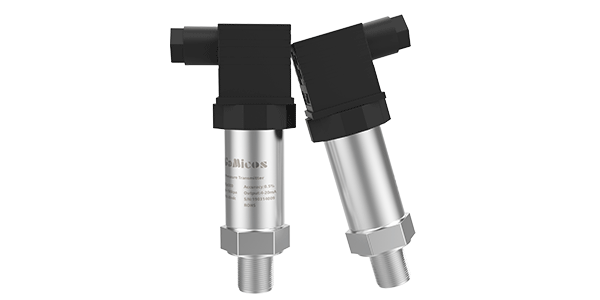
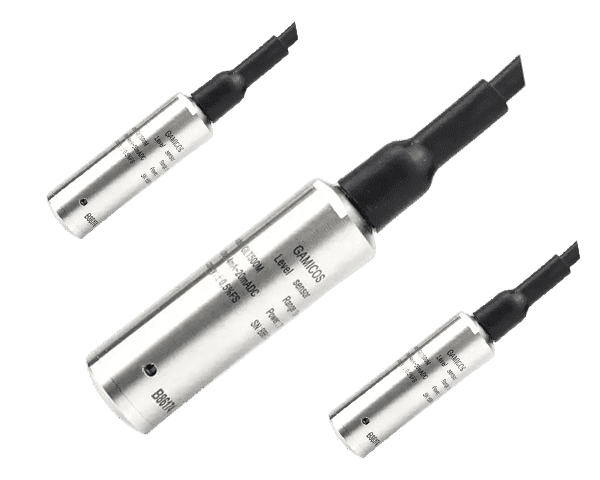
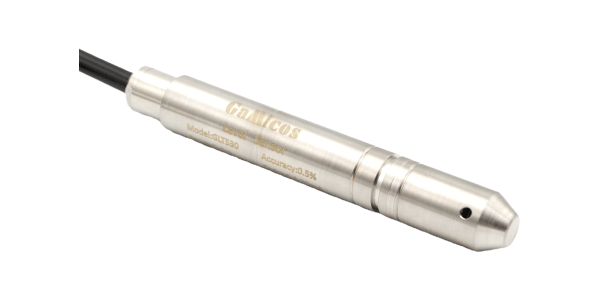
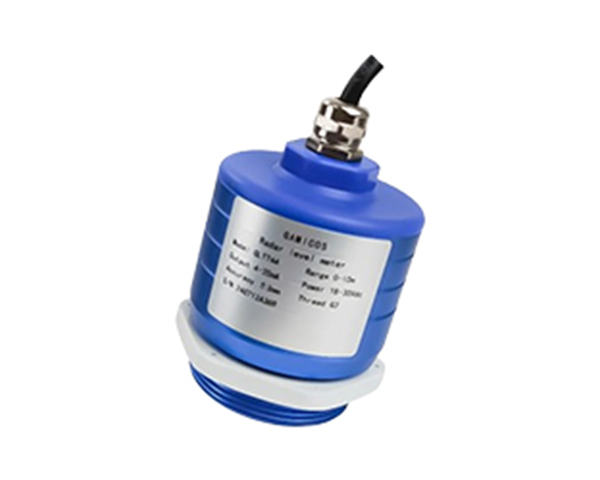
Set up regular plans for tuning that are right for the sensor technology and the criticality of the application. Piezo-resistive pressure sensors, like the ones in GAMICOS' GLT5001 liquid diesel level monitor, need to be checked for zero points and their spans adjusted on a regular basis to account for the effects of weather aging. Digital sensor suppliers should include thorough care guides that explain how to clean the sensors, check the connections, and update the firmware. Some makers offer remote diagnostics, which lets workers check the health of sensors without having to go to the site in person. This cuts down on maintenance costs and downtime.
Common Failure Indicators and Supplier Troubleshooting
By noticing early warning signs, you can stop small problems from getting worse and leading to expensive fails. Erratic output signals, strange drift patterns, or transmission failures that happen from time to time could mean that the sensor is wearing out or that environmental factors are affecting its performance. When hardware fails, responsive suppliers keep technical hotlines filled by application experts who read through descriptions of symptoms, suggest ways to diagnose the problem, and quickly send new parts. Troubleshooting books with lots of information on things like installation mistakes, how to stop electrical interference, and making sure everything works together speed up the settlement process.
Training and Knowledge Transfer
Comprehensive supply support includes training programs that teach maintenance staff how sensors work, how to diagnose problems, and how to fix them. Internal teams can handle routine problems on their own with the help of documentation sources that have installation videos, calibration directions, and application notes. Manufacturers who care about their customers' success share industry best practices that they've learned from a wide range of application experiences. This improves the technical skills of both the buying and operations teams as a whole. Building strong relationships with suppliers around ongoing support turns sensors from parts that are used up quickly into strategic assets that drive business excellence.
06Spotlight on GAMICOS GLT5001: Precision Diesel Level Measurement
Product Spotlight — GAMICOS GLT5001
Precision Diesel Level Measurement
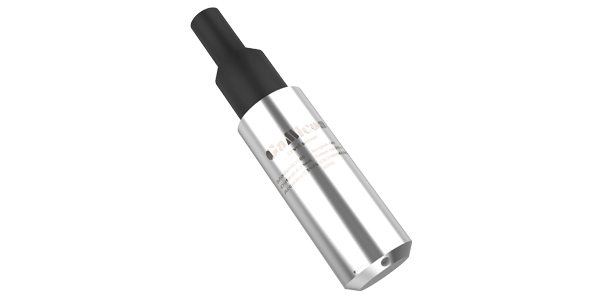
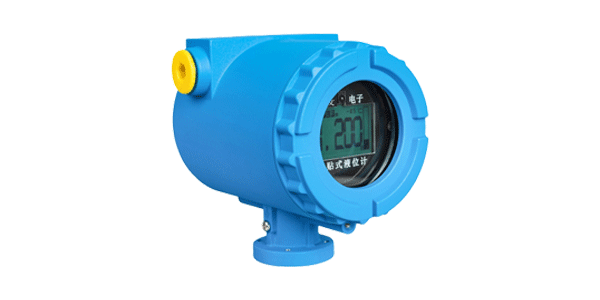
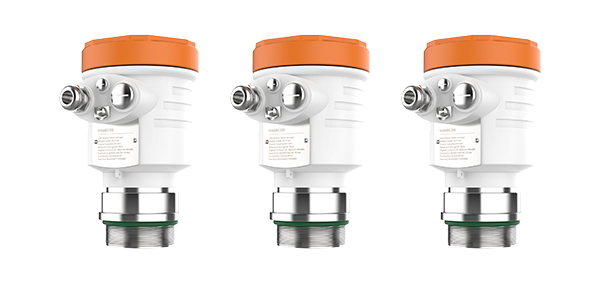
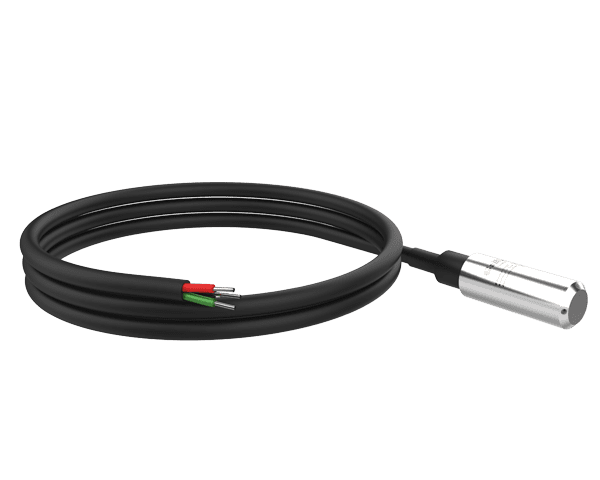
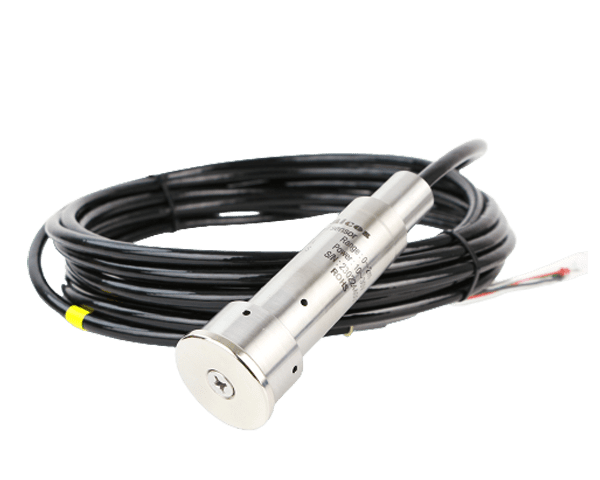
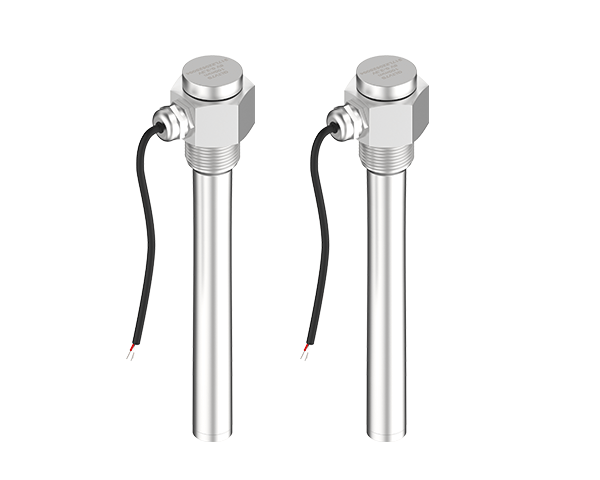
The GAMICOS GLT5001 liquid diesel level sensor is a great example of how to use engineering to measure fuel quality. This device was designed to work with diesel engines and has a very reliable silicon piezo-resistive pressure sensor core that has been improved with advanced signal conditioning, customizable digital circuit correction, and automatic temperature adjustment. The sensor sends out standard analog or digital data that can be used with a wide range of industrial tracking and control systems.
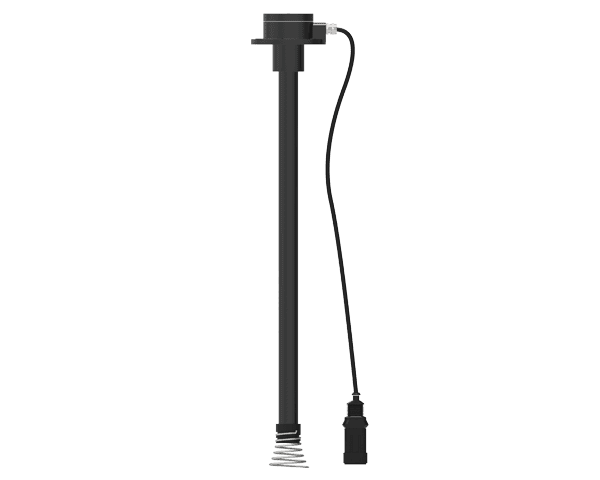
The GLT5001 was made after a lot of market study and analysis of customer input. It solves real-world operational problems. It has both a standard model for measuring tanks that are stationary and a magnetic suction base type that is better for tracking tanks that are moving around. This design is flexible enough to work with a wide range of working conditions that come up in fleet management, industrial fuel storage, and building equipment.
Manufacturing discipline makes sure that the durability of the fuel tank sensors stays the same. Before it is shipped, each unit goes through accelerated aging procedures, pressure cycling tests, and outdoor simulation evaluations to make sure the parts are chosen carefully. Key technical benefits that make things work better in real life:
-
Integrated design architecture reduces electromagnetic interference and protects signal integrity in electrically noisy industrial settings.
-
Multiple output options make it easy to connect to both old and new IoT platforms.
-
Fully welded construction gets rid of possible leak paths and makes the mechanical longevity better.
-
IP68 protection rating lets submersibles work and installations be put in the ground without harming the environment.
-
Magnetic suction base has anti-vibration features that keep measurements accurate in mobile settings.
-
Comprehensive certification portfolio including explosion-proof ATEX, CE compliance, and RoHS environmental standards makes it easier for products to be sold all over the world.
The GLT5001 shows how a design theory focused on the user, along with strict production standards, can lead to measurement solutions that meet complicated operational needs at a price that is competitive enough for bulk purchases.
07Conclusion
To find a trustworthy fuel tank sensor supplier in China, you need to do a thorough analysis of their technical skills, quality systems, ability to meet approval requirements, and service infrastructure. Procurement professionals can get high-quality measurement solutions that improve operational efficiency and regulatory compliance by understanding the challenges in the market, setting clear criteria for evaluation, following thorough verification protocols, and working together with suppliers. Thorough research when choosing a supplier and ongoing relationship building produce long-lasting supply lines that help businesses reach their long-term goals in a wide range of industries.
08FAQ
How Can I Verify Supplier Compliance with International Quality Standards?
Ask for approved copies of ISO 9001, CE, ATEX, and RoHS paperwork, and then check their accuracy by calling the certification bodies directly or hiring third-party inspection services. Do factory checks that look at quality control procedures, records of how the testing equipment was calibrated, and the conditions of the work area. Check compliance paperwork like material certifications, environmental testing records, and electromagnetic compatibility studies that are important to the markets you want to reach.
Which Sensor Technology Works Best for Heavy-Duty Diesel Applications?
For measuring diesel fuel in industrial settings, piezo-resistive pressure monitors are the most accurate and long-lasting option. These devices work reliably at a lot of different temperatures, don't get messed up by fuel additives, and keep their settings over long periods of time. For mobile uses that involve movement and vibration, pick sensors that are well-built mechanically, have anti-vibration fastening systems, and have IP68 ratings for protection against the elements.
What Customization Options Should I Expect from Chinese Manufacturers?
Custom sensor sizes, output signal forms (4-20mA, 0-5V, RS485, CAN bus), transmission protocols (Modbus, HART), connector types, cable lengths, and mounting arrangements can all be accommodated by well-known fuel tank sensor companies. OEM services include custom programming of the firmware, branding with your name, special packing, and paperwork that is made to fit your needs for delivery. During the first discussions, talk about the schedule for customization, the minimum order quantity, and the cost of tools to make sure everyone is on the same page.