Best Submersible Pressure Transducer for Italy | GAMICOS Guide
Precision Measurement · Corrosion-Resistant · Certified for European Standards
Procurement managers and engineering teams in Italy have to make tough choices about the best submersible pressure transducer for the country's tough industrial setting. These choices can affect how well the system works and how accurately measurements are taken. These high-tech gadgets are very important for networks that watch the environment, manage water, and automate complex processes in all of Italy's different industrial sectors. Whether it's in the petrochemical sites in Ravenna or the pharmaceutical facilities in Milan, the need for accurate liquid level measurement is what keeps pushing technology forward.
The industrial sectors in Italy need measuring tools that can work in the harsh Mediterranean climate and still meet European approval standards. Global leaders like Honeywell, Siemens, and Keller have a strong position in the market, but new companies like GAMICOS are changing things with their cutting-edge ceramic-core technologies and flexible solutions. Because the Italian market puts a lot of value on precision engineering and dependability, it is very open to new measurement technologies that work reliably in tough conditions.
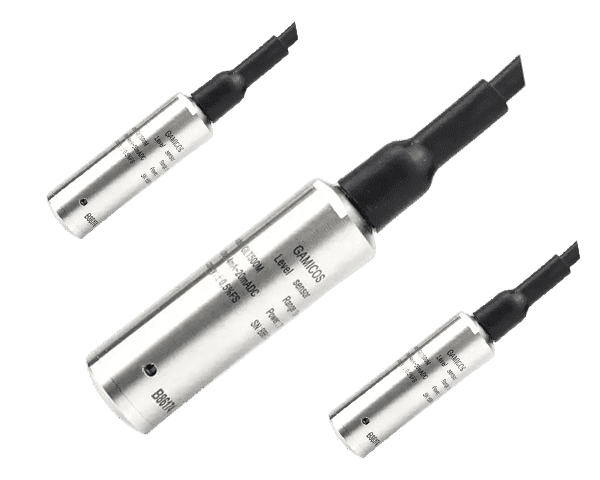
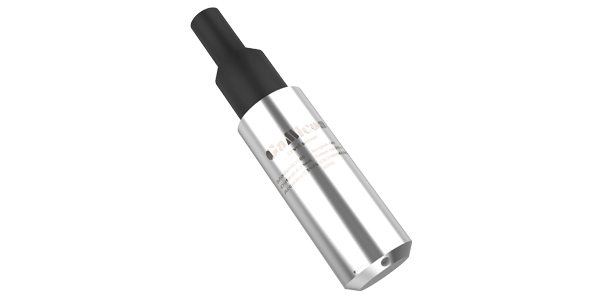
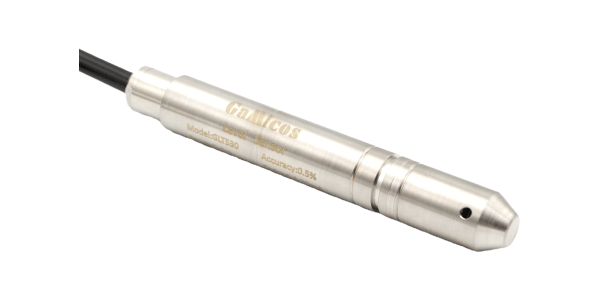
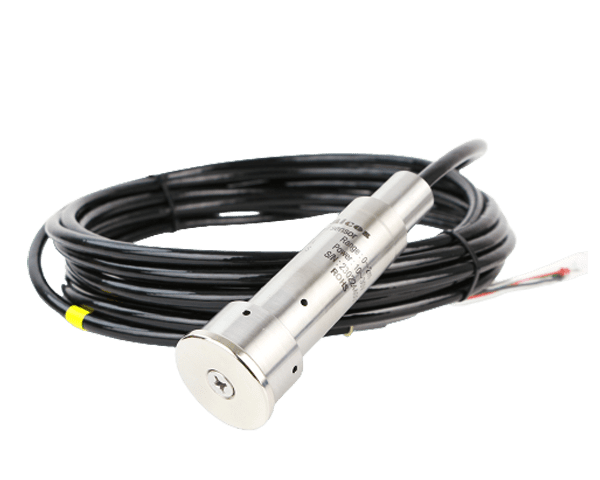
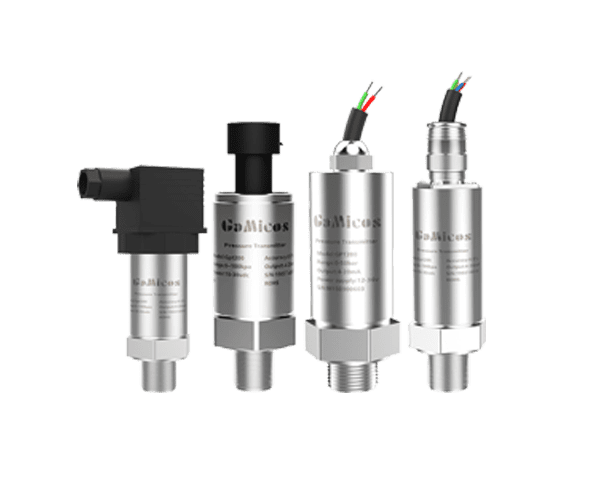
Advanced piezoresistive technology is used by submersible pressure transducer monitors to turn the hydrostatic pressure in liquids into accurate electrical signals. Usually, the sensing element is a bendable diaphragm linked to strain gauges. When the pressure changes, the resistance changes in a way that can be measured. Modern gadgets have programmable transmitter circuits that make it easy to calibrate and change to zero or full scale, making sure they work perfectly in all kinds of situations.
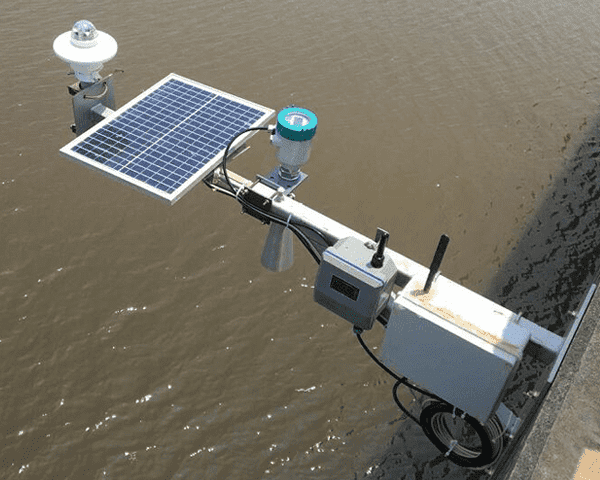
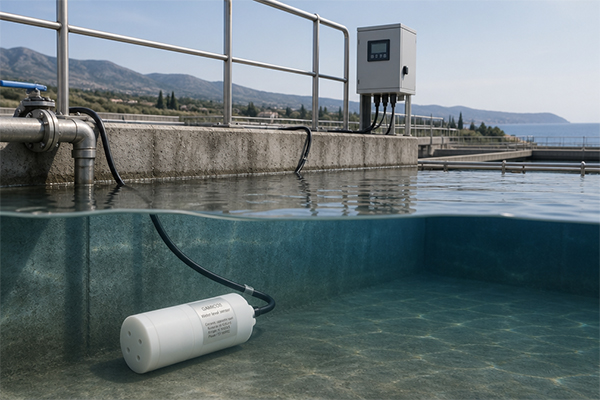
The technology works by tracking the hydrostatic pressure at the bottom of the liquid, which is directly linked to readings of the current level. Modern units have venting capillaries inside the cables that join them, which lets them measure accurately in relation to the air pressure outside. This way of designing makes sure that data collection is reliable even when the surroundings changes, which is common in industrial settings in Italy.
Key Applications in Italian Industries
Underwater pressure measuring devices can be used in many ways in Italy's industrial environment. These sensors keep an eye on the water level in real time in flood control systems all over the Po Valley. This lets people act quickly when flooding might happen. These devices are used in wastewater treatment plants in many big towns to precisely measure the amounts of sewage and sludge, which makes sure that the plants work as efficiently as possible.
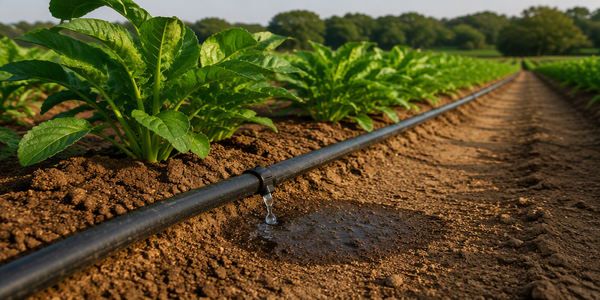
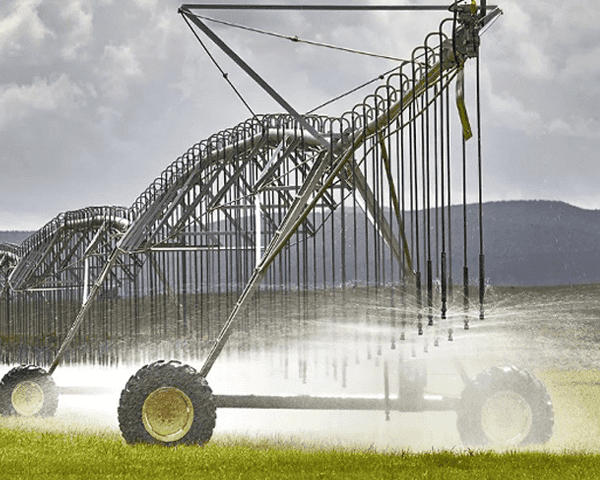
The farming industry, especially in places like Emilia-Romagna and Veneto, depends on these monitors to control irrigation and keep an eye on groundwater. For naval use, oil and gas facilities along Italy's coast use versions that don't rust, and the country's booming food and drink industry uses special, germ-free versions to check tank levels in production facilities, including the submersible pressure transducer.
How to Choose the Best Submersible Pressure Transducer: A Decision Support Guide
Essential Selection Criteria
To choose the best tools for measuring pressure, you need to carefully look at a number of technical factors. Specifications for the pressure range must match the needs of the application, whether it's keeping an eye on shallow farming tanks or deep industrial reservoirs. Different industries have very different needs when it comes to accuracy. For example, pharmaceutical applications need better accuracy than basic water storage monitoring.
The environment is a very important factor in choosing a gadget. Facilities along the coast of Italy need monitors that are more resistant to corrosion from saltwater, while chemical plants in the middle of the country need devices that can handle being exposed to aggressive media. Because temperatures change a lot in Italy's different climate zones, sensors need to be able to work in a wide range of temperatures and be stable at high temperatures.
Material Compatibility and Durability
Which of the different sensor technologies to use varies on the needs of the application. Piezoresistive sensors work well in submersible uses because they are built to last and work well in harsh conditions. Housing materials must be able to survive being exposed to measured media for a long time without breaking down or losing their accuracy.
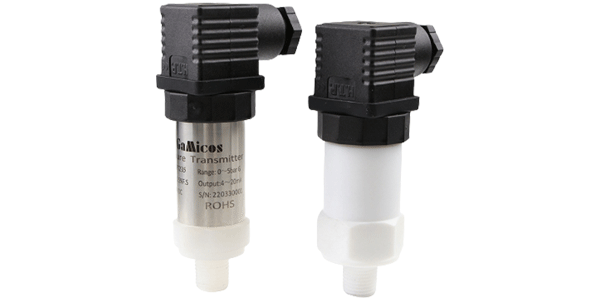
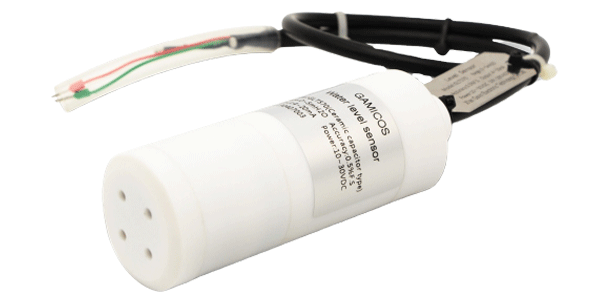
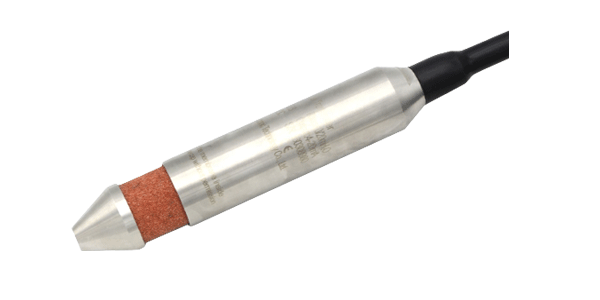
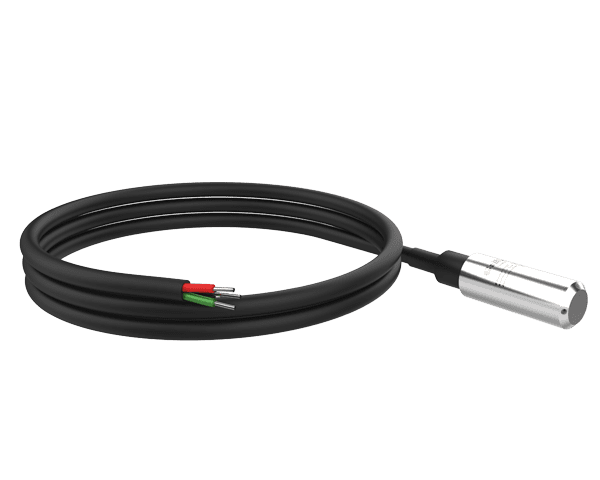
🔬 Advanced ceramic-core technologies, like those in GAMICOS' GLT570 line, make them very resistant to gases and liquids that are bad for the electronics. The PTFE housing and imported ceramic cores make sure that the measurements are stable over time and don't change, which are important for applications that need to watch an industrial area all the time.
Top-Rated Submersible Pressure Transducers for Italy: Market Comparison
Performance Benchmarks and Features
The best pressure monitors on the Italian market have different strengths when used for different types of tasks. High-accuracy models reach levels of accuracy that are good for pharmaceutical and research uses, while industrial-grade units focus on being long-lasting and low-cost for regular monitoring chores.
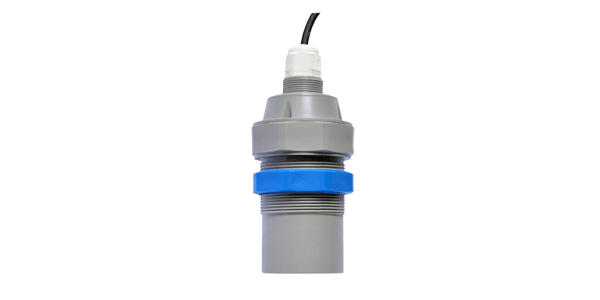
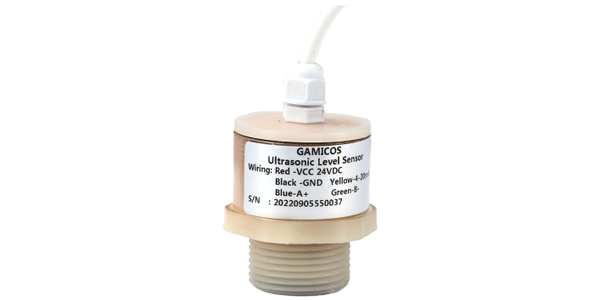
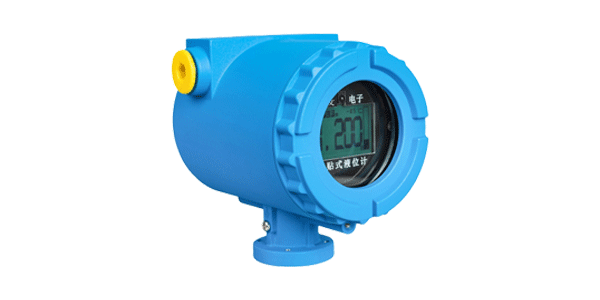
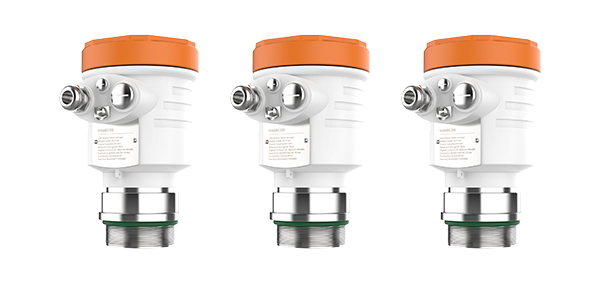
GLT570 Corrosion-Resistant Sensor — ceramic core, PTFE housing, programmable transmitter, stable across wide temperature ranges⭐ Advanced
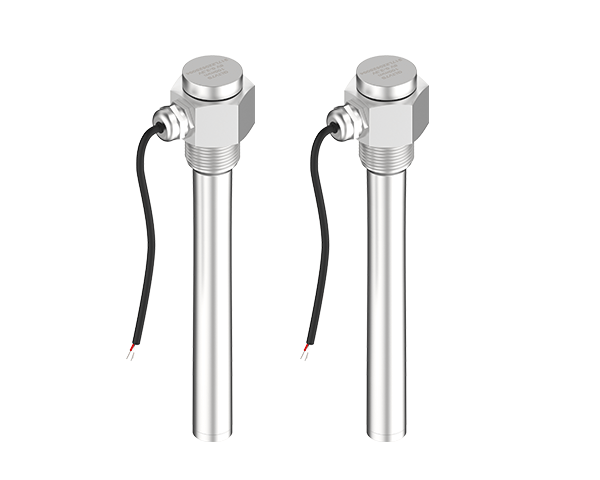
The GLT570 corrosion-resistant sensor from GAMICOS is a great example of advanced engineering, with its ceramic core technology and PTFE shell. This mix gives it great resistance to harsh media and keeps measurements stable over a wide range of temperatures. The programmable transmitter circuit makes it easy to calibrate and change in the field, which makes installation easier and lowers the need for maintenance.
Cost-Effectiveness Analysis
When making purchases, people have to weigh the initial investment against the long-term costs of running the business. Higher-quality sensors usually explain their higher prices by needing less maintenance and lasting longer. For large-scale setups or OEM uses, buying in bulk can cut the cost per unit by a large amount.
With customization choices, you can get the most out of your device by making it work best for your needs. Specialized venting wires made for certain environmental conditions can make sensors last longer and require less replacements, which lowers the overall cost even though they cost more at first.
Advantages of Submersible Pressure Transducers in Italy's B2B Market
Reliability in Challenging Environments
Italy's industrial settings have their own problems that need strong measurement answers. When exposed to saltwater along long coasts, corrosion resistance needs to be improved. Also, wide operating ranges are needed because temperatures change from Alpine to Mediterranean climates. These problems can be solved in modern submersible pressure transducer designs by using better materials and building housings that are more durable.
These gadgets work especially well in Italian settings because of the following main benefits:
🛡️ Corrosion-resistant PTFE housing
🌡️ Wide temperature range stability
⏳ Long-term reliability
🔗 IoT & automation integration
These benefits solve production problems by giving accurate, consistent data that lets different industrial sectors handle processes more effectively and run their businesses more efficiently.
Compliance and Certification Benefits
Safety and efficiency standards must be strictly followed in order to meet European regulatory standards. Quality sensors have all the necessary certifications, like CE marking, RoHS compliance, and ISO standards, so they can work seamlessly in businesses that are regulated. This compliance system gives procurement teams peace of mind about choosing the right devices and following the rules.
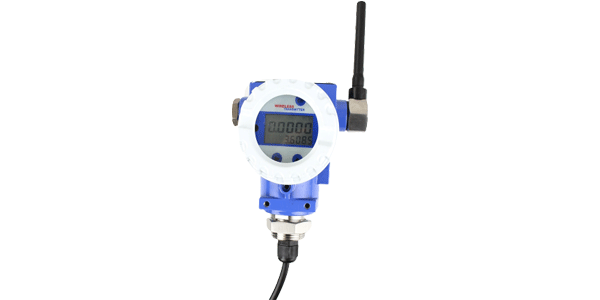
As more Italian makers use Industry 4.0 technologies, integration with systems that automate factories becomes more crucial. Modern pressure sensors come with a number of different data and transmission protocols, which makes it easy to connect them to both legacy control systems and new Internet of Things (IoT) platforms.
Conclusion
When choosing the best submersible pressure transducer for industrial uses in Italy, it's important to think about the environment, performance needs, and long-term operating requirements. Advanced ceramic-core technology, materials that don't rust, and programmable electronics work together to make reliable answers for tough measurement problems in Italy's wide range of industries. New technologies like the GLT570 series show how creative engineering can meet the needs of different regions while still meeting European standards. For the best project results, successful procurement strategies focus on relationships with suppliers that offer technical support, the ability to make changes, and dependable delivery schedules.
FAQ
Q1: What factors affect the quality of transducers used in Italy?
A: Changes in temperature, the type of media used, and the depth of the placement are all environmental factors that have a big effect on the accuracy of measurements. Regular maintenance and proper calibration in real-world working conditions help keep the device's accuracy at its best for as long as it lasts.
Q2: Are these devices be used in both freshwater and saltwater?
A: Modern versions that are resistant to corrosion and have PTFE housings and ceramic cores work well in both settings. But for saltwater uses, better material requirements and special wire designs are needed to make sure long-term dependability and measurement stability.
Q3: What are typical lead times for bulk orders in Italy?
A: Standard delivery times for standard models are between 2 and 4 weeks, while custom configurations may take up to 6 to 8 weeks, based on how complicated the specifications are. Established suppliers often keep stock in the area to meet the needs of customers who need deliveries quickly.
🤝 Partner with GAMICOS for Superior Submersible Pressure Transducer Solutions
GAMICOS offers precision-engineered submersible pressure transducers designed for the toughest industrial environments. Our GLT570 series with ceramic-core technology and PTFE housing provides unmatched corrosion resistance and measurement stability for Italian industries.
📧 Get in touch with us at info@gamicos.com to discuss your specific requirements and learn how our sensor technologies can support your operations.
GAMICOS, a leading Chinese OEM, manufactures corrosion‑resistant submersible level transmitters (GLT570) for harsh industrial environments. Combining ceramic/PTFE technology, customizable venting cables, and full OEM support, the company serves automation, chemical, water, and energy sectors globally. Backed by ISO/CE certifications and responsive after‑sales, GAMICOS offers cost‑efficient alternatives to major Western brands