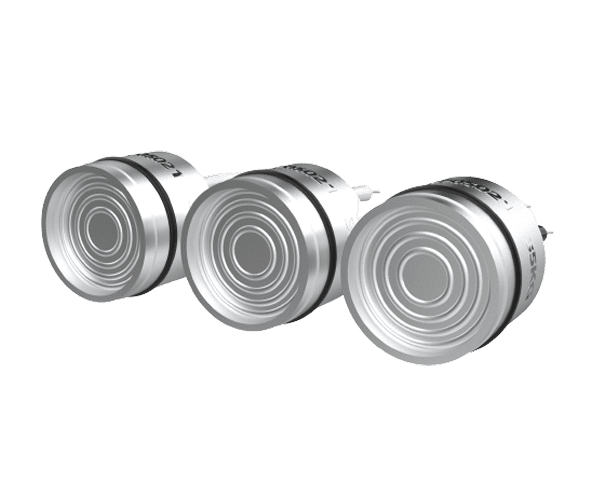
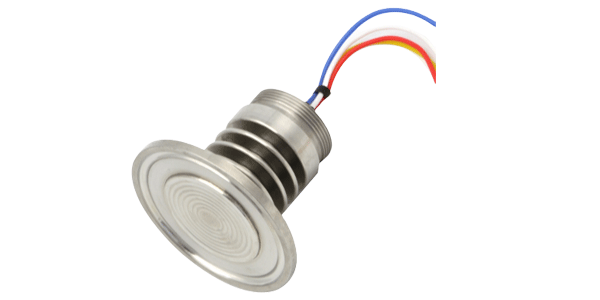
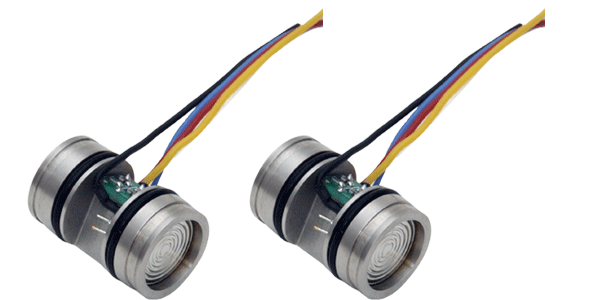
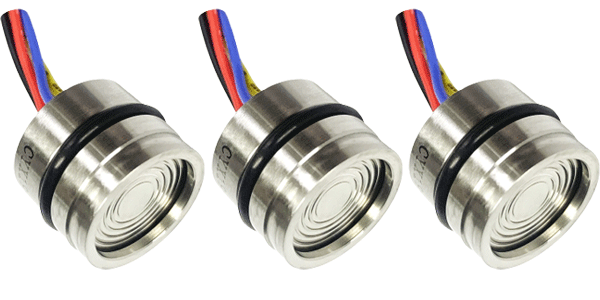
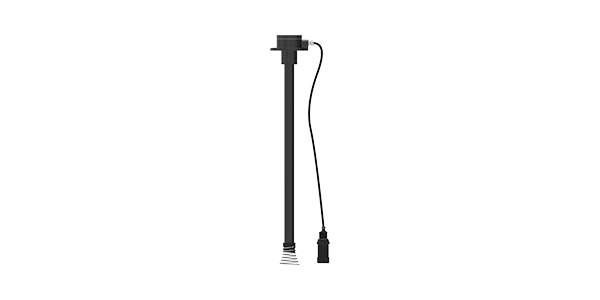
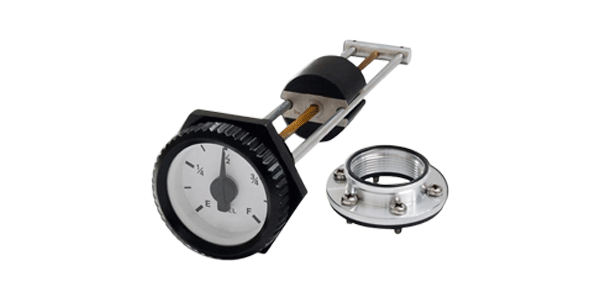
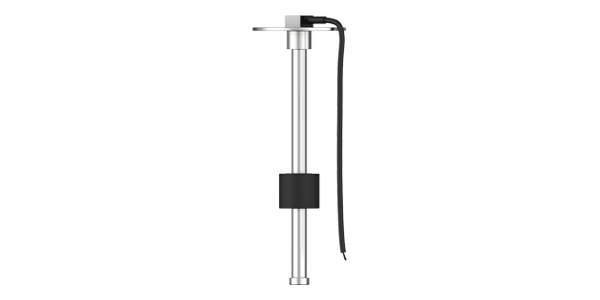
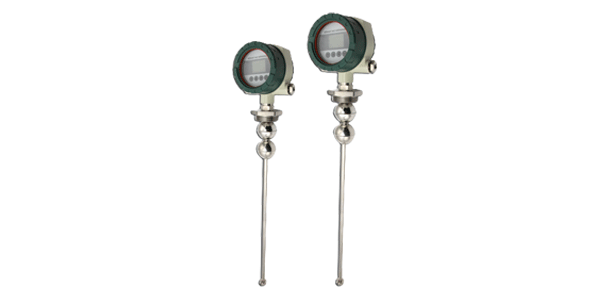








GPT300 High-Temperature Melt Pressure Transmitter
Melt pressure is the most critical — and historically the most invisible — parameter in injection molding. The GPT300 turns it into measurable, controllable quality: 400 °C Inconel diaphragm, ±0.5% FS accuracy and real-pressure-based dynamic packing control.
The Quality Challenge in Precision Injection Molding
Injection molding is the most widely used forming process in the global plastics industry, serving automotive components, electronic enclosures, medical devices, consumer goods, and packaging containers. According to the China Plastics Processing Industry Association, China's annual output of injection-molded products exceeds 70 million tons, with over 1.5 million injection molding machines in operation — making it the world's largest injection molding market.
Melt pressure — the real-time pressure of molten plastic within the barrel, nozzle, and mold cavity — is the single most critical process parameter determining product quality. It directly affects filling speed, packing density, shrinkage, and internal residual stress distribution. For precision molding, melt pressure control accuracy must reach within ±0.5% FS; any pressure fluctuation beyond the process window can result in scrapping entire batches.
The market is moving fast: emerging sectors such as new energy vehicles, 5G communications equipment, and high-end medical devices are driving rapid growth in "plastic replace metal," lightweighting, and high-precision demand. This pushes injection molding from experience-based parameter tuning toward closed-loop, data-driven control — and traditional mechanical pressure gauges, which cannot output continuous electrical signals or integrate with automation systems, are being rapidly replaced by high-accuracy melt pressure transmitters.
Five Pain Points That Quietly Drive Up Your Costs
These are the failure modes that erode precision molding profitability — scrap, downtime, and batch-to-batch variability that is hard to see and harder to prove.
High-temperature, high-viscosity media cause frequent sensor failures
Melt temperatures typically range from 180 °C to 400 °C depending on the material (e.g., PA66 at ~280 °C, PEEK up to 400 °C), and molten plastic is highly viscous. In ordinary pressure transmitters, the diaphragm and fill fluid degrade quickly: fill oil carbonizes, diaphragm materials creep and relax, and seal structures fail, allowing melt to penetrate the sensor. The average service life of such sensors is less than six months — a long-standing and widespread industry pain point.
Material buildup and carbonization cause progressive measurement drift
Many engineering plastics and modified compounds containing fillers or additives are highly adhesive, accumulating on the diaphragm layer by layer until they carbonize into a hard deposit. This alters the effective force-receiving area and stiffness of the diaphragm, introducing systematic measurement errors — and in severe cases completely blocking pressure transmission. Cleaning requires stopping the machine and removing the sensor, directly impacting production continuity.
Vibration and pressure pulses accelerate accuracy degradation
The screw's reciprocating motion generates continuous mechanical vibration and pressure pulses at frequencies reaching several times per second. Low-quality melt pressure transmitters under these conditions can see their accuracy degrade to ±2–3% FS within months — losing packing pressure control and causing batch-to-batch variation in dimensional consistency, density uniformity, and surface quality, driving up rejection rates.
Multi-cavity molds lack independent monitoring, hiding fill imbalance
Precision molding frequently uses multi-cavity molds to increase throughput, but slight differences in runner length, gate size, and hot-runner temperature make each cavity fill differently. With only a single sensor at the barrel, imbalances go undetected: some cavities overfill and produce flash, others underfill and result in short shots — often not discovered until final inspection.
Fixed time/position packing switchover ignores real process variation
Conventional machines switch from filling to packing based on time or screw position, implicitly assuming every cycle is identical. But variations in raw material batches, ambient temperature and humidity, and barrel temperature mean actual fill volume differs from cycle to cycle. The resulting overfill or underfill is a primary cause of batch-to-batch quality variability.
The Solution: GPT300 High-Temperature Melt Pressure Transmitter
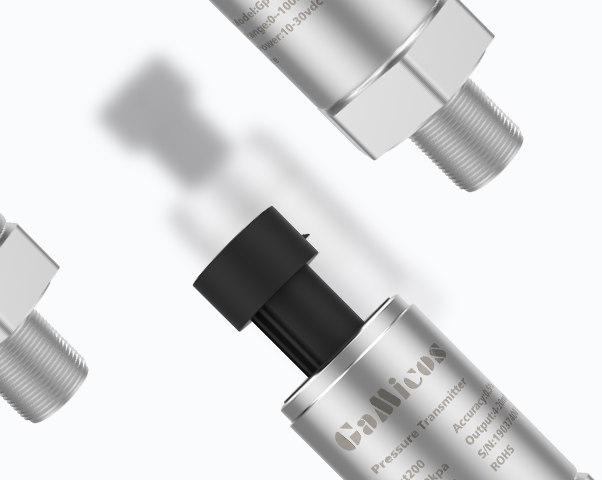
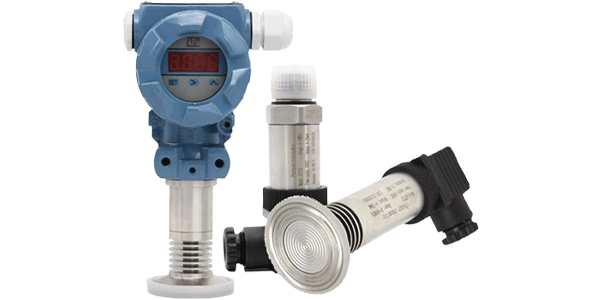
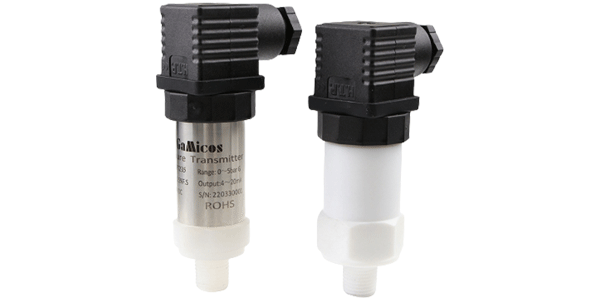
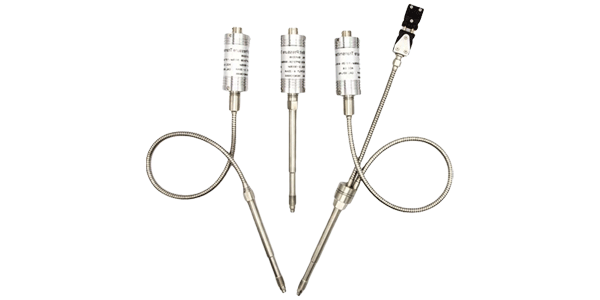
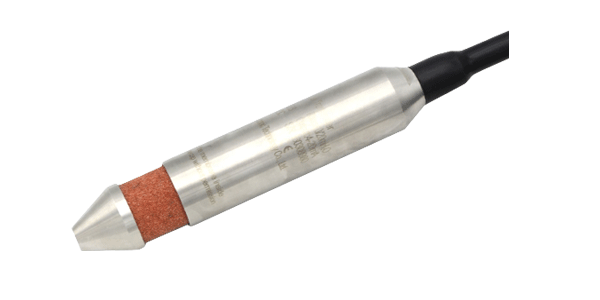
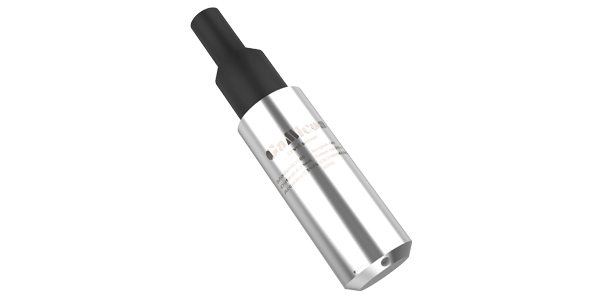
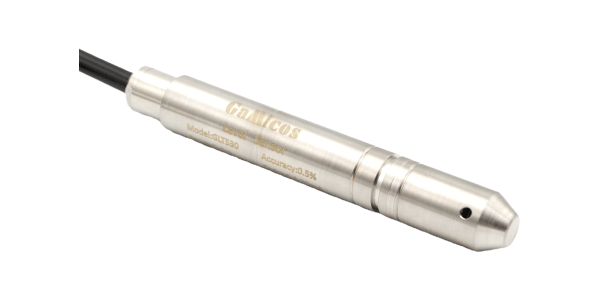
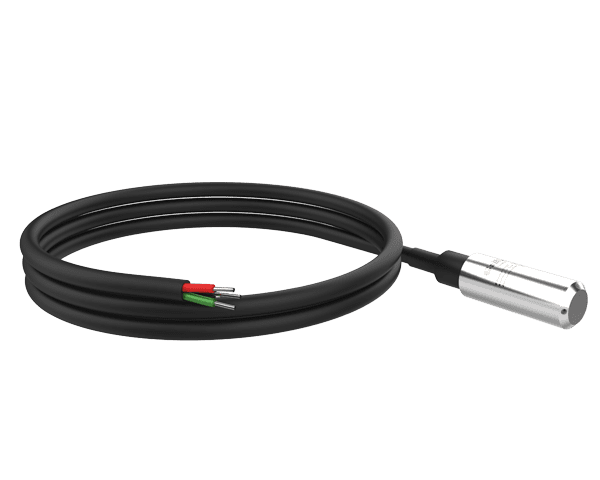
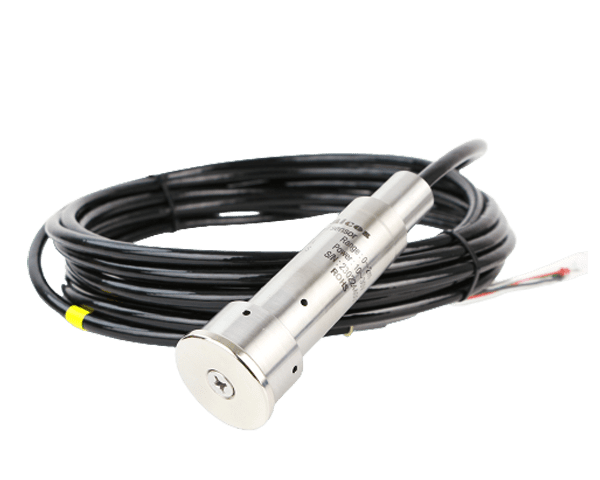
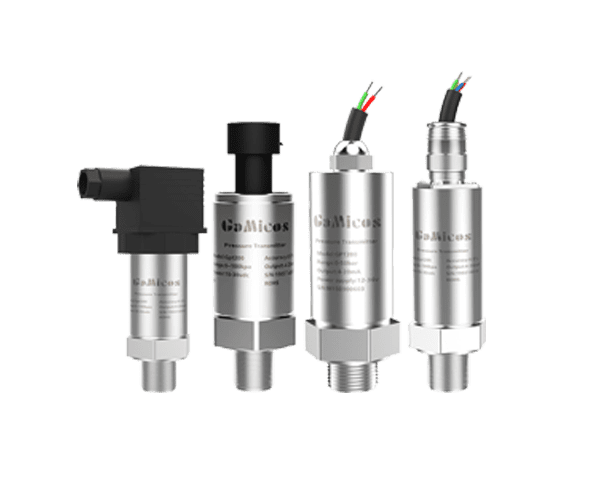
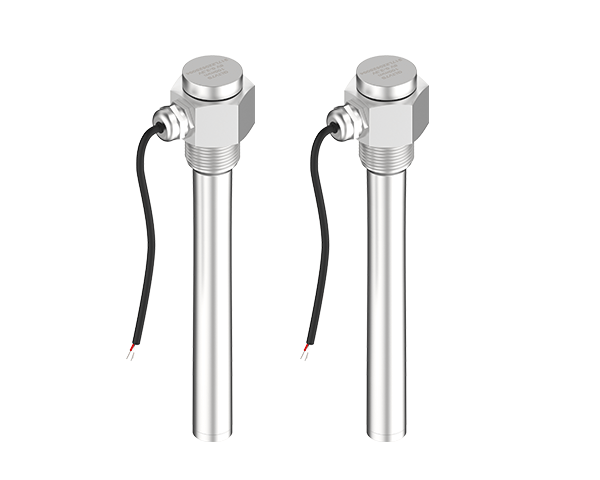
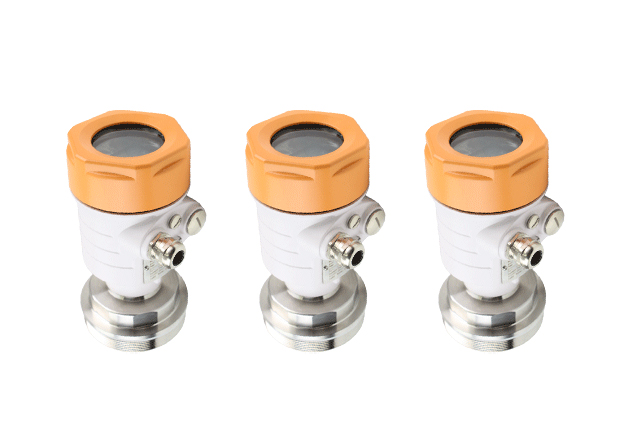
The GPT300 high-temperature melt pressure transmitter, manufactured by GAMICOS, is a specialized pressure transmitter designed for melt pressure measurement in plastic extrusion, injection molding, chemical fiber spinning, and other high-temperature melt processes. Built with high-temperature-resistant materials and a thermally insulated structure, it delivers stable, long-term performance in molten media at temperatures exceeding 350 °C.
Core Operating Principle
The GPT300 front end features an Inconel diaphragm that directly contacts the molten plastic. Pressure applied to the diaphragm is transmitted to a strain-gauge sensor, which converts it into an electrical signal, subsequently conditioned and output as a standard industrial signal.
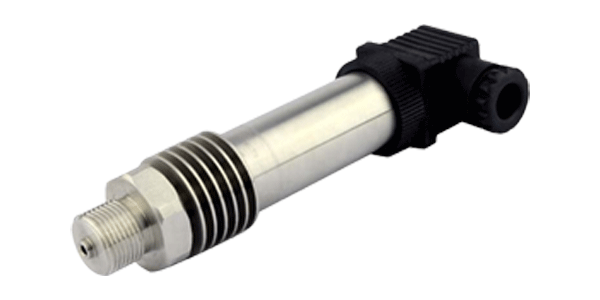
Its key design feature is the thermal isolation structure: a lengthened heat-insulating section and heat-dissipating design effectively separate the front-end heated zone from the rear-end signal conditioning electronics. This ensures that even when melt temperatures reach 400 °C, the electronic components remain within a safe operating range. The flexible-capillary version further allows the electronics to be mounted remotely from the heat source, making it suitable for space-constrained mold environments.
Key Product Features
- 400 °C high-temperature resistance for long-term stability The wetted diaphragm is made of Inconel, with optional TiN or TiAlN coating, ensuring no creep deformation of the diaphragm and no decomposition of the fill fluid — even when processing ultra-high-temperature engineering plastics such as PEEK and LCP. Each unit undergoes 500-hour accelerated aging at 400 °C and 100 thermal cycles, effectively eliminating early-life sensor failures.
- Mirror-polished anti-buildup diaphragm The diaphragm surface is mirror-polished to significantly reduce adhesion of molten plastics. When installed, the sensor sits flush with the barrel inner wall, eliminating stagnant zones where melt can accumulate and carbonize. This greatly extends maintenance-free operating periods.
- High accuracy and long-term stability Overall accuracy is better than ±0.5% FS, with annual long-term stability better than 0.2% FS. In the harsh environment of high-frequency pressure pulses and continuous vibration, the transmitter maintains accuracy over extended periods — validated through real-machine testing — effectively addressing accuracy drift and ensuring batch-to-batch consistency.
- Multiple configurations for flexible multi-point deployment Available in rigid-stem and flexible-capillary versions, with capillary lengths customizable from 200 to 1,000 mm. These can be flexibly deployed at the barrel nozzle, hot-runner manifold, and cavity end — providing the hardware foundation for independent multi-cavity monitoring.
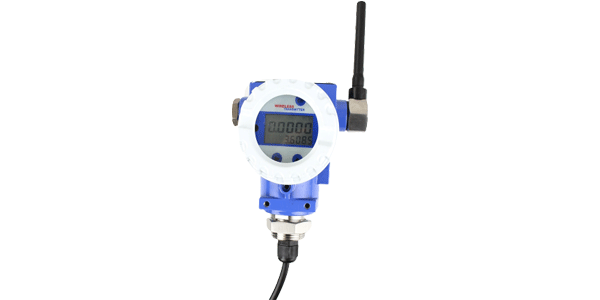
- Multiple output protocols for closed-loop integration Supports 4–20 mA, 0–10 V, 0–5 V, and RS485 outputs. Standard mounting threads include M14×1.5, M18×1.5, and 1/2-20UNF, compatible with major injection molding machine brands and control systems, enabling dynamic packing switchover in closed-loop control.
Key Parameters
| Operating Temperature | ≤ 400 °C (media temperature) |
|---|---|
| Diaphragm Material | Inconel |
| Diaphragm Coating | TiN or TiAlN |
| Measurement Accuracy | Better than ±0.5% FS |
| Long-Term Stability | ≤ 0.2% FS / Year |
| Output Signals | 4–20 mA / 0–10 V / 0–5 V / RS485 |
| Mounting Threads | M14×1.5 / M18×1.5 / 1/2-20UNF |
| Configuration | Rigid stem / Flexible capillary (200–1,000 mm) |
| Factory Screening | 500 hrs @ 400 °C aging + 100 thermal cycles |
Customer Success Story: NEV Connector Precision Molding
A Jiangsu precision injection molding company cut reject rate from 8.3% to 1.1% with a 126-point GPT300 melt pressure monitoring network across 14 machines.
Project Background
The customer is a precision injection molding company in Jiangsu Province, China — a certified partner of several Tier 1 suppliers to the new energy vehicle (NEV) industry — specializing in high-voltage connectors, charging port housings, and BMS enclosures. The parts are molded from PA66+GF30 (30% glass-fiber-reinforced nylon), with extremely stringent requirements: dimensional tolerances of ±0.05 mm, IP67/IP69K airtightness, and critical characteristic CPK ≥ 1.67.
At the start of mass production for a new project in 2024, the reject rate reached 8.3%, with defects mainly comprising short shots and insufficient weld-line strength. Process analysis identified the root cause: the previous monitoring setup relied on old mechanical pressure gauges with manual observation, meaning process parameter fluctuations could not be detected in real time — let alone corrected automatically.
The Solution: A Three-Tier Melt Pressure Monitoring Network
A three-tier melt pressure monitoring network was established across 14 injection molding machines, with a total of 126 measurement points — covering every stage where pressure decides quality.
| Monitoring Location | Qty | Range | Monitoring Purpose |
|---|---|---|---|
| Barrel nozzle | 14 | 0–200 MPa | Monitor peak injection pressure and dynamic response to ensure consistent filling speed |
| Hot-runner manifold | 56 | 0–150 MPa | Measure inlet pressure at each cavity to assess multi-cavity fill balance |
| Cavity end | 56 | 0–100 MPa | Capture actual pressure at the end of fill to trigger packing switchover |
Dynamic packing switchover
The system abandoned conventional time-based and screw-position-based switchover, instead using the actual pressure at the cavity end as the trigger condition: when the end-of-cavity pressure first reaches 30 MPa, the melt is deemed to have fully filled the cavity, and the system automatically switches from injection to packing. Because this criterion directly reflects the actual fill state — rather than assuming every cycle is identical — it fundamentally eliminates overfill and underfill caused by raw material batch variations and temperature drift.
Multi-cavity balance control
The 56 sensors at the hot-runner manifold continuously compare inlet pressures across cavities. When the pressure deviation among cavities in the same mold exceeds ±2 MPa, the system alerts operators to adjust the corresponding gate's hot-runner temperature or valve-gate timing, bringing multi-cavity filling into closer alignment.
System integration with MES
All pressure signals are fed into the injection molding machine control system and the plant MES platform. Complete pressure curves for every cycle are automatically archived and linked to batch numbers, creating a traceable process data record that supports root-cause analysis for quality anomalies.
Measured Results
Six months after implementing the closed-loop melt pressure control system, every key quality and efficiency metric improved dramatically:
Short-shot and weld-line defects virtually eliminated; CPK improved to 1.72, surpassing the customer's 1.67 requirement and securing qualification for new project awards.
Reduced uneven loading slowed localized mold wear, extending mold maintenance intervals from 50,000 to 120,000 cycles.
Customer PPM (defects per million) dropped from 5,200 to 170, significantly improving the supplier quality rating.
Trend analysis of pressure curves provided 2–3 days of early warning for gate wear or clogging; no emergency stoppages due to mold issues occurred throughout the year.
Under the high-abrasion conditions of PA66+GF30 glass-filled material, the mirror-polished diaphragms effectively suppressed material buildup, greatly extending maintenance-free periods.
The Value: From Invisible Parameter to Controllable Quality
The value of the GPT300 lies in transforming the most critical — yet historically "invisible" — parameter in injection molding into something measurable and controllable. The 400 °C high-temperature structure ensures sensor survival in the melt environment; the mirror-polished anti-buildup diaphragm guarantees long-term measurement validity; and the ±0.5% FS accuracy combined with long-term stability provides a trustworthy input for closed-loop control.
Even more transformative is the dynamic packing switchover strategy based on real pressure at the cavity end — it shifts the logical foundation of injection molding process control from assuming every cycle is the same to measuring the actual state of every cycle. The 86.7% reduction in reject rate, CPK reaching 1.72, and customer PPM dropping to 170 fully validate the decisive role that high-accuracy melt pressure monitoring plays in precision injection molding quality.
This solution is equally applicable to other high-temperature melt processes, including plastic extrusion, chemical fiber spinning, and rubber mixing.
Frequently Asked Questions
Why do ordinary melt pressure sensors fail quickly in injection molding?
Melt temperatures typically range from 180 °C to 400 °C and molten plastic is highly viscous. In ordinary transmitters, the diaphragm and fill fluid degrade quickly: fill oil carbonizes, diaphragm materials creep and relax, and seal structures fail, allowing melt to penetrate the sensor. The average service life of such sensors is less than six months. The GPT300 resists this with an Inconel diaphragm (optionally TiN or TiAlN coated), a thermally isolated structure, and 500-hour accelerated aging at 400 °C plus 100 thermal cycles of factory screening.
How does the GPT300 prevent material buildup on the diaphragm?
The GPT300 diaphragm is mirror-polished to significantly reduce adhesion of molten plastics. When installed, the sensor sits flush with the barrel inner wall, eliminating stagnant zones where melt can accumulate and carbonize. This greatly extends maintenance-free operating periods.
Can the GPT300 support multi-cavity mold balance monitoring?
Yes. The GPT300 is available in rigid-stem and flexible-capillary versions, with capillary lengths customizable from 200 to 1,000 mm, allowing deployment at the barrel nozzle, hot-runner manifold, and cavity end. In the customer case, 56 sensors at the hot-runner manifold continuously compared inlet pressures across cavities; when deviation exceeded ±2 MPa, operators were alerted to adjust hot-runner temperature or valve-gate timing.
What output signals and mounting threads does the GPT300 offer?
The GPT300 supports 4–20 mA, 0–10 V, 0–5 V, and RS485 outputs, with standard mounting threads of M14×1.5, M18×1.5, and 1/2-20UNF, compatible with major injection molding machine brands and control systems for closed-loop integration.
Where can the GPT300 be applied beyond injection molding?
The GPT300 is designed for melt pressure measurement in plastic extrusion, injection molding, chemical fiber spinning, and other high-temperature melt processes, delivering stable long-term performance in molten media at temperatures exceeding 350 °C.
Turn your most critical process parameter into measurable quality
Talk to GAMICOS about applying GPT300 melt pressure monitoring to your injection molding lines — from a single machine trial to a full multi-point closed-loop deployment.