Accuracy Classes Decoded-0.25% vs 0.5% vs 1.0% FS, Which One Do You Really Need?
TIME: 2026.10.22AUTHOR: AdminNUMBER OF VIEWS 35
Two sensors look identical on paper, yet one costs 30% more. Here is what that extra accuracy actually buys you — and when it buys nothing.
Technical buying guide · GAMICOS
You’ve been comparing submersible level sensors online. Two products look identical on paper — same range, same output signal, same IP68 rating. But one costs 30% more. The only difference? Accuracy: 0.25% FS vs. 0.5% FS.
So which one do you actually need?
Pick too low, and you risk control errors, billing disputes, or failed compliance checks. Pick too high, and you waste money on performance your application will never use.
In this article, we’ll decode what these accuracy classes actually mean in practice, show you where each one makes sense, and reveal the spec that matters just as much as the accuracy number on the datasheet.
The short answer
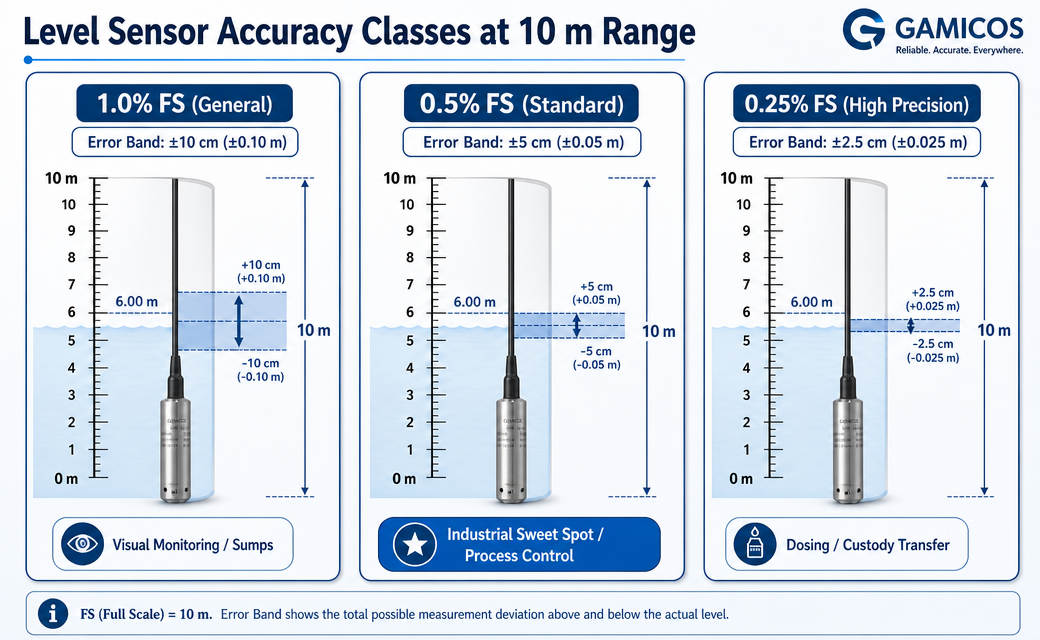
Accuracy class, absolute error and typical fit at a glance.
Class
Max error on 0–10 m
Best for
Cost
1.0% FS
±10 cm
Visual tank monitoring, sump control, irrigation
Lowest
0.5% FS
±5 cm
Municipal water, process tanks, wells, flood warning
Mid
0.25% FS
±2.5 cm
Chemical dosing, billing, laboratory, compliance
Highest
Most industrial buyers land on 0.5% FS. Choose 1.0% FS when you only need to know roughly where the level is, and 0.25% FS only when the number feeds money, compliance or chemistry. Whichever class you pick, check the annual drift figure too — a stable 0.5% FS sensor often beats a drifting 0.25% FS one.
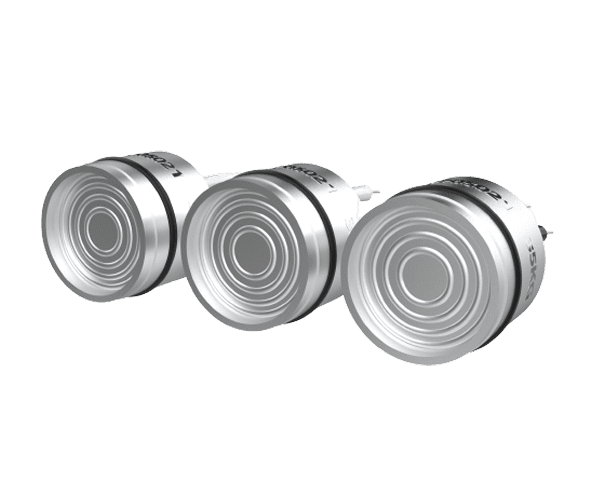
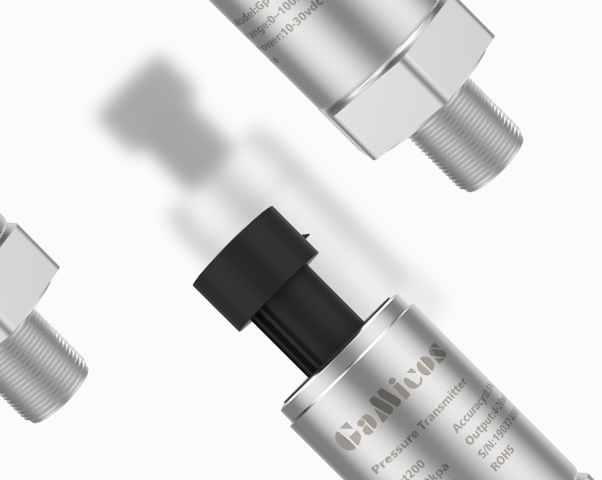
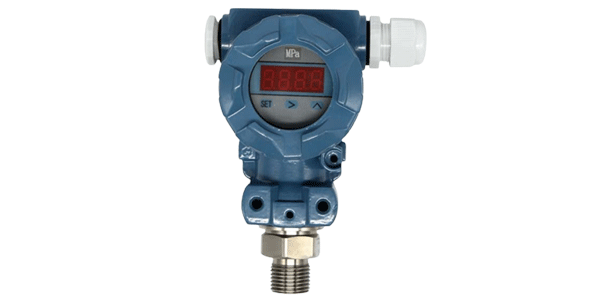
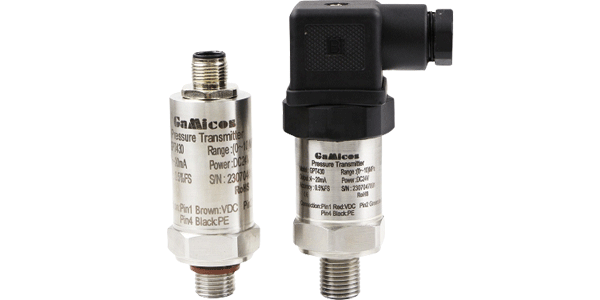
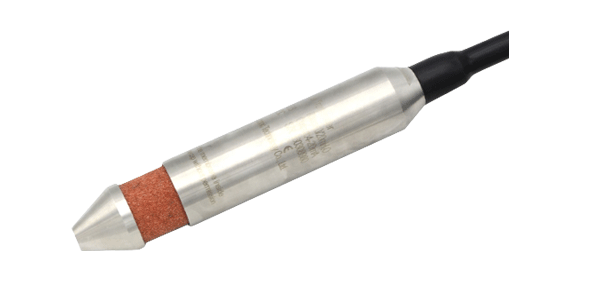
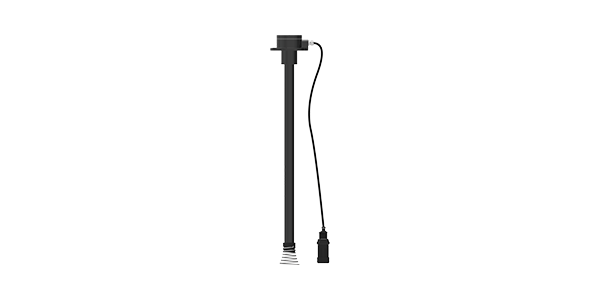
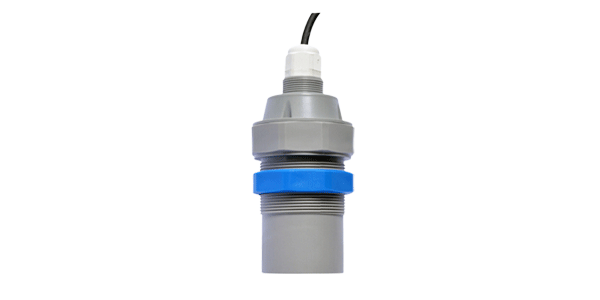
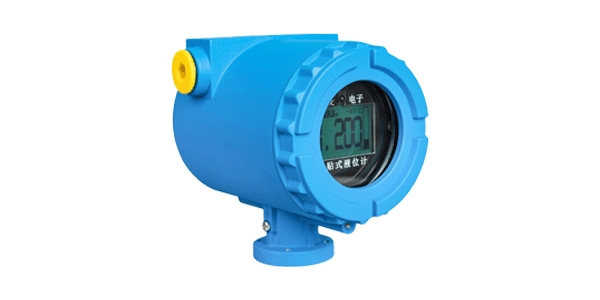
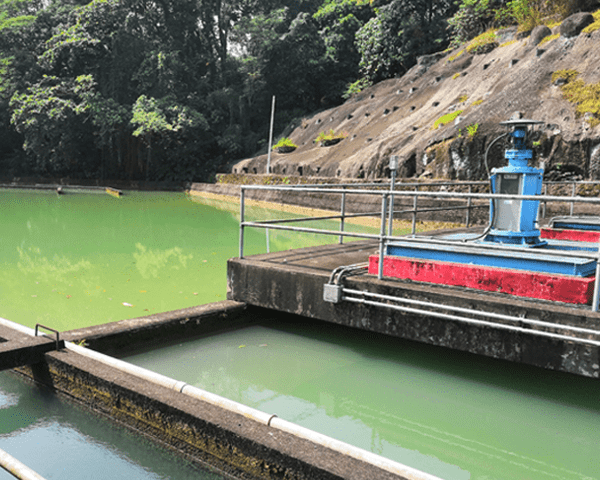
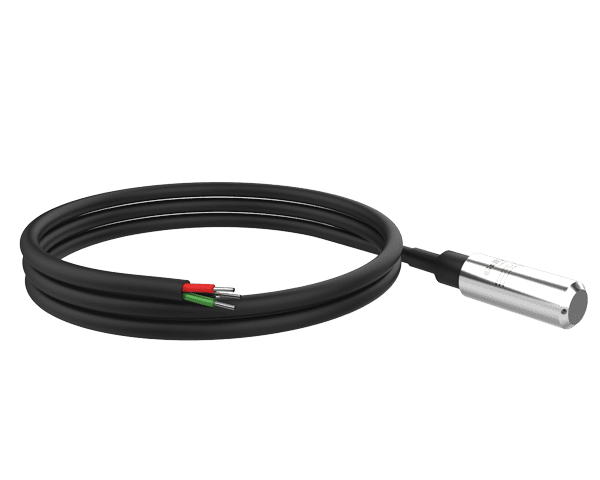
Image 1 — three sensors side by side with their error bands at the same 10 m range.
What Does “%FS” Actually Mean?
Before comparing numbers, let’s clear up a common misunderstanding.
FS stands for Full Scale — the maximum value of the sensor’s measuring range. Accuracy expressed as a percentage of FS means the error is calculated against the top of the range, not the current reading.
Here’s why that matters with a concrete example:
Same accuracy rating, very different absolute error once the range changes.
Sensor range
Accuracy rating
Maximum error
0–10 m
±1.0% FS
±0.10 m (10 cm)
0–10 m
±0.5% FS
±0.05 m (5 cm)
0–10 m
±0.25% FS
±0.025 m (2.5 cm)
0–50 m
±0.5% FS
±0.25 m (25 cm)
0–50 m
±0.25% FS
±0.125 m (12.5 cm)
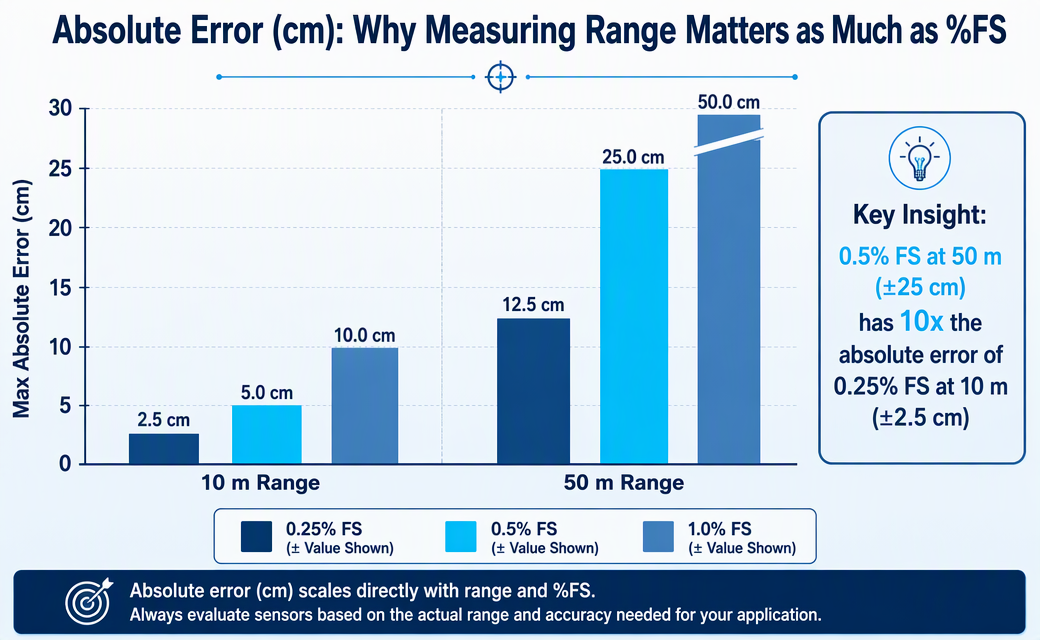
Notice the last two rows? A 0.5% FS sensor on a 50 m range has the same absolute error (25 cm) as a 0.25% FS sensor on a 10 m range. The percentage alone doesn’t tell the whole story — you always need to factor in the measuring range.
This is the first mistake buyers make: comparing accuracy percentages across different ranges as if they’re directly comparable. They’re not.
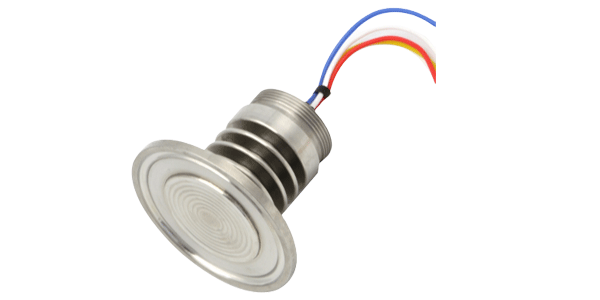
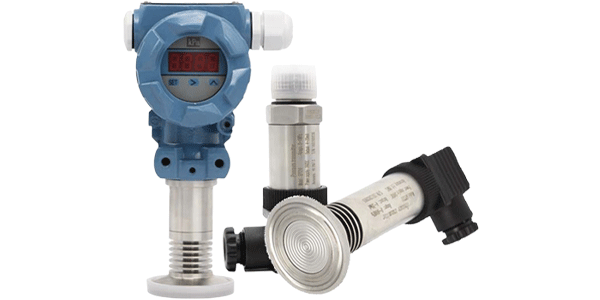
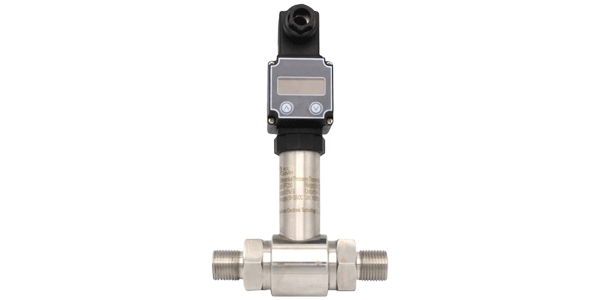
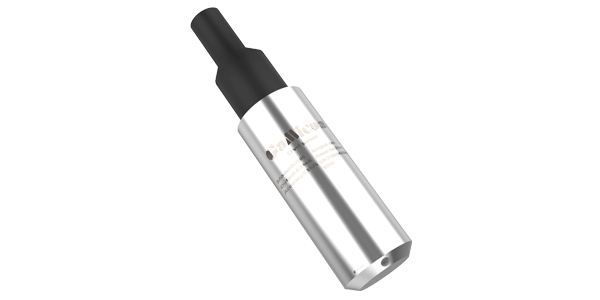
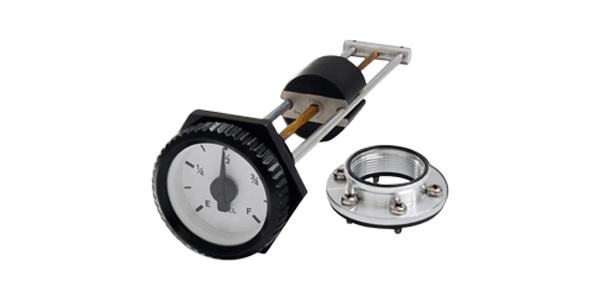
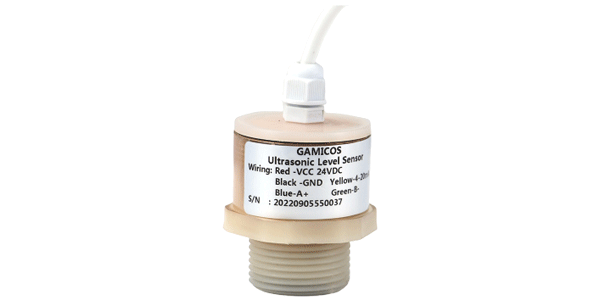
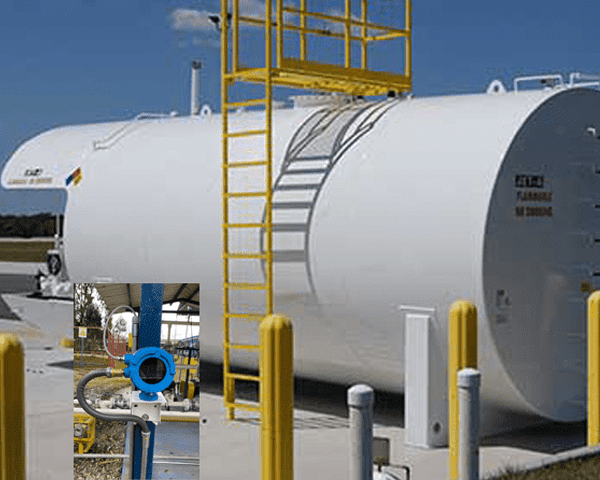
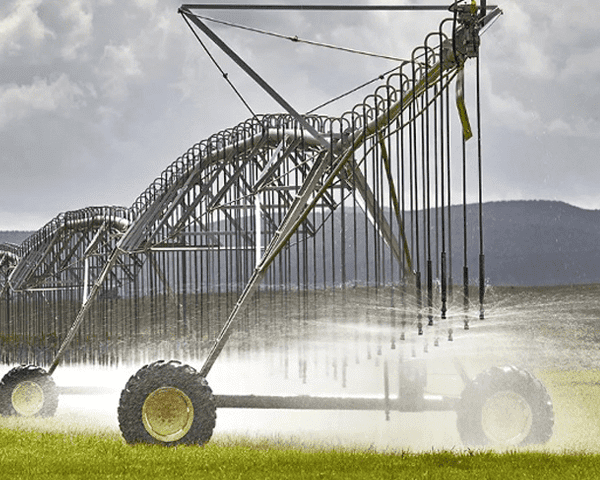
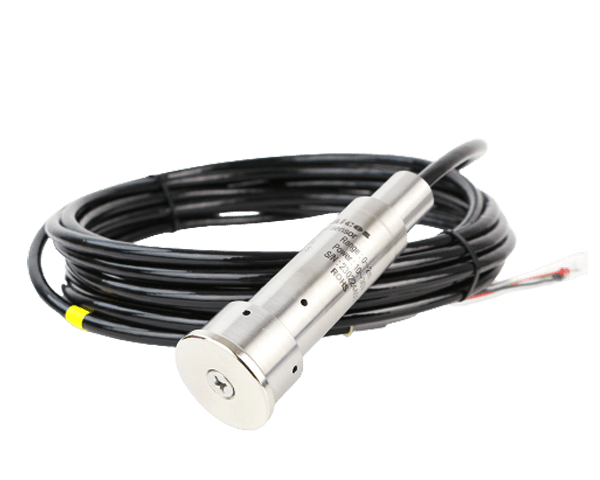
Image 2 — a bar chart of absolute error (cm) across ranges and accuracy classes.
1.0% FS — When “Good Enough” Is Actually Fine
A ±1.0% FS accuracy rating is the most common baseline specification for general-purpose submersible level sensors. For many applications, it’s more than sufficient.
Typical use cases
Open tank level monitoring with visual indicators
Rainwater collection systems
Basic sump pump control
Agricultural irrigation reservoirs
Non-critical process tanks
If your application only needs to know whether a tank is “roughly full” or “getting low,” 1.0% FS delivers reliable performance at the lowest cost. You’re paying for the measurement capability you actually use — nothing more.
The trade-off: In applications where level directly affects product quality, chemical dosing, or revenue billing, a 10 cm error on a 10 m tank might be unacceptable. Know your tolerance before you buy.
0.5% FS — The Industrial Sweet Spot
Step up to ±0.5% FS, and you enter the range where most industrial buyers land. It offers a meaningful improvement over 1.0% FS without the premium price of high-precision instruments.
Typical use cases
Municipal water and wastewater treatment
Industrial process tank monitoring
Well and reservoir level monitoring
Flood warning systems
HVAC chiller and cooling tower monitoring
For a 0–10 m sensor, 0.5% FS gives you ±5 cm error — tight enough for most control loops and far more reliable than 1.0% FS for any application where level affects process outcomes.
The sweet spot argument: Many project engineers choose 0.5% FS not because they need that precision every second, but because it provides a comfortable margin above their minimum requirement. That margin matters when temperature swings, cable length, and aging all introduce additional error sources over the sensor’s lifetime.
0.25% FS — Precision for When It Truly Matters
±0.25% FS is where you enter high-precision territory. The price premium is real, and for many applications, it’s overkill. But for some, it’s not a luxury — it’s a requirement.
Typical use cases
Chemical dosing and batch processing
Tank farm inventory management and billing
Laboratory and quality control environments
Environmental monitoring with regulatory reporting requirements
High-value liquid storage where every liter counts
For a 0–10 m sensor, 0.25% FS means ±2.5 cm maximum error. That half-centimeter matters when you’re dosing chemicals by volume or billing customers based on stored quantities.
The hidden cost of over-specifying: If your application only needs ±5 cm accuracy, buying a 0.25% FS sensor doesn’t guarantee you’ll get ±2.5 cm in practice. Other factors — temperature effects, cable resistance, installation quality, and long-term drift — can easily erase the theoretical advantage. This is why understanding the total error budget matters more than chasing the smallest percentage on a datasheet.
The Real Differentiator: Long-Term Stability
Here’s the spec that most buyers overlook until it’s too late: long-term stability.
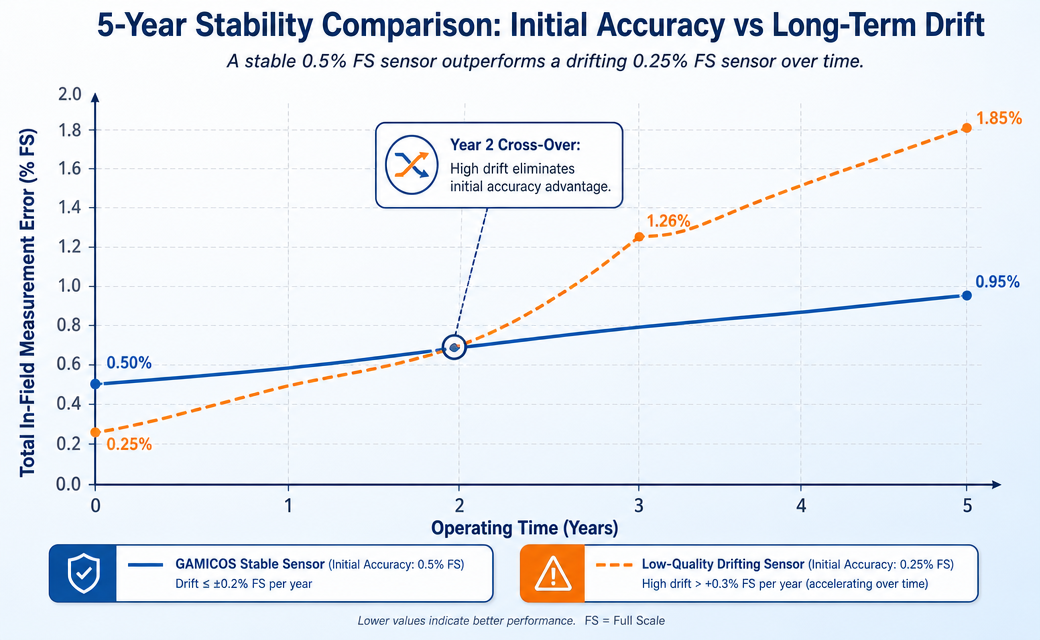
A sensor rated at ±0.25% FS out of the box can drift significantly over time. After two years in the field, its actual accuracy might be worse than a cheaper ±0.5% FS sensor that was built with better components and tighter quality control.
Look for manufacturers who specify annual drift — typically expressed as “% FS per year.” A quality transmitter might guarantee ±0.2% FS/year, meaning after one year the worst-case error increases by only 0.2% of full scale. Over a five-year lifespan, that’s the difference between a sensor that stays reliable and one that requires constant recalibration or premature replacement.
The bottom line: Don’t just compare initial accuracy. Compare stability specs side by side. A slightly lower accuracy rating with better long-term stability often delivers lower total cost of ownership than a high-accuracy sensor that drifts badly.
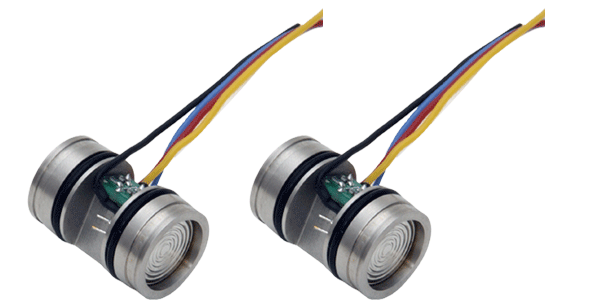
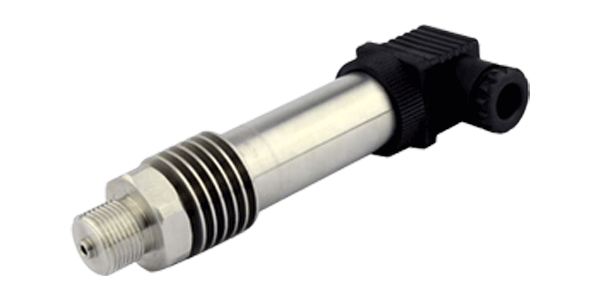
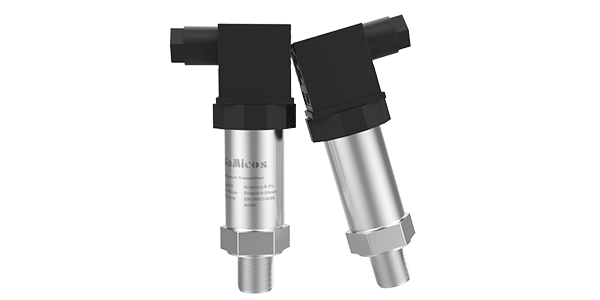
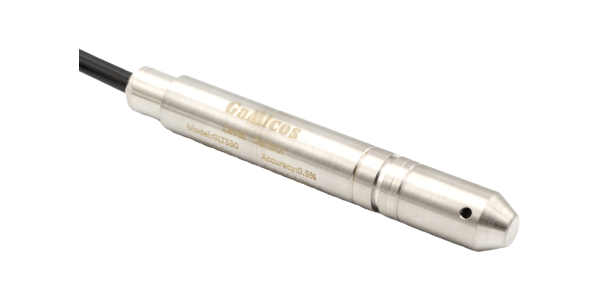
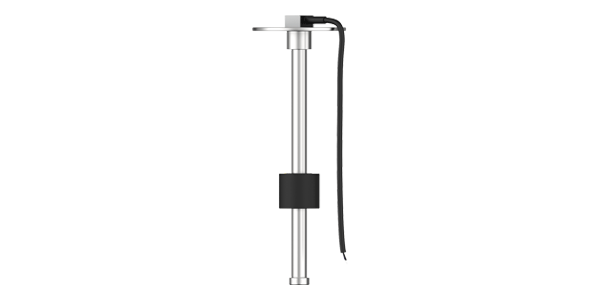
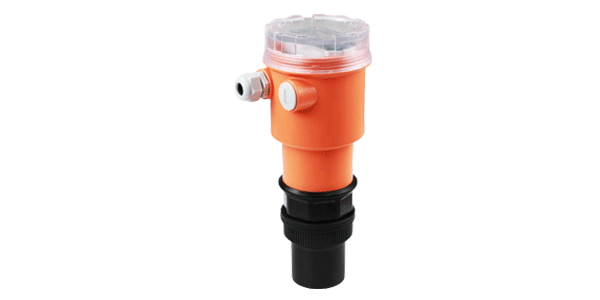
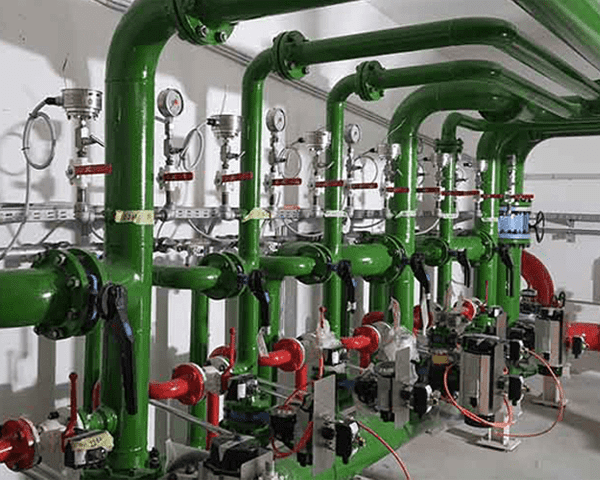
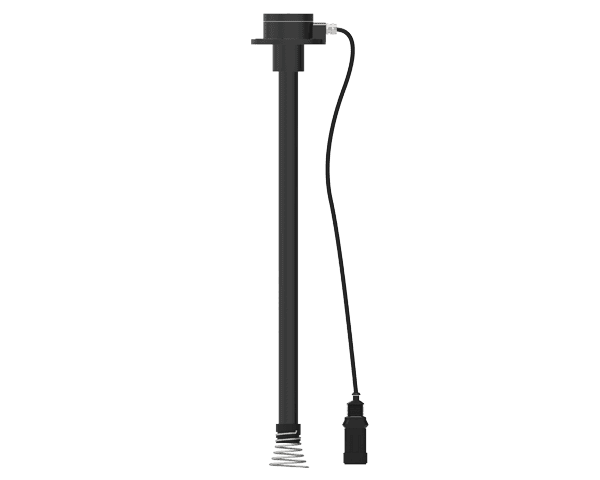
Image 3 — a five-year drift curve — a drifting 0.25% FS sensor crossing a stable 0.5% FS one.
Quick Decision Guide
Still unsure which accuracy class your application needs? Use this quick reference:
Application to accuracy class mapping.
Your application
Recommended accuracy
Why
Visual tank monitoring / sump control
1.0% FS
Cost-effective; precision not critical
Irrigation reservoirs / rainwater
1.0% FS
Level trends matter more than exact values
Wastewater treatment / process tanks
0.5% FS
Reliable control with margin for drift
Well monitoring / flood warning
0.5% FS
Balance of accuracy and ruggedness
Chemical dosing / billing / inventory
0.25% FS
Regulatory and financial compliance
Laboratory / quality control
0.25% FS
Maximum measurement confidence
GLT500: One Sensor, Two Accuracy Levels to Match Your Needs
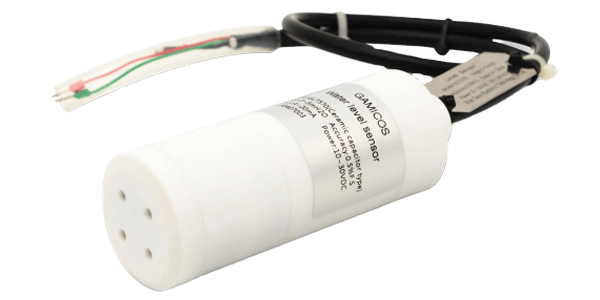
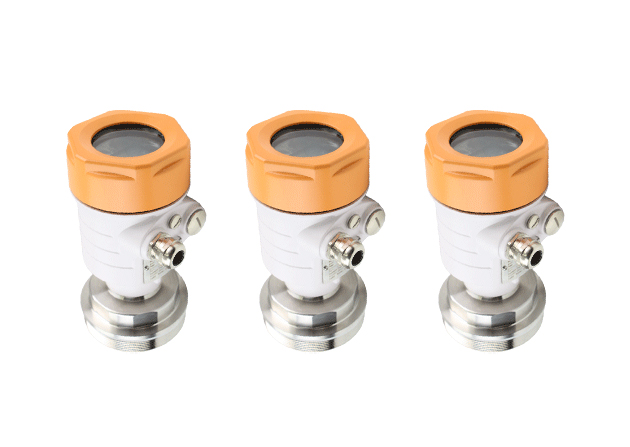
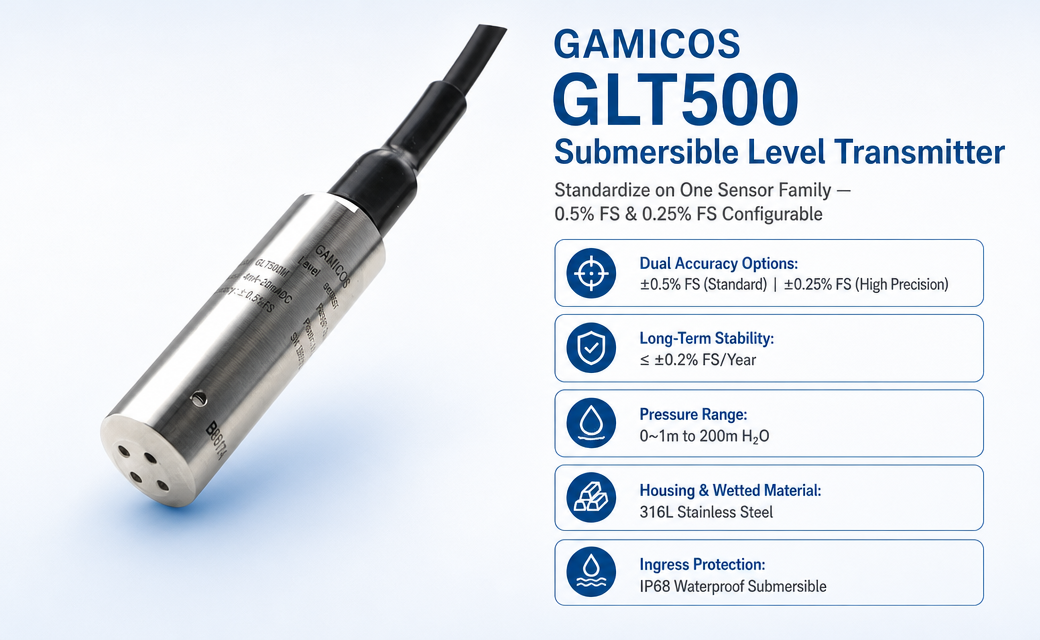
If you’re looking for a submersible level transmitter that covers both ends of this accuracy spectrum, the GAMICOS GLT500 offers both ±0.5% FS (standard) and ±0.25% FS (optional) versions within the same product family.
That means you can standardize on a single sensor model across multiple projects — choosing 0.5% FS for general monitoring applications and upgrading to 0.25% FS only where precision truly matters — without managing different part numbers or retraining your installation team.
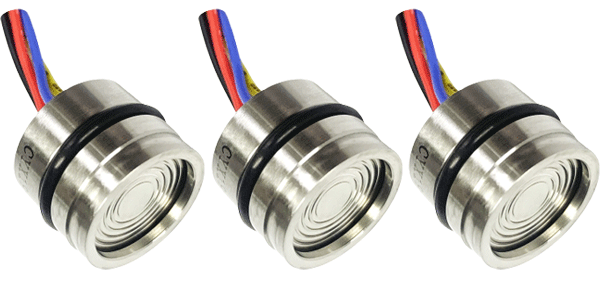
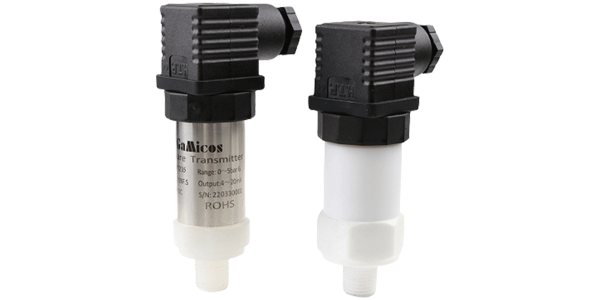
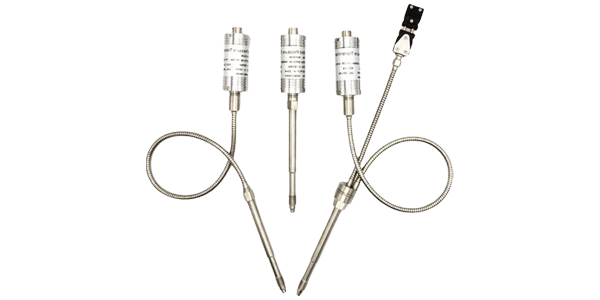
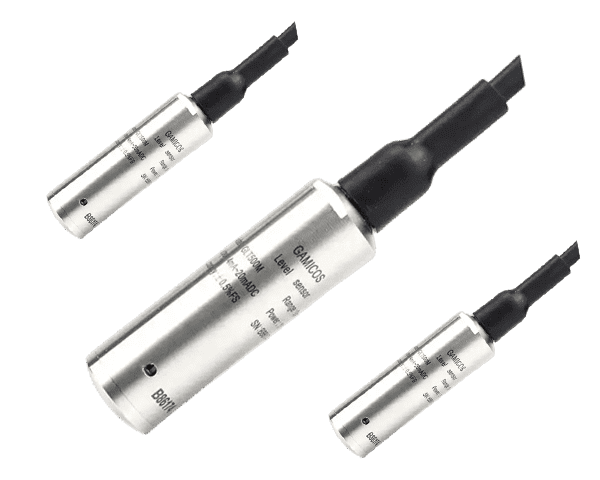
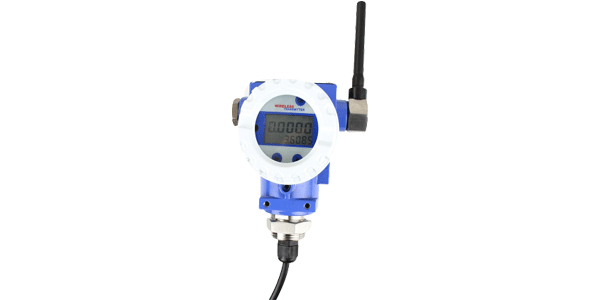
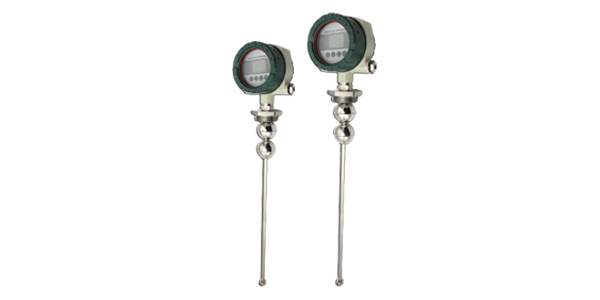
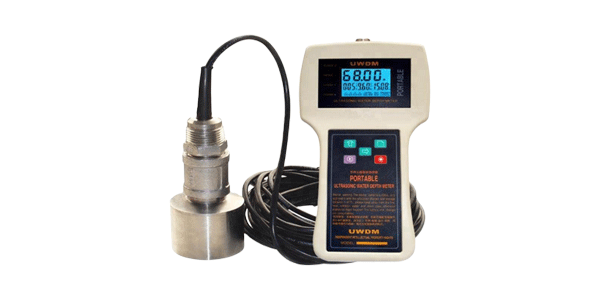
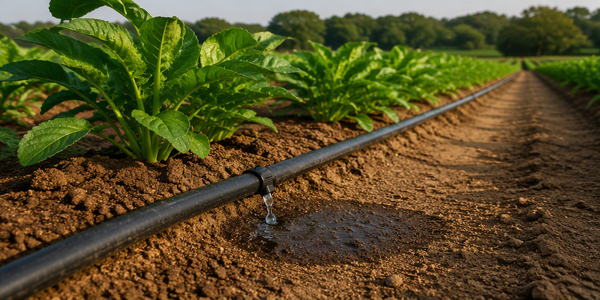
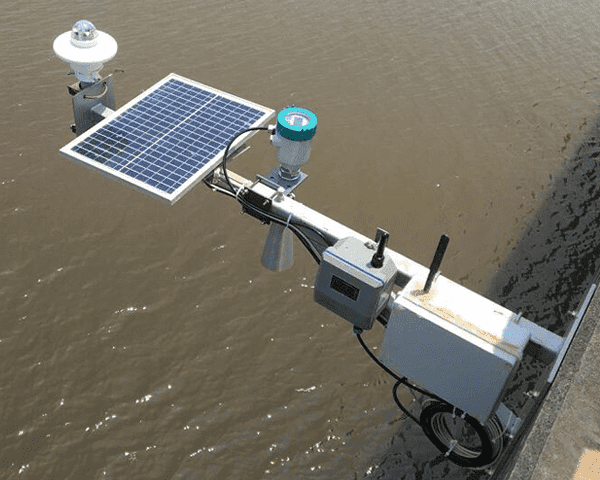
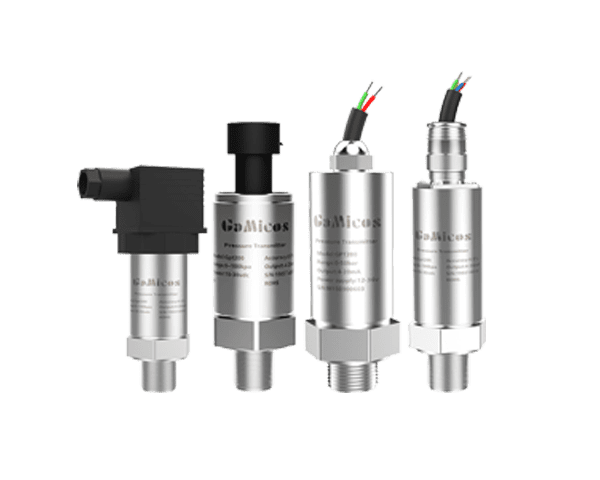
Image 4 — the official GLT500 product photo.
Key specs that complement the accuracy choice
Pressure range: 0~1 to 200 mH2O — covers shallow tanks to deep wells
Long-term stability: ±0.2% FS/year — accuracy that holds up over time
Protection:IP68, operating temperature −30 °C to 80 °C
Medium compatibility: 316L stainless steel wetted parts
Certifications: Intrinsic safety, explosion-proof, CE
Housing: Φ27 × 103 mm (2088 housing), available in 304 SS or 316L SS
OEM support: Custom cable lengths, materials, and pressure ranges available
Whether you need the cost efficiency of 0.5% FS or the precision of 0.25% FS, the GLT500 is engineered to deliver reliable performance across sewage treatment, river monitoring, deep well measurement, and industrial process applications.
Frequently Asked Questions
Can I upgrade accuracy later if I realize I need it?
Yes — but it’s often cheaper and simpler to specify the right accuracy from the start. Swapping sensors mid-project means downtime, reconfiguration, and potential calibration issues. If you’re unsure, choose 0.5% FS as a safe middle ground and upgrade only for specific high-precision points.
Does higher accuracy always mean better data quality?
Not necessarily. A sensor’s total error includes accuracy, temperature effect, long-term stability, hysteresis, and repeatability. A 0.5% FS sensor with excellent stability and low temperature effect often outperforms a 0.25% FS sensor with poor drift characteristics in real-world conditions. Always look at the full specification sheet, not just the accuracy line.
How often do I need to recalibrate my level sensor?
It depends on the sensor’s long-term stability rating. A sensor guaranteeing ±0.2% FS/year typically needs recalibration every 1–2 years in normal conditions. Harsher environments or sensors with unspecified drift may need annual checks. Check the manufacturer’s datasheet for the stability specification before buying.
Is 0.5% FS accurate enough for seawater or wastewater applications?
Yes — provided the sensor materials are compatible with the medium. Accuracy and material compatibility are separate specifications. A 0.5% FS sensor with 316L stainless steel construction (like the GLT500) handles seawater and wastewater beautifully while delivering reliable measurement performance.
What’s the difference between gauge pressure and absolute pressure for level measurement?
Gauge pressure sensors measure relative to atmospheric pressure — this is the standard choice for submersible level measurement since they measure the weight of the liquid column above them. Absolute pressure sensors measure relative to vacuum and are rarely needed for open-tank or well applications. The GLT500 is available in gauge pressure configuration, which is the correct choice for most submersible level sensing scenarios.
Still unsure which accuracy class fits your application?
Tell us about your project — liquid type, measuring range, and required precision — and our team will recommend the right sensor configuration.